Plot Summary
Flight Into the Storm
Marilyn Powell, desperate to keep custody of her daughter Emmie, drives through the night, haunted by accusations of being an unfit mother. The road is endless, the ocean air sharp, and her mind is clouded by exhaustion and self-doubt. When a handsome, unsettling police officer pulls them over, he insists they rest at a nearby motel, Sleeper's Paradise, offering a free room. Marilyn, wary but exhausted, agrees, not realizing this detour will plunge them into a nightmare. Emmie, sensing her mother's anxiety, asks innocent questions, but Marilyn's answers are laced with bitterness and fear. The storm outside mirrors the turmoil within, as mother and daughter drift toward a town that seems to exist outside the world's rules, where the rain itself feels sentient and ominous.
Haunted by the Past
Fourteen-year-old Nell Parrish, orphaned and traumatized by recent supernatural horrors, struggles to adjust to life in Marrow Falls with Tessie, a woman who crafts magical memory charms. Nell's nights are haunted by recurring dreams of her lost friend Lisa, always sobbing, always unreachable. The town is quiet, the house full of ghosts—both literal and figurative. Tessie's clients seek to preserve or relive memories, but Nell is unsure if she wants to remember or forget. The pain of loss and the longing for connection define her days, as she tries to find meaning in a world that has repeatedly failed her. The past is never far, and the future feels uncertain, as Nell wonders if she can ever truly belong.
Sleeper's Paradise Beckons
As the storm intensifies, Marilyn and Emmie arrive in Brightport, a town shrouded in rain and secrecy. The motel, Sleeper's Paradise, is nearly empty, its manager Dennis Grady unsettlingly eager to help. The room reeks of old smoke and despair, and Marilyn's self-loathing deepens as she succumbs to her painkillers, seeking numbness. Emmie, frightened by the storm and the unfamiliar room, senses something is wrong but clings to her mother's presence. The motel is a liminal space, a crossroads between escape and entrapment. Outside, the rain pounds relentlessly, as if trying to wash away the last remnants of hope. Inside, Marilyn's reflection accuses her, and the pills promise a fleeting peace that only deepens her isolation.
Memory Charms and Regrets
Nell, accompanied by Tessie, visits a thrift store and impulsively buys a cassette tape, hoping to preserve a cherished memory of a happier time with her foster family. Tessie's ritual is intimate and strange, allowing Nell to relive a day at the lake, a fleeting moment of belonging and joy. The experience is bittersweet, highlighting what has been lost and what can never be regained. The act of preserving memory becomes an act of defiance against oblivion, but also a reminder of the fragility of happiness. Nell's longing for connection is palpable, and the memory charm becomes both a comfort and a curse, anchoring her to a past that is gone forever.
Rain-Soaked Warnings
Alone in the motel room, Emmie is visited by the voice of a boy who appears in the rain on the window. He warns her that something evil is coming, that she and her mother are in grave danger. The rain is not just weather—it is a conduit for something malevolent. When two men, the officer and the motel manager, break in and abduct her, Emmie's cries go unheard by her drugged mother. She is taken into the storm, the boy's face in the rain apologizing for failing to save her. The sense of helplessness and betrayal is overwhelming, as Emmie is swept into a ritualistic horror orchestrated by the town's adults, all under the rain's spell.
Nightmares and Portals
Nell's sleep is plagued by visions of Lisa and the Dread Void, a realm of shifting portals and alien presences. Unable to rest, she encounters Hux, a supernatural hunter with silver eyes and a burdened soul, returning from a mission covered in otherworldly slime. Their conversation reveals the existence of others like Hux, soulless automatons, and the toll his work takes on his humanity. The Void calls Hux away again, and Nell is left with a sense of foreboding. The boundaries between dreams and reality blur, and Nell's unique gift—her touch that can calm or heal—becomes both a blessing and a source of anxiety. The night is thick with omens, and the storm outside is only a prelude to the darkness within.
Procession to the God
Emmie, trapped in the back of the police cruiser, witnesses the townspeople of Brightport emerging from their homes, drawn to the beach by an irresistible compulsion. The officer tells her they are going to meet a god, and the crowd's procession through the rain is both surreal and terrifying. At the shore, the townspeople offer Emmie as a sacrifice to a monstrous entity rising from the ocean. The ritual is interrupted by a blinding light—Hux's arrival through the Void—which scatters the crowd and allows Emmie to escape. Guided by the boy in the rain, she finds refuge in the empty elementary school, where she meets the ghosts of other children sacrificed before her. The horror of collective guilt and the loss of innocence permeate the scene.
The Children's Lament
In the school, Emmie is surrounded by the spirits of Brightport's lost children, trapped by the storm and the monster in the sea. They recount how the adults, under the rain's influence, handed them over to be devoured. Emmie learns she is not alone in her terror, and the children's stories are a chorus of betrayal and grief. The rain is revealed as the vector of the town's possession, and the monster's hunger is insatiable. The children's only solace is in each other, and in the hope that someone might break the cycle. Emmie's presence is both a reminder of what has been lost and a fragile spark of resistance against the darkness.
The Town's Possession
Hux interrogates the motel clerk and the officer, discovering that the rain is the source of the town's madness, a spell cast by the entity in the ocean. Nell's touch can temporarily free people from its influence, but the effect is fleeting. Marilyn, wracked with guilt and addiction, is unable to resist the storm's pull. The townspeople, driven by the rain's compulsion, hunt Nell and Marilyn, forcing them to flee through alleys and puddles, guided by the ghostly boy. The sense of being hunted, of the world turned upside down, is pervasive. The rain is both a physical and psychological threat, eroding willpower and amplifying despair.
Descent Into Despair
Marilyn, desperate to retrieve her pills, abandons Nell and Emmie at the car, succumbing to the storm's influence. The townspeople capture Nell and Emmie, carrying them to the beach as offerings. Hux, battling an army of drowned children's corpses in the ocean, struggles to reach them in time. The monster, a godlike leviathan, emerges from the sea, its tongue covered in the faces of its victims. Nell and Emmie are swallowed, tumbling into darkness. Inside the beast, they are attacked by the corpses of other children, and Nell is forced to fight for survival. The themes of sacrifice, addiction, and the limits of agency converge in a harrowing sequence of loss and terror.
The Monster in the Deep
Hux, nearly overwhelmed by the endless swarm of possessed children, finally breaks through and attacks the monster from within, using the Void's power to burn a hole through its flesh. He rescues Nell, but Emmie is left behind. Nell, refusing to abandon Emmie, convinces Hux to return. He dives back into the sinking beast, racing against time and the Void's destructive spread. On the shore, the storm breaks, the townspeople awaken from their trance, and Marilyn is left to confront the consequences of her choices. The cost of survival is steep, and not everyone can be saved.
Escape and Sacrifice
Hux retrieves Emmie's lifeless body from the monster and brings her to shore, but it is too late. Marilyn's grief is overwhelming, and she disappears into the night. Nell, exhausted and guilt-ridden, swims to shore, haunted by the knowledge that her powers could not save everyone. The townspeople, freed from the rain's spell, are left to reckon with their actions. The sense of futility and the weight of loss hang heavy over the survivors. The boundaries between heroism and helplessness blur, and the price of confronting cosmic evil is paid in blood and sorrow.
The Price of Survival
Nell, wracked with guilt over Emmie's death and Marilyn's despair, returns home with Hux. Tessie, furious at Hux for endangering Nell, confronts him about his choices and the nature of responsibility. The trio is fractured by grief and blame, each struggling to process the trauma of the night. Nell's sense of worthlessness deepens, and Hux is forced to confront his own failures and the limits of his humanity. The aftermath is a landscape of broken trust and unresolved pain, where the only certainty is that not all wounds can be healed.
Ghosts and Guilt
As dawn breaks, Nell is haunted by dreams of Lisa, sensing her friend is in danger. She pleads with Hux to help her, convinced that her dreams are more than mere nightmares. Hux, moved by Nell's desperation, agrees to use the Void to reach Lisa. They arrive just in time to save her from a suicide attempt, bringing her back to Tessie's house for care. The act of rescue is both a redemption and a reminder of the limits of power—Nell cannot save everyone, but she can save someone. The presence of ghosts, both literal and metaphorical, underscores the ongoing struggle to find meaning and hope in a world marked by loss.
A Friend's Cry
Lisa's rescue is fraught with uncertainty—her wounds are superficial, but her pain is deep. Tessie, guided by a vision of her own father, decides to care for Lisa, recognizing the importance of compassion and connection. Nell, overwhelmed by relief and guilt, stays by Lisa's side, vowing never to abandon her again. The act of saving Lisa is a small victory, a defiance of the darkness that has claimed so many others. The bonds of friendship and chosen family become a lifeline, offering a fragile hope amid the ruins of trauma.
The Limits of Power
In the quiet aftermath, Nell and Hux reflect on the nature of good and evil, the meaning of victory, and the inevitability of loss. Hux admits that his role is not to save lives, but to maintain cosmic balance, and that even the greatest powers have limits. Tessie, apologizing for her earlier anger, acknowledges the necessity of caring for those who need it, even when the outcome is uncertain. The survivors are left to grapple with the knowledge that not all battles can be won, and that the cost of survival is often measured in grief and regret. The dawn brings no easy answers, only the promise of another day.
The Dawn After Darkness
As the sun rises, Nell sits by Lisa's side, promising to stay with her always. The horrors of the night recede, but the scars remain. The town of Marrow Falls is quiet, its secrets buried for now, but the threat of the Void and the monsters it harbors lingers. The survivors are changed, their innocence lost, but their capacity for love and resilience endures. The story ends on a note of cautious hope, as Nell, Hux, and Tessie face the uncertain future together, bound by the knowledge that even in the sinking dark, there is light to be found.
Characters
Marilyn Powell
Marilyn is a young woman fleeing with her daughter Emmie, haunted by accusations of being an unfit mother and her own self-destructive tendencies. Her relationship with her parents is fraught with resentment and shame, fueling her flight and her reliance on painkillers. Marilyn's love for Emmie is genuine but clouded by her inability to cope with her own failures and addiction. Her psychological state deteriorates under the pressure of the storm and the supernatural events in Brightport, leading to moments of both fierce protectiveness and crippling despair. Marilyn's arc is a tragic exploration of the limits of love, the corrosive power of guilt, and the devastating consequences of unresolved trauma.
Emmie Powell
Emmie is Marilyn's six-year-old daughter, caught in the crossfire of her mother's struggles and the town's supernatural curse. Sensitive and perceptive, Emmie senses the tension and danger around her, but her trust in her mother remains steadfast. Her encounters with the ghostly boy in the rain and the other lost children reveal her vulnerability and courage. Emmie's fate—being offered as a sacrifice to the monster—serves as a heartbreaking indictment of adult failure and the loss of innocence. Her death is the story's emotional nadir, a symbol of the price paid when hope is devoured by darkness.
Nell Parrish
Nell is a fourteen-year-old orphan with a traumatic past, gifted with a supernatural touch that can calm or heal. Her dreams connect her to the Dread Void and to her lost friend Lisa, blurring the line between reality and nightmare. Nell's longing for connection and her sense of responsibility drive her to risk everything for others, even as she struggles with feelings of worthlessness and guilt. Her relationship with Tessie and Hux is complex, marked by gratitude, resentment, and a desperate need for belonging. Nell's journey is one of self-discovery, as she learns the limits of her power and the necessity of accepting imperfection and loss.
Hux
Hux is a supernatural sentinel, tasked with maintaining cosmic balance by hunting entities that slip through the Void. His silver eyes and inhuman abilities set him apart, but he clings to the remnants of his humanity, haunted by the loss of his own family. Hux's relationship with Nell is paternal yet distant, shaped by his fear of causing harm and his envy of her hope. His battles with the monster and the possessed children are both physical and existential, forcing him to confront the futility of heroism and the inevitability of failure. Hux embodies the tension between duty and compassion, power and impotence.
Tessie
Tessie is a former nurse with the ability to craft memory charms, offering solace to those seeking to preserve or relive the past. Her home is a refuge for Nell and, later, Lisa, but she is wary of becoming too attached. Tessie's own ghosts—literal and figurative—shape her actions, and her visions guide her to care for those in need, even when it is inconvenient or painful. Her relationship with Hux is marked by mutual respect and frustration, as they navigate the challenges of protecting Nell and confronting the supernatural. Tessie represents the power of compassion and the burden of responsibility.
Lisa
Lisa is Nell's best friend from the group home, appearing in Nell's dreams as a figure of sorrow and longing. Her suicide attempt, foreshadowed by Nell's visions, is a manifestation of the story's central themes of abandonment, trauma, and the struggle for survival. Lisa's rescue is a rare moment of triumph, but her pain lingers, a reminder that healing is a process, not a destination. Lisa's presence anchors Nell's journey, providing both motivation and a mirror for her own struggles.
Officer Dean Sherry
The handsome, unsettling police officer who directs Marilyn and Emmie to Sleeper's Paradise is a key figure in the town's possession. Under the rain's influence, he becomes an instrument of the monster's will, orchestrating the abduction and sacrifice of children. His interactions with Marilyn are laced with menace and manipulation, and his eventual death is both a release and a condemnation. Dean Sherry embodies the perversion of authority and the ease with which evil can wear a friendly face.
Dennis Grady
Dennis is the manager of Sleeper's Paradise, initially appearing as a harmless eccentric but later revealed to be under the storm's spell. His complicity in the town's rituals is both a result of possession and a reflection of the banality of evil. When freed from the rain's influence, Dennis is wracked with guilt and confusion, highlighting the story's exploration of agency and accountability.
The Monster / The God
The entity in the ocean is the story's central antagonist, a godlike being that feeds on the innocence of children and the virtue of the town. Its influence is spread through the rain, turning the townspeople into willing participants in its rituals. The monster's physical form is both awe-inspiring and grotesque, its tongue covered in the faces of its victims. It represents the incomprehensible nature of evil and the futility of resistance in the face of cosmic indifference.
The Boy in the Rain
The boy who appears to Emmie and Nell in the rain is a spirit of one of the town's lost children, trapped by the monster's curse. His warnings and guidance are acts of defiance against the darkness, offering a glimmer of hope amid despair. The boy's presence underscores the story's themes of loss, memory, and the enduring power of compassion, even in death.
Plot Devices
The Rain as Possession
The rain in Brightport is not mere weather but a supernatural agent, carrying the monster's influence and infecting the townspeople with madness. It serves as both a literal and metaphorical device, representing the spread of despair, the erosion of will, and the loss of innocence. The rain's omnipresence creates a claustrophobic atmosphere, heightening the sense of inescapable doom and blurring the line between internal and external threats.
The Dread Void
The Dread Void is a liminal space of portals and possibilities, connecting characters to other worlds, memories, and destinies. It is both a source of power and a place of terror, reflecting the characters' psychological states and the story's cosmic horror. The Void enables travel, rescue, and confrontation with the unknown, but it also exacts a toll, exposing characters to visions, nightmares, and the limits of their agency.
Memory Charms
Tessie's memory charms allow characters to relive moments of happiness or trauma, serving as both comfort and curse. The act of preserving memory becomes a way to resist oblivion, but also a reminder of what cannot be changed. The charms are a metaphor for the human desire to hold onto the past, even as it slips away, and for the dangers of living in memory rather than the present.
Possession and Agency
The story explores the theme of possession—by supernatural forces, addiction, guilt, and grief. Characters struggle to maintain agency in the face of overwhelming external and internal pressures. The rain's influence, Marilyn's addiction, and the monster's hunger all serve to erode autonomy, forcing characters to confront the limits of their power and the consequences of their choices.
Foreshadowing and Parallelism
The narrative structure employs foreshadowing through dreams, visions, and repeated motifs (such as the recurring image of Lisa, the use of mirrors and reflections, and the cycle of sacrifice and rescue). The parallel struggles of Marilyn and Nell, the repetition of loss and attempted redemption, and the echoes of past trauma in present events create a sense of inevitability and tragic resonance.
Analysis
Amid the Sinking Dark is a meditation on the nature of evil, the fragility of innocence, and the struggle for agency in a world shaped by forces beyond comprehension. Abe Moss weaves a narrative that is both intimate and cosmic, grounding supernatural horror in the psychological realities of trauma, addiction, and grief. The rain, the monster, and the Dread Void are not just external threats but manifestations of internal battles—guilt, self-doubt, and the longing for connection. The story refuses easy answers or tidy resolutions; not all can be saved, and survival often comes at a terrible cost. Yet, amid the darkness, there are moments of grace: the act of preserving a memory, the rescue of a friend, the stubborn persistence of love. The novel challenges readers to confront the limits of power and the inevitability of loss, while also affirming the value of compassion, resilience, and the search for meaning in a universe that offers none. In the end, the sinking dark is not just a place but a state of being—and the light that endures is found in the bonds we forge, however fragile, against the void.
Last updated:
Review Summary
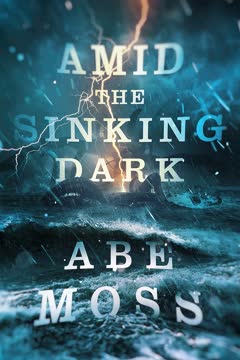
Amid the Sinking Dark is the second book in Abe Moss's Dread Void series, earning 4.37/5 stars. Readers praise its Lovecraftian cosmic horror, featuring protagonist Nell alongside Hux, who travels through the Dread Void fighting supernatural threats. This installment centers on Brightport, where a sea-beast uses rain for mind control. Reviewers appreciate the character development, fast pacing, and darker tone compared to the first book, though some found it slightly rushed. The series draws comparisons to Supernatural and X-Files in structure, with each book presenting new monsters while advancing an overarching plot.