Plot Summary
Birds Born of Sorrow
In a decaying cottage, a woman endures a cycle of unnatural pregnancies, each ending with the birth of a bird from her body. Her husband, once loving, grows distant and eventually leaves, unable to accept her strangeness. The townspeople and government treat her as a curiosity and a threat, subjecting her to tests and isolation. Only Matilda, a bluebird she manages to keep, offers companionship. As the birds accumulate, each one a piece of her lost self, she realizes her true kinship is with these creatures. In a final act of reclamation, she follows her last-born bird into the forest, where all her lost birds return to her. She swallows them, becoming whole, and finally soars above the world, untethered and complete.
The Vanishing Test
In a society plagued by mysterious disappearances, children are subjected to a psychological test—the Ten Questions—to determine their risk of vanishing. Vivienne, a sensitive, imaginative girl, befriends Tally, another outcast. As more people disappear, those who score high on the test are segregated and monitored, their families growing distant. Tally and Vivienne cling to each other, finding solace in shared oddness. When Tally is taken away for treatment, she vanishes, leaving Vivienne to navigate a world that fears and erases those who don't fit. The story is a meditation on alienation, conformity, and the longing for connection in a world that punishes difference.
Blood in the Clawfoot Tub
After her sister Savannah's suicide, Sabrina refuses to let go, preserving the blood-filled bathtub as a shrine. Family and acquaintances descend, offering platitudes and judgment, but Sabrina's grief is raw and unmanageable. She battles her aunt's attempts to control her, the intrusion of flies, and the threat of losing even the physical remnants of her sister. The story explores the rituals of mourning, the violence of family secrets, and the desperate need to hold onto what is lost. In the end, Sabrina keeps a part of Savannah in a jar, defying those who would erase her sister's memory, and finds a strange, private solace in their continued, haunted connection.
Apples, Princes, and Poison
In a blighted village, girls are sent to an orchard to eat enchanted apples, falling into a deathlike sleep until a prince—or any man—claims them. The narrator, the orchard-keeper's daughter, witnesses the cycle of sacrifice, the commodification of girls, and the emptiness of the promised "happily ever after." She collects the uneaten apples, mourns the lost girls, and ultimately rebels by burning the orchard, breaking the spell. The story is a dark retelling of fairy tales, exposing the violence and complicity underlying traditions that demand girls' suffering for communal salvation.
Letters to the Ambry
Molly Jane writes letters to the "man in the ambry," a mysterious presence in her bedroom closet. The letters span her childhood, adolescence, and adulthood, chronicling her loneliness, her struggles with family and relationships, and her eventual disappearance. The ambry becomes a symbol of the hidden, the unspoken, and the otherworldly connections that shape her life. As Molly Jane vanishes, her mother's final letter pleads for her return, haunted by the giggles and coos that linger in the house. The story is a poignant exploration of longing, invisibility, and the thin line between reality and the supernatural.
Hide-and-Seek with Shadows
Emma Jo, a child who loves hide-and-seek, slips into the darkness and never fully returns. Her mother, unable to accept her loss, searches for Emma Jo in the shadows of their home, convinced her daughter is still hiding. The father moves on, but the mother is drawn deeper into the game, haunted by giggles and the scent of pink lemonade. The story blurs the boundaries between life and death, memory and haunting, as the mother prepares to follow her daughter into the darkness, refusing to let go.
Ghosts Between Lovers
Kaylee is haunted by Audrey, her childhood friend and her husband's former lover, who committed suicide after Kaylee married Daniel. Audrey's ghost crawls nightly toward Kaylee's bed, a silent accusation and a threat to her unborn child. As Kaylee's life unravels—her husband dies, her pregnancy continues—she confronts the legacy of betrayal and the impossibility of forgiveness. The story is a chilling meditation on the persistence of guilt, the destructive power of secrets, and the ways the dead shape the living.
Camp of Compulsory Happiness
Arabella and her older sister Madeline are sent to a government camp designed to "cure" children of unhappiness through indoctrination, drugs, and psychological tests. Madeline, a repeat attendee, is subjected to harsher treatments, but Arabella's love and skill at make-believe help them both survive. The camp's rituals—lectures, Red Days, and graduation—mask a system that punishes difference and rewards conformity. In the end, the sisters escape by pretending to be "good children," vowing to find others like them and resist the system's erasure of individuality.
Skin Borrowed, Skin Shed
Clare and Emily are beings who must steal and wear human skin to survive, their identities layered and unstable. Emily is seductive and destructive, while Clare longs for connection and authenticity. Their relationship is fraught with jealousy, violence, and longing, complicated by Clare's love for Nathalie, a human woman. When Clare finally sheds her stolen skin, exposing her true self, Nathalie accepts her, offering warmth and acceptance. The story is a visceral allegory for queer desire, self-acceptance, and the pain of loving someone who cannot love you back in the way you need.
Love Letters from the Afterlife
In a series of direct, confessional letters, a woman addresses her former lover, recounting their love, betrayal, and her own suicide. Now a ghost, she haunts him, sabotaging his new relationship and plotting revenge. The story is a darkly comic, bitter meditation on the persistence of love and hate beyond death, the futility of seeking closure, and the ways we remain bound to those who have hurt us.
Wind, Magic, and Justice
Two orphaned sisters, marked by their Indigenous heritage, survive in a world that refuses to listen to their pain or recognize their magic. When one sister is murdered by her abusive husband, the other uses ancestral magic and the power of the wind to bring her back and exact justice. The story is a lyrical invocation of grief, resilience, and the enduring strength of women who are denied justice by the world but find it through their own means.
Towers and Invisible Cages
In a world where some girls develop literal towers around their bodies, the "tower princesses" are isolated, feared, and fetishized. Mary, an outsider herself, falls in love with Linnea, a princess who can leave her tower at will. Their relationship is a fragile refuge from a world of violence, family abuse, and societal scorn. When Mary's trauma and Linnea's secret collide, they are separated, and Mary spends years waiting for her lost love to return. The story is a powerful allegory for queerness, trauma, and the longing for connection in a hostile world.
Celluloid Immortality
A nameless narrator becomes obsessed with a long-dead actress, watching her films repeatedly and feeling her presence reach through the screen. The actress, murdered by cultists, is remembered only in fragments—her beauty, her voice, her tragic end. The narrator's devotion becomes a form of resurrection, as the actress's smile "untethers the universe," destroying the world that forgot her and creating a new reality where they are together. The story is a meditation on art, memory, and the power of the gaze to both destroy and redeem.
The Bride Who Burns
Terence marries Gillian, an artist haunted by depression and self-destruction. On their honeymoon, Gillian burns to death each night, only to be resurrected by Terence's grief and longing. Trapped in a cycle of loss and return, Terence tries to save her, but ultimately realizes he cannot. In letting go, he allows both of them to move on, accepting that love cannot conquer all, and that some fires cannot be tamed.
The Unraveling Smile
The motif of the smile recurs throughout the stories, culminating in the titular tale where a woman's smile is so powerful it unravels the fabric of the universe. This smile is not merely joy, but a force of liberation, destruction, and creation. It is the moment when the outsider, the haunted, the broken, claims her own narrative and remakes the world in her image.
The Return to Wholeness
Across the stories, characters who have been fragmented—by trauma, loss, or societal rejection—find ways to reclaim their wholeness. Whether by swallowing their lost parts, forging new connections, or shedding false skins, they move toward a state of self-acceptance and agency, even if it means leaving the world that hurt them behind.
The Choice to Untether
The stories repeatedly present the choice between remaining bound—by family, society, or the past—and breaking free, even at great cost. The act of untethering is both terrifying and exhilarating, a leap into the unknown that offers the possibility of true belonging.
The Universe Remade
In the end, the collection is a celebration of those who do not fit, who are cast out, who are haunted or monstrous or strange. Their pain is real, but so is their power. Through acts of rebellion, love, and self-creation, they untether the universe from its old constraints and imagine new possibilities for themselves and others like them.
Characters
The Bird-Bearing Woman
She is a nameless protagonist whose body becomes the site of the uncanny, birthing birds instead of children. Her relationships—with her husband, the townspeople, and the government—are marked by rejection and surveillance. Psychologically, she is isolated, haunted by loss, and driven by a need to reclaim her fragmented self. Her journey is one of painful metamorphosis, culminating in a radical act of self-integration and liberation.
Matilda
Matilda is the bluebird the protagonist manages to keep, representing the possibility of love, memory, and continuity amid loss. She is both a literal companion and a metaphor for the parts of ourselves we fight to preserve. Matilda's presence enables the protagonist's final transformation and flight.
Vivienne
Vivienne is a child marked as different by a society obsessed with normalcy. Her friendship with Tally is her lifeline, but also her vulnerability. She is introspective, imaginative, and ultimately left behind, forced to survive in a world that erases those who do not fit. Her psychological arc is one of longing, loss, and the search for meaning in alienation.
Tally
Tally is the embodiment of resistance to conformity, refusing to hide her difference or submit to the world's demands. She is playful, wise, and ultimately vanishes, leaving a void in Vivienne's life. Tally's disappearance is both a tragedy and a liberation, a testament to the costs and possibilities of refusing to belong.
Sabrina
Sabrina is consumed by the loss of her sister Savannah, refusing to let go or allow others to dictate how she mourns. Her psychological struggle is with guilt, anger, and the need to preserve what is lost, even at the cost of her own sanity. She is both victim and agent, finding a strange empowerment in her refusal to conform to societal expectations of grief.
Emily
Emily is a skin-stealer, a being who survives by taking from others. She is charismatic, manipulative, and deeply wounded, unable to love without consuming. Her relationship with Clare is fraught with jealousy and need, a dance of attraction and destruction. Emily represents the dangers of desire unmoored from empathy or self-knowledge.
Clare
Clare is also a skin-stealer, but unlike Emily, she longs for genuine connection and self-acceptance. Her journey is one of self-discovery, culminating in the painful shedding of her borrowed skins and the risk of vulnerability. Clare's arc is a powerful metaphor for queer identity, self-love, and the courage to be seen as one truly is.
Nathalie
Nathalie is the woman who accepts Clare in her true form, offering warmth, acceptance, and a home. She is resilient, kind, and open, providing a counterpoint to the predatory dynamics of Clare's past. Nathalie's acceptance is transformative, enabling Clare's final act of self-revelation.
Linnea
Linnea is a girl encased in a literal tower, marked as different and isolated by society. She is resourceful, secretive, and capable of leaving her tower at will, but chooses when and how to reveal this. Her relationship with Mary is a fragile refuge, and her ultimate disappearance is a profound loss. Linnea embodies the complexities of agency, vulnerability, and the longing for freedom.
The Actress
The unnamed actress at the heart of "And Her Smile Will Untether the Universe" is both a victim and a force of cosmic change. She is remembered, forgotten, and ultimately resurrected by the narrator's devotion. Her smile becomes a weapon and a blessing, unraveling the universe and remaking it in her image. She is a symbol of the power of art, memory, and the outsider's gaze.
Plot Devices
Magical Realism and Body Horror
The stories use magical realism—birds born from wombs, girls encased in towers, skin-stealing lovers—to literalize psychological and social experiences of otherness. Body horror becomes a metaphor for trauma, transformation, and the costs of survival in a hostile world.
Epistolary and Fragmented Narratives
Many stories are told through letters, questionnaires, or fragmented vignettes, creating a sense of immediacy and vulnerability. This structure mirrors the characters' fractured identities and the difficulty of forging connection in a world that demands conformity.
Repetition and Cyclical Time
Characters are often trapped in loops—of grief, violence, or self-destruction—unable to break free until a radical act of self-assertion or acceptance. This cyclical structure emphasizes the persistence of trauma and the difficulty of true transformation.
Foreshadowing and Symbolism
These symbols accumulate meaning across stories, foreshadowing both doom and the possibility of liberation. The smile, in particular, becomes a motif of both vulnerability and power, culminating in the universe's unraveling.
Outsider Perspective and Subversion of Genre
The collection subverts familiar genres, centering the experiences of those usually cast as monsters, victims, or background figures. By giving voice to the outsider, the stories challenge the reader's assumptions about who deserves empathy, agency, and a happy ending.
Analysis
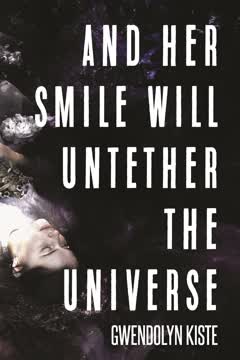
Gwendolyn Kiste's And Her Smile Will Untether the Universe is a masterwork of contemporary speculative fiction, weaving together horror, fairy tale, and magical realism to explore the lives of outsiders—women, queer people, the haunted, the monstrous—who are marked as different and punished for it. The collection's stories are united by a deep empathy for those who do not fit, and a fierce critique of the systems—familial, societal, supernatural—that demand conformity at the cost of selfhood. Kiste's prose is lush, lyrical, and unflinching, rendering trauma and transformation with equal parts beauty and brutality. The recurring motifs of birds, skin, towers, and smiles serve as both wounds and weapons, symbols of the pain of alienation and the power of reclamation. Ultimately, the collection insists that wholeness is possible, not through assimilation, but through the radical act of embracing one's own strangeness and forging connections with others who are likewise untethered. In a world that seeks to erase or contain the different, Kiste's stories offer a vision of liberation: the outsider's smile, once suppressed, becomes the force that remakes the universe.
Last updated:
Review Summary
And Her Smile Will Untether the Universe receives overwhelmingly positive reviews (4.29/5 stars), praised as a stunning collection of dark fairy tales and tragic magical realism. Readers consistently highlight Kiste's lyrical, beautiful prose and inventive storytelling. The collection features fourteen stories centered on women as outcasts and outsiders who reclaim power from societal limitations. Standout stories frequently mentioned include "The Tower Princesses," "Audrey at Night," "The Clawfoot Requiem," and "The Lazarus Bride." Reviewers appreciate Kiste's skillful use of second-person narration, feminist themes, and emotional depth that evokes grief, loss, and transformation without relying on traditional horror scares.