Key Takeaways
1. The Burden of Being Unwanted
Adeline Yen Mah’s family considered her to be bad luck because her mother died giving birth to her.
A life-long curse. From birth, Adeline was branded as "bad luck" by her family, particularly her older siblings, due to her mother's death during childbirth. This perception led to a childhood marked by severe discrimination and emotional neglect, making her feel perpetually unwanted. Her stepmother, Niang, exacerbated this treatment, ensuring Adeline felt like an outcast within her own home.
Constant rejection. Adeline's existence was a source of resentment for her family, who blamed her for their misfortune. This deep-seated animosity manifested in various forms of mistreatment, from verbal abuse to physical punishment. The lack of familial love and acceptance became the defining characteristic of her early life, shaping her self-perception and her desperate yearning for validation.
An invisible child. Despite living in a large, wealthy household with many family members and servants, Adeline experienced profound loneliness. She was often overlooked, her needs ignored, and her presence barely acknowledged by her father and stepmother. This emotional void fueled her internal struggles and her relentless pursuit of external validation.
2. Cruelty and Calculated Control
Not only are you a liar and a thief but you are manipulative as well. Nothing will ever come of you.
Niang's reign. Adeline's stepmother, Niang, exerted absolute control over the household and its children, especially the five stepchildren. Her cruelty was systematic and calculated, designed to demean and isolate Adeline. Niang's own children, Fourth Brother and Little Sister, were showered with privileges, highlighting the stark inequality.
Emotional and physical abuse. Niang's abuse was not only psychological but also physical, including slaps and ordering Father to use a dog whip. She controlled every aspect of Adeline's life, from her clothes and appearance to her social interactions and even her mail. This constant oppression created an atmosphere of fear and anxiety for Adeline.
Father's complicity. Adeline's father, though present, was largely passive and complicit in Niang's abuse. He prioritized his own peace and Niang's desires over his daughter's well-being, often forgetting Adeline's name or birthday. His inaction reinforced Niang's power and left Adeline feeling utterly unprotected and abandoned.
3. Sanctuary in Academic Excellence
Being top of your class merely confirms this.
A path to validation. Adeline discovered that academic success was her only means of gaining recognition and a fleeting sense of worth, particularly from her distant father. Winning awards and topping her class became her "secret weapon," a way to prove her value in a family that constantly devalued her. This drive for excellence provided a purpose beyond her miserable home life.
Escape through learning. School became Adeline's refuge, a place where she felt she belonged and was respected by her teachers and peers. Unlike her home, the classroom offered a structured environment where her intelligence was celebrated, not scorned. This intellectual engagement allowed her to momentarily escape the "horrors of her daily life."
A different identity. Through her studies, Adeline cultivated an identity separate from the "unwanted daughter" label. Her classmates nicknamed her "Genius" and "scholar," offering a stark contrast to her family's perception. This external validation, though fragile, was crucial for her self-esteem and her belief in a possible future.
4. Allies in Adversity
I’ll be here for you as long as I’m alive. Surely you know that? But you must never forget the dream.
Unconditional love. Adeline's Aunt Baba and Grandfather Ye Ye were her only sources of genuine love and support. Aunt Baba, in particular, provided the emotional warmth and encouragement that Adeline desperately needed, cherishing her report cards as if they were precious jewels. Their bond was a lifeline in Adeline's otherwise desolate existence.
Guidance and belief. Ye Ye, despite his own declining health and diminished status in the household, consistently encouraged Adeline to pursue her education and "create her own destiny." He instilled in her the belief that she was "precious and special," urging her to "vanquish the demons" by recognizing her own worth. His wisdom, especially regarding Chinese language and culture, offered her a deeper sense of identity.
A shared dream. Aunt Baba and Ye Ye fostered Adeline's dreams of a better future, promising to live with her once she achieved independence. This shared vision provided Adeline with hope and motivation to persevere, even when faced with the prospect of being sent to an orphanage. Their unwavering faith in her potential was a powerful counter-narrative to Niang's constant denigration.
5. The Pain of Social Isolation
I couldn’t possibly tell anyone the truth: how worthless and ugly Niang made me feel most of the time; how I was held responsible for any misfortune and was resented for simply being around; how my mind was racked with anxiety and constantly burdened by an impending sense of doom.
A hidden life. Adeline was forced to maintain a facade of normalcy at school, never speaking of her family or accepting invitations to friends' homes. This secrecy stemmed from her fear of exposing the "pathetic truth" of her home life and the shame of being "unwanted and unloved." The constant pretense added another layer to her emotional burden.
Fear of exposure. The incident with her birthday party, where her friends followed her home and witnessed Niang's public humiliation of Adeline, shattered her carefully constructed illusion. This moment of exposure was deeply traumatic, confirming her worst fears about her family's "ugliness" being revealed. It highlighted the profound chasm between her school life and her home life.
Perpetual loneliness. Despite her academic success and the respect of her peers, Adeline carried a "dreadful loneliness" that she felt she could never share. This internal isolation, coupled with the external restrictions on her social life, made her childhood a solitary journey. Her longing for connection was palpable, yet constantly thwarted by her circumstances.
6. Sibling Betrayal and Enduring Spirit
Why was I crying? Surely, I was inured by now to their malice. What was it that really bothered me? Their treachery and betrayal of my trust? No, not quite, it was more complicated.
A fractured family. Adeline's relationships with her older siblings were fraught with animosity and betrayal, stemming from their shared belief that she caused their mother's death. They often ganged up on her, ridiculed her, and even physically abused her, particularly Big Sister and Second Brother. This constant torment made her own siblings feel like adversaries rather than allies.
The urine prank. A particularly cruel incident involved her brothers tricking her into drinking orange juice mixed with their urine, a profound act of betrayal that deeply wounded Adeline. This event, and Third Brother's complicity, highlighted the extent of their malice and her profound isolation even from those who should have been her closest kin. It was the "loss of the nicest parts of Third Brother" that saddened her most.
Resilience amidst cruelty. Despite these repeated acts of cruelty and betrayal, Adeline's spirit, though bruised, remained unbroken. She continued to seek connection, even from her tormentors, and found ways to cope with the pain. Her ability to endure and still dream of a better future speaks to her remarkable inner strength and resilience.
7. The Power of Words and Self-Discovery
To me, writing was pure pleasure. It thrilled me to be able to escape the horrors of my daily life in such a simple way.
A creative outlet. Adeline discovered writing as a powerful means of escape and self-expression. Through her compositions and short stories, she could create imaginary worlds where she was powerful, loved, and free from the constraints of her reality. This creative pursuit became her sanctuary, allowing her to process her emotions and envision a different life.
Finding her voice. In her narratives, Adeline poured out "everything that I dared not say out loud in real life." She transformed her pain and longing into stories, becoming the heroines she wished to be. This act of writing was not just a hobby but a vital tool for self-discovery, helping her understand her own feelings and aspirations.
Impact on others. Her stories resonated with her classmates, who eagerly read and discussed them, further validating her talent. This positive feedback from her peers reinforced her belief in her abilities and the power of her words, contrasting sharply with the constant criticism she received at home. Writing became a tangible proof of her worth.
8. A Glimmer of Hope and Self-Determination
You have something precious and unique deep inside you which must not be wasted. I’ve always known that. You must prove them wrong! Promise?
Ye Ye's final plea. After Ye Ye's death, Adeline was plunged into despair, but his parting words resonated deeply. He urged her to "create your own destiny," emphasizing her unique worth and the importance of education. This final exhortation became a powerful catalyst for Adeline's determination to pursue her dreams, particularly the play-writing competition.
The unexpected triumph. Adeline's win in the International Play-writing Competition was a monumental turning point, a public validation of her talent that transcended her family's disdain. This victory, announced by her father, finally provided the leverage she needed to escape her oppressive home life and pursue higher education in England, fulfilling her deepest desire.
Forging a new path. The offer to study in England represented not just an academic opportunity but a chance for true liberation. It was a direct result of her own efforts and talent, proving Niang and Father wrong about her worthlessness. This moment marked the beginning of Adeline's journey towards self-determination, finally breaking free from the "unwanted daughter" narrative and stepping into a future of her own making.
Last updated:
FAQ
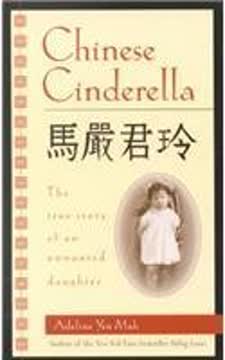
1. What is "Chinese Cinderella: The True Story of an Unwanted Daughter" by Adeline Yen Mah about?
- Autobiographical account of childhood: The book is an autobiography detailing Adeline Yen Mah’s difficult childhood in China, where she was considered bad luck after her mother died giving birth to her.
- Themes of rejection and resilience: It explores her experiences of neglect, emotional abuse, and discrimination by her family, especially her stepmother, Niang.
- Historical and cultural context: The story is set against the backdrop of significant events in 20th-century China, including the Japanese occupation, World War II, and the Communist revolution.
- Journey to self-worth: Despite adversity, Adeline’s intelligence, academic achievements, and the support of her Aunt Baba help her persevere and eventually find her own path.
2. Why should I read "Chinese Cinderella" by Adeline Yen Mah?
- Inspiring story of resilience: The book offers a powerful message about overcoming adversity, making it relatable and uplifting for anyone who has felt unwanted or marginalized.
- Insight into Chinese culture: Readers gain a deeper understanding of Chinese family dynamics, traditions, and the impact of historical events on personal lives.
- Universal themes: The narrative addresses universal issues such as family, identity, self-worth, and the importance of hope and dreams.
- Emotional and literary impact: Adeline’s storytelling is poignant and evocative, making the book both moving and memorable.
3. What are the key takeaways from "Chinese Cinderella" by Adeline Yen Mah?
- Persistence in adversity: No matter how hopeless circumstances seem, perseverance and belief in oneself can lead to eventual triumph.
- Value of education: Academic achievement and a love of learning can provide a sense of purpose and a means of escape from difficult situations.
- Importance of positive support: Even one supportive figure, like Aunt Baba, can make a significant difference in a child’s life.
- Transforming trauma into strength: Adeline’s story demonstrates how personal suffering can be transformed into creativity, compassion, and courage.
4. Who are the main characters in "Chinese Cinderella" and how do they influence Adeline Yen Mah’s life?
- Adeline Yen Mah (Jun-ling): The protagonist, whose intelligence and determination drive the narrative.
- Niang (Stepmother): The main antagonist, whose cruelty and favoritism create much of Adeline’s suffering.
- Father: Distant and often indifferent, he fails to protect Adeline from mistreatment.
- Aunt Baba: Adeline’s loving aunt, who provides emotional support and encouragement.
- Siblings: Her brothers and Big Sister often join in the neglect or bullying, while her half-siblings are favored by Niang.
5. How does Adeline Yen Mah portray Chinese family structure and culture in "Chinese Cinderella"?
- Patriarchal hierarchy: The family is structured with clear hierarchies, with the father and stepmother at the top and stepchildren at the bottom.
- Preference for sons: The book highlights the traditional preference for male children and the resulting discrimination against daughters.
- Role of tradition and superstition: Customs such as foot-binding, arranged marriages, and beliefs about luck and fate are explored.
- Impact of historical events: The family’s fortunes and dynamics are shaped by war, political upheaval, and changing social norms in China.
6. What are the most significant events in Adeline Yen Mah’s childhood as described in "Chinese Cinderella"?
- Mother’s death and being labeled ‘bad luck’: Adeline’s life is marked from birth by the loss of her mother and the resulting stigma.
- Niang’s arrival and favoritism: The stepmother’s entry into the family brings increased neglect and cruelty toward Adeline and her full siblings.
- Academic achievements: Adeline’s consistent academic success is both a source of pride and resentment within the family.
- Boarding school isolation: She is sent away to boarding schools, often left alone and feeling abandoned, especially during the Communist takeover.
- Winning the playwriting competition: This achievement finally earns her father’s recognition and the opportunity to study in England.
7. How does Adeline Yen Mah use the motif of "Cinderella" in her autobiography?
- Parallels to the fairy tale: Adeline’s life mirrors the Cinderella story, with a cruel stepmother, neglect, and eventual recognition.
- Chinese version of Cinderella: The book includes the story of Ye Xian, the original Chinese Cinderella, drawing cultural connections.
- Symbol of hope: The Cinderella motif represents the possibility of transformation and triumph despite adversity.
- Dedication to unwanted children: Adeline dedicates her story to all unwanted children, reinforcing the universal relevance of the Cinderella archetype.
8. What role does education and academic success play in "Chinese Cinderella" by Adeline Yen Mah?
- Means of validation: Academic achievements are Adeline’s primary way of gaining recognition and self-worth in a hostile family environment.
- Source of hope: Success at school provides her with hope for a better future and a sense of belonging among peers.
- Catalyst for change: Her academic accomplishments ultimately lead to life-changing opportunities, such as studying abroad.
- Contrast with family values: The family’s lack of appreciation for her talents highlights the emotional neglect she endures.
9. How does Adeline Yen Mah depict the impact of historical and political events on her family in "Chinese Cinderella"?
- Japanese occupation and World War II: The family’s movements and fortunes are directly affected by the war and foreign occupation.
- Civil war and Communist revolution: The rise of the Communists leads to upheaval, fear, and the family’s eventual flight to Hong Kong.
- Loss of status and security: Political instability results in financial uncertainty and changes in the family’s social standing.
- Personal isolation: The chaos of the times exacerbates Adeline’s sense of abandonment, especially when left alone in Tianjin.
10. What are the most memorable quotes from "Chinese Cinderella" and what do they mean?
- “Please believe that one single positive dream is more important than a thousand negative realities.” – This quote, from the preface, encapsulates the book’s message of hope and perseverance.
- “To those who were neglected and unloved as children, I have a particular message… each of you has within you something precious and unique.” – Adeline’s dedication to unwanted children emphasizes self-worth despite adversity.
- “Family ugliness should never be revealed in public.” – This reflects the cultural pressure to maintain appearances, even at the cost of personal suffering.
- “Chinese Cinderella is dedicated to you with the fervent wish that you will persist in trying to do your best in the face of hopelessness.” – The author’s encouragement to readers facing similar struggles.
11. How does Adeline Yen Mah’s relationship with Aunt Baba shape her development in "Chinese Cinderella"?
- Source of unconditional love: Aunt Baba is the only adult who consistently supports and believes in Adeline.
- Emotional refuge: Their shared room becomes a sanctuary from the rest of the family’s hostility.
- Encouragement and validation: Aunt Baba celebrates Adeline’s achievements, preserving her report cards as treasures.
- Lasting influence: Aunt Baba’s faith in Adeline’s potential helps her develop resilience and self-confidence.
12. What is the significance of the story of Ye Xian (the original Chinese Cinderella) in Adeline Yen Mah’s autobiography?
- Cultural connection: The inclusion of Ye Xian’s story links Adeline’s personal narrative to a broader Chinese tradition.
- Symbol of hope and agency: Ye Xian’s triumph through her own talents mirrors Adeline’s journey and reinforces the theme of self-empowerment.
- Message from Aunt Baba: The story is shared in a letter from Aunt Baba, serving as a talisman against despair for Adeline.
- Universal resonance: By connecting her life to the Cinderella archetype, Adeline underscores the universality of her experiences and the possibility of transformation for all unwanted children.
Review Summary
Chinese Cinderella is a memoir that evokes strong emotions in readers. Many praise Yen Mah's resilience and find her story inspiring, while others criticize her for seeming privileged or whiny. The book is often described as heartbreaking, detailing emotional abuse and neglect. Readers appreciate the insights into Chinese culture and history. Some find the writing style awkward or simplistic. Overall, the book is seen as a powerful account of overcoming adversity, though opinions on its quality and message are divided.
Similar Books

Download PDF
Download EPUB
.epub digital book format is ideal for reading ebooks on phones, tablets, and e-readers.





