Plot Summary
Ponds and Promises
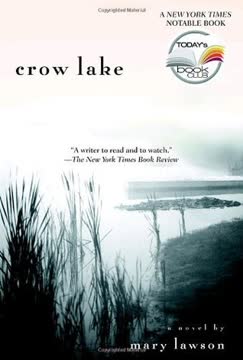
Kate Morrison's earliest memories are of lying beside her older brother Matt at the edge of the ponds near their rural Ontario home, learning about the natural world. The ponds are a place of magic and knowledge, where Matt's passion for biology and teaching shines. Their family—Presbyterian, reserved, and hardworking—values education, a legacy from their formidable Great-Grandmother Morrison. The four Morrison children—Luke, Matt, Kate, and Bo—grow up in a tight-knit, isolated community, their lives shaped by the land and each other. The siblings' roles are set early: Luke, the "problem" child; Matt, the intellectual; Kate, the dreamer; and Bo, the baby. The family's dreams are simple but ambitious: to rise above their circumstances through learning and perseverance, with Matt as the brightest hope.
Catastrophe Strikes Home
The Morrison family's fragile stability is shattered when Kate's parents are killed in a car accident, leaving the four children orphaned. The news arrives with a jarring finality, delivered by the local minister and doctor. The siblings, especially the young Kate, are plunged into a world of confusion, fear, and overwhelming grief. The community rallies with food and support, but the children are left to navigate their loss largely on their own, bound by the family's unspoken rule: "Thou Shalt Not Emote." The funeral is a blur of heat, discomfort, and the awkward sympathy of neighbors. The siblings cling to each other, but the future is uncertain, and the emotional toll is immense, especially for Kate, who fears the loss of her brothers as much as her parents.
Fractured Family Futures
Aunt Annie, their father's formidable sister, arrives from the Gaspé to help sort out the children's future. Practical and brisk, she brings order to the household but also the painful news that the family cannot stay together. Financial constraints and the lack of willing relatives mean the children will be split: Luke is to go to teachers' college, Matt to work on the family farm in the east, and Kate and Bo to live with distant relatives. The siblings are devastated by the prospect of separation, and the sense of powerlessness is overwhelming. The ponds, once a place of learning and joy, become a refuge for Kate and Matt as they try to process the changes. The family's dreams seem to be slipping away, replaced by fear and resignation.
Aunt Annie's Arrival
Aunt Annie's presence brings a temporary sense of stability. She manages the household, deals with practicalities, and gives the children a brief respite from chaos. However, her main task is to implement the family's decision to split the siblings for their own good. She is compassionate but firm, believing she is acting in everyone's best interest. The children, especially Kate, struggle to accept the plan. Matt tries to comfort Kate with promises of visits and maps out the distances between their future homes, but the reality is grim. The siblings' bond is tested as they face the prospect of being scattered, and the emotional strain deepens, especially for Matt, who feels the weight of responsibility and loss.
The Burden of Sacrifice
Luke, unexpectedly, decides to give up his place at teachers' college to keep the family together. He proposes to become the children's guardian, using the small inheritance to support them. This act of sacrifice is both selfless and fraught with tension. Matt, who has always been the family's intellectual hope, is torn between gratitude and resentment. He fears that Luke's decision is motivated by guilt and a desire for redemption rather than genuine selflessness. The brothers' relationship becomes strained, with arguments and suppressed emotions bubbling to the surface. Kate, caught in the middle, is desperate for stability and unity, but the cost of Luke's sacrifice is high, and the family's future remains precarious.
Siblings in Survival
With Luke as the head of the household, the Morrison children settle into a new, challenging routine. The community continues to provide food and occasional help, but the siblings must learn to fend for themselves. Luke juggles work and childcare, Matt helps as much as he can, and Kate and Bo adapt to their new reality. The house is often chaotic, and the emotional wounds are slow to heal. The siblings' relationships evolve as they navigate the demands of survival, with moments of humor and tenderness interspersed with frustration and exhaustion. The ponds remain a place of solace for Kate and Matt, a reminder of happier times and the enduring power of nature.
The Pye Family Curse
The Pye family, neighbors to the Morrisons, are a source of both employment and unease. Their history is marked by violence, abuse, and loss, with each generation repeating the mistakes of the last. Calvin Pye, the current patriarch, is a bitter, angry man who takes out his frustrations on his children, especially Laurie. The Pye family's troubles become entangled with the Morrisons' as Matt and Luke work on their farm. The community is aware of the Pyes' suffering but feels powerless to intervene. The cycle of trauma and silence in both families serves as a dark mirror, foreshadowing further tragedy and underscoring the limits of compassion and understanding in a small, insular community.
Love, Loss, and Longing
As the siblings grow older, the complexities of love and longing emerge. Luke's brief, fraught relationship with Sally McLean ends in scandal and the loss of his job, further straining the family's finances. Matt, meanwhile, forms a quiet bond with Marie Pye, who is herself burdened by her family's suffering. The emotional needs of the siblings—especially Kate's attachment to Matt—are often unmet, as each is consumed by their own struggles. The weight of unspoken feelings and missed opportunities hangs over the family, and the longing for connection and understanding becomes a central theme. The ponds, once a place of unity, now symbolize both the beauty and the pain of growing up.
The Weight of the Past
As an adult, Kate reflects on her childhood and the events that shaped her family. Now a successful academic, she is haunted by memories of loss, sacrifice, and the unresolved tensions with her siblings—especially Matt. The past is ever-present, influencing her relationships and her sense of self. Kate's inability to share her history with her partner, Daniel, creates distance between them. The invitation to her nephew Simon's eighteenth birthday forces her to confront the unresolved grief and guilt she carries. The narrative shifts between past and present, exploring the ways in which memory can both heal and hinder, and the difficulty of finding closure.
Matt's Shattered Dream
Matt, once the family's brightest hope, wins scholarships and excels academically, but his future is derailed by a relationship with Marie Pye. When Marie becomes pregnant, Matt feels compelled to stay and marry her, taking over the troubled Pye farm. The dream of university and a life of learning is lost, replaced by the harsh realities of farm life and the legacy of trauma. Kate, devastated by the loss of her closest companion and mentor, struggles to forgive Matt—and herself—for the choices that led to this outcome. The family's sacrifices seem to have been in vain, and the sense of tragedy is overwhelming.
Secrets and Silences
The Morrison and Pye families are bound by secrets and silences, both within their own walls and in the wider community. Abuse, mental illness, and despair are known but rarely addressed, as neighbors and authorities hesitate to intervene. The consequences are devastating: Laurie Pye's death at the hands of his father, Calvin's suicide, and the eventual collapse of the Pye family. The Morrisons, too, suffer from their inability to communicate openly, with years of unspoken pain and misunderstanding shaping their lives. The narrative exposes the dangers of silence and the need for empathy and action, even in the face of overwhelming odds.
The Cost of Choices
The choices made by each sibling—Luke's sacrifice, Matt's surrender, Kate's pursuit of education—carry lasting consequences. Guilt and regret haunt them, as they question whether different decisions might have led to better outcomes. The family's story is one of striving and falling short, of dreams deferred and the high price of survival. Yet there are moments of grace: the support of neighbors, the resilience of the siblings, and the enduring power of love. The narrative asks whether sacrifice is ever truly noble, and whether forgiveness—of oneself and others—is possible.
Coming of Age
As the years pass, the Morrison siblings come of age in their own ways. Kate excels academically but remains emotionally distant, unable to fully embrace her past or her family. Luke finds purpose in practical work and caretaking, while Bo grows into a strong, independent woman. Matt, despite his lost dreams, builds a life with Marie and their son Simon, finding a measure of peace in the land and the rhythms of farm life. The siblings' paths diverge, but the bonds of family remain, shaped by shared history and mutual need. The process of growing up is shown to be both painful and necessary, a journey toward self-acceptance and understanding.
Reunions and Realizations
The narrative culminates in a family reunion for Simon's eighteenth birthday. Kate returns home with Daniel, forced to confront her unresolved feelings for Matt and the choices that have defined their lives. Conversations with Marie and Daniel challenge Kate's assumptions about tragedy and failure, revealing that Matt has found contentment and meaning in his life, despite its divergence from the original dream. The reunion is both joyful and bittersweet, as old wounds are acknowledged and new connections are forged. Kate begins to see her family—and herself—with greater clarity and compassion.
Forgiveness and Moving Forward
In the aftermath of the reunion, Kate comes to terms with her past and the choices made by herself and her siblings. She recognizes that tragedy and loss are part of life, but so are resilience, forgiveness, and the possibility of happiness. The ponds, once a symbol of lost innocence, become a place of renewal and hope. Kate's relationship with Daniel deepens as she learns to share her story and embrace vulnerability. The Morrison family, though marked by suffering, endures—bound by love, memory, and the land that shaped them. The novel ends on a note of reconciliation and quiet optimism, affirming the value of connection and the possibility of healing.
Characters
Kate Morrison
Kate is the narrator and emotional center of the novel, whose childhood is defined by wonder, loss, and longing. Deeply attached to her brother Matt, she is shaped by his passion for learning and the trauma of their parents' death. As an adult, Kate becomes a successful academic but remains emotionally distant, unable to fully process her grief or connect with others, including her partner Daniel. Her journey is one of self-discovery, as she confronts the weight of the past and learns to forgive herself and her family. Kate's psychological complexity lies in her struggle to balance intellect and emotion, memory and present, and her ultimate realization that healing requires vulnerability and acceptance.
Matt Morrison
Matt is the family's intellectual prodigy, a natural scholar whose love of biology and teaching inspires Kate. His life is marked by sacrifice: first, in caring for his siblings after their parents' death, and later, in giving up his academic dreams to marry Marie Pye and take over the troubled Pye farm. Matt's psychological depth comes from his sense of duty, guilt, and the burden of lost potential. He is both a victim of circumstance and his own choices, struggling to reconcile his desires with reality. Despite his disappointments, Matt finds meaning in family and the land, and his relationship with Kate is central to both their emotional journeys.
Luke Morrison
Luke, the eldest Morrison sibling, is initially seen as the "problem" child but emerges as the family's anchor after their parents' death. His decision to give up his own future to keep the siblings together is both heroic and fraught with tension, especially with Matt. Luke's strength lies in his practicality, resilience, and capacity for love, though he often suppresses his own needs. His relationship with Kate is distant but reliable, and his rivalry with Matt is rooted in mutual respect and unspoken pain. Luke's development is a testament to the power and cost of sacrifice.
Bo Morrison
Bo, the youngest Morrison, is a force of nature—stubborn, strong-willed, and often the source of comic relief. As a child, she is both a burden and a joy to her siblings, especially Luke and Kate. Bo's resilience and independence grow as she matures, eventually becoming a capable and self-assured adult. She represents the possibility of renewal and the enduring strength of family, even in the face of adversity. Bo's psychological arc is one of transformation from vulnerability to empowerment.
Marie Pye
Marie is the eldest daughter of the troubled Pye family, marked by years of abuse and loss. Her relationship with Matt is born of mutual need and shared suffering, but it also derails his academic future. Marie is gentle, anxious, and often overwhelmed, struggling to break free from her family's legacy. Her marriage to Matt is both a refuge and a reminder of what has been lost. Marie's psychological complexity lies in her simultaneous role as victim and survivor, and her longing for acceptance and peace.
Calvin Pye
Calvin is the head of the Pye family, a man broken by his own upbringing and incapable of breaking the cycle of violence. His abuse of his children, especially Laurie, is both a personal failing and a symptom of deeper, inherited wounds. Calvin's actions have devastating consequences, leading to tragedy and the collapse of his family. He is a figure of fear and pity, illustrating the destructive power of unresolved trauma and the limits of community intervention.
Laurie Pye
Laurie is Calvin's son, a boy marked by abuse and ultimately killed by his father. His story is one of silent suffering, resistance, and the failure of those around him to protect him. Laurie's fate haunts the community and serves as a catalyst for the novel's exploration of guilt, complicity, and the need for empathy. He is a symbol of the consequences of silence and the importance of bearing witness.
Aunt Annie Morrison
Aunt Annie is the siblings' great-aunt, a formidable woman who arrives to manage the aftermath of the parents' death. She is efficient, compassionate, and determined to do what is best, even when it means painful decisions. Annie's role is both nurturing and disruptive, as she enforces the family's separation and later supports their reunification. Her psychological strength lies in her ability to balance emotion and reason, and her presence is a stabilizing force in the children's lives.
Daniel Crane
Daniel is Kate's partner, a fellow academic whose curiosity and openness challenge Kate's emotional barriers. He is supportive, patient, and eager to understand Kate's past, but his insistence on honesty and connection forces her to confront her unresolved grief. Daniel's role is to provide a mirror for Kate, helping her see herself and her family more clearly. His psychological insight and empathy are crucial to Kate's journey toward healing.
Sally McLean
Sally is the daughter of the local store owners, whose brief relationship with Luke leads to scandal and the loss of his job. She is passionate, impulsive, and ultimately self-serving, her actions having unintended consequences for the Morrison family. Sally represents the dangers of misunderstanding and the ripple effects of personal choices in a small community.
Plot Devices
Dual Timeline and Retrospective Narration
The novel employs a dual timeline, with adult Kate narrating her childhood experiences alongside her present-day struggles. This structure allows for a gradual unfolding of the family's history, the impact of trauma, and the process of memory and healing. The retrospective narration creates dramatic irony, as the reader often knows more than the child Kate, and it deepens the emotional resonance by showing how the past continues to shape the present. The use of foreshadowing—through family stories, community gossip, and the ominous presence of the Pye family—builds tension and underscores the inevitability of tragedy. Silence, secrets, and the limits of communication are recurring motifs, highlighting the psychological costs of repression and the need for empathy and connection.
Analysis
Mary Lawson's novel explores how the bonds of siblinghood can both sustain and wound, especially in the face of loss and adversity. The story interrogates the myth of the selfless sacrifice, showing that even the noblest choices carry hidden costs and resentments. Through the Morrison and Pye families, Lawson examines the cyclical nature of pain and the difficulty of breaking free from inherited patterns. The novel's dual timeline structure allows for a nuanced exploration of how the past shapes identity, and how healing requires both honesty and forgiveness. In a modern context, Crow Lake speaks to the challenges of overcoming generational trauma, the importance of community, and the necessity of vulnerability in building authentic relationships. Ultimately, the novel affirms that while tragedy is an inescapable part of life, so too are resilience, love, and the possibility of renewal.
Last updated:
Review Summary
Crow Lake by Mary Lawson is a highly praised debut novel set in northern Ontario, following four siblings orphaned by their parents' sudden death. Readers appreciate Lawson's realistic fiction, vivid characterization, and eloquent prose that seamlessly transitions between past and present. The story explores themes of loss, family bonds, sacrifice, survivor's guilt, and emotional detachment. Many found it deeply moving and difficult to put down, though some noted heavy foreshadowing and a slow pace. The peaceful rural setting and authentic depiction of small-town community life resonated strongly with readers, earning mostly 4-5 star ratings.