Plot Summary
Shadows in the Canopy
A group of elite adventure racers, led by Dylan and his daughter Jenn, covertly approach Eden, the world's oldest and most dangerous Virgin Zone—a vast, forbidden wilderness sealed off from humanity for decades. Their goal is to be the first to cross it, but each carries private motives, especially Jenn, who hides the real reason for their journey: her estranged mother, Kat, disappeared into Eden months before. The team's camaraderie is laced with anxiety and excitement as they prepare to trespass into a place where nature has been left to heal—and to evolve—without human interference. The forest's silence and the sense of being watched foreshadow the ordeal to come, as the group's bonds and secrets begin to surface.
Entering the Forbidden Wild
Guided by the grizzled fixer Poke, the team infiltrates Eden's border, evading patrols and security drones. The landscape is lush, beautiful, and eerily untouched, but the absence of animal fear toward humans is unsettling. The group is stripped of technology and forced to rely on their wits and physical prowess. As they cross the river boundary, the air grows colder, and the silence deepens. The team's excitement is tinged with dread, and the sense of trespass is palpable. Each member is forced to confront their own reasons for being here, and the first cracks in their unity begin to show as Eden's wildness presses in.
Secrets and Motivations Revealed
Tensions erupt when Poke reveals Jenn's hidden agenda: her mother Kat entered Eden and never returned. The team feels betrayed, but the truth binds them to a new purpose—finding Kat, dead or alive. Dylan, Jenn's father, is torn between anger and understanding, while the rest of the team grapples with the risk of continuing. The revelation shifts the expedition from a race to a rescue, and the group's trust is tested. The wilderness around them seems to react, the silence growing heavier, as if Eden itself is aware of their presence and intent.
Eden's Unnatural Silence
As the team ventures deeper, they notice the unnatural stillness of the forest. Animals watch without fear, and the usual sounds of wildlife are muted. Selina, the team's environmental scientist, is both thrilled and disturbed by the rapid, almost supernatural regrowth and the return of extinct species. The group encounters evidence of past human presence—abandoned roads, overgrown towns, and strange, half-buried relics. The land feels alive, almost sentient, and the team's unease grows. The silence is not absence, but anticipation, as if Eden is waiting for something.
The Lie at the Heart
The revelation of Jenn's secret and the group's shifting priorities create a rift. Old wounds resurface, especially between Jenn and her father, Dylan, who is haunted by Kat's disappearance and his own failures. The team debates whether to continue, but the lure of being the first to cross Eden—and the hope of finding Kat—keeps them moving. The forest's silence is now oppressive, and the sense of being watched intensifies. The group's cohesion is fragile, and the dangers of both the wilderness and their own mistrust loom large.
Crossing the Living Border
The team's incursion triggers a response from Eden. They are stalked by unseen predators—wolves, coyotes, and a lynx that seem to act with unnatural intelligence and coordination. The first attack is brutal and swift, leaving the group shaken and wounded. The animals' behavior is unlike anything they've seen, as if directed by a higher will. The team realizes that Eden is not just a passive wilderness, but an active, hostile force. The border they crossed was not just physical, but existential, and the cost of trespass is blood.
The Watchers in the Trees
The group is hunted through the forest, forced to fight for survival. Injuries mount, and the team's numbers dwindle as members are killed or maimed by the relentless animal attacks. The predators seem to anticipate their moves, herding them toward danger. The team's weapons are makeshift and inadequate, and their exhaustion deepens. The sense of being watched is now a constant, oppressive presence. The line between hunter and hunted blurs, and the group's psychological state deteriorates as fear and suspicion take hold.
Kat's Descent
Interspersed with the team's journey are glimpses of Kat, who has become something other than human. Possessed by a force she calls Lilith, Kat is both victim and vessel for Eden's will. She is aware, yet powerless, as her body is used to hunt and kill. Her memories of Dylan and Jenn surface, but she cannot control her actions. The horror of her transformation is matched only by her grief and longing for her family. Kat's fate is a warning and a promise of what Eden can do to those who trespass.
Nature's Reclamation
The team passes through the ruins of Naxford, a town swallowed by the wild. Buildings are overgrown, roads vanished, and nature has reclaimed every inch. The beauty is haunting, but the evidence of past violence—bullet casings, bloodstains, and old bodies—reminds them of Eden's hostility. The group is forced to confront the reality that humanity's absence has allowed nature not just to heal, but to evolve into something new and unwelcoming. The past is buried, and the future belongs to the wild.
The First Blood
The predators' attacks become more coordinated and deadly. Aaron, Jenn's lover, is lured away and killed in a gruesome, supernatural assault. The group is devastated, and Jenn is consumed by guilt and grief. The loss shatters the team's morale, and the survivors are forced to make impossible choices. The realization that Kat may be responsible for the attacks deepens the horror. The group's unity collapses, and survival becomes the only goal.
Ghosts of the Past
As they flee through Eden, the survivors are haunted by nightmares and memories—of lost loved ones, past failures, and the traumas that brought them here. Dylan is tormented by his guilt over Kat and Jenn, while Jenn is driven by the need to find her mother and make sense of the violence. The forest becomes a landscape of psychological as well as physical danger, and the line between reality and nightmare blurs. The past is inescapable, and the cost of survival is the loss of innocence.
The Old Town's Embrace
The group seeks shelter in the ruins of the old church, hoping to rest and regroup. Injuries and exhaustion take their toll, and the survivors are forced to confront the reality that help will not come. The crypt becomes both sanctuary and trap, as the predators close in and the group's options dwindle. The sense of being herded and manipulated by Eden grows, and the survivors realize that escape may be impossible.
Predators and Prey
The survivors are attacked by the wolf, coyote, and bear, each acting with uncanny purpose. The group fights back, but the cost is high—Gee sacrifices himself to save the others, and Lucy succumbs to injury and venom. The animals' behavior is revealed to be directed by Kat, now fully possessed by Lilith. The survivors are forced to accept that Eden is not just a place, but a living, sentient force determined to expel or destroy them.
Nightmares and Confessions
Jenn and Dylan share confessions and regrets, finally acknowledging the pain and secrets that have haunted their family. The loss of Aaron, Kat's transformation, and the deaths of their friends force them to confront the meaning of survival and the cost of their choices. The bond between father and daughter is tested and ultimately strengthened, even as the world around them collapses.
The Hunt Begins
With only Jenn, Dylan, and Cove left, Eden launches its final assault. The survivors are herded toward the river, pursued by Kat and her animal proxies. The ghost orchids, symbols of Eden's power and purity, become the focal point of the struggle. Cove, obsessed with the orchids' value, betrays the group, and is ultimately claimed by Eden. The survivors realize that escape will require sacrifice and the abandonment of all hope for victory.
The Ghost Orchid's Lure
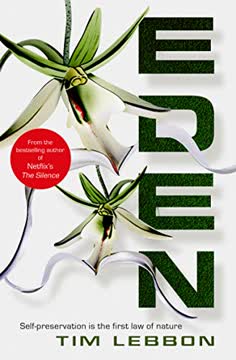
The ghost orchids, rumored to possess miraculous properties, are both a prize and a curse. Cove's greed leads to his downfall, and the orchids' connection to Kat and Eden is revealed. Jenn and Dylan are forced to choose between survival and the destruction of the orchids. The flowers become a symbol of humanity's hubris and the price of trespass. The final confrontation with Kat is both a battle and a farewell.
Collapse and Betrayal
In a desperate bid for escape, Jenn and Dylan face Kat one last time. Jenn, wounded and exhausted, is forced to kill her mother to save her father. The act is both mercy and horror, and the cost is nearly unbearable. Cove's betrayal is punished by Eden, and the last survivors are left to reckon with the consequences of their actions. The wild claims its due, and the human presence in Eden is erased.
Sacrifice and Survival
Jenn and Dylan, the last survivors, make their way to the river and find a boat. Dylan sacrifices himself to allow Jenn to escape, embracing Kat in a final act of love and defiance. Jenn, alone and broken, drifts down the river, pursued by the memory of all she has lost. The wild recedes, but its mark is indelible. The lesson of Eden is clear: nature will not be tamed, and the price of trespass is everything.
The River's Escape
Jenn escapes Eden by river, leaving behind the ghosts of her family and friends. The world beyond is polluted and broken, but she carries with her the memory of Eden's beauty and terror. The ghost orchid's petal, a symbol of hope and warning, is released into the water. Jenn's survival is both victory and defeat, a testament to resilience and a warning of nature's power. Eden endures, and its lesson is written in blood and memory.
Characters
Jenn
Jenn is the emotional core of the story—a fiercely capable endurance athlete, daughter of Dylan and Kat, and the secret catalyst for the expedition. Driven by unresolved grief and longing for her mother, Jenn's journey is one of self-discovery, guilt, and resilience. Her psychological arc is defined by the tension between loyalty to her family and the need to confront the truth about Kat's fate. Jenn's leadership and courage are tested as she faces loss, betrayal, and the ultimate horror of having to kill her own mother to survive. Her relationship with Dylan is fraught but ultimately redemptive, and her love for Aaron is a source of both strength and pain. Jenn's survival is bittersweet, marked by trauma but also by a hard-won understanding of nature's indifference and power.
Dylan
Dylan is a seasoned explorer and the team's leader, haunted by the loss of his wife Kat and the emotional distance from his daughter Jenn. His psychological complexity is rooted in guilt, regret, and a desperate need for redemption. Dylan's leadership is challenged by the group's fractures and the escalating dangers of Eden. His relationship with Jenn is central, evolving from tension and mistrust to mutual support and sacrifice. Dylan's final act—embracing Kat in a fatal confrontation—reflects his acceptance of loss and his willingness to sacrifice himself for Jenn's future. He embodies the struggle between human ambition and the humility demanded by nature.
Kat
Kat is both victim and antagonist—a once-adventurous woman who becomes the unwilling host for Lilith, Eden's elemental force. Her psychological journey is one of fragmentation and horror, as she retains awareness but loses control of her body. Kat's love for Jenn and Dylan persists, but she is powerless to prevent the violence wrought through her. Her transformation is a metaphor for nature's revenge and the erasure of humanity's claim on the wild. Kat's final moments are tragic, as she is both freed and destroyed by her daughter's hand. She represents the ultimate cost of trespass and the impossibility of returning to what was lost.
Aaron
Aaron is Jenn's lover and a stabilizing presence in the group, marked by his military past and quiet strength. His psychological depth is revealed through his support for Jenn and his struggle with trauma from previous violence. Aaron's death is the first major loss, shattering the group's morale and pushing Jenn toward her breaking point. His fate underscores the randomness and brutality of Eden's hostility, and his memory haunts Jenn throughout her ordeal.
Selina
Selina is the team's environmental expert, driven by a deep love for nature and a sense of responsibility for humanity's impact. Her relationship with Dylan is complex, blending professional respect with unspoken affection. Selina's enthusiasm for Eden's regrowth is tempered by her awareness of its dangers. Her death at Kat's hands is both shocking and symbolic, representing the failure of human understanding in the face of nature's alien will. Selina's loss deprives the group of its conscience and expertise, accelerating their descent into chaos.
Gee
Gee is the team's comic relief and moral anchor, a one-handed adventurer with a tragic past. His resilience and humor mask deep wounds, and his loyalty to the group is unwavering. Gee's sacrifice—holding off the predators to allow the others to escape—is an act of pure heroism, highlighting the theme of selflessness in the face of overwhelming odds. His death is a turning point, forcing the survivors to confront the reality of their situation and the limits of human endurance.
Lucy
Lucy is the team's navigator and Jenn's close friend, defined by her intelligence, curiosity, and optimism. Her relationship with Cove is fraught with tension and unresolved feelings. Lucy's injury and eventual death from venom reflect the vulnerability of even the most prepared and resourceful individuals. Her loss is a blow to the group's morale and cohesion, and her final moments are marked by betrayal and regret.
Cove
Cove is the team's best climber and most reckless member, driven by ambition and a secret obsession with the ghost orchid. His psychological arc is one of greed, guilt, and self-destruction. Cove's betrayal—prioritizing the orchids over his friends—leads to his downfall, as he is claimed by Eden in a final act of poetic justice. His fate serves as a warning against the dangers of hubris and the illusion of control over nature.
Poke
Poke is the team's fixer and guide, a tough, experienced woman who knows the dangers of Eden better than anyone. Her warnings are ignored, and her fear of the place is justified by the horrors that unfold. Poke's role is brief but pivotal, setting the tone for the group's journey and highlighting the arrogance of those who believe they can conquer the wild.
Lilith (Eden's Will)
Lilith is the inhuman consciousness that possesses Kat and directs Eden's defenses. It is not evil, but utterly indifferent to human suffering. Lilith's actions are driven by a primal need to protect and reclaim the land, using Kat and the animals as instruments. Its presence is felt in the unnatural coordination of the predators and the supernatural phenomena that plague the group. Lilith embodies the theme of nature's autonomy and the futility of human resistance.
Plot Devices
Dual Narrative and Interwoven Perspectives
The novel employs a dual narrative structure, alternating between the team's collective journey and Kat's internal experience as the vessel of Eden's will. This interweaving of perspectives creates dramatic irony and emotional resonance, as readers witness both the human struggle for survival and the inhuman logic of nature's vengeance. The use of interludes—Kat's fragmented consciousness, official reports, and survivor testimonies—adds layers of foreshadowing and world-building, grounding the supernatural horror in a plausible near-future context. The narrative's progression from adventure to horror is marked by escalating tension, the gradual revelation of secrets, and the relentless narrowing of options, culminating in a series of sacrifices that underscore the story's central themes.
Foreshadowing and Symbolism
Foreshadowing is woven throughout the narrative, from the initial sense of being watched to the unnatural behavior of animals and the recurring motif of the ghost orchid. The orchids symbolize both the promise and peril of nature's autonomy—beautiful, miraculous, and deadly to those who seek to possess them. The gradual erasure of human traces, the silence of the forest, and the coordinated animal attacks all signal Eden's growing hostility and the futility of resistance. The use of dreams and nightmares blurs the line between reality and hallucination, reinforcing the psychological toll of the ordeal.
Sacrifice and Transformation
The plot is driven by a series of sacrifices—personal, emotional, and physical. Characters are forced to confront their deepest fears and regrets, and survival comes at the cost of innocence, trust, and loved ones. The transformation of Kat into Lilith's vessel is both literal and metaphorical, representing the ultimate loss of self and the triumph of nature over humanity. The survivors' journey is one of adaptation, as they are stripped of everything but the will to endure. The final escape is not a victory, but a testament to the power of nature and the limits of human ambition.
Analysis
Tim Lebbon's novel reimagines the eco-thriller as a psychological and supernatural horror, using the Virgin Zone as both setting and antagonist. The story interrogates the hubris of those who believe they can conquer or possess the wild, exposing the fragility of human bonds and the illusion of mastery. The ghost orchid, as both miracle and curse, encapsulates the paradox of seeking salvation in the very thing we endanger. The characters' psychological journeys—marked by guilt, grief, and sacrifice—mirror the larger theme of humanity's reckoning with its own destructiveness. Eden's ultimate message is one of humility: nature is not ours to reclaim or redeem, and the price of intrusion is paid in blood and memory. The novel's modern relevance is acute, serving as both cautionary tale and elegy for a world on the brink, where hope and horror are inseparable, and survival demands both surrender and resilience.
Last updated:
Review Summary
Eden receives mixed reviews averaging 3.41/5 stars. Readers appreciate Lebbon's vivid, cinematic descriptions of nature-horror and the eco-thriller premise involving Virgin Zones where nature reclaims Earth. Many compare it favorably to Annihilation and The Ruins. Common criticisms include slow pacing in the first half, underdeveloped characters, predictable plot, and disappointment that the mystery is revealed too early. Some found the animal antagonists underwhelming and character motivations unconvincing. Fans of nature-horror and environmental thrillers generally enjoyed the atmospheric tension and fast-paced second half, though execution varied.





