Plot Summary
Backyard Rivalry and Old Stories
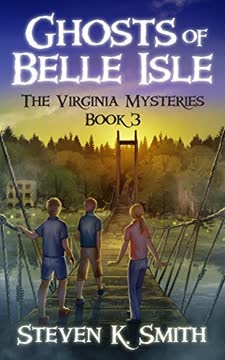
Sam and Derek's summer begins with a backyard baseball game, their competitive banter setting the tone for their brotherly dynamic. When Derek's home run lands in Old Man Haskins' yard, the boys encounter their eccentric neighbor, who grumbles about weeds and kids these days. Haskins, with his gruff humor and Civil War-era hat, hints at the weight of local history and the mysteries that linger in their Virginia neighborhood. The boys' playful rivalry is tinged with curiosity and a sense of adventure, foreshadowing the deeper journey they're about to undertake. The chapter establishes the warmth and friction of brotherhood, the quirks of small-town life, and the allure of stories that connect past and present.
The Confederate Cap's Secret
Mr. Haskins' battered gray cap becomes a portal to the past as he reveals it's a genuine Confederate soldier's cap. The boys, both fascinated and skeptical, are drawn into the gravity of the Civil War's legacy, especially in Richmond, the former Confederate capital. Haskins' stories blend humor and solemnity, reminding them that history is alive in their own backyard. He warns them about the ghosts of Belle Isle, a local legend that unsettles Sam but excites Derek. The cap, a symbol of memory and loss, hints at the unresolved tensions and mysteries that will shape their summer. The boys' innocence is challenged by the weight of history, and their curiosity is piqued by the promise of ghostly tales.
Parents Depart, Meghan Arrives
With their parents off to Paris, Sam and Derek are left in the care of their older cousin Meghan, a college student more interested in her boyfriend than babysitting. The boys are both anxious and thrilled by the prospect of newfound freedom. Meghan's distracted presence signals a shift in responsibility, forcing the brothers to navigate their own adventures—and misadventures. The absence of parental oversight amplifies their sense of possibility and risk. The chapter captures the bittersweet mix of longing for family and the excitement of independence, as well as the comedic tension between the boys and their less-than-attentive guardian.
Ghost Tales on the Porch
After dinner, the boys visit Mr. Haskins, who regales them with the haunting history of Belle Isle. He describes the island's grim past as a Civil War prison camp, where Union soldiers suffered and died, their spirits rumored to haunt the river. Haskins' tale of his own childhood encounter with ghostly lights—and the mysterious disappearance of his friend Jimmy—blurs the line between fact and fiction. The boys are both terrified and enthralled, their imaginations ignited by the possibility of real ghosts. The story plants seeds of fear and fascination, setting the stage for their own confrontation with the island's secrets.
Belle Isle's Hidden Dangers
Sam and Derek, left to their own devices, bike to Belle Isle, where the landscape's beauty masks its dangers. They stumble upon the ruins of an old hydroelectric plant, its graffiti and shadows evoking the ghost stories they've heard. Their exploration turns tense when they hear voices—older teens, possibly up to no good—forcing a hasty escape. The island's history feels palpable, and the boys' sense of adventure is tinged with real fear. The chapter captures the thrill and anxiety of venturing into the unknown, as well as the vulnerability of youth in the face of both human and supernatural threats.
Bike Crash and Bookstore Bonds
A run-in with teenage bullies on the island leaves Sam bruised and shaken, his confidence rattled. Derek's own struggles with bullying are revealed, exposing the pressures of growing up. Sam finds solace at the local bookstore, where his friend Caitlin offers comfort and camaraderie. Their shared love of books and history provides a refuge from the chaos of the outside world. The chapter explores themes of resilience, empathy, and the importance of friendship in overcoming adversity. The boys' emotional wounds are as significant as their physical ones, and their bonds with others become a source of strength.
Biker Parade and Southern History
A parade of bikers, the self-styled "Confederate Ghosts," storms through Richmond, waving Confederate flags and circling the Robert E. Lee monument. Sam, Caitlin, and Mrs. Murphy discuss the complexities of Southern history, the legacy of the Civil War, and the meaning of monuments. The spectacle is both intimidating and thought-provoking, forcing the characters to confront the ways in which the past is remembered—and sometimes distorted—in the present. The chapter weaves together personal and collective memory, highlighting the tensions between heritage and progress, and the ways in which history continues to shape identity.
Brothers, Bullies, and Civil War
At home, Sam and Derek's sibling rivalry echoes the "brother against brother" theme of the Civil War. Their playful fights and teasing mask deeper insecurities and fears, especially as Derek grapples with bullying at school. The boys' reading about the war's devastation in Richmond deepens their understanding of conflict and loss. The chapter draws parallels between personal and historical struggles, suggesting that the lessons of the past are relevant to the challenges of growing up. The boys' relationship is tested but ultimately strengthened by their shared experiences and the wisdom they glean from history.
Cemetery Legends and Encounters
A visit to Hollywood Cemetery, prompted by Caitlin's enthusiasm, immerses the boys in the solemn beauty of Confederate graves, presidential tombs, and the legendary pyramid monument. The foggy, labyrinthine cemetery is both awe-inspiring and eerie. Their exploration is interrupted by the sudden arrival of the Confederate Ghosts biker gang, who perform a cryptic ritual at Jefferson Davis' grave. The boys' fear is palpable as they witness the gang's secretive actions, including a mysterious blood mark. The chapter heightens the sense of danger and the allure of forbidden knowledge, as the boys become unwitting witnesses to rituals that blur the line between commemoration and menace.
Blood Mark at Davis' Statue
Investigating the bikers' actions, Sam and Derek discover the letters "CG" and a streak of blood at the base of Jefferson Davis' statue. The chilling evidence suggests that the Confederate Ghosts' rituals are more than mere theatrics. The boys' imaginations run wild with theories of sacrifice and secret societies. Their anxiety is compounded by the maze-like cemetery and the looming threat of being discovered. The chapter underscores the power of symbols and the ways in which history can be manipulated for personal or political ends. The boys' sense of safety is eroded, replaced by a growing awareness of the complexities and dangers of the adult world.
The Pyramid of the Dead
Stumbling upon the massive Confederate pyramid, Sam and Derek are struck by its scale and mystery. Derek spins a fanciful tale about ghosts building the monument, blending humor with the genuine awe inspired by the site. The pyramid becomes a symbol of the weight of history, the collective memory of loss, and the persistence of myth. The boys' playful storytelling is a way of processing the gravity of what they've witnessed, and the monument itself stands as a testament to the enduring impact of the Civil War on the Southern landscape and psyche.
Poolside Confessions and Plans
A day at the pool with Caitlin offers respite from the week's tensions. The kids share their fears, ambitions, and insecurities, supporting each other through teasing and encouragement. Derek's bullying is discussed openly, and Caitlin's swimming prowess surprises the boys. Meghan's distracted guardianship is a source of frustration, but also comic relief. Plans are made to visit the Civil War museum, deepening the group's commitment to understanding the past. The chapter highlights the importance of friendship, self-discovery, and the healing power of shared experiences.
Museum Mysteries and Lincoln's Visit
A trip to the Civil War museum with Mrs. Murphy and Professor Evanshade brings the kids face-to-face with the complexities of the war's legacy. They discover the understated Lincoln statue and learn about his fateful visit to Richmond. The professor's stories bridge the gap between past and present, emphasizing the importance of empathy, reconciliation, and critical thinking. The museum visit is both educational and emotionally resonant, reinforcing the idea that history is not just a collection of facts, but a living narrative that shapes identity and values.
Meghan's Mistakes and Homecoming
Meghan's neglect as a guardian culminates in her disappearance and the boys' accidental lockout. When their parents return unexpectedly, the family is reunited, and Meghan's remorse is palpable. She apologizes for her misplaced priorities, and the boys forgive her, recognizing that everyone makes mistakes. The homecoming is bittersweet, marked by relief, gratitude, and a renewed appreciation for family. The chapter explores themes of responsibility, forgiveness, and the enduring bonds that hold families together, even through misadventures and misunderstandings.
Gala Night and Bully's Dare
At the Tredegar gala, the boys and Caitlin are drawn into a confrontation with Cameron and Sean, the bullies from earlier. Derek is manipulated into crossing the bridge to Belle Isle at night, under the pretense of retrieving a lost hat. The dare is a test of courage and loyalty, but also a setup for real danger. Sam and Caitlin, realizing the trick, set out to rescue Derek. The chapter is charged with suspense, as the kids' bravery is tested against both human and supernatural threats. The gala's festive atmosphere contrasts sharply with the peril unfolding on the island.
Nighttime Rescue on Belle Isle
Sam and Caitlin's search for Derek leads them through the darkness of Belle Isle, where they discover him held by the Confederate Ghosts in the hydro plant. Using quick thinking and teamwork, they create a distraction by toppling the bikers' motorcycles, allowing Derek to escape. Their relief is short-lived, however, as they are caught by Mad Dog DeWitt himself. The chapter is a testament to the power of friendship, ingenuity, and courage in the face of danger. The kids' resourcefulness is matched by their vulnerability, as they confront the unknown together.
Mad Dog's Truths Revealed
Mad Dog DeWitt, the feared leader of the Confederate Ghosts, turns out to be more complex than the kids imagined. He dispels the myths of violence and sacrifice, revealing the gang as a group of men clinging to Southern pride and ritual, not true menace. The kids' fears are both validated and deflated, as the line between legend and reality blurs. Mad Dog's own history is one of mistakes and redemption, and he offers the boys advice on dealing with bullies and the importance of perspective. The encounter is both anticlimactic and enlightening, challenging the kids' assumptions and deepening their understanding of human nature.
Biker Justice and Cannon Fire
Mad Dog and his crew give the kids a ride back to the gala, where they confront Cameron and Sean, delivering poetic justice for the bullying. The boys' triumph is both satisfying and cathartic, as the power dynamics are reversed. The night ends with the firing of a Civil War cannon, a symbolic gesture that ties together the themes of history, conflict, and resolution. The kids are celebrated as heroes, but also reminded of the responsibilities that come with freedom and adventure. The chapter is a joyful culmination of the week's trials, blending humor, excitement, and reflection.
Reflections on Ghosts and History
As the family drives home, Sam reflects on the events of the summer—the ghosts, the bikers, the monuments, and the lessons learned. He wonders about the nature of history, the persistence of memory, and the power of stories to shape identity. The final image of a mysterious light over the river leaves the question of ghosts—literal and metaphorical—unanswered. The chapter closes with a sense of wonder, humility, and hope, as the kids look forward to new adventures, forever changed by the ghosts of Belle Isle.
Characters
Sam Jackson
Sam is the younger of the two brothers, defined by his curiosity, sensitivity, and thoughtful nature. He is both drawn to and wary of adventure, often serving as the voice of reason in contrast to Derek's impulsiveness. Sam's relationships—with his brother, his friend Caitlin, and the adults around him—are marked by empathy and a desire for understanding. He is deeply affected by the stories and history that surround him, and his journey is one of growing confidence, resilience, and moral awareness. Sam's development is shaped by his willingness to confront fear, seek truth, and value friendship and family above all.
Derek Jackson
Derek, the older brother, is brash, adventurous, and often reckless. He thrives on competition, whether in sports or sibling rivalry, and masks his insecurities with bravado. Derek's struggles with bullying reveal a more vulnerable side, and his loyalty to Sam is unwavering, even when expressed through teasing and mockery. Derek's arc is one of humility and growth, as he learns to accept help, confront his fears, and recognize the importance of kindness and courage. His relationship with Sam is central to the story, embodying the complexities of brotherhood.
Caitlin Murphy
Caitlin is Sam's close friend and intellectual equal, known for her quick wit, historical knowledge, and adventurous spirit. She provides emotional support and practical solutions, often serving as the group's moral compass. Caitlin's confidence and empathy make her a stabilizing force, and her willingness to challenge the boys' assumptions broadens their perspectives. Her relationship with Sam is marked by mutual respect and a hint of innocent affection, while her interactions with Derek reveal her ability to stand up to bullies and assert her own agency.
Meghan
Meghan, the boys' college-aged cousin, is tasked with their care but is more interested in her own life and relationship. Her neglect creates both comedic and real dangers, forcing the boys to navigate independence and responsibility. Meghan's arc is one of self-realization and apology, as she acknowledges her mistakes and seeks forgiveness. Her character highlights the challenges of young adulthood and the importance of prioritizing family and duty over personal desires.
Mr. Haskins
Mr. Haskins is the boys' elderly neighbor, a source of both comic relief and historical insight. His stories, blending fact and legend, serve as a catalyst for the boys' adventures and a reminder of the enduring power of memory. Haskins' gruff exterior masks a deep affection for the boys and a desire to impart wisdom. He embodies the connection between past and present, and his tales challenge the boys to question, explore, and learn.
Mad Dog DeWitt (Luke)
Mad Dog, the feared leader of the Confederate Ghosts, is initially perceived as a villain but is revealed to be complex and human. His tough exterior hides a history of mistakes, regret, and a longing for respect and belonging. Mad Dog's interactions with the kids are marked by humor, honesty, and a surprising sense of justice. He dispels myths, offers guidance, and ultimately protects the boys from harm. His character challenges stereotypes and underscores the possibility of change and redemption.
Cameron Talley
Cameron is the primary antagonist among the boys' peers, using intimidation and manipulation to assert control. His bullying of Derek and Sam is rooted in his own insecurities and desire for power. Cameron's comeuppance at the hands of Mad Dog and the boys is both satisfying and instructive, illustrating the consequences of cruelty and the importance of standing up to injustice. His character serves as a foil to the protagonists, highlighting the challenges of adolescence and the need for empathy.
Professor Evanshade
Professor Evanshade is a mentor figure, guiding the kids through the complexities of Civil War history with patience and enthusiasm. His stories and lessons provide context, challenge assumptions, and inspire curiosity. The professor's presence reinforces the value of education, critical thinking, and the importance of learning from the past. He serves as a link between generations, embodying the role of teacher and storyteller.
Mrs. Murphy
Caitlin's mother, Mrs. Murphy, is a steady presence, offering guidance, protection, and wisdom. Her background as a teacher informs her interactions with the kids, and her willingness to engage with difficult topics models open-mindedness and compassion. Mrs. Murphy's support is crucial in moments of crisis, and her encouragement helps the kids navigate both personal and historical challenges.
The Confederate Ghosts (Biker Gang)
The Confederate Ghosts are both a literal biker gang and a symbol of the lingering legacy of the Civil War. Their rituals, costumes, and myths reflect the complexities of Southern identity, memory, and the desire for belonging. While initially threatening, the gang is revealed to be more performative than dangerous, their actions rooted in nostalgia and a need for connection. They serve as a reminder of the ways in which history is lived, remembered, and sometimes distorted.
Plot Devices
Blending History with Modern Adventure
The novel's central device is the seamless integration of historical fact, local legend, and contemporary adventure. The boys' journey is shaped by their encounters with monuments, cemeteries, and characters who embody the unresolved tensions of the Civil War. Foreshadowing is used through Mr. Haskins' stories and the recurring motif of ghosts, both literal and metaphorical. The narrative structure alternates between moments of suspense, humor, and reflection, mirroring the unpredictability of real-life exploration. The use of artifacts (the Confederate cap, the blood mark, the pyramid) grounds the story in tangible history, while the kids' emotional arcs provide a relatable lens for young readers. The interplay of myth and reality challenges characters and readers alike to question assumptions, confront fears, and seek understanding.
Analysis
"Ghosts of Belle Isle" is more than a summer adventure; it's a meditation on how history shapes identity, community, and personal growth. Through the eyes of Sam, Derek, and their friends, the novel explores the enduring impact of the Civil War on Southern culture, the complexities of memory and myth, and the challenges of growing up in a world where the past is never truly past. The story balances humor and suspense with thoughtful engagement of difficult topics—bullying, prejudice, forgiveness, and the search for belonging. By confronting both literal and figurative ghosts, the characters learn that courage is not the absence of fear, but the willingness to face it with empathy and integrity. The novel encourages readers to question inherited narratives, embrace diversity, and recognize the power of friendship and family in overcoming adversity. Ultimately, it's a call to honor the past by building a more just and compassionate future.
Last updated:
Review Summary
Ghosts of Belle Isle follows brothers Derek and Sam as they explore Richmond, Virginia while their distracted cousin babysits them. The third book in The Virginia Mysteries series weaves Civil War history into an adventure involving Confederate soldier ghosts, a motorcycle gang, and Belle Isle's prisoner-of-war camp past. Reviewers praise the historical education, realistic brother dynamics, and engaging writing style suitable for middle-grade readers (ages 7-12). Some note less mystery than previous books but appreciate lessons on bullying and stereotyping. Most recommend the series for young readers interested in history and adventure.