Plot Summary
Night Watch and Old Wounds
Gus, a Great Pyrenees livestock guardian dog, spends his nights vigilantly protecting his flock from predators, especially coyotes. His senses are always alert, and he takes pride in his work. Yet, the scent of a mysterious animal—one that triggers memories of his harsh puppyhood chained in a junkyard—lingers in the air, stirring old fears. Despite his strength and the comfort of routine, Gus is never fully at ease, always haunted by the trauma of neglect and abuse from his early life. The farm, with its predictable rhythms and caring humans like Esperanza and her daughter Cloe, offers him a sense of belonging, but the shadow of his past never fully fades.
New Faces, Old Fears
The farm's routine is disrupted when Cloe's cousin Diego visits. Gus observes the new boy, noting his quietness and anxiety, and senses the boy's unease. Diego, struggling with social anxiety, finds solace in the animals, especially Gus, who is both intimidating and gentle. The two begin to form a tentative bond, each recognizing the other's wounds. Meanwhile, the farm's neighbor Vern, a gruff man with a history of trouble, brings tension, reminding Gus of the unpredictability of humans. Gus's protective instincts are on high alert, but he also yearns for connection, recalling the universal dog dream of having a boy of his own.
Rain, Routines, and Chess
A rainy day brings everyone into the barn, where Gus is forced to leave his flock for a vet visit. Inside, he observes the humans playing chess—a game that becomes a metaphor for connection and strategy in life. Diego's father, Martin, discusses the importance of relying on others, echoing the lesson that "no man is an island." Gus, uncomfortable indoors and wary of ropes and confinement, is reminded of his junkyard days. Yet, he senses the humans' care and the subtle ways they try to help each other, even as he longs to return to his sheep and the open field.
Bear in the Shadows
The mysterious scent from the woods intensifies, and the farm's animals become restless. The vet confirms that a bear, not a coyote, has attacked a neighbor's hog, raising the stakes for Gus's nightly patrols. The bear's presence triggers Gus's deepest fears, rooted in his traumatic past. Despite his anxiety, Gus remains steadfast, determined to protect his flock and the humans he's come to trust. The threat of the bear looms over the farm, testing Gus's courage and the fragile sense of safety he's built since leaving the junkyard.
Attack and Aftermath
One night, the bear draws dangerously close. When Nando, another farm dog, recklessly charges into the woods, Gus follows to protect him. In the ensuing confrontation, Gus is gravely injured by the bear while trying to save Nando. The chaos and pain plunge Gus into darkness, and he loses consciousness, haunted by the fear that he has failed his flock and his new family. The attack leaves both physical and emotional scars, and Gus's future as a guardian dog is suddenly uncertain.
Healing in Captivity
Gus awakens in a veterinary clinic, weak and confined, his leg immobilized and his spirit battered. The unfamiliar environment and the return of ropes and cages trigger memories of his abusive past. Yet, the kindness of the vet staff and the eventual arrival of Esperanza offer glimmers of hope. Gus's recovery is slow and frustrating; he struggles with the loss of independence and the humiliation of being unable to perform even basic tasks. Through small victories and the gentle encouragement of those around him, Gus begins to heal, both physically and emotionally.
Homebound and Hindered
Gus returns to the farm, but his injury confines him to the house and a strict routine. He is no longer able to guard the sheep, and the loss of purpose weighs heavily on him. Diego, who is also struggling with his own challenges, becomes Gus's primary companion. The two form a quiet partnership, each finding comfort in the other's presence. Through patience and mutual understanding, they help each other adapt to new roles—Gus as a house dog and Diego as a caretaker. The process is slow, marked by setbacks and small triumphs, but together they begin to redefine what it means to belong.
The Boy Who Needs Quiet
Diego, overwhelmed by social anxiety and the pressures of returning to school, finds solace in Gus's steady, nonjudgmental company. Their time together is marked by silence and gentle routines—walks, quiet moments, and shared struggles. Gus learns to trust Diego, and Diego, in turn, gains confidence from Gus's unwavering presence. The two become a team, each drawing strength from the other. Their bond deepens as they navigate the challenges of recovery and adaptation, discovering that sometimes the greatest comfort comes from simply being together.
Learning to Trust
As Gus's leg heals, he and Diego venture beyond the house, exploring the beach and the neighborhood. They encounter new challenges, including a grumpy neighbor, Mr. Hurst, who threatens their sense of security. Diego's anxiety is triggered by these confrontations, but with Gus by his side, he learns to stand up for himself and advocate for his needs. Gus, too, faces his own fears—of ropes, confinement, and losing his place in the world. Together, they learn that trust is built through shared experiences and that healing is a journey best traveled with a friend.
The Beach and the Bark
The family relocates temporarily to the coast, where Gus must adjust to life away from the farm and the sheep. The beach offers new smells and experiences, but also new obstacles—strict neighborhood rules, unfamiliar routines, and the ever-present threat of being separated from Diego. Gus's protective instincts are tested as he navigates the complexities of human society, from leash laws to neighborly disputes. Despite setbacks, the bond between Gus and Diego grows stronger, and they find joy in simple pleasures—swimming, running on the sand, and quiet companionship.
Trouble with Neighbors
Mr. Hurst, the strict neighbor, files a complaint against Gus, citing his size and supposed aggression. The threat of losing Gus looms over Diego and his father, reigniting old fears of abandonment and loss. The family rallies to defend Gus, seeking support from therapists and exploring the possibility of certifying him as an emotional support animal. The ordeal tests their resilience and the strength of their relationships, forcing them to confront the realities of prejudice, misunderstanding, and the limitations of the systems meant to protect them.
Separation and Escape
When Gus is unjustly taken by animal control after a misunderstanding, both he and Diego are plunged into despair. Gus, trapped and alone, is haunted by memories of the junkyard and the fear of never seeing his boy again. Diego, devastated by the loss, struggles to cope with the absence of his loyal companion. Their separation is a crucible, testing the depth of their bond and their ability to endure hardship. Against the odds, Gus escapes and embarks on a perilous journey to reunite with Diego, driven by love and the unbreakable connection they share.
Lost and Found
After a harrowing ordeal, Gus and Diego are reunited at a roadside ice cream stand, their joy and relief palpable. The reunion is a testament to the power of loyalty and the lengths to which both dog and boy will go for each other. With the help of family, friends, and a compassionate therapist, they navigate the bureaucratic hurdles that threatened to keep them apart. Mr. Hurst, moved by the advocacy of others and his own experiences, withdraws his complaint, paving the way for Gus to be officially recognized as Diego's emotional support animal.
A Place to Belong
With the legal obstacles removed, Gus settles into his new role as Diego's companion and support. The farm, the beach, and the routines of daily life become backdrops to their evolving relationship. Gus is no longer just a guardian of sheep; he is a guardian of hearts, providing comfort, courage, and unconditional love. Diego, in turn, flourishes with Gus by his side, gaining confidence and learning to navigate the challenges of adolescence and anxiety. Together, they create a new definition of family and home.
The Power of Pack
The story's focus widens to include the broader community—Esperanza, Cloe, Martin, and even former adversaries like Mr. Hurst. Through shared experiences, misunderstandings are resolved, and new friendships are forged. The importance of connection, empathy, and mutual support is underscored, as each character finds their place within the "pack." Gus's journey from isolation to belonging mirrors the transformations of those around him, illustrating the healing power of community and the strength found in unity.
Goodbye and Homecoming
As summer ends, Diego faces the prospect of returning to school and the routines of daily life. The fear of losing Gus resurfaces, but the lessons learned through their journey—about trust, resilience, and the importance of facing challenges together—provide a foundation for hope. When circumstances threaten to separate them again, both dog and boy demonstrate their commitment to each other, ultimately finding a way to stay together. The story comes full circle as Gus, once a lonely guardian, becomes an integral part of a loving family.
The New Routine
Life settles into a new rhythm, blending the best of the farm and the beach, the old and the new. Gus adapts to his role as an emotional support animal, and Diego continues to grow in confidence and self-acceptance. The routines of daily life—meals, walks, play, and quiet moments—become rituals of connection and healing. The family, strengthened by their trials, embraces the changes that come with growth, finding joy in the ordinary and comfort in each other's presence.
Full Circle, Full Heart
The story concludes with Gus and Diego firmly established as a team, their bond unbreakable. The challenges they faced—injury, fear, separation, and uncertainty—have forged a deep and lasting connection. Surrounded by family, friends, and a supportive community, they look to the future with hope. Gus, once "just Gus," is now Gus the Great, a symbol of resilience, loyalty, and the transformative power of love. Together, they have found not just a place to belong, but a purpose and a pack.
Characters
Gus
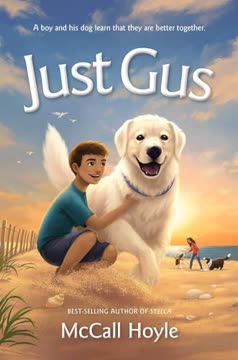
Gus is a Great Pyrenees livestock guardian dog whose life is shaped by trauma and resilience. Once neglected and abused in a junkyard, he is rescued by Esperanza and finds purpose protecting sheep on her farm. Gus's psyche is marked by vigilance, anxiety, and a deep need for routine and connection. His journey is one of healing—from a solitary, traumatized animal to a beloved companion and emotional support dog. Gus's relationship with Diego is transformative; through mutual trust and quiet companionship, both dog and boy learn to face their fears and embrace change. Gus's arc is about finding home, not just in a place, but in the hearts of those who love him.
Diego
Diego is a sensitive, introverted boy struggling with social anxiety and the loss of his mother. He is most comfortable in the company of animals, especially Gus, whose calm presence soothes his fears. Diego's journey is one of gradual growth—learning to advocate for himself, face new challenges, and trust others. His bond with Gus is central to his development; through their shared experiences, Diego gains confidence and resilience. The relationship is reciprocal—Diego helps Gus adapt to new roles, while Gus provides the unconditional support Diego needs to navigate the complexities of adolescence and anxiety.
Esperanza
Esperanza is the owner of the farm and a skilled dog trainer. She is nurturing, practical, and deeply empathetic, providing stability for both animals and humans. Her past experiences with rescue dogs inform her understanding of trauma and healing. Esperanza's role is that of a guide—she helps Gus transition from a life of fear to one of purpose and belonging, and she supports Diego and his father through their struggles. Her wisdom and compassion are the backbone of the community, and her belief in second chances shapes the lives of those around her.
Martin (Dad)
Martin is Diego's father, an English professor who uses humor, literature, and chess to connect with his son. He is loving but sometimes uncertain, navigating the challenges of single parenthood and his son's anxiety. Martin's journey involves learning to let go, trust Diego's growth, and accept help from others. His relationship with Gus evolves from skepticism to deep appreciation, recognizing the dog's role in Diego's healing. Martin's arc is about embracing vulnerability and the importance of community in raising a child.
Cloe
Cloe is Esperanza's daughter and Diego's cousin. She is kind, perceptive, and supportive, having faced her own health challenges (epilepsy) with the help of her dog, Stella. Cloe serves as a bridge between Diego and the wider world, encouraging him to open up and try new things. Her understanding of the healing power of animals informs her interactions with both Gus and Diego. Cloe's presence is a reminder that everyone carries burdens, and that empathy and support can make all the difference.
Stella
Stella is Cloe's beagle and a former rescue dog. Her journey from trauma to trust mirrors Gus's, and her bond with Cloe is a source of comfort and inspiration for Diego. Stella's playful, affectionate nature contrasts with Gus's seriousness, highlighting the diversity of canine personalities and the unique ways dogs support their humans. Stella's presence reinforces the theme that healing is possible, even after great loss.
Nando
Nando is Esperanza's border collie, known for his speed and herding instincts. He is loyal and brave, often acting impulsively—such as when he charges the bear, prompting Gus's heroic intervention. Nando's actions drive key plot points and underscore the importance of teamwork and courage. His recovery from injury parallels Gus's, and his relationship with the other animals reflects the complexities of pack dynamics.
Vern
Vern is the farm's neighbor, initially portrayed as antagonistic and suspicious of Gus. His past actions have caused trouble for the farm, and his presence is a constant reminder of the dangers posed by misunderstanding and prejudice. Over time, Vern's character softens, and he becomes an unexpected ally, helping to resolve the bear threat and offering support during Gus's recovery. Vern's arc illustrates the potential for change and redemption.
Mr. Hurst
Mr. Hurst is the strict, rule-bound neighbor at the beach, whose complaints nearly separate Gus and Diego. His initial antagonism is rooted in a need for order and control, but through the advocacy of others and his own experiences as a veteran, he comes to understand the importance of emotional support animals. Mr. Hurst's transformation is pivotal, enabling Gus and Diego to stay together and highlighting the power of empathy and education.
Dr. Barrett
Dr. Barrett is Diego's counselor, guiding him through the challenges of anxiety and social reintegration. She recognizes the therapeutic value of Gus's presence and advocates for his certification as an emotional support animal. Dr. Barrett's interventions are instrumental in resolving the conflict with Mr. Hurst and ensuring Gus's place in Diego's life. Her character embodies the importance of professional support and the belief that healing is a collaborative process.
Plot Devices
Animal Narration and Empathy
The novel is told from Gus's point of view, using his canine senses and instincts to interpret the world. This narrative device allows readers to experience human emotions—fear, love, anxiety, hope—through the lens of a dog, fostering empathy and a fresh perspective on trauma and healing. Gus's misunderstandings and insights provide both humor and poignancy, highlighting the universality of longing for connection and belonging.
Parallel Healing Journeys
The intertwined arcs of Gus and Diego serve as a central plot device. Both characters are shaped by past trauma and current challenges—Gus by abuse and injury, Diego by anxiety and loss. Their parallel journeys of recovery, adaptation, and trust reinforce the story's themes and provide a framework for emotional resonance. Their relationship is built on mutual support, silent understanding, and the gradual dismantling of walls built by fear.
Community and Found Family
The story employs a rich ensemble of secondary characters—family, neighbors, other animals—each contributing to the central theme of community. Conflicts with neighbors, the support of therapists, and the wisdom of mentors like Esperanza create a tapestry of relationships that shape the protagonists' growth. The evolving dynamics of the "pack" illustrate the importance of acceptance, forgiveness, and collective healing.
Symbolism of Ropes, Collars, and Routines
Throughout the novel, physical objects—ropes, collars, routines—carry symbolic weight. Ropes shift from symbols of captivity to connections of trust. Collars represent belonging and identity. Routines, both comforting and confining, are disrupted and rebuilt as characters adapt to new realities. These symbols deepen the emotional impact and underscore the story's exploration of change, resilience, and the search for home.
Foreshadowing and Narrative Structure
The narrative uses foreshadowing—ominous scents, uneasy routines, and the looming presence of the bear—to build tension and anticipation. The structure alternates between moments of crisis and calm, mirroring the rhythms of healing and the unpredictability of life. The resolution is earned through a series of escalating challenges, culminating in a satisfying return to safety, belonging, and hope.
Analysis
"Just Gus" is a heartfelt exploration of trauma, healing, and the transformative power of connection—told through the eyes of a dog whose journey mirrors that of the humans around him. By centering the narrative on Gus's perspective, the novel invites readers to reconsider what it means to belong, to trust, and to find purpose after loss. The parallel arcs of Gus and Diego—each wounded, each searching for safety—underscore the universality of vulnerability and the necessity of empathy. The story deftly navigates themes of resilience, adaptation, and the importance of community, illustrating that healing is rarely a solitary endeavor. Through its rich cast of characters and evocative symbolism, "Just Gus" affirms that love, patience, and understanding can bridge even the deepest divides. Ultimately, the novel is a celebration of the bonds that make us whole—whether forged in the fields of a farm, the quiet of a kitchen, or the silent understanding between a boy and his dog.
Last updated:
Review Summary
Just Gus by McCall Hoyle is a heartwarming middle-grade novel told from the perspective of Gus, a Great Pyrenees livestock guardian dog. After being injured by a bear, Gus goes to live with Diego, a boy struggling with social anxiety. Their bond helps Diego overcome his fears while Gus finds a new purpose as an emotional support animal. Readers praise the wholesome story, dog's POV narration, and sensitive handling of anxiety themes. The book is a companion to Hoyle's earlier novel Stella and features charming illustrations throughout.





