Plot Summary
Budo's Unseen Existence
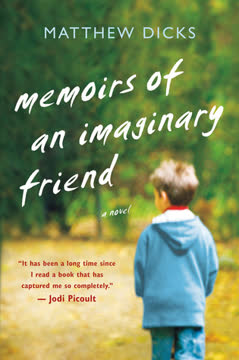
Budo, the narrator, is an imaginary friend created by Max, a young boy who struggles to fit into the world. Budo is unique among imaginary friends: he is fully formed, can move independently, and has survived for five years—an eternity in imaginary friend terms. Only Max can see and hear Budo, and Budo's existence is entirely dependent on Max's belief in him. Budo spends his days helping Max navigate a confusing world, observing both children and adults, and pondering the nature of his own reality. He is acutely aware that if Max ever stops believing, he will simply cease to exist, a fate that haunts every moment of his life.
Max's World of Rules
Max is a boy who lives by strict routines and rules, which help him manage a world that often overwhelms him. He dislikes being touched, struggles with social cues, and finds comfort in patterns, numbers, and predictability. His parents and teachers debate what makes Max different, but Budo sees that Max simply experiences the world in his own way. Budo helps Max with daily challenges, from opening jars to choosing Popsicle colors, and acts as a bridge between Max's inner world and the confusing demands of the outside. Their bond is deep, but always shadowed by the knowledge that Budo's life is tied to Max's imagination.
School, Outsiders, and Mrs. Gosk
At school, Max is both protected and exposed. His teacher, Mrs. Gosk, is strict but loving, creating a classroom where Max feels safe. Other adults, like Mrs. Patterson, are less understanding, and Max is often shuffled between classrooms and specialists. He is bullied and misunderstood by peers, and even well-meaning adults struggle to connect with him. Budo observes the subtle differences between teachers who truly care and those who simply perform their roles. The school is also a gathering place for other imaginary friends, each with their own quirks and vulnerabilities, highlighting the precariousness of Budo's own existence.
The Perils of Friendship
Budo's world is populated by other imaginary friends, each reflecting the imagination of their child. Some are barely formed, others are fantastical, but all are vulnerable to being forgotten. Budo witnesses the sudden disappearance of friends when their children outgrow them or no longer need them. He becomes especially close to Graham, another long-lived imaginary friend, and is deeply affected as Graham begins to fade when her child, Meghan, starts making real friends. Budo's attempts to save Graham reveal the limits of his power and the inevitability of change, forcing him to confront his own fears about mortality and purpose.
Family Tensions and Secrets
At home, Max's parents argue about how best to help their son. His mother wants professional intervention, while his father insists Max is just a late bloomer. Their disagreements are tinged with guilt, frustration, and love, and Max senses that he is the cause of their conflict. Budo observes these dynamics, wishing he could help but powerless to intervene. The family's struggles mirror the larger theme of misunderstanding and the difficulty of truly seeing and supporting those who are different. Max's isolation is deepened by his parents' inability to agree on what he needs.
Bullies, Bathrooms, and Bravery
School is a minefield for Max, especially when it comes to bullies like Tommy Swinden. A traumatic encounter in the bathroom, where Max is cornered and threatened, forces him to act in ways he never has before. With Budo's encouragement, Max defends himself in an unexpected and humiliating way for his tormentor. The incident leaves Max fearful of retaliation but also marks a turning point in his ability to stand up for himself. Budo realizes that even small acts of bravery can have profound consequences, both for Max and for himself.
The Fragility of Imaginary Friends
The lives of imaginary friends are fragile, dependent entirely on the needs and beliefs of their children. Budo watches as friends fade away, sometimes suddenly, sometimes slowly, as their children grow or change. Graham's gradual disappearance is especially painful, as Budo tries and fails to find a way to make her needed again. The process is both natural and tragic, a metaphor for growing up and letting go. Budo's fear of being forgotten intensifies, and he becomes more determined to stay close to Max, even as he questions what it means to be real.
Graham's Fading Light
Graham's fading is a slow, heartbreaking process. Budo and Graham try to devise ways to make her indispensable to Meghan, but nothing works. Graham comes to accept her fate, choosing to spend her last moments simply being with her child. Budo is left to grieve the loss of his friend, realizing that even the strongest bonds can be severed by time and change. Graham's acceptance of her end teaches Budo about the importance of presence and love, even in the face of inevitable loss. The experience deepens Budo's understanding of his own impermanence.
The Spelling Test Plan
In a last-ditch effort to save Graham, Budo helps her coach Meghan through a spelling test, hoping that success will make Meghan realize how much she needs her imaginary friend. The plan fails, and Graham continues to fade. The episode underscores the limits of what imaginary friends can do and the futility of trying to hold back the tide of growing up. Budo is forced to confront the reality that his own survival depends not just on being loved, but on being needed. The lesson is bittersweet, as Budo prepares for the possibility of his own end.
The Cost of Being Real
Budo's independence and longevity set him apart from other imaginary friends, but they also make his existence more precarious. He is constantly aware of the need to be useful and present for Max, fearing that any lapse could lead to his disappearance. Budo's efforts to assert his own reality—by asking Max if he is real, by seeking out other imaginary friends, by exploring the world—are both acts of self-preservation and existential inquiry. The cost of being real is the constant threat of oblivion, a tension that shapes every choice Budo makes.
The Secret in the Parking Lot
Max's relationship with Mrs. Patterson takes a sinister turn when she begins taking him out to her car during school hours, swearing him to secrecy. Budo senses that something is wrong, but Max is excited to have a secret for the first time. The secrecy isolates Max further from his support system and puts him in increasing danger. Budo's inability to intervene directly heightens his anxiety and sense of helplessness. The alliance between Max and Mrs. Patterson becomes a ticking time bomb, with Budo desperately searching for a way to protect his friend.
Halloween and New Encounters
Halloween is a time of anxiety for Max, who is terrified of masks and surprises. He stays home from school, seeking comfort in familiar routines. During a visit to a favorite restaurant, Budo meets a new imaginary friend, Jo-Jo, and reflects on the diversity and vulnerability of his kind. The encounter reinforces Budo's sense of community and the importance of connection, even as he worries about Max's growing isolation. The night takes a dark turn when Max's window is broken in an act of targeted vandalism, escalating the sense of threat and instability.
The Night of Broken Glass
The breaking of Max's window is a traumatic event, both for Max and for Budo. The attack is a clear message from Tommy Swinden, the school bully, and leaves Max feeling unsafe even in his own home. The incident triggers a crisis in the family, with police involvement and heightened parental anxiety. Budo is powerless to prevent the violence but remains a steadfast presence for Max. The shattering of the window becomes a symbol of the fragility of safety and the ever-present danger lurking at the edges of Max's world.
Gas Station Tragedy
Seeking solace, Budo visits a local gas station where he has befriended the staff. A robbery turns violent, and Budo witnesses the shooting of his friend Dee. The event is a stark reminder that danger is not confined to the world of children and imaginary friends. Budo is shaken by the randomness and brutality of the act, and the loss of Dee deepens his sense of grief and vulnerability. The tragedy at the gas station parallels the threats facing Max, underscoring the unpredictability and cruelty of the world.
Disappearances and Desperation
One day, Max disappears from school. The adults believe he has run away, but Budo knows the truth: Mrs. Patterson has taken him. The school goes into lockdown, the police are called, and Max's parents are frantic. Budo is the only one who knows what has happened, but he is invisible to those who could help. The sense of desperation and helplessness is overwhelming, as Budo races against time to find Max and bring him home. The disappearance marks the beginning of a harrowing ordeal for everyone involved.
The Vanishing of Max
As the search for Max intensifies, Budo realizes that his own existence is at risk. Without Max's belief, he will fade away, but he cannot abandon his friend. Budo enlists the help of Oswald, a powerful and unusual imaginary friend who can interact with the physical world. Together, they devise a plan to rescue Max from Mrs. Patterson's hidden basement room. The rescue is fraught with danger, and Budo must confront his deepest fears about sacrifice, loyalty, and the meaning of being real.
Locked Down and Locked Out
Budo's inability to communicate with adults or physically intervene is a constant source of frustration. He watches as the police and teachers search in the wrong places, missing crucial clues. Budo's only hope lies in the world of imaginary friends, where he seeks allies and guidance. The experience forces Budo to accept the limits of his power and the necessity of relying on others. The locked doors and missed opportunities become metaphors for the barriers between worlds, and for the isolation that comes from being unseen and unheard.
The Hunt for Max
With Oswald's help, Budo manages to open the secret door to Max's prison. Max, traumatized but determined, must find the courage to escape and outwit Mrs. Patterson. The chase through the woods, the use of strategy and cunning, and the final confrontation on Max's front lawn are moments of intense suspense and bravery. Max's ability to save himself, with Budo's encouragement, marks a turning point in his development. The rescue is both a triumph and a farewell, as Budo's role in Max's life nears its end.
Budo's Dilemma
As Max's ordeal ends, Budo faces the ultimate existential crisis: to save Max is to risk his own disappearance. Budo must choose between his own survival and the well-being of his friend. The decision is agonizing, but Budo ultimately chooses to help Max, even knowing it will mean the end of his own existence. The act of self-sacrifice is both heartbreaking and redemptive, affirming the depth of Budo's love and the meaning he has found in his brief, imaginary life.
Oswald the Giant
Oswald, the only imaginary friend who can touch the real world, plays a crucial role in Max's escape. Despite fading away as his own creator loses belief, Oswald uses the last of his strength to open the door to Max's prison and block Mrs. Patterson's pursuit. His sacrifice allows Max to escape and is a testament to the power of friendship and courage. Oswald's disappearance is mourned by Budo, who recognizes the importance of even the briefest connections in a world defined by impermanence.
The Final Escape
Max's return home is a moment of joy and relief for his family, but it signals the end for Budo. With Max safe and surrounded by real people, his need for an imaginary friend diminishes. Budo feels himself fading, becoming less and less real as Max's belief wanes. He spends his final moments watching over Max, grateful for the time they shared and the love they gave each other. Budo's disappearance is peaceful, marked by acceptance and a sense of fulfillment.
Letting Go
In his final moments, Budo reflects on the nature of existence, love, and memory. He realizes that to be real is to be loved and needed, even if only for a short time. Budo's story ends with a sense of grace, as he lets go of his fear and embraces the unknown. His legacy lives on in the changes he helped bring about in Max, in the memories of those he touched, and in the quiet heroism of loving without expectation of reward. The story closes with a gentle affirmation of the power of imagination, friendship, and the courage to let go.
Characters
Budo
Budo is the narrator and heart of the story, an imaginary friend created by Max. Unlike most imaginary friends, Budo is fully formed, independent, and has survived for years. He is deeply loyal to Max, acting as his protector, confidant, and guide through a bewildering world. Budo is introspective, often pondering the nature of existence and the meaning of being real. His greatest fear is being forgotten, but his love for Max ultimately leads him to sacrifice his own survival for his friend's safety. Budo's journey is one of self-discovery, courage, and acceptance of impermanence.
Max Delaney
Max is a young boy who experiences the world differently from his peers. He relies on routines, struggles with social cues, and is easily overwhelmed by sensory input. Max's differences isolate him, but they also make him uniquely imaginative and resilient. His relationship with Budo is central to his ability to cope with challenges. Max's journey from dependence to self-reliance is marked by moments of fear, bravery, and growth. He is both vulnerable and resourceful, ultimately finding the strength to save himself with Budo's encouragement.
Mrs. Gosk
Mrs. Gosk is Max's third-grade teacher and a rare adult who truly understands and supports him. She is strict but fair, using humor and affection to create a safe space for her students. Mrs. Gosk's ability to see beyond Max's differences and recognize his strengths makes her a pivotal figure in his life. She represents the power of empathy and the importance of educators who care deeply for their students. Her presence is a source of comfort and inspiration for both Max and Budo.
Mrs. Patterson
Mrs. Patterson is a paraprofessional at Max's school who becomes obsessed with him. Her actions are driven by grief over the loss of her own child and a misguided desire to protect Max from a world she sees as dangerous. She manipulates Max into secrecy and ultimately kidnaps him, believing she is saving him. Mrs. Patterson is both villain and victim, her actions shaped by pain and delusion. Her character explores the dangers of unchecked trauma and the fine line between care and control.
Max's Mother
Max's mother is fiercely protective and desperate to help her son. She advocates for professional intervention and struggles with guilt and frustration over Max's challenges. Her relationship with Max is marked by both tenderness and tension, as she tries to balance his needs with her own fears. She is a source of strength and vulnerability, embodying the complexities of parenting a child who does not fit the mold.
Max's Father
Max's father wants to believe that his son is normal and resists the idea of labeling or pathologizing him. He tries to connect with Max through traditional father-son activities but often feels helpless and excluded. His denial and optimism are both coping mechanisms and sources of conflict with Max's mother. He represents the struggle to accept and adapt to difference within a family.
Graham
Graham is one of Budo's closest friends, an imaginary companion to a girl named Meghan. As Meghan grows and makes real friends, Graham begins to fade, teaching Budo about the inevitability of loss and the importance of acceptance. Graham's grace in facing her end is a model for Budo, helping him come to terms with his own mortality. Her character embodies the bittersweet nature of growing up and letting go.
Oswald
Oswald is unique among imaginary friends in that he can interact with the physical world. Created by a comatose adult, Oswald is both feared and revered by other imaginary friends. He is initially gruff and isolated but ultimately becomes a crucial ally in rescuing Max. Oswald's willingness to sacrifice himself for Max's sake is an act of profound heroism, highlighting the potential for greatness in even the most unlikely beings.
Teeny
Teeny is an imaginary friend with fairy wings who helps Budo enlist Oswald's aid. She is wise beyond her years, using emotional intelligence and persuasion to navigate difficult situations. Teeny's support and encouragement are instrumental in Budo's quest to save Max. Her character represents the power of kindness, collaboration, and belief in others.
Tommy Swinden
Tommy is a school bully who torments Max and becomes a symbol of the dangers lurking in the world. His actions are driven by his own insecurities and struggles, making him both a threat and a victim. Tommy's presence forces Max to confront his fears and develop resilience. He serves as a catalyst for key events in the story, including Max's growing ability to stand up for himself.
Plot Devices
Imaginary Friends as Existential Mirrors
The central device of the novel is the existence of imaginary friends, whose lives are entirely dependent on the belief and need of their creators. This device allows the story to explore themes of existence, purpose, and mortality in a unique and poignant way. Imaginary friends serve as mirrors for their children's inner lives, reflecting their fears, hopes, and growth. The gradual fading of imaginary friends as children mature is a metaphor for the loss of innocence and the inevitability of change.
First-Person Limited Narration
The story is told entirely from Budo's point of view, creating a narrative that is both intimate and limited. Budo's observations are colored by his dependence on Max and his own existential anxieties. This perspective allows readers to experience the world through the eyes of someone who is both real and not real, blurring the boundaries between imagination and reality. The use of first-person narration heightens the emotional stakes and immerses the reader in Budo's journey.
Foreshadowing and Ticking Clocks
The novel is structured around the constant threat of disappearance, both for Budo and for Max. The fading of imaginary friends, the escalating danger from Mrs. Patterson, and the race to rescue Max all create a sense of urgency and impending loss. Foreshadowing is used to build tension, with early hints of Mrs. Patterson's instability and the fragility of Budo's existence setting the stage for later crises.
Parallel Worlds and Isolation
The story juxtaposes the world of imaginary friends with the world of adults and children, highlighting the barriers to understanding and connection. Budo's inability to communicate with anyone but Max mirrors Max's own struggles to be understood. The isolation of both characters is a recurring motif, underscoring the importance of empathy and the pain of being unseen.
Sacrifice and Self-Actualization
The climax of the novel hinges on acts of sacrifice, as Budo and Oswald choose to help Max at the cost of their own existence. This device elevates the story from a simple adventure to a meditation on love, loyalty, and the meaning of life. The willingness to let go, to accept change and loss, is portrayed as the ultimate act of courage and maturity.
Analysis
Memoirs of an Imaginary Friend is a profound exploration of what it means to exist, to be needed, and to love unconditionally. Through the lens of Budo, an imaginary friend facing his own mortality, the novel examines the challenges of difference, the pain of growing up, and the necessity of letting go. Max's journey from dependence to self-reliance is mirrored by Budo's evolution from self-preservation to self-sacrifice. The story is both a suspenseful rescue mission and a philosophical inquiry into the nature of reality and connection. In a modern context, the book resonates as a call for empathy, understanding, and the celebration of those who live on the margins. It reminds us that the most important acts of heroism are often quiet, unseen, and rooted in love. The ultimate lesson is that to be real is not just to be believed in, but to make a difference in the life of another—even if only for a moment.
Last updated:
Review Summary
Memoirs of an Imaginary Friend by Matthew Dicks tells the story of Budo, the imaginary friend of Max, a boy with autism. Readers praise the novel's originality, emotional depth, and unique narrative voice. Many found it deeply moving, even predictable endings brought tears. The book explores themes of friendship, courage, and the nature of imagination. Some critics felt the writing was too simple or the plot became repetitive, but most appreciated Dicks' authentic portrayal of school life and autism. The story resonates particularly with parents, teachers, and those who remember their own imaginary friends.