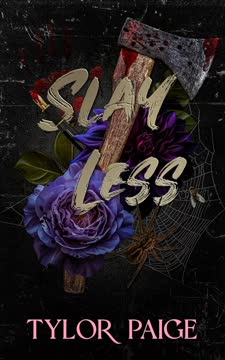
Plot Summary
Candygrams and Confessions
Delaney Duvall, a popular and precocious ninth grader, navigates the treacherous waters of high school romance, collecting candygrams and attention from classmates. Her best friend April teases her about her popularity, but Delaney's heart is set on Marco Brandis, an older man she's been secretly talking to. Her stepbrother Priest, tasked with protecting her, grows increasingly agitated by her choices, especially when he learns about Marco. The tension between Delaney and Priest simmers beneath the surface, hinting at complicated feelings. When Marco is found murdered after a night of secrets and arguments, Delaney's world is shattered, and the first cracks in her memory and family begin to show. The trauma of that night will haunt her for years to come.
Homecoming and Haunted Memories
Four years after being sent away, Delaney returns to her childhood home, now eerily unchanged and empty. She's preparing for a prestigious writer's retreat in New York, hoping to meet her literary idol, Moth. The house is a museum of her past, with photos and memories frozen in time. Delaney's relationship with her parents is distant, and her memories of why she was sent away are foggy. As she explores her old room, she's confronted by the ghosts of her adolescence—both literal and metaphorical. The sense of unease grows, foreshadowing the darkness that lingers in her family and her own mind.
Unexpected Reunion
Delaney's plans are upended when Priest, her stepbrother and childhood protector, unexpectedly returns home. Their reunion is charged with unresolved tension and unspoken desires. Both have changed in the years apart—Priest is now a brooding, muscular man, and Delaney is no longer a child. Their banter is laced with flirtation and old resentments. As they share a meal and reminisce, the boundaries between sibling and something more begin to blur. The night is thick with longing and confusion, setting the stage for the dangerous intimacy that will define their relationship.
Writer's Retreat Invitation
Delaney's excitement for the writer's retreat is palpable—this is her chance to reinvent herself and finally lose her virginity to Moth, the enigmatic author. When her friend Summer cancels, Priest offers to take her place, insisting they keep their true relationship a secret. The pair travel to the Vincent Hotel, an isolated, snowbound mansion with a dark history. They meet a cast of eccentric writers, including the psychic Juniper, the ambitious Annie, and the mysterious hotel caretakers, Arden and Gloriana. The retreat promises inspiration, but the hotel's haunted atmosphere and the storm outside hint at danger within.
Ghosts in the Vincent
The Vincent Hotel is a character in itself—opulent, decaying, and filled with secrets. Delaney and Priest navigate the social minefield of the retreat, encountering rivalries, flirtations, and supernatural occurrences. Delaney is drawn to Moth, but Priest's jealousy and protectiveness intensify. The group is introduced to the hotel's ghostly legends and the rules of surviving a slasher scenario. As the storm traps them inside, the line between reality and nightmare blurs. Delaney's memories grow more fragmented, and the hotel's spirits begin to make their presence known, targeting the guests' deepest fears and desires.
Rivalries and Red Flags
Tensions rise as Delaney becomes the object of both Moth's and Priest's obsessions. Moth's charm masks a predatory nature, while Priest's protectiveness borders on possessive. The other writers, especially Annie and Juniper, sense the darkness brewing. Delaney's attempts to assert her independence are undermined by the hotel's isolating influence and the men's competing attentions. The retreat's activities—writing workshops, ghost tours, and late-night confessions—become battlegrounds for control and seduction. The hotel's rules, both spoken and unspoken, tighten around Delaney, making escape feel impossible.
The Masked Man Returns
The Michael Myers mask, a relic from Priest's past, becomes a symbol of both protection and threat. Delaney's sexual awakening is intertwined with danger, as masked encounters blur the line between fantasy and reality. Priest's and Moth's rivalry turns violent, culminating in physical confrontations and psychological warfare. The hotel's supernatural forces exploit the guests' weaknesses, orchestrating encounters that are both erotic and terrifying. Delaney's sense of self fractures as she is manipulated, desired, and endangered by those around her—both living and dead.
Secrets in the Dark
As the power goes out and the storm intensifies, Delaney is forced to confront the traumas she's tried to forget. Flashbacks reveal the truth about Marco's murder, Priest's time in the asylum, and the family's efforts to erase the past through therapy and electroshock. The hotel's ghosts—victims of past sacrifices—replay their tragedies, drawing Delaney and Priest into a cycle of violence and desire. The boundaries between victim and perpetrator, love and obsession, are obliterated. Delaney's realization that Priest is both her protector and her greatest danger is devastating.
Haunted by the Past
The Vincent's true nature is revealed: it demands blood sacrifices to maintain its power, and the retreat is a cover for an annual ritual. Delaney, chosen as the final girl, is targeted for her purity and trauma. Priest, possessed by the hotel's founder, becomes both executioner and savior. The other guests are either complicit or sacrificed, their fates sealed by the hotel's insatiable hunger. Delaney's struggle to survive becomes a battle for her soul, as she must choose between escape and surrender to the darkness within and around her.
The Rules of Survival
The climax is a whirlwind of violence, sex, and supernatural horror. Delaney and Priest, both transformed by their experiences, must outwit the hotel's spirits and the living conspirators. The rules of the slasher genre—don't go alone, don't trust anyone, don't break the rules—are subverted and weaponized. The line between love and destruction is razor-thin, and Delaney's agency is tested to its limits. The final girl trope is both fulfilled and deconstructed, as Delaney must decide what she's willing to sacrifice to survive.
Blood in the Snow
The hotel's ritual demands are met in unexpected ways, as betrayals and alliances shift. Delaney and Priest, bloodied and traumatized, make a desperate bid for freedom, pursued by both the living and the dead. The snowbound landscape becomes a labyrinth of danger, echoing the maze of their own psyches. The cost of survival is high—innocence, sanity, and the lives of others. The final confrontation with the hotel's spirit leaves scars that will never heal, but also a chance for rebirth.
Possession and Power
In the aftermath, Delaney and Priest confront the consequences of their actions and the legacy of violence that shaped them. The hotel's power is broken, but its influence lingers. Delaney reclaims her narrative, choosing to embrace her desires and her darkness rather than be defined by them. Priest, freed from possession, must reckon with his own guilt and love. Together, they forge a new path—one that defies the rules and expectations of both horror and romance.
The Final Girl's Choice
Delaney and Priest escape the Vincent, but the world outside is forever changed. Their relationship, forged in trauma and transgression, is both a source of strength and a reminder of what they've lost. They choose each other, despite the judgment and danger that awaits. The final girl is not just a survivor, but a creator of her own story. The epilogue finds them building a life together, raising a child, and embracing the unconventional love that saved and damned them.
Escape from the Vincent
The escape from the Vincent is a harrowing ordeal, marked by violence, sacrifice, and supernatural intervention. Delaney and Priest must outwit the hotel's spirits, the vengeful guests, and their own inner demons. The journey down the snowbound hill is both literal and symbolic—a passage from captivity to uncertain freedom. The scars of their ordeal are both visible and invisible, shaping the rest of their lives.
Aftermath and New Beginnings
In the aftermath, Delaney and Priest carve out a new existence, far from the horrors of the Vincent. They marry, raise a child, and find solace in each other's arms. Delaney channels her trauma into writing, crafting dark romances that blur the line between fantasy and reality. Their love, once forbidden and dangerous, becomes a source of healing and creativity. The story ends with a celebration of survival, love, and the power to rewrite one's own narrative.
Characters
Delaney Duvall
Delaney is the emotional and narrative center of the story—a young woman marked by trauma, desire, and resilience. Her journey from naive teenager to empowered survivor is fraught with danger, both external and internal. Delaney's relationships—with her parents, friends, and especially Priest—are shaped by secrets, repression, and longing. Her memory is fragmented by trauma and therapy, making her an unreliable narrator of her own life. Delaney's sexuality is awakened in the crucible of horror, and her agency is constantly tested by those who seek to possess or save her. Her ultimate choice to embrace her love for Priest, despite its taboo, is both a victory and a tragedy—a refusal to be defined by others' rules.
Priest
Priest is Delaney's stepbrother, childhood guardian, and eventual lover. His character is defined by contradictions—tenderness and violence, love and obsession, guilt and desire. Priest's protectiveness is both genuine and suffocating, shaped by his own trauma and time in a mental institution. The Michael Myers mask symbolizes his dual nature: both shield and weapon, hiding his true self and unleashing his darkest impulses. Priest's struggle with possession by the hotel's spirit mirrors his internal battle with his own demons. His love for Delaney is both redemptive and destructive, and his willingness to kill for her blurs the line between hero and villain.
Moth
Moth is the object of Delaney's initial desire—a famous author whose charm masks a dangerous narcissism. He is both a rival to Priest and a catalyst for Delaney's sexual awakening. Moth's manipulations and violence reveal the predatory nature of celebrity and the dangers of fantasy. His eventual death and transformation into a ghost make him a symbol of the hotel's corrupting influence. Moth's rivalry with Priest is both personal and archetypal—a battle for the final girl that echoes the slasher genre's tropes.
Tristan
Tristan is the organizer of the writer's retreat and the architect of the hotel's annual sacrifice. His charm and authority mask a willingness to exploit and endanger others for his own survival. Tristan's complicity in the hotel's rituals makes him both a villain and a victim—trapped by the legacy of his family and the demands of the Vincent. His death is both a punishment and a release, exposing the cost of complicity and the futility of trying to control evil.
Annie
Annie is a sharp-tongued, competitive writer whose ambition and jealousy make her both an ally and an antagonist to Delaney. Her flirtations with Priest and rivalry with Delaney are fueled by insecurity and a desire for validation. Annie's eventual death and transformation into a ghost highlight the hotel's indiscriminate hunger and the dangers of ambition unchecked by empathy.
Juniper
Juniper is the retreat's resident psychic, whose skepticism and insight make her both a guide and a target. Her ability to see the hotel's ghosts is both a gift and a curse, isolating her from the others and marking her for sacrifice. Juniper's fate as the final victim underscores the story's themes of belief, vulnerability, and the cost of survival.
Arden and Gloriana
Arden and Gloriana are the enigmatic caretakers of the Vincent, their incestuous relationship mirroring the taboo at the heart of Delaney and Priest's story. They are both gatekeepers and participants in the hotel's rituals, offering help and hindrance in equal measure. Their willingness to watch and judge the guests' transgressions makes them both complicit and detached, symbols of the hotel's amoral hunger.
Carson
Carson is Priest's childhood friend, whose death and transformation into a ghost make him a guide and a tormentor. Carson's knowledge of the hotel's secrets and his willingness to manipulate the living make him a wild card in the story's supernatural chess game. His presence blurs the line between ally and enemy, sanity and madness.
Mr. Vincent
Mr. Vincent is the hotel's original owner and the spirit that possesses Priest, orchestrating the cycle of violence and sacrifice. He is both a literal and symbolic embodiment of patriarchal power, demanding blood and obedience from the living. His possession of Priest and manipulation of the guests make him the story's ultimate villain—a force of nature that can only be survived, not defeated.
Delaney's Parents
Delaney's parents are largely absent from the narrative, their neglect and attempts to control her through therapy and exile shaping her vulnerability. Their willingness to erase the past rather than confront it makes them complicit in the cycle of trauma and violence. They are both victims and perpetrators, symbols of a society that prefers forgetting to healing.
Plot Devices
The Slasher Rules
The story is structured around the "rules" of surviving a slasher, both parodying and subverting horror tropes. These rules are both literal (recited by characters) and metaphorical, shaping the characters' choices and the narrative's twists. The rules become a double-edged sword—offering guidance but also constraining agency, as characters struggle to break free from the scripts imposed on them by genre, family, and trauma.
The Haunted Hotel
The Vincent Hotel is more than a backdrop—it is a living, malevolent force that shapes the story's events. Its labyrinthine halls, supernatural inhabitants, and ritualistic demands create a claustrophobic, dreamlike atmosphere. The hotel's power to possess, manipulate, and trap its guests makes it both antagonist and mirror, reflecting the characters' fears and desires. The hotel's rituals and sacrifices are both literal and symbolic, representing the cost of survival and the legacy of violence.
Masks and Identity
The Michael Myers mask is a recurring symbol of hidden desires, repressed trauma, and the blurring of boundaries between self and other. Characters use masks to protect themselves, seduce others, and unleash their darkest impulses. The mask's power to both conceal and reveal is central to the story's exploration of identity, agency, and the dangers of fantasy.
Possession and Unreliable Memory
The story employs flashbacks, repressed memories, and supernatural possession to create a sense of disorientation and unreliability. Delaney's and Priest's perspectives are both compromised by trauma and external manipulation, making the truth elusive and mutable. The use of possession as both a plot device and a metaphor for trauma underscores the story's themes of agency, complicity, and survival.
Erotic Horror
The story blends horror and romance, using erotic encounters as both sources of pleasure and danger. Sex is a site of both empowerment and exploitation, blurring the line between consent and coercion. The taboo relationship between Delaney and Priest is both a transgression and a source of healing, challenging the boundaries of genre and morality.
Analysis
Slay Less is a provocative, genre-bending horror romance that uses the conventions of the slasher and haunted house genres to explore trauma, desire, and agency. At its core, the novel is a meditation on the power of narrative—how stories, both personal and cultural, shape our understanding of ourselves and our relationships. Delaney's journey from victim to survivor, from repressed to empowered, is both a subversion of the final girl trope and a celebration of female agency. The novel's explicit content and taboo relationships are not merely for shock value, but serve to interrogate the boundaries of love, consent, and identity. The Vincent Hotel, with its insatiable hunger for blood and secrets, is a metaphor for the cycles of violence and repression that haunt families and societies. By blending horror, romance, and metafictional commentary, Slay Less challenges readers to question the rules they live by—and to consider what it means to survive, to love, and to write one's own story in the aftermath of trauma.
Last updated:
Review Summary
Slay Less by Tylor Paige receives mixed reviews averaging 3.89/5 stars. The horror romance follows step-siblings Delaney and Priest reuniting at a haunted hotel during a writer's retreat. Readers praise the forbidden romance, dark themes, spicy scenes, and blended Halloween/The Shining vibes. Fans loved Priest's possessive character and the twisty plot with paranormal elements. Critics found Delaney annoying and underdeveloped, noted pacing issues after 73%, and felt the story became disjointed. Many appreciated the horror-movie atmosphere but some felt characters lacked depth. Most recommend checking trigger warnings before reading.





