Plot Summary
Desert Apparition, Golden Cape
In the heart of a wind-lashed desert, Bos Mutas, a rootless academic, and Zahra Bayda, a formidable Somali midwife, encounter a limping, fierce girl wrapped in a golden rescue blanket. She is both apparition and survivor, a living symbol of resilience and myth. The girl's presence unsettles Bos, who is haunted by visions and obsessions, especially with the legendary Queen of Sheba. The desert, with its refugee camps and silent suffering, becomes a stage for the collision of myth and reality. The girl's defiant energy and the women who surround her—each with their own desperate petitions—set the tone for a story where ancient legend and modern catastrophe intertwine, and where the smallest encounter can illuminate a lifetime of longing and loss.
The Queen's Obsession
Bos's lifelong fixation on the Queen of Sheba is revealed as both a personal myth and a wound. From a childhood encounter with a belly dancer on a Nile cruise to his mother's stories of a lost, silent girl named "Blue," the Queen becomes a symbol of desire, guilt, and unattainable love. Bos's obsession is not just erotic but spiritual—a longing for connection, meaning, and redemption. The Queen of Sheba, in all her forms, is both a threat and a promise, a figure who marks the chosen with a kiss of fire or madness. This obsession shapes Bos's journey, coloring every relationship and every attempt to find belonging in a world fractured by exile and memory.
Goat Foot's Exile
The mythic narrative of Goat Foot, the legendary Queen of Sheba, unfolds: born with a clubfoot and a mane of hair, she is cast out by her immaculate, narcissistic mother, the Maiden. Buried alive, Goat Foot endures a "fertile confinement," learning the secrets of the earth, the language of pain, and the power of transformation. Her exile is both punishment and initiation, forging her into a being who is neither wholly human nor animal, neither male nor female. Emerging from the underworld, she becomes a limping, wild, and beautiful woman—an outsider destined to rule herself and, eventually, others. Her journey is one of survival, self-devouring, and the alchemy of suffering into strength.
Monastery of Longing
Orphaned and adrift, Bos Mutas finds refuge in a Dominican monastery, where silence and study become his world. His devotion shifts from the Christian Trinity to the Queen of Sheba, who appears to him in dreams and in the guise of punk icon Patti Smith. The monastery is both sanctuary and prison, a place where longing festers and obsessions deepen. Bos's inability to connect with the living—his shyness, his "mute ox" nature—contrasts with his feverish inner life, where myth and memory blur. The Queen's image, elusive and ever-changing, becomes the axis around which his identity and desires revolve.
Buried, Not Broken
Goat Foot's time underground is a crucible: she learns, suffers, and is reborn. Her emergence is marked by hunger, cold, and the first stirrings of womanhood. She wanders the desert, haunted by loneliness and the memory of her mother's rejection. Yet her survival is an act of defiance—she becomes queen of herself, a living paradox of death and rebirth. The desert, with its music and mirages, is both adversary and teacher. Goat Foot's journey is echoed in the stories of other exiles and creators—saints, poets, and madwomen—who find their calling in confinement and emerge transformed, ready to claim their place in the world above.
The Mute Ox's Vision
In the monastery's cheese-scented library, Bos is confronted by Friar Cirio, who reveals that even Thomas Aquinas was undone by a vision of the Queen of Sheba. This revelation blurs the line between scholarship and madness, faith and desire. The Queen's apparition is both a blessing and a curse, capable of silencing the greatest minds. Bos recognizes himself in this lineage of haunted men, marked by longing and the inability to finish their own stories. The Queen's power is not just erotic but existential—she is the muse who both inspires and destroys, the riddle that unravels the self.
Women of the Margins
Seeking refuge in the city, Goat Foot moves through the worlds of beggars, widows, sex workers, and lepers. Each group offers her a different form of survival, solidarity, or danger. The women she meets are fierce, wounded, and resourceful, navigating a society that punishes and exploits them. Goat Foot's own liminality—her limp, her wildness—both alienates and protects her. She is drawn to the margins, where life is raw and rules are mutable. Her encounters reveal the complex hierarchies of suffering and resilience among the dispossessed, and the ways in which mythic identity can be both a shield and a target.
Chasing Sheba's Shadow
Expelled from the monastery, Bos embarks on a quest to find the Queen of Sheba in the real world, traveling to Yemen amid war and chaos. His academic project becomes a pilgrimage, fraught with danger, bureaucracy, and the surreal logic of conflict zones. The Queen remains elusive, her presence felt in every disappointment and every fleeting connection. Bos's journey is marked by near-misses, small acts of kindness, and the persistent sense of being an outsider. The search for Sheba becomes a search for meaning in a world where myth and atrocity coexist, and where the boundaries between past and present, self and other, are constantly shifting.
The Black Tree's Secret
In the desolate valley of Hadhramaut, Goat Foot finds her true power by discovering the olibanum tree—source of frankincense. This resin, both medicine and offering, transforms her people from nomads to the richest on earth. The tree's milk tears become currency, sacrament, and the basis for a new civilization. Yet with prosperity comes new dangers: religious fanaticism, sacrifice, and the rise of the Butcher, a figure who exploits faith and violence for power. Goat Foot's leadership is tested as she navigates the double-edged gifts of wealth and tradition, and the ever-present threat of betrayal from within.
Sanaa: City of Contrasts
Bos, guided by Zahra Bayda, experiences Sanaa as a place where ancient splendor and modern misery collide. The city's towers, markets, and hidden mafrajs are haunted by the stories of women—refugees, beggars, and survivors—whose lives are shaped by war, poverty, and patriarchal violence. The Queen of Sheba's legacy is both a source of pride and a tool of exclusion, invoked by women to assert dignity or by men to enforce hierarchy. In Sanaa, myth is lived and contested daily, and every encounter is charged with the tension between hope and despair, tradition and change.
Sacrifice and Survival
The narrative delves into the cycles of sacrifice—both literal and symbolic—that define the lives of its characters. Goat Foot's olibanum fuels a cult of blood and guilt, while Bos, pressed into service as a confessor, confronts the limits of forgiveness in the face of overwhelming suffering. The story of Yameelah Semela, a dying woman tormented by guilt and dreams of judgment, becomes a meditation on the burdens victims carry and the impossibility of absolution. The personal and the political, the ancient and the modern, are bound together in rituals of pain, memory, and the desperate search for redemption.
The Butcher's Rise
The alliance between the Maiden and the Butcher—faith and force—ushers in a reign of terror. The Butcher, a former slaughterhouse worker, becomes both high priest and general, orchestrating mass sacrifices and consolidating power through fear and blood. Goat Foot's resistance is fierce but ultimately undermined by her own heart—her love for her sister Joy, and her vulnerability to betrayal. The Axe League's machinations lead to tragedy, as familial love is weaponized and trust becomes a fatal flaw. The cycle of violence consumes both victim and perpetrator, leaving only ashes and the possibility of mythic resurrection.
The Three Floors of Guilt
Bos's role as a reluctant confessor brings him face to face with the intractable nature of guilt and the limits of compassion. The dying Yameelah's dreams of judgment—each floor a new accusation—mirror the layers of trauma carried by individuals and communities. The narrative explores the ways in which suffering is inherited, internalized, and sometimes, through witness and ritual, transformed. The act of listening, of bearing witness, becomes a form of mercy, even when absolution is impossible. The chapter is a meditation on the persistence of pain and the fragile hope of release.
Dances with Hyenas
The story shifts to the journeys of migrants and exiles—women crossing seas, Rimbaud in Aden and Harar, Goat Foot among the dispossessed. The hyena becomes a symbol of both danger and kinship, a creature that haunts the margins and survives by wit and ferocity. The narrative weaves together personal and collective histories of displacement, violence, and the longing for belonging. The Queen of Sheba's myth is refracted through the lives of those who claim her as ancestor, symbol, or muse. The search for home is both literal and existential, a journey through loss, memory, and the possibility of transformation.
The Perfume Challenge
The legendary contest between Goat Foot and King Solomon unfolds as a battle of wits, creativity, and desire. Each must create something the other cannot surpass—a poem, a perfume. The challenge is both a courtship and a duel, a way of testing the boundaries between self and other, tradition and innovation. The exchange of gifts, messages, and riddles becomes a metaphor for the complexities of love, power, and cultural encounter. The outcome is uncertain, shaped by pride, longing, and the ever-present risk of misunderstanding or betrayal.
The Axe League Betrayal
The alliance of the Maiden and the Butcher culminates in the capture and execution of Goat Foot. Betrayed by love and lured by the promise of reunion with her sister, she is led to the gallows in a ritual that echoes the sacrifices she once abhorred. Her death is both an ending and a transformation, a passage from flesh to myth. The violence of the Axe League is exposed as both personal and systemic, a machinery that consumes its own creators. Yet even in defeat, Goat Foot's story refuses closure—her myth endures, ready to be reborn.
Resurrection and Reunion
In the aftermath of loss, the narrative turns to acts of remembrance, ritual, and renewal. Bos and Zahra Bayda, scarred by their experiences, find solace in each other and in the work of healing—personal, communal, and mythic. The Queen of Sheba's story is rewritten, not as a tale of conquest or tragedy, but as a song of survival, love, and the endless capacity for rebirth. The boundaries between past and present, myth and reality, blur as the characters reclaim agency and meaning in the face of devastation.
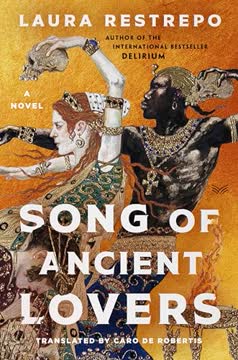
Song of Ancient Lovers
The final chapter is a lyrical celebration of love—erotic, spiritual, and communal—as the force that endures beyond violence, exile, and death. The Song of Songs, the ancient hymn of desire, becomes the template for a new story, one in which lovers find each other across time and catastrophe, and in which the act of telling, singing, and remembering becomes an act of resistance. The Queen of Sheba and King Solomon, Bos and Zahra Bayda, the living and the dead—all are joined in a chorus that affirms the power of love to heal, to transform, and to begin again.
Characters
Bos Mutas
Bos Mutas is the novel's narrator and emotional core—a man marked by loss, longing, and a lifelong obsession with the Queen of Sheba. Orphaned young, he drifts through monastic life, academia, and war zones, always searching for meaning and connection. His psyche is shaped by absence: the loss of his parents, the curse of unlovability, and the elusive presence of the Queen, who embodies both desire and unattainable fulfillment. Bos is introspective, self-deprecating, and often paralyzed by doubt, yet he is also capable of deep empathy and moments of courage. His relationships—with women, with myth, with suffering—are fraught with ambivalence, but his journey is ultimately one of transformation, as he learns to find love and purpose in the act of witnessing and storytelling.
Zahra Bayda
Zahra Bayda is a Somali midwife and humanitarian, forged in the crucible of war, exile, and personal trauma. She is both nurturing and formidable, a woman who commands respect and inspires fear. Her past is marked by violence—rape, loss, and the brutal traditions of her homeland—but she channels her pain into action, saving lives and refusing to be defined by victimhood. Zahra is pragmatic, unsentimental, and often brusque, yet she possesses a deep well of compassion and a capacity for joy. Her relationship with Bos is complex—by turns maternal, erotic, and adversarial—and she serves as both his guide and his equal. Zahra embodies the novel's themes of resilience, agency, and the power of women to endure and transform.
Goat Foot (Queen of Sheba)
Goat Foot is both a legendary figure and a living woman, her story oscillating between myth and reality. Born with a clubfoot and cast out by her mother, she survives burial, exile, and countless trials to become a leader, innovator, and symbol of female power. Her identity is fluid—animal and human, masculine and feminine, victim and sovereign. Goat Foot's journey is one of self-creation, as she turns suffering into strength and marginalization into authority. She is both the object of Bos's obsession and a subject in her own right, challenging the narratives imposed upon her. Her fate—betrayal, sacrifice, and resurrection—mirrors the cycles of myth and history, and her legacy endures in the stories and lives of those who claim her as ancestor or muse.
The Maiden (Goat Foot's Mother)
The Maiden is the archetype of cold, destructive motherhood—a woman obsessed with purity, beauty, and control. Her rejection of Goat Foot is both personal and symbolic, an act of violence that sets the story's cycles of exile and longing in motion. The Maiden's alliance with the Butcher reveals her capacity for manipulation and her willingness to sacrifice even her own children for power. Yet she is also a figure of pathos, trapped by her own obsessions and ultimately undone by the very systems she upholds. Her relationship with Goat Foot is the novel's central wound, a source of both trauma and the possibility of transformation.
The Butcher (Atru)
The Butcher rises from humble origins to become the high priest and general of a new regime built on blood, fear, and fanaticism. He exploits the rituals of sacrifice and the machinery of guilt to consolidate power, forming a deadly alliance with the Maiden. The Butcher is both grotesque and charismatic, a figure who embodies the dangers of unchecked violence and the seductions of authority. His rivalry with Goat Foot is both personal and political, culminating in her betrayal and execution. Yet his triumph is fleeting—he is ultimately a tool of larger forces, destined to be consumed by the very violence he unleashes.
Yameelah Semela
Yameelah is an Ethiopian Christian woman dying in a refugee camp, tormented by guilt over the loss of her child and her family. Her dreams of judgment—each floor a new accusation—mirror the novel's exploration of inherited trauma and the impossibility of absolution. Yameelah's story is one of suffering, endurance, and the fragile hope of release. Her encounter with Bos, who serves as her confessor, becomes a meditation on the limits of mercy and the power of witness. Yameelah embodies the countless unnamed victims of war and displacement, her pain both singular and universal.
Fahed
Fahed is a Yemeni boy who loses his eyes in a bombing, becoming a living testament to the brutality of conflict. His journey—from trauma to adaptation, from despair to creativity—mirrors the novel's themes of survival and the persistence of hope. Fahed's relationship with Bos and Olivia, the Irish pediatrician, is marked by tenderness, humor, and the shared struggle to find meaning in the aftermath of loss. His story is a reminder of the costs of war and the possibility of healing, even in the most devastated circumstances.
Olivia
Olivia is an Irish doctor working with MSF, whose professionalism and warmth provide a counterpoint to the novel's darker currents. She is both caregiver and friend, her relationship with Bos marked by moments of intimacy and shared vulnerability. Olivia's own struggles—with burnout, longing for home, and the limits of her ability to help—reflect the challenges faced by humanitarian workers in crisis zones. Her presence in the story underscores the importance of solidarity, humor, and small acts of kindness in the face of overwhelming suffering.
Pau (Cor d'Or)
Pau is the Catalan head of the MSF mission, a man of discipline, pragmatism, and hidden sentimentality. His dual roles—as authority figure and nurturer, as Zahra's former lover and Iftiin's adoptive father—make him a complex and stabilizing presence. Pau's commitment to the work, his ability to bend rules when necessary, and his quiet care for his team reveal the everyday heroism required to survive and make a difference in impossible circumstances.
Mirza Hussain
Mirza Hussain is a recurring figure who embodies the wisdom, nostalgia, and contradictions of tradition. His stories, proverbs, and observations provide context and commentary on the unfolding events, linking past and present, East and West. Mirza is both comic and tragic, a survivor of loss and a keeper of memory. His presence grounds the narrative in the lived realities of the region, reminding the reader that myth and history are always intertwined.
Plot Devices
Myth and Reality Intertwined
The novel's central device is the constant interplay between mythic narrative (the story of Goat Foot/Queen of Sheba) and contemporary reality (Bos, Zahra, and the world of refugees, war, and humanitarian work). This dual structure allows the author to explore how ancient stories shape and are shaped by present suffering, and how individuals use myth to make sense of trauma, exile, and desire. The boundaries between past and present, fiction and fact, are deliberately blurred, creating a tapestry where every event resonates on multiple levels.
Obsession and the Unattainable
Bos's obsession with the Queen of Sheba—and the various forms she takes—serves as both motivation and obstacle. The Queen is a symbol of everything lost, desired, or forbidden, and her presence haunts every relationship and decision. This device allows the narrative to explore the psychology of longing, the wounds of abandonment, and the ways in which individuals are marked by the stories they inherit and the loves they cannot possess.
Cycles of Sacrifice and Resurrection
The motif of sacrifice—literal and metaphorical—runs throughout the novel, from Goat Foot's burial and execution to the rituals of confession, healing, and storytelling. Each act of violence or loss is countered by the possibility of resurrection, whether through myth, memory, or love. This cyclical structure mirrors both ancient religious narratives and the lived experience of trauma and recovery, emphasizing the persistence of hope and the inevitability of change.
Polyphonic Storytelling
The novel employs a range of narrative techniques—first-person confession, mythic epic, historical digression, and lyrical meditation. Characters' stories are interwoven, often echoing or contradicting each other, creating a sense of collective experience and shared fate. The use of letters, dreams, songs, and rituals as narrative devices deepens the emotional resonance and allows for a multiplicity of truths.
Symbolic Objects and Motifs
Throughout the novel, objects—such as the blue scarf, the amethyst scarab, the olibanum resin, and the burned notebooks—serve as carriers of memory, identity, and connection. These symbols link characters across time and space, embodying the themes of loss, inheritance, and the search for meaning. The recurring motif of the "queen's kiss"—a mark of both blessing and curse—encapsulates the novel's exploration of the costs and gifts of obsession.
Analysis
Song of Ancient Lovers is a sweeping, polyphonic novel that bridges the gap between ancient legend and contemporary catastrophe. By intertwining the myth of the Queen of Sheba with the lived realities of refugees, exiles, and humanitarian workers, Laura Restrepo crafts a narrative that is both timeless and urgently relevant. The novel interrogates the power of stories—how they wound, heal, and shape our sense of self and community. It is a meditation on the persistence of love and the cycles of violence, on the ways in which women's bodies and destinies are contested ground, and on the possibility of redemption through witness, solidarity, and song. The lessons are clear: survival is an act of resistance; myth is not an escape but a tool for understanding and transformation; and love, in all its forms, is the force that endures when all else is lost. In a world marked by displacement, war, and the erasure of memory, Song of Ancient Lovers insists on the necessity of telling, remembering, and loving—again and again, for as long as it takes.
Last updated:
Review Summary
Song of Ancient Lovers intertwines the myth of the Queen of Sheba with a contemporary story set in Yemen. Reviews praise Laura Restrepo's poetic, lyrical prose and powerful social commentary on women's struggles in war-torn regions. Many found the narrative structure challenging, with frequent shifts between myth and reality, extensive literary references, and slow pacing. The protagonist Bos Mutas's obsession with the Queen of Sheba leads him to work with Doctors Without Borders. Readers appreciated the blend of mythology and harsh realities but were divided on execution, with some finding it brilliant and moving, others tedious and overly complex.





