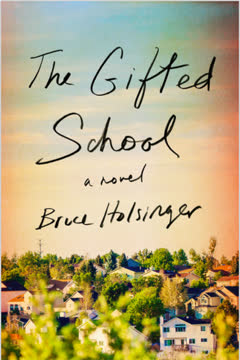
Plot Summary
Whisper of the Gifted
In the affluent Colorado town of Crystal, a rumor begins to circulate: a new public magnet school for gifted children is coming. For four intertwined families—Rose and Gareth, Samantha and Kev, Azra and Beck, Lauren and her children—the news is both a promise and a threat. The prospect of Crystal Academy awakens old insecurities and new ambitions, as parents quietly begin to measure their children's abilities and their own worth. The school's arrival is a catalyst, exposing the subtle rivalries and anxieties that have always simmered beneath the surface of their friendships. The desire to prove one's child is exceptional becomes a quiet obsession, setting the stage for competition, self-doubt, and the unraveling of long-held illusions.
Friendships and Fault Lines
The four women—Rose, Samantha, Azra, and Lauren—have built a decade-long friendship around their children, sharing milestones, struggles, and support. Yet beneath the laughter and shared rituals, differences in class, ambition, and parenting styles create subtle rifts. Their children—Emma Q, Emma Z, the twins Aidan and Charlie, and Xander—are as close as siblings, but the parents' choices and secrets begin to shape their paths. As the gifted school becomes a reality, the women's conversations shift from support to comparison, and the first cracks in their unity appear. The bonds that once seemed unbreakable are tested by envy, pride, and the fear of being left behind.
The Emmas' World
Emma Q and Emma Z, inseparable since infancy, are now eleven and facing the pressures of adolescence and academic competition. Their friendship is a microcosm of their mothers' ambitions and anxieties. As they prepare for the CogPro test, their conversations reveal both affection and a growing undercurrent of rivalry. The girls' world is shaped by parental expectations, subtle judgments, and the unspoken belief that only the exceptional will thrive. Their playful banter masks deeper insecurities, as each wonders if she is truly "gifted" or merely ordinary in a town obsessed with achievement.
Family Faults, Family Fears
Each family is marked by its own struggles: Rose and Gareth's marriage is strained by ambition and disappointment; Samantha and Kev's outward perfection hides financial and emotional cracks; Azra and Beck navigate divorce, new partners, and the challenges of raising twins; Lauren, widowed and fiercely protective, channels her grief into her children's success. The children, meanwhile, carry the weight of their parents' hopes and failures. Tessa, Lauren's older daughter, battles addiction and self-doubt, while Xander's brilliance is both a gift and a curse. The adults' attempts to control outcomes often backfire, deepening the very wounds they hope to heal.
The School Unveiled
The gifted school moves from rumor to reality, with glossy brochures, open houses, and a rigorous admissions process. The CogPro test looms, and the town's competitive spirit intensifies. Parents scramble for tutors, portfolio ideas, and insider information, convinced that a spot at Crystal Academy is the key to their child's future. The school's promise of meritocracy is complicated by questions of privilege, diversity, and fairness. As the community divides into those who "make the cut" and those who don't, the sense of unity fractures, and the true cost of the pursuit of excellence becomes clear.
Testing and Tensions
On test day, the children face the CogPro, a standardized measure of cognitive ability. The experience is fraught with pressure, self-doubt, and the fear of failure. Parents wait anxiously, projecting their own hopes and regrets onto their children. The results, when they come, are both a relief and a new source of tension. Some children advance, others do not, and the lines between friends and rivals are redrawn. The test becomes a symbol of the town's values—and its blind spots—revealing who is truly included and who is left out.
Rivalries and Revelations
As the admissions process continues, old friendships are strained by new rivalries. The Emmas' bond is tested by jealousy and the desire to stand out. The twins, Aidan and Charlie, struggle with shifting roles as one excels and the other falters. Xander, brilliant but socially awkward, becomes both a source of pride and concern for Lauren. Tessa's struggles with addiction and identity come to the fore, challenging her mother's assumptions. The pursuit of "spikes"—unique talents to showcase in portfolios—leads to questionable choices, small betrayals, and the exposure of long-buried secrets.
The First Cut
The first round of admissions results in a painful winnowing. Some children, like Emma Q and Aidan, advance; others, like Emma Z, do not. The news is met with a mix of relief, shame, and resentment. Parents grapple with the implications, questioning the fairness of the process and their own roles in their children's successes and failures. The community's divisions deepen, as those left out form protest groups and those still in the running double down on their efforts. The cost of the competition becomes increasingly apparent, as friendships fray and families are pushed to the brink.
Privilege and Pressure
The admissions process exposes the town's underlying inequalities. Families from less privileged backgrounds, like Atik's, face additional hurdles, while the affluent leverage every advantage. Debates over diversity, quotas, and "advantage hoarding" rage in public forums and private conversations. The school's promise of meritocracy is revealed to be complicated by systemic biases and the realities of social capital. The children, caught in the crossfire, absorb the lessons of privilege and exclusion, even as they struggle to define their own worth.
The Portfolio Race
The final stage of admissions requires students to submit portfolios showcasing their unique talents. The pressure to stand out leads to questionable decisions: Rose alters Emma Q's project to give her an edge; Kev and Samantha seek dubious accommodations for Emma Z; Beck creates a highlight reel that centers one twin at the expense of the other. Xander, meanwhile, undertakes a science project that will have explosive consequences. The race to impress the admissions committee becomes a test of character, revealing the lengths to which parents will go to secure their child's future.
Secrets, Lies, and Spikes
At the Crystal Academy open house, the accumulated secrets and lies of the past year are exposed. Xander's science project, a genetic analysis of the families, reveals that Emma Z is not Kev's biological daughter but Gareth's—a secret even the adults did not know. The revelation shatters families and friendships, forcing everyone to confront the consequences of their actions. Rose's deception with the portfolio is uncovered, and the Emmas' friendship is left in tatters. The open house becomes a public reckoning, as the community witnesses the fallout of their collective obsession with giftedness.
The Open House Unravels
The aftermath of the open house is chaotic and painful. Families are forced to reckon with new realities: Rose and Gareth's marriage is irreparably damaged; Samantha and Kev must face the truth about Emma Z; Azra and Beck confront the impact of their choices on their sons. The children, caught in the storm, struggle to make sense of the adults' failures. The town, once united by ambition, is now divided by shame, regret, and the recognition that the pursuit of excellence has come at a steep cost.
Endgames and New Beginnings
In the weeks that follow, the families begin to pick up the pieces. Most of the children are rejected from Crystal Academy, and the parents are left to reflect on what truly matters. Some friendships are repaired, others are changed forever. The children, resilient and adaptable, find new ways to define themselves outside the narrow confines of "giftedness." The adults, chastened by their own failings, learn to let go of the need for control and perfection. The story ends not with triumph, but with a hard-won acceptance of imperfection, the enduring power of friendship, and the hope that the next generation will be allowed to write their own stories.
Characters
Rose Holland
Rose is a pediatric neurologist whose ambition and perfectionism drive both her professional success and her personal anxieties. Married to Gareth and mother to Emma Q, she is fiercely invested in her daughter's achievements, often projecting her own insecurities onto Emma. Rose's relationships with her friends are marked by both genuine affection and subtle competition. Her need for control leads her to questionable choices, including altering her daughter's portfolio and lying to the school. Rose's journey is one of painful self-awareness, as she confronts the limits of her influence and the consequences of her actions on those she loves.
Gareth Quinn
Gareth, once a promising writer, now struggles with professional stagnation and a sense of inadequacy. He is the primary caregiver for Emma Q, often clashing with Rose over parenting styles. Gareth's passivity masks deeper resentments, particularly regarding Rose's ambition and the sacrifices he has made. His past affair with Samantha, resulting in Emma Z's birth, is a secret even to himself until Xander's project exposes it. Gareth's arc is one of reluctant reckoning, as he is forced to confront his own failures and the impact of his choices on his family.
Samantha Zellar
Samantha is the social linchpin of the group, effortlessly hosting gatherings and projecting an aura of perfection. Married to Kev and mother to Emma Z, she is both envied and resented by her friends. Beneath her polished exterior, Samantha is haunted by infertility, marital strain, and the fear of not measuring up. Her complicity in the deception about Emma Z's parentage and her willingness to bend rules for her daughter reveal a complex mix of vulnerability and ambition. Samantha's journey is one of humility and acceptance, as she learns to let go of the need for control.
Kev Zellar
Kev is a successful financier and city councilman, obsessed with appearances and legacy. His identity is tied to his family's achievements, and he is willing to manipulate systems to secure Emma Z's success. Kev's relationship with Samantha is strained by secrets and the pressure to maintain their image. The revelation that Emma Z is not his biological daughter is a profound blow, forcing him to reevaluate his priorities and his understanding of fatherhood.
Azra Chaudhury
Azra, a consignment store owner and mother of twins Aidan and Charlie, is the group's emotional anchor. Her divorce from Beck and her ability to maintain amicable relationships with both him and her friends set her apart. Azra's parenting is marked by acceptance and flexibility, but she is not immune to the pressures of competition. Her new relationship with Glen and her support of Tessa highlight her capacity for forgiveness and growth. Azra's arc is one of quiet strength, as she navigates the challenges of blended families and shifting loyalties.
Beck Unsworth
Beck, a designer and father of Aidan and Charlie, is defined by his charm, irresponsibility, and inability to manage his life. His relationships—with Azra, his new wife Sonja, and his children—are marked by both affection and chaos. Beck's financial troubles, poor decisions, and emotional volatility create instability for those around him. His desperate attempts to showcase his sons' talents and his involvement in the school drama expose his deep insecurities. Beck's journey is one of painful self-recognition and the struggle to regain control.
Lauren Frye
Lauren, widowed and raising Tessa and Xander alone, channels her grief into her children's success. Her devotion to Xander's brilliance and her struggle with Tessa's rebellion reveal both her strengths and her blind spots. Lauren's relationships with her friends are marked by both neediness and defensiveness. The exposure of family secrets and her children's struggles force Lauren to confront her own limitations and the dangers of overinvestment.
Emma Q (Emma Holland-Quinn)
Emma Q is Rose and Gareth's daughter, defined by her verbal gifts and her close friendship with Emma Z. She is both a victim and a participant in the pressures of competition, internalizing her parents' anxieties and striving to meet their expectations. Emma Q's journey is one of self-discovery, as she learns to navigate rivalry, disappointment, and the complexities of growing up in a world obsessed with achievement.
Emma Zellar
Emma Z, daughter of Samantha and (she believes) Kev, is the embodiment of Crystal's ideals: poised, accomplished, and seemingly destined for success. Her friendship with Emma Q is both a source of strength and a site of competition. The revelation of her true parentage and her failure to make the cut at Crystal Academy shatter her self-image, forcing her to confront the limits of privilege and the meaning of identity.
Xander Frye
Xander, Lauren's son, is a prodigy whose intelligence is both a gift and a burden. His social awkwardness and obsession with patterns make him an outsider, even among the gifted. Xander's science project—an unauthorized genetic analysis of the families—serves as the novel's catalyst, exposing secrets and forcing the adults to confront uncomfortable truths. Xander's arc is one of painful honesty, as he navigates the consequences of his actions and the complexities of belonging.
Plot Devices
The Gifted School as Social Mirror
Crystal Academy is more than a setting; it is a crucible that exposes the ambitions, insecurities, and ethical boundaries of the community. The school's admissions process—standardized testing, portfolio submissions, and the search for "spikes"—serves as a narrative engine, driving characters to reveal their true selves. The school's promise of meritocracy is complicated by privilege, bias, and the realities of social capital, making it a mirror for the town's values and divisions.
Multiple Perspectives and Interwoven Narratives
The novel employs a rotating cast of narrators, allowing readers to see events from multiple angles. This structure deepens the psychological complexity of the characters and highlights the ways in which misunderstandings, secrets, and self-deceptions shape relationships. The interwoven narratives create a tapestry of ambition, rivalry, and vulnerability, making the story both intimate and expansive.
The Portfolio and the "Spike"
The requirement for students to submit portfolios showcasing their unique talents becomes a metaphor for the ways parents project their own desires onto their children. The search for a "spike"—a singular, marketable gift—drives much of the action, leading to both creativity and dishonesty. The portfolio race exposes the limits of meritocracy and the dangers of reducing children to their achievements.
Xander's Science Project and the DNA Reveal
Xander's unauthorized genetic analysis is the novel's most explosive plot device, serving as both a literal and metaphorical unmasking. The project's revelation at the open house is a masterstroke of narrative timing, forcing all characters to confront the consequences of their secrets and lies. The project's blend of scientific rigor and social naiveté underscores the novel's themes of truth, identity, and the limits of control.
Social Media and Public Exposure
Tessa's video blog and the ALPACA Facebook group serve as modern plot devices, amplifying private conflicts into public spectacles. The viral spread of secrets, rumors, and accusations accelerates the unraveling of relationships and highlights the dangers of living in a hyperconnected, image-obsessed world.
Foreshadowing and Irony
The novel is rich in foreshadowing—early hints of rivalry, dishonesty, and the fragility of friendship pay off in dramatic reversals. Irony abounds: the pursuit of giftedness leads to moral failure; the quest for control results in chaos; the desire for connection breeds division. These devices create a sense of inevitability and tragedy, even as the characters struggle for redemption.
Analysis
The Gifted School is a razor-sharp dissection of contemporary American ambition, exposing the ways in which the pursuit of excellence can corrode relationships, distort values, and inflict lasting harm on children and adults alike. Through its ensemble cast and intricate plotting, the novel reveals how privilege, anxiety, and the desire for control drive even the most well-intentioned parents to questionable choices. The school's promise of meritocracy is unmasked as a fragile illusion, complicated by systemic bias and the realities of social capital. The children, caught in the crossfire, are both victims and agents, forced to navigate a world where love is too often conditional on achievement. Ultimately, the novel offers a hard-won lesson: true giftedness lies not in test scores or portfolios, but in the capacity for empathy, honesty, and resilience. The path to maturity—for both children and adults—requires letting go of the need for perfection and embracing the messy, unpredictable work of being human.
Last updated:
Review Summary
The Gifted School centers on four affluent Colorado families competing for spots at a selective magnet school for gifted children. Reviews are mixed (3.71/5), with readers praising the timely social commentary on competitive parenting and privilege, comparing it to Big Little Lies. Many found characters unlikable but compulsively readable, though some felt the 450-page length excessive. Several noted the book's prescience given the college admissions scandal. Common criticisms included too many characters, predictable twists, and endings that felt either too neat or unsatisfying. Educators particularly appreciated its realistic portrayal of gifted school dynamics.





