Plot Summary
Snowfall and Silent Morning
Grace Maclean, a spirited young equestrian, wakes up to a world blanketed in the first snowfall of winter. The serene silence of her family's farmhouse fills her with excitement as she prepares for a morning ride with her best friend, Judith. The two girls, united by their love for horses, set out into the snowy landscape, unaware of the impending tragedy that will forever alter their lives.
Collision and Chaos Unleashed
As Grace and Judith ride through the snow, a series of unfortunate events leads to a catastrophic collision with a truck driven by Wayne Tanner. The accident is devastating: Judith is killed, Grace is left severely injured, and her beloved horse, Pilgrim, is gravely hurt. The chaos of the scene shatters the morning's tranquility, marking the beginning of a painful journey for Grace and her family.
Hospital and Heartbreak
In the wake of the accident, Grace is airlifted to a hospital, where her parents, Annie and Robert, are confronted with the heartbreaking news that her leg must be amputated. Consumed by guilt and grief, they struggle to support each other while facing their daughter's uncertain future. The hospital becomes a place of both hope and despair as they wait for Grace to awaken from her coma.
A Family Fractured by Tragedy
As Grace begins her slow recovery, the Maclean family is torn apart by the tragedy. Annie immerses herself in work to escape her emotions, while Robert is overwhelmed by guilt and helplessness. Grace, now a shadow of her former self, retreats into silence, haunted by the loss of her friend and her own shattered dreams. The family's once-stable foundation is shaken to its core.
The Whisperer's Reluctant Call
Annie learns of Tom Booker, a renowned horse whisperer in Montana, known for his ability to heal troubled horses. Despite his initial reluctance, Annie is determined to enlist his help for Pilgrim, believing that saving the horse might also save her daughter. Her resolve is fueled by guilt and a desperate hope that Tom's unique gift can mend what has been broken.
A Desperate Mother's Gamble
Against all odds, Annie embarks on a cross-country journey with Grace and Pilgrim, determined to reach Tom Booker's ranch. The journey is fraught with tension and silence, as Grace resents her mother's decision and the forced confrontation with her trauma. Annie's gamble is a last-ditch effort to restore her family, driven by a belief that healing Pilgrim might somehow heal them all.
Secrets and Silent Confessions
Grace, still grappling with the trauma of the accident, finds solace in Tom Booker's presence. She hasn't shared the full extent of her memories with anyone, not even her parents. Tom's acceptance of her as she is now, without judgment, offers her a rare sense of peace. Meanwhile, Robert is overwhelmed by work and guilt, struggling to connect with his family from afar.
A Whisperer's Final Lesson
Tom Booker becomes a pivotal figure in the Maclean family's journey toward healing. His deep understanding of animals and people allows him to guide Grace and Pilgrim through their recovery. In a tragic turn, Tom sacrifices himself to save Grace, leaving a lasting impact on the family and teaching them the true meaning of love and acceptance.
A Family's Fragile Rebirth
The Maclean family begins to heal in the wake of Tom's sacrifice. Annie's unexpected pregnancy brings hope and renewal, offering a chance for the family to rebuild. Grace finds strength in her experiences, and Robert's love for his family deepens. Together, they navigate the complexities of their new reality, finding solace in the bonds that hold them together.
Characters
Grace Maclean
Grace is a vibrant teenager whose life is irrevocably changed by a horrific accident. Her journey from a carefree rider to a girl grappling with loss and disability is marked by silence and withdrawal. Her bond with Pilgrim and the guidance of Tom Booker help her find strength and healing.
Annie Maclean
Annie is a successful magazine editor whose life is upended by her daughter's accident. Driven by guilt and a fierce love for Grace, she embarks on a desperate quest to heal Pilgrim, believing it might also heal her daughter. Her journey is as much about confronting her own failures as it is about saving her family.
Robert Maclean
Robert is a lawyer who feels helpless in the face of his daughter's suffering. His relationship with Annie is strained as they navigate the aftermath of the accident. Robert's quiet strength is tested as he tries to support Grace while grappling with his own feelings of inadequacy.
Tom Booker
Tom is a horse whisperer whose deep understanding of animals and people allows him to guide the Maclean family toward healing. His ultimate sacrifice leaves a lasting impact, teaching them the true meaning of love and acceptance.
Pilgrim
Pilgrim is Grace's beloved horse, whose physical and emotional scars reflect those of his rider. His journey to recovery is central to the story, symbolizing the possibility of healing and redemption.
Judith
Judith is Grace's best friend, whose life is tragically cut short in the accident. Her death haunts Grace, adding to the weight of guilt and grief that the young girl carries.
Wayne Tanner
Wayne is the truck driver involved in the accident. His life is also changed by the tragedy, as he grapples with the consequences of that fateful day. His letter of apology to the Macleans is a poignant acknowledgment of shared suffering.
Diane Booker
Diane is Tom's sister-in-law, who provides a stable and nurturing environment for Grace and Annie. Her practical approach and unwavering support are instrumental in their journey toward healing.
Frank Booker
Frank is Tom's brother, whose quiet strength and support provide a sense of stability for the Maclean family. His presence is a comforting reminder of the bonds that hold them together.
Matthew Maclean
Matthew is Annie and Robert's newborn son, whose arrival brings a sense of hope and new beginnings for the Maclean family. His presence offers a chance for healing and rebuilding amidst past sorrows.
Plot Devices
The Accident
The accident is the pivotal event that sets the entire narrative in motion. It serves as a catalyst for the characters' emotional journeys, forcing them to confront their fears, guilt, and grief. The accident's aftermath is a constant presence, shaping the characters' actions and decisions.
The Journey
The cross-country journey to Montana is both a literal and metaphorical journey for Annie and Grace. It represents a quest for healing and redemption, as well as a test of their resilience and relationship. The journey's challenges mirror the internal struggles of the characters.
The Horse Whisperer
Tom Booker's role as a horse whisperer is central to the narrative, symbolizing the possibility of healing and understanding. His unique gift offers a glimmer of hope for Pilgrim and, by extension, for Grace and Annie. Tom's involvement is a turning point in the story, offering a path to redemption.
Silence and Communication
Silence is a recurring motif, representing the emotional barriers between the characters. Grace's silence is a defense mechanism, while Annie's attempts to communicate are often met with resistance. The story explores the complexities of communication, both verbal and non-verbal, as a means of healing and connection.
Analysis
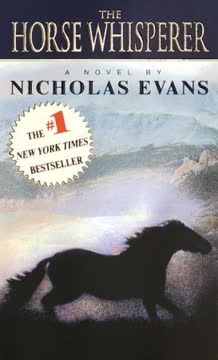
"The Horse Whisperer" by Nicholas Evans is a poignant exploration of trauma, healing, and the power of connection. Through the lens of a tragic accident, the novel delves into the complexities of family dynamics, guilt, and the quest for redemption. The characters' journeys are marked by silence and introspection, as they navigate the aftermath of loss and the challenge of rebuilding their lives. The narrative underscores the importance of communication and understanding, both with oneself and others, as a means of healing. Tom Booker's role as a horse whisperer symbolizes the possibility of hope and renewal, offering a path to redemption for the Maclean family. Ultimately, the story is a testament to the resilience of the human spirit and the enduring bonds of love and family.
Last updated:
FAQ
Synopsis & Basic Details
What is The Horse Whisperer about?
- A Family's Shattered World: The Horse Whisperer centers on the Maclean family whose lives are irrevocably altered by a horrific riding accident. Teenage Grace loses a leg and her best friend, while her beloved horse, Pilgrim, is severely traumatized.
- A Mother's Desperate Quest: Driven by guilt and a fierce determination to heal her daughter, magazine editor Annie Maclean embarks on a cross-country journey to Montana, seeking the legendary horse whisperer, Tom Booker, believing that healing Pilgrim is key to healing Grace.
- Intertwined Destinies: The narrative explores the complex emotional landscapes of Grace, Annie, and Robert (Grace's father), as their individual struggles with grief, blame, and unspoken desires become deeply intertwined with Pilgrim's recovery and Tom Booker's unique philosophy of life and connection.
Why should I read The Horse Whisperer?
- Deep Emotional Resonance: Readers seeking a powerful exploration of grief, trauma, and the arduous path to healing will find the novel deeply moving, particularly in its portrayal of a family grappling with unimaginable loss and the subtle ways they try to cope.
- Unique Human-Animal Bond: The book offers a profound look at the therapeutic power of the human-animal connection, showcasing how the healing of a severely injured horse mirrors and facilitates the emotional recovery of its young rider, making it a compelling read for animal lovers.
- Rich Character Development: Beyond the central plot, the novel excels in its nuanced character studies, revealing the unspoken motivations and psychological complexities of Annie, Grace, Robert, and Tom, inviting readers to delve into their inner worlds and interpretive debates.
What is the background of The Horse Whisperer?
- Montana's Big Sky Country: The novel is deeply rooted in the vast, rugged landscape of rural Montana, particularly the Rocky Mountain Front, which serves as a powerful backdrop for healing and self-discovery, contrasting sharply with the urban intensity of New York City.
- The Art of Horse Whispering: Nicholas Evans extensively researched the real-life practices of horse trainers who use gentle, non-violent methods to communicate with and rehabilitate troubled horses, drawing inspiration from figures like Buck Brannaman, to lend authenticity to Tom Booker's character and methods.
- Exploration of Trauma and Recovery: The story is set against the contemporary understanding of physical and psychological trauma, particularly in the context of severe accidents and amputation, exploring the long and complex process of rehabilitation for both humans and animals.
What are the most memorable quotes in The Horse Whisperer?
- "Where there's pain, there's still feeling and where there's feeling, there's hope.": This quote, spoken by Tom Booker to Annie, encapsulates a central theme of The Horse Whisperer analysis: the idea that suffering is not merely destructive but can be a pathway to connection, understanding, and ultimately, healing. It defines Tom's philosophy and offers a glimmer of hope amidst despair.
- "It's about trust and consent. You've gotten hold of one another. The man's leading but he's not dragging her, he's offering a feel and she feels it and goes with him. You're in harmony and moving to each other's rhythm, just following the feel.": Tom Booker's grandfather's words, recalled by Tom, beautifully articulate the essence of horse whispering and, by extension, healthy human relationships. It highlights the importance of mutual respect, subtle communication, and emotional attunement, a key theme in The Horse Whisperer explained.
- "Sometimes what seems like surrender isn't surrender at all. It's about what's going on in our hearts. About seeing clearly the way life is and accepting it and being true to it, whatever the pain, because the pain of not being true to it is far, far greater.": This profound statement from Tom to Annie near the end of the novel serves as a powerful thematic climax. It speaks to the courage required to accept difficult truths and live authentically, even when it means letting go of what was, a crucial element in Annie Maclean's motivations and Grace's healing.
What writing style, narrative choices, and literary techniques does Nicholas Evans use?
- Evocative and Sensory Prose: Evans employs a rich, descriptive writing style that immerses the reader in the physical and emotional landscapes of the story. His prose is particularly effective in conveying the raw beauty of Montana and the visceral experience of working with horses, enhancing the novel's realism and emotional impact.
- Alternating Perspectives and Deep POV: The narrative frequently shifts between the perspectives of Annie, Grace, Robert, and Tom, offering deep insights into their individual thoughts, feelings, and struggles. This multi-faceted approach allows for a comprehensive exploration of character motivations and psychological complexities, enriching the character analysis.
- Symbolism and Foreshadowing: Evans masterfully weaves in symbolic elements, such as weather patterns, animal behavior, and recurring objects (like the string trick), to foreshadow events and deepen thematic meaning. The initial snowfall, the injured bird wing, and Pilgrim's mirroring of Grace's trauma are subtle yet powerful examples of this technique, central to The Horse Whisperer symbolism.
Hidden Details & Subtle Connections
What are some minor details that add significant meaning?
- The Broken Lamp in Grace's Room: When Grace lashes out at Annie, breaking the bedside lamp, it symbolizes the shattering of their fragile mother-daughter bond and Grace's desperate need for control and autonomy. This seemingly minor detail highlights the depth of Grace's anger and the breakdown of communication, a key aspect of Grace Maclean's emotional journey.
- Robert's Tropical Fish Tank: Robert's attempt to replace Grace's dead tropical fish with "identical impostors" after the thermostat fails subtly reveals his coping mechanism: a desire to fix problems and restore normalcy, even if it means denying the reality of loss. This detail underscores his struggle with helplessness and his efforts to shield Grace from further pain, a nuanced aspect of Robert Maclean's motivations.
- Annie's "Eclectic Deconstructionism" Office: The description of Annie's office decor, a "cacophony of shape and color" chosen by a vengeful interior designer, subtly reflects her own internal chaos and the professional battles she faces. It hints at her struggle to maintain control and identity in a world that often feels at odds with her true self, adding depth to Annie Maclean's character analysis.
What are some subtle foreshadowing and callbacks?
- The Severed Bird Wing: Early in the story, Grace and Judith find a bloody, severed bird wing in the snow, with no tracks or signs of struggle. This unsettling image subtly foreshadows the sudden, violent, and inexplicable nature of the accident that will soon befall them, and the profound sense of loss and dismemberment that follows, a powerful piece of The Horse Whisperer symbolism.
- Tom's Grandfather's Dance Analogy: Tom's recollection of his grandfather comparing horse training to dancing ("It's about trust and consent") foreshadows Tom's entire approach to healing Pilgrim and, implicitly, his interactions with Annie. It sets the stage for the gentle, harmonious connection he seeks to build, contrasting with the "breaking" methods he despises, a core element of Tom Booker's philosophy explained.
- Annie's Dream of the Cornice: Annie's vivid dream of her father on a crumbling snow cornice, where she must jump the other way to save them, foreshadows her eventual decision to leave Robert and embrace a new path with Tom. The dream symbolizes her deep-seated fears of abandonment and her need to forge her own destiny, a crucial moment in Annie Maclean's emotional turning points.
What are some unexpected character connections?
- Wayne Tanner's Unseen Guilt: The truck driver, Wayne Tanner, is not just a plot device but a character deeply affected by the accident. His internal monologue about losing his license and his later letter of apology reveal a shared humanity and guilt, creating an unexpected connection of suffering with the Maclean family, often overlooked in character analysis.
- Diane Booker's Hidden Resentment: Diane Booker, Tom's sister-in-law, initially appears supportive but harbors subtle resentment towards Annie, particularly regarding Tom's involvement. Her pointed comments about Annie's career and her "bitch in heat" remark reveal a deeper, unspoken jealousy and protectiveness over Tom, adding complexity to the relationship dynamics.
- Grace's Connection to the Indian Boy: Grace's sessions with Terri Carlson reveal a poignant parallel with an Indian boy paralyzed by an accident. His ability to "leave his body" and find inner peace offers Grace a new perspective on her own trauma, creating an unexpected spiritual connection that aids her healing process, a subtle but significant thematic echo.
Who are the most significant supporting characters?
- Harry Logan, the Local Vet: Harry Logan is crucial not only for his initial, life-saving efforts on Pilgrim but also for his pragmatic, often cynical perspective. His exasperation with Annie's demands and his eventual admission of Pilgrim's dire state underscore the immense challenge Tom faces, highlighting the severity of Pilgrim's injuries and the medical community's limitations.
- Joe Booker, Tom's Nephew: Joe serves as a bridge between Grace and the Booker family, offering her a non-judgmental friendship and a gentle introduction to ranch life. His quiet understanding and shared love for horses help Grace begin to open up, making him a vital catalyst in her emotional recovery and her eventual return to riding.
- Terri Carlson, Grace's Physical Therapist: Terri is more than just a medical professional; she's a life coach who pushes Grace physically and emotionally. Her personal stories and no-nonsense approach challenge Grace's self-pity and encourage her to embrace her new reality, playing a significant role in Grace's physical and psychological rehabilitation.
Psychological, Emotional, & Relational Analysis
What are some unspoken motivations of the characters?
- Annie's Quest for Redemption: Beyond healing Grace and Pilgrim, Annie's relentless pursuit of Tom Booker is deeply rooted in her unspoken guilt over her perceived failures as a mother and her inability to have more children. Her drive to "fix" Pilgrim is a desperate attempt to atone for past losses and prove her worth, a core aspect of Annie Maclean's motivations.
- Grace's Desire for Control: Grace's initial silence and refusal to ride Pilgrim stem from a profound sense of powerlessness after the accident. Her anger and withdrawal are unspoken demands for control over her own life and body, a way to assert agency when so much has been taken from her. This is central to Grace Maclean's psychological complexities.
- Tom's Avoidance of Deep Connection: Tom Booker's initial reluctance to help Annie and his later struggle with his feelings for her are motivated by a deep-seated fear of emotional entanglement, stemming from his painful past with Rachel. He avoids needing others to protect his innate balance and self-sufficiency, revealing a key aspect of Tom Booker's motivations.
What psychological complexities do the characters exhibit?
- Annie's Ruthless Ambition vs. Maternal Guilt: Annie Graves is a highly successful, "ruthless" editor, but beneath this exterior lies profound maternal guilt and a sense of rootlessness. Her professional drive is a coping mechanism, and the accident forces her to confront the emotional void she has created, leading to a complex internal conflict between her career identity and her role as a mother. This is a deep dive into Annie Maclean's psychological complexities.
- Grace's Trauma and Identity Struggle: Grace grapples with a shattered identity, feeling "maimed" and "useless" after her amputation. Her withdrawal, anger, and eventual acceptance of her new body reflect the psychological stages of trauma recovery, including denial, rage, and a slow, painful reintegration of self. Her journey is a powerful exploration of adolescent resilience and the search for self-acceptance, a key aspect of Grace Maclean's emotional journey.
- Robert's Passive Strength and Unspoken Blame: Robert Maclean, while outwardly supportive, struggles with his own feelings of inadequacy and an unspoken blame towards Annie for their marital and familial issues. His quiet strength masks a deep sadness and a tendency to retreat, highlighting the complexities of male grief and the subtle ways emotional distance can manifest in a relationship, crucial for Robert Maclean's character analysis.
What are the major emotional turning points?
- Annie's Breakdown at Little Bighorn: Annie's spontaneous weeping at the Little Bighorn Battlefield, a place of immense historical sorrow, marks a critical emotional turning point. It's the first time she allows herself to fully grieve, not just for Grace and Pilgrim, but for her own lost children and "what she had become," signaling a shift from action-driven coping to genuine emotional processing. This is a pivotal moment in Annie Maclean's emotional journey.
- Grace's First Ride on Gonzo: Grace's decision to secretly ride Gonzo, Joe's horse, represents a significant breakthrough in her recovery. It's an act of defiance against her own fear and her mother's perceived control, allowing her to reclaim a part of her identity and experience joy again, even with her prosthetic leg. This is a major emotional turning point for Grace.
- Tom's Confession of Love: Tom Booker's declaration of love for Annie, and his subsequent decision to send her back to Robert, is a profound emotional climax. It reveals his deep capacity for love and sacrifice, prioritizing Annie's and Grace's long-term healing over his own desires, showcasing the depth of Tom Booker's motivations and the novel's exploration of selfless love.
How do relationship dynamics evolve?
- Annie and Grace: From Conflict to Empathy: Their relationship initially devolves into a cycle of Annie's forceful determination and Grace's resentful silence. However, through shared experiences in Montana, particularly Grace's riding and Annie's vulnerability, they begin to understand each other's pain, leading to a profound moment of empathy and reconciliation when Grace confides about her period. This is a central relationship dynamic analysis.
- Annie and Robert: The Strain of Unspoken Truths: The accident exposes the existing cracks in Annie and Robert's marriage, characterized by Annie's workaholism and Robert's passive acceptance. Their emotional distance is exacerbated by Annie's affair, leading to a "guilty act" that signifies a potential end to their marriage, despite Robert's enduring love. This explores the themes in The Horse Whisperer regarding marital strain.
- Tom and Annie: A Deep, Forbidden Connection: Their relationship evolves from professional necessity to a deep, spiritual, and eventually physical connection. Tom's ability to "see" Annie's true self and her pain creates an intimacy she hasn't experienced in years. Their affair, though brief, is transformative, challenging their existing lives and highlighting the power of authentic connection, a key aspect of Tom Booker's character analysis and Annie's journey.
Interpretation & Debate
Which parts of the story remain ambiguous or open-ended?
- The True Nature of Annie's Love for Robert: While Annie acknowledges her love for Robert, she describes it as "more like gratitude or something," leaving the depth and authenticity of her marital affection open to interpretation. Readers might debate whether her return to him is out of genuine love, obligation, or a pragmatic choice for Grace's stability, a key point in Annie Maclean's motivations explained.
- The Long-Term Impact of Tom's Sacrifice: Tom Booker's death is presented as a catalyst for healing, but the full, lasting psychological impact on Grace and Annie remains somewhat ambiguous. While they find a "fragile rebirth," the novel doesn't fully explore how they process his loss in the years to come, leaving readers to ponder the enduring weight of his sacrifice. This is a significant aspect of The Horse Whisperer ending explained.
- The Future of the Maclean Marriage: Despite Annie's pregnancy and Robert's renewed commitment, the novel concludes with their marriage in a state of "adjourned decision." The underlying issues of emotional distance and Annie's affair are not fully resolved, leaving the long-term viability of their relationship open to reader speculation and debate. This contributes to the themes in The Horse Whisperer regarding family and commitment.
What are some debatable, controversial scenes or moments in The Horse Whisperer?
- Annie's Affair with Tom Booker: The romantic and sexual relationship between Annie and Tom is highly controversial. Readers often debate whether it is a necessary part of Annie's healing journey, a betrayal of her family, or a romanticized depiction of infidelity. The novel presents it as a transformative, almost fated connection, but its moral implications are left for the reader to grapple with, sparking much interpretive debate.
- Tom's Method of "Laying Down" Pilgrim: Tom's forceful method of making Pilgrim lie down, which Grace perceives as "cruel and humiliating," is a contentious scene. While Tom explains it as a necessary step for the horse to confront and overcome its deepest fear, some readers may question the ethics of inflicting such distress, even for therapeutic purposes, leading to discussions on horse training ethics and Tom Booker's methods.
- The Ambiguity of Tom's Death: Tom's death, while heroic, can be seen as a controversial narrative choice. Some argue it serves as a convenient way to resolve the love triangle and ensure Annie's return to her family, while others view it as a profound sacrifice that elevates his character to a near-mythic status. The suddenness and symbolic nature of his death invite varied interpretations of its purpose in The Horse Whisperer ending explained.
The Horse Whisperer Ending Explained: How It Ends & What It Means
- Tom's Sacrifice and Annie's Return: The novel culminates in Tom Booker's heroic death, where he sacrifices himself to save Grace from a stampede of wild mustangs. This act, witnessed by Grace, solidifies his legacy as a true healer. Annie, having discovered her pregnancy with Tom's child, makes the difficult decision to return to Robert, prioritizing Grace's need for a stable family and her own sense of duty. This is a central part of The Horse Whisperer ending explained.
- A Fragile Rebirth and Unspoken Truths: The Maclean family experiences a "fragile rebirth" with the birth of Matthew, Annie's son, whose paternity remains an unspoken truth between Annie and Robert. Grace, having healed physically and emotionally, finds renewed purpose in working with horses, particularly Gully, the foal gifted by the Bookers. The ending suggests a path forward, but one built on acceptance of past sorrows and unresolved complexities.
- The Enduring Power of Connection and Loss: The ending emphasizes that while physical wounds can heal and new life can emerge, the impact of profound loss and transformative connections (like Annie's with Tom) remains indelible. The "loop of cord" Tom leaves for Annie symbolizes their unbreakable bond and the lessons learned, suggesting that true healing involves integrating, rather than erasing, the past. This highlights the themes in The Horse Whisperer of love, loss, and resilience.
Review Summary
The Horse Whisperer received mixed reviews, with many praising its emotional depth and vivid descriptions of Montana's landscape. Readers appreciated the story of Grace and Pilgrim's recovery after a traumatic accident. However, some criticized the predictable romance between Annie and Tom, finding it unnecessary and detracting from the main plot. The ending was divisive, with some finding it powerful and others disappointing. Overall, the book was commended for its exploration of healing, relationships, and the bond between humans and horses.
Download PDF
Download EPUB
.epub digital book format is ideal for reading ebooks on phones, tablets, and e-readers.





