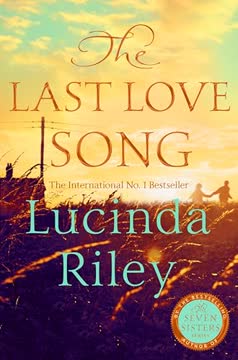
Plot Summary
Ballymore's Secret Lovers
In the windswept Irish village of Ballymore, Sorcha O'Donovan and Con Daly's clandestine romance is a bright spark against the grey backdrop of tradition and repression. Sorcha, the clever and passionate daughter of a stern solicitor, finds in Con—a talented, rebellious musician—her soulmate and escape. Their meetings on the beach are filled with longing and hope, but also the ever-present threat of discovery. The village's watchful eyes and Sorcha's father's rigid expectations cast a shadow over their happiness. Yet, in these early days, their love feels invincible, a force that could overcome any obstacle, and the promise of a future together is intoxicating.
Dreams and Deceptions
As Sorcha's friends plot their own small rebellions, she is drawn deeper into Con's world of music and dreams. The allure of London and the promise of a life beyond Ballymore tempt them both, but Sorcha is torn between her love for Con and her loyalty to her family. Meanwhile, Helen McCarthy, the awkward, wealthy outsider, yearns for acceptance and connection, her own feelings for Con simmering beneath the surface. The girls' night at the dance hall becomes a turning point, setting in motion a chain of secrets, lies, and betrayals that will ripple through all their lives.
Helen's Lonely World
Helen, orphaned and misunderstood, finds solace in her horse and the wild Irish coast. Her rare moments of connection—with Con, who sees her as a kindred spirit, and with Sorcha, who pities her—are bittersweet. Helen's intelligence is overlooked, her difference a source of pain. When she becomes the unwitting witness and eventual catalyst in Sorcha and Con's forbidden love, her loneliness curdles into jealousy and a desperate need to belong. The seeds of future tragedy are sown in her silent suffering and her longing to be seen.
Choices and Consequences
Con's ambition to leave for London and make his mark in music collides with Sorcha's fear of abandoning her family and the only life she's known. Their secret meetings grow more urgent, and the pressure mounts as Sorcha's father grows suspicious. When Helen, manipulated by Con's plea for help, alerts Sorcha's father to their tryst, the fallout is immediate and devastating. Sorcha is cast out, her ties to home severed. The lovers are forced to flee, their dream of freedom now tainted by loss and betrayal.
Betrayal and Exile
In London, Sorcha and Con's romantic idealism is quickly eroded by poverty, cold, and hunger. Their love is tested by the realities of city life, the struggle to survive, and the relentless pursuit of Con's musical ambitions. Sorcha's homesickness and Con's pride create new tensions. Meanwhile, Helen, left behind in Ballymore, inherits her fortune but remains emotionally adrift, her actions haunting her. The trio's destinies are now inextricably linked by the choices made in youth, and the wounds of betrayal fester beneath the surface.
London's Harsh Realities
As Con hustles for gigs and Sorcha takes work in a department store, their relationship is strained by disappointment and the grind of daily life. Con's chance encounter with Derek Longthorne, a struggling guitarist, offers a glimmer of hope—a place in a band and a shot at success. Sorcha's own opportunities begin to emerge, but Con's traditional views and insecurities threaten to undermine her independence. The city, vibrant and unforgiving, becomes both a crucible and a stage for their evolving dreams and resentments.
New Beginnings, Old Wounds
The Fishermen, Con's new band, begin to find their sound and audience, but the group is a volatile mix of egos and ambitions. Sorcha's beauty and poise attract the attention of a modeling agent, offering her a path to fame of her own. Yet, the ghosts of Ballymore—Helen's silent presence, Sorcha's unresolved guilt, and Con's fear of inadequacy—haunt their every step. As the band's fortunes rise, so do the stakes, and the cracks in relationships widen, threatening to undo all they have built.
Ambition and Jealousy
The Fishermen's growing fame brings money, adulation, and temptation. Con and Todd, the band's creative core, clash over artistic direction and personal values. Derek's longing for recognition and his obsession with his lost love, Peggy, simmer beneath his cheerful exterior. Sorcha's modeling career flourishes, but her success becomes a source of tension with Con, whose pride and possessiveness are inflamed. Helen, now a powerful businesswoman, re-enters their orbit, her own ambitions and unresolved feelings adding another layer of complexity to the tangled web.
The Price of Fame
As The Fishermen reach the height of their success, the pressures of public life, creative differences, and personal betrayals threaten to tear them apart. Sorcha and Con's marriage is strained to breaking, their intimacy eroded by distance, jealousy, and the relentless demands of their careers. Todd and Lulu's relationship unravels, and Derek's loneliness deepens. Helen, now at the helm of Metropolitan Records, must balance business interests with personal loyalties. The cost of their dreams becomes painfully clear as old wounds are reopened and new ones inflicted.
Fractures and Farewells
The band fractures under the weight of scandal, infidelity, and unresolved grievances. Sorcha, reeling from betrayal and heartbreak, leaves Con, seeking refuge with Helen. The media frenzy and public scrutiny compound their pain. Helen, caught between her role as friend and businesswoman, tries to hold the pieces together, but her own past and vulnerabilities are exposed. The group's final days are marked by bitterness, regret, and the sense that something precious has been irretrievably lost.
The Shooting at Metropolitan
In a shocking act of violence, Sorcha is shot while protecting Con during a confrontation at Metropolitan Records. The attack, rooted in old obsessions and mistaken identities, leaves Sorcha mortally wounded and the group traumatized. Helen is accused and convicted of the crime, her life and reputation destroyed by circumstantial evidence and the weight of suspicion. The tragedy marks the end of an era, scattering the survivors and leaving a legacy of grief, guilt, and unanswered questions.
Seventeen Years Lost
Helen endures seventeen years in prison for a crime she did not commit, her life defined by loss, anger, and the relentless pursuit of truth. Con, shattered by Sorcha's death and the revelation of her pregnancy, disappears into exile, haunted by guilt and memories. The other members of The Fishermen drift into obscurity or struggle with their own demons. The world moves on, but the wounds of the past remain unhealed, festering in the shadows of what might have been.
Truths Unravelled
Released from prison, Helen is determined to clear her name. As The Fishermen are invited to reunite for a charity concert, old faces and old wounds return to the spotlight. Helen's investigation uncovers the true identity of Sorcha's killer—Maggie, Derek's long-lost love, driven by madness and jealousy. The revelation brings closure but also fresh pain, as the survivors confront the consequences of their actions and the fragility of forgiveness.
The Final Performance
The Fishermen's reunion concert is both a celebration and a reckoning. As they perform for a global audience, the truth about the past comes to light in a dramatic confrontation. Helen's act of bravery saves Derek and finally exposes the real murderer. The music, once a source of hope and unity, becomes a requiem for lost innocence and a testament to the enduring power of love, friendship, and truth.
Redemption and Return
In the aftermath, Helen is exonerated and begins to rebuild her life, finding purpose in helping others and reconnecting with her Irish roots. Con, finally at peace with his past, returns to Ballymore to honor Sorcha's memory and give back to the next generation of musicians. The survivors, scarred but wiser, find ways to forgive themselves and each other. The story closes on a note of hope, as the cycle of love, loss, and renewal continues, and the last love song echoes into the future.
Characters
Sorcha O'Donovan
Sorcha is the emotional heart of the story—a bright, sensitive Irish girl whose longing for love and freedom propels the narrative. Her relationship with Con is both her greatest joy and her undoing, as she is forced to choose between family and passion. Sorcha's journey from sheltered daughter to exiled lover, from aspiring model to the wife of a superstar, is marked by resilience and vulnerability. Her capacity for forgiveness and her tragic end—sacrificing herself to save Con—make her a symbol of love's power and its cost. Her memory haunts the survivors, shaping their choices and regrets.
Con Daly
Con is a gifted musician whose charm and ambition mask deep insecurities and wounds from a troubled childhood. His love for Sorcha is genuine but complicated by pride, jealousy, and the pressures of fame. Con's journey is one of striving—for success, for validation, for meaning—but also of self-destruction. His inability to reconcile his dreams with reality leads to personal and professional ruin. After Sorcha's death, he is consumed by guilt and grief, seeking redemption in exile and, ultimately, in giving back to others. Con's arc is a study in the dangers of unchecked ambition and the possibility of forgiveness.
Helen McCarthy
Helen is the perennial outsider—wealthy, awkward, and misunderstood. Her longing for acceptance and love drives her to both kindness and desperate acts. As she matures, Helen becomes a formidable businesswoman, but her emotional wounds never fully heal. Wrongly convicted of murder, she endures years of injustice with a mix of bitterness and determination. Helen's eventual exoneration and her role in saving others reveal her strength and capacity for growth. Her story is one of resilience, the search for belonging, and the complexities of female friendship and rivalry.
Todd Bradley
Todd is Con's creative partner and rival, a classically trained musician whose intellect and ego both fuel and fracture the band. His relationship with Lulu is passionate but volatile, and his jealousy over Con's talent and Lulu's affections leads to destructive choices. Todd's journey is one of learning humility and the value of forgiveness. He is both a victim and a perpetrator of the band's internal strife, and his eventual reconciliation with Con and Lulu is hard-won.
Lulu Bradley
Lulu is a striking actress whose hunger for excitement and meaning leads her into activism, fame, and ultimately, self-sabotage. Her friendship with Sorcha and her flirtation with Con are driven by both admiration and envy. Lulu's inability to find satisfaction in love or career makes her a tragic figure, always seeking but never finding fulfillment. Her actions, both generous and destructive, have far-reaching consequences for those around her.
Derek Longthorne
Derek is the band's rhythm guitarist, defined by his longing for love and recognition. His unrequited obsession with Peggy (Maggie) shapes his every decision, blinding him to reality and making him vulnerable to manipulation. Derek's need for validation leads to both creative contributions and personal downfall. His unwitting role in the story's central tragedy is a testament to the dangers of unresolved longing and the human capacity for self-delusion.
Maggie/Peggy
Maggie, known as Peggy to Derek, is a tragic figure whose mental illness and unrequited love drive her to violence. Her actions are the catalyst for the story's darkest moments—the shooting that kills Sorcha and the later attempt on Derek's life. Maggie's pain is rooted in abandonment and betrayal, and her inability to distinguish love from possession leads to destruction. She is both victim and villain, a reminder of the consequences of neglect and the fragility of the human mind.
Mary O'Donovan
Sorcha's mother is a gentle, long-suffering woman caught between her husband's rigidity and her daughter's rebellion. Her compassion and wisdom offer Sorcha comfort and guidance, even as she is powerless to prevent tragedy. Mary's own sacrifices and regrets mirror those of her daughter, and her eventual reconciliation with Sorcha is a moment of healing in a story marked by loss.
Seamus O'Donovan
Sorcha's father is the embodiment of traditional values and patriarchal control. His inability to accept change or forgive perceived slights leads to the estrangement and suffering of his family. Seamus's actions set the story's central conflict in motion, and his death is both a release and a source of lingering pain for Sorcha and Mary.
Ian Hancock
The Fishermen's drummer, Ian is a symbol of the era's excesses—talented but self-destructive, charming but unreliable. His struggles with addiction mirror the band's own instability, and his eventual transformation into a family man and entrepreneur is a rare note of hope and growth in a story filled with loss.
Plot Devices
Interwoven timelines and perspectives
The novel's structure weaves together past and present, shifting between the 1960s and 1980s, and between the perspectives of Sorcha, Con, Helen, and others. This allows the reader to experience the full arc of love, ambition, betrayal, and redemption, and to understand how the choices of youth echo through the decades. The use of flashbacks and foreshadowing builds suspense and emotional depth, revealing secrets gradually and heightening the impact of key revelations.
The motif of music and fame
Music is the central metaphor and engine of the plot—bringing characters together, offering escape and meaning, but also fueling rivalry, jealousy, and self-destruction. The rise and fall of The Fishermen mirrors the characters' personal journeys, and the recurring motif of the "last love song" encapsulates the story's themes of longing, loss, and the search for redemption.
The outsider's perspective
Helen's outsider status, both in Ballymore and in London, provides a lens through which to explore themes of belonging, envy, and the cost of ambition. Her journey from marginalized girl to powerful executive—and then to wrongly accused prisoner—serves as a counterpoint to Sorcha's and Con's more conventional romantic arc, highlighting the ways in which society punishes difference and rewards conformity.
The mystery and misdirection
The central mystery—who shot Sorcha, and why—drives the latter half of the novel. The use of red herrings, unreliable witnesses, and the gradual unspooling of the truth keeps the reader engaged and mirrors the characters' own struggles to understand themselves and each other. The final revelation that Maggie, not Helen, was the true culprit, recontextualizes the entire narrative and forces a reckoning with the nature of justice and forgiveness.
Cycles of love, loss, and renewal
The story is structured around cycles—of love found and lost, of dreams pursued and abandoned, of exile and return. Each generation repeats the mistakes and triumphs of the last, but with the possibility of growth and healing. The epilogue's focus on giving back and building a new future suggests that, while the past cannot be undone, it can be transformed into something meaningful.
Analysis
The Last Love Song is a sweeping, emotionally charged exploration of how the pursuit of love and success can both elevate and destroy. Through its richly drawn characters and interwoven timelines, the novel examines the ways in which personal desires collide with societal expectations, and how the wounds of the past shape the present. At its core, the story is about the search for belonging—whether in family, friendship, or creative expression—and the price paid for following one's heart. The narrative's use of music as both metaphor and plot device underscores the tension between art and commerce, passion and pragmatism. The wrongful conviction of Helen and the ultimate revelation of the true killer serve as a critique of the justice system and a meditation on the dangers of envy, isolation, and unresolved trauma. Ultimately, the novel offers a message of hope: that even after devastating loss, it is possible to find redemption, to forgive, and to begin again. The cyclical structure, with its echoes of return and renewal, suggests that while the past cannot be changed, it can be honored and transformed, and that the "last love song" is never truly the end.
Last updated:
Review Summary
The Last Love Song receives praise for its emotional depth and immersive storytelling about Sorcha O'Donovan and musician Con Daly's journey from 1960s Ireland to London's music scene. Readers appreciate Riley's signature style—complex characters, vivid settings, and compelling mysteries. Many found the romance and plot twists deeply moving, though some felt the pacing uneven, with slow middle sections and rushed endings. The book explores themes of love, fame's cost, betrayal, and self-discovery across two timelines. Originally published as Losing You, it was reworked by Riley's son Harry Whittaker, adding contemporary depth while preserving her evocative prose.





