Plot Summary
New Town, Old Dreams
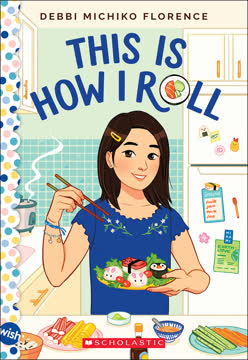
Sana Mikami, a passionate twelve-year-old aspiring chef, has just moved from San Francisco to the small town of Piper Bay. Her father, a reserved but talented sushi chef, has opened his own restaurant, Mikami Sushi, chasing his lifelong dream. Sana is determined to prove herself worthy of learning from him, hoping her actions will speak louder than words. The new town feels unfamiliar, and Sana misses her old life, but she's resolved to make the most of her summer by finding her place in her family's kitchen and her new community.
Kitchen Chaos and Family Rules
Early one morning, Sana's attempt to make a Japanese omelet ends in a mess, exposing the strict "Mikami Way" of kitchen order. Her father's rules and reluctance to let her cook frustrate her, while her mother, now more present after leaving a high-powered job, tries to mediate. Sana's cousin Charli, her best friend and confidante, offers support but is more interested in art than cooking. The family's communication style—more action than words—leaves Sana feeling both loved and stifled, fueling her desire to prove herself through food.
Cousins, Crafts, and Confessions
With Charli, Sana finds comfort in creative projects, even if her heart is in the kitchen. Charli's artistic talent shines, but she's disappointed about missing out on a prestigious art program. Sana, meanwhile, feels overshadowed and uncertain about her own "thing." Their easy friendship is a lifeline as Sana navigates her new environment, but Sana's longing to cook remains unfulfilled. The girls' conversations reveal their dreams, insecurities, and the subtle ways family expectations shape their choices.
Pancakes and Parental Expectations
On a rare family morning, Sana seizes the chance to make Japanese soufflé pancakes, hoping to impress her parents. Her mother is supportive, sharing stories of meeting Sana's father in Japan, but her father remains distant, preoccupied with his restaurant and a documentary being filmed about him. Sana's efforts in the kitchen are both a bid for approval and a way to connect with her heritage. Yet, her father's lack of response to her cooking leaves her yearning for validation and a place in his culinary world.
Sushi Bar and Shattered Hopes
Sana brings her pancakes to her father's restaurant, hoping to be noticed. Instead, she's met with polite dismissal and a reminder to "have fun" elsewhere. The presence of a film crew and her father's growing reputation only heighten Sana's sense of exclusion. A chance encounter with Koji, a cute boy working for a landscaping company, sparks new possibilities, but Sana keeps her identity as the chef's daughter a secret, wary of being defined by her family rather than her own merits.
Meeting Koji: First Impressions
Sana and Koji's first meeting is filled with mutual curiosity and instant chemistry. Koji, also Japanese American, is friendly and passionate about plants, but there are hints of a troubled past. Sana is drawn to him, seeing a kindred spirit who understands the pressures of family and cultural expectations. Their connection is immediate, but both are guarded, each hiding parts of themselves. Sana's desire to be known for who she is, not just as the sushi chef's daughter, shapes her interactions with Koji.
Rumors, Warnings, and Curiosity
Charli reveals that Koji was expelled from elementary school for fighting, painting him as a potential "bad influence." Sana is torn between her cousin's protective instincts and her own positive impressions of Koji. Determined to judge for herself, Sana seeks out more encounters with Koji, hoping to uncover the truth behind the rumors. The tension between loyalty to Charli and her growing interest in Koji adds complexity to Sana's summer, as she navigates friendship, trust, and the desire to forge her own path.
Library Encounters and Hidden Pasts
A chance meeting at the library deepens Sana and Koji's connection. They discover common ground in their love for food and plants, and Koji opens up about his family and time in Los Angeles. Sana, still hiding her last name and her father's identity, feels both guilty and exhilarated. Their friendship grows through shared experiences—cooking, gardening, and exploring Piper Bay—but the secrets they keep threaten to undermine the trust they're building.
Cooking Lessons and Secret Plans
Invited to Koji's house, Sana meets his mother, Mrs. Yamada, who welcomes her into the kitchen and offers to teach her Japanese home cooking. Sana is thrilled, seeing this as a way to improve her skills and eventually win her father's approval. She keeps the lessons secret from her parents and Charli, fearing disapproval and the loss of this precious opportunity. The clandestine cooking sessions become a source of joy and confidence, but also of mounting anxiety as the web of lies grows.
Friendship, Jealousy, and Kawaii Rice
Sana and Koji's friendship blossoms into a creative partnership as they start filming "kawaii" sushi-making videos for YouTube. Their playful banter and shared passion draw them closer, but the arrival of Harley, Koji's childhood friend, introduces jealousy and rivalry. Harley's assertiveness and her own feelings for Koji complicate the dynamic, while Sana struggles with insecurity and the fear of being replaced. The videos gain unexpected popularity, adding pressure and excitement to their secret project.
Viral Videos and Hidden Identities
The "This Is How I Roll" videos go viral, attracting attention from friends and strangers alike. Sana's insistence on anonymity—hiding her face and name—raises questions, especially as her friends and family begin to notice her absences and secrecy. The growing audience is both thrilling and terrifying, as Sana juggles the demands of her online persona, her real-life relationships, and the ever-present risk of being discovered. The tension between authenticity and self-protection comes to a head as secrets threaten to unravel.
Family, Lies, and Consequences
A series of misunderstandings and revelations lead to a dramatic fallout. Harley exposes Sana's true identity to Koji, who feels betrayed by her lies about her family and her father's role in the local restaurant scene. Sana's parents discover her secret cooking lessons and YouTube channel, leading to disappointment and a loss of trust. Sana is forced to confront the consequences of her actions—hurt friends, angry parents, and the collapse of her dreams. The pain of rejection and guilt is overwhelming, but it also sparks a desire for honesty and reconciliation.
Confrontations and Coming Clean
With Charli's support, Sana decides to come clean to everyone she's hurt. She confesses to Mrs. Yamada, who forgives her and clarifies the misunderstandings about the restaurant rivalry. Sana's parents, after difficult conversations, begin to understand her motivations and the impact of their own communication style. Sana learns the importance of asking questions, sharing feelings, and seeking the truth rather than filling in the blanks with assumptions. The process is painful but cathartic, paving the way for healing.
Truths, Forgiveness, and Fresh Starts
Sana and Koji have a heartfelt conversation, clearing up the misunderstandings and expressing their true feelings. Both apologize for their mistakes and agree to start over, this time with honesty and trust. Harley and Sana also reach a tentative peace, acknowledging their mutual mistakes and the complexities of friendship and jealousy. Sana's parents, recognizing their own role in the family's communication issues, commit to being more open and supportive. The summer's trials become a catalyst for growth and deeper connections.
Rebuilding Trust and New Beginnings
With her parents' blessing, Sana resumes her cooking lessons with Mrs. Yamada and is allowed to help at her father's restaurant. Mrs. Yamada is hired as the new sous-chef, fulfilling her own dream and strengthening the bond between the families. Sana's friendships, both old and new, are restored, and she finds a balance between her passions and her responsibilities. The experience teaches her the value of honesty, resilience, and the courage to pursue her dreams despite setbacks.
Dreams, Support, and Second Chances
As the summer progresses, Sana's relationships flourish. Her parents support her culinary ambitions, Charli returns from art camp with renewed understanding, and Koji and Sana's partnership—both romantic and creative—deepens. The "This Is How I Roll" channel becomes a symbol of their journey, blending food, friendship, and self-expression. The community, once divided by misunderstandings, comes together to celebrate their talents and cultural heritage.
Cooking Together, Healing Together
The act of cooking and sharing food becomes a metaphor for healing and connection. Sana, her family, and friends gather in the kitchen and at the restaurant, creating new memories and traditions. The process of preparing and enjoying meals together fosters understanding, forgiveness, and joy. Sana realizes that her true dream is not just to cook, but to bring people together through food, love, and honesty.
This Is How I Roll
In the final chapter, Sana films a new episode of "This Is How I Roll" with her father and Mrs. Yamada as special guests, symbolizing the blending of family, tradition, and innovation. The documentary about her father's restaurant features Sana's journey, highlighting the power of dreams, resilience, and community. Surrounded by supportive friends and family, Sana embraces her identity as a chef, a daughter, and a friend, ready to roll with whatever the future brings.
Characters
Sana Mikami
Sana is a twelve-year-old Japanese American girl whose greatest dream is to become a chef like her father. Intelligent, creative, and sometimes impulsive, she struggles with her family's reserved communication style and her father's reluctance to teach her. Sana's journey is marked by her desire for approval, her willingness to take risks, and her deep need for connection. Her relationships—with her parents, cousin Charli, and new friend Koji—reveal her vulnerabilities and strengths. Through mistakes and growth, Sana learns the value of honesty, resilience, and self-acceptance, ultimately finding her place in her family and community.
Hiro Mikami (Dad)
Hiro is Sana's father, a master sushi chef who pursues his dream by opening his own restaurant. He is disciplined, perfectionistic, and deeply committed to his craft, but struggles to express his emotions and connect with his daughter. His silence and high standards are both a source of inspiration and frustration for Sana. Hiro's own history of parental disappointment and cultural expectations shapes his parenting, leading to misunderstandings. Over time, he learns to open up, support Sana's ambitions, and embrace a more communicative, nurturing role.
Lucy Mikami (Mom)
Lucy is Sana's mother, a former high-powered professional who transitions to a more present, hands-on role after the family's move. She is loving and encouraging, but sometimes caught between her husband's traditions and her daughter's aspirations. Lucy's journey involves rediscovering her own passions (like home renovation) and learning to foster open communication within the family. She serves as a bridge between Sana and Hiro, advocating for understanding and growth.
Charli Hirai
Charli is Sana's cousin and best friend, an artistic soul who excels at crafts and visual expression. She is supportive but sometimes overprotective, especially regarding Sana's new friendships. Charli's own disappointments and insecurities—such as missing out on an art program—mirror Sana's struggles. Their relationship is a source of comfort and occasional tension, highlighting the importance of honesty, forgiveness, and mutual support.
Koji Yamada
Koji is a Japanese American boy with a reputation for trouble due to a past school incident, but in reality, he is kind, responsible, and deeply caring. His love for gardening and his family mirrors Sana's passion for cooking. Koji's guardedness stems from family upheaval and the pain of being misunderstood. His friendship and eventual romance with Sana are built on shared interests, vulnerability, and the courage to move beyond rumors and mistakes.
Mrs. Yamada (Andrea)
Mrs. Yamada is Koji's mother, a talented home cook who becomes Sana's mentor. She is warm, encouraging, and eager to share her knowledge, providing the support and validation Sana craves. Her own dreams of working in a professional kitchen are realized through Sana's advocacy. Mrs. Yamada's presence is a stabilizing force, modeling resilience, generosity, and the importance of second chances.
Harley Lambert
Harley is Koji's childhood friend, whose assertiveness and jealousy create tension with Sana. She is used to being close to Koji and struggles with the changing dynamics as Sana enters the picture. Harley's actions—sometimes antagonistic, sometimes apologetic—reflect her own insecurities and longing for connection. Her eventual honesty and willingness to make amends contribute to the story's themes of forgiveness and growth.
Charli's Dad (Uncle Luke)
Uncle Luke is Charli's father and Sana's uncle, a successful real estate agent who is deeply involved in his daughter's life. His open, communicative relationship with Charli contrasts with Sana's experience, highlighting different parenting styles. He serves as a model of support and encouragement, helping both girls navigate their dreams and challenges.
Ethan Jung
Ethan is Hiro's sous-chef, a dedicated and talented apprentice who becomes a mentor figure for Sana. His impending departure to start his own career creates opportunities for others, including Mrs. Yamada. Ethan's presence underscores the importance of mentorship, growth, and the cyclical nature of learning and teaching.
Manny Mariscal
Manny is a line cook at Mikami Sushi and a college student studying microbiology. He is supportive of Sana and represents the idea that people can pursue multiple passions and careers. Manny's flexibility and encouragement help Sana feel welcome in the restaurant environment.
Plot Devices
Secrets, Lies, and Misunderstandings
The narrative is propelled by secrets—Sana's hidden cooking lessons, her concealed identity from Koji, and the misunderstandings about family histories and rivalries. These secrets create tension, drive the plot, and force characters to confront the consequences of dishonesty. The gradual unraveling of lies leads to painful confrontations but ultimately to healing, forgiveness, and stronger relationships. The story uses dramatic irony, as readers often know more than the characters, heightening emotional stakes and empathy.
Food as Connection and Identity
Food is more than sustenance; it is the medium through which characters communicate, heal, and assert their identities. Cooking lessons, shared meals, and creative projects (like the YouTube channel) serve as metaphors for growth, reconciliation, and the blending of tradition and innovation. The act of preparing and sharing food bridges generational, cultural, and emotional gaps, reinforcing the story's central themes.
Coming-of-Age and Family Dynamics
The story follows Sana's journey from seeking approval to self-acceptance, set against the backdrop of shifting family roles and expectations. The narrative structure mirrors the messiness of adolescence—false starts, mistakes, and the struggle for independence. The evolving relationships between parents and children, mentors and mentees, and friends and rivals are explored with nuance, highlighting the importance of communication, empathy, and growth.
Social Media and Modern Friendship
The YouTube channel "This Is How I Roll" introduces contemporary plot elements—anonymity, online attention, and the pressures of public performance. The viral success of the videos amplifies existing tensions, forcing characters to confront issues of privacy, authenticity, and the desire for recognition. The digital world both connects and isolates, serving as a catalyst for self-discovery and conflict resolution.
Foreshadowing and Parallel Arcs
The story uses foreshadowing—such as Sana's early kitchen mishaps and her father's past struggles—to hint at future challenges and growth. Parallel arcs (Sana and Koji, Sana and Charli, Sana and her parents) reinforce the universality of the coming-of-age experience, showing that everyone, regardless of age or background, is learning, changing, and seeking connection.
Analysis
Debbi Michiko Florence's This Is How I Roll is a heartfelt exploration of identity, family, and the power of honest communication. Through Sana's journey, the novel examines the complexities of growing up between cultures, the weight of parental expectations, and the universal longing to be seen and understood. The story deftly balances humor, romance, and emotional depth, using food as both a literal and symbolic thread that ties characters together. The viral YouTube project reflects the modern adolescent experience—where creativity, friendship, and self-expression are shaped by both digital and real-world pressures. Ultimately, the book champions the courage to pursue one's dreams, the necessity of forgiveness, and the importance of speaking one's truth. It reminds readers that while misunderstandings and mistakes are inevitable, healing and growth are possible when we choose honesty, empathy, and love. Sana's story is a celebration of resilience, cultural pride, and the delicious messiness of coming of age.
Last updated:
Review Summary
This Is How I Roll follows Sana, a thirteen-year-old aspiring chef whose sushi-chef father seems reluctant to teach her. After meeting Koji, she secretly takes cooking lessons from his mother while creating viral kawaii sushi videos. Reviewers praised the authentic portrayal of middle-school dynamics, food descriptions, and themes of family communication. Many appreciated the Japanese cultural elements and relatable crush storyline. Common criticisms included concerns about Sana lying to her parents and the handling of consequences, though most found it realistic for the age group. Overall, readers found it a sweet, engaging story about following dreams.