Plot Summary
Forest's Heartbeat Awakens
Young Sylvia's innocent love for the forest, guided by her Aunt Margie, awakens something ancient and wild. In a heart-shaped clearing, her first spell—planting seeds—binds her to the land and its mysterious guardians, the wild things. The forest whispers her name, marking her as special, a bridge between worlds. This moment of belonging, in contrast to her struggles with identity and acceptance elsewhere, plants the seeds for her future as a witch. The forest's magic is subtle but powerful, promising that Sylvia's connection will one day change everything. The chapter closes with the bittersweet loss of Margie, foreshadowing the pain and hope that will define Sylvia's journey.
Coven Broken, Spell Fading
Years later, Sylvia's life is upended as the old coven's leader, Kingsley, confronts her, blaming her for his lost magic and the death of his son. The coven's ancient spell, which protected the town of Summerpoint from bigotry and harm, is unraveling. Without it, the town's unique harmony is at risk. Sylvia, now living with her partners Reese and Jackson, is thrust into a crisis: the coven is broken, the spell is fading, and the old guard is desperate and dangerous. The forest, once a place of comfort, now warns her of looming threats, and the responsibility to save her community falls squarely on her shoulders.
New Witches, New Bonds
As the crisis deepens, Sylvia discovers that magic is not just inherited but chosen by the wild things. Nora, her friend, is revealed as a new witch, claimed by the not-deer Yatir. Zane, a former member of the old coven, and Erika, Beth, and others are drawn into the circle. The coven reforms, not through bloodlines but through friendship, love, and the forest's will. The wild things, once passive, now actively choose new wixen, breaking the old order. The sense of found family grows, and the group's diversity—of gender, love, and background—becomes their strength.
Grimoire's Secrets Revealed
The group turns to Margie's grimoire, a magical book written in the language of the wild things. Only Sylvia, attuned to the forest, can read it. The grimoire reveals the structure of the original spell: six powers, six wixen, six wild things. The spell's complexity and the need for pure, uncorrupted magic become clear. The coven must not only restore the town's protections but also cleanse the lingering curses and abuses of the old coven. The grimoire's secrets are both a guide and a test, demanding trust, cooperation, and a new kind of magic.
The Oath to the Forest
To gain the forest's full support, Sylvia, Zane, and Nora must swear an oath: to return their used magic to the land, completing the cycle of life and power. The oath is crafted carefully, with the help of the wild things and the skunks, to avoid the corruption that doomed the old coven. The ritual, sealed with blood and intention, is both empowering and humbling. The forest responds by creating new wild things, who in turn choose more friends as wixen. The coven grows, now six strong, each with a unique power and a wild thing partner.
Building a Family Coven
The new coven is not just a magical alliance but a true family, bound by choice and affection. Polyamorous relationships, queer identities, and deep friendships are celebrated, not hidden. The group supports each other through training, protection spells, and honest conversations about love, jealousy, and belonging. Zane, once an outsider, finds his place among them. The coven's strength comes from their willingness to be vulnerable, to ask for help, and to fight for each other. The forest, once a backdrop, is now an active participant in their lives.
The Threat of the Old
The remnants of the old coven—Kingsley, Nancy, Dare, and others—refuse to accept their loss of power. They resort to threats, manipulation, and violence, targeting the new coven's friends and families. Hired thugs, magical attacks, and social pressure escalate the conflict. The town, once protected by magic, becomes a battleground. The new coven must defend themselves not just with spells but with courage, wit, and the support of the community. The stakes are no longer just magical; lives are at risk, and the cost of failure is high.
Magic Lessons and Protection
The coven intensifies their training, learning to wield their unique powers in harmony. Protection spells, magical dolls, and enchanted beads are crafted to shield against both mundane and magical threats. The wild things teach, guide, and sometimes challenge their wixen, deepening the bond between human and nature. The group's diversity becomes an asset, as each member's perspective and strength fill gaps the old coven never considered. The sense of impending confrontation grows, but so does the coven's confidence and unity.
The Town's Hidden Spell
The grimoire reveals that the town's protection spell must be recast at the center of Summerpoint, in public, and at the right time. The coven prepares for a ritual that will not only restore the town's harmony but also set new terms: health, love, secrecy, and respect for the forest. The ritual is a dance, a celebration, and a declaration of their new order. The town watches, some with awe, some with fear, as magic becomes visible and undeniable. The coven's openness about their identities and relationships inspires both admiration and anxiety.
The Wild Things Multiply
As the coven's magic grows, so does the number and strength of the wild things. New animal-spirits—bear, fox, badger—emerge, each choosing a wixen and granting new abilities. The wild things are not just allies but co-creators of the new magic. Their presence signals a return to balance, a healing of the land, and a warning to those who would abuse power. The forest's will is clear: magic must serve life, not domination. The coven's relationship with the wild things becomes a model for all their bonds—with each other, with the town, and with the world.
The Price of Power
The old coven's attacks become more desperate and deadly. Friends lose jobs, are stalked, and even killed. The new coven faces betrayal, guilt, and the fear of losing loved ones. The cost of magic is made clear: every spell, every battle, takes something. The oath to the forest is tested, as is the trust between coven members. Yet, in the face of loss, the group's commitment to each other and to doing good only deepens. The forest, too, demands its due, reminding them that power is always borrowed, never owned.
The Old Coven Strikes
The old coven, joined by distant relatives and hired muscle, launches a coordinated attack to stop the new spell and reclaim their power. The battle is chaotic, blending magic, ghosts, wild animals, and raw courage. The new coven's training, love, and unity are put to the ultimate test. Sacrifices are made, and not everyone survives. The wild things fight alongside their wixen, and the forest itself rises to defend its chosen. The old coven's corruption is laid bare, and their defeat is both magical and moral.
The Spell at Dawn
At the break of dawn, the coven completes the final ritual, binding the town's magic to the forest and to themselves. The spell is not just a restoration but a transformation: it enshrines love, health, acceptance, and respect for nature as the town's new foundation. The wild things' power is fully integrated, and the coven's bonds are sealed. The old coven's magic is stripped away, their era ended. The town, and the coven, are forever changed.
The End of Corruption
With the old coven defeated, the land itself reclaims the bodies and the magic that was abused. The forest, through Sylvia, ensures that the cycle of life and death is honored. The coven mourns their losses but celebrates their survival and victory. The community, once fearful or ignorant of magic, now sees the coven as protectors and healers. The wild things, once nearly extinct, thrive again. The balance between human and nature, magic and mundane, is restored.
Aftermath and New Beginnings
In the peaceful aftermath, the coven embraces their roles as guardians, teachers, and family. They open their home and magic to the town, offering help, healing, and acceptance. Relationships deepen—romantic, platonic, and everything in between. The forest is no longer just a place but a living partner in their lives. The grimoire becomes a history, not a rulebook. The story ends with a sense of joy, belonging, and the promise that, together, they can face whatever comes next.
Characters
Sylvia Holt
Sylvia is a biracial woman who never quite fit in—too light for some, too dark for others, her hair and identity always "in between." Her childhood bond with the forest, nurtured by Aunt Margie, marks her as special. As an adult, she inherits Margie's cottage and magic, becoming the new nature witch of Summerpoint. Sylvia's power is rooted in empathy, humility, and a fierce desire to protect. She is the emotional center of the coven, drawing strength from her found family and her polyamorous relationships with Reese, Jackson, and later Zane. Her journey is one of self-acceptance, learning to claim her power and her right to love and be loved, while always honoring the land and those around her.
Zane Harkness
Once a member of the old coven, Zane is haunted by guilt, trauma, and a lifetime of manipulation. He is cunning, resourceful, and deeply protective, but struggles to trust and be vulnerable. His magic is tied to chance, fortune, and subtle manipulation, making him both a powerful ally and a dangerous enemy. Zane's arc is about redemption—learning to accept love, to trust his new family, and to use his power for good. His relationships with Jackson and Sylvia are complex, blending old wounds with new hope. Zane's journey is a testament to the possibility of change, the power of second chances, and the healing found in chosen family.
Nora Whitaker
Nora is Sylvia's best friend, a queer woman who embraces life with humor and resilience. Chosen by the wild thing Yatir, she becomes a ritual witch, her magic tied to patterns, repetition, and intention. Nora's journey is about discovering her own power, both magical and personal. She is fiercely loyal, quick-witted, and unafraid to challenge tradition. Her relationship with Jayden is a model of platonic partnership, and her presence brings levity and courage to the coven. Nora's magic is as much about breaking cycles of harm as it is about creating new, joyful ones.
Jackson Waller
Jackson is one of Sylvia's partners, a steady, practical man who grounds the group. As a familiar, his bond with Sylvia is deep and magical, but his love for Zane and Reese adds layers of complexity. Jackson is the "fixer," always ready to repair, support, and protect. His arc is about learning to accept help, to be vulnerable, and to embrace the unconventional love that defines the coven. Jackson's loyalty and quiet strength are the backbone of the family.
Reese Maclin
Reese, Sylvia's other partner, is gentle, nurturing, and deeply empathetic. He is the "house-husband" who finds joy in supporting others, cooking, cleaning, and making the home a sanctuary. Reese's journey is about realizing his own worth, accepting polyamory, and learning that care is a form of strength. His friendship with Zane, and his unwavering support for Jackson and Sylvia, make him the emotional glue of the group.
Jayden Waller
Jackson's sibling, Jayden is a nonbinary person whose magic is tied to death, ghosts, and the unseen. Their power is both a burden and a gift, allowing them to communicate with the dead and to bring closure to old wounds. Jayden's arc is about self-acceptance, the courage to live authentically, and the power of chosen family. Their partnership with Nora is a model of love beyond romance, and their magic is essential in breaking the old coven's hold.
Beth Robbins
Beth is practical, tough, and fiercely protective. Chosen by the wild thing Vadya, she becomes the elemental witch, wielding earth, fire, water, and air. Beth's journey is about reclaiming agency after years of being overlooked and underestimated. She is a survivor, both of mundane hardship and magical danger, and her relationship with Erika is a source of strength and healing. Beth's magic is about transformation—of herself, her relationships, and the world around her.
Erika Snyder
Erika is Beth's partner, a librarian whose curiosity and intellect are matched only by her compassion. Chosen by the wild thing Kabahl, she becomes the weather witch, able to call storms and calm skies. Erika's arc is about stepping into leadership, trusting her instincts, and using knowledge as a form of magic. Her relationship with Beth is a model of mutual support and growth.
The Wild Things (Gyth, Xilen, Yatir, Kabahl, Vadya, Luki)
The wild things are magical animal-spirits—part animal, part plant, all mystery. Each is tied to a wixen, granting power and guidance. Gyth (not-tree), Xilen (not-wolf), Yatir (not-deer), Kabahl (not-bear), Vadya (not-fox), and Luki (not-badger) are both mentors and partners, embodying the forest's will. Their personalities reflect their forms: wise, fierce, nurturing, playful. They are the bridge between human and nature, demanding respect, reciprocity, and humility.
Kingsley Grimson, Nancy Redmoon, Dare Spellman (The Old Coven)
The remnants of the old coven are defined by arrogance, entitlement, and a refusal to change. Kingsley, once the most powerful, is now a bitter, broken man. Nancy is ruthless, manipulative, and willing to do anything to regain her status. Dare is reckless, violent, and ultimately tragic. Their downfall is a warning: power without humility, love, or respect for nature leads only to destruction.
Plot Devices
The Grimoire
The grimoire is more than a spellbook; it is a record of the coven's history, written in the language of the wild things. Only those attuned to the forest can read it, and its meaning shifts with the reader's intention and understanding. The grimoire is both a guide and a test, revealing the structure of magic, the dangers of corruption, and the path to healing. It is a symbol of the need to learn from the past without being bound by it.
The Oath and the Cycle of Magic
The oath to return used magic to the forest is the heart of the new coven's power. It ensures that magic is never hoarded or abused, but always part of the cycle of life, death, and renewal. The oath is crafted with care, limiting backlash and allowing for growth. It is a direct response to the old coven's corruption, and its consequences—both good and bad—drive the story's climax.
Found Family and Polyamory
The coven's structure—queer, polyamorous, chosen—contrasts sharply with the old coven's rigid, bloodline-based hierarchy. Love, trust, and vulnerability are not just personal virtues but sources of magical power. The story uses romance, friendship, and family as both shield and sword, showing that true strength comes from connection, not domination.
The Wild Things and Nature's Agency
The wild things are not passive sources of power but active agents, choosing, guiding, and sometimes challenging the wixen. The forest itself is a character, demanding respect, punishing abuse, and rewarding humility. The story's magic is always rooted in reciprocity, balance, and the understanding that humans are part of, not above, nature.
Ritual, Repetition, and Pattern
Spells are not just words but actions, dances, and patterns. Rituals require cooperation, intention, and trust. The story uses repetition—of oaths, of spells, of themes—to build tension and to show growth. The structure of the coven, the cycles of the moon and sun, and the patterns of nature all reinforce the idea that magic is about connection and change.
Public Magic and Community
The coven's decision to perform their rituals in public, to be open about their magic and their relationships, is both a risk and a statement. The town's reaction—curiosity, fear, acceptance—mirrors the broader themes of coming out, building community, and challenging old prejudices. The story uses public magic as a metaphor for social change, showing that true safety comes from solidarity, not secrecy.
Analysis
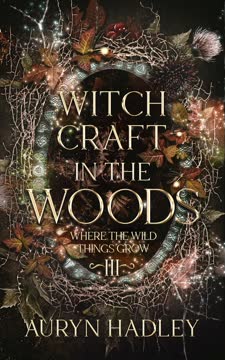
Witchcraft in the Woods is a celebration of found family, queer love, and the healing power of community and nature. Auryn Hadley reimagines the fantasy coven as a model for real-world resistance to bigotry, isolation, and abuse. The story's magic is not about domination or escape, but about reciprocity, humility, and the courage to love openly. By centering polyamorous, queer, and neurodiverse characters, the novel challenges traditional power structures—both magical and social. The forest, with its wild things, is not just a setting but a living partner, demanding respect and offering wisdom. The defeat of the old coven is not just a victory over evil, but a rejection of the idea that power must corrupt. Instead, the book insists that true strength comes from vulnerability, cooperation, and the willingness to change. The lessons are clear: magic is everywhere, but it is only as good as the hearts that wield it. In a world hungry for belonging and hope, Witchcraft in the Woods offers both, wrapped in a story as lush and wild as the forest itself.
Last updated: