

Key Takeaways
Stop waiting for love to arrive; create connection through attention and action.

Love is practiced. Natasha Lunn begins by mistaking longing for love. For years she fixated on a teenage crush, building a vivid romance from a handful of kisses and uncertain attention. Later, conversations with writers, therapists, and people facing grief helped her see love beyond a partner: in friendship, family, work, faith, and ordinary kindness. At her thirtieth birthday party, she noticed the love already gathered around her, rather than the absent date she had once expected to bring. The shift was from asking whether love would find her to asking how she could love better.
Attention makes it real. A phone call with her mother becomes an act of love when Lunn stops multitasking and listens closely. Affection matters, but so do the choices that give it form: noticing, asking, remembering, and showing up.
The book’s central move is to treat love less as a prize bestowed by another person and more as a capacity expressed through attention. That framing gives readers agency without claiming they can control whether someone loves them back. It also explains why small gestures matter: they make care legible. There is a useful distinction here between choosing loving behavior and assuming responsibility for every relationship’s success. Connection is made between people, not produced by one person’s effort alone. The practice can widen a life, but it cannot guarantee reciprocity or replace social support when isolation is structural.
Judge love by demonstrated care, not intensity born from uncertainty.

Fantasy can impersonate intimacy. Lunn’s teenage relationship with Ben offered little consistency, but its ambiguity gave her imagination room to write a grand romance. As an adult, she repeated the pattern: idealizing partners, hiding her needs, and treating unreliable affection as exciting. One late-night message could feel more thrilling than steady care because it arrived unpredictably. The problem was not that she felt strongly; it was that strong feelings were being treated as evidence of a deep connection.
Look for what is observable. Psychiatrist Frank Tallis warns against treating an unexplained pull as proof of fate. When there is little real knowledge of another person, mystery can be filled with idealization. Lunn’s turning point comes when she stops using Ben as a source of reassurance and chooses the risk of real relationships over the comfort of a fantasy that asks nothing of her.
Uncertainty can intensify attention, making intermittent affection feel unusually valuable. That helps explain why a relationship can feel consuming without being secure or nourishing. The book’s emphasis on evidence is a practical corrective: notice whether a person behaves with care, listens, and follows through, rather than making intensity carry the whole case. Still, emotional unpredictability is not always a simple personal misjudgment. People may remain in harmful relationships because of financial dependence, coercion, or limited support. A useful test should clarify reality, not turn someone’s difficulty leaving into a failure of insight.
Build belonging across several relationships instead of demanding one person complete you.

One person cannot be everything. Writer Ayisha Malik describes love in friendship, faith, and meaningful work, alongside openness to romance. She rejects the expectation that a partner should fill an inner void or recognize every part of a person. Different relationships can offer different kinds of understanding. Lunn sees this in her own friendships: her friend Marisa helps her feel known in ways that earlier partners did not.
Connection is consequential. The book cites research linking strong social relationships with a 50 percent lower risk of premature death than weak relationships. The point is not that every bond has the same function, but that human connection matters beyond romance. Malik also cautions against confusing independence with isolation. A satisfying life outside partnership is not a life without needing people; it is a life with more than one place to turn.
Distributing emotional needs across a community can make any single relationship less burdened and a person less vulnerable to one bond’s collapse. It also restores friendship and family to their proper status as central forms of love, not consolation prizes. The approach has a practical constraint: relationships require time, and work, caregiving, distance, or disability can restrict access to community. A broader definition of belonging is most useful when it recognizes those barriers rather than implying that a person can simply choose their way out of loneliness. The aim is not to need less, but to have more than one source of care.
Tell the truth, and let intimacy change you without erasing you.
Honesty makes contact possible. Lunn describes years of editing herself to seem more appealing to partners. Therapist Philippa Perry distinguishes mutual impact, in which two people influence and grow alongside each other, from adapting by performing a self designed to keep someone interested. Perry argues that partners become right for each other through commitment and genuine dialogue, not because an instant feeling identifies a perfect match.
Self-understanding matters. Juno Dawson’s experience makes the stakes especially clear. Before transitioning, she felt she was presenting a false self in relationships. Choosing to live as herself mattered more than keeping a partner, even though she feared being alone. Greater honesty eventually made room for more genuine connection. The lesson is not to reveal everything immediately, but to stop building intimacy on a version of oneself that cannot be sustained.
This distinction helps resolve a common tension: intimacy requires openness to influence, while self-respect requires preserving a point of view. Growth with another person is not the same as shrinking to avoid rejection. A relationship can be a setting for identity to develop, rather than a test of whether one person can remain unchanged. The examples also caution against treating a partner’s approval as proof of authenticity. Honest self-disclosure needs judgment and safety; no one owes vulnerability to a person who uses it to control or harm them.
Keep love alive by noticing change and making care visible.
Care needs evidence. Lunn’s conversations repeatedly turn love into observable practice: a friend planning a birthday, a partner leaving a small note, or a family member receiving an unhurried phone call. These gestures are not grand performances. They communicate that another person is being remembered and valued. Lunn also learns that her marriage changes through different seasons, including miscarriage, renewed hope, and parenthood. The relationship cannot be preserved by relying on an early version of the couple.
Stay curious about the person now. Illustrator Mira Jacob describes the work of re-seeing: continuing to learn a partner as both people change. Lunn and her husband discover that painful events can create a deeper intimacy, but not by eliminating sadness. They have to speak honestly, make space for each other’s feelings, and find ways to reconnect in the life they actually have.
Rituals and small acts help prevent affection from remaining an invisible intention. Curiosity matters for the same reason: familiarity can become a shortcut that replaces attention with assumptions. The idea of re-seeing makes long relationships less like maintaining a fixed portrait and more like updating one as new details emerge. Yet maintenance should not become a scorecard, where each person tracks who sent the last message or did more emotional labor. The point is not perfect symmetry in every week. It is a shared willingness to notice neglect and respond before distance becomes the relationship’s default.
Protect both individuality and togetherness through kindness, boundaries, and repair.
Closeness needs breathing room. Relationship counselor Susan Quilliam uses interdependence for a bond in which two people are connected without surrendering their separate identities. Too much dependence can leave partners expecting one person to meet every need. Too much distance can conceal fear or avoidance. When partners become enmeshed, ordinary differences may feel like rejection, and the security of the relationship can make unkindness seem safe.
Repair beats winning. Quilliam recommends noticing anger, calming down, and taking responsibility for one’s feelings before reacting. A disagreement about household mess, for example, can become a practical negotiation rather than a demand that one person adopt the other’s standards. Lunn also describes a serious fight with her husband in which both eventually explain their perspectives and listen to the other’s account. Conflict is not automatically evidence of failure; refusing to understand each other can be.
The balance between self and relationship is not a stable midpoint. It shifts with illness, parenthood, work, and changing needs, so couples have to renegotiate it. Self-regulation can help prevent a painful feeling from becoming a weapon, while negotiation keeps individual needs visible. However, the language of repair should not flatten important distinctions: recurring contempt, coercion, or fear is not merely a normal disagreement requiring better communication. Kindness and boundaries belong together. A relationship can ask for patience without asking someone to accept mistreatment as the price of closeness.
Let friendships change shape without treating distance as proof they failed.
Friendship has seasons. Lunn’s close university friend Jen becomes a parent, and their lives no longer overlap as constantly as they once did. Lunn initially sees the gaps in what they know about each other as evidence of loss. She gradually recognizes that a long friendship can remain meaningful without being the center of both lives. New friendships can also grow into old ones, while old friends may drift apart and reconnect as circumstances change.
Envy can reveal a need. Psychotherapist Susie Orbach describes envy as a signpost to something a person wants, such as a child, recognition, or a closer bond. Lunn struggles with pregnancy announcements after miscarriage and learns that honesty can preserve friendship better than pretending to feel uncomplicated happiness. A person might say they are glad for a friend while also explaining that the news touches their own grief. Small rituals and direct communication help keep the relationship alive.
Friendship often lacks the formal milestones that make romantic commitment visible, so it can be easy to neglect until a crisis arrives. The book makes a strong case for treating friendship as chosen and maintained love. It also gives difficult emotions a constructive role: envy can point toward a desire that deserves attention, rather than proving that someone is a bad friend. That interpretation should remain an invitation, not a diagnosis. Sometimes envy is mixed with unfair comparison or exhaustion, and sometimes distance is a necessary boundary. Honest communication helps distinguish a temporary season from a relationship that no longer fits.
Stop using spontaneous desire as the only measure of satisfying sex.
Desire has different patterns. Sex educator Emily Nagoski distinguishes spontaneous desire, which appears before sexual activity, from responsive desire, which develops in response to stimulation or closeness. The second is a normal pattern, not by itself a sign of a failing relationship. Researcher Peggy Kleinplatz’s interviews with people who described their sex lives as extraordinary emphasized presence, connection, communication, authenticity, vulnerability, and exploration. Frequency and sudden desire were not among the qualities they named.
Context matters. Nagoski explains sexual response through a dual control mechanism: an accelerator responds to potentially arousing cues, while a brake responds to stress, self-consciousness, or other signals of threat. A couple may need to reduce pressure, make time, or address resentment before pleasure is possible. Scheduled sex can create an opportunity, but it is not an obligation. Partners still need to communicate, and either person can decline.
The distinction between spontaneous and responsive desire offers a more flexible standard than the idea that good sex must begin with instant appetite. It can reduce shame for people whose bodies need a welcoming context before desire emerges. The brake metaphor is especially useful because it directs attention to stress and emotional safety, not just to finding more stimulation. Scheduling is best understood as opening a door, not guaranteeing what happens after it opens. Desire cannot be demanded as proof of love, and a change in libido does not authorize pressure. Consent remains necessary at every point.
Let grief belong without making it the only story of your life.
Loss includes imagined futures. After a miscarriage, Lunn mourns not only a pregnancy but the child and family life she had begun imagining. A short relationship can also carry a future that must be grieved when it ends. Journalist Justine Picardie describes divorce as a bereavement that changes both the past and the future; journalist Greg Wise explains that his relationship with his sister did not vanish when she died, but changed form through memory and shared stories.
There is no fair ranking of pain. Lunn rejects comparisons that label one loss too small to grieve or another loss objectively worse. Grief has no universal timetable, and continuing to remember is not proof that someone has failed to move on. At the same time, a loss does not cancel every other part of a person’s identity: friendship, family, work, purpose, and present-day life remain real.
The emphasis on imagined futures explains why losses without a long shared history can still cut deeply. People grieve the life they expected, not only the person or event that disappeared. Refusing to rank pain makes room for more honest support, while acknowledging that different losses bring different practical and social consequences. It is also important not to turn resilience into a deadline. Some grief changes slowly, and some remains sharply present. The goal is not to prove that a loss has made someone wiser, but to let grief be witnessed without requiring it to define every possible future.
Hope bravely, but do not confuse hope with control over outcomes.
Hope is not a guarantee. During a later pregnancy, Lunn finds herself afraid to invest emotionally after an earlier miscarriage. She and her husband hold back from imagining the baby’s future, hoping that caution will protect them from pain. When she begins bleeding, she recognizes that the outcome is not hers to control and chooses to love the possibility anyway. The pregnancy continues, but the point is not that optimism caused a happy result. It is that fear had already been costing her moments of connection.
Acceptance can release effort. Journalist Ariel Levy describes learning to distinguish what she can change from what she cannot, after losing a child and experiencing the end of her marriage. New love did not erase either grief. Lunn’s closing insight is that life cannot be made safe from loss; people can still choose where to place attention and how to meet the present.
This is a more durable account of hope than positive thinking. It does not claim that belief influences outcomes, and it does not make sorrow a sign of insufficient courage. Hope here means remaining emotionally available to possibility while admitting that the result may be painful. That stance can reduce the energy spent rehearsing every feared future, though it cannot remove uncertainty or grief. The distinction between acceptance and passivity matters: people can take meaningful action where action is possible, while refusing to treat uncontrollable outcomes as personal failures.
Analysis
Conversations on Love is a memoir threaded through interviews, not a step-by-step relationship manual. Its structure is part of its argument: no single expert, romance, or loss supplies a complete theory. Lunn’s changing understanding emerges through disagreement and detail, from a teenage crush mistaken for destiny to ordinary acts of care, miscarriage, friendship, marriage, and parenthood. The repeated movement between her life and other people’s accounts makes love feel both intimate and plural.
The book’s central tension is agency without mastery. Love is practiced through honesty, attention, repair, and generosity, yet attraction, fertility, illness, death, and another person’s choices cannot be managed into a desired ending. This prevents two common distortions. Romantic fatalism says feeling should determine everything; self-help certainty says the right behavior can guarantee success. Lunn instead asks readers to act where they have influence and accept what they do not control. That is ethically persuasive, though it can be difficult to apply when people lack safety, time, money, or community.
A second tension is between love’s expansiveness and its particular demands. Seeing friendship, family, work, faith, and strangers as forms of connection loosens the pressure on romance. But broadening love should not diminish the longing for partnership, parenthood, or a particular person. Nor should love’s emphasis on patience and repair be used to excuse harmful relationships. The book is strongest when it treats attention as both a way to see reality and a way to make care visible, while keeping the limits of individual effort in view.
Its deepest practical lesson is not that love solves suffering. It is that people can remain connected to one another and to life while suffering is present. That connection is built from choices small enough to repeat: asking, listening, telling the truth, respecting separateness, remembering, and showing up. The stories resist a tidy ending because love is not a problem solved once. It is an ongoing relationship with change, chance, and the people who make a life more fully seen.
Review Summary
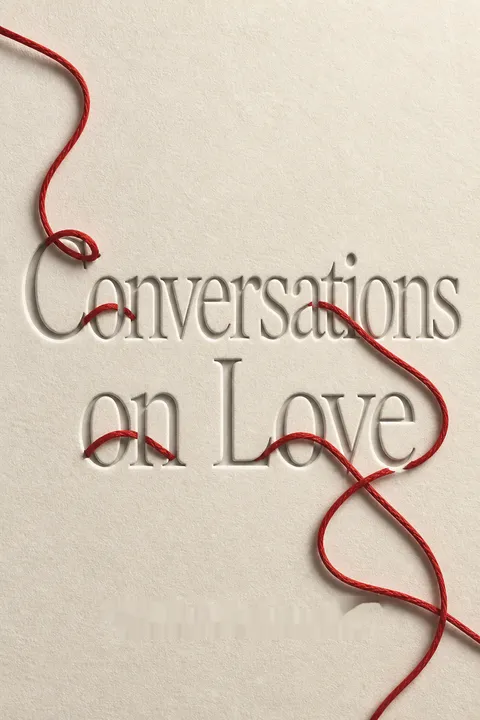
Conversations on Love by Natasha Lunn is a deeply moving exploration of love in all its forms. Readers praise its profound insights, beautiful writing, and diverse perspectives on romantic, platonic, and familial love. Many found the book life-changing, offering valuable reflections on relationships, loss, and self-discovery. While some felt it became repetitive, most considered it an essential read, filled with wisdom and touching interviews. The book resonated strongly with readers, often evoking strong emotions and providing a fresh outlook on love and human connections.
People Also Read










Glossary
mutual impact
Reciprocal growth in intimacyA relationship process in which both people influence and change alongside each other through honest dialogue. It differs from reshaping oneself mainly to keep a partner pleased or interested. The idea treats lasting compatibility not as a perfect fit discovered at first sight, but as something partners develop while learning who the other person really is.
interdependence
Connection with separate identitiesA relationship balance in which two people share a life while retaining individual needs, interests, and identities. In the book, relationship counselor Susan Quilliam uses the term to distinguish healthy closeness from both extreme dependence and emotional withdrawal. Partners can rely on each other without expecting one person to satisfy every need or erase every difference.
spontaneous desire
Desire arising before stimulationSexual interest that appears before sexual activity or erotic stimulation begins. Sex educator Emily Nagoski contrasts it with responsive desire, which develops in response to stimulation or closeness. The book emphasizes that spontaneous desire is only one pattern and should not be treated as the universal measure of sexual health or relationship quality.
responsive desire
Desire arising during connectionSexual interest that develops in response to stimulation, touch, or an intimate context rather than appearing beforehand. Emily Nagoski presents it as a normal pattern, especially relevant to long-term relationships. Recognizing responsive desire can help partners reconsider assumptions that sex must begin with an unprompted urge, while preserving the need for communication and consent.
dual control mechanism
Sexual accelerator and brakeNagoski’s model of sexual response, comprising an accelerator that registers potentially arousing cues and a brake that registers reasons to inhibit arousal. Stress, self-consciousness, or feeling unsafe can activate the brake, even when stimulating cues are present. The model shifts attention from adding stimulation alone to also understanding the context that may be suppressing desire.
separated attachments
Friendship with autonomyA form of friendship in which people remain emotionally connected while each is able to feel whole and develop independently. Psychotherapist Susie Orbach uses the term to describe closeness without competition, fusion, or an expectation that one friend must meet every need. It allows friends to support different choices and life circumstances while continuing to know each other.
the work of re-seeing
Renewed attention to a changing personThe continuing effort to notice and understand someone as they change, rather than assuming that an old image or shared history fully explains who they are now. Illustrator Mira Jacob connects this work to long-term love. It involves curiosity, conversation, and a willingness to encounter unfamiliar qualities in a partner instead of treating change as automatic evidence of incompatibility.
love as an action
Care expressed through practiceLunn’s way of describing love as more than a feeling or a bond between two people. Love becomes visible through attention, care, listening, kindness, and repeated choices to show up. This understanding helps explain how love can be practiced across romantic relationships, friendships, family, work, and encounters with strangers, even when strong feelings fluctuate.
FAQ
What's Conversations on Love about?
- Exploration of Love's Complexity: Conversations on Love by Natasha Lunn explores the multifaceted nature of love, focusing on how we find, sustain, and cope with its loss.
- Personal and Collective Stories: The book combines Lunn's personal experiences with insights from writers, therapists, and experts, offering a rich tapestry of narratives.
- Invitation to Reflect: It encourages readers to reflect on their own relationships, moving beyond romantic fantasies to the realities of human connection.
Why should I read Conversations on Love?
- Insightful Perspectives: The book offers a blend of personal anecdotes and expert opinions, challenging conventional notions of love.
- Practical Advice: Lunn provides actionable insights to help readers navigate their own relationships and improve their understanding of love.
- Emotional Connection: The narratives evoke empathy, making readers feel less alone in their experiences and encouraging them to embrace love's complexities.
What are the key takeaways of Conversations on Love?
- Love is Multifaceted: Love encompasses various forms, including romantic, friendship, and familial bonds, which helps individuals appreciate its different manifestations.
- Self-Reflection is Crucial: Understanding one's own needs and desires is essential for fostering healthy connections with others.
- Embrace Vulnerability: Vulnerability is a strength in relationships, allowing for deeper intimacy and connection.
What are the best quotes from Conversations on Love and what do they mean?
- “The stories we sit up late to hear are love stories.”: Highlights the universal fascination with love and its complexities.
- “Love is a lifelong project, a story that we can’t skip to the end of.”: Emphasizes that love is an ongoing journey filled with growth and challenges.
- “Learning faulty definitions of love when we are quite young makes it difficult to be loving as we grow older.”: Suggests the need to unlearn misconceptions to cultivate healthier relationships.
How do we find love according to Conversations on Love?
- Understanding Love's Definition: Reflect on what love truly means to shape how and where you look for it.
- Embrace Solitude: Recognize that love can come in many forms, not just romantic, and be comfortable with solitude.
- Be Open to Possibilities: Remain open to unexpected forms of love and connection, which can lead to fulfilling relationships.
How do we sustain love in long-term relationships?
- Continuous Effort and Communication: Sustaining love requires ongoing effort, communication, and a willingness to adapt as individuals grow.
- Embrace Vulnerability: Sharing fears, desires, and insecurities can strengthen the bond between partners.
- Create Shared Experiences: Engaging in new activities together helps keep the relationship fresh and exciting.
How does Conversations on Love address the theme of loss?
- Intertwined with Love: Loss is an inherent part of love, and understanding this helps navigate emotions more effectively.
- Personal Stories of Grief: Lunn shares personal stories of grief, showing how individuals cope with loss and how it shapes their understanding of love.
- Encouragement to Share: Sharing experiences of loss fosters connection and understanding among those who have faced similar challenges.
What role does vulnerability play in relationships according to Conversations on Love?
- Foundation of Connection: Vulnerability is crucial for building deep connections, allowing individuals to share their true selves.
- Facilitates Honest Communication: Being vulnerable leads to more honest conversations, helping resolve conflicts and strengthen relationships.
- Encourages Empathy: Vulnerability fosters empathy, as individuals allow others to see their struggles and fears.
How can we survive losing love, according to Conversations on Love?
- Acknowledge Grief: Allow yourself to grieve the loss of love fully, recognizing and processing these emotions is crucial for healing.
- Seek Support: Lean on friends, family, and community during difficult times for comfort and understanding.
- Reflect on Lessons Learned: Reflecting on past relationships helps understand what you want and need in future connections.
How does Conversations on Love redefine the concept of romantic love?
- Beyond Fairy Tales: Challenges the traditional fairy-tale narrative, suggesting real love requires effort, understanding, and vulnerability.
- Emphasis on Connection: Redefines romantic love as a deep connection that encompasses friendship, intimacy, and shared experiences.
- Love as a Lifelong Journey: Presents love as an evolving journey, encouraging readers to embrace changes and challenges in long-term relationships.
What methods or advice does Natasha Lunn offer in Conversations on Love?
- Annual Relationship Check-ins: Suggests couples hold annual summits to discuss their relationship and remain connected.
- Practicing Gratitude: Emphasizes expressing gratitude in relationships to foster appreciation and strengthen bonds.
- Open Conversations About Loss: Advocates for discussing loss openly to help process grief and connect with others.
How does Conversations on Love encourage readers to reflect on their own relationships?
- Prompts for Self-Reflection: Includes questions and prompts to encourage readers to think about their own experiences with love and loss.
- Diverse Perspectives: Offers a variety of stories and insights, allowing readers to see their relationships reflected in others' experiences.
- Encouragement to Share: Advocates for sharing personal stories with friends and loved ones to foster meaningful connections.
Download PDF
Download EPUB
.epub digital book format is ideal for reading ebooks on phones, tablets, and e-readers.








