

Key Takeaways
Treat rules as invitations to recognize irritations, not laws for everyone.
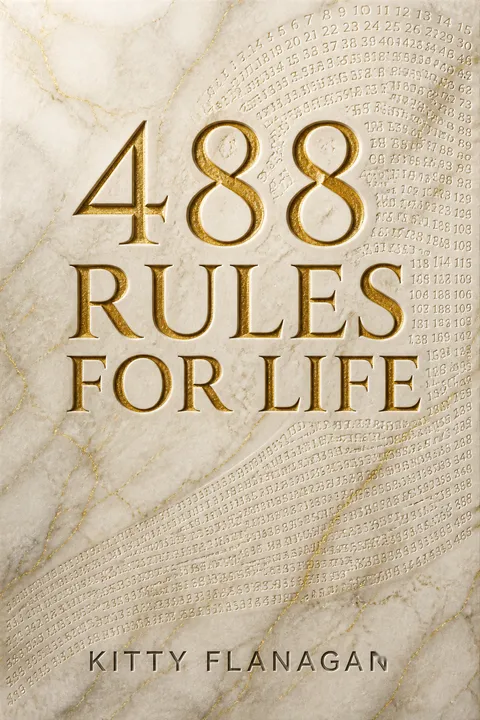
A joke with a point. Kitty Flanagan’s book began as a television comedy segment, poking fun at the idea that a dozen rules could govern a whole life. Viewers asked where to buy the nonexistent book, so she wrote it. The title promises 488 rules, but the book ends at 447, preserving the joke rather than correcting the number.
Permission to skip. Flanagan’s basic instruction is that readers can discard any rule they dislike. The point is less to impose a universal code than to make familiar aggravations feel shared: the stranger playing audio aloud, the dinner guest monopolizing the conversation, the household member leaving one square of toilet paper. Agreement becomes a small, funny form of recognition.
What's striking is how the book turns irritation into social connection. A complaint about a tiny breach of etiquette can make people feel less alone, especially when the rule is clearly offered as comedy rather than law. This approach also exposes a tension: rules can coordinate behavior, but they can become tools for policing harmless differences. The book is strongest when its standards protect other people's time, comfort, or dignity. Its more personal preferences are best read as a comic portrait of one temperament, not a test of good character.
Treat shared spaces as agreements, not extensions of your convenience.
Small acts distribute work. At home, the book favors replacing the toilet roll, putting dishes in the dishwasher rather than leaving them in the sink, and letting the person who cooked avoid the cleanup. These gestures matter because they stop one person from quietly inheriting everyone else's unfinished tasks. Even a cleaner deserves gratitude, not suspicion based on a missing object that may simply have been misplaced.
Design can frustrate people. Flanagan describes avoiding an open-plan office because noise made it hard to work. She staged the appearance of being at her desk, then went home to concentrate. Her story turns office etiquette into a question of workplace design: courtesy helps, but a considerate layout can prevent avoidable friction in the first place.
The useful principle here is reciprocity: people share a home or workplace more easily when no one assumes another person will absorb the inconvenience. This connects etiquette to organizational design, where the arrangement of space and tasks can make cooperation easier or harder. Yet a rule can also conceal a preference as if it were a moral duty. The distinction matters. Leaving a mess for someone else transfers labor; disliking a particular office layout is a legitimate preference, but not proof that everyone experiences it the same way.
Make crowded places easier by giving strangers room and attention.
Crowds need small courtesies. The book's travel rules target predictable bottlenecks: don't press up against strangers at baggage carousels, keep walking on moving walkways, wear headphones, and leave space for people on public transport. At airport security, Flanagan's term scooching means moving bags and trays farther down the conveyor instead of stopping at the machine's exit to repack. It keeps the exit clear for everyone behind.
Space is a shared resource. In a cinema, she recommends leaving a buffer seat between strangers when the room is not full, a personal-space arrangement she calls a seat moat. The examples are comic, but the practical point is simple: small adjustments can prevent a line, aisle, or shared room from becoming a contest for space.
These rules treat public space as something people make together, not merely occupy individually. That idea is especially helpful in queues and transit, where one person's pause can impede many others. The comic solution of scooching works because it identifies a specific bottleneck rather than scolding people for being inconsiderate in general. Some preferences, such as leaving empty cinema seats, depend on how busy the room is. Good etiquette therefore needs both a clear courtesy and sensitivity to context.
Give people your attention before asking for theirs.
Conversation is shared work. A good exchange involves taking turns speaking and listening, not waiting silently for a gap to launch the next monologue. Flanagan recommends short, open questions, gentle follow-ups, and accepting that a conversation may run out of energy. She calls it hiving when someone separates a person from a group to have a private conversation, leaving them cut off from the wider gathering.
Phones can signal dismissal. Checking a screen while someone speaks, using speakerphone in public, or broadcasting a call in an open-plan office all pull other people into an interaction they did not choose. The book's conversational ideal is modest: make the other person feel interesting, but don't interrogate them or demand constant small talk.
Attention is not just a matter of politeness; it tells others whether their presence is being taken seriously. The book's emphasis on listening also offers a useful alternative to performative sociability: a person need not fill every silence or greet the same colleague enthusiastically all day. Still, silence and phone use can have many causes, from fatigue to urgent responsibilities. The strongest version of this advice is not to enforce constant engagement, but to make attention intentional when an exchange is underway.
Let language age naturally instead of borrowing every new phrase.
Words reveal social timing. Flanagan argues that once an expression appears in advertising, it may already feel overused. She also warns older speakers against copying teenage slang, and advises against announcing that one's own humor is uniquely dark or good. The problem is not that language should stop changing. It is that borrowed jargon can make a person sound as though they are trying to signal a personality rather than simply speaking.
Clichés often close conversation. Advice such as a ready-made consolation after a breakup may offer little comfort, while a phrase like “it is what it is” can function as a polite way to end a discussion. The book also celebrates old-fashioned words and invents poncewobble, for the sibling who hides treats to enjoy them later in front of everyone else.
Language works both as a tool for meaning and as a signal of belonging. Flanagan's advice encourages people to notice when a phrase is doing more social posing than communicative work. That is a useful check on clichés and trend-chasing. But language policing can also turn age, region, or class into a reason to dismiss someone. The playful defense of unusual words offers a counterbalance: the aim is not to freeze speech, but to speak with enough awareness that phrases serve the moment.
Let the meal serve people, not your performance.
Courtesy matters more than food rules. The book's strongest food advice concerns how diners affect one another: don't chew with your mouth open, don't bring especially pungent leftovers into a small office, and be polite to waitstaff. Flanagan calls chipmunking the habit of packing food into the side of the mouth so someone can keep talking while chewing. She also distinguishes a genuine allergy from a chosen food restriction when explaining what a host needs to know.
Personal taste stays personal. Many of her pronouncements about chocolate, lettuce, or fruit are deliberately subjective jokes. Her more practical point is that a restrictive eating plan should not take over every conversation or require a restaurant to redesign its menu. Hosts and diners can show consideration without pretending every preference has the same urgency as a medical risk.
Meals are unusually social because they combine taste, health, labor, and status in one setting. The book usefully separates consideration for other diners from the performance of having the most virtuous diet or refined palate. Its allergy distinction points toward a sensible principle: communicate needs that affect safety, and negotiate preferences without treating them as universal obligations. The author's food rankings are intentionally comic, not nutritional guidance. That distinction keeps the reader from mistaking a strong opinion about carob for a standard of human decency.
Read reluctance as information, not an invitation to negotiate.
Politeness can obscure a no. Flanagan recounts being set up with a man she liked. He said he was busy when she suggested another date, but she did not understand that he was declining. A friend eventually relayed the message. More than a year later, he sent a complimentary text with an affectionate sign-off; she took it as renewed interest, only for him to agree to a date and then repeatedly postpone it. When she offered to cancel, he sounded relieved.
Clear signals reduce pressure. The story makes fun of both her optimistic reading and his indirectness. The book's dating advice also recommends keeping first dates simple, avoiding monologues, and not using a public proposal to pressure someone into saying yes. Its explicit guidance on sex is straightforward: ask rather than assume.
The story shows how a socially smooth response can still be confusing when one person hopes for more. A useful correction is to treat repeated deferrals as meaningful, while recognizing that directness is a shared responsibility. The advice about public proposals identifies a real pressure mechanism: an audience can make refusal feel costly. In intimate situations, clarity protects both people, but clarity should not become a demand for immediate answers. Consent is meaningful when someone can decline without being punished, pursued, or publicly embarrassed.
Make invitations and hosting easy to accept, refuse, and reciprocate.
Give guests the facts. Instead of asking vaguely about someone's plans, Flanagan recommends explaining the event, the people, and the venue up front. That lets the invitee decide without first pretending to be free. For small dinner parties, she favors six guests, a number she finds manageable for cooking and conversation.
Hospitality includes an ending. Her account of a family holiday shows the limits of offering more space than people want: she rented a larger house nearby to ease a crowded family stay, but relatives preferred gathering at the original home. The book also treats three days as a sensible visit length, advises guests to bring a small token of thanks, and says they should leave when they said they would. Good hosting depends on expectations, not just beds and bathrooms.
The book's advice makes social logistics more humane by giving people room to choose honestly. Specific invitations reduce the pressure to invent a plausible excuse, while clear visit dates help protect the relationship between host and guest. The holiday-house story adds an important nuance: what looks like generosity to one person may not match what others value. Hospitality is not simply providing more comfort. It is noticing the group's preferred way of being together and agreeing on boundaries before inconvenience hardens into resentment.
Care for children and pets without making strangers manage them.
Responsibility stays with the adult. Flanagan's parenting and pet rules focus on what guardians owe other people: pick up dog waste, apologize when a dog causes trouble, wipe a child's runny nose, and don't change a baby's diaper on a dining table. She also rejects treating a father's time caring for his own children as occasional babysitting. These examples frame care as ordinary responsibility, not a favor performed for applause.
Know what you don't know. Flanagan openly notes that she is childless while giving parenting advice, making the section part of the joke. Her comments are most useful as reminders not to let children or pets impose avoidable work on strangers. They are not a substitute for parental experience or professional guidance, especially where safety, health, or a child's needs are involved.
This section connects private care to public responsibility: other people should not have to clean up, dodge, or supervise because a guardian has checked out. The principle applies without requiring every child or animal to behave perfectly. It asks the responsible adult to notice and respond. Flanagan's outsider status gives the jokes their edge, but also limits their authority. The strongest reading separates practical courtesies, such as cleaning up after a pet, from judgments about parenting choices that outsiders may not fully understand.
Choose real enjoyment over performances staged for other people's approval.
Don't confuse display with pleasure. The book questions wellness rituals that turn restraint into a public identity, such as treating one tiny piece of dark chocolate as the ultimate reward. It also mocks social posts that announce a good time instead of letting someone enjoy the event, and reality television contestants who trust producers to protect their image. Flanagan's bluntest advice to anyone considering a reality show is to decline participation if avoiding a damaging edit matters most.
Taste need not be a duty. She resists the idea that travel must include hours in famous museums, that a movie requires an elaborate Gold Class meal, or that a person must like every fashionable lifestyle choice. The final joke lowers expectations rather than promising a perfect life. Enjoyment is allowed to be ordinary, private, and specific.
What's striking is the book's suspicion of experiences consumed mainly for the story they tell about the consumer. That suspicion applies to wellness branding, public self-display, and cultural tourism alike. It encourages a useful question: would this still be appealing if nobody else knew about it? Yet sharing enthusiasm can also create connection, and public culture can be genuinely meaningful. The book's best challenge is not to reject display altogether, but to distinguish an experience that satisfies from one pursued chiefly for its prestige.
Analysis
488 Rules for Life is a comic etiquette book disguised as an exhaustive self-help manual. Its structure is deliberately loose: hundreds of observations move through homes, workplaces, travel, food, relationships, technology, and entertainment. The organizing principle is not a theory of human flourishing so much as the friction of shared life. A toilet roll, a baggage queue, or a phone call becomes a miniature case study in how one person's convenience can become another person's burden.
The book's most interesting feature is its unstable authority. Flanagan speaks like a rule-making expert while repeatedly exposing her own biases, anxieties, and limitations. She admits to poor conversational habits, confesses that she has never hosted a party, and acknowledges her lack of parenting experience. The gap between the confident rule and the fallible person is the joke, but it also invites readers to examine why a rule feels compelling. Some protect safety and consent; others merely announce a taste. The reader must do the sorting.
That sorting gives the book a useful social model. Etiquette is a form of coordination: it makes shared spaces more predictable and reduces the need for constant negotiation. But norms can also enforce conformity or disguise personal preference as moral truth. Flanagan's comic excess keeps that danger visible, particularly when a rule is so specific that it becomes a portrait of the rule-maker rather than an instruction for everyone else.
The title's numerical mismatch captures the book's method. It began as a joke about the absurdity of a short list for life, grew into a long catalogue, and still stops short of its advertised count. The implied invitation is not to memorize hundreds of commands. It is to notice the small ways people make one another's days easier, while retaining enough humor to recognize that not every irritation deserves legislation.
Review Summary
488 Rules for Life is a humorous book by Australian comedian Kitty Flanagan, offering tongue-in-cheek guidelines for modern etiquette. Readers generally found it entertaining, with many laughing out loud and agreeing with the rules. The audiobook narrated by Flanagan was particularly praised. Some felt it was best consumed in small doses rather than all at once. While not every rule resonated with all readers, most appreciated Flanagan's wit and sarcasm. The book was seen as a light, enjoyable read that shouldn't be taken too seriously.
People Also Read

Glossary
scooching
Move security items onwardFlanagan's term for moving bags and trays farther down the airport security conveyor after they pass through the X-ray machine. Instead of stopping at the exit to retrieve and repack everything, travelers shift items along the belt and do the repacking farther away. The aim is to keep the exit clear and reduce crowding.
chipmunking
Talking with food in your cheeksThe act of pushing food into the sides of the mouth so a person can continue speaking while chewing. Flanagan names it for the puffed-cheek appearance it creates. The term captures a social breach as well as an eating habit: speech continues at the expense of basic table manners.
hiving
Separate someone from a groupFlanagan's term for drawing one person away from a group conversation and monopolizing them in a separate exchange. The person who does this leaves the shared conversation, often to avoid hearing a story they already know. The image suggests a conversational barrier that blocks someone from joining the group's discussion.
poncewobble
Hide treats to show off laterA verb for secretly keeping treats while encouraging other people to consume theirs, then revealing the stash and eating it in front of them. Flanagan describes the behavior among siblings, who may hoard sweets or gifts to enjoy their advantage later. The term also names the person who performs the act: a poncewobbler.
seat moat
Buffer seats around a moviegoerFlanagan's name for leaving empty seats around oneself in a cinema when the screening is not full. The empty seats create a buffer from nearby strangers and provide a sense of personal space. The preference is conditional, since the buffer cannot reasonably be maintained when a movie is sold out.
Download PDF
Download EPUB
.epub digital book format is ideal for reading ebooks on phones, tablets, and e-readers.








