Plot Summary
Montmaray's Isolated Kingdom
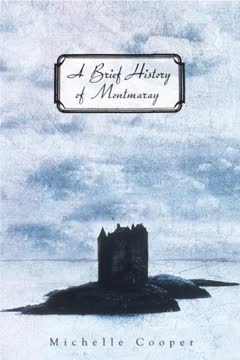
On the remote island kingdom of Montmaray, sixteen-year-old Sophie FitzOsborne records her daily life in a journal. The castle is falling apart, the family is nearly penniless, and the population has dwindled to a handful of eccentric relatives and loyal villagers. Sophie's world is defined by the wild Atlantic, the rituals of a fading aristocracy, and the close, sometimes claustrophobic, bonds of her family. The outside world feels distant, but the threat of change and the shadow of history linger over the island. Sophie's voice is both wry and yearning, capturing the beauty and melancholy of a place and a way of life on the brink of vanishing.
Birthdays and Debutante Dreams
Sophie's sixteenth birthday arrives with gifts, teasing, and a letter from Aunt Charlotte in England. The letter is both thrilling and terrifying: Sophie and her cousin Veronica are to make their debut in London society. Sophie dreams of ballgowns and romance, but Veronica is resolute—she will not leave Montmaray. The girls' differing desires highlight the tension between tradition and independence, and the looming prospect of separation unsettles Sophie. The castle's faded grandeur and the family's poverty make the idea of a glittering debut seem both magical and impossible. Sophie's longing for belonging and her fear of change are palpable as she contemplates a future away from everything she knows.
Family Ties and Tensions
The FitzOsborne family is a tangle of love, rivalry, and old wounds. Sophie's brother Toby, the charming heir, is away at school, while her younger sister Henry is a wild, tomboyish force of nature. Veronica, Sophie's cousin and closest confidante, is fiercely intelligent and stubbornly loyal to Montmaray. Their uncle, King John, is a broken man, haunted by the past and prone to violent outbursts. Rebecca, the housekeeper, is both caretaker and antagonist, especially to Veronica. The family's relationships are shaped by loss—dead parents, a vanished mother, and the scars of war. Their isolation intensifies every emotion, making love and resentment inseparable.
Simon's Return and Secrets
Simon Chester, the housekeeper's son and now a London clerk, returns to Montmaray with news and business from the outside world. His presence unsettles the household, especially Sophie, who harbors a secret crush. Simon's ambitions and his complicated relationship with Veronica spark tension. He brings practical concerns—money troubles, the need to sell family treasures—but also political urgency, urging Montmaray to take a stance on the Spanish Civil War. The castle's faded glory contrasts with Simon's worldliness, and his arrival forces the family to confront both their vulnerability and their place in a changing Europe.
The Spanish War Looms
The Spanish Civil War rages across the sea, but its tremors reach Montmaray. Simon and Veronica argue fiercely about politics—fascism, communism, monarchy—and what role, if any, their tiny kingdom should play. Sophie struggles to understand the complexities, feeling both excluded and anxious. The war is not just a backdrop; it is a harbinger of the violence and upheaval that will soon engulf them. The family's debates mirror the larger ideological battles of the 1930s, and the island's isolation becomes increasingly precarious as Europe edges toward catastrophe.
Letters, Legends, and Loss
Letters from Toby and Aunt Charlotte bring news and pressure from England, while Veronica's obsession with documenting Montmaray's history reveals the weight of family legend. The island's past is full of sea monsters, lost treasures, and heroic ancestors, but also of tragedy and exile. The death of George, the last old villager, is a blow to the family's sense of continuity and belonging. Sophie's dreams and nightmares blur the line between history and haunting, and the loss of the village community leaves the castle more vulnerable and alone than ever.
Visitors from the Sky
The arrival of Julia and Anthony, friends from England, in a malfunctioning airplane brings excitement and chaos. Their modernity and political passions clash with Montmaray's old-world rhythms. Julia's stories of London society and Anthony's leftist zeal highlight the gulf between the island and the outside world. Their visit is a brief, dazzling intrusion, but it also foreshadows the dangers to come. The family's hospitality is tested, and the presence of outsiders exposes both their eccentricities and their fragility.
Intruders and Nazi Shadows
The peace is shattered by the arrival of two German men—Otto Rahn, a scholar searching for the Holy Grail, and his sinister companion, Hans. Their presence is both mysterious and threatening, especially as it becomes clear they are connected to the Nazi regime. Veronica and Sophie are forced to navigate a web of lies, secrets, and growing danger. The Germans' interest in Montmaray's history and legends is not innocent, and their intrusion marks the end of the island's innocence. The threat of violence becomes real, and the family's isolation turns from protection to peril.
Death, Grief, and Ghosts
A midnight confrontation leads to the death of Hans at the hands of King John, forcing the girls to hide the body and cover up the crime. The trauma of violence, the fear of Nazi retribution, and the burden of secrecy weigh heavily on Sophie and Veronica. The castle becomes haunted not just by legends, but by real ghosts—of the dead, of lost parents, of guilt and fear. The family's unity is tested as they struggle to protect each other and their home from both internal and external threats.
The Village Empties
With the last villagers gone, the FitzOsbornes are left to fend for themselves. The castle is emptier and colder than ever, and the girls must take on adult responsibilities—cooking, cleaning, defending the island. The sense of siege intensifies as supplies dwindle and the threat of the Germans looms. Sophie's longing for escape is tempered by her loyalty to Veronica and her fear of the unknown. The family's resilience is tested, and the bonds between them are both strained and strengthened by adversity.
German Threats and Betrayals
The return of the Germans, now in greater numbers and with open hostility, brings the crisis to a head. The family is interrogated, the castle searched, and King John's madness exposed. In the midst of this, Rebecca reveals a shocking secret: Simon is King John's illegitimate son and the true heir. The revelation threatens to tear the family apart, as questions of legitimacy, loyalty, and ambition collide. The external threat of the Nazis is mirrored by internal divisions, and the future of Montmaray hangs in the balance.
Royal Death and Rivalries
King John's death plunges the family into mourning and political chaos. Toby, the reluctant heir, is thrust into the role of king, while Simon and Rebecca press their claim. The funeral is disrupted by accusations and old wounds, and the family must confront the meaning of inheritance, duty, and belonging. Veronica's grief is compounded by the revelation of her mother's fate, and Sophie is forced to mediate between competing loyalties. The struggle for the crown is both literal and symbolic—a fight for the soul of Montmaray.
Truths Unveiled, Loyalties Tested
In the aftermath of the funeral, secrets come to light—about Simon's parentage, Veronica's mother, and the true nature of family. Sophie's coming-of-age is marked by her ability to see through illusions and to choose loyalty over fantasy. The family must decide whether to stay on the island or seek safety in exile. The bonds between them are tested by grief, jealousy, and the demands of survival, but ultimately, love and forgiveness prevail. The past is both a burden and a source of strength as they face an uncertain future.
Bombs, Escape, and Survival
The final blow comes with the bombing of Montmaray by German planes. The castle is destroyed, and the family is forced to flee through secret tunnels and across treacherous waters. Sophie, Veronica, Simon, and Rebecca must rely on courage, ingenuity, and each other to survive. The escape is harrowing, marked by injury, betrayal, and near-drowning. The loss of their home is devastating, but the ordeal also brings clarity and resolve. The island that defined them is gone, but their identity endures.
The End of Montmaray
In the aftermath of the bombing, the survivors are rescued by a Basque ship and taken to safety. The journey away from Montmaray is both a physical and emotional exile. Sophie reflects on the meaning of home, history, and family, recording her memories in her journal as a way to preserve what has been lost. The trauma of violence and the pain of separation are tempered by hope and the promise of new beginnings. The end of Montmaray is not just an ending, but a transformation.
Into Exile and Uncertain Futures
The FitzOsbornes arrive in England, strangers in a strange land. The comforts of modernity are both dazzling and alienating. Sophie, Veronica, and the others must adapt to a world that is indifferent to their history and suffering. The scars of loss and the weight of memory remain, but so does the resilience forged by adversity. Sophie's journal becomes both a record and a lifeline, a way to make sense of the past and to imagine a future. The story ends with uncertainty, but also with the courage to face whatever comes next.
Characters
Sophie FitzOsborne
Sophie is the heart and voice of the novel, recording the events of Montmaray with wit, vulnerability, and longing. She is torn between her love for her family and her yearning for a wider world. Sophie's psychological journey is one of self-discovery—she moves from passivity and self-doubt to quiet strength and agency. Her relationships with Veronica, Toby, and Simon are central, marked by admiration, jealousy, and deep affection. Sophie's development is a classic coming-of-age arc: she learns to see through illusions, to accept loss, and to choose loyalty and love over fantasy. Her journal is both a refuge and a testament to her growth.
Veronica FitzOsborne
Veronica is Sophie's cousin and closest confidante, a brilliant and determined young woman who is devoted to Montmaray and its history. She is skeptical of romance and tradition, preferring scholarship and independence. Veronica's relationship with her absent mother and her troubled father shapes her emotional landscape—she is both deeply wounded and fiercely resilient. Her rivalry with Simon and her protectiveness toward Sophie reveal her complexity. Veronica's journey is one of confronting grief, accepting vulnerability, and learning to trust others. She is the family's backbone, but also its most haunted member.
Toby FitzOsborne
Toby is Sophie's older brother and the heir to Montmaray. He is charismatic, funny, and beloved by all, but also deeply affected by the loss of their parents and the burdens of responsibility. Toby's charm masks his insecurities and his desire to escape the weight of expectation. His relationships with Simon and Veronica are fraught with rivalry and affection. Toby's development is marked by his struggle to accept his role as king and to reconcile his own desires with the needs of his family. His injury and vulnerability reveal his underlying strength and decency.
Henry FitzOsborne
Henry, Sophie's younger sister, is a tomboy with boundless energy and a penchant for mischief. She is both a source of chaos and a reminder of the family's lost innocence. Henry's friendship with Jimmy and her adventures around the island provide moments of levity and warmth. Her recklessness often endangers herself and others, but her loyalty is unwavering. Henry's psychological arc is less developed than the older characters, but she represents the resilience and adaptability of youth in the face of upheaval.
Simon Chester
Simon is the housekeeper's son, now a London clerk, whose return to Montmaray stirs old tensions and new ambitions. He is intelligent, driven, and sometimes manipulative, seeking both acceptance and power. Simon's complicated relationship with Veronica is marked by rivalry, attraction, and mutual suspicion. His ambiguous parentage and his role in the family's political dilemmas make him both a threat and an ally. Simon's development is shaped by his struggle for legitimacy, his desire to protect Montmaray, and his need to prove himself. He is both a disruptor and, ultimately, a savior.
Rebecca Chester
Rebecca is both caretaker and antagonist, especially to Veronica. Her loyalty to King John and her resentment of the FitzOsbornes drive much of the family's internal conflict. Rebecca's revelation about Simon's parentage is a turning point, exposing her own pain and ambition. She is haunted by loss and by her own sense of exclusion. Rebecca's psychological complexity lies in her simultaneous devotion and destructiveness—she is both a protector and a threat to the family's unity.
King John FitzOsborne
King John is a tragic figure, shattered by the trauma of war and the loss of his wife. His madness and violence cast a shadow over the family, especially Veronica. He is both a symbol of the old order and a cautionary tale about the costs of power and pride. King John's death is both a release and a crisis, forcing the family to confront questions of inheritance, legitimacy, and forgiveness. His legacy is one of both pain and resilience.
Aunt Charlotte
Aunt Charlotte is the family's guardian in England, representing both opportunity and constraint. Her insistence on debutante rituals and social propriety is both a lifeline and a source of anxiety for Sophie and Veronica. She is a figure of authority, but also of distance—her influence is felt more through letters and expectations than through presence. Aunt Charlotte embodies the pressures of tradition and the allure of the outside world.
Otto Rahn
Otto Rahn is a German academic searching for the Holy Grail, whose arrival brings both intellectual curiosity and political menace. He is polite and even sympathetic, but his connection to the Nazi regime makes him dangerous. Rahn's quest for myth and history mirrors Veronica's, but his presence exposes the vulnerability of Montmaray to larger forces. He is both a harbinger of destruction and a reminder of the world's fascination with the island's secrets.
Julia Stanley-Ross
Julia is a friend from England whose visit brings a burst of modernity and excitement to Montmaray. She represents the world of London society, with its parties, politics, and possibilities. Julia's presence is both a delight and a disruption, highlighting the gulf between the island and the outside world. She is a catalyst for change, but also a reminder of what the family stands to lose.
Plot Devices
Epistolary Structure and First-Person Narration
The novel is told through Sophie's journal entries, creating an intimate, subjective account of events. This structure allows for both immediacy and reflection, as Sophie records not just what happens, but how she feels and interprets it. The epistolary form blurs the line between history and memory, fact and fiction, and foregrounds the unreliability of narration. Sophie's voice is both a source of truth and a site of ambiguity, inviting readers to question what is real and what is imagined.
Foreshadowing and Symbolism
The novel is rich in foreshadowing, with Sophie's dreams and the island's legends hinting at future events. The recurring motif of the sea—both as a source of life and a site of death—mirrors the family's precarious existence. The search for the Holy Grail, the ghostly apparitions, and the references to historical tragedies all serve as symbols of the family's haunted past and uncertain future. Objects like Benedict the sword, the Fabergé egg, and the King James Bible carry layers of meaning, connecting personal and collective history.
Political Intrigue and External Threats
The encroachment of the Spanish Civil War, the rise of fascism, and the arrival of Nazi agents bring global politics into the heart of the family's domestic drama. The tension between isolation and engagement is a central plot device, forcing the characters to confront their responsibilities and vulnerabilities. The external threats mirror and intensify the internal conflicts, making the island both a sanctuary and a battleground.
Family Secrets and Revelations
The novel is propelled by secrets—about parentage, loyalty, and the past. The revelation of Simon's true father, the fate of Veronica's mother, and the family's financial and emotional struggles all serve as turning points. These secrets are not just plot twists; they are catalysts for character development and for the redefinition of family bonds. The process of uncovering and confronting the truth is both painful and liberating.
Coming-of-Age and Psychological Growth
The narrative arc is fundamentally a bildungsroman, tracing Sophie's growth from innocence and passivity to maturity and agency. Her psychological development is mirrored by the family's collective journey—from denial and nostalgia to acceptance and resilience. The loss of Montmaray is both an ending and a beginning, forcing the characters to redefine themselves and their place in the world.
Analysis
A Brief History of Montmaray is a haunting, witty, and deeply moving exploration of family, history, and identity on the eve of catastrophe. Through Sophie's intimate journal, Michelle Cooper weaves a narrative that is both a coming-of-age story and a meditation on the end of an era. The novel captures the tension between tradition and change, isolation and engagement, innocence and experience. The crumbling castle and its eccentric inhabitants are both a microcosm of a vanishing aristocratic world and a metaphor for the fragility of memory and belonging. The encroachment of war and fascism is not just a historical backdrop, but a force that shatters illusions and compels the characters to confront hard truths. The story's power lies in its psychological depth—the way love, grief, jealousy, and loyalty are intertwined, and how the act of recording history becomes an act of survival. Ultimately, the novel is a testament to resilience: even as Montmaray falls, the bonds of family and the courage to face the unknown endure. The lessons are timeless—about the necessity of change, the pain of loss, and the enduring hope that comes from telling one's own story.
Last updated:
Review Summary
A Brief History of Montmaray is a charming YA novel set in 1936 on a fictional island kingdom. Told through Sophie's diary entries, it follows the royal family's struggles as they face isolation, poverty, and encroaching world events. Many readers praised the strong characters, engaging plot, and historical elements, drawing comparisons to "I Capture the Castle." While some found the pacing slow at times, most enjoyed the blend of coming-of-age story and adventure. The book's ending left readers eager for the sequel.





