Plot Summary
Shackles and Shadows
Vasalie Moran, once the prized Jewel of King Illian's court, languishes in a dungeon, her body and spirit broken by years of isolation and pain. Her memories are fragmented, haunted by betrayal and the echo of her own name. When guards drag her from her cell, she's thrust back into the world of light and opulence, but the chains of her trauma and physical limitations remain. The king who once adored her now offers a cruel bargain: perform for him again, become his spy at the Crowns' Gathering, and she may earn her freedom. The promise of exoneration is a lifeline, but Vasalie knows every word from Illian's lips is laced with lies. Still, she clings to the sliver of hope, vowing never to return to the darkness.
The King's Bargain
King Illian, cold and calculating, dangles freedom before Vasalie, demanding she dance and spy at the upcoming Gathering. The cost: her body, her secrets, and her silence. Illian's obsession with beauty and control is palpable, his jealousy a double-edged sword that once protected Vasalie but now imprisons her. Vasalie, frail and traumatized, negotiates for her future, demanding her name be cleared and the right to leave Miridran. Illian's agreement is a trap, but Vasalie has no choice. The king's threats are as binding as iron, and she is forced to play his game, her every move watched, her every word a potential noose.
Broken Bodies, Broken Trust
Under the care of Brigitte, Illian's chief attendant, Vasalie begins the slow, agonizing process of healing. Her body, ravaged by neglect and chronic illness, resists every effort. The palace is both sanctuary and prison, its beauty a reminder of all she's lost. Brigitte's kindness is a balm, but trust is hard-won. Vasalie's mind churns with questions: Why her? Why now? Who replaced her as the king's Jewel? The answer—no one—stings with unexpected pain. As she rediscovers the remnants of her old life, Vasalie is haunted by guilt, longing, and the memory of Emilia, the stepmother who once saved her. Determined to survive, she steels herself for the trials ahead.
A Dance for Survival
Forced to prove herself before Illian, Vasalie crafts a performance that masks her limitations with creativity. Using flour and light, she conjures magic from her pain, captivating her audience and the king alike. The dance is both defiance and plea, a reminder of her worth beyond her broken body. Illian's possessiveness is suffocating, his threats ever-present. Yet, for the first time, Vasalie feels a flicker of pride. She is sent to the Isle of Anell, her role as spy and performer set. The journey is fraught with fear and memories of captivity, but Vasalie clings to her vow: she will not return to her cell, no matter the cost.
The Isle of Glass
The Isle of Anell dazzles with its glass palaces and opulent courts, but beneath the surface, danger lurks. Vasalie navigates a labyrinth of politics, alliances, and rivalries, her every step shadowed by Illian's spies. She befriends Laurent, the warm-hearted Head of Staff, and Copelan, the enigmatic Master of Revels. Each offers her a different kind of refuge, but trust is a luxury she can scarcely afford. As she auditions for the Gathering, Vasalie's ingenuity secures her a place among the performers, but the threat of exposure and betrayal looms ever larger.
New Alliances, Old Wounds
Vasalie's days are consumed by rehearsals, her body pushed to its limits. Copelan becomes both partner and challenge, testing her trust and vulnerability. Their connection is electric, fraught with longing and fear. Meanwhile, Laurent's kindness offers a glimpse of the family Vasalie lost. Yet, the past is never far: the arrival of her father, General Stova, reopens old wounds and terrors. Vasalie is forced to confront the legacy of abuse and the choices that led her here. Amidst the glittering festivities, she is a shadow, always on the edge of being unmasked.
The Gathering's First Performance
The first signature performance is a dazzling success, Vasalie's artistry earning her the admiration of the courts—and the dangerous attention of King Anton, Illian's brother. Illian's machinations intensify, his orders growing ever more perilous. Vasalie is tasked with infiltrating Anton's court, her every move a test of loyalty and survival. The lines between performance and reality blur, and Vasalie must navigate a world where every gesture is a potential weapon, every alliance a potential betrayal.
Poison and Prophecy
Illian's next command is darker: Vasalie must poison Gustav, Anton's trusted friend. Torn between survival and conscience, she chooses mercy, poisoning herself to save Gustav and throwing suspicion off herself. The act is both self-sacrifice and rebellion, but it comes at a cost. Illian's true power is revealed—not in violence, but in manipulation and control. Meanwhile, whispers of prophecy spread: a warning of a soul returned, a trap unfolding, and a fate entwined with death. The Gathering teeters on the brink of chaos, and Vasalie is at its heart.
Tunnels and Truths
Vasalie discovers a network of secret tunnels, a hidden world beneath the glass and gold. With Laurent's help, she smuggles Annais, a mysterious tailor, into the palace—unwittingly setting in motion a chain of events that will upend the balance of power. The tunnels reveal more than passageways: they are conduits of surveillance, deception, and hidden agendas. Vasalie's search for answers leads her to the truth about Illian's plans, the brewing war, and her own role as both pawn and player in a deadly game.
The Poisoner's Choice
Illian's demands escalate, forcing Vasalie to choose between her own freedom and the lives of those she cares for. The arrival of her father and the threat to Laurent and Marian push her to the brink. In a moment of agony, Vasalie betrays Laurent to save herself, only to be consumed by guilt and resolve. The cost of survival is steep, and Vasalie is forced to reckon with the person she has become. Yet, in the darkness, she finds a new purpose: to seek justice, not just for herself, but for all those broken by the powerful.
The Queen's Gown
As the final performance approaches, Vasalie collaborates with Laurent and Gustav to create a gown worthy of legend—a dress of glass and light, a symbol of resilience and rebellion. The act of creation is healing, a reclamation of agency and identity. Yet, the Gathering is a powder keg, and Illian's schemes threaten to ignite it. Vasalie's relationships with Copelan and Anton deepen, each offering her a different vision of love, trust, and the future. The stage is set for a confrontation that will determine the fate of kingdoms.
The Auction of Souls
King Estienne's arrival brings a spectacle of horror: an auction of prisoners, their fates determined by the whims of the powerful. Vasalie is forced to participate, her empathy clashing with her need to survive. Anton's intervention saves the prisoners, revealing his Glory Court as a sanctuary, not a harem. The revelation complicates Vasalie's feelings, blurring the lines between rumor and reality, villain and hero. The Gathering's mask slips, exposing the rot beneath the glitter.
The Razami Storm
The next signature dance is a tempest of emotion, Vasalie and Copelan channeling rage, longing, and defiance into their art. The performance electrifies the audience—and ends with a kiss that shatters boundaries and alliances. The aftermath is a storm of jealousy, confusion, and heartbreak. Copelan's past returns in the form of Esmée, his former partner, and Vasalie is forced to confront her own desires and limitations. The Gathering's tensions reach a fever pitch, and the threat of war looms ever closer.
Betrayal and Bargains
Copelan's betrayal is swift and devastating: he reports Vasalie's secret movements to Illian, sealing her fate. Illian's grip tightens, his threats more explicit, his violence more immediate. Vasalie is forced to perform for him alone, her body and soul once again commodified. Yet, in the depths of despair, she finds unexpected allies—Sana, the guard who leaves her shackles loose; Laurent and Gustav, who risk everything to free her. The cost of trust is high, but the price of isolation is higher still.
The King of Lies Unmasked
The final performance is a masterpiece of deception and truth, Vasalie donning the glass gown to embody the Fate of Morta. Illian's schemes are exposed, his forgeries and betrayals laid bare. Yet, his victory seems assured: Anton is captured, the Crowns turn against each other, and Vasalie is forced to choose between two evils. In a moment of agony, she becomes the instrument of Illian's will, killing King Rurik to save Anton. The act is both sacrifice and damnation, and Vasalie is left hollow, her soul stained with blood.
The Fate of Morta's Bargain
Vasalie's fall is literal and metaphorical: she plunges from the balcony, dying in the act of defiance that finally ends Illian's reign. In the Lair of Morta, she confronts the Fate herself, suspended between life and death. Anton bargains for her soul, offering a piece of his own in exchange. The cost is steep: his goodness, his warmth, the very thing that made him human. Vasalie is returned to life, but Anton is changed, his heart now a snare, his future uncertain. The prophecy is fulfilled, but at what cost?
The General's Daughter
In the aftermath, Vasalie learns the full truth of her lineage: she is the daughter of General Stova, now king of Brisendale, and the pawn in a decades-long scheme for power. Her father's cruelty is laid bare, his manipulation of Illian and the Crowns exposed. Vasalie's journey from victim to survivor is complete, but the scars remain. She is both weapon and witness, her testimony the key to bringing down the monsters who shaped her fate.
The Final Performance
The Gathering's end is marked by violence, betrayal, and the collapse of old orders. Vasalie's performance is both eulogy and rebellion, her artistry a weapon against those who would use her. The fall of kings is swift and brutal: Illian is slain, Anton is resurrected but changed, and Vasalie is left to pick up the pieces. The cost of survival is high, but the promise of justice—and a new beginning—remains.
The Fall of Kings
In the chaos that follows, Vasalie is caught between worlds, her soul adrift in the Lair of Morta. Anton's sacrifice brings her back, but he is forever altered. The prophecy's shadow lingers, and the future of Miridran hangs in the balance. Vasalie's journey is one of pain and resilience, her victory hard-won and incomplete. Yet, in the ashes of the old world, the seeds of something new are sown.
Death's Lair
In the realm of the dead, Vasalie confronts the Fate of Morta, her own worth, and the meaning of sacrifice. Anton's love—or lack thereof—is both curse and salvation, the key to his immortality and his undoing. The cost of their bargain is steep, but it is love, not power, that ultimately breaks the cycle. Vasalie returns to the world changed, her scars a testament to her survival.
The Immortal King
Anton, now king in name but not in spirit, is a shadow of his former self. The warmth and goodness that once defined him are gone, traded for Vasalie's life. The prophecy is fulfilled, but the future is uncertain. Vasalie, armed with proof of her father's crimes, prepares to face the Crowns' Syndicate and claim justice for herself and all those broken by the powerful. The dance is not over; the next steps are hers to choose.
A New Dawn, A New Dance
In Razam, Vasalie finds herself surrounded by allies—Laurent, Gustav, Queen Sadira—each scarred by the past but determined to build a better future. The invention of the Lensgraph offers proof of the crimes that shaped their world, and Vasalie's testimony is the key to bringing down her father. Anton's fate is uncertain, his soul forever changed by his bargain with Morta. Yet, in the ashes of loss and pain, Vasalie finds the strength to begin again. Her story is not one of perfect healing, but of resilience, defiance, and the unbreakable will to survive.
Characters
Vasalie Moran (Vastianna Stova)
Vasalie is the heart of the story—a once-celebrated dancer whose life is shattered by betrayal, imprisonment, and chronic illness. Her journey is one of pain, resilience, and transformation. Haunted by the trauma of her past and the legacy of her abusive father, she is forced to navigate a world that commodifies her body and talent. Vasalie's relationships—with Illian, Anton, Copelan, and Laurent—are fraught with longing, trust, and betrayal. Her psychological arc is one of reclaiming agency, learning to value herself beyond her suffering, and finding the courage to fight for justice. Vasalie is both weapon and witness, her scars a testament to her survival.
King Illian Orvere
Illian is a study in contrasts: once Vasalie's protector and patron, now her captor and tormentor. His obsession with beauty, control, and power drives the narrative, his jealousy both shield and shackle. Illian's psychological complexity lies in his capacity for both tenderness and cruelty, his need for possession masking deep insecurity and rage. His alliance with Vasalie's father and his willingness to sacrifice anyone for his ambitions make him a formidable antagonist. Illian's downfall is both tragic and inevitable, his love a poison that destroys all it touches.
King Anton Orvere
Anton, Illian's younger brother, is a paradox: a king known for debauchery and excess, yet secretly a protector and innovator. His Glory Court, rumored to be a harem, is revealed as a sanctuary for the vulnerable. Anton's relationship with Vasalie is one of mutual recognition and healing; he sees her pain and offers her agency. His immortality—granted by his inability to love—becomes both curse and salvation. Anton's ultimate sacrifice, trading his goodness for Vasalie's life, fulfills the prophecy and leaves him changed, his future uncertain. His arc is one of self-discovery, loss, and the hope of redemption.
Copelan
Copelan, the Master of Revels, is both ally and obstacle for Vasalie. His partnership with her is marked by trust, vulnerability, and the shared language of dance. Haunted by the loss of his former partner, Esmée, Copelan struggles with jealousy, fear, and the need for control. His betrayal of Vasalie is both a moment of weakness and a catalyst for her transformation. Copelan's arc is one of learning to let go, to trust, and to accept the limits of his own power.
Laurent Achea
Laurent is the emotional anchor of the story, offering Vasalie compassion, support, and a sense of family. His willingness to risk everything for those he cares about is both strength and vulnerability. Laurent's arc is one of survival, resilience, and the quiet heroism of everyday kindness. His relationship with Marian and his role in the palace's secret networks make him a linchpin in the fight against tyranny.
General Maksim Stova
Vasalie's father is the embodiment of patriarchal violence and ambition. His manipulation of Illian, his cruelty toward Emilia and Vasalie, and his ultimate quest for the Brisendali throne make him a chilling antagonist. Maksim's psychological profile is one of narcissism, sadism, and the relentless pursuit of power. His relationship with Vasalie is defined by betrayal, trauma, and the legacy of generational abuse.
Queen Sadira of Razam
Queen Sadira is a model of strength, wisdom, and political acumen. Her alliance with Anton and her protection of her sons and court are acts of both love and necessity. Sadira's arc is one of resilience in the face of loss, her refusal to be cowed by the machinations of men a beacon for Vasalie and others. Her role in the final reckoning is pivotal, offering both sanctuary and strategy.
Gustav Bayard
Gustav is the story's heart, his kindness and ingenuity providing both comfort and crucial tools for resistance. His invention of the Lensgraph is the key to exposing the crimes of the powerful. Gustav's relationship with Vasalie and Anton is one of mutual respect and support, his arc a testament to the power of quiet heroism.
Brigitte and Marian
Brigitte, Illian's chief attendant, and Marian, the scarred kitchen girl, embody the story's themes of resilience, hope, and the enduring bonds of family. Their stories mirror Vasalie's own, offering her both caution and inspiration. Their survival and reunion are small victories in a world of loss.
The Fate of Morta (Moranya)
The Fate of Morta is both myth and reality, her presence haunting the narrative as both threat and promise. Her bargain with Anton, her judgment of Vasalie, and her role in the prophecy make her a force beyond mortal comprehension. Moranya's psychological complexity lies in her longing for warmth, her envy of the living, and her power to both destroy and redeem.
Plot Devices
Trauma as Transformation
The narrative structure of A Dance of Lies is built on the interplay of trauma and transformation. Vasalie's journey from victim to survivor is mirrored in the physical and psychological scars she bears. The use of chronic illness and disability as both limitation and source of strength subverts traditional fantasy tropes, offering a nuanced exploration of resilience. The motif of dance—art as both weapon and refuge—serves as a metaphor for agency, self-expression, and the reclamation of power.
Masks, Mirrors, and Doubles
The story is rife with masks—literal and figurative. Characters hide behind roles, costumes, and lies, their true selves revealed only in moments of vulnerability. The motif of mirrors and doubles (Vasalie's lookalike, Anton's immortality, the Fate of Morta's shifting face) underscores the theme of identity as performance. The use of the Lensgraph—a device that captures truth in a world of illusion—serves as both plot device and symbol.
Prophecy and Foreshadowing
The prophecy that haunts the narrative is both warning and self-fulfilling curse. Its language is echoed in the story's structure, with key lines ("A jewel in His palm," "When Crowns divide, and nations collide") foreshadowing the twists of fate. The interplay of free will and destiny is explored through Vasalie's choices, Anton's bargains, and the machinations of the powerful.
Power, Agency, and Consent
The story interrogates the dynamics of power—who wields it, who is subject to it, and how it is reclaimed. Vasalie's journey is one of negotiating agency in a world that seeks to commodify her. The theme of consent—sexual, political, and personal—is woven throughout, with moments of violation and reclamation shaping the emotional arc. The final act of self-sacrifice is both a rejection of victimhood and an assertion of autonomy.
Found Family and Chosen Bonds
Amidst the violence and betrayal, the story offers moments of genuine connection—Laurent's friendship, Gustav's support, Anton's love. These chosen bonds are sources of healing and hope, counterpoints to the legacy of abuse and isolation. The motif of found family is a thread of light in the darkness, a reminder that survival is not just endurance, but the capacity to love and be loved.
Analysis
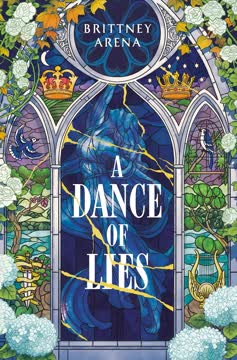
A Dance of Lies is a searing, subversive fantasy that interrogates the nature of power, trauma, and survival. At its core, the novel is a meditation on the cost of resilience—the ways in which pain can both shatter and shape us, and the courage required to reclaim agency in a world determined to break us. Through Vasalie's journey, Brittney Arena offers a radical reimagining of the fantasy heroine: not a flawless warrior, but a woman marked by suffering, disability, and the scars of abuse. The story's emotional arc is one of hard-won hope, the promise that even in the aftermath of violence, healing and justice are possible. The novel's use of prophecy, performance, and political intrigue is both thrilling and incisive, exposing the rot at the heart of power while celebrating the quiet heroism of survival. In a world where the strong so often prey on the vulnerable, A Dance of Lies insists that our worth is not measured by our wounds, but by our refusal to be defined by them. The final message is one of defiance: that even in the face of overwhelming darkness, we can choose to dance, to fight, and to begin again.
Last updated:
Review Summary
A Dance of Lies receives mixed reviews averaging 3.9/5 stars. Readers praise the disability representation, court intrigue, and character development of protagonist Vasalie, a dancer-turned-spy. Many enjoyed the slow-burn romance and political machinations. However, criticisms include inconsistent portrayal of the protagonist's chronic pain, overly flowery prose, slow pacing, and predictable plot elements. The love triangle divided readers, with "little minnow" as a nickname drawing particular mockery. Several reviewers noted similarities to Throne of Glass. The cliffhanger ending left readers eager for the sequel, though some found the disability representation performative rather than authentic.