Plot Summary
Rain and Tethered Hearts
In the rain-soaked encampment of Mecketer, Grey, a well, and Kier, her mage, are inseparable—bound by duty and something deeper. Their relationship is both professional and intimate, a lifeline in a world at war. Grey's power fuels Kier's magic, and their connection is a source of comfort and anxiety. Summoned for a dangerous mission, they navigate the muddy realities of war, haunted by the destruction of the Isle of Locke—the source of all magic. The trauma of loss, the ache of unspoken love, and the weight of responsibility press on them as they prepare to intercept a mysterious "resource" that could change the fate of nations. Their world is one of blood, magic, and the constant threat of betrayal, but together, they find a fragile sense of belonging.
Ambush on the Border Road
Grey and Kier lead their company in a brutal ambush on a convoy, tasked with retrieving a vital asset. The battle is chaotic and bloody, a testament to the horrors of their world. Grey's role as both healer and killer is on full display—her power is a weapon, her compassion a liability. The ambush reveals the true nature of their mission: the "resource" is not an object, but a terrified girl. The violence leaves scars on body and soul, and Kier is gravely wounded by the very person they were sent to save. Grey's desperation to keep him alive exposes the limits of her power and the depth of her devotion. The aftermath is a reckoning with the cost of obedience and the fragility of hope.
The Girl in the Carriage
The rescued girl, Sela, is more than she appears. Her presence unsettles the company, especially as it becomes clear she is not the lost heir everyone seeks. Grey's suspicion and protectiveness war with her empathy, while Kier's compassion nearly costs him his life. The girl's act of violence is a mirror to Grey's own past, forcing her to confront the cycle of harm and the impossibility of innocence in war. As Grey struggles to heal Kier, the boundaries between duty and love blur. The girl's identity becomes a catalyst, unraveling the lies that have kept the world in conflict and setting Grey on a path toward claiming her own truth.
Blood, Betrayal, and Binding
Grey and Kier's relationship is revealed to be more than professional—they are secretly bound, a forbidden act that amplifies their power but puts them at risk of execution. Their bond is both a source of strength and a dangerous secret. As they recover from the ambush, the politics of power and the legacy of Locke loom large. Grey's memories of her family's destruction and her own survival are intertwined with her feelings for Kier. The trauma of the past and the threat of discovery force them to question their place in a world that values power over people. Their love is a rebellion, a promise to choose each other even when the world demands sacrifice.
The Heir's Secret
The mission's true purpose comes to light: the search for the lost heir of Locke, the only one who can restore magic to the world. Grey is forced to confront her own identity as Maryse of Locke, the true heir, hidden in plain sight. The revelation is a burden—her survival has come at the cost of countless lives, and her power is both a gift and a curse. Kier's willingness to sacrifice everything for her safety is both a comfort and a source of pain. The weight of destiny, the fear of being discovered, and the longing for a life of her own make Grey's choices agonizing. The past and present collide, and the future of magic hangs in the balance.
A Mission Gone Wrong
Grey and her companions are betrayed and captured by enemy forces. The breakbloom drug severs their magical bonds, rendering them powerless. Kier, in a desperate act of love, claims to be the lost heir to protect Grey, sacrificing his own freedom. The cost of survival is steep—loyalty is tested, and the lines between truth and lie blur. Grey's rage and grief are overwhelming as she is forced to watch Kier taken from her, knowing that every choice she makes endangers those she loves. The trauma of captivity, the pain of betrayal, and the impossibility of escape drive Grey to the edge, forcing her to reckon with what she is willing to lose.
The Price of Power
In a moment of ultimate crisis, Grey and Kier leap from a cliff into the sea, pursued by enemies. Grey's power, rooted in the Isle itself, is unleashed in a cataclysmic act that resurrects Locke from the depths. But the price is Kier's life—he dies in her arms, and Grey is confronted by the ghosts of her family and the goddess Kitalma. Offered a terrible choice—Kier's life in exchange for her power or his freedom—Grey must decide what she values most. The agony of loss, the weight of legacy, and the demands of love converge in a moment of reckoning. The resurrection of the Isle is both a miracle and a curse, and Grey's decision will shape the fate of all.
The False Maryse
The truth about Sela's identity is revealed—she is not Maryse of Locke, but the daughter of Cleoc Strata, a political pawn in a game of nations. The revelation forces new alliances, as Grey, now openly the Lady of Locke, must navigate the treacherous waters of diplomacy. Old enemies become uneasy allies, and the threat of war looms as Eprain and Luthar seek to control the restored Isle. Grey's power is both a shield and a target, and her relationships—with Kier, her friends, and her godfather Scaelas—are tested by the demands of leadership. The cost of truth is high, but the price of lies is higher still.
The True Lady of Locke
Grey returns to the resurrected Isle, haunted by the ghosts of her family and the weight of her choices. The process of reclaiming her birthright is both physical and emotional—she must bury the dead, confront the horrors of the past, and accept the mantle of leadership. Kier, now bound to the Isle through their union, becomes her commander and partner in all things. Together, they rebuild, forging a new order from the ashes of destruction. The pain of loss is ever-present, but so is the possibility of healing. The Isle is both a sanctuary and a prison, and Grey must decide what kind of ruler she will be.
Resurrection and Sacrifice
The aftermath of resurrection is marked by grief and reckoning. Grey and Kier, reunited but forever changed, must navigate the consequences of their choices. The goddess's bargain hangs over them—Kier's freedom or Grey's power—and the cost of love is made explicit. The process of rebuilding is slow and painful, marked by moments of joy and sorrow. The bonds of friendship and loyalty are tested as old wounds are reopened and new ones are made. The question of what it means to be free, to be powerful, and to be loved is at the heart of their struggle. The future is uncertain, but together, they face it with courage.
The Isle Rises Again
With the Isle restored, Grey and Kier must defend it against the combined forces of Eprain and Luthar. The battle is brutal, and the cost is high—lives are lost, and the power of magic is wielded as both weapon and shield. Grey's ultimate act of ruthlessness—stripping her enemies of their power—forces a fragile peace, but at the cost of her own innocence. The aftermath is a time of rebuilding, of forging new alliances and redefining what it means to rule. The Isle becomes a haven for those who fought for it, and Grey's leadership is both feared and respected. The legacy of sacrifice endures, but so does the hope of something better.
The Battle for Locke
The final battle for the Isle is a crucible for Grey, Kier, and their companions. The violence is intimate and devastating, and the lines between friend and foe blur in the chaos. Grey's power is both salvation and damnation, and the cost of victory is measured in blood. The aftermath is a reckoning with the realities of leadership—the need to make impossible choices, to bear the weight of others' lives, and to find meaning in the ruins. The Isle is both a graveyard and a birthplace, and the survivors must decide what kind of world they will build from its bones.
Choices of Love and Freedom
With peace secured, Grey must fulfill her bargain with the goddess. The choice is stark: her power or Kier's freedom. The decision is agonizing, a culmination of all the sacrifices made and all the love shared. In the end, Grey chooses to keep her power, and Kier surrenders his freedom, bound forever to the Isle. Their love is both a triumph and a tragedy, a testament to the impossibility of having everything. The cost of happiness is real, but so is the joy of being together. The future is uncertain, but they face it hand in hand, determined to make the most of the life they have chosen.
The New Order
In the aftermath of war, Grey and Kier lead the Isle into a new era. The process of rebuilding is marked by both celebration and sorrow—old wounds are tended, new alliances are forged, and the scars of the past are honored. The Isle becomes a sanctuary for those who fought for it, and Grey's leadership is defined by both strength and compassion. The bonds of friendship and love endure, and the promise of peace is real, if fragile. The legacy of sacrifice is transformed into a foundation for something better, and the future is shaped by the choices made in the crucible of war.
The Cottage by the Sea
In the quiet after the storm, Grey gives Kier a gift—a cottage by the sea, a place of their own in the land they fought to save. It is a symbol of hope, of the possibility of happiness even after unimaginable loss. Their love, forged in blood and fire, becomes a source of comfort and strength. The Isle is both a home and a legacy, and together, they face the future with courage and tenderness. The story ends not with triumph or tragedy, but with the quiet joy of belonging—to each other, to a place, to a new beginning.
Characters
Grey Flynn / Maryse of Locke
Grey is the true heir to the Isle of Locke, living in hiding as a well and healer in Scaela's army. Haunted by the destruction of her family and homeland, she is defined by resilience, compassion, and a fierce sense of duty. Her relationship with Kier is the axis of her world—he is both her mage and her anchor, the one person she trusts with her life and her heart. Grey's journey is one of self-acceptance, as she moves from survivor to leader, from hidden power to open sovereignty. Her trauma is both a source of strength and vulnerability, and her choices are shaped by the tension between love and responsibility. Ultimately, Grey's willingness to sacrifice for others is both her greatest gift and her deepest wound.
Kier Seward
Kier is Grey's mage, bound to her by both magic and love. Raised alongside Grey, he is her equal in every way—intelligent, compassionate, and fiercely protective. Kier's power is rooted in his connection to Grey, and his willingness to sacrifice for her is both heroic and self-destructive. As a commander, he is respected and feared; as a partner, he is tender and vulnerable. Kier's journey is one of learning to accept love, to trust in his own worth, and to find meaning beyond duty. His ultimate sacrifice—surrendering his freedom for Grey's power—is a testament to the depth of his devotion and the complexity of their bond.
Sela Naudé
Sela is introduced as the supposed heir to Locke, but is revealed to be the daughter of Cleoc Strata, used as a pawn in the games of nations. Her presence forces the truth of Grey's identity into the open and becomes the linchpin for new alliances. Sela's youth and vulnerability contrast with the hardened soldiers around her, and her journey is one of survival and self-discovery. She is both a victim and an agent, her choices shaping the fate of nations. Sela's relationship with Grey is marked by gratitude, admiration, and a longing for belonging.
Mare Concord
Mare is a seasoned Hand, serving as both a mentor and a cautionary tale for Grey. Her long service has left her weary and cynical, and her warnings about the dangers of devotion and the expendability of wells haunt Grey throughout the story. Mare's death is a turning point, a reminder of the cost of loyalty and the brutality of the world. Her relationship with Grey is complex—marked by respect, pity, and the shared knowledge of what it means to be needed and used.
Ola Et-Kiltar
Ola is a well in Grey's company, known for her sharp tongue and unwavering loyalty. Her partnership with Brit is both a source of strength and vulnerability, and her friendship with Grey is marked by honesty and mutual respect. Ola's journey is one of adaptation—learning to fight with her left hand after injury, and finding new ways to protect those she loves. Her pragmatism and humor are a balm in a world of pain, and her willingness to challenge Grey is a sign of true friendship.
Brit Wyvern
Brit is a mage with a talent for metalwork, paired with Ola. Their humor masks deep wounds, and their loyalty to Grey and Kier is unwavering. Brit's journey is one of learning to trust, to find kindness in a world that rewards ruthlessness. Their relationship with Ola is a source of comfort and challenge, and their willingness to risk everything for their friends is a testament to the power of chosen family.
Eron Fastria
Eron is a typic officer in Grey's company, known for his calm, competence, and quiet loyalty. His presence is grounding, and his willingness to follow Grey into danger is a mark of deep trust. Eron's journey is one of finding purpose and belonging, and his friendship with Grey, Ola, and Brit is a source of stability in a chaotic world.
Scaelas / Vearn Torrin
Scaelas is the High Lord of Scaela and Grey's godfather, torn between duty and affection. His relationship with Grey is marked by regret, protectiveness, and the burden of leadership. Scaelas's choices are shaped by the trauma of loss and the desire to do right by those he loves, even when it means letting go. His role as both ally and authority figure complicates his interactions with Grey and Kier, and his willingness to support Grey's claim to Locke is both a political and personal act.
Cleoc Strata
Cleoc is the ruler of Cleoc Strata and Sela's mother, known for her cunning and strength. Her alliance with Grey is born of necessity, but grows into mutual respect. Cleoc's pragmatism and willingness to do whatever it takes to protect her nation make her both a formidable ally and a dangerous opponent. Her relationship with Sela is marked by love and regret, and her interactions with Grey are a study in the complexities of power and trust.
Leonie
Leonie is a healer and one of Grey's closest friends, offering both medical expertise and emotional support. Her presence is a reminder of the importance of care and the possibility of healing, even in the midst of war. Leonie's relationship with Grey is marked by honesty, compassion, and the willingness to challenge her when necessary. Her role as a confidante is crucial in helping Grey navigate the impossible choices she faces.
Plot Devices
Binding and the Mage-Well System
The world's magic is built on the relationship between mages and wells—one cannot function without the other. The act of binding, a forbidden ritual, amplifies this connection, making the pair more powerful but also more vulnerable. This system is both a metaphor for intimacy and a mechanism for exploring themes of dependence, sacrifice, and the cost of love. The narrative structure uses the mage-well bond to drive both plot and character development, with foreshadowing in the form of dreams, memories, and the ever-present threat of discovery. The tension between personal desire and public duty is embodied in the magic system itself, making every act of power a negotiation between self and other.
Hidden Identity and Political Intrigue
Grey's true identity as the heir to Locke is the central secret around which the plot revolves. The use of imposters, forged letters, and shifting allegiances creates a web of intrigue that propels the story forward. The narrative structure relies on dramatic irony, with the reader often knowing more than the characters about the stakes of each revelation. The constant threat of exposure heightens the emotional stakes and forces characters to make impossible choices. The interplay of personal and political secrets underscores the theme that survival often requires both deception and sacrifice.
Sacrifice and the Cost of Power
The story is structured around acts of sacrifice—both voluntary and coerced. The destruction and resurrection of the Isle are both acts of love and violence, with the cost measured in lives and freedom. The goddess's bargain is a literalization of the theme: every gain comes at a price, and the currency is always something deeply personal. The use of dreams, visions, and encounters with the dead serves as both foreshadowing and a means of exploring the psychological toll of leadership and love. The narrative's emotional arc is shaped by the tension between the desire to save others and the impossibility of saving everyone.
Cyclical Structure and the Return Home
The story's structure is cyclical—beginning and ending with rain, with the Isle lost and then found, with Grey and Kier together and then apart and then together again. The return to the Isle is both literal and symbolic, a confrontation with the past and a forging of a new future. The use of recurring motifs—rain, blood, the sea, the cottage by the cliffs—creates a sense of inevitability and closure. The narrative's resolution is not triumph or tragedy, but the hard-won peace of belonging and the acceptance of imperfection.
Analysis
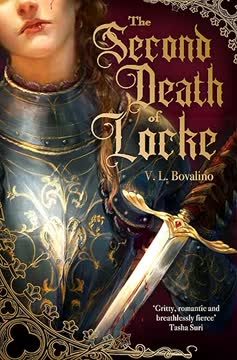
The Second Death of Locke is a sweeping fantasy that interrogates the nature of power, love, and sacrifice in a world where magic is both a gift and a curse. At its heart, the novel is a meditation on the cost of survival—what it means to live with the weight of trauma, to love in the shadow of loss, and to lead when every choice is a compromise. Through the intertwined journeys of Grey and Kier, the story explores the tension between personal desire and public duty, the impossibility of innocence in a world built on violence, and the redemptive power of intimacy and trust. The magic system, rooted in the bond between mage and well, serves as both a metaphor for and a mechanism of connection, dependence, and vulnerability. The narrative's emotional arc is shaped by the constant negotiation between agency and fate, between the longing for freedom and the demands of legacy. Ultimately, the novel suggests that true power lies not in domination or sacrifice, but in the courage to choose love—even when it means giving up everything else. The hard-won peace at the story's end is not a return to innocence, but an embrace of complexity, imperfection, and the possibility of healing.
Last updated: