


Plot Summary
Prologue
Pregnant and wounded on Rokrund’s shore, Ambessa is dragged from the battlefield into Volrachnun, the Wolf’s realm. Kindred offers her a place among its legendary warriors, but first makes her surrender a golden lamb, an image of the child she must leave behind.
Ambessa accepts a different bargain: a chance to return and claim a throne, at a price she cannot yet name. She wakes among the dead, pulls a crossbow bolt from her body, and struggles toward the citadel as labor begins. The Wolf’s promise follows her home: power is hers only if she can take it.
The opening establishes Ambessa’s central confusion between survival and worthiness. Kindred does not test whether she can kill; that skill is already proven. The ordeal asks whether she can release what she loves, and Ambessa’s answer is a bargain that turns sacrifice into a route back to power. The golden lamb binds motherhood to the cost of ambition before the adult story begins. Her return from near-death is therefore not a simple escape. It is the origin of a lifelong belief that love can be protected only by strength, and that every cost can be made meaningful if it serves a larger victory.
The Binan Palace Falls
Fifteen years after surviving childbirth, Ambessa conquers a Binan stronghold in eastern Noxus, killing its captain and taking Lady Mion prisoner. The family’s land could open trade routes and, more importantly, offer the Grand General a way toward Ionia.
In the palace, Ambessa finds vastaya prisoners whose forests are being destroyed by Ionian expansion. Their leader will bargain with Noxus for help reclaiming their home, giving Ambessa a valuable diplomatic offer.
A letter from Bel’zhun reports that her grandfather Menelik is gravely wounded, making succession urgent. Before returning, Ambessa tests her daughter Mel by asking what should happen to Mion. Mel pleads for exile instead of execution. Ambessa kills Mion herself, leaving Mel to face the bloody lesson.
The conquest is both a military victory and an audition for power. Ambessa sees the captured territory as leverage with the empire, while the vastaya offer makes conquest appear mutually useful rather than merely extractive. Her test of Mel exposes the deeper conflict: Ambessa treats mercy as a failure to anticipate future danger, while Mel sees a living person rather than a political symbol. Killing Mion after asking Mel to decide lets Ambessa preserve her own authority while making her daughter witness its cost. The scene begins the story’s argument about inheritance: a parent can offer a child the world, yet define the price so narrowly that the child cannot choose freely.
The Heir Without a Name
Back in Bel’zhun, Ambessa discovers that Ta’Fik, her cousin and rival steward, is courting the family’s allies. Menelik shares a vision of disaster threatening the clan, but postpones naming an heir, insisting he still has time. Ambessa believes his choice will be her. Her brother Katye warns that a succession struggle could destroy the family, while Ta’Fik reminds her of Zoya, his sister, whose death he blames on Ambessa.
Before dawn, Menelik dies. Ambessa declares herself matriarch, but Ta’Fik publicly accuses her of poisoning him and points to her history of sacrificing family members. Without a named heir or proof to clear her, Ambessa loses the room. She chooses to seek allies rather than fight Ta’Fik on ground he controls.
Menelik’s silence converts private grief into a public contest. Ambessa has built her identity around being chosen by him, so the absence of an heir is more than a political inconvenience: it makes her life’s guiding relationship suddenly uncertain. Ta’Fik’s accusation succeeds because it attaches itself to a real wound, Zoya’s death, rather than relying on an invented history. Ambessa’s instinct is to answer force with force, but the witnesses and allies in the room make violence strategically costly. For the first time, her own reputation becomes a weapon in someone else’s hands. Her retreat is therefore a tactical choice made under emotional pressure, not a surrender of ambition.
A Fighter Leaves the Pits
At Bel’zhun’s Reckoner Arena, Ambessa watches Rell Canwell defeat a mounted champion through nerve and improvisation. She sees a fighter worth shaping, despite the girl’s volatile anger and parents’ obvious interest in her winnings.
Ambessa visits the Canwell home and offers Rell a place among the Wolf’s Reapers, with training before any frontline duty. Rell accepts, leaving parents who have treated her talent as a source of income. Ambessa then approaches Valif, leader of the Suns of Bel’zhun, rebels she once defeated.
She offers them permission to raid Ta’Fik’s shipping while sparing her own vessels. The accord gives her an ally inside the city. With her family and most of her troops still in Bel’zhun, Ambessa prepares to leave and gather support.
Rell’s recruitment reveals what Ambessa recognizes in a fighter: not polish, but the capacity to learn under pressure. The girl’s decision also contrasts with her parents’ possessive investment in her talent. Ambessa offers Rell both opportunity and danger, though she frames the bargain more honestly than the Canwells have. The agreement with Valif extends the same logic to politics. Ambessa can cooperate with people she previously fought because the present need outweighs the old grievance. Yet these alliances remain instrumental, tied to pay, protection, and shared enemies. The section shows Ambessa’s strength as a strategist while asking whether she can build bonds that survive once usefulness changes.
Mel Makes Her Own Mark
After Ambessa leaves, Mel refuses to follow her uncle Katye to Rokrund, choosing instead to remain with her father Azizi and brother Kino in Bel’zhun. At an artists’ market, she meets a Rakkor painter who speaks about beauty and makes her question whether devotion needs her mother’s approval.
Mel asks him to tattoo her in gold, turning her skin into a deliberate statement of identity. The painter, Rudo, is secretly Mel’s father, a mage working with the Black Rose; protective runes hidden in the tattoos will conceal any magic she might inherit.
Mel does not know this. She discovers Ta’Fik’s advisor Inyene leaving the compound late at night and keeps her new markings secret. Ambessa recognizes the work but chooses not to expose Rudo’s presence.
Mel’s tattoos are an act of authorship: she chooses pain, imagery, and permanence for herself rather than accepting her mother’s definition of strength. The choice does not make her independent of family so much as make that dependence more complicated. Rudo’s hidden protection turns the gold into a double sign, both visible self-expression and concealed magical restraint. Mel experiences it as beauty; he experiences it as a shield against the organization that shaped him. Their separate meanings foreshadow how often care in this family arrives disguised as control. Mel’s refusal to return to Rokrund is not simply rebellion. She wants a chance to contribute without first becoming a smaller version of Ambessa.
The Golden Dancer Burns
Ambessa sails north with Rictus, Rell, and Caprian, the vastaya envoy whose knowledge may open Ionia to Noxus. Unmarked ships attack the flotilla with cannon fire and magic, sinking one vessel and setting the Golden Dancer ablaze.
Ambessa orders the crew into the water, but first forces the terrified Caprian from his hiding place so he can survive with them. The group reaches shore separated and exhausted. They find Caprian apparently dead, then revive him by forcing seawater from his lungs.
A force led by Geskir, twin of Ta’Fik’s ally Gessik, captures the survivors and takes them to Steward Smik in Trannit. Smik confirms his support for Ta’Fik and sends Ambessa’s people to a hidden prison. Ambessa sees that her political opponents have turned her journey into a trap.
The attack strips Ambessa of the advantages she usually trusts: ships, numbers, and command over a visible battlefield. Her choice to abandon the Golden Dancer is a literal sacrifice of the past, but survival depends on persuading others to act when fear freezes them. Caprian’s panic mirrors Ambessa’s own vulnerability, though she responds by issuing orders rather than admitting uncertainty. His survival makes that response consequential instead of merely authoritarian. Smik’s capture confirms that the succession dispute has become coordinated warfare. The sudden loss of her fleet also narrows Ambessa’s options, forcing her to rely on judgment and relationships rather than the machinery of her power.
Mel Loses Her Father
While Ambessa is away, Mel and Kino try to draw Ta’Fik’s daughter Tivadar into their circle. Mel recognizes in Tivadar the loneliness of a younger sibling overshadowed by a more celebrated heir, and the two begin to trust each other.
Meanwhile, Mel grows closer to Rell’s fellow rider Tora through their shared connection to the arena and the warband. Azizi takes Mel out for a private talk about Ambessa’s fear and the way it hardens her. Their carriage suddenly overturns. Mel survives with a broken arm, but Azizi dies beside her.
Tivadar arrives with food, yet Kino suspects her because she knew their route. Elora, a young woman who helped pull Mel from the wreck, notices that no driver is visible, giving Mel a first clue that the crash may not have been an accident.
Azizi’s death removes the family member best able to translate between Ambessa’s hard demands and her children’s emotional needs. His conversation with Mel gives her a framework for understanding fear, but it cannot protect either of them from political violence. Mel’s suspicion of Tivadar shows how quickly grief recruits the habits of the world around her: she begins interpreting friendship as possible betrayal. Elora’s observation matters because it redirects the question from who benefits to what physically happened. The scene also parallels Ambessa’s pattern of leaving loved ones behind for campaigns. Distance is no longer an abstraction; it has a body, a broken carriage, and a daughter who must decide what to believe.
Vindor Opens a Road
Ambessa escapes Trannit by whistling commands that turn Smik’s poorly handled drakehounds against their keeper, then steals horses with Rictus, Rell, and Caprian. She abandons the imprisoned members of her force rather than lose time pursuing a rescue.
In the mountains, wild drakehounds nearly kill the group, but Steward Amenesce of Vindor arrives with scouts and drives them off. Amenesce initially refuses to commit cavalry, yet Ambessa exposes how Ta’Fik’s ally Jeon is threatening Vindor. Jeon’s arrival and blockade push Amenesce to help.
She lends swift mounts and sends cavalry toward Rokrund. At the capital, Ambessa presents Caprian and his knowledge of a route into Ionia to Grand General Darkwill. He accepts the envoy but leaves the family succession unresolved, giving Ambessa no immediate guarantee of support.
Ambessa’s escape is a compact demonstration of adaptive command: she recognizes the drakehounds’ training, exploits the handler’s weakness, and turns captivity into an opening. Yet she also leaves her imprisoned soldiers behind, making strategy inseparable from the people it discards. Amenesce’s hesitation offers a more political kind of resistance. Rather than being persuaded by Ambessa’s confidence, she acts when Ta’Fik’s network directly threatens her own domain. Darkwill’s reception sharpens the difference between imperial interest and personal loyalty. He takes the valuable information but refuses to resolve Ambessa’s claim. The empire will reward what it can use, not necessarily protect the person who delivered it.
The Rune Soldiers Strike
At the capital’s tribute gathering, Ambessa learns that Ta’Fik’s soldiers are moving against Rokrund and rides home with Amenesce’s swift mounts. In the first clash near the saltpetre mines, she discovers why her forces are losing: Ta’Fik’s fighters move with unnatural speed and strength, their bodies lit by runes.
Ambessa’s attack on Gintara’s smaller force fails, and Rell nearly dies when a basilisk turns on her. Rell’s panic releases an unknown power that crushes the beast’s metal armor inward, saving her and forcing a retreat.
Ambessa wakes wounded and learns that the rune-soldiers seize and collapse in painful fits. She gives Rell metal to practice with and orders scouts to locate the enemy’s remaining troops, recognizing that Rell’s power may be essential to defending the citadel.
The first defeat punctures Ambessa’s belief that superior training and numbers will always decide a battle. The runes make her opponent’s bodies into weapons while hiding the cost until those bodies fail. Rell’s power arrives through fear rather than mastery, so the same event that saves Ambessa also exposes a young fighter to a force she cannot yet control. Ambessa quickly translates wonder into military use, an instinct that makes her effective and threatens to turn Rell into another instrument. Rictus’s observation about the rune-soldiers’ collapse gives them a possible weakness, but not a simple solution. Victory now requires understanding a system Ambessa did not create and cannot command.
A Daughter Is Taken
Ambessa’s forces ambush Smik’s warband in a mountain pass and kill the steward, but Rell’s first battlefield kills leave her shaken. At Rokrund, Gintara’s rune-enhanced troops assault the citadel.
Rell’s uncontrolled metal magic scatters lethal shards, then lets her bind Gintara and help the defenders survive until Amenesce’s cavalry arrives. Ambessa captures Gintara, and later asks Rell to execute her as a test of resolve. Rell does, and Ambessa offers her adoption into the Medarda family, including a place beside Mel and Kino.
At the victory feast, Rell dances with Tora. A figure wearing Ambessa’s face lures Rell away and strikes her with magic. By morning, Rell is gone; the damaged wolf clasp she received from Ambessa is the only trace.
Rell’s admission to the family is made through two different tests: her ability to protect others in battle and her willingness to kill a captive when Ambessa frames killing as necessity. The offer of belonging answers the Canwells’ exploitation, but it also ties Rell’s future to Ambessa’s standards. Rell accepts the name while still worrying that she is valued mainly for her power. Her growing affection for Tora gives her a life beyond warfare, briefly widening the future she can imagine. The false Ambessa’s arrival exploits the trust the real Ambessa has built. The abduction is therefore not merely a tactical setback; it makes the family’s own image unsafe.
Rudo Names the Enemy
Sailing back toward Bel’zhun without Rell, Ambessa’s ship is attacked by rune-enhanced fighters led by Stefana, the sailor who once rejected Ambessa’s offer. A hooded mage destroys the enemy vessel and saves Ambessa. He reveals himself as Rudo, Mel’s father and the man who secretly tattooed her.
He admits that he and Inyene have worked for the Black Rose, developing runes to empower Ta’Fik’s soldiers and experiments that can transfer magical ability between people.
Rudo insists he did not take Rell and offers to guide Ambessa to the laboratory where she may be held. He explains that Mel’s tattoos hide and suppress any inherited magic. Ambessa accepts his information but keeps him under guard, unable to separate her need for his help from her anger at his secrecy.
Rudo’s return collapses several kinds of distance at once. He is a lover from Ambessa’s past, the absent father of Mel, and a participant in the forces threatening her new protégé. His protective act cannot erase his complicity, just as his complicity does not make the protection false. Ambessa’s response is characteristically divided: she needs knowledge more than reassurance, but she cannot treat the source as neutral. The tattoos gain a second meaning, revealing that Mel’s chosen beauty also contains an imposed safeguard. Rudo’s confession shifts the conflict beyond a family succession dispute. Ta’Fik is now the local face of a larger magical organization seeking influence over Noxus.
Bel’zhun Welcomes Her Back
Ambessa reaches Bel’zhun and finds Mel and Kino alive, though both are grieving Azizi. She learns that Mel and Elora have been investigating the carriage crash and that Mel has become friends with Tivadar.
Ambessa wants to seize Tivadar as leverage against Ta’Fik, but Mel argues that her cousin should be allowed to choose whether to help. Ambessa reluctantly gives Mel a chance to speak with her. Tivadar admits Ta’Fik had ordered her to harm Mel, yet she has not followed that order and agrees to confront her father.
Kino separately tells Ambessa that Valif suspects the Black Rose caused Azizi’s death. Ambessa shuts down his investigation, fearing the organization will target him, then leaves with Rictus and Rudo to pursue Ta’Fik and recover Rell.
Mel’s appeal for Tivadar is a direct challenge to Ambessa’s political grammar. Ambessa sees a hostage and a bargaining instrument; Mel sees a person whose loyalties have not yet been decided. The possibility that Tivadar defied her father confirms that Mel’s trust is not simple naivety, though Ambessa still interprets it as risk. Kino’s investigation introduces another tension: Ambessa’s protective secrecy may shield her children, but it also denies them agency and information. The siblings are no longer only the heirs she must prepare; they have begun making independent judgments. Ambessa allows Mel a narrow choice, but she continues to control the larger movement, preserving the gap between permission and trust.
The Price of the Throne
In Tereshni, Tivadar maps the routes into Ta’Fik’s palace while Rudo reveals a deeper secret: he killed Menelik after learning that the old man intended to name Ta’Fik heir. Ambessa’s claim rests partly on a murder committed in her name, though she never authorized it. Their assault begins when Rudo strips runes from Ta’Fik’s soldiers, turning their borrowed strength against them.
Inyene confronts him, and Rudo draws the runes into himself, unleashing a fatal surge of magic that burns through the palace. In the kennels, Ambessa challenges Ta’Fik to single combat. She defeats him, then kills him despite Tivadar’s plea to let the feud end. Ambessa also kills Tivadar, extinguishing the branch of the family she had hoped to recruit.
The climax makes Ambessa’s victory morally unstable before she earns it. Rudo’s confession reveals that her succession campaign was built on a choice made without her knowledge, depriving her of the clean legitimacy she believes she is defending. His last act is both resistance to the Rose and an attempt to repair damage he helped create. Ambessa’s duel with Ta’Fik resolves their physical contest, but Tivadar’s plea offers a different form of victory: ending the inherited cycle rather than winning it. Ambessa cannot accept that possibility. Her decision to kill Tivadar completes the pattern Ta’Fik accused her of, choosing security and revenge over the living person asking her to stop.
The Laboratory Is Empty
After Ta’Fik’s defeat, Ambessa and Rictus ride to the desert laboratory where Rell was supposed to be held. They find restraints, experimental notes, and records of young mages left catatonic after their powers were taken, but no sign of Rell.
Ambessa burns the papers, destroying Inyene’s immediate research without recovering the captive. On the dunes, the Pale Woman appears in borrowed faces and admits that she has taken Rell to replace the mages lost in the experiments.
She dismisses Ta’Fik as a useful puppet and warns Ambessa that the Black Rose’s reach exceeds one laboratory. Ambessa’s wounds and her discovery leave her with no victory to celebrate. She turns back toward Bel’zhun, fearing for Mel and Kino and carrying a new enemy she cannot defeat by force alone.
The empty laboratory denies Ambessa the rescue that would make her sacrifices feel proportionate. The notes provide evidence of the Black Rose’s methods, but evidence cannot substitute for Rell’s presence. Burning the research is an act of refusal and perhaps guilt: Ambessa destroys the machinery of harm while remaining unable to undo what it has done. The Pale Woman’s appearance reframes the war. Ta’Fik was not the architect of the whole conflict but a local instrument in a much older design. Ambessa’s martial instinct remains powerful, yet the adversary now operates through impersonation, secret knowledge, and replacement. The section exposes the limits of command when the enemy can make trust itself unreliable.
A Throne Costs a Daughter
Ambessa returns to Bel’zhun and learns that her allies held Rokrund, aided by Darkwill’s fleet and troops from Krexor. Mel and Kino have kept the city from falling, while the Suns remain useful allies. Ambessa confirms Ta’Fik is dead but conceals what happened to Tivadar. Mel soon confronts her with the truth and accuses her of breaking their promise.
Rather than admit uncertainty, Ambessa declares Mel unfit to inherit and orders her to Piltover, where the Black Rose is less likely to find her. Mel leaves a painting by Rudo behind, making her departure a final attempt to show her mother who she is. Ambessa breaks Menelik’s desk in grief, then resumes planning. The succession is settled, but her family has become another cost of rule.
Ambessa’s final decision is protective and coercive at once. She sends Mel away to shield her from the Black Rose, yet uses the language of failure to make the separation difficult to refuse. This is not simply strategic deception; it repeats the maternal error that has defined their relationship, treating a child’s safety as something the parent can determine without the child’s consent. Mel’s painting offers a form of communication Ambessa cannot answer in the moment. The broken desk registers the emotion her public authority suppresses, but grief does not change the order. The ending grants Ambessa the clan leadership she pursued while making clear that command cannot guarantee intimacy or preserve the people it claims to protect.
Epilogue
Rell wakes in a Black Rose prison, gagged and weakened, then is forced into a makeshift arena against Saida, another young mage. Rell wins by shaping scrap metal into a horse and using it to trap her opponent. The captors then bind both girls and transfer Saida’s magic into Rell, leaving Saida alive but nearly emptied.
Rell understands that the arena is not a test of skill but a machine for harvesting power. She cannot yet escape, but she promises herself that she will free the other captives and make the Black Rose answer for what it has done.
The epilogue turns Rell’s disappearance into a new captivity story, while correcting her belief that Ambessa personally betrayed her. The false rescue was a calculated impersonation, and Rell’s trust in the person who recruited her becomes a vulnerability the Black Rose can exploit. Her victory over Saida is not clean triumph: it makes her complicit in the transfer of another girl’s power before she understands the system. That knowledge changes her anger from personal grievance into solidarity. Rell’s promise to escape with others creates a counterpoint to Ambessa’s model of survival through individual strength. In the prison arena, winning matters, but refusing to accept the captors’ rules matters more.
Analysis
The novel’s central conflict is not simply a contest between two cousins for leadership. It is a struggle over what leadership means when a family defines itself through strength, sacrifice, and inherited rules. Ambessa believes she protects the Medardas by making hard choices before others can hurt them. That logic has brought her military success, but the story repeatedly shows its relational cost: Mel learns that her mother’s protection can feel like dismissal, Rell fears becoming useful rather than loved, and Tivadar’s loyalty is treated as a resource to secure. Ambessa’s greatest talent, decisive action, is also her most persistent blind spot.
The parallel stories of Mel and Rell test different forms of inheritance. Mel is trained to observe, negotiate, and make room for another person’s choice. Rell is trained through combat and discovers a literal power over the materials of warfare. Ambessa sees both as possible assets to a future clan, but their strongest growth occurs when they act beyond her instructions. Mel’s defense of Tivadar challenges inherited hostility; Rell’s concern for comrades complicates the fantasy of glorious combat. Their abilities matter, yet the novel refuses to equate ability with readiness or moral worth.
The Medarda Code operates as both safeguard and instrument. Its language can bind a family to mutual obligation, but Ambessa uses it to sanctify decisions that the Code might also condemn. Ta’Fik’s grievance over Zoya exposes that contradiction, while Rudo’s confession makes Ambessa’s claim to succession depend on an act she did not choose but benefits from. The resulting victory does not settle the question of who deserved power. Instead, it shows how political legitimacy can be assembled from wounds, narratives, and selective memory.
The ending offers no uncomplicated triumph. Ambessa secures the clan’s leadership and removes Ta’Fik, yet loses Rudo, Tivadar, and Rell, and sends Mel away by denying her place beside her. Her victory preserves the institution while damaging the relationships that might have made it worth preserving. The book’s sharpest insight is that sacrifice does not automatically become noble because a leader names it necessary. Power may protect a family from external defeat while reproducing, inside the family, the very injuries it claims to prevent.
Review Summary
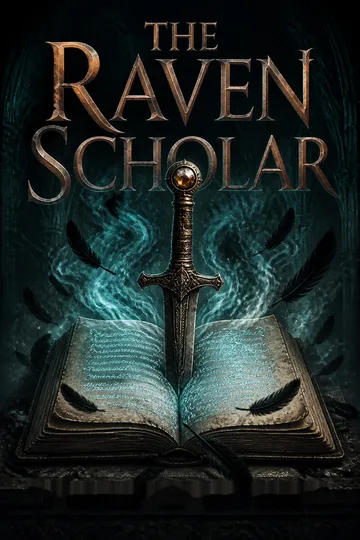
Ambessa: Chosen of the Wolf is a fantasy novel set in the League of Legends universe, following Ambessa Medarda's rise to power. Readers praised Clark's compelling characterization of Ambessa and other characters, particularly Mel and Rell. Many enjoyed the political intrigue, action scenes, and expanded lore. Some found the pacing inconsistent and wished for deeper exploration of certain elements. Overall, fans of Arcane and League of Legends appreciated the book's insights into familiar characters, while newcomers found it accessible as a standalone fantasy novel.
People Also Read




Characters
Ambessa Medarda
The iron matriarchA Medarda war leader shaped by Menelik’s demanding instruction, Ambessa measures danger quickly and prefers decisions that can be enforced. She sees strength as a form of care: if she can make her children and soldiers harder to defeat, she believes she can keep them safe. That conviction gives her formidable discipline, but it also makes her mistake obedience for readiness and sacrifice for proof of love. Her ambition is not merely personal advancement; she believes the clan needs a powerful leader to survive. Yet her fear of losing control makes her protectiveness severe, especially with Mel, whose diplomatic instincts challenge Ambessa’s narrow definition of strength.
Mel Medarda
The diplomatic heirAmbessa and Azizi’s daughter, Mel is observant, politically curious, and more attuned to other people’s pain than her mother considers safe. She understands that influence can come from conversation, social ties, and reading what others need, not only from force. Ambessa’s expectations leave her feeling that she must either become a warrior or remain useless, so Mel searches for forms of self-expression and competence she can claim herself. Her gold tattoos mark that search, while her friendships with Tivadar and Elora show her willingness to trust beyond family lines. Mel’s challenge is to make compassion an active political strength rather than a quality others dismiss as weakness.
Rell Canwell
The arena-born mageA fierce young Reckoner from a struggling family, Rell has learned to fight in public while enduring pressure from parents who treat her winnings as their route to a better life. She is daring, blunt, and eager to prove that her future belongs to her. Ambessa recognizes her instincts and offers training, but Rell’s growth is not a simple conversion from raw talent to disciplined soldiering. She must confront battlefield fear, the burden of taking lives, and a startling power over metal that she cannot initially control. Her relationship with Tora gives her a source of tenderness beyond combat, while her need for belonging makes her vulnerable to people who promise to recognize her potential.
Rictus
The steadfast bladeAmbessa’s second-in-command, Rictus was once a Reckoner whose skill earned him a place in her warband. He is physically imposing but rarely wastes movement or words, and his calm gives Ambessa a reliable counterweight when anger narrows her judgment. His loyalty is not mindless: he repeatedly urges her to consider the wider campaign, the soldiers she risks, and the difference between necessary action and impulse. Rictus trains Rell and recognizes her promise without confusing potential with readiness. He is one of the few people who can challenge Ambessa without seeking power over her, making his presence both military support and an uncommon form of honest friendship.
Ta’Fik
The rival stewardAmbessa’s cousin and fellow student of Menelik, Ta’Fik is a capable steward whose political skill and financial influence attract allies. He has spent years carrying grief and resentment over the death of his sister Zoya, whom Ambessa failed to save during a clan trial. His hatred is personal, but he can turn it into an effective public argument by presenting Ambessa’s ruthlessness as proof that she cannot be trusted with the family. Ta’Fik values more than battlefield strength, seeing commerce, alliances, and careful positioning as ways to build power. His conflict with Ambessa is therefore a dispute over both succession and what the Medarda family should become.
Rudo
The hidden mage fatherA gifted celestial mage and Mel’s biological father, Rudo moves between an artist’s attention to beauty and the secretive discipline demanded by the Black Rose. His past with Ambessa was passionate, but he chose distance to keep Mel hidden from the organization that employed him. Rudo is protective and tender, yet his secrecy and participation in magical experiments make those virtues difficult to separate from complicity. He tends to delay decisions until harm becomes impossible to ignore, then acts with great force and personal cost. His relationship with Inyene resembles family as much as partnership, which makes his break with the Black Rose a conflict between old loyalty and the child he has kept secret.
Kino Medarda
The silver-tongued sonAmbessa and Azizi’s son, Kino is charming, socially agile, and comfortable building influence through favors, friendships, and trade. His easy humor can hide how seriously he takes his family’s precarious position. Unlike his mother, he sees words and relationships as practical forms of protection, not ornamental substitutes for strength. Kino tries to reassure Mel after Ambessa’s test and helps maintain ties in Bel’zhun while the succession crisis grows. He is not a battlefield leader, but his ability to read a room and cultivate allies gives him a different kind of political usefulness. His deepest tension is wanting to protect his family while being kept outside the most dangerous truths.
Azizi
The gentle strategistAmbessa’s husband and the father of Mel and Kino, Azizi is a Shuriman merchant and negotiator whose strengths differ sharply from hers. His warmth makes him a refuge from the Medarda household’s constant contests of authority, and his patience lets him recognize the fear beneath Ambessa’s severity. He offers his children affection without demanding that they imitate either parent. Azizi understands that money, diplomacy, and personal trust can preserve a family as surely as weapons can, which is why Ambessa sometimes underestimates his counsel. His marriage to her is both politically arranged and genuinely affectionate, a relationship built from practical alliance into a tenderness neither of them takes for granted.
Menelik
The clan’s old compassAmbessa’s grandfather and the aging head of the Medarda clan, Menelik trained her in history, war, and the family’s code. His approval became the measure by which she judged her own worth, because he offered care through challenge more often than comfort. He sees political danger ahead and fears the clan will fracture without strong leadership, yet he delays naming a successor. His teachings equip Ambessa to command but also shape the harsh standards she imposes on her children and soldiers. Menelik’s influence persists throughout the story as both guidance and burden: Ambessa follows the values he gave her even when she cannot be sure she has understood what he wanted.
Tivadar
The restless cousinTa’Fik’s younger daughter, Tivadar is a skilled Reckoner who resents being overshadowed by her older sister Gintara. She channels ambition into the arena, where speed and aggression give her a place to excel outside her father’s political plans. Her sharp manner often disguises loneliness and a desire to be recognized on her own terms. Mel approaches her as a possible friend rather than merely a source of information, and their connection gives Tivadar room to imagine a future beyond family rivalry. She is loyal, proud, and caught between affection for people and the demands imposed by the Medarda name.
Amenesce
The cavalry stewardSteward of Vindor, Amenesce is a seasoned cavalry leader, horse breeder, and practical judge of political risk. She does not give Ambessa support simply because they share history under Menelik; she first weighs what the conflict could cost her people. Her expertise is matched by a dry humor and a willingness to challenge Ambessa’s certainty. When Ta’Fik’s allies threaten Vindor, Amenesce acts decisively, providing mounts and cavalry. She is a model of leadership rooted in specialized knowledge rather than a single ideal of martial force, and her attention to Rell helps the young fighter discover abilities Ambessa cannot teach alone.
Inyene
The Rose’s rune-makerA mage and longtime associate of Rudo, Inyene develops runes intended to enhance soldiers and experiments with transferring magical power. Their intelligence and technical ambition are joined to deep loyalty to the Black Rose, whose leaders once gave them belonging and purpose. That loyalty makes them increasingly willing to treat young mages as materials for research. Inyene and Rudo share a history of danger and mutual dependence, so their disagreement is not a simple clash between good and evil. It is a rupture between people who understand each other intimately but no longer agree on what their family is entitled to demand.
Caprian
The displaced vastayaThe leader of a vastaya community displaced by the weakening of its magical forests, Caprian bargains with Ambessa for Noxian help reclaiming his people’s home. He is direct about the cost of his alliance and suspicious of promises made by an empire with its own appetite for expansion. His fear of the sea becomes a serious obstacle during the attack on Ambessa’s fleet, but he survives and continues toward the capital. Caprian represents a community seeking protection without surrendering its claim to its own land. His presence also gives Ambessa the strategic information she needs to approach Darkwill.
Gintara
The battle-tested heirTa’Fik’s eldest daughter, Gintara is an accomplished commander who has earned the confidence of her father and led successful military operations. Her competence makes her a formidable rival to Ambessa’s forces, while her close relationship with Tivadar gives the younger sister an ideal to measure herself against. Gintara is committed to her family’s cause and brings discipline to the battlefield, even when the methods behind her soldiers’ strength are hidden from her. She embodies the kind of martial capability Ambessa respects, which complicates the conflict: Gintara is not merely a symbol of Ta’Fik’s ambition but a leader with her own loyalties.
Tora
The young horse archerA Vindoran stablehand and promising rider, Tora has spent much of her life among horses and hopes to earn a place among Amenesce’s scouts. Her confidence and teasing manner make her an easy presence beside Rell, though she has not yet faced the realities of battle. Tora’s skill with a bow and familiarity with mounts give her practical value to the campaign, while her growing affection for Rell offers both girls a gentler connection than their military surroundings encourage. She is bold without being invulnerable, and her first combat experience forces her to confront the same gap between imagined adventure and lived violence that Rell faces.
Valif
The city’s rebel chiefValif leads the Suns of Bel’zhun, a local resistance movement that continues to oppose Noxian rule after the city’s conquest. He is shrewd, protective of his people, and unwilling to trust Ambessa simply because she offers a useful bargain. Their accord is built on mutual suspicion: he gets room to strike Ta’Fik’s interests, while Ambessa gains disruption inside the city. Valif’s political importance comes from knowing Bel’zhun beyond its elite compounds and from maintaining influence among people the Medardas have not fully won over. He treats loyalty as something negotiated and earned, not inherited.
Katye
The historian uncleAmbessa’s brother, Katye is a historian and political observer whose wit often disguises clear-eyed caution. He warns Ambessa that succession disputes can annihilate a family and urges her to gather strength before acting. Though he avoids the battlefield, his judgment and position in Rokrund make him an important ally. Katye understands that history is useful because it records the costs of choices people prefer to call unprecedented. His loyalty to Ambessa does not prevent him from disagreeing with her, and his counsel gives the story a counterpoint to her habit of treating patience as weakness.
Lisabetya
The Krexorian stewardSteward of Krexor and an experienced former war leader, Lisabetya is a veteran whose judgment carries weight among the Medardas. She is associated with Menelik’s generation and understands the family’s code as a living political obligation, not merely a slogan. During the succession conflict, she refuses to endorse Ambessa without sufficient certainty, even while recognizing the danger of division. Her reserve frustrates Ambessa, but it reflects a refusal to let personal history decide a public question. Lisabetya’s influence comes from her martial record, her stewardship of Krexor’s weapons industry, and her independence from either cousin’s immediate pressure.
Stefana
The defiant sailorA young Kilgrovan sailor and captain, Stefana admires the independence she sees in Ambessa but ultimately supports Ta’Fik’s side. Her loyalty is tied to her uncle Dauvin and to her own interpretation of the Medarda family’s obligations. She is brave enough to confront Ambessa directly, though her inexperience makes her vulnerable to being used by older political players. Stefana’s life at sea gives her a perspective different from the landbound stewards, and her ambition resembles Ambessa’s in its hunger for self-determination. Their encounters test whether admiration can survive when political allegiance diverges.
Boram Darkwill
The imperial generalGrand General of Noxus, Darkwill presides over an empire whose power depends on conquest, spectacle, and constantly shifting political loyalties. He welcomes gifts that advance his ambitions, including Caprian’s knowledge of a route into Ionia, but does not want to be drawn into the Medarda succession dispute. His extravagantly staged tribute gathering presents a ruler eager to embody imperial glory, even as the strained state of the capital suggests that appearance and reality are diverging. Darkwill’s relationship with Ambessa is transactional: he can provide support when their interests align, but he expects her to prove useful before he commits.
Elora
The observant friendA young woman from the inn where Mel met Rudo, Elora helps Mel after the carriage overturns. She notices details in the wreck that others might overlook and becomes a trusted presence as Mel tries to understand the accident. Elora’s calm attentiveness contrasts with the assumptions driven by grief and family suspicion. She offers Mel practical help without demanding immediate trust, giving Mel a chance to practice the openness she wants to preserve.
Steward Smik
The indebted stewardThe steward of Trannit, Smik is wealthy, politically compromised, and more comfortable buying influence than earning respect through command. His debts and desire to secure Trannit’s economic future make him susceptible to Ta’Fik’s pressure. He uses soldiers and confinement to keep Ambessa from assembling support, but his own authority depends on alliances that can turn against him. Smik illustrates how financial weakness can become political leverage in a clan where every resource has a military use.
Hanek
The capital’s Medarda brokerAmbessa’s older brother, Hanek manages Medarda interests in the Noxian capital and provides neutral ground for the rival claimants. His distance from Menelik and the family’s inner power struggle comes from old rejection and unresolved resentment. Hanek is capable and influential, but he refuses to let Ambessa dictate his loyalties. His position shows that family membership does not automatically create trust, especially when old judgments have left someone feeling permanently excluded.
Zoya
The daring younger sisterTa’Fik’s younger sister and a close companion to him and Ambessa in their youth, Zoya is remembered for courage that often outruns caution. Her insistence on joining a dangerous clan trial reflects her refusal to be treated as fragile or unworthy. She is central to the emotional history between Ambessa and Ta’Fik, representing the moment when Ambessa’s pursuit of achievement collided with her responsibility to a friend. Zoya’s memory shapes how each cousin understands loyalty, strength, and the price of ambition.
Plot Devices
Volrachnun and the Wolf
A bargain with deathIn the prologue, Ambessa enters Volrachnun after being struck down in battle while pregnant. Kindred tests her with visions and demands a sacrifice before offering her a chance to return to life and pursue a throne. The encounter establishes that Ambessa understands death through Noxian warrior culture, but also frames her ambition as a bargain whose true cost remains hidden. The Wolf’s presence recurs in the story as a measure of what Ambessa believes a worthy death should be. It connects her early survival, her sense of destiny, and her habit of treating loss as a necessary payment.
The Medarda Code
A family compassThe Code is a set of principles Menelik instills in the Medardas: put the clan first, choose one’s own path, fight with honor, take rather than ask for what can be claimed, and value clever speech alongside steel. Ambessa uses it to justify decisive action and to train her children, while Ta’Fik argues that she has distorted its meaning. Mel’s diplomacy tests whether the Code can accommodate forms of strength that do not rely on violence. The Code is a practical guide to family identity, but it can also become a language that makes harmful choices seem inevitable or honorable.
Flesh Runes
Power with a priceRudo and Inyene develop runes that can enhance a soldier’s speed and strength by inscribing magic into the body. The early versions grant dramatic power but cause pain, collapse, and seizures. Their later experiments attempt to strip magic from one person and transfer it to another, leaving victims damaged or emptied. These methods explain how Ta’Fik’s smaller forces can overwhelm veteran warbands and why Rell becomes a target. The runes also embody the story’s conflict over agency: power is treated as an improvement by those seeking military advantage, while the people altered by it bear consequences they never chose.
Rell’s Ferromancy
Metal becomes a weaponRell discovers that she can control and reshape metal, first crushing a basilisk’s armor in a moment of panic. With practice, she can turn her spear into a bracer, bind an enemy, or assemble scrap into a moving metal horse. The power makes her unusually valuable in the conflict against rune-enhanced soldiers, whose armor and weapons give her something to manipulate. It is not a simple advantage: her early use is uncontrolled, physically exhausting, and capable of harming allies as well as enemies. Ferromancy links Rell’s identity as a fighter to the Black Rose’s interest in extracting and exploiting magical talent.
The Black Rose
A hidden hand in politicsThe Black Rose is a secretive organization of mages working through agents, experiments, and political proxies. Its interest in controlling the Medarda family gives Ta’Fik’s succession bid a larger purpose than personal rivalry. Rudo and Inyene’s work for the organization connects the rune-soldiers to its effort to seize and manipulate magical power. The Rose’s use of disguise makes appearances unreliable, most painfully when someone wearing Ambessa’s face abducts Rell. Its presence widens the story’s scale while undermining the assumption that winning a visible battle means understanding who arranged it.
Download PDF
Download EPUB
.epub digital book format is ideal for reading ebooks on phones, tablets, and e-readers.








