

Key Takeaways
A missing Social Security number turned teenage worries into deportation fear
A secret changes everything. Sara is nearly thirteen when her older sister explains why she cannot apply for jobs: neither sister has a Social Security number. Their family has lived in California for years, but the government does not recognize their right to stay. Sara suddenly sees ordinary teenage problems, like acne and crushes, beside the possibility of being sent back to Iran. Her younger brother, born in the United States, is a citizen. The difference feels bewildering and unfair.
Belonging has two faces. At home, Sara is a daughter and student; in public, her family’s uncertain status limits work, travel, and security. Humor makes the shock readable, but it does not erase the fear.
The memoir makes an abstract legal category emotionally legible by showing how it enters a kitchen conversation between siblings. A person can belong socially, linguistically, and emotionally while remaining precarious in the eyes of the state. That gap helps explain why immigration status can shape daily choices even when neighbors and classmates know nothing about it. Sara’s experience is specific, not a universal template: families arrive through different routes, and legal risks vary. Its power lies in making the hidden consequences visible without reducing the family to a case file.
Sara's parents left Iran amid revolution, war, and a shrinking horizon
History sits behind departure. Sara places her family’s migration within a turbulent history. In 1953, Britain and the United States helped overthrow Prime Minister Mohammad Mossadegh after he nationalized Iran’s oil industry. The shah later ruled amid repression and growing public anger. The 1979 revolution brought the Islamic Republic, and war with Iraq followed. Sara’s parents opposed the new restrictions and feared for their children’s future.
Leaving meant separation. In 1982, when Iran’s borders were closed, Sara’s mother took two young daughters out through a difficult route involving Paris and Zurich. Her father remained behind, then joined them in California three months later. The family left not because Iran was a caricature, but because their options felt dangerous and narrowing.
The historical frame resists the comforting idea that migration is simply a matter of personal ambition. Political upheaval, foreign intervention, and family safety converge in the decision to leave. The account also refuses to flatten Iran into a single story: the revolution changed daily life, but the text notes increased literacy alongside restrictions, and it distinguishes the country’s people from its governments. That complexity matters. Understanding why people leave requires attention to particular histories, not assumptions based on nationality or religion.
Nearly two decades of immigration delays rearranged the Saedi family's life
Paperwork dictates the calendar. After their visitor visas expired, the Saedis sought political asylum, then learned that their application could not be found. They pursued permanent residency through family sponsorship, a route that brought years of waiting. Sara and Samira eventually received work permits and Social Security numbers, but their pending applications still left the family uncertain.
Deadlines become family crises. The parents briefly divorced in 1992 so Sara’s mother could try to apply through her own mother, then remarried when that plan failed. Samira nearly lost eligibility when she approached age twenty-one before her case was processed. Sara and her father received green cards around 2000; Sara became a citizen in 2005. The outcome came through persistence, legal help, and a long sequence of contingencies.
The story shows bureaucracy acting not as background administration but as a force that reorganizes marriage, education, money, and family time. A deadline such as turning twenty-one can become decisive even when the applicant has no control over processing speed. The family’s eventual success should not be mistaken for a predictable route: they had entered on visitor visas, had relatives who could sponsor them, and could pay for legal assistance. The memoir exposes both the emotional costs of delay and the uneven access to ways through it.
When institutions stall, kinship can become infrastructure
Relatives provide practical shelter. Sara’s maternal uncle and aunt take in the family after its arrival in California, and her uncle later sponsors their residency application. Extended family offers advice, jobs, housing, and help navigating a new country. One aunt’s family escaped Iran by hiding in a truck, then crossing mountains on foot before eventually reaching the United States.
Connection takes effort. Sara and her cousins grow up as a close circle. Their uncle creates the BAD Club, a tradition of outings and sleepovers designed to keep the younger generation bonded. Sara’s relationship with Samira also changes from childhood rivalry into friendship. The family network is not merely sentimental: it helps people survive upheaval and feel less alone.
The family network resembles social infrastructure: it moves information, care, opportunity, and belonging through relationships when formal systems are slow or inaccessible. The memoir makes that infrastructure concrete through sponsors, shared homes, and an uncle who deliberately builds ties among cousins. Yet family support is not free or universally available. It depends on relatives having time, money, space, and willingness to help. Celebrating kinship works best alongside recognizing the labor it demands, especially from young people who take on caregiving roles.
Immigrant child guilt can turn every opportunity into repayment
Gratitude becomes pressure. Sara jokingly names her burden “immigrant child guilt complex,” or ICGC: the persistent sense that a child must repay parents for the sacrifices that made a new life possible. She feels pressure to succeed, avoids risks that might derail her education, and notices how her parents paid for her orthodontic care while going without similar treatment themselves.
Care can feel like a debt. Sara also helps raise her much younger brother, Kia, while her parents work long hours. Samira works during college despite their parents’ wish that she focus on school. These acts express love and responsibility, but they also reveal how children can absorb the family’s financial and emotional strain. The memoir treats the guilt with humor without pretending it is weightless.
The term captures a familiar family-systems tension: sacrifice can inspire purpose while making a child feel responsible for outcomes beyond their control. Sara’s ambition and attentiveness grow partly from seeing what her parents gave up, but gratitude becomes costly when it turns into an endless repayment schedule. The same dynamic can appear in families without immigration histories, though the specific sacrifices here are shaped by uncertain status and migration. The useful distinction is between honoring care and believing that a child must earn the right to receive it.
Trust teenagers to navigate two cultures through conversation, not caricature
Parenting defies the stereotype. Sara’s Iranian parents expect good grades and set limits, but they also let their daughters attend parties, choose careers, and make many decisions for themselves. Their guiding approach is trust paired with conversation. They fear that their children will lose family values, hospitality, and respect for elders, yet they know that bringing them to America means allowing freedoms unavailable in revolutionary Iran.
Disagreement stays discussable. Sara and her parents clash over clothing, manners, and sex. They do not always agree, but important subjects are not automatically forbidden. This complicates the stock image of the rigid immigrant household. Their parenting is shaped by personal history, financial pressures, and an effort to keep cultural difference from becoming emotional distance.
The parents’ approach models a way to transmit values without treating cultural change as betrayal. Trust gives teenagers room to develop judgment, while open conversation keeps the relationship available when they make mistakes. The portrait also avoids claiming that one style works for every family: rules reflect safety, resources, and experience, and Sara’s parents remain anxious about some choices. The more durable lesson is not permissiveness itself, but the combination of clear concern, dialogue, and a willingness to adapt rather than relying on ethnic stereotypes.
Question beauty rules before treating ethnic features as defects
Adolescence magnifies judgment. Sara’s unibrow, acne, height, and prominent nose become targets for her own insecurity and, at times, other people’s teasing. Her family has its own expectations around grooming: Iranian girls in her family wait until fifteen to shape their eyebrows, while nose jobs are common among female relatives. Her sister chooses surgery and feels better about her appearance.
Choice matters more than a slogan. Sara considers changing her own nose, then decides against it because the feature connects her to her Iranian heritage. She admits she still dislikes it. Her decision is not a tidy triumph of self-love; it is an attempt to choose for herself rather than let peer approval or family fashion decide what her face should mean.
Beauty standards operate both socially and culturally, which makes it too simple to frame the choice as either assimilation or self-acceptance. Sara’s account leaves room for contradiction: a person can dislike a feature, value its connection to heritage, and still make an autonomous decision about surgery. That nuance is more useful than demanding that people celebrate every part of their appearance. The deeper question is who gets to define a feature as a flaw, and whether a change is chosen freely or made to escape humiliation.
Family stories reveal the costs hidden inside today's freedoms
Older lives change the scale. As a teenager, Sara resents her paternal grandmother, Mamani, for her habits and constant presence. Learning her history changes that view: Mamani was separated from her sister, married young, endured abuse from in-laws, and later found comfort in religious practice after her son died.
Choices leave lasting marks. Sara’s maternal grandmother, Maman Soury, married a cousin she barely knew, then left him for his nephew. The choice fractured family relationships, separated her from children, and was followed by the drowning death of her young daughter. Sara recognizes that her own existence is connected to the lives and decisions of women she once knew only as difficult relatives. Her regret is not that she failed to admire them, but that she waited too long to ask what shaped them.
Family history complicates quick judgments because behavior that looks unreasonable in one generation may be entangled with grief, gender rules, and constrained choices in another. Sara’s retrospective attention does not turn either grandmother into a symbol or excuse every decision. It restores context to people who might otherwise be remembered only through a teenager’s irritation. Oral history can perform this work in ordinary families too, though memory is partial and stories can conflict. Asking questions early makes room for fuller accounts before silence or loss closes the opportunity.
Become a citizen without asking one culture to cancel the other
Naturalization brings mixed feelings. Sara becomes a United States citizen in 2005, after years of waiting, but the ceremony feels oddly commercial and anticlimactic. She is grateful for the right to vote and the security of returning from travel, yet she feels uneasy when congratulations imply that becoming American makes her more complete or more legitimate.
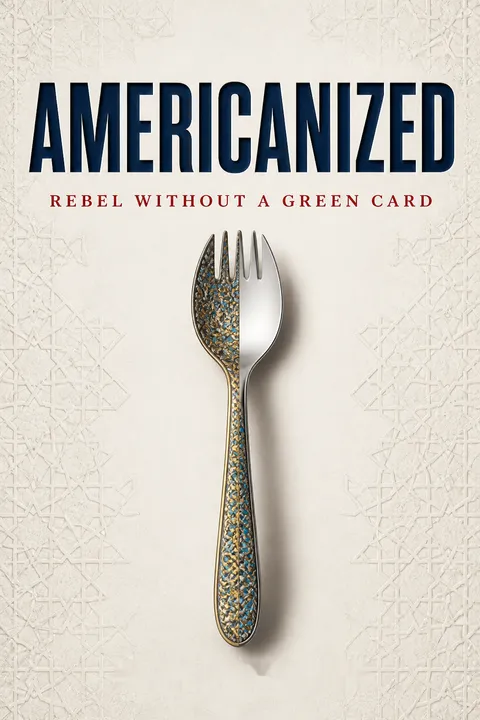
Identity resists a single box. Sara calls herself a “spork,” a combination of Iranian and American influences that does not fit neatly into either category. She has lost fluency in Farsi and sometimes feels too American for relatives and too Iranian for others. Still, she wants her child to know the family’s language and culture. Citizenship changes her legal standing; it does not erase her inheritance.
The spork metaphor treats identity as a lived combination rather than a choice between sealed cultural containers. That can be liberating, particularly when citizenship is mistaken for cultural replacement. The memoir also keeps the cost of blending visible: language loss and estrangement from relatives are not solved by a confident label. A mixed identity may feel coherent in one setting and contested in another. Belonging is therefore not a final status but a relationship maintained through language, memory, family practice, and the freedom to define oneself.
Never sign immigration papers you do not understand
Know the basic safeguards. In advice written amid the uncertainty of 2017, Sara urges undocumented young people to avoid criminal records, seek legal help, and remember they have a right to a fair hearing. The government is not required to provide an attorney, so finding qualified counsel can matter. She also warns readers not to sign documents they do not understand.
Check before acting. The book advises not to open the door to immigration enforcement unless officers present a warrant. These are practical cautions, not a substitute for legal advice. Immigration rules and enforcement practices can change, and a person’s options depend on individual circumstances. Sara’s larger point is that fear should not force someone to surrender rights or make rushed decisions without understanding the consequences.
This section turns memoir into a brief form of civic orientation, offering readers specific questions to raise with a qualified attorney rather than presenting courage as enough. That shift is important because legal systems reward procedural knowledge unevenly, and intimidation can make people waive protections they do not know they have. The guidance is tied to the book’s publication moment, so it should not be treated as current legal instruction. Its lasting value is the decision-making principle: pause, understand the document, and seek competent help before acting.
Analysis
Americanized is a memoir that uses the ordinary materials of adolescence to reveal the extraordinary reach of immigration status. A job application, a school address, a passport photo, a family vacation, and a sister’s twenty-first birthday each become points where private life meets government procedure. The comic voice matters structurally: jokes invite readers into scenes that might otherwise feel like a civics lesson, while diary entries preserve the distance between what teenage Sara understood then and what the adult narrator can interpret now.
The book’s central tension is not simply Iranian versus American identity. It is the collision between lived belonging and legal recognition, complicated by language loss, family obligation, racialized beauty standards, and the politics of the country Sara’s parents left. The final image of a spork offers a memorable answer to demands for cultural purity, but the memoir does not pretend that mixed identity eliminates grief. Sara still misses relatives, regrets lost language, and feels discomfort when citizenship is treated as a promotion from one nationality to another.
The narrative also shows how family history changes moral judgment. Teen Sara experiences older relatives as annoying, embarrassing, or incomprehensible; adult Sara learns about displacement, bereavement, violence, and constrained choices behind those impressions. This is not a simple lesson to excuse the past. It is a method of widening the frame before deciding what a person’s behavior means.
The family’s eventual legal success should be read with care. Their path depended on particular circumstances, including lawful entry on visitor visas, relatives able to sponsor them, and access to legal assistance. The memoir is not a representative map of every undocumented person’s options. Its strongest contribution is different: it makes the hidden costs of waiting and uncertainty visible, while insisting that immigrant families are more than their status. Humor, love, and cultural specificity restore the human scale that policy language often removes.
Review Summary
Americanized receives mostly positive reviews, praised for its humor, relatability, and insights into Iranian culture and the immigrant experience. Readers appreciate Saedi's candid storytelling and the book's educational value regarding immigration processes. Some critics find certain sections repetitive or less engaging, particularly those focused on typical teenage concerns. The memoir resonates strongly with Iranian-Americans and immigrants, while also appealing to a broader audience interested in diverse perspectives. Overall, it's considered an important, timely work that humanizes the immigrant experience.
Glossary
Immigrant child guilt complex (ICGC)
Guilt over parental sacrificeSara’s humorous name for the persistent guilt children of immigrants may feel about the sacrifices their parents made to create opportunities for them. In her account, the feeling can drive academic effort, caution, caregiving, and a desire to make parents proud. It is not a clinical diagnosis, but a personal label for a powerful family pressure.
Adjustment of status
Applying for residency while presentA process for applying for permanent residence from within the United States when a person qualifies through an eligible route. Sara’s family pursued it after their asylum application could not be found, using family sponsorship. The book emphasizes that eligibility depends on a person’s circumstances and that family-sponsored applications can involve long waits.
Aging out
Losing eligibility at adulthoodThe loss of eligibility for a child to receive permanent residence through a parent’s pending application after turning twenty-one, as described in Sara’s family’s case. Samira approached that age while their application was delayed. The book notes that later law changed protections for some applicants, but that those protections would not have covered her family’s particular sponsorship route.
Undocumented immigrant
Person without permanent status or visaThe book uses this term for someone who is not a permanent resident and does not have a visa authorizing residence. It also explains that filing an application for permanent residence does not itself guarantee approval, and people with pending applications may still be considered undocumented. The term describes legal status, not a person’s character or contribution.
Taarof
Ritualized polite insistenceA Persian custom of expressing politeness through ritualized offers and refusals. Guests may decline food before accepting after repeated invitations, while people dining together may insist on paying the bill and expect the other person to object. The exchange communicates generosity and respect, though it can confuse people unfamiliar with the custom.
Anchor baby
Child linked to immigration advantageA politically charged label for a child born in a country with birthright citizenship to a noncitizen parent, especially when the child’s citizenship is said to benefit the family’s immigration prospects. Sara rejects the label as inaccurate for her brother, whose birth was not planned to secure status. His citizenship did not mean the family could safely leave him behind.
DACA
Temporary protection for some arrivalsDeferred Action for Childhood Arrivals, a policy described in the book as protecting certain people brought to the United States as children from deportation and allowing them to work. The book stresses that DACA did not itself provide permanent residency or citizenship. Its rules and legal status have changed over time, so the account reflects the book’s publication context.
DAPA
Proposed protection for parentsDeferred Action for Parents of Americans and Lawful Permanent Residents, a proposed program described in the book as intended to provide deferred action and work authorization to some undocumented parents. Legal challenges prevented it from taking effect. The term refers to that proposal, not a program that granted permanent residency or citizenship.
Spork
Mixed Iranian-American identitySara’s metaphor for being shaped by both Iranian and American cultures without fitting completely into either. The utensil combines two familiar forms, just as her identity combines family heritage, U.S. citizenship, cultural practices, and language loss. The metaphor rejects the idea that becoming American requires abandoning Iranian identity.
Download PDF
Download EPUB
.epub digital book format is ideal for reading ebooks on phones, tablets, and e-readers.








