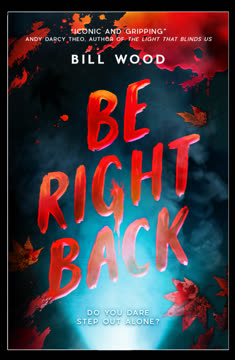
Plot Summary
Prologue: Shadows in the Manor
Amber, Jonesy, and Buffy hide in a secret passage of Carrington Manor, desperate and breathless, as the Carrington Ghoul stalks them. The atmosphere is suffocating, the manor's secrets pressing in. Their friend Cam is missing, blood on the stairs hinting at violence. When Amber peers through a peephole, she's startled by another pair of eyes—then chaos erupts. The Ghoul bursts through, and the friends flee, crashing through hidden doors. In the darkness, they find Cam, bound and bleeding, but before they can free him, terror strikes again from behind. The prologue sets the tone: isolation, dread, and the sense that the past is not done with them. The game is afoot, and the stakes are life and death.
Ghosts of Sanera High
Cam, now a coaching assistant at his old high school, tries to settle into normalcy, but the past lingers. The town of Sanera is transformed by true crime tourism after last year's murders. Cam's patience and empathy are tested by students, but he's haunted by memories of the Carrington Ghoul and the friends who've moved on. A chance encounter with Cassie, the new librarian, and a disturbing run-in with a figure dressed as the Ghoul in a dark alley, reignite his fears. The "blood" left behind is only paint, but the message is clear: the past is not buried. Cam's sense of safety is shattered, and the reader feels the creeping dread of old nightmares returning.
The Ghoul Returns
Jonesy, now at college, is recognized as one of the "Sanera Four." He and Buffy, both trying to move on, are pulled back into the mystery when Cam calls, shaken by his encounter with the Ghoul. The group's bond is strong, but distance and trauma have changed them. As they prepare for a reunion and a long-awaited interview to set the record straight, Cam's anxiety grows. The Ghoul's reappearance, the missing student, and the town's obsession with the case all point to unfinished business. The emotional weight of survivor's guilt and the longing for lost innocence are palpable.
Reunion and Rumors
The Sanera Four—Cam, Jonesy, Amber, and Buffy—reunite in their hometown, joined by Buffy's new boyfriend, Patrick. The town is buzzing with the Hallowed Fall Fest, but beneath the festivities, tension simmers. Cam confides in his friends about the Ghoul sightings and the missing freshman, Harry. The group debates whether it's a cruel prank or something more sinister. The arrival of Rick Field, the opportunistic journalist, and the town's eagerness to capitalize on tragedy, add layers of mistrust. The friends' dynamic is tested as they navigate old wounds, new relationships, and the ever-present threat of violence.
Festival of Fear
Sanera's festival is in full swing, but the mood is uneasy. The group attends Rick Field's book event, where they're thrust into the spotlight and forced to relive their trauma. The Ghoul appears in the crowd, sparking panic and chaos. The mayor's attempts to exploit the legend for profit backfire as fear spreads. The friends are drawn into a deadly game, realizing that someone is orchestrating events to mirror the horrors of the past. The festival, meant to heal, becomes a stage for new nightmares, and the emotional toll on the group deepens.
The Disappearing Freshman
Cam's concern for Harry, the missing freshman, grows as clues point to something more than a runaway. The group investigates, piecing together the timeline and realizing that the Ghoul's appearances coincide with Harry's disappearance. The discovery of a body in the alley confirms their worst fears: the killer is back, and the game is deadly. The police, led by the competent but overwhelmed Sheriff Myers, involve the group, recognizing their unique insight. The emotional impact is raw—guilt, fear, and the burden of responsibility weigh heavily on Cam and his friends.
The Ghoul Unmasked
The mayor's confession that the Ghoul was a hired actor for publicity is quickly overshadowed by the reality of murder. The group realizes they're dealing with a copycat—or something worse. The killer is using urban legends as inspiration, each murder a twisted homage. The friends are both suspects and targets, forced to confront the possibility that the killer is someone close. The emotional arc is one of betrayal and paranoia, as trust erodes and the line between fiction and reality blurs.
Copycat Legends
The group investigates the pattern of murders, discovering that each is modeled after a local legend discussed on an online forum. The Lady of Haven Lake, the Crimson Witch, and the Carrington Ghoul are all brought to life by the killer. The friends race to decode the next move, haunted by the knowledge that the killer is watching—and possibly among them. The emotional stakes rise as they realize the killer's obsession is with them, and that their own story is being rewritten as a horror sequel.
The Lady of Haven Lake
Following a clue, the group discovers a body at Haven Lake, killed in the manner of the Lady of Haven Lake legend. Security footage reveals a figure rising from the water, confirming the killer's commitment to theatricality. The group is shaken by the realization that the murders are not random, but part of a meticulously crafted narrative. The emotional impact is profound—fear, helplessness, and the sense of being trapped in someone else's story.
Crimson Witch Rising
A guitar string clue leads the group to a concert, where they narrowly prevent a massacre. The killer, dressed as the Crimson Witch, strikes, leaving a trail of blood and a message on the mirror. The group's intervention saves lives, but the killer escapes, and the sense of vulnerability intensifies. The emotional arc is one of desperation and determination, as the friends realize they are both the audience and the actors in the killer's twisted play.
The Forum's Deadly Game
The group uncovers the online forum where the killer has been planning the murders, using fan theories and urban legends as a blueprint. The killer taunts them with messages, escalating the psychological warfare. The friends struggle with the knowledge that their lives have become entertainment for strangers, and that the killer is always one step ahead. The emotional toll is heavy—paranoia, self-doubt, and the fear of being powerless in the face of evil.
The Trap at Carrington Manor
The group and the police set a trap at Carrington Manor, inviting all suspects to a gala under the guise of a museum opening. The plan is to lure the killer into the open, but the killer turns the tables, locking everyone inside and cutting off escape. The friends are forced to confront their own fears and the reality that the killer knows them intimately. The emotional arc is one of courage and sacrifice, as they prepare for a final showdown.
Locked In With Death
Trapped in the manor, the friends are hunted by the killer, who reveals himself as Patrick, Buffy's boyfriend. His motive is obsession with horror and the desire to "rewrite" the legend with a better ending. The group is forced to use their wits and their bond to survive, culminating in a desperate fight that ends with Patrick's death. The emotional climax is raw—betrayal, grief, and the bittersweet relief of survival.
Final Girl's Choice
Buffy, reeling from the revelation that her mother killed Juliet to protect her, must choose between loyalty and justice. She confesses the truth, refusing to let another lie fester. The group supports her, recognizing the cost of honesty and the pain of loss. The emotional arc is one of acceptance and the courage to face consequences, even when it means losing someone you love.
The Truths We Hide
The aftermath is a mix of relief and sorrow. The group grapples with the fallout—Buffy's mother is arrested, the town mourns its dead, and the friends must decide how to move forward. The emotional journey is one of forgiveness, growth, and the realization that healing is possible, even after unimaginable trauma.
The End Is Near
The friends return to their lives, changed but not broken. Cam finds purpose in helping to run the new museum, determined to honor the truth rather than exploit it. Jonesy and Cam's relationship deepens, Amber pursues her dreams, and Buffy begins to heal. The group remains united, their bond forged in fire. The emotional resolution is one of hope, resilience, and the knowledge that the past does not define the future.
Aftermath and New Beginnings
The Sanera Four say their goodbyes, each embarking on a new chapter. The scars of the past remain, but so does the strength of their friendship. The town of Sanera, forever changed, begins to heal. The story ends with the promise that, whatever comes next, they will face it together—or be right back.
Characters
Cam Cotton
Cam is the emotional anchor of the group, marked by patience, empathy, and a deep sense of responsibility. Once the most patient and observant of the Sanera Four, he now struggles with survivor's guilt and the burden of being left behind as his friends move on. His relationship with Jonesy is a source of comfort and vulnerability, revealing his longing for connection and fear of abandonment. Cam's development is shaped by trauma—he is both haunted by the past and determined to protect those he loves. His journey is one of reclaiming agency, facing his fears, and ultimately finding purpose in helping others, even as he confronts the darkness within himself and his town.
Jonesy Shaw
Jonesy is the group's analytical mind, introverted and deeply empathetic. His anxiety and self-doubt are balanced by a fierce loyalty to his friends, especially Cam. Jonesy's psychoanalysis reveals a young man shaped by past trauma, a difficult family life, and the need to prove himself. He is risk-averse, often the voice of caution, but rises to the occasion when his friends are in danger. His relationship with Cam is tender and grounding, providing both with a sense of belonging. Jonesy's arc is one of growth—learning to trust his instincts, take risks, and accept love, even in the face of fear.
Amber
Amber is the group's horror expert, quick-witted and fiercely protective. Her knowledge of genre tropes becomes a survival tool, but also a shield against vulnerability. Amber's psychoanalysis reveals a young woman grappling with high parental expectations, the pressure to succeed, and the trauma of past violence. She is both the group's skeptic and its emotional core, using humor and pop culture references to process fear. Amber's development is marked by her willingness to confront the truth, even when it's painful, and her commitment to justice over comfort. Her journey is one of self-acceptance and the courage to face the unknown.
Buffy Allen
Buffy is the group's newest member, charismatic and confident on the surface, but carrying deep wounds from her past. Her psychoanalysis reveals a young woman haunted by the death of her friend Nancy and the suspicion that followed. Buffy's relationship with her mother is fraught with protectiveness and guilt, culminating in the revelation that her mother killed Juliet to protect her. Buffy's romance with Patrick, who is ultimately revealed as the killer, is a study in trust and betrayal. Her arc is the most tragic—forced to choose between loyalty and justice, she emerges as the "final girl," scarred but unbroken, embodying resilience and the cost of survival.
Patrick
Patrick enters as Buffy's sweet, nerdy boyfriend, but is ultimately revealed as the mastermind behind the new murders. His psychoanalysis is that of a classic sociopath—obsessed with horror, craving notoriety, and willing to manipulate and kill to create the "perfect" story. Patrick's relationship with Buffy is both genuine and exploitative, blurring the line between love and obsession. His development is a descent into madness, culminating in his unmasking and death. Patrick embodies the dangers of unchecked fandom, the allure of infamy, and the horror of betrayal from within.
Rick Field
Rick is the town's infamous reporter, more interested in fame than truth. His psychoanalysis reveals a man driven by ego, willing to exploit tragedy for personal gain. Rick's relationship to the group is antagonistic—they resent his distortions and intrusion. He serves as a symbol of the media's complicity in sensationalizing trauma, and his presence fuels the group's determination to reclaim their narrative. Rick's development is static—he remains self-serving, but his influence wanes as the group asserts their own voice.
Cassie Liu
Cassie is the new librarian, eager to fit in and help, but her curiosity and access to information make her a suspect. Her psychoanalysis reveals a young woman seeking belonging, using her skills to aid the group. Cassie's relationship to the others is one of cautious trust—she is both an outsider and a potential ally. Her development is a study in the dangers of suspicion and the importance of empathy in a community scarred by violence.
Mayor Gomez
Mayor Gomez is the embodiment of political opportunism, willing to exploit tragedy for economic gain. His psychoanalysis reveals a man driven by fear of irrelevance, desperate to revitalize the town at any cost. Gomez's relationship to the group is adversarial—his decisions endanger them and the community. His development is a cautionary tale about the cost of ignoring trauma and the dangers of prioritizing image over safety.
Sheriff Myers
Sheriff Myers is the new law in town, determined to do better than her predecessors. Her psychoanalysis reveals a woman under immense pressure, balancing the need for justice with the limitations of her role. Myers' relationship to the group is one of reluctant partnership—she recognizes their insight but fears for their safety. Her development is marked by humility, adaptability, and the willingness to trust those who have survived the worst.
George Pérez
George is a young officer inspired by the Sanera Four, eager to make a difference. His psychoanalysis reveals a man driven by idealism, but unprepared for the realities of violence. George's relationship to the group is one of admiration and support, but his involvement ultimately leads to his death. His development is a reminder of the cost of heroism and the randomness of tragedy.
Plot Devices
Urban Legends as Murder Blueprints
The central plot device is the killer's use of local urban legends as templates for murder, each crime meticulously staged to mirror a story discussed on an online forum. This device blurs the line between fiction and reality, forcing the protagonists to use their knowledge of horror tropes to survive. The legends—Carrington Ghoul, Lady of Haven Lake, Crimson Witch—serve as both red herrings and clues, creating a meta-narrative about the power of stories to shape behavior. The device also allows for foreshadowing, as the group races to predict the next move based on the forum's discussions. The narrative structure is cyclical, returning to the site of past trauma (Carrington Manor) for the final confrontation, reinforcing the theme that the past is never truly buried.
Online Forums and Fandom
The killer's engagement with online forums is a key plot device, highlighting the dangers of parasocial relationships, groupthink, and the commodification of trauma. The forum serves as both a source of inspiration for the killer and a means of taunting the protagonists, escalating the psychological stakes. The device also allows for commentary on the role of media and fandom in shaping narratives, as the group struggles to reclaim their story from outsiders.
Locked-Room Mystery
The final act's locked-room scenario at Carrington Manor is a classic plot device, trapping the protagonists with the killer and cutting off escape. The use of modern security systems, manipulated by the killer, updates the trope for a digital age. The device heightens tension, forces character development, and ensures that the resolution is earned through ingenuity and courage rather than luck.
Red Herrings and Misdirection
The narrative employs multiple red herrings—Cassie, Rick, Kelly, even Buffy's mother—to keep the reader guessing. The device is used to explore themes of trust, betrayal, and the difficulty of knowing who someone truly is. The misdirection is not just for the reader, but for the characters themselves, forcing them to confront their own biases and fears.
Final Girl Subversion
The "final girl" trope is both embraced and subverted, with Buffy forced to choose between complicity and justice. The device allows for exploration of survivor's guilt, the cost of honesty, and the complexity of healing. The group's collective survival is framed not as victory, but as the beginning of a new, uncertain chapter.
Analysis
"Be Right Back" is a love letter to and deconstruction of the slasher and urban legend genres, using the familiar beats of horror to explore deeper questions about trauma, storytelling, and the commodification of pain. The novel interrogates the ways in which communities process violence—through myth, media, and memory—and the dangers of allowing outsiders to control the narrative. The killer's obsession with "rewriting" the past is a metaphor for the struggle to reclaim agency after trauma, and the group's journey is one of moving from passive victims to active survivors. The use of online forums and true crime fandom is a pointed critique of the ways in which real suffering is consumed as entertainment, and the ethical responsibility of storytellers. Ultimately, the novel argues that healing is possible, but only through honesty, solidarity, and the refusal to let others define your story. The emotional arc is one of loss, resilience, and the hard-won hope that, even after the worst has happened, you can choose what comes next.
Last updated:
Review Summary
Be Right Back is a thrilling YA horror sequel that reunites the Sanera Four for another mystery. Readers praise the nostalgic 90s slasher vibes, character development, and engaging plot. Many found the killer predictable but still enjoyed the twists and references. The book explores themes of friendship, trauma, and growing up. While some felt it unnecessary, most fans loved returning to the world and characters. Overall, it's a fun, spooky read perfect for October, with hopes for a third installment.