

Key Takeaways
Let a catastrophe change your life without letting it name you
An ordinary day breaks open. Kilee is sixteen, annoyed by a failed Spanish test and a broken phone, when she lights a candle in a bathroom and an explosion throws her to the floor. She wakes confused, then realizes she is burning and runs to her neighbors. The blast destroys her family’s home and changes her body in seconds. Her recovery does not mean returning unchanged to the girl she was before. She gradually comes to accept a different life while insisting that the accident is only one part of who she is.
Identity is more than appearance. Kilee’s central distinction is between what happened to her and what she chooses to do afterward. Her scars record survival, but her character is also visible in her humor, relationships, effort, and care for others.
What's striking is how the memoir refuses the easy ending in which recovery restores the old self. Kilee does not become untouched by trauma; she builds continuity between her earlier identity and the person shaped by treatment, dependence, and changed appearance. This resembles narrative identity, the way people make a life coherent by interpreting events without reducing themselves to those events. The approach is powerful, but it is not a demand that every survivor find a silver lining. Some experiences remain painful or unresolved. The useful distinction is agency without blame: a person may shape a response without being responsible for the catastrophe.
Accept help quickly; survival is often a team achievement
Rescue begins nearby. After the explosion, Kilee's dog Digger barks until she wakes, stays beside her as she staggers outside, and keeps alerting people to her distress. Neighbors pour water over her, remove burning clothing, and call emergency services. Her family arrives, and paramedics transport her by helicopter to Cincinnati Children's Hospital, then to Shriners, a specialist burn hospital.
Care is collective. Kilee had burns on 45 percent of her body, including deep burns that threatened her hands. Doctors initially estimated a 95 percent chance of survival, while warning of infection risk. She spent 38 days at Shriners, undergoing surgeries, wound care, and therapy. Digger's role matters deeply to the family, but so do the neighbors, responders, clinicians, and relatives who carried her through the emergency and its aftermath.
The story makes interdependence vivid: survival is not a solo performance of courage but a chain of timely actions, expertise, and care. Research on social support broadly links supportive relationships with better coping during illness and crisis, though support cannot guarantee a particular medical outcome. Digger's barking becomes part of the family's understanding of the rescue, but the memoir cannot establish what the dog understood or intended. That uncertainty does not diminish the emotional truth of the bond. It does, however, keep the lesson grounded: notice who is present, and make it easier for trained responders and caregivers to help.
Treat recovery as small, repeated work, not a sudden comeback
Progress is measured in inches. After surgery, Kilee can barely move her hands, arms, or legs. Her first walk outside her room covers about twenty steps and takes ten minutes. Therapy happens several times a day, alongside painful baths, stretching, and skin care. After discharge, the work continues at home and at regular appointments, often competing with school, friends, and rest.
Small gains restore possibility. Kilee practices opening her hands, picking up toothpicks, standing from the floor, and eventually driving again. Those ordinary tasks are evidence of hard-won function. She returns to soccer, first in practice and then in competition, and scores the only goal in a close game against a longtime rival. The return is not a single triumphant moment; it is built from repeated practice and many modest milestones.
This account resembles rehabilitation science, where repeated, task-specific practice helps people regain function and confidence. A small action can matter because it provides feedback: the body can do something today that it could not do yesterday. Kilee's twenty-step walk captures that shift better than a vague promise of resilience. The nuance is important: effort matters, but it does not erase injury, unequal access to care, or the need for expert treatment. Her progress depended on a specialized team and sustained support. The lesson is not that determination cures everything, but that carefully supported practice can make improvement tangible.
Pair firm rehabilitation with the patient's own pace and voice
Persistence needs a relationship. Kilee's therapists stretch her hands and arms to reduce tightness and preserve movement. One substitute therapist warns that limited progress could leave her disabled. Kilee becomes distressed and refuses an exercise that hurts her back. Her parents intervene, then reframe the work as something she is doing for her own recovery. She begins again, slowly.
Caregivers face a hard balance. Kilee's mother says that avoiding every painful exercise would undermine recovery, so she sometimes has to insist. At home, she refuses to lift Kilee from the floor when Kilee is capable of getting up herself. That refusal frustrates Kilee, but succeeding without help restores a piece of independence. The story shows both sides of rehabilitation: encouragement and patience matter, and so can clear expectations.
The episode highlights a central tension in care: rehabilitation can require discomfort, yet the person receiving treatment must remain a participant rather than a project. Autonomy-supportive care pairs meaningful goals with explanation, choice, and respect for the patient's limits. Fear-based warnings may prompt action in the short term, but they can also damage trust or make a patient feel unheard. Kilee's response improves when the purpose becomes her own recovery, not obedience to an authority figure. The book's practical insight is strongest when firmness serves agency. A useful question for any caregiver is whether a demand builds capacity or merely compliance.
Care for the family members suffering just outside the hospital
The crisis spreads through the family. While Kilee is hospitalized, her younger brother Cameron feels guilty for being at basketball practice instead of at home. He worries that he should have protected her, struggles to concentrate at school, and feels overlooked when people ask only how Kilee is doing. His mother also tries to divide her attention between Kilee's care, Cameron, the family's housing crisis, and her own exhaustion.
Support must reach beyond the patient. Cameron begins speaking with a teacher who had been burned as a child and can understand some of his fears. Over time, Kilee and Cameron become closer, but the family does not treat that closeness as an instant cure. His guilt and anxiety are part of the event's aftermath. The story makes clear that siblings, parents, and caregivers can need attention even when one person's medical needs dominate the room.
Cameron's account corrects a common imbalance in crisis narratives: the patient is visible, while the distress of siblings and caregivers can be mistaken for selfishness or background noise. Family-systems thinking treats illness as an event that reorganizes roles, attention, and emotional labor across a household. Cameron's mentor matters because the support fits him: a trusted adult with a related experience gives him room to speak without competing with his sister's needs. The family cannot distribute attention equally during an emergency, but it can acknowledge the unequal burden honestly. Naming secondary distress is not a diversion from the patient. It is part of caring for the whole family.
Turn received generosity into a channel that helps the next family
Help arrives from everywhere. Kilee's school sells candy and bracelets, local basketball games raise money, and strangers send cards, gifts, and donations. The attention comforts the family but also overwhelms them. Kilee does not want the money to become personal spending when Shriners has provided her care and other children need treatment.
Gratitude becomes an organization. Fundraisers generate nearly $32,000 for Shriners within months. Kilee and her family establish the Kilee Gives Back Foundation to direct future donations toward the hospital and its patients. A later golf event raises more than $55,000. The family also shares Kilee's story with patients and gives books to burn units. The shift is from accepting kindness to organizing it, giving people a clear place to contribute and turning a personal recovery into practical support for others.
The foundation illustrates how gratitude can become infrastructure. A spontaneous gift helps one household; a clear giving channel can coordinate many people's generosity toward a shared need. This echoes a broader principle in philanthropy: donors often want to act but need trustworthy direction. The family's decision also protects Kilee's sense of agency by making the use of donations consistent with her values. There is a caution here. Turning suffering into service can be meaningful, but survivors should not be expected to repay kindness or transform pain into public benefit. In this story, giving is Kilee's chosen response, not a universal obligation.
Choose when your story becomes public, and refuse labels that shrink you
Visibility has a cost. Kilee and her family initially hesitate to speak with reporters because the injury is private and she is still healing. Later, Kilee agrees to interviews because she hopes her story can help people understand recovery and Shriners. The attention expands quickly, from local news to national television and social media. Some viewers are supportive; others send hostile messages. Kilee dislikes being recognized by strangers and worries that people want access to the celebrity connection more than they want to know her.
Language shapes the frame. Kilee rejects the label burn victim because it makes the injury sound like her whole identity. She prefers to be understood as someone who survived and is choosing how to live. The distinction is not a denial of vulnerability; it is her way of claiming a voice in how other people interpret her body and experience.
The memoir captures a real tension in public storytelling: visibility can create solidarity and resources, while also making private experience feel owned by an audience. Kilee's changing comfort with interviews suggests that consent is not a one-time yes; it depends on timing, context, and boundaries. Her preference for survivor language is empowering for her, though no single label will suit everyone. Some people may prefer victim, patient, or no category at all. The key is not to police vocabulary but to let people name their own experience. Public attention can amplify a story, but it cannot replace the person's control over its meaning.
Rebuild normal through ordinary milestones, not a return to yesterday
Routine makes life legible again. Kilee returns to school more than two months after the explosion, still wearing compression garments and struggling with writing, doors, and daily tasks. Friends want to help, but she also needs room to do things herself. Her family builds a routine around school, therapy, stretching, bathing, and rest. The ordinary schedule gives the days structure while her body and confidence recover.
Milestones restore identity. Kilee drives again, attends prom without her garments, and returns to soccer in her senior year. These moments are not proof that nothing happened. They show that she can reclaim activities that mattered to her. By graduation, she has earned honors, played a full soccer season, and chosen a nearby college. Her new normal is made from familiar pleasures and changed circumstances, not a perfect rewind.
Routine can reduce the cognitive burden of recovery: when care tasks have a place in the day, fewer decisions must be made under stress. Equally important, ordinary milestones reconnect a person with roles beyond patienthood, such as student, teammate, friend, and young adult. Kilee's return to soccer is meaningful because it is not merely exercise; it restores a social world and a valued part of her identity. Still, visible milestones can tempt observers to assume recovery is complete. A person may resume school or sport while carrying emotional, physical, or relational effects that remain unseen. Normality is better understood as participation, not proof of total repair.
Let scars testify to survival without making them your whole identity
Acceptance develops over time. Kilee first grieves the loss of her long hair, familiar clothes, and former appearance. At sixteen, she needs her parents to help with bathing, dressing, and basic tasks. She later becomes more comfortable showing her scars, wearing clothes she likes, and answering questions from curious people. Her view changes through experience, not through a single declaration of confidence.
Meaning becomes action. Kilee describes her scars as evidence of what she has endured, while defining herself through how she treats people and what she chooses to do. She visits Shriners patients, speaks with families, and offers the kind of reassurance she once received from a former patient. Her story reaches college and new relationships, but she does not claim that scars are the whole of her. They are part of a life that keeps expanding.
Kilee's acceptance is compelling because it is embodied and gradual: confidence grows through dressing, socializing, playing, and meeting others with similar experiences. This resembles post-traumatic growth, a term used in psychology for reported positive changes after struggle, though it does not mean trauma is beneficial or that growth is guaranteed. The distinction matters. A scar can hold pride, grief, discomfort, or all three at once. Kilee's story offers a possible route, not a standard survivors must meet. Its deepest point is that visible difference need not dictate a person's identity, and accepting a body does not require pretending the injury was good.
Analysis
Beautiful Scars is a memoir of recovery, but its real subject is the network around recovery: family, clinicians, neighbors, classmates, strangers, and eventually other patients. The account moves from an ordinary teenage afternoon to a medical crisis, then through painstaking rehabilitation, public attention, family change, and young adulthood. Its alternating perspectives matter. Kilee describes the loss of independence from inside her body; her mother reveals the exhausting work of care; Cameron exposes the guilt and neglect that can shadow a sibling. Together, they show that one injury creates several overlapping stories.
The book's most persuasive idea is that identity can include an injury without being reduced to it. Kilee does not simply reclaim her old appearance or resume her old routine. She rebuilds a life through small acts of function, social connection, and self-definition. The return to school, driving, prom, soccer, and college gives that idea concrete form. Her movement from recipient of aid to organizer of support for Shriners also demonstrates how people may turn gratitude into collective action.
The memoir is not a clinical guide, and its exceptional outcome should not be mistaken for a promise. Kilee had access to specialist burn care, attentive family, sustained therapy, and a community that mobilized around her. Her initial survival estimate was grave, and her recovery involved pain, uncertainty, and favorable contingencies. The emphasis on determination is moving, but it needs that context: persistence can support rehabilitation, while medical resources and circumstances shape what recovery permits.
The book is most useful when it resists simplistic inspiration. Kilee's scars do not erase grief, privacy concerns, family strain, or frustration with being treated differently. Yet neither do those experiences dictate her future. The lasting lesson is not that tragedy makes people stronger. It is that people can make choices within a changed life, and that their chances of doing so improve when care respects both their vulnerability and their agency.
Review Summary
Beautiful Scars is a deeply moving memoir that chronicles Kilee Brookbank's recovery from severe burns after a house explosion. Readers praise the book's inspirational message, raw honesty, and multiple perspectives from family members. Many found Kilee's resilience and positive attitude in the face of adversity admirable. The detailed account of her medical treatment and recovery process resonated with readers. While some felt parts of the book became repetitive, most agreed it was a powerful story of hope, healing, and personal growth that left a lasting impact.
People Also Read


Glossary
Beautiful scars
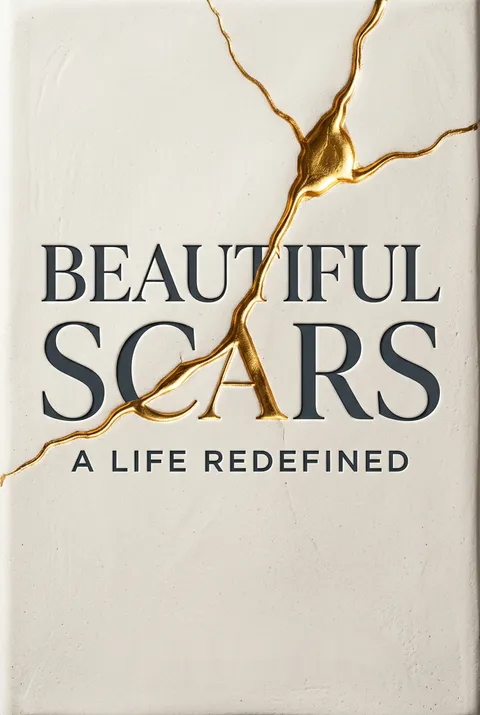
Scars as survival remindersThe book's central image for scars that record both injury and survival. Kilee comes to see her scars as one part of her life story, not as her full identity. They remind her of the work of recovery and of being alive, while her actions, relationships, and character remain central to who she is.
Burn survivor
A self-chosen identityKilee's preferred framing for herself and others who have experienced serious burns. She contrasts it with burn victim, which she feels can make the injury sound like the defining fact of a person's life. Survivor emphasizes what a person does after the event, though the book presents this as Kilee's preference rather than a label everyone must adopt.
Kilee Gives Back Foundation
A charity supporting burn patientsA foundation created by Kilee and her family to direct donations toward Shriners Hospitals for Children and support patients and families. It grew from community fundraising during Kilee's hospitalization and her decision that much of the money given in her name could help other children. The foundation also supports awareness, patient visits, and care packages.
Pressure garments
Compression clothing for burn scarsTight, custom-fitted garments Kilee wore after discharge to help manage scarring as her skin healed. They covered much of her body, including her hands and arms, and affected clothing, bathing, dressing, and daily independence. Kilee and her family describe the garments as uncomfortable and socially limiting, while also following medical guidance about their use.
Download PDF
Download EPUB
.epub digital book format is ideal for reading ebooks on phones, tablets, and e-readers.








