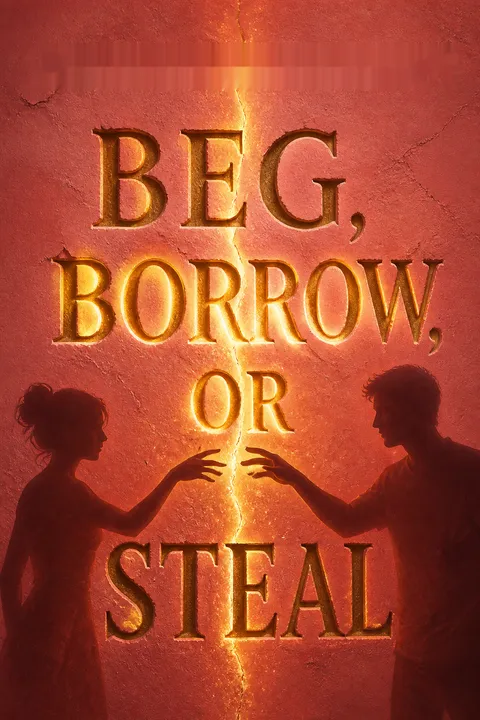


Plot Summary
The Bachelor Takes Her Table
At a Rome, Kentucky, salon, second-grade teacher Emily Walker hears that Jack Bennett, her college rival and former coworker, has called off his wedding and left his fiancée. She insists she does not care, though she has missed him since he moved away. At the coffee shop, she finds Jack in her favorite seat and learns he has returned to town permanently.
Their rivalry began when Jack spilled coffee on her during their first college meeting, then took the last seat in class. Years of competing followed, from grades and jobs to teaching placements. Now he is single, newly home, and occupying her Saturday table, while Emily’s carefully ordered life already feels less settled after her grandmother’s death.
The opening makes rivalry a form of recognition. Emily and Jack know precisely how to provoke each other because they have spent years paying close attention, even while calling that attention hatred. The canceled wedding matters less as romantic competition than as a disruption of their established distance: Jack is suddenly available, present, and difficult for Emily to dismiss. Her routines offer a sense of safety after bereavement, but his return unsettles them. The small town’s gossip also establishes that private lives in Rome rarely remain private, creating a social world that will both pressure and support the couple.
A Neighboring Disaster
Jack buys the only available house in town, the dilapidated place next door to Emily’s neat white home. When realtor Carol reveals the address, Emily decides proximity is intolerable and recruits Mabel, Rome’s sharp-tongued gossip broker, to turn the town against him.
Jack’s contractor withdraws after Emily intervenes, leaving him to attempt repairs himself. At the market, local residents tell him they have been warned not to welcome him, and he crashes into a display of soup cans while watching Emily through the window.
His clumsy renovation and the town’s sudden gifts eventually make Emily reconsider. She tells Rome to include him, insisting she is doing it for the townspeople, though Jack’s presence has already become harder to treat as a joke.
Emily’s campaign is both comic and revealing: she uses the town’s loyalty as a weapon because Rome is the one place where she feels secure. Jack’s arrival threatens not only her routines but her belief that there is room for both of them to be loved. The townspeople’s refusal to follow her indefinitely exposes the limits of control she can exert over others. Her reversal is small but meaningful. She does not yet welcome Jack personally, but she stops making belonging conditional on her approval. The community, with its affectionate meddling, acts as a corrective to Emily’s impulse to manage every uncertainty herself.
A Helmet Without a Name
After Jack’s late-night hammering drives Emily outside, she sprays his window with a hose to force him to stop. He appears shirtless, and their usual insults acquire an unfamiliar charge. Later, a helmeted motorcyclist flirts with Emily on a country road; she enjoys the attention until he turns into Jack’s driveway.
Feeling tricked, she confronts him at her door. Jack admits he let the misunderstanding continue because he wanted to know what it felt like to be someone she did not despise, and he apologizes for embarrassing her.
Emily forgives him and lets him into her home, where he praises the welcoming classroom style of her decor. When he spots mystery novels on her shelf, however, he abruptly leaves, concealing how personally they matter to him.
The motorcycle encounter briefly frees Emily from the role she and Jack have assigned each other. She can flirt because she believes the rider is a stranger, which reveals that her resistance is not a lack of desire but a defense against being seen by Jack. His apology is a break in their old rules: he accepts responsibility without trying to win the argument. Emily’s forgiveness makes room for a more generous version of their relationship. Jack’s sudden retreat at the bookshelf introduces another kind of guardedness. Each has a private creative life, and intimacy will require more than attraction; it will require choosing when to be known.
The Email in the Wrong Inbox
After Madison cancels a planned visit to pursue a New York opportunity, Emily’s loneliness overwhelms her. She drinks, then sends her secret romance manuscript to the wrong recipient: Bart, the school’s conservative principal, instead of a literary agent. Panicked, she runs to Jack for help. He finds her muddy and tearful, cleans her cuts, and protects her from the shame she expects to feel.
Once she explains the mistake, Jack discovers Bart will be away for a week, giving them time to delete the email from his computer. In return for helping, Jack asks Emily to arrange a contractor for his failed renovation. She agrees, then tells him that she wrote the book to give herself somewhere to go when real life hurt too much.
The mistaken email externalizes Emily’s central conflict: she wants her writing to be seen, yet fears exposure so intensely that one accidental click feels like the destruction of her life. Her drunkenness lowers the defenses that normally keep grief invisible, while Jack’s practical care gives her a rare experience of being helped without having to earn it. Their bargain lets Emily preserve her agency by exchanging favors rather than accepting charity. Yet Jack’s tenderness already exceeds the transaction. The novel becomes a shared secret, making the first genuine alliance between two people whose old bond depended on keeping one another at arm’s length.
Pages Between Neighbors
Sober, Emily sends her manuscript directly to Jack, who reads it overnight and arrives with a marked-up copy and concrete praise. He also offers rigorous edits, including a challenge to make the intimate scenes reflect the heroine’s emotional needs rather than simply move through physical actions.
While they act out the scene’s blocking, their playful exercise turns almost serious; a phone call interrupts before they kiss. Jack recommends a literary contact, who passes Emily’s opening chapters to romance agent Colette Menton.
Emily submits them, though she is unsure the story is ready. Meanwhile, Jack keeps his own writing career secret. His detailed understanding of editing and publishing comes from experience he does not yet disclose, even as he becomes the first person to treat Emily’s ambition as something worth pursuing.
Jack’s reading does more than validate Emily’s talent. His notes ask her to examine the distance between the heroine’s behavior and her deeper longing, a question that mirrors Emily’s own habit of treating intimacy as something efficient and self-contained. Their near-kiss grows out of collaboration, not just physical attraction: he has seen her work, and she has trusted him with it. The irony is that Jack’s professional knowledge rests on a concealed identity. His support is sincere, but secrecy complicates it. The story therefore links artistic vulnerability with romantic vulnerability, showing how encouragement can open a door while hidden truths still wait behind it.
The Closet Heist
Emily and Jack break into Bart’s house after learning his laptop may contain her manuscript. They find the computer, but Bart returns unexpectedly, forcing them into a cramped closet. While Jack deletes the email from the inbox and trash, Emily sits on his lap and realizes she trusts him in a way their rivalry never allowed.
Jack admits he avoided saying goodbye when he left for Nebraska because the thought of Emily not caring had frightened him. Their conversation turns into a kiss, but they stop when Bart goes upstairs.
Outside, Jack’s mother calls with a family crisis, interrupting their chance to continue. Emily goes home knowing the attraction is no longer hypothetical, while Jack is left facing the secret he believes he must reveal before asking her for more.
The closet compresses the book’s two forms of risk into one physical space. They have entered Bart’s house to protect Emily’s authorship, but the real breach is emotional: Jack admits that leaving her hurt, and Emily allows herself to respond rather than retreat into mockery. Their kiss is powerful partly because it remains unfinished. The interruption prevents desire from solving the harder question of trust. Jack recognizes that a relationship built on concealment would repeat the evasions he has relied on elsewhere. Their growing intimacy therefore creates pressure for honesty, not an excuse to postpone it.
Darkness at Hank’s
Emily invites Jack to Hank’s, where she steps behind the bar when the staff cannot keep up. Jack joins her, manages the unruly crowd, and stays through closing. A storm knocks out the lights, leaving them searching for their phones in the dark. Emily tells him her parents died in a storm when she was eight, and explains how she became the person who steadied her siblings through every later storm.
Jack shares that his father’s alcoholism and abuse made bars painful places for him. He came anyway because Emily was there. She admits she wants more than friendship, though she needs to move carefully. Jack kisses her, then stops, saying he cannot continue until he tells her something important about himself.
The blackout removes the social performance that usually protects both characters. Emily’s jokes have long let her disclose loss without inviting pity; here she names what she needed as a child, not just what her siblings needed from her. Jack’s disclosure similarly reframes his geniality as a survival skill shaped by an unpredictable father. Their shared histories do not make them identical, but they recognize the cost of being permanently composed. Jack’s decision to stop the kiss is an act of care and self-restraint. Desire has become consequential enough that honesty must come before comfort.
The Man Behind Ranger
Jack tells Emily that he is AJ Ranger, the successful mystery novelist she admires, and has published under a pseudonym for years. He hid his career to avoid being defined by his famous father, Fredrick Bennett, and feared that writing could become another arena for competition between them.
Emily is startled by the scale of the secret, especially when she understands how his book income paid for his expensive belongings and house, but she is proud of him rather than resentful. She accepts his trust and chooses him. At her home, they begin to make love, but a call from Noah interrupts. Emily answers, then finds an email from Colette Menton. The agent has rejected her manuscript and attached a blunt critique.
Jack’s revelation tests the exact value their new relationship has been built on: whether they can be candid without turning every difference into a contest. Emily sees that his anonymity is not vanity but protection from a father who could claim or distort his work. Her response affirms the person rather than the prestige. Yet the timing makes the secret immediately consequential. Emily’s own creative hopes are now exposed to professional judgment just as she has begun to trust Jack’s judgment. The abrupt rejection interrupts physical intimacy and shifts the conflict from disclosure to the painful question of whose opinion Emily can bear to believe.
A Rejection Comes Home
Colette’s rejection calls Emily’s characters and prose weak, and Emily turns that verdict against herself. She accuses Jack of rushing her toward submission and rejects his reassurance, pointing out that his own books had never faced rejection. She asks him to leave rather than watch her fall apart. Madison arrives unexpectedly, exhausted and crying after months of hiding how miserable she has been in New York.
Emily comforts her, but when Madison admits she wants to quit, Emily urges her to finish her culinary degree instead of choosing home solely for safety. The support helps Emily see her own double standard: she champions her sisters’ ambitions while fearing her own. She still does not know what to do about Jack or the manuscript.
Emily’s argument with Jack is not simply anger at criticism. She is defending herself against the possibility that his confidence in her is compromised by love, or by his exceptional success. Her demand for space is a real boundary, even though it hurts him. Madison’s return then gives Emily a chance to practice the support she has struggled to accept herself. She refuses to mistake retreat for failure, while also refusing to let fear make the decision for her sister. That choice begins to loosen Emily’s belief that safety means keeping everyone close and every dream untested.
A Door Left Open
At a family meal on James Huxley’s farm, Jack apologizes for pressuring Emily after her rejection and promises to respect her pace. Emily retreats to the pantry, and her brother Noah helps her face the old wound she has hidden: her high-school boyfriend did not leave by mutual agreement; he ended the relationship without asking her to follow him.
Jack leaves to deal with his parents, then finally confronts Fredrick’s manipulation and refuses to return to the family home. He reveals that he is AJ Ranger and ends his role as his mother’s protector at any cost. Emily waits for him in her truck with alcohol-free ginger beer. She admits she loves him and wants a real partnership. Jack returns that love, and they spend the night together.
The central choice is not whether Emily can guarantee that Jack will never leave; she cannot. It is whether an old betrayal will dictate every future attachment. Noah’s correction matters because Emily has carried a false version of her first heartbreak, one that made her believe she was left because she was not worth choosing. Jack’s confrontation with Fredrick enacts a parallel boundary: he stops managing a parent’s moods and accepts that he cannot rescue his mother by sacrificing himself indefinitely. Their declarations do not erase fear. They make room for a relationship in which fear can be spoken rather than obeyed.
Fredrick Steals the Reveal
The morning after Jack and Emily choose each other, Fredrick posts a video revealing that his son is AJ Ranger. He claims Jack wanted him to announce it and presents himself as a guide behind Jack’s success.
The unsolicited exposure makes Jack feel that his private refuge has been taken over and his work credited to his father. Emily finds him overwhelmed in his half-renovated house and brings him to her couch, where she surrounds him with a blanket, candy, and Ducky.
Jack regains enough steadiness to work with his agent and publicist on a response that will correct his father’s claims. He decides to speak publicly on his own terms, while continuing to teach and choosing to sell his motorcycle rather than risk adding to Emily’s fear of losing him.
Fredrick’s video repeats the emotional pattern Jack has spent his life resisting: his father takes control of the story and recasts Jack’s choices as evidence of his own influence. The injury is both professional and intimate, since writing had been the one place Jack could work without being claimed. Emily responds by doing what she once resisted: she lets another person see distress and offers practical comfort without demanding an explanation. Jack’s decision to answer publicly is a shift from secrecy toward authorship of his own identity. Selling the motorcycle is not proof that love requires surrendering every risk; it shows him reconsidering which risks matter now that he has someone to lose.
A Place at the Table
With Jack’s public announcement arranged and his career no longer hidden, Emily continues revising her book rather than letting Colette’s rejection end her ambition. Jack remains committed to teaching, and their relationship settles into the ordinary intimacies Emily once dismissed: shared meals, arguments, and comfort after difficult days.
At Annie’s flower shop, the family gathers for what appears to be a birthday celebration for Will. Annie instead kneels among magnolias and proposes to him, ending their long-running pattern of his proposals and her not-yet answers.
Will accepts, and the Walkers celebrate at Hank’s with Jack among them. Emily no longer has to choose between loving her family and making room for a partner. Their crowded table becomes a sign of belonging that does not require her to hold everyone in place.
The family celebration gives the romance a social resolution without making marriage the only measure of happiness. Annie’s proposal reverses the familiar script of Will asking and Annie delaying; she acts when she is ready, on her own terms. Jack’s place in the group is earned through small acts of participation, not through his fame or his charm alone. Emily’s movement is quieter but equally important: she can welcome change without treating it as abandonment. The ending’s communal warmth contrasts with the isolated routines that opened the novel. Belonging now means being able to leave, return, and grow without losing one another.
Epilogue
Eleven months later, Emily’s book deal is announced publicly under the pen name she chose. She celebrates the milestone with Jack, then returns to their familiar Saturday ritual at the coffee shop.
This time, Emily has saved his seat at the corner table. Her writing is no longer a private refuge she is afraid to expose; it has become a future she is willing to claim, while the shared table preserves the teasing companionship that brought her there.
The final image resolves the novel’s opening disturbance by transforming the disputed coffee-shop seat into a chosen place for both of them. Emily’s success does not depend on becoming fearless or abandoning her need for routine. Instead, she lets her routine expand to include Jack and lets her writing move beyond the secrecy that once protected it. The pen name gives her a measure of privacy while still allowing her work to enter the world, a compromise that reflects her growing capacity to choose boundaries rather than build walls. Their affection survives not by ending their rivalry but by making it safe enough to become play.
Analysis
Beg, Borrow, or Steal builds its romance around a deceptively simple question: can two people who know how to hurt each other learn to use that knowledge with care? Emily and Jack’s rivalry works because it is also a form of intimacy. They notice the details others miss, tell each other truths they soften for everyone else, and offer a rare freedom from social performance. Their arguments are not magically transformed into love; they become safer as both characters learn to distinguish playful conflict from genuine injury.
The novel treats competence as both strength and defense. Emily has made herself indispensable to her siblings and her town, partly because usefulness offers a way to keep people close. Jack has made himself agreeable, learning to manage his father’s moods and avoid exposing his own needs. Their strategies look opposite, but both are adaptations to instability. Emily controls the environment; Jack reads it. Each must learn that care is not the same as control, and that being loved does not require constant service or flawless accommodation.
Writing provides a parallel test of vulnerability. Emily’s manuscript begins as a private refuge from grief, while Jack’s pseudonym protects his work from his father’s influence. Both characters must decide whether protecting what they create means hiding it forever. The book does not pretend that exposure is painless: Emily receives a cruel rejection, and Jack’s identity is revealed without permission. Their growth lies in responding without surrendering authorship of their own lives.
Grief is treated as an ongoing condition rather than a single obstacle to overcome. Emily’s family changes as siblings pursue work, love, and distance; Jack must stop carrying responsibility for a mother who has not chosen to leave her marriage. The resolution does not freeze the family in place. It lets them move, return, and remain connected. In that sense, the novel’s love story is not a cure for loneliness. It is a practice of letting other people witness loneliness without making it a private failure.
Review Summary
Beg, Borrow, or Steal received overwhelmingly positive reviews, with many readers giving it 5 stars. Reviewers praised the chemistry between the main characters, Emily and Jack, and their development from rivals to lovers. The book was lauded for its emotional depth, exploring themes of grief, self-acceptance, and personal growth. Many found the small-town setting charming and enjoyed revisiting characters from previous books in the series. Readers appreciated the well-executed tropes, witty banter, and the author's ability to create relatable characters. Some considered it the best book in the series.
Characters
Emily Walker
The guarded problem-solverEmily is a second-grade teacher in Rome, Kentucky, and the eldest-feeling sibling in a close-knit family, even though her brother Noah is older. After her parents died when she was eight, she learned to manage fear by becoming useful, organized, and fiercely protective. Her sharp tongue and exacting routines are not simply personality quirks; they help her keep uncertainty at a manageable distance. She loves her siblings deeply but struggles when their lives move beyond her reach. Writing romance gives her a private source of pleasure that belongs to her alone. Emily is drawn to honesty, competence, and people who can meet her intensity without asking her to become softer for their comfort.
Jack Bennett
The charming private authorJack is a second-grade teacher, Emily’s long-standing rival, and a man whose warmth makes him easy for others to trust. He is observant and socially skilled, partly because he learned early to read a volatile parent’s moods and adapt to them. That skill can become self-erasure: Jack often hides what he wants to avoid conflict or protect someone else. He treasures writing but keeps much of his inner life private, wary of being defined by his famous father. Emily is unusual in his life because she challenges him directly and accepts his less polished reactions. Under the colorful clothes and easy humor, he longs for relationships where he does not have to perform.
Noah Walker
The steady older brotherNoah is Emily’s older brother and the owner of the family pie shop. Quiet and practical, he has a strong attachment to Rome and to the traditions he shared with their late grandmother. He is less verbally expressive than Emily, but he notices more than he lets on and can offer her a direct truth when she needs it. His marriage to Amelia gives him a loving partnership, while his loyalty to his family can make change emotionally complicated.
Madison Walker
The restless middle sisterMadison is Emily’s younger sister, a lively and emotionally candid aspiring chef who moves away to pursue culinary training. She loves her family but dislikes being treated as too fragile to make her own choices. Her instinct is to feel openly, whether through laughter, tears, or impulsive adventures. Madison’s relationship with Emily is especially close, which makes distance both painful and necessary as the sisters learn to support one another without controlling one another.
Annie Walker
The tender youngest sisterAnnie is Emily’s youngest sister, a gentle but increasingly self-assured woman who runs a flower business inspired by their mother. Her kindness can be mistaken for passivity, though she is thoughtful about her own needs and boundaries. Annie’s relationship with Will gives her a safe place to grow without having to follow the traditional timeline others might expect. She remains close to Emily while learning to stand firmly in her own life.
Amelia Walker
The famous sister-in-lawAmelia, known professionally as Rae Rose, is a world-famous singer who has made a home in Rome with Noah. Her fame does not erase her grounded, affectionate nature. She is enthusiastic about family rituals, protective of the people she loves, and willing to pursue a demanding career without treating marriage as an obstacle. Amelia’s warmth helps make the Walker household a place where people can be welcomed without needing to impress anyone.
Mabel
Rome’s fearless confidanteMabel was the late grandmother’s closest friend and is a beloved elder in Rome. Funny, direct, and unafraid of scandal, she trades information for her famous casserole and knows how to see through a polished excuse. Her loyalty to the Walker siblings is fierce, but she is not simply a partisan. Mabel offers practical wisdom about love, fear, and the time trust takes to build.
James Huxley
The family’s old friendJames is the Walker siblings’ longtime friend and a farmer whose family has deep roots in the area. He is easygoing on the surface, but he watches over the people he loves and does not hesitate to challenge Emily when he thinks she is hiding from what she wants. His loyalty to the family is longstanding, and his teasing often carries more care than he openly admits.
Will Griffin
Annie’s devoted partnerWill is Annie’s boyfriend, a former military serviceman and bodyguard who is pursuing a future in education. His tattoos and flirtatious reputation contrast with his steadiness and respect for Annie’s independence. He is patient about commitment and supportive of her ambitions, while his blunt humor makes him a natural fit among the Walker family’s affectionate teasing.
Fredrick Bennett
Jack’s celebrated fatherFredrick is a highly successful mystery novelist whose public charm conceals a controlling, self-centered private manner. He measures achievement by status and often expects those closest to him to accommodate his moods. His influence shapes Jack’s fear of being overshadowed and his habit of keeping important parts of himself hidden. Fredrick’s career and family position make him a powerful presence even when he is not in the room.
Diana Bennett
Jack’s gentle motherDiana is Jack’s kind-hearted mother, whose long marriage has left her accustomed to managing her husband’s moods. She loves Jack, but her tendency to excuse harmful behavior reflects years of dependence and accommodation. Her quiet presence helps explain why Jack learned to intervene in family conflict and why separating care from self-sacrifice is difficult for him.
Zoe
Jack’s former fiancéeZoe is Jack’s former fiancée, a polished and attractive woman whose relationship with him becomes strained by distance, secrecy, and mismatched expectations. Her presence helps illuminate Jack’s tendency to accept companionship without the deeper trust a lasting partnership requires. She is more complicated than the villain Emily would prefer her to be.
Bart Killick
The cautious school principalBart is the principal at Rome Elementary, a conservative, rule-minded administrator whose vacation and unattended laptop become important to Emily’s crisis. He is not malicious, but his authority makes Emily fear that one private mistake could endanger her teaching career.
Marissa
The formidable vice principalMarissa is Rome Elementary’s stern vice principal. She is difficult for Emily to approach but unusually receptive to Jack’s charm, making her a practical obstacle when the pair need access to the school. Her rigid manner gives the school’s small dramas a comic edge.
Colette Menton
The high-profile agentColette is a prominent literary agent who agrees to consider Emily’s opening chapters. Her blunt response becomes Emily’s first professional rejection and tests whether Emily can separate criticism of one manuscript from judgment of her entire potential as a writer.
Ducky
Emily’s beloved rescue catDucky is Emily’s orange rescue cat, adopted during a period of isolation. She offers steady companionship without demanding that Emily explain her feelings, and her affection reveals the nurturing tenderness Emily usually keeps behind her brisk, competent exterior.
Plot Devices
The Metal Treasure Chest
A vault for difficult feelingsEmily imagines locking her sharpest thoughts and most frightening feelings inside a heavy mental chest. The image helps explain how she maintains control in public, avoids asking for help, and keeps grief from interrupting her routines. As the story progresses, the chest becomes less a sign of strength than a measure of what she has been carrying alone. Her growing willingness to speak honestly to Jack, Madison, and Noah gives the metaphor its emotional movement: she does not become less capable, but she stops treating every vulnerable feeling as something that must be contained.
The Wrong Email
A private dream at riskAfter drinking alone, Emily accidentally sends her explicit romance manuscript to Bart, her school principal, instead of a literary agent. The mistake creates an urgent practical problem and brings Jack into her private creative life. His plan to delete the message from Bart’s unattended laptop leads to their break-in and first kiss. The device also gives Emily’s writing a concrete stake: she must decide whether the manuscript is merely a secret refuge or something she is willing to protect and pursue. Its resolution depends on Jack’s technical competence and their growing trust.
AJ Ranger
A name that protects authorshipJack publishes mystery novels under the pseudonym AJ Ranger, keeping his identity separate from his famous father and the expectations attached to the Bennett name. The alias allows his work to succeed on its own merits, but it also becomes a wall between his public life and the people who know him personally. Once he tells Emily, his private career becomes a test of their trust and a new point of pressure with his father. The name’s later public exposure forces Jack to decide whether to remain hidden or reclaim his work openly.
Rome’s Gossip Network
A town that moves informationRome’s residents pass news through salons, shops, diners, and Mabel’s information-seeking casserole. This network makes privacy nearly impossible, which creates comic misunderstandings but also supplies practical help. Emily can mobilize the town against Jack, and the town can just as readily reject her attempt to control whom it welcomes. Gossip repeatedly turns private events into communal ones, making Rome feel both intrusive and protective. The device also raises the stakes when Jack’s identity becomes public and gives the couple a community capable of absorbing their changes.
The Neighboring Houses
Forced proximity with consequencesJack’s purchase of the decaying house next door to Emily’s makes avoidance impossible. The renovation gives them repeated reasons to argue, interfere, and help one another, from construction noise and stolen supplies to Emily finding Jack a competent contractor. Their neighboring homes also mark the difference between their defenses: Emily’s tidy, familiar space represents the safety she has built, while Jack’s unfinished house reflects the instability he is trying to leave behind. Crossing between the houses gradually becomes an act of trust rather than an invasion.
FAQ
Synopsis & Basic Details
What is Beg, Borrow, or Steal about?
- Rivalry reignites in small town: The story centers on Emily Walker, a perfectionist second-grade teacher in Rome, Kentucky, and her decade-long nemesis, Jack Bennett. Their rivalry, born in college, is reignited when Jack unexpectedly moves back to town after a broken engagement and buys the dilapidated house next door to Emily.
- Secrets and vulnerability emerge: As their competitive banter and petty neighbor wars resume, deeper layers of their personalities and hidden struggles are revealed. Emily grapples with grief, loneliness, and a secret romance novel she's writing, while Jack hides his identity as a bestselling author and the trauma of a narcissistic father.
- Enemies navigate unexpected connection: Forced proximity and shared vulnerabilities, including a chaotic attempt to retrieve a misdirected email, push them past their animosity. They begin to see each other not just as rivals, but as complex individuals who understand each other's hidden pains and desires, leading to a tentative friendship and the possibility of something more.
Why should I read Beg, Borrow, or Steal?
- Sharp, witty banter: The dialogue between Emily and Jack is a highlight, filled with clever jabs and underlying affection that evolves as their relationship deepens. Their verbal sparring is both entertaining and reveals their comfort level with each other.
- Deep emotional resonance: Beyond the romance, the book explores themes of grief, trauma, perfectionism, and the fear of vulnerability with honesty and care, offering relatable insights into healing and self-acceptance.
- Charming small-town setting: Rome, Kentucky, is brought to life as a character itself, with its quirky residents, strong sense of community, and pervasive gossip, providing a warm and often humorous backdrop to the story.
What is the background of Beg, Borrow, or Steal?
- Focus on small-town dynamics: The story is set in a fictional small town, Rome, Kentucky, where everyone knows everyone's business, influencing character interactions and plot developments like the town's collective cold shoulder campaign against Jack.
- Themes of grief and trauma: The narrative is deeply informed by Emily's experience of being orphaned young and raised by her grandmother, and Jack's upbringing with a narcissistic father, exploring how these past traumas shape their adult personalities and relationships.
- Contemporary romance genre conventions: It utilizes popular tropes like enemies-to-lovers and forced proximity, while subverting expectations by grounding the romance in the characters' psychological complexities and journeys toward healing.
What are the most memorable quotes in Beg, Borrow, or Steal?
- "The best thing to hold onto in life is each other.": This Audrey Hepburn quote, used as an epigraph, foreshadows the central theme of finding connection and belonging, contrasting with Emily's initial self-reliance and fear of needing others.
- "Emily Walker. You might be able to steamroll everyone else around here into submission. But not me. Never me. If you want something from me, you'll have to ask politely.": Jack's declaration early in the book perfectly encapsulates their dynamic, highlighting Emily's usual approach to control and Jack's unique resistance to it, setting the stage for their power shifts.
- "You think you're unlovable, but I think I've never known how to love until knowing you.": Jack's heartfelt confession near the end directly addresses Emily's core insecurity, demonstrating the depth of his feelings and the transformative impact their relationship has had on him.
What writing style, narrative choices, and literary techniques does Sarah Adams use?
- Dual first-person POV: The story alternates between Emily and Jack's perspectives, offering intimate access to their thoughts, feelings, and motivations, which is crucial for understanding the nuances of their evolving relationship and internal conflicts.
- Epistolary elements: The inclusion of emails and text messages between Emily and Jack provides a unique layer of insight into their dynamic, often revealing their true feelings or intentions hidden beneath their spoken words or actions.
- Humor and emotional depth: Adams blends witty banter and comedic situations (like the bar scene or the heist) with profound emotional exploration, using humor as both a defense mechanism for the characters and a way to make heavier themes accessible and relatable.
Hidden Details & Subtle Connections
What are some minor details that add significant meaning?
- Emily's red cowboy boots: These boots, mentioned multiple times, symbolize Emily's "summertime" self – less guarded, more relaxed, and open to unexpected experiences, contrasting with her polished professional persona and representing moments when she lets her guard down, particularly around Jack.
- Jack's beaded necklaces: Initially appearing as a quirky fashion choice, Jack reveals these are gifts from former students, subtly highlighting his deep care for the children he teaches and his sentimental side, which is often hidden by his charming facade.
- The specific location of phone service at Hank's bar: The single spot in the women's bathroom where Emily can get service becomes a recurring, almost symbolic, location for moments of vulnerability and connection, first for Emily texting Jack, and later for their shared experience during the power outage.
What are some subtle foreshadowing and callbacks?
- The initial coffee spill: The chaotic first meeting where Jack spills coffee on Emily and they fight over a seat is subtly echoed throughout their early interactions, establishing their pattern of conflict and setting the stage for later moments of unexpected physical proximity and vulnerability.
- Emily's "Metal Treasure Chest of Doom": This internal metaphor for where Emily locks away her difficult emotions and antagonistic thoughts is introduced early and referenced throughout, foreshadowing the moments when her control breaks down and she is forced to confront these hidden feelings, often with Jack present.
- References to Bart's conservative nature: Early mentions of Principal Bart's strictness and disapproval of minor things (like cursing or kissing scenes) subtly foreshadow the potential severity of the consequences if he were to discover Emily's explicit romance novel.
What are some unexpected character connections?
- James Huxley's unspoken feelings for Madison: Subtle details like James watching Madison longingly at Noah's wedding, his reaction when Emily mentions Madison's dating life, and Madison keeping his T-shirt hint at a deeper, unacknowledged connection between them beyond their family-friend dynamic.
- Mabel's shared "utility cloth" with Emily: Mabel, the town matriarch, explicitly states that she and Emily are cut from the same cloth, both being likened to "hot sauce." This unexpected connection between the tough older woman and Emily highlights Emily's inherent strength and foreshadows Mabel's later role in offering Emily tough-love wisdom.
- Jack's connection to the town through Emily: Despite his initial attempts to integrate being met with resistance orchestrated by Emily, Jack's eventual acceptance by the townspeople is directly facilitated by Emily's change of heart, demonstrating her significant influence and the town's loyalty to her.
Who are the most significant supporting characters?
- Mabel: As the Walkers' honorary grandmother and town sage, Mabel provides crucial emotional support and blunt wisdom to both Emily and Jack, acting as a catalyst for their self-reflection and growth, particularly regarding their fears of vulnerability and commitment.
- Madison Walker: Emily's closest sister, Madison's own journey of seeking independence and facing loneliness in New York mirrors Emily's struggles. Her return home and willingness to be vulnerable with Emily, coupled with her fierce protectiveness, are pivotal in helping Emily process her emotions and accept support.
- Noah Walker: As the eldest brother, Noah provides a steady presence and quiet support for Emily. His own experience with change (marrying Amelia, touring) and his unexpected, insightful advice about taking chances and allowing oneself to be vulnerable are key turning points for Emily.
Psychological, Emotional, & Relational Analysis
What are some unspoken motivations of the characters?
- Emily's need to be needed: Emily's constant drive to fix problems and care for her siblings stems from the trauma of losing her parents and grandmother, creating an unspoken motivation to make herself indispensable to prevent further abandonment.
- Jack's fear of being unlovable: Jack's charming facade and tendency to adapt to others' expectations are driven by a deep-seated fear, rooted in his relationship with his narcissistic father, that his true self is not worthy of love or acceptance.
- Their mutual desire for authentic connection: Despite their initial animosity and defense mechanisms, both Emily and Jack are deeply lonely and subconsciously seeking a connection with someone who can see and accept their true, imperfect selves, which they unexpectedly find in each other.
What psychological complexities do the characters exhibit?
- Emily's perfectionism as a trauma response: Emily's need for control and order is a direct psychological response to the chaos and loss she experienced as a child, manifesting as perfectionism and difficulty accepting help or relinquishing control.
- Jack's people-pleasing vs. hidden resentment: Jack's learned behavior of charming others and adapting to their needs coexists with a buried resentment, particularly towards his father, creating internal conflict and a struggle to assert his own desires and boundaries.
- Shared avoidance of vulnerability: Both characters exhibit a strong tendency to hide their true feelings and vulnerabilities, using humor, deflection, or control as coping mechanisms, making their eventual openness with each other a significant psychological breakthrough.
What are the major emotional turning points?
- Madison's canceled visit: This event triggers Emily's deep-seated loneliness and fear of abandonment, leading to her drunken breakdown and accidental email, which in turn forces her to seek help from Jack and reveal her vulnerability.
- Jack's confession about his father: Jack sharing the painful truth about his narcissistic father and the impact it had on him is a major emotional turning point, allowing Emily to see his hidden wounds and fostering deeper empathy and trust between them.
- Emily's breakdown after Colette's rejection: The harsh feedback on her manuscript shatters Emily's confidence and triggers her fear of not being good enough, leading to a moment of intense vulnerability where she pushes Jack away, forcing them to confront their relationship boundaries and fears.
How do relationship dynamics evolve?
- From competitive rivals to supportive partners: The central dynamic shifts from a decade-long, often petty, rivalry fueled by mutual annoyance and competition to a relationship built on mutual respect, understanding, and unwavering support for each other's dreams and vulnerabilities.
- Siblings' roles shift from dependent to peer: Emily's relationships with her siblings evolve from her being the primary caretaker and fixer to a dynamic where they offer her support, challenge her defense mechanisms, and see her as an equal, reflecting their individual growth and the changing family structure.
- The town's collective opinion changes: The townspeople's initial allegiance to Emily and suspicion of Jack gradually transforms into acceptance and affection for Jack, and a collective support for their relationship, demonstrating the power of community influence and forgiveness.
Interpretation & Debate
Which parts of the story remain ambiguous or open-ended?
- The long-term sustainability of their relationship: While the ending is hopeful, the story acknowledges that healing from past trauma is an ongoing process. The challenges of balancing their individual careers, public identities (especially Jack's), and navigating future conflicts as neighbors and colleagues are left for the reader to imagine.
- The future of Jack's relationship with his mother: While Jack stands up to his father and offers his mother a way out, her decision to stay leaves her future uncertain. The story doesn't explicitly resolve whether she will eventually leave or if their relationship will change.
- The full extent of Madison's struggles in New York: While Madison confesses her loneliness and decision to return, the specific details of her challenges and relationships in New York remain somewhat vague, focusing more on the emotional impact on Emily than Madison's full experience.
What are some debatable, controversial scenes or moments in Beg, Borrow, or Steal?
- Emily's initial cold shoulder campaign against Jack: Some readers might debate the ethics of Emily intentionally turning the entire town against Jack, even if it stems from her fear and protectiveness of her community.
- The scene-blocking exercise: While framed as a way for Emily to improve her writing, the scene where Jack guides Emily through staging an intimacy scene could be debated regarding the power dynamics and appropriateness, despite the clear consent and emotional vulnerability present.
- Jack's ultimatum to Emily after the Colette rejection: Jack demanding that Emily open up to him or risk losing their connection, while stemming from his own fear, could be seen as manipulative or unfair given Emily's emotional state and history of being pressured.
Beg, Borrow, or Steal Ending Explained: How It Ends & What It Means
- Reconciliation and mutual acceptance: The ending sees Emily and Jack fully embracing their feelings for each other, moving past their fears and defense mechanisms. They acknowledge their love, commit to supporting each other through their individual challenges (Emily's writing, Jack's public identity and family issues), and choose to build a relationship based on honesty and vulnerability.
- Breaking free from the past: Jack confronts his narcissistic father, claiming his own success and cutting ties with a toxic dynamic. Emily accepts her past traumas, acknowledges her need for support, and decides to pursue her writing dreams despite setbacks. Both characters actively choose to break negative patterns rooted in their upbringings.
- Embracing change and belonging: The story concludes with Emily accepting that change is inevitable and not necessarily negative, finding comfort in her connection with Jack and her family. Jack finds a sense of belonging in Rome and with Emily, realizing that being truly known is not terrifying but freeing. The final scene at Annie's proposal party symbolizes their integration into Emily's world and the promise of a shared future.
When in Rome Series
About the Author






Download PDF
Download EPUB
.epub digital book format is ideal for reading ebooks on phones, tablets, and e-readers.








