

Key Takeaways
Treat persistent symptoms as evidence, not a verdict on your character
A body keeps speaking. Jaouad’s first warning was an unbearable itch, followed by fatigue so severe she slept for hours and struggled through ordinary days. In Paris, a doctor attributed her low energy to anemia and prescribed iron. She kept returning to clinics with infections and worsening weakness, yet burnout was the diagnosis when she was first hospitalized. Only after her condition deteriorated in the United States did a bone marrow biopsy reveal acute myeloid leukemia and an underlying marrow disorder. The diagnosis brought relief as well as terror: her symptoms were real, not proof she was weak or failing at adulthood.
Uncertainty has consequences. The memoir shows how illness can hide inside symptoms that look ordinary, while patients themselves may minimize what they feel. Taking persistent changes seriously does not mean assuming the worst. It means continuing to ask questions when the explanation does not fit.
What's striking is how self-blame can become a second illness: exhaustion looks like laziness, and a missed deadline seems to confirm it. Jaouad’s experience makes room for a more disciplined response, treating symptoms as information without turning every discomfort into catastrophe. The distinction matters because persistent symptoms deserve attention, but hindsight can make a complicated diagnostic path seem more obvious than it was. The useful lesson is neither distrust every clinician nor assume youth guarantees health. It is to keep reporting changes clearly, especially when the current explanation fails to account for the whole pattern.
Ask who is tracking the whole case, and speak up when the story fails
Care needs a narrator. Jaouad moved among clinics where different doctors treated different infections, while no one seemed to hold the complete account of her decline. Later, as her oncology team focused on urgent cancer treatment, no one initially raised the possibility that chemotherapy could leave her infertile. She discovered the risk herself and asked about preserving her fertility before treatment began. With little time and difficult tradeoffs, she chose to freeze her eggs rather than create embryos with her new boyfriend.
Advocacy is participation. Jaouad did not replace medical expertise with internet research or instinct. Instead, she learned enough to ask questions, identify what mattered to her, and make a choice with her clinicians. Her account also shows how practical constraints shape care: fertility treatment could delay chemotherapy, and a grant helped cover its high cost.
This episode exposes a tension built into emergency medicine: clinicians must prioritize threats to life, while patients still have futures and values beyond the immediate crisis. Jaouad’s question about fertility changes the conversation from a treatment plan made for a patient to a decision made with one. Advocacy here is not solitary heroism or a demand that patients master medicine. It is a way to surface goals that a standard protocol may overlook. The story also resists easy praise of individual choice: under time pressure, with unequal access to preservation services, no option feels entirely free.
Build support beyond the person who loves you most
Love carries a workload. Will moved from New York to Paris to be with Jaouad, then flew to the United States when she was diagnosed. He became her partner and caregiver, staying through hospitalizations, helping with medications, and supporting her writing. Her family also bore enormous responsibilities. Her brother Adam left his studies to be tested as a donor and proved to be a perfect match, a discovery that brought hope but also left him feeling responsible for her survival.
No one can do everything. Caregiving consumed Will’s time and energy, while Jaouad’s dependence and fear made separation feel dangerous. Their relationship became strained under roles neither had planned to occupy. The memoir does not deny the devotion between them. It shows why friends, family, professionals, and community matter: a loved one cannot safely be the entire care system.
The memoir makes caregiving visible as labor, not merely proof of devotion. Will’s commitment is moving, but the story also shows the cost of concentrating practical and emotional care in one relationship. A wider circle does not erase the intimacy of a partner’s support; it can protect that intimacy from becoming a permanent shift schedule. At the same time, support cannot be treated as interchangeable. A friend can walk a dog, but may not be able to provide medical care or the reassurance a partner gives. The point is to distribute burdens without pretending every need is easily delegated.
Make a small creative practice when illness shrinks your world
A daily act creates shape. During treatment, Jaouad’s family began the Hundred-Day Project, in which each person spent a few minutes each day on a creative task. Will sent her short videos from outside the hospital. Her mother painted ceramic tiles that became a mosaic, and her father collected 101 childhood memories into a small book. Jaouad returned to journaling, even when she could manage only a sentence.
Writing changed her role. The journal helped her observe and describe an experience that treatment had made feel beyond her control. It also led to a blog for young adults with cancer, then a column and video series called Life, Interrupted. Letters from readers connected her to people facing illness, loss, and other upheavals. The practice did not cure her or make every day productive. It gave her a way to make, notice, and communicate from bed.
The project works because it is scaled to the participants’ actual lives. A few minutes of making something can restore agency without demanding that suffering produce a masterpiece. The family’s separate projects also show how creativity can become a shared language when direct conversation is difficult. Jaouad’s writing develops into public work, but that outcome should not become a standard for measuring recovery. A private note, an unfinished tile, or a message sent to one person can matter without becoming a career. Creative practice is valuable here as attention and connection, not as proof that illness has been conquered.
Survival is not a return to normal; learn to live between two kingdoms
The border is porous. Jaouad uses the kingdoms of the sick and the well to describe two ways of living: inside the routines, language, and community of illness, and in the world that continues beyond treatment. During cancer care, she became fluent in medical terminology and built close friendships in hospital wards. After chemotherapy ended, those familiar structures vanished, but illness remained in her body and mind. She still needed medication and faced fatigue, anxiety, grief, and fear of relapse.
Recovery is not restoration. Jaouad had expected to feel like her former self once treatment was over. Instead, ordinary life felt foreign, and the expected story of a triumphant survivor did not match her experience. She calls this transition the in-between place: a life no longer defined solely by active treatment, but not yet settled into a new identity.
The kingdom metaphor is powerful because it names a social and psychological change, not just a medical status. Treatment gives illness a structure, while discharge can remove that structure before a person feels ready. The image also challenges the tidy survivor narrative in which the bell rings, the patient returns, and the ordeal becomes a lesson. Yet two kingdoms can make the boundary sound more stable than it is. Jaouad’s account suggests continual movement between them, with health, fear, and identity shifting over time. Recovery needs room for that unevenness rather than a deadline for feeling grateful or normal.
Create rituals and journeys to mark transitions medicine cannot explain
Some thresholds need witnesses. On the anniversary of Melissa’s death, Jaouad traveled to India with some of her friend’s ashes, then scattered them near the Taj Mahal, a monument built in memory of a wife. The act did not remove her grief. It gave her a deliberate way to honor a friendship and a journey the two women had once imagined taking together.
A passage can be self-made. Jaouad later planned a 100-day road trip, reclaiming the number associated with the transplant’s first major recovery milestone. She visited people whose letters had sustained her during treatment. The trip became a rite of passage she designed herself, not a medical protocol or a promise of instant transformation. Rituals and journeys offered markers for a life that had changed without providing a clear map for what came next.
Ritual gives private change a visible form. Carrying and releasing the ashes lets grief be acted out, while the road trip makes a transition into a sequence of encounters and decisions. Neither ceremony guarantees closure, and the book is careful not to claim that it does. Its value lies in creating a container for emotion, not forcing emotion to resolve on schedule. Such practices can be personal rather than religious, but they still depend on time, resources, and safety. Jaouad’s journey was medically approved and supported by a borrowed car and welcoming hosts, details that keep the adventure from becoming a universal prescription.
Let grief be spoken, witnessed, and carried rather than hidden
Loss resists neat language. Melissa, Jaouad’s close friend from the cancer ward, died after her cancer spread. Before that, the two women had made plans, joked about death, and imagined traveling together. Jaouad’s grief did not disappear with time; it surfaced during a road-trip visit with Melissa’s mother, when the two spoke about the practical and emotional wreckage left behind. The visit allowed Jaouad to see that grief continued in the people who loved Melissa, not only in her own memories.
Listening can be care. In California, Jaouad met Katherine, whose son Brooke had died by suicide. Katherine spoke openly about him and welcomed questions. Their conversation showed Jaouad that naming someone who died can preserve their place in a family’s story. It also showed that grieving people may need presence more than advice, reassurance, or pressure to move on.
The section refuses two comforting simplifications: that grief follows a predictable timetable, and that speaking about loss means being trapped in it. Katherine’s willingness to discuss Brooke gives memory a place in ordinary conversation, while Melissa’s mother reveals how bereavement reshapes daily life. The distinction is important: listening does not repair a death or make every conversation helpful. It can, however, spare the bereaved the additional isolation of managing other people’s discomfort. The memoir’s strongest claim is modest and humane: remembrance and continued life can coexist, even when neither feels resolved.
Name caregiver strain before resentment becomes the relationship’s language
Fear can target the wrong person. Jaouad sometimes directed her anger at Will when he needed time away, although the deeper source was her illness and the freedom it had taken from her. She wanted him close enough to feel safe, yet struggled to hear his needs. Over time, small resentments and exhaustion accumulated. Will eventually moved out, and Jaouad initially told herself a simpler story in which he had abandoned her because she was sick.
Accountability complicates blame. On the road, she reconsidered what she had asked of him and recognized how often her fear made breaks feel like betrayal. This does not erase the pain of his leaving or make the relationship’s end one person’s fault. It lets the story hold two truths: she was seriously ill and dependent on care, and Will was a person with limits and choices of his own.
This is one of the memoir’s most difficult forms of honesty: Jaouad does not use illness to excuse every injury she caused, nor does she dismiss the harm she experienced. That distinction matters because caregiving creates unequal stakes. The patient cannot simply take a break from the body; a caregiver may be able to leave, but leaving can still carry grief and obligation. Naming strain early may make choices clearer, though it cannot guarantee that love survives. The narrative offers neither a moral scorecard nor a rule to stay. It models the harder work of seeing each person’s limits without making them equivalent.
Take the next imperfect step before you feel ready to reenter life
Motion began with practice. After treatment, Jaouad was frightened of being alone and unsure how to manage ordinary life. She first spent short periods by herself at a family cabin in Vermont, then gradually learned to drive. Those small experiments prepared her for a 100-day road trip of roughly 15,000 miles through 33 states, visiting people who had written to her during treatment.
The road stayed imperfect. She made wrong turns, became tired, caught illnesses, and sometimes felt unsafe. She also met people whose lives had been interrupted in different ways, including a teacher grieving her son and a man living with chronic illness. The journey did not restore her old health or settle every question. It helped her practice independence, reconnect with others, and accept that moving forward did not require certainty first.
The road trip is memorable not because it proves that boldness defeats illness, but because it makes confidence an outcome of repeated action rather than a prerequisite. Jaouad’s progress comes through concrete tasks: staying another night, learning a route, asking for help, and continuing after a mistake. The distinction between motion and cure keeps the story grounded. Her resources and the kindness of strangers matter, and not every reader can safely imitate a cross-country trip. The transferable idea is smaller: build a next step that fits current capacity, then let experience revise the picture of what is possible.
Analysis
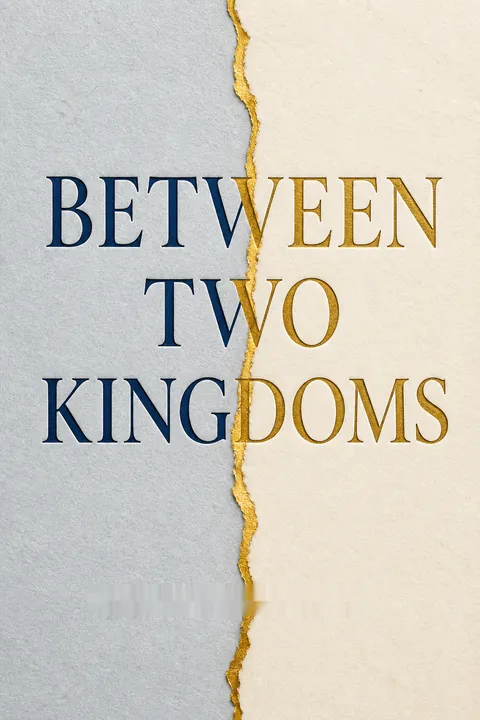
Between Two Kingdoms is a memoir structured around two crossings: first, the sudden passage into life-threatening illness, then the harder, less celebrated passage out of treatment. Its narrative force comes from refusing to treat those crossings as symmetrical. Diagnosis has a name, a medical team, and a plan. Survival leaves Jaouad with a changed body, depleted relationships, grief, and no equivalent discharge instructions. The road trip supplies a plot, but not a cure or a final answer. It creates encounters through which she can revise her account of herself, especially her assumptions about love, dependence, and what recovery should look like.
The book’s ethical strength is its willingness to complicate the inspiring-survivor script. Jaouad admits envy, anger, avoidance, and the ways her fear hurt Will. She also makes the infrastructure of survival visible: health insurance, expert clinicians, family care, a matched sibling donor, grants, and people able to offer housing. That context matters. Her endurance is real, but it is not a story of willpower operating alone, and the memoir does not suggest that suffering reliably produces wisdom.
Its central metaphor of two kingdoms is useful precisely because Jaouad discovers that the border is unstable. Medical remission does not erase the learned vigilance of treatment or restore the person who entered the hospital. The title’s in-between state is not merely a waiting room before normal life resumes. It is the terrain in which a new life must be made. The book’s strongest claim is therefore not that catastrophe transforms people for the better, but that identity can be rebuilt through honest attention, relationships, creative work, and imperfect action, without pretending that loss has been neatly resolved.
Review Summary
Between Two Kingdoms is a memoir chronicling Suleika Jaouad's battle with leukemia at age 22 and her subsequent journey to rediscover herself. Readers praise Jaouad's raw honesty, vivid prose, and ability to convey both the physical and emotional toll of cancer. The book is divided into two parts: her illness and treatment, followed by a cross-country road trip to reconnect with people who supported her. While some readers found the second half less engaging, most were deeply moved by Jaouad's resilience and self-reflection.
People Also Read










Glossary
Hundred-Day Project
Daily creative practiceA shared family practice in which Jaouad, Will, and her parents each spent a little time every day on a creative project for one hundred days. Jaouad journaled, Will sent video updates, her mother painted ceramic tiles, and her father recorded childhood memories. The practice offered structure and connection during long periods of illness.
incanceration
Cancer treatment as confinementJaouad’s coined blend of incarceration and cancer, used to describe the confinement and loss of autonomy she experienced during treatment. She compares the patient’s monitored movements, restricted choices, and dependence on medical authority with aspects of imprisonment. The term describes her subjective experience, not a claim that hospitalization and incarceration are equivalent.
kingdom of the sick
Life shaped by illnessA metaphor Jaouad draws from Susan Sontag to describe the social and psychological world inhabited during serious illness. It includes medical routines, patient identity, specialized language, and relationships formed around care. In the memoir, leaving active treatment does not immediately return a survivor to the kingdom of the well.
the in-between place
Life between illness and healthJaouad’s description of the unsettled period after intensive treatment, when a person is no longer living entirely as a patient but has not returned to a former sense of health or identity. Medical milestones may mark progress, yet fatigue, fear, grief, and practical uncertainty can persist. The phrase emphasizes transition rather than a clean boundary.
Life, Interrupted
Jaouad’s illness columnThe title of Jaouad’s New York Times column and accompanying video series about living with cancer as a young adult. She developed the project from writing produced during treatment, addressing subjects such as isolation, fertility, healthcare, relationships, and mortality. It connected her with readers whose lives had also been disrupted by illness or other upheaval.
reentry
Returning after treatmentJaouad’s term for the difficult process of rebuilding a life after the routines and identity of serious illness. Reentry is not a simple return to the person someone was before diagnosis. It involves adapting to lasting physical effects, anxiety, grief, altered relationships, and uncertainty while forming a changed sense of self.
FAQ
What's Between Two Kingdoms about?
- Personal Journey of Illness: The memoir by Suleika Jaouad details her battle with leukemia, starting from her diagnosis at age 22. It captures her emotional and physical struggles during treatment.
- Navigating Life After Cancer: Jaouad explores the challenges of re-entering life post-cancer, focusing on finding a new normal and dealing with the lingering effects of her illness.
- Themes of Love and Resilience: The book delves into the impact of illness on relationships and the resilience needed to confront mortality and find meaning amidst suffering.
Why should I read Between Two Kingdoms?
- Inspiring Perspective: Jaouad's story is one of hope and perseverance, offering insights into the strength of the human spirit in adversity.
- Relatable Themes: The memoir addresses universal themes of love, loss, and identity, making it relatable to a wide audience.
- Empowerment Through Storytelling: Jaouad emphasizes the healing power of sharing stories, encouraging readers to confront their challenges and find strength in vulnerability.
What are the key takeaways of Between Two Kingdoms?
- Embrace Vulnerability: Jaouad shows that being open about struggles can foster deeper connections and support.
- Value of Creative Expression: Writing and art are depicted as powerful tools for healing and self-discovery.
- Life is Unpredictable: The memoir underscores the importance of living in the moment and finding joy amidst challenges.
What are the best quotes from Between Two Kingdoms and what do they mean?
- “Until death, it is all life.”: This quote by Miguel de Cervantes reminds readers to cherish every moment and find meaning in life, even in the face of death.
- “We tell ourselves stories in order to live.”: Emphasizes the power of storytelling to make sense of experiences and connect with others.
- “I am not who I was.”: Captures the transformation that comes with surviving illness and embracing a new identity.
How does Between Two Kingdoms address the theme of identity?
- Struggle with Self-Perception: Jaouad grapples with her identity as a young woman and a patient, feeling like she is losing herself to her illness.
- Cultural and Personal Background: Her mixed heritage influences her identity, adding depth to her narrative as she navigates belonging and self-acceptance.
- Reclaiming Identity Through Art: Writing allows Jaouad to express her thoughts and redefine herself beyond being a cancer patient.
What role does family play in Between Two Kingdoms?
- Support System: Jaouad’s family provides crucial emotional and practical support throughout her illness.
- Complex Dynamics: The memoir explores the strain and guilt that can arise in family relationships during a health crisis.
- Shared Experience: Highlights the collective impact of illness, emphasizing that cancer affects both the patient and their loved ones.
How does Suleika Jaouad use writing as a coping mechanism in Between Two Kingdoms?
- Therapeutic Outlet: Writing helps Jaouad process her emotions and experiences, making sense of her journey.
- Connection with Others: Through her writing, she connects with a broader audience, fostering empathy and reducing isolation.
- Creative Transformation: Writing transforms her pain into art, empowering her to share her truth and inspire others.
What challenges does Jaouad face in her relationships throughout Between Two Kingdoms?
- Navigating Love and Illness: Her relationship with Will is tested by the demands of her illness, exploring the complexities of love when one partner is seriously ill.
- Isolation and Loneliness: Jaouad grapples with feelings of isolation and loneliness, feeling like a burden to her loved ones.
- Communication Barriers: Highlights the importance of open communication in maintaining connections during illness.
How does Between Two Kingdoms depict the healthcare system?
- Critique of Medical Practices: Jaouad offers a critical perspective on the challenges patients face in navigating treatment options and medical bureaucracy.
- Personal Experiences: Recounts her interactions with doctors and nurses, showcasing both compassionate and frustrating aspects of her care.
- Advocacy for Patients: Emphasizes the importance of patient advocacy and encourages readers to be informed and vocal about their needs.
What is the significance of the title Between Two Kingdoms?
- Metaphor for Illness: Reflects Jaouad’s experience of living between the realms of health and illness.
- Exploration of Identity: Represents the duality of her identity as both a patient and a young woman with dreams and aspirations.
- Journey of Transformation: Signifies the transformative journey Jaouad undergoes, encapsulating the struggle and resilience required to navigate illness and recovery.
How does Suleika Jaouad’s writing style contribute to Between Two Kingdoms?
- Vivid Descriptions: Rich sensory details bring her experiences to life, enhancing the reader’s connection to her journey.
- Intimate Tone: A conversational and intimate tone makes readers feel as though they are sharing in her thoughts and emotions.
- Reflective Insights: Philosophical musings throughout the narrative encourage readers to ponder their own lives and experiences.
What lessons does Between Two Kingdoms offer about resilience?
- Strength in Vulnerability: Jaouad demonstrates that vulnerability can be a source of strength, fostering connection and resilience.
- Embracing Uncertainty: Teaches that resilience involves embracing uncertainty and adapting to change with courage and grace.
- Finding Joy Amidst Pain: Illustrates that it is possible to find joy and meaning even in the face of suffering, encouraging readers to seek beauty and connection.
About the Author
Other books by Suleika Jaouad
Download PDF
Download EPUB
.epub digital book format is ideal for reading ebooks on phones, tablets, and e-readers.








