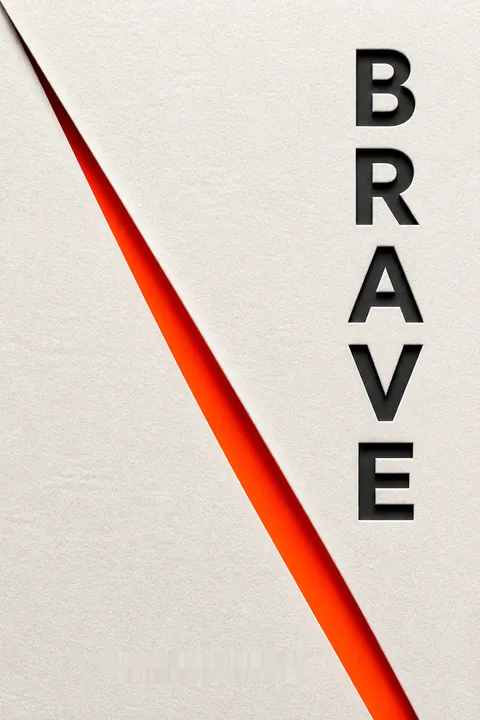


Key Takeaways
Audit the stories that teach you who to be.
Look beneath the image. McGowan describes growing up in the Children of God, a religious commune where leaders controlled members through doctrine, punishment, and rigid roles. After escaping, she entered Hollywood, which she portrays as another system that shaped behavior while selling a narrow ideal of women. On screen, she was styled as a fantasy, not treated as a whole person. She calls this broader machinery the Cult of Thought: the beliefs and stereotypes absorbed from entertainment and culture, often without conscious consent.
Question the script. McGowan asks readers to notice where their ideas about beauty, gender, success, and desire come from. Even her long hair, encouraged by Hollywood as a route to being cast, became a symbol of a self she felt she had lost. Her challenge is not to reject every influence, but to examine the motives and messages behind it.
What's powerful here is the shift from blaming individuals for insecurity to examining the culture that supplies the standards they are asked to meet. Media literacy is not merely spotting stereotypes; it means asking who benefits when a particular ideal feels natural. Still, influence is not total control. Audiences interpret stories differently, and popular culture can also offer recognition or resistance. The useful practice is therefore neither automatic rejection nor passive consumption, but deliberate comparison: seek varied perspectives, notice emotional reactions, and keep room for one's own judgment.
Treat survival adaptations as evidence of danger, not personal defects.
Protection has a cost. As a young child in the commune, McGowan was punished for resisting religious demands and learned to scan rooms for threats. After a man cut a wart from her hand, she began believing that perfection might keep her safe. She later describes dissociating during frightening events, mentally distancing herself from what her body experienced. These responses helped her endure danger, but they also shaped how she saw herself and her body.
The past travels forward. In adolescence, a boyfriend's criticism of her legs helped trigger severe food restriction and compulsive exercise. McGowan connects this to earlier lessons about flawlessness and control, not simple vanity. Her account suggests that behaviors that look irrational from the outside can make sense as attempts to manage fear, shame, or powerlessness.
The distinction between a coping response and a character flaw is central to trauma-informed care. A behavior can be understandable in the conditions that produced it and still become harmful when those conditions change. This framing reduces shame without romanticizing suffering. It also cautions against reading a person's behavior as a complete account of their motives. A fuller response asks what the behavior protects against, what it costs now, and what safer supports could replace it. Such questions are more useful than demanding that someone simply stop.
Don't confuse social approval with proof of your worth.
The audience changed. In Oregon, people called McGowan strange and ugly; after she moved to Colorado, she was treated as beautiful and popular. Her face had not changed. The contradiction taught her that other people's reactions could reflect local expectations rather than any stable truth about her. She also recalls being told that girls should wear pink, and later being pressured to adopt the look Hollywood considered desirable.
Belonging can demand self-erasure. McGowan repeatedly felt out of place, but she argues that being different was not evidence that she needed fixing. That distinction mattered when fame brought intense scrutiny: if public approval is treated as a verdict, every shift in fashion, audience, or status can become a judgment on one's identity. Her account urges readers to separate social feedback from self-knowledge.
Social psychology helps explain why this lesson matters: people often use others' reactions as information about how to behave, especially when they are young or dependent on the group. That feedback can guide cooperation, but it can also enforce conformity. McGowan's contrasting experiences make the instability of such judgments visible. The nuance is that not all criticism is meaningless; trusted feedback can reveal genuine harm or blind spots. The task is to evaluate the source, motive, and evidence, rather than letting popularity or ridicule stand in for truth.
Freedom needs practical options, not just courage to leave.
Leaving takes resources. McGowan ran away as a teenager, escaped a rehabilitation program, and eventually sought help from an aunt when hunger and cold became overwhelming. Later, she secured emancipation from her parents, yet still depended on an older boyfriend for housing, transport, and money. That dependence made it difficult to leave when his jealousy and control intensified. When he became violent, she sold belongings to get herself and her sister out.
A legal exit is not full autonomy. McGowan's story shows how someone can formally escape one authority and still lack the material means to choose freely. Housing, income, transport, and supportive relationships can determine whether leaving is possible. Her repeated transitions from commune to family homes, street life, and controlling relationships make freedom less like a single dramatic act and more like the ability to sustain choices.
This is a valuable correction to the simplistic advice that people in dangerous relationships should just leave. Safety planning depends on concrete conditions, including money, housing, health, and social support. The same principle appears in labor economics: a worker with no alternatives has less bargaining power, even if a contract says they are free to quit. Courage matters, but so does the infrastructure that makes a choice survivable. At the same time, no single checklist can capture every person's constraints, so support should expand options without dictating what a survivor must do.
Abuse survives through bystanders, contracts, and reputational threats.
Power had many helpers. McGowan recounts being sexually assaulted by a powerful studio executive after attending what she believed was a business meeting. She says her manager urged her to treat the experience as a career opportunity, while other industry figures knew of the executive's behavior and failed to protect her. When she considered reporting the assault, a lawyer warned that her work as an actress would make her unlikely to be believed. She feared losing work and becoming homeless.
Silence can be organized. McGowan describes receiving money for therapy and a rape crisis center, then hearing that the executive was warning others not to hire her. Her account makes retaliation, professional dependence, and the circulation of private information part of the harm. The misconduct was not only one person's act; it was also enabled by people and institutions that placed access and reputation above her safety.
The institutional dimension is what makes this account useful beyond celebrity culture. In organizations, misconduct can persist when rewards flow to powerful people while the costs fall on those with less leverage. Bystanders may each feel too junior, uninformed, or replaceable to intervene, yet their combined silence protects the status quo. Accountability therefore needs more than moral resolve: transparent reporting, anti-retaliation safeguards, and independent review matter. A memoir cannot establish every allegation as a general pattern, but it can expose the mechanisms that make reporting costly and protection unreliable.
Visibility is not freedom when others control what your body means.
Fame brought scrutiny. McGowan describes red carpets as a process of posing, turning, and presenting her body for photographers and entertainment programs. The work could feel less like celebrating a film than submitting to public judgment. Online abuse then magnified the pressure: hostile websites and comments about her appearance fed into an eating disorder she had previously struggled with.
Intent can be rewritten. At the 1998 MTV Video Music Awards, she wore a nearly transparent dress as a deliberate challenge to objectification and an effort to reclaim her body after assault. The media largely read the look as sexual provocation. The gap between her intention and the public interpretation illustrates her point: visibility alone does not grant control over the story attached to a person. She also warns that fame is not a reliable substitute for safety, dignity, or happiness.
The distinction between agency and audience response is subtle. A person can choose an expressive act without controlling how others interpret it; that does not erase the choice, but it can expose the limits of individual power inside a media system. The same tension appears in social platforms, where self-presentation is voluntary but distribution and commentary are not fully controllable. McGowan's account supports bodily autonomy while also showing why symbolic gestures cannot by themselves undo objectifying norms. The broader question is who has the power to frame an image, profit from it, and define its meaning.
Treat fast-moving love and growing isolation as warning signs.
Control can arrive as devotion. McGowan describes a later relationship with a celebrated director that began with intense attention and declarations of special understanding. He was married, but she accepted his explanations about the marriage. As the relationship developed, he encouraged secrecy and distance from friends and family, while jealousy and accusations narrowed her world. She says the early affection made it harder to recognize the controlling behavior that followed.
Notice the shrinking space. McGowan identifies rapid declarations of love, pressure to move quickly, possessiveness, and isolation as warning signs. She describes gradually monitoring her words and actions to prevent explosions. The point is not that every intense romance is abusive, but that affection should not require surrendering independent relationships, judgment, or safety. A partner's response to boundaries can reveal more than grand promises do.
Coercive control is often cumulative rather than dramatic at first. Small concessions can become a new normal, particularly when warmth and intimidation alternate. This helps explain why outsiders may see an apparently loving relationship while the person inside it feels increasingly constrained. The caution should not become a rule that treats every fast romance as proof of abuse; context and repeated behavior matter. A practical question is whether the relationship leaves room for separate friendships, disagreement, privacy, and the ability to say no without punishment.
Build recovery from care, honest naming, and creative authorship.
Healing needed more than grit. After her assault, McGowan describes nightmares, depression, and panic. She later sought treatment for cyclothymia, a mood condition involving recurring periods of depression and elevated mood, and says medication helped. She also joined Overeaters Anonymous while recovering from disordered eating, though she did not adopt every spiritual element of the program. Her account emphasizes that finding useful care can take experimentation and that needing treatment is not a moral failure.
Make something of your own. After years of performing characters shaped by other people, McGowan directed the short film Dawn, about a young woman whose politeness leaves her vulnerable. Directing felt different from acting because she controlled the creative decisions. Writing, photography, and music also helped her reclaim parts of herself she had treated as secondary. Recovery, in this telling, includes both support and the return of self-directed work.
The strongest feature of this account is its refusal to make recovery a solitary triumph of will. Professional care, peer support, creative practice, and time each play different roles. This resembles rehabilitation models in which recovery means rebuilding agency and participation, not simply eliminating symptoms. Creative work can provide structure and expression, but it is not a substitute for clinical support when that is needed. McGowan's insistence on trying different treatment approaches is useful, provided readers understand that medication and support plans must be individualized with qualified professionals.
Challenge the screen's mirror before it becomes your inner voice.
Representation teaches expectations. McGowan argues that film and television do more than entertain: they repeatedly show audiences who gets to act, lead, desire, and matter. She cites figures from the book's period, including a Director's Guild membership that she describes as 96 percent male and a 2016 figure of women holding 23 percent of speaking roles on screen. She connects those imbalances to familiar stereotypes and to the routine sexualization of women.
Choose what you consume. Her advice is to notice clichés, question who created a story, and object when marketing or plotlines normalize violence against women. She points to a film advertisement showing a woman being strangled, which was withdrawn after public criticism. The claim is not that every viewer absorbs a message identically, but that repeated images help set the boundaries of what feels normal or imaginable.
The idea connects to media-effects research, which examines how repeated portrayals can shape expectations without mechanically determining behavior. Representation matters not only because audiences want to see themselves, but because stories distribute authority: who gets complexity, who becomes a prop, and whose pain is treated as spectacle. Viewers can resist a message, and a single image rarely explains a social outcome. Yet repetition across genres and institutions deserves scrutiny. The most productive response combines criticism with alternatives: support creators who broaden the range of stories and characters available.
Act while afraid, and make dissent a shared practice.
A voice can travel. After posting a degrading audition letter online, McGowan says she was fired by her agency. She chose to disclose that firing publicly rather than preserve the industry's expectation of silence. She also challenged media coverage that shamed actresses for aging and a studio's advertisement depicting violence against a woman. In the latter case, the studio apologized and removed the campaign after criticism.
Bravery is not a personality type. McGowan presents it as taking a consequential action despite fear, whether that means speaking, refusing a demeaning role, supporting someone targeted, or reconsidering one's own beliefs. She calls her social media supporters cothinkers rather than fans, framing public conversation as shared inquiry. Her closing appeal is collective: survivors deserve respect, and those who witness harm should not leave all the burden of response to them.
Collective voice can change the reputational calculus for institutions: conduct once treated as private or inevitable becomes visible and contestable. Digital platforms make that visibility easier, though they can also expose speakers to harassment and rapid misinterpretation. Public disclosure should therefore be an option, not a duty imposed on survivors. The strongest version of McGowan's argument pairs personal speech with shared responsibility: audiences, colleagues, unions, and employers can act without requiring harmed people to become campaigners. Courage matters most when it is supported by structures that reduce the cost of speaking.
Analysis
Brave works in two registers at once. It is a memoir of a life shaped by a religious commune, family violence, homelessness, abusive relationships, and Hollywood, and it is an argument that these settings share techniques of control. McGowan's recurring image is not simply a bad man, but a system that teaches people to doubt their perceptions, rewards compliance, and makes dissent costly. Her personal history gives that argument emotional force: the same child who resisted a commune's doctrine later found herself adapting to an industry that marketed her appearance and limited her choices.
The memoir's strongest contribution is its account of how coercion can feel ordinary from the inside. Dependency, shame, and professional risk do not always look like a locked door. Her stories of managers, colleagues, and institutions show how harm can be sustained by people who do not commit the central act but protect the conditions around it. The book also connects representation to power: when women are repeatedly cast as bodies, victims, or prizes, those images can narrow cultural expectations and professional opportunity.
Its scope is deliberately polemical. McGowan often moves from experience to broad claims about Hollywood, men, and media. Those claims are best read as an urgent diagnosis and a demand for scrutiny, not as a complete empirical account of every workplace or viewer. Media influence is real but not uniform, and individual experiences cannot alone establish industry-wide prevalence. That limitation does not diminish the memoir's value as testimony. Rather, it clarifies what the book offers: a vivid map of mechanisms, questions readers can apply elsewhere, and a forceful insistence that survivors' accounts deserve to be heard without making them solely responsible for reform.
The ending reframes bravery as more than surviving. McGowan's recovery involves treatment, creative work, and the attempt to speak in public on her own terms. The book's central invitation is to inspect who authors one's self-image, reclaim the right to define one's experience, and build institutions where safety does not depend on silence.
Review Summary
Brave received mixed reviews, with ratings ranging from 1 to 5 stars. Many readers praised McGowan's courage in sharing her traumatic experiences and exposing Hollywood's dark side. They found the book powerful, eye-opening, and inspiring. However, some criticized her writing style, perceived narcissism, and generalizations. Critics felt the book was poorly written and overly angry. Despite the polarizing reactions, most agreed that McGowan's story was important in highlighting issues of sexual abuse and gender inequality in the entertainment industry.
People Also Read


Glossary
Cult of Thought
Culture that shapes beliefMcGowan's term for the network of messages, stereotypes, and expectations that shape how people think about themselves and others. She uses it especially for Hollywood and mass media, which she argues can function like a cult by normalizing narrow ideas about gender, beauty, and success while encouraging people to accept those ideas as their own.
Flirty fishing
Sexualized recruitment practiceA practice described in McGowan's account of the Children of God, in which young female members were sent to attract men, sometimes through sexual behavior, to bring them into contact with the group or support its activities. The memoir presents it as a tactic that used women's sexuality for the benefit of male leadership.
cothinkers
Supporters who think togetherMcGowan's preferred term for people who engage with her ideas and public advocacy. Rather than describing them as fans and herself as a distant celebrity, she uses the word to emphasize shared thought and conversation among people who question conventional beliefs and support greater freedom and equality.
#RoseArmy
Community of independent thinkersA hashtag McGowan associates with people who identify with dissent, independent thought, and resistance to restrictive social norms. In the memoir, it represents a loose community formed through social media, rather than a formal organization, united by the aspiration to think freely and challenge unequal treatment.
mean blues
McGowan's name for depressionMcGowan's informal phrase for the depressive periods she experiences in connection with cyclothymia. She uses it to make discussion of mood problems more approachable while also stating that professional medical care and medication helped her. It is a personal expression, not a clinical diagnosis or treatment method.
FAQ
What's "Brave" by Rose McGowan about?
- Memoir and Activism: "Brave" is a memoir by Rose McGowan that details her life experiences, from her childhood in a cult to her career in Hollywood, and her role in the #MeToo movement.
- Survival and Empowerment: The book focuses on McGowan's journey of survival, empowerment, and her fight against the systemic abuse and misogyny she encountered in the entertainment industry.
- Cultural Critique: McGowan critiques Hollywood's culture, highlighting its role in perpetuating harmful stereotypes and the objectification of women.
- Call to Action: The book serves as a call to action for readers to challenge societal norms and fight for equality and justice.
Why should I read "Brave" by Rose McGowan?
- Insightful Perspective: The book offers a raw and unfiltered look into the life of a woman who has been at the forefront of challenging Hollywood's toxic culture.
- Empowerment Message: McGowan's story is one of resilience and empowerment, encouraging readers to find their voice and stand up against injustice.
- Cultural Awareness: It provides a critical examination of the entertainment industry's impact on societal norms and the portrayal of women.
- Inspiration for Change: "Brave" inspires readers to question the status quo and become active participants in creating a more equitable world.
What are the key takeaways of "Brave" by Rose McGowan?
- Survivor's Journey: McGowan's journey from a cult upbringing to Hollywood stardom and her eventual activism highlights the power of resilience.
- Industry Critique: The book exposes the systemic misogyny and abuse within Hollywood, urging for a cultural shift.
- Empowerment and Activism: McGowan emphasizes the importance of using one's voice to challenge injustice and inspire change.
- Personal Growth: The narrative underscores the significance of self-discovery and reclaiming one's identity amidst adversity.
How does Rose McGowan describe her childhood in "Brave"?
- Cult Upbringing: McGowan was raised in the Children of God cult, which she describes as a highly controlled and abusive environment.
- Early Awareness: Even as a child, she was aware of the cult's hypocrisy and began questioning its teachings.
- Survival Instincts: Her early experiences taught her to be resilient and resourceful, skills that would later help her navigate Hollywood.
- Escape and Independence: McGowan eventually escaped the cult, setting the stage for her journey towards independence and self-discovery.
What challenges did Rose McGowan face in Hollywood according to "Brave"?
- Systemic Misogyny: McGowan faced systemic misogyny and objectification, which she describes as pervasive in the industry.
- Sexual Assault: She recounts her experience of being assaulted by a powerful studio head, a pivotal moment that shaped her activism.
- Typecasting and Stereotypes: McGowan struggled against being typecast and the industry's narrow portrayal of women.
- Blacklisting and Isolation: After speaking out, she faced blacklisting and isolation, highlighting the industry's punitive culture.
How did Rose McGowan become an activist as described in "Brave"?
- Personal Experience: Her personal experiences with abuse and misogyny in Hollywood fueled her desire to fight for change.
- Public Voice: McGowan began using social media to speak out against industry injustices, gaining a platform for her activism.
- #MeToo Movement: She became a prominent figure in the #MeToo movement, advocating for survivors of sexual assault.
- Empowerment and Advocacy: McGowan's activism is centered on empowering individuals to challenge societal norms and demand justice.
What is the "Cult of Thought" concept in "Brave"?
- Hollywood as a Cult: McGowan describes Hollywood as a "Cult of Thought," where individuals are conditioned to conform to its norms.
- Mind Control: She likens the industry's influence to mind control, shaping societal perceptions and self-image.
- Breaking Free: The book emphasizes the importance of breaking free from this conditioning to reclaim one's identity and autonomy.
- Cultural Critique: McGowan critiques the industry's role in perpetuating harmful stereotypes and limiting creative expression.
What advice does Rose McGowan offer for personal empowerment in "Brave"?
- Find Your Voice: McGowan encourages readers to find and use their voice to challenge injustice and advocate for change.
- Reject Conformity: She advises rejecting societal norms that limit individuality and self-expression.
- Embrace Creativity: McGowan highlights the importance of creativity and independent thought in personal growth and empowerment.
- Be Brave: The overarching message is to be brave in the face of adversity and to stand up for one's beliefs and values.
What are the best quotes from "Brave" by Rose McGowan and what do they mean?
- "Here's to freedom, yours and mine. Now go breathe fire." This quote encapsulates McGowan's call for empowerment and action against oppression.
- "I am writing this book because I want to have a real conversation with the public and most especially you." It highlights her desire for open dialogue and societal change.
- "We are not disposable, we are not 'just girls.'" This quote challenges the devaluation of women and emphasizes their inherent worth.
- "Be creative at whatever you do and with whatever you are." McGowan advocates for creativity as a means of self-expression and empowerment.
How does Rose McGowan address the issue of sexual assault in "Brave"?
- Personal Testimony: McGowan shares her own experience of sexual assault by a powerful studio head, shedding light on the industry's dark side.
- Systemic Problem: She discusses the systemic nature of sexual assault in Hollywood and the culture of silence that enables it.
- Survivor Advocacy: McGowan advocates for survivors, encouraging them to speak out and seek justice.
- Cultural Change: She calls for a cultural shift to address and prevent sexual assault, emphasizing the need for accountability and support for survivors.
What role does social media play in Rose McGowan's activism as described in "Brave"?
- Platform for Change: Social media provides McGowan with a platform to speak out against industry injustices and advocate for change.
- Direct Communication: It allows her to communicate directly with the public, bypassing traditional media gatekeepers.
- Building a Movement: McGowan uses social media to build a community of like-minded individuals, known as the #RoseArmy, to support her activism.
- Raising Awareness: Through social media, she raises awareness of issues such as misogyny, sexual assault, and the need for cultural change.
What impact has "Brave" by Rose McGowan had on readers and society?
- Empowerment and Awareness: The book has empowered readers to challenge societal norms and fight for justice and equality.
- Cultural Critique: It has sparked conversations about the entertainment industry's role in perpetuating harmful stereotypes and the need for change.
- Survivor Support: "Brave" has provided support and validation for survivors of sexual assault, encouraging them to speak out and seek justice.
- Inspiration for Activism: McGowan's story has inspired individuals to become active participants in creating a more equitable and just society.
Download PDF
Download EPUB
.epub digital book format is ideal for reading ebooks on phones, tablets, and e-readers.








