


Plot Summary
When Betrayal Empties the Jar
Pearl is already a prisoner in Crow Barsetti's Tuscan estate, counting buttons she earns through sex toward a promised release. Her former boyfriend, Jacob, sold her to settle gambling debts, and the betrayal has stripped her of any reason to hurry home. When Crow finds her sunk in grief, he first tries to force her out of it, then recognizes how deeply she has broken.
At dinner, he reveals that his parents and sister are gone and admits he knows what it means to have no home. Pearl comforts him, and their first openly tender kiss makes their bond feel larger than their bargain. Crow abruptly withdraws, leaving Pearl unsure whether she has reached him or frightened him away.
The opening shifts the source of Pearl's despair. She has long treated escape as her one reliable purpose, but Jacob's betrayal makes home seem less like a destination than another failed promise. Crow recognizes the damage only after his usual command fails, briefly replacing coercion with shared vulnerability. That tenderness does not erase the imbalance between captor and captive; his retreat restores it. The scene establishes the book's central tension: intimacy can be real between people whose power over one another remains profoundly unequal.
Buttons Buy the Dark
After two days of avoiding Pearl, Crow returns with buttons and a demand for the rough sexual arrangement they have built together. Pearl insists on earning more for a more extreme scene, and Crow agrees to pay twenty buttons for her endurance.
Her willingness to meet his appetite rekindles his desire, but it also makes the debt move faster. As Pearl's jar approaches seventy, Crow realizes that each button brings her closer to leaving, a prospect that unsettles him more than he will admit.
Pearl then proposes a different purchase: a dinner and evening out. Crow bargains for five buttons, telling himself the price is worth keeping her in his house longer. For Pearl, the outing is not just entertainment. She wants time and attention from the man who has become her closest companion.
The button system turns consent, coercion, and time into a visible account. Pearl can negotiate the terms of particular encounters, but the basic bargain still exists because Crow controls her freedom. Crow's anxiety exposes the contradiction in his behavior: he promises an exit while arranging their exchanges so that he can postpone it. Pearl, meanwhile, uses the currency for more than release. By asking for shared time, she tests whether their relationship can contain companionship outside sex. The jar measures her progress, but it also measures how much Crow fears losing her.
A Date Beyond the Estate
Crow takes Pearl to dinner in Tuscany and then wine tasting, where she studies the Italian menu and asks about the vineyard he built. As they talk, Crow learns about Pearl's childhood in foster care, the family who returned her, and the life she made for herself in New York.
She learns about his business and the brother, Cane, with whom he shares the weapons trade. Crow holds her hand, then grows jealous when she speaks fondly of a college boyfriend; Pearl bristles when a waitress treats her as insignificant.
Back at the estate, Pearl asks him to make love rather than dominate her. Crow resists, then gives in, and her declaration that she belongs with him draws a possessive answer from him. Their bargain has begun to resemble a relationship.
The date lets each character encounter the other as a person with a history, not only as a body in a private arrangement. Their questions reveal different survival strategies: Pearl has built an identity beyond abandonment, while Crow has turned work and control into defenses against dependence. Jealousy emerges on both sides, but it does not yet amount to trust. The shift toward gentle sex matters because Pearl has asked for something that Crow finds emotionally exposing. His possessive response offers closeness without resolving whether he can accept the reciprocal vulnerability she wants.
The Coast's Borrowed Tenderness
To keep Pearl's buttons from accumulating too quickly, Crow offers himself at her command for ten of them. She chooses a day at his Mediterranean house, insisting he be romantic. Crow follows her lead: he holds her hand on the drive, carries their bags, swims with her, and spends the evening beside her on the terrace.
Pearl tells him she cares about him and calls him her friend. Crow warns her not to care, claiming he is unworthy and insisting his gentleness is only part of the bargain. In bed, Pearl cuffs him and asks what he wants her to do; he asks her to hurt him. She refuses, unwilling to turn intimacy into cruelty. On the drive home, Crow denies caring, and they retreat into silence.
The trip reverses the familiar arrangement without making the relationship equal by simple role-swapping. Pearl can direct Crow's actions for a day, yet she refuses the violence he imagines would prove her devotion. Her limit reveals that she distinguishes trust from mere willingness to endure. Crow's insistence that every affectionate act is transactional is less a credible account than a defense against attachment. The trip brings them closer through ordinary gestures, then leaves them more vulnerable to the old power struggle when he tries to explain away what those gestures meant.
The Kiss at the Vines
Jasmine, a former sexual partner and Crow's employee, returns from a long research trip and later kisses him at the estate. Crow does not rekindle their relationship, but Pearl sees the kiss from her window and assumes he has chosen another woman.
When Crow approaches her that night, Pearl confronts him. He responds by reminding her that he can do as he wishes and that she is still his slave. The word turns their tender moments into evidence she can no longer trust.
Pearl stops asking for affection and concentrates on earning her release, even demanding fifty buttons for an especially punishing encounter. Over the following weeks, the jar reaches 275. Crow has enjoyed giving her buttons without keeping count; now he sees she needs only ninety more.
The kiss becomes devastating not because Pearl has a settled claim on Crow, but because their private intimacy has encouraged her to believe she matters differently. Crow's insistence on the slave relationship lets him reclaim authority precisely when he feels exposed. Pearl responds by returning to the one goal she can control: the button count. Her increased willingness to endure pain is therefore not simple submission. It is an attempt to turn hurt into measurable progress, while Crow discovers that the same currency he used to retain her can carry her away.
Ninety Buttons Left
Crow discovers that Pearl has only ninety buttons left and understands she could soon leave. At the weapons headquarters, his brother Cane is already furious that Crow refused to sell Pearl to Bones, who has raised his offer to forty million dollars.
Cane says their captivity scheme was meant to avenge their sister, Vanessa, and accuses Crow of abandoning the family cause. Crow offers to pay Cane the money himself rather than hand Pearl over.
Their argument exposes years of grief and rivalry: Crow insists he loved Vanessa too, though he avoided her funeral and cannot speak openly about the loss. Back at the estate, he tries to lure Pearl away from her chosen rough encounters with promises of romance. She rejects him and says she wants to leave as soon as she can.
The forty-million-dollar offer makes the conflict between attachment and revenge brutally concrete. Cane treats Pearl as leverage in a family war; Crow's refusal marks a break with their shared criminal logic, even as he still avoids naming his attachment. His offer to compensate Cane reveals that money can resolve a business dispute but cannot restore their trust. Pearl's refusal of romantic promises also checks Crow's attempt to manage the crisis on his terms. She is no longer bargaining for tenderness. Her button total gives her a route out, and she intends to take it.
Blood on the Playroom Floor
While Crow is away, Cane breaks into the estate, incapacitates the staff, and corners Pearl in the playroom. She strikes him with a whip and fights back, but he overwhelms her and beats her until she loses consciousness. Lars triggers the alarm, bringing Crow home at speed with a gun.
Crow finds Pearl nearly unrecognizable and shoots Cane before carrying her to the hospital. After emergency surgery, Pearl remains unconscious for four days. Crow refuses to leave her bedside, convinced she may die as his sister did.
When Pearl finally wakes, Crow admits that he failed to protect her and releases her from the button bargain. Instead of leaving, she asks to return to the estate and accepts a room with a balcony. Their relationship begins again without the debt that once defined it.
Cane's assault collapses the distinction Crow has tried to maintain between a controlled private arrangement and the violent world surrounding it. Pearl's strength cannot protect her from every threat, and Crow's wealth and authority cannot undo his failure to keep her safe. His vigil makes grief bodily: he stays beside her because he cannot bear another loss. Most importantly, he gives her freedom before asking what she will choose. Pearl's decision to remain is therefore different from her earlier captivity. It is still shaped by injury and dependence, but now Crow has explicitly surrendered the power to compel her.
The Sister Bones Took
Once Pearl has recovered enough to return to Crow's life, he secretly meets Bones, her former captor, and offers forty million dollars to end the pursuit. Bones refuses, declaring that he still wants Pearl. Crow then seeks Cane's help in bringing Bones down. Cane admits that he beat Pearl to provoke Bones by sending him photographs of her injuries; Crow retaliates by beating Cane, though he leaves him alive.
Back at the estate, Crow finally explains why Cane wants revenge. Bones had abducted Vanessa, the Barsetti siblings' sister, abused her, and then shot her during a ransom exchange as Crow reached for her. Pearl cries for the sister she never knew and understands that Cane's violence grew from grief, though it remains unjustifiable.
The revelation reframes Cane's motive without absolving him. He has made Pearl carry the pain Bones inflicted on his family, repeating the very logic that made her a victim in the first place. Crow's account also explains his fear of attachment: in his memory, reaching for someone he loves ends at the instant of loss. Yet telling Pearl the story breaks his isolation. Her grief for Vanessa does not claim the same history; it shows that empathy can cross a wound without pretending to repair it. The failed buyout confirms that money cannot purchase safety from a man committed to possession.
The Embassy Bait
With Bones refusing to let Pearl go, Crow and Cane begin planning to draw him into an ambush. Pearl proposes posing as an escapee heading for the American embassy, believing Bones will come for her personally; Crow supports the plan once she is fully healed.
She also wants to identify the person who profited from the three-million-dollar sale of her captivity, and Crow offers the resources to help. Later, police arrive at the estate with questions about Pearl's disappearance. Crow gives them no reason to suspect she is there, and Pearl chooses to stay rather than reveal herself.
Cane denies calling the police, then visits Pearl to apologize for the assault. He tells her that Crow's protectiveness means more than Crow is willing to admit, leaving Pearl newly aware of what she hopes their bond might become.
Pearl's proposal makes her more than the object of a Barsetti strategy. She contributes knowledge of Bones and accepts risk for reasons that reach beyond personal revenge: she wants to prevent others from being trafficked. The embassy plan depends on the same vulnerability that has repeatedly endangered her, so her agency is real but not uncomplicated. The police visit briefly offers a path out, yet Pearl chooses not to take it. Cane's apology and interpretation of Crow's behavior supply emotional hope, while also setting up a dangerous gap between what Pearl believes and what Crow can bear to say.
Love Said, Love Denied
After learning more about Vanessa, Crow withdraws for a week, unable to face his grief. Pearl waits without demanding an explanation, and they gradually return to sharing meals and walks. When their closeness resumes, Pearl tells Crow she loves him.
The declaration triggers his fear that anyone he loves will become a target, so he pulls away and insists he cannot offer her a future. Pearl explains that Cane's apology helped her understand Crow's feelings, but Crow neither confirms nor returns her confession.
She moves back to her own room and stops sleeping with him. Determined to finish the fight with Bones before leaving Italy, Pearl resumes training and tells Crow she no longer wants their old arrangement. He says he misses her, but she refuses to mistake longing for commitment.
Crow's rejection is not a simple absence of feeling; it is an attempt to make love impossible before it can expose him to another bereavement. That protective logic also denies Pearl the right to decide what risks she is willing to share. Her withdrawal converts heartbreak into a boundary: she will not keep offering intimacy in exchange for a future he disavows. Training restores a sense of bodily agency after Cane's attack, but the plan against Bones keeps her tied to the same dangerous world. The relationship's emotional climax is therefore a separation in progress, not a reconciliation.
The Plane Over Rome
Men break into Pearl's room at night, beat her, and carry her through a window onto mattresses below. A woman with a gun takes charge and says Bones will pay ten million dollars for Pearl's return.
Bound in a car, Pearl saws through the rope with a seat-belt buckle, then attacks the woman and the driver when they stop at a light. She steals the woman's wallet, escapes into the city, and uses the identity papers inside to buy a ticket to America. Crow reaches Rome too late to intercept her.
He remembers the GPS tracker embedded in Pearl's ankle and follows its signal, first toward the city and then across the Atlantic. Seeing that she has escaped rather than been delivered to Bones, he feels pride alongside the loss of her departure. Pearl is on her way home; Crow is left behind.
The kidnapping reverses the earlier rescue pattern: this time Pearl cannot rely on Crow's arrival, so she frees herself through observation, patience, and decisive violence. The seat-belt buckle, stolen wallet, and borrowed identity turn ordinary objects into tools of escape. Crow's tracker lets him witness her success but cannot restore the intimacy he has already refused. His pride acknowledges Pearl's agency, while his grief reveals the cost of treating love as a danger to be managed by distance. The ending grants Pearl physical freedom but leaves the relationship and her return to America unresolved.
Analysis
Buttons & Hate builds its romance around a contradiction it does not allow the reader to forget: Pearl can desire Crow, negotiate with him, and choose to remain near him, while he still begins as the person who controls whether she is free. The button jar makes that contradiction tangible. Each token is at once a price, a step toward release, and a reminder that intimacy is occurring inside an unequal bargain. Pearl's requests for dates and tenderness are therefore consequential acts of self-definition, not simple romantic gestures.
Crow's emotional defenses are rooted in grief, but the novel distinguishes explanation from absolution. His loss of Vanessa helps explain why he treats love as a forecast of catastrophe. It does not make his coldness harmless, or grant him the right to decide what Pearl can bear. Cane makes the same ethical mistake more violently: he converts grief into permission to use an innocent person as an instrument of revenge. Both brothers are shaped by loss, but their choices show how pain can either be faced or passed onward.
Pearl's resilience is not presented as an absence of damage. Betrayal, captivity, assault, and Crow's rejection all affect her, yet she repeatedly turns observation into action. She survives Cane's attack, contributes to the plan against Bones, and escapes her later abductors by noticing how to cut her restraints. Her agency comes from particular decisions rather than an invulnerable nature.
The ending refuses the conventional reward of reunion. Pearl escapes and Crow can track her, but knowledge of her location is not permission to reclaim her. His final mixture of pride and grief is the clearest recognition that her freedom must belong to her, even when it takes her away. The book closes with the central romantic question unresolved: whether Crow can love Pearl without confusing protection with possession, and whether Pearl can choose him without surrendering the self she fought to recover.
Review Summary
Buttons and Hate received mixed reviews, with many readers finding it addictive and praising the character development of Pearl and Crow. Some appreciated the emotional depth and romantic tension, while others criticized the writing quality and plot inconsistencies. The book's dark themes and explicit content were divisive. Many reviewers expressed eagerness for the next installment, despite some frustration with the cliffhanger ending. Overall, the book seems to have engaged its target audience of dark romance fans, though it may not appeal to all readers.
People Also Read








Characters
Pearl
Captive turned survivorPearl is an American woman whose intelligence, nerve, and stubborn self-reliance have been shaped by abandonment and repeated exploitation. She has learned to read danger quickly and to survive without expecting rescue, but that independence does not make her immune to loneliness or the wish to belong. With Crow, she negotiates for concrete things she wants, from freedom to companionship, rather than waiting for him to guess. Her attraction to pain exists alongside a clear capacity to set limits, especially when Crow asks her to hurt him. Pearl's story turns on the difference between being kept and choosing to stay. She wants agency not as an abstract ideal, but as the power to decide what risks, loyalties, and futures are hers.
Crow Barsetti
Guarded vineyard kingCrow is a wealthy Tuscan winemaker and weapons dealer who approaches relationships through control, rules, and carefully limited intimacy. He is disciplined in business and emotionally guarded, convinced that attachment invites danger and that grief is best endured in silence. His sexual appetite gives him a familiar arena for dominance, while Pearl unsettles him by negotiating, resisting, and sometimes taking control herself. Crow can protect and care for her, yet he repeatedly tries to define that care as possession or payment. His sister's history deepens his fear of love, but does not excuse the ways he withholds truth. He is most revealing when his actions contradict his claims: the man who insists he needs no one becomes increasingly unable to imagine his estate without Pearl.
Cane Barsetti
Revenge-driven brotherCane is Crow's brother and partner in the family weapons business. He is impulsive, proud, and more openly ruled by anger than Crow, especially when he believes the family has been denied justice. The loss of his sister feeds a revenge plan that treats Pearl as leverage, putting him in direct conflict with Crow. Cane's bluntness makes him capable of saying what Crow avoids, though his certainty can harden into cruelty. He values loyalty to family, but struggles to recognize that his actions against Pearl violate the very human bonds he claims to defend. His volatile relationship with Crow combines genuine brotherhood with competition, old resentment, and incompatible ideas about what justice should cost.
Bones
Predatory rivalBones is a powerful criminal adversary of the Barsetti brothers and the man whose violence casts a long shadow over Pearl's life. He treats people as property and uses cruelty not only to control victims but to wound their families and enemies. His fixation on Pearl makes her more than a bargaining chip in the conflict between the men around her, though he does not recognize her own judgment or resolve. Bones represents a form of power that sees no distinction between possession and loyalty. His presence keeps Crow and Cane's private choices entangled with a larger criminal war, where a single act of protection can provoke another attempt to reclaim control.
Lars
Steadfast estate keeperLars is Crow's longtime butler and the calm, observant center of the Tuscan estate. He manages the household, looks after Pearl with consideration, and remains loyal to Crow without losing his own compassion. His courtesy gives Pearl a rare experience of being treated as a person rather than a possession. Lars also remembers the Barsetti family before its losses and understands how grief has changed the brothers. He seldom intrudes, but his practical actions, including raising the alarm when the estate is attacked, have decisive consequences.
Jasmine
Returning former loverJasmine works as a researcher for Crow's winery and has a past sexual relationship with him. Her return to Italy brings old expectations into a life Crow has changed without explaining himself. She approaches him directly, hoping to revive their connection, but his emotional distance leaves her exposed to rejection. Jasmine is not the source of Pearl and Crow's insecurity so much as its trigger: her presence makes visible how little either of them understands about what the other believes their arrangement to be.
Vanessa Barsetti
Artist sister and confidanteVanessa is Crow and Cane's younger sister, remembered through her paintings, family photographs, and the brothers' contrasting forms of grief. She is associated with art, warmth, and a closeness to Crow that predates Pearl's arrival. Her presence in the story is filtered through those who loved her, so the reader sees both their affection and the burden of what they could not prevent. Vanessa's memory connects the brothers' private pain to their conflict with Bones.
Jacob
Pearl's former partnerJacob is Pearl's former boyfriend, part of the life she remembers from before her captivity. His place in her past shapes her suspicion of promises and her difficulty imagining a safe home. Pearl's memories of him reveal how deeply personal betrayal can alter the meaning of returning to familiar people and places.
Jason
College sweetheartJason is Pearl's former college boyfriend, remembered as a kind partner with whom she separated when distance made their relationship impractical. His presence in conversation gives Crow a glimpse of Pearl's life before captivity and provokes jealousy he would rather deny.
Plot Devices
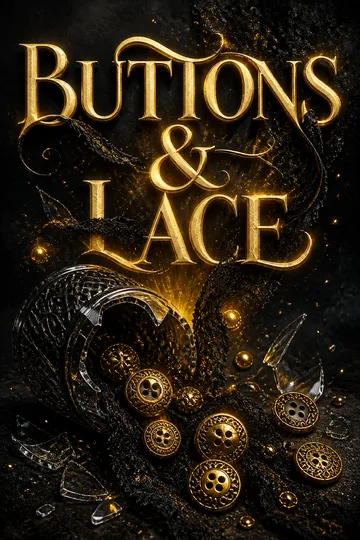
The Button Jar
Freedom with a priceCrow gives Pearl buttons for sexual acts and promises to release her once she collects 365. Pearl can negotiate the amount for particular requests, turning the jar into a crude system of exchange and a visible measure of her progress. Crow also accepts buttons when Pearl wants something from him, including dates and time together. The device keeps their intimacy tied to the original imbalance: Crow controls her freedom, even as Pearl gains leverage over how she spends her time. As the jar fills, it becomes a source of opposing pressure. Pearl sees a route out, while Crow recognizes how quickly his promise may end their life together.
The Ankle Tracker
A signal across distanceCrow has a GPS tracker implanted in Pearl's ankle while she is in his custody. It initially functions as part of the control surrounding her confinement, but he rarely needs to consult it because Pearl does not attempt to flee. After she is abducted, the tracker lets Crow follow her movement toward Rome. Its signal ultimately reveals that she is aboard a plane traveling across the Atlantic, confirming that she escaped her captors and is heading west.
The Embassy Ruse
Pearl becomes the baitPearl proposes pretending to escape and heading for the American embassy, betting that Bones will try to retrieve her himself. Crow and Cane plan to use his response as an opportunity to ambush him, rather than hand Pearl over or continue attacking her to provoke him. The plan depends on Pearl's knowledge of Bones and her willingness to take a visible risk. It remains a proposed operation, not an executed one, before the final kidnapping changes the situation.
Negotiated BDSM
Desire becomes negotiationCrow and Pearl use buttons to negotiate the sexual encounters and forms of attention each wants. The arrangement includes explicit limits, including a safe word in the playroom, and Pearl increasingly asks for experiences that challenge Crow's habits, such as a public outing, romantic tenderness, or taking control herself. The negotiation gives both characters a language for desire, but it does not erase the fact that Pearl's freedom remains in Crow's hands for much of the story. The same structure that creates moments of chosen intimacy also exposes the unequal conditions beneath them.
About the Author
Other books by Penelope Sky






Download PDF
Download EPUB
.epub digital book format is ideal for reading ebooks on phones, tablets, and e-readers.








