

Key Takeaways
Match the work to your stage, not your mood
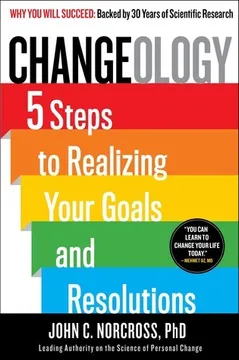
Right task, right time. Changeology’s central argument is that lasting change is a sequence, not a single burst of determination. Its five steps move from getting ready, to planning, acting, handling setbacks, and sustaining the new behavior. Each step calls for different tools. Self-examination and emotional motivation can help at the beginning, while changing routines and surroundings matters more during action and maintenance. Using the right tool at the wrong time can leave someone busy but stuck.
Progress predicts success. The book cites a review of 39 studies involving 8,238 patients, linking advancement through the steps with better outcomes. In one study of New Year’s resolutions, 44 percent of people who moved into action remained successful at six months, compared with 4 percent who stayed in preparation. The point is not to rush forward, but to identify what the current step requires.
What's useful here is the distinction between motivation and task fit. A person who is still weighing a decision may need reflection, while someone already acting may need practice and environmental support. That logic resembles good coaching: feedback is most effective when it meets a learner's present skill, not when it repeats a generic pep talk. The reported results make the case compelling, though stage categories can blur in real life and progress is rarely tidy. The model works best as a navigation aid, not as a rigid test of whether someone is changing correctly.
Treat readiness as behavior-specific, then choose goals you control
One person, several stages. Readiness is not a personality type. Someone may be taking steps to exercise, merely considering a financial change, and already maintaining a healthier relationship pattern. The book excludes people who are unaware of a problem or are not voluntarily considering change; pressure from family or an employer may produce temporary compliance without personal commitment.
Choose your own target. Select a behavior that is meaningful, measurable, realistic, and substantially under your control. A goal to communicate more honestly is actionable; a goal to make another person change is not. The author suggests focusing on two related goals at once, such as exercise and healthier eating, while sequencing other priorities. For each goal, assess the actual behavior and intentions of recent weeks, rather than the person’s hopes about what they might do.
The behavior-specific view protects people from turning one setback into a global verdict about themselves. It also improves planning: readiness to change a relationship habit cannot be inferred from readiness to manage money. The emphasis on voluntary goals respects autonomy, a key concern in counseling and education alike. Still, personal control is not unlimited. Income, disability, caregiving, discrimination, and access to services shape what actions are feasible. A useful goal is not merely under individual control in theory; it must also be realistically possible within the person's circumstances.
Use ambivalence as fuel, but make the reasons concrete
See both sides clearly. In the opening step, the book asks readers to track their current behavior, learn about its effects, and consider what it gives them as well as what it costs. This matters because unwanted habits often provide immediate comfort, pleasure, or relief even when their longer-term effects are damaging. Monique, who wanted to change her smoking, drinking, and eating patterns, first listed few advantages to changing and several losses she feared. After reflecting and gathering information, her reasons to change became more numerous and emotionally meaningful.
Push away and pull toward. Motivation can draw energy from concern about the consequences of the current pattern and from a vivid picture of a better future. The book calls for balancing the two rather than relying only on shame or optimistic fantasy. The goal is not to erase every drawback of change, but to see clearly why the benefits matter more.
This approach takes ambivalence seriously rather than treating it as laziness. In decision science, people often discount distant costs while responding strongly to immediate rewards, so making future consequences emotionally tangible can correct a predictable bias. The positive vision matters too: aversion can initiate effort, but shame alone can narrow attention and encourage avoidance. There is a further caution: emotional intensity is not the same as readiness or capacity. A compelling reason can start a decision, but practical skills and support still determine whether the decision can be carried out.
Plan the route, not just the destination
Turn wishes into actions. During preparation, define a SMART goal: Specific, Measurable, Attainable, Relevant, and Time-specific. A broad hope such as becoming healthier needs observable subgoals, such as exercising regularly or recording food choices. The book also recommends studying the behavior pattern before changing it. Record when the behavior occurs, what situations or feelings precede it, what action follows, and what short-term reward or delayed cost results. Monique discovered that stress, fatigue, and celebrations all increased her smoking, so a workable plan had to address more than one trigger.
Prepare people and tools. Recruit a few supportive people, make a clear commitment, choose a start date, and write down an action plan. Begin within a week of completing the plan, while remaining willing to revise it. Planning should prevent avoidable surprises, not become perfectionistic procrastination.
The behavioral record turns a vague character judgment into a pattern that can be examined and changed. That shift is powerful: instead of saying someone lacks discipline, the plan can target the specific moment when stress, location, or social cues precede the behavior. This resembles process mapping in organizations, where failures are often corrected by redesigning the sequence rather than blaming an individual. Planning can nevertheless become a refuge from action, especially for perfectionists. The useful plan is one that guides a first attempt and can learn from it, not one that predicts every complication.
Build the alternative and reward it where life happens
Replace, reinforce, reshape. In the action step, do the healthy alternative rather than merely trying to suppress the unwanted behavior. The book calls this countering: using a behavior that competes with the old one, such as relaxation instead of anxious avoidance or exercise instead of sitting still. Reward small, specific steps promptly and consistently, then reduce the frequency as the behavior becomes established. A reward can be praise, leisure, or an agreed treat, provided it follows the behavior it is meant to strengthen.
Make surroundings allies. Change the people, places, and objects that cue the old pattern. Monique removed tempting snacks and stocked convenient alternatives. Andrew, who overspent during nights out, arranged direct deposit and planned lower-cost activities with different friends. Supportive relationships become especially important after the first weeks. Together, rewards, alternatives, environmental changes, and social support address the cues, actions, and consequences that sustain a habit.
The strongest practical insight is that behavior is shaped by its surroundings as well as by intention. Making a desired action convenient and an unwanted one less available can reduce the number of decisions that must be won through self-control. Pairing an alternative with an immediate reward also supplies feedback while long-term benefits remain distant. Rewards need thoughtful design, however. If they feel controlling, stigmatizing, or unrelated to the person's values, they may breed resistance. The book's emphasis on personal fit and negotiated support helps keep reinforcement collaborative rather than punitive.
A slip is data, not proof that change has failed
Separate a lapse from a collapse. The book defines a slip as a brief return to an unwanted behavior and a relapse as abandoning the goal and returning to the old pattern. In the cited research, 58 to 71 percent of people slipped at least once during the first month of action, with an average of six slips. The number of slips alone did not distinguish eventual success from failure. The response mattered more.
Interrupt the spiral. The Abstinence Violation Effect is the tendency to interpret one lapse as evidence of personal failure, then give up altogether. Instead, resume the goal promptly, identify the trigger, and update a written plan for what to think, do, feel, and whom to contact. For intense cravings, urge surfing means noticing the urge without fighting or obeying it, much as a wave rises and passes. A brief Slip Card can make these steps easier to remember under pressure.
This distinction counters all-or-nothing thinking, a common trap in health behavior and learning. A lapse can reveal a missing skill or an overlooked trigger, which makes it useful information if the person responds without self-condemnation. Urge surfing adds a different response: attention shifts from obeying or suppressing a craving to observing its changing sensations. That can be especially helpful when forceful suppression makes a thought more salient. The approach should not minimize serious risk, however. For dangerous substance use or acute mental health crises, professional care may be essential rather than optional.
Keep maintaining the supports that made change possible
Success needs upkeep. The final step is not passive. Continue tracking progress, using healthy alternatives, shaping the environment, and drawing on supportive relationships, though often less intensively than during the first weeks. Andrew learned this after becoming confident and gradually abandoning his budget, rewards, and check-ins. His behavior drifted backward over several months before he recognized what had changed.
Practice for real conditions. Early on, avoid the strongest triggers while building confidence. Later, cautiously re-enter situations that cannot realistically be avoided forever, and practice the new response there. The book calls this cue exposure. A person who wants to eat well in restaurants, for example, needs opportunities to practice those choices in restaurants, not simply avoid them indefinitely. Assess confidence in specific situations, since confidence at home may not transfer to a stressful workplace or social event.
The distinction between avoiding cues and learning to handle them is important. Avoidance can protect a fragile new routine, while gradual practice can make that routine more flexible across settings. This resembles skills training: competence in a safe setting does not automatically generalize to a difficult one. The gradual return should be calibrated to risk, not treated as a test of toughness. Some triggers are better avoided permanently, especially when exposure creates substantial danger. The wider lesson is that maintenance is active adaptation, not a demand to keep every early strategy at full intensity forever.
Expect progress to spiral, and decide what lasting success means
A setback can still move you forward. The book's spiral model describes people cycling through preparation, action, and maintenance more than once, while learning from each attempt. A return to an earlier step is not necessarily a return to the beginning. Monique reached stable change in smoking and weight management, while treating alcohol as a continuing challenge that required vigilance. Andrew also had setbacks before sustaining a committed relationship and more responsible spending.
Set a realistic finish line. Some behavior patterns may eventually feel integrated into a healthy lifestyle, with little temptation and strong confidence. Others may require lifelong attention. The author frames these as different outcomes, not moral rankings. A 90-day program is a structured beginning, not a guarantee of permanent change. The book is intended for voluntary behavior goals, not crises involving suicidal intent or breaks with reality; self-help can also be combined with professional treatment when needed.
The spiral is a humane alternative to the fantasy that successful change proceeds in a straight line. It allows setbacks to contribute learning without pretending they are harmless or inevitable for everyone. The distinction between changes that become routine and those requiring ongoing vigilance also resists a one-size-fits-all definition of recovery. A useful qualification is that the book's 90-day schedule is a practical organizing device, not a universal biological deadline. People differ in health, resources, and exposure to triggers. Progress should be judged by durable functioning and safety, not by calendar milestones alone.
Analysis
Changeology's distinctive contribution is less the claim that people change in stages than the insistence that useful strategies depend on timing. It organizes a large, mixed toolkit around a practical diagnostic question: what kind of work is called for now? Reflection and emotional engagement suit deliberation; concrete plans prepare action; practice, reinforcement, environmental design, and social support help enact it; relapse planning and continued monitoring protect the gains. This sequence gives structure to advice that otherwise competes for attention.
The human stories make the model memorable because Monique and Andrew do not succeed through a single inspirational breakthrough. They learn to identify triggers, build alternatives, recruit support, and recover from missteps. Their contrasting outcomes also communicate an important idea: one person can permanently change some behaviors while needing sustained vigilance around others. Change is not a verdict on character, and maintenance is not failure to be cured.
The book's confidence in a general five-step map is useful, but its numerical claims should be read as findings from particular studies and contexts, not as personal guarantees. Stages are broad categories, and people may move back and forth or need several kinds of support simultaneously. A 90-day structure can create momentum and sufficient time for practice, but it cannot standardize the pace of recovery. Nor should the self-help emphasis imply that serious addiction, psychiatric symptoms, or unsafe circumstances are best handled alone. The author explicitly allows professional care, which strengthens the program's practical usefulness.
The most transferable principle is therefore disciplined flexibility: define an observable goal, study the conditions that maintain the behavior, select tools suited to the current task, and revise the plan in response to evidence. This joins personal agency with environmental realism. It asks people to take responsibility without pretending that willpower operates outside relationships, resources, biology, and circumstance. The result is not a promise of effortless transformation, but a repeatable method for making each attempt more informed than the last.
Glossary
Psych, Prep, Perspire, Persevere, Persist
Five tasks of changeThe book's five-part practical sequence for behavior change. Psych means becoming ready; Prep means planning; Perspire means taking sustained action; Persevere means handling urges and slips; and Persist means maintaining the new behavior over time. These are presented as tasks matched to a person's current readiness, not as fixed personality types or guaranteed calendar stages.
step matching
Timing tools to readinessThe practice of choosing change strategies that fit the person's current step. Reflection and emotional motivation may help someone considering change, while environmental adjustments and behavioral practice better serve someone already acting. Applying a useful strategy at the wrong time can be ineffective or counterproductive. Step matching is the book's core rule for deciding what to do next.
change catalysts
Strategies that propel changeResearch-supported families of strategies that help people advance through change. Examples include tracking behavior, increasing awareness, building commitment, rewarding progress, practicing healthy alternatives, modifying the environment, and using supportive relationships. A catalyst is broader than a single technique: one family can include multiple methods that a person selects and adapts to fit their circumstances.
self-efficacy
Confidence in a specific taskA person's realistic belief that they can carry out a particular behavior or reach a particular goal. It differs from general self-esteem because it concerns capability in a defined task and situation. Confidence may vary by context, such as feeling able to follow a budget at home but less confident while socializing with friends who overspend.
behavioral chain
Triggers, actions, consequencesA sequence connecting the conditions that precede a behavior, the behavior itself, and what follows it. A person records when and where the behavior occurs, relevant feelings and social situations, the action taken, and its immediate and delayed consequences. Mapping this chain can reveal triggers and short-term rewards that keep an unwanted pattern going.
countering
Practicing a healthy alternativeThe book's term for deliberately doing a healthier behavior that competes with or replaces an unwanted one. Examples include exercising instead of remaining inactive, using relaxation instead of escalating anxiety, or communicating assertively instead of avoiding a difficult conversation. Countering emphasizes performing and practicing the alternative, rather than relying only on insight or intention.
Abstinence Violation Effect (AVE)
Turning a slip into surrenderA response pattern in which a person treats a single lapse as proof of total failure. The resulting shame or hopelessness can weaken confidence and make abandoning the goal seem reasonable. The book advises separating the behavior from the person's identity, resuming the plan quickly, and learning what conditions contributed to the slip.
urge surfing
Observing cravings until they passA mindfulness-based method for responding to intense cravings without trying to suppress them or immediately acting on them. The person notices the urge's bodily sensations and thoughts, attends to breathing, and watches its intensity change over time. The wave image conveys that cravings rise and fall, while the observer can choose not to follow them.
spiral of change
Repeated attempts with learningA model in which people may cycle through readiness, preparation, action, and maintenance more than once. Unlike a simple circle, the spiral represents learning from setbacks and carrying that knowledge into another attempt. It rejects both the idea of perfectly linear progress and the assumption that a return to an earlier step erases all previous growth.
Download PDF
Download EPUB
.epub digital book format is ideal for reading ebooks on phones, tablets, and e-readers.








