


Plot Summary
The Apartment Betrayal
Cancer has left Andres in remission but financially exposed: he still needs checkups and medication, struggles to pay bills, and depends heavily on Matt, the childhood friend who became his family. Rodney, the gentle nurse who became Andres's boyfriend, has promised they will build a life together. Then Andres returns from an appointment early and hears Rodney in Matt's bedroom.
A call to Rodney rings from inside the room, confirming what the two men cannot explain away when Matt opens the door. Andres packs a few clothes and leaves, unable to face either of them. His friend Camilla takes him in, dresses him for a night out, and gives him a chance to act unlike the fragile person everyone expects him to be.
The betrayal removes two kinds of security at once. Rodney's infidelity breaks the promise of romantic care, while Matt's betrayal strikes at the chosen family Andres built after his relatives withdrew during his illness. His response is immediate flight, not negotiation, because the apartment has become a place where his dependence can be used against him. The night out is less a celebration than a small experiment in self-authorship: Andres chooses unfamiliar clothes, alcohol, and risk because the identity others assigned him as sick and helpless has become unbearable.
A Gun in the Alley
Across town, cartel leader Zacharias Herrera catches his wife Ida in bed with Tyson, his longtime lieutenant. He sends Ida away and mutilates Tyson as punishment, leaving his own home more violently divided than before.
At a club, still burning with betrayal, Zacharias spots Andres being forced against an alley wall by an aggressive stranger. He draws his gun and makes the attacker flee, then offers Andres help. Shaken and unable to find Camilla, Andres accepts a walk and food with the armed stranger who has just protected him.
Zacharias attends to a scraped knee, and their attraction quickly turns physical in his car. Andres leaves without knowing Zacharias's name, but the encounter gives him an intoxicating taste of being desired rather than carefully handled.
The rescue binds danger and safety together from the outset. Zacharias uses the weapon that marks him as threatening to interrupt an immediate assault, while Andres's willingness to trust him reflects both genuine relief and a hunger to escape the role of protected patient. Their attraction is not built on ordinary courtship. It is accelerated by crisis, secrecy, and a shared appetite for control and surrender. Zacharias, who responds to betrayal with calculated violence, discovers in Andres an intimacy that is not yet organized around his power or reputation.
The Paid Engagement
Needing money and a new job, Andres goes with Camilla to interview at Moby's bar. There he meets Samantha Herrera, a guarded college student drinking through a bad day.
Samantha needs a fiancé for a family dinner: after photographs linked her to Clarissa Perez, the daughter of a man her family considers an enemy, her father demanded that she present a respectable match. She offers Andres two thousand dollars to play the role for one evening, and he accepts. At the Herrera mansion, his supposed future father-in-law introduces himself as Zacharias.
The name and the piercing marks Andres removed from his face make the truth unmistakable: this is the man from the car. Zacharias recognizes him too, while Andres must keep his real name and their encounter secret.
Money makes the deception plausible, but the arrangement also exposes how each character manages constraint. Samantha uses a public engagement to redirect scrutiny from her private life; Andres accepts because rent and medical security have narrowed his choices. Zacharias, meanwhile, treats the performance as both a threat to his control and a chance to keep Andres close. The alias Victor gives Andres a role to perform, yet it also divides his identity at exactly the moment he is trying to become more self-directed. The dinner turns a supposedly temporary transaction into an intimate and political trap.
Mass and a Locked Door
Samantha asks Andres to return for Sunday mass and brunch, then tells him the public engagement must continue because her father's associates are harder to convince than her parents. At church, Zacharias separates Andres from Samantha and confronts him in the sacristy.
Andres admits that Victor is his real middle name and that the first-night encounter happened before he and Samantha began their arrangement, but insists their engagement is genuine. Zacharias does not believe the romance, yet he agrees to stage an engagement party.
On the drive to brunch, he presses Andres about their past and their supposed relationship. The tension deepens when Fernando reveals that someone has begun tracking Andres and searching for him, making the fake engagement a source of real danger.
The church offers a public setting of ritual and respectability, but Zacharias turns its private rooms into an interrogation space. The contrast captures the novel's central instability: moral language and social appearances coexist with coercion, criminal power, and desire. Andres's claim that the engagement is genuine is partly protective fiction, partly a decision to keep the money and avoid provoking Zacharias. The threat outside the family makes that fiction consequential. What began as a performance is already determining where Andres can go, whom he can trust, and how much of himself he can disclose.
The Family's Safe House
A man with a gun appears at Andres's coffeehouse job, asking where to find him. When the stranger waits outside, Fernando takes Andres away and destroys his phone after finding a tracking device. He explains that Zacharias has been monitoring Andres, while enemies connected to the family may be following him too.
Zacharias brings Andres to a guarded condo, admits Ida saw them together, and says his cousin Jesse may know about their encounter. He arranges protection and insists Andres keep the engagement party appointment.
As Zacharias learns that Andres's cancer treatment continues and sees the scars from his hospital years, his protection becomes more personal. He supplies clothing, food, and a place to stay, while Andres's fear and financial need make refusing the help increasingly difficult.
The safe house is both refuge and enclosure. Fernando's intervention prevents a possible abduction, but the destroyed phone and hidden tracking also make clear that protection in this family comes with surveillance and lost autonomy. Zacharias provides material care that Andres has rarely received without conditions, and the tenderness is emotionally potent precisely because it is inseparable from control. Andres is not simply choosing between safety and danger; he is choosing among forms of dependence. The condo makes his old life feel distant while quietly preparing him to belong to a world he still does not understand.
The Engagement Party
At the Herrera mansion, Andres meets Samantha's godparents and brother Enrico, then endures questions about his background and the wedding. Zacharias repeatedly finds ways to touch him without exposing their affair, first at dinner and later in an upstairs room.
Andres returns to the guests and performs the devoted fiancé, while Samantha's affection seems increasingly practiced. Zacharias's trusted associate Andy warns that the family is vulnerable and hints that Zacharias's private life could be used against him. Ida never appears.
Zacharias tells Samantha her mother is ill, but Fernando later reports that Ida has been found murdered and her body concealed. Zacharias orders the truth withheld while the party continues, leaving him to celebrate his daughter's supposed future as grief and suspicion gather behind the music.
The party converts family life into a public production. Andres must play a fiancé, Zacharias a proud father, and the absent Ida a temporarily ill wife; every role protects the Herrera image while making private reality harder to recognize. The affair gives Zacharias a private emotional refuge, but it also increases the number of people who could exploit his attachment. Ida's death shifts the stakes from marital fracture to organized violence, yet Zacharias chooses concealment over disclosure, repeating the family habit of treating emotional truth as a liability to be managed.
Gold, Blood, and Missing
Zacharias gives Andres a well-paid assistant manager job at one of his clubs, where the drug trade operates behind coded orders and ordinary bar work. Meanwhile, a stolen shipment turns out to contain gold belonging to Dario Fernandez, a powerful criminal whose people expect it returned.
At a family outing on the lake, Zacharias learns that his brother Enrico has disappeared. He then finds his uncle Arturo dead, his organs removed, and the guards gone. Fernando confirms that Ida's organs were also missing, suggesting a pattern rather than two unrelated murders.
Samantha blames Zacharias and threatens to leave with Andres after the wedding. Enrico later contacts his father to say he has gone into hiding with an aunt, but danger around the family continues to escalate.
The lake trip briefly stages leisure, but its family tensions make the outing feel like a negotiation conducted under sunlight. The missing gold links Zacharias's business to an external threat, while the removal of organs turns private losses into evidence of a commercial system. This juxtaposition matters: the family does not merely suffer violence, it lives inside economies that can make bodies and loyalties interchangeable. Andres's new job gives him a foothold in the Herrera world, but the job also reveals that the help offered to him carries obligations and risks he never knowingly accepted.
The Hand in the Box
While searching for Enrico and dealing with the gold theft, Zacharias stops at a roadside store and is knocked unconscious. A man interrogates him about the missing gold and threatens his children, then leaves him suspended in a warehouse.
Zacharias kills his captor and escapes, battered and disoriented. Back at the mansion, he opens the bloodied package left on his desk and finds Enrico's severed hand, accompanied by a demand for the gold. Soon afterward, a search of Andres's apartment uncovers money hidden beneath loose floorboards, along with a letter offering information about Zacharias.
Convinced that Andres sold him out, Zacharias ignores the possibility of a frame-up. He lures Andres to a private meeting, drugs him, and prepares to force the confession he believes the evidence proves.
Zacharias's suspicion is not created from nothing: the hidden cash and letter appear to confirm an existing fear that affection has made him vulnerable. But his response shows how trauma narrows interpretation. He has spent a lifetime treating betrayal as the safest explanation, so evidence that might invite investigation instead licenses immediate punishment. The severed hand intensifies his panic by turning family danger into a visible object. Andres becomes a convenient explanation for threats Zacharias cannot control, and the man who has claimed to protect him now becomes his captor.
The Gold Collar
Zacharias strips and chains Andres, accuses him of taking the club money, and tears out his piercings while demanding to know who is helping him. Andres denies the theft and begs Zacharias to believe him, but Zacharias fastens a locked gold collar around his neck.
He leaves Andres with men connected to the gold shipment, expecting them to kill him once they remove the collar. One of the men tries to assault Andres before Fernando arrives.
Fernando has found hidden camera footage identifying the actual thief and tracked Andres through a charm attached to the collar. He kills the attacker, cuts Andres free, and takes him away. Andres is physically safe, but Zacharias's choice has destroyed the trust that made their relationship feel like shelter.
The collar transforms evidence into an instrument of judgment. It makes the stolen gold physically inseparable from Andres, even as the collar's tracker later enables his rescue. This double function captures the novel's recurring ambiguity: objects meant to protect or bind can become tools of both care and harm. Zacharias's violence is especially damaging because it repeats the very abandonment Andres has feared, only now with deliberate cruelty. Fernando's rescue corrects the immediate danger, but it cannot restore the belief that Zacharias's promises will hold under pressure.
Samantha's Last Betrayal
Fernando takes the injured Andres toward the Herrera estate, where Samantha has brought a badly wounded Enrico and claims she has killed Fernando. At a barn, she admits she arranged the stolen money and gold, killed Ida and Arturo, and joined people trafficking in organs.
She also reveals that Arturo was her biological father, making her Zacharias's niece rather than his daughter. Samantha has used the engagement to manipulate her father and planned to eliminate anyone who could expose her. Andres arrives before she can kill Zacharias.
He kills Samantha, stopping her attack, while Fernando is alive and joins them. Enrico survives, though gravely injured. Zacharias and Andres leave the barn together, but the rescue does not erase the fact that Zacharias himself had recently handed Andres over to be killed.
Samantha's disclosure reframes the family as a structure built on concealed lineage, transactional loyalty, and violence misread as protection. Her claim to freedom is real, but she pursues it by reproducing the coercive methods that trapped her. Andres's intervention is a decisive shift from being acted upon to acting under pressure; he becomes capable of violence without becoming emotionally untouched by it. The rescue is therefore not a clean return to romance. It saves Zacharias's life while forcing both men to face how thoroughly their intimacy has been contaminated by mistrust.
A Knife Between Them
After the barn, Andres wakes in the mansion beside the injured Enrico and learns that Zacharias is recovering nearby. He sits beside Zacharias with a pillow in his hands, briefly considering suffocation, but cannot do it.
Zacharias later apologizes for believing the planted evidence and for delivering Andres to his enemies. Andres says love cannot simply erase the damage, then stabs Zacharias in the chest and shoots him in the thigh. Zacharias stops him from causing worse injuries and accepts the punishment rather than turning it back on him.
Andres breaks down, and the two reconcile physically and emotionally, agreeing that rebuilding trust will take time. The crisis does not make their relationship safe, but it gives them a choice to continue after the betrayal has been named.
Andres's violence functions as an attempt to reclaim agency after a sequence in which other people have repeatedly controlled his body. The fact that he cannot kill Zacharias, yet still injures him, refuses both simple forgiveness and clean separation. Zacharias's willingness to accept the wounds marks a rare suspension of his usual demand for control. Their reconciliation remains morally unsettled: desire and care persist, but neither can undo the coercion that has shaped them. The scene makes trust a practice with consequences, not a feeling restored by an apology.
The Collar's New Meaning
Three weeks later, Andres and Zacharias attend Samantha's funeral, where both speak about the woman they knew despite everything she did. Andres keeps the gold collar, now a reminder of danger as well as his bond with Zacharias. He leaves the funeral alone and walks to a creek, where an armed man confronts him. Andres stabs the attacker, takes his gun, and runs into the trees.
The pursuit leads into a staged capture and sexual rescue game that Zacharias has arranged around their shared appetite for fear and surrender. The game ends with Zacharias claiming Andres and carrying him away. Their danger is not resolved: the men seeking the gold remain a threat, while Andres has begun to meet that threat with tactics of his own.
The funeral gives grief a public form, but Andres's private departure immediately unsettles that closure. His willingness to approach danger suggests that he has begun to turn the helplessness imposed on him into chosen risk, though the boundary between agency and reenactment remains precarious. The collar carries this contradiction: it once marked him for death, and now it signifies a bond he chooses to keep. The staged rescue gives the couple a controlled version of the violence that has shaped their relationship, while reminding the reader that their control is never complete.
Epilogue
One year later, Andres and Zacharias share a domestic routine of art, anime, favorite snacks, and negotiated BDSM play. Andres still has not forgiven Matt, whose attempts to reconnect include warning Andres's family about Zacharias. Zacharias has kept his promise not to harm Matt, though he continues to watch him.
A new threat arrives through Andy, who wants to expose Zacharias and pressure him over the relationship. Zacharias has Andy imprisoned alive in Samantha's coffin and plans further retaliation. Andres, meanwhile, paints Zacharias and wears the gold collar, combining the gentler habits he has reclaimed with the dangerous life he now inhabits.
The epilogue does not resolve the couple's contradictions so much as make them part of daily life. Andres's drawing, cartoons, and comfort foods restore ordinary pleasures that illness and betrayal had narrowed, while the collar and Zacharias's retaliatory violence keep the criminal world present inside their home. Their negotiated erotic roles offer language and ritual for desires that once felt shameful, but they do not erase the imbalance of power between them. Matt's continued presence shows that Andres's old injuries remain unfinished. The final image is therefore neither domestic safety nor pure menace: it is a chosen intimacy built inside a danger that the couple continues to reproduce and manage.
Analysis
Conflicted builds its romance inside systems that make care difficult to distinguish from control. Andres has experienced abandonment during illness and overprotection from the people closest to him; Zacharias offers the attention and affirmation he craves, but he also monitors, confines, and ultimately harms him. The relationship's appeal and danger arise from the same source: Zacharias can make Andres feel uniquely seen because he is willing to direct nearly every part of his life. The novel does not present their bond as a straightforward escape from violence. Instead, it asks whether consent and tenderness can survive when one partner holds nearly all the practical power.
Andres's body carries the story's struggle over agency. Cancer treatment, piercings, hidden needle play, and the gold collar each attach meaning to pain or bodily control. At first, pain helps him reclaim a sense of choice after illness made his body feel governed by others. Later, BDSM gives that desire a negotiated language, though the plot repeatedly shows how easily Zacharias's authority can overrun the agreements that make play safe. Andres's growth is therefore not simply learning to submit or becoming tougher. It is learning to act, refuse, and choose even when love makes those choices costly.
The Herrera family mirrors the couple's instability at a larger scale. Samantha, Zacharias, and Enrico all want some version of freedom, but secrecy and criminal inheritance distort the routes available to them. The fake engagement turns romance into public camouflage; the cartel turns family loyalty into a security problem; the stolen gold turns business into bodily threat. Even the final domestic calm remains bordered by revenge and surveillance. The book's most revealing tension is that belonging can feel like rescue while making departure harder. Its ending offers not innocence restored, but two damaged people trying to make trust through repeated choices, with consequences still waiting outside the door.
Review Summary
Conflicted by Ashlynn Mills receives polarized reviews, averaging 3.66 stars. Readers praise the dark mafia romance's strong opening, chemistry between Andres and Zacharias, and intense kink exploration including needle play and blood play. However, many criticize the illogical plot development, particularly the fake fiancé storyline, repetitive miscommunication, and jarring ending where Zacharias brutally tortures Andres before their reconciliation. Several reviewers found the "daddy/kitten" terminology excessive and felt Zacharias was too foolish for a drug lord. While some embraced the toxicity and dark twists, others felt betrayed by the shift from sweet romance to extreme violence without proper setup.
People Also Read


Characters
Andres
The wounded self-inventorAndres is a cancer survivor in remission who is trying to rebuild his life after illness interrupted school and work, strained his finances, and distanced him from his family. He is affectionate, imaginative, and easily made to feel like a burden, especially by people who mistake care for permission to control him. His stuffed mouse, anime, art, and sweet snacks give him concrete comforts when adulthood feels too demanding. He also has a private interest in pain and submission that he has struggled to understand without judging himself. His relationship with Zacharias offers intense recognition, but it also exposes how readily Andres confuses protection with safety. He wants to become his own person without giving up the comfort of being cared for.
Zacharias Herrera
The guarded cartel patriarchZacharias leads a Texas cartel with the habits of a man who expects betrayal before it arrives. He is observant, strategic, possessive, and capable of extreme violence, yet he also notices small needs and offers practical care with surprising tenderness. His marriage to Ida has become a contest of resentment, and his strained relationship with his children reflects years in which business and protection crowded out ordinary affection. Andres draws out a softer side Zacharias believes he has lost, but desire quickly becomes entangled with surveillance and authority. Zacharias wants to keep his family safe and maintain control of his empire; those aims often clash, and his fear of being deceived can make him punish the people he most wants to protect.
Samantha
The restless cartel heiressSamantha is Zacharias's college-age daughter, raised among wealth, danger, and rules she did not choose. She wants independence and resents her father's efforts to manage her relationships and public image. Her guarded manner can make her seem dismissive, but she is capable of quick decisions and knows how to use the family resources available to her. She recruits Andres for a practical reason and asks him to help her navigate a family crisis, while their arrangement forces both of them to perform intimacy in public. Samantha's conflict with Zacharias is shaped by a struggle over who has the right to define her future, and by the cost of growing up inside a family where personal choices can become political liabilities.
Fernando
The loyal chief of staffFernando is Zacharias's trusted driver and security chief, a practical man whose loyalty extends beyond carrying out orders. He handles surveillance, transport, and protection, often noticing the danger or emotional strain that Zacharias would rather ignore. His steady presence makes him one of the few people able to challenge the cartel leader directly. Fernando also cares deeply about Zacharias's children and will intervene when the family is at risk. His loyalty is not blind obedience; he weighs the consequences of an order against the people it may harm.
Enrico
The rebellious young sonEnrico is Zacharias and Ida's son, a young man who resists the family rules his father treats as unavoidable. He is sarcastic, independent, and more willing than his sister to leave a tense room rather than perform its social rituals. His closeness to Fernando gives him a source of protection outside his father's authority. Enrico understands the danger around him because he grew up inside it, but he still tries to claim ordinary freedom from the cartel's demands.
Ida
The estranged cartel wifeIda is Zacharias's wife and the mother of his children, accustomed to the wealth and social position attached to the Herrera household. Their marriage has curdled into mutual distrust, and she resents Zacharias's long absences and rigid control. She is socially skilled and adept at hiding what she wants, but her choices intensify the conflict around the family. Her relationship with her children remains important to her, even as her marriage becomes a source of bitterness and danger.
Camilla
Andres's steadfast friendCamilla is Andres's friend, the person who offers him a place to stay after he leaves Matt and Rodney. She is direct, sociable, and quick to turn concern into practical help, from lending him clothes to arranging a job interview. Her humor helps Andres move through grief without pretending it has vanished. She worries when he disappears and asks for the truth, even when he tries to protect her from his new complications.
Matt
The childhood best friendMatt grew up with Andres and stayed close during his cancer treatment, becoming the person Andres relied on when family support failed. His protective habits, however, often make Andres feel helpless rather than trusted. Their shared history gives his betrayal particular force: he is not simply a friend Andres can replace, but the person who helped define home after illness disrupted it. Matt's later attempts to reconnect do not immediately repair the damage.
Rodney
The careful former boyfriendRodney is Andres's former boyfriend and a nurse he met during cancer treatment. He offers patience and gentleness, qualities that initially make Andres feel cherished, but he struggles to meet Andres's desire for more forceful, adventurous intimacy. His choices expose the difference between being treated as fragile and being known as a whole person. His betrayal also entangles Andres's romantic loss with the loss of Matt's friendship.
Tyson
Zacharias's compromised lieutenantTyson is a longtime associate and right-hand man in Zacharias's criminal organization. He is used to operating within a chain of command where loyalty has practical value and mistakes can carry brutal consequences. His connection to Zacharias reaches back many years, making their professional bond more personal than a simple employer relationship. He is also involved in the fractures that have spread through the Herrera household.
Jesse
The ambitious cousinJesse is Zacharias's cousin, a resentful and opportunistic man who tests the limits of family loyalty. He tries to use private information and shifting alliances to gain leverage over Zacharias. His presence demonstrates that the cartel's threats do not come only from outside competitors; kinship itself can provide access to the household's weak points.
Andy Della Cruise
The uneasy cartel allyAndy is a powerful associate whose business interests have long been tied to Zacharias's rise. He helped shape the cartel's leadership and understands how quickly an ally can become a rival. His advice about reputation and public expectations reflects the rules by which the criminal organization preserves power. Andy's relationship with Zacharias is built on mutual usefulness, making trust difficult to separate from calculation.
Arturo
Zacharias's influential uncleArturo is Zacharias's uncle and a senior figure in the family network. His authority and connections make him important to the cartel's balance of power, even when he is absent from the day-to-day household. The family members around him see him through their own calculations of loyalty, inheritance, and influence.
Dario Fernandez
The gold-shipment ownerDario Fernandez is a powerful criminal whose stolen gold shipment draws the Herrera organization into a wider conflict. He is not a close presence in the household, but the possibility of his retaliation shapes Zacharias's decisions and raises the danger around the family.
Richie
Samantha's family godfatherRichie is Samantha's godfather and a longtime friend of the Herrera family. He attends the engagement events, asks Andres pointed questions, and watches the family with the caution of someone familiar with criminal power. His public warmth does not prevent him from noticing when the family's explanations feel incomplete.
Regina
Richie's attentive wifeRegina is Richie's wife and one of the older guests at the Herrera gatherings. She is gracious toward Andres and attentive to the family's absences and tensions. Her manner provides a small contrast to the suspicion and posturing that dominate the men's conversations.
Clarissa Perez
The politically risky girlfriendClarissa is a woman Samantha is photographed kissing near campus. Her connection to a man hated by the Herrera family turns a private relationship into a public risk and helps trigger the demand that Samantha present a fiancé.
Plot Devices
The pretend engagement
A romance-shaped coverSamantha hires Andres to pose as her fiancé after photographs of her kissing Clarissa threaten to become ammunition against the family. The arrangement is meant to satisfy Zacharias and his associates, and the pay offers Andres relief from debt. Instead, it brings him into the mansion, forces him to conceal his prior encounter with Zacharias, and exposes him to the family's criminal enemies. The fake engagement also creates emotional confusion: Andres performs devotion with Samantha while becoming attached to her father. Its changing meaning drives the central triangle of secrecy, public appearance, and private desire.
The gold collar
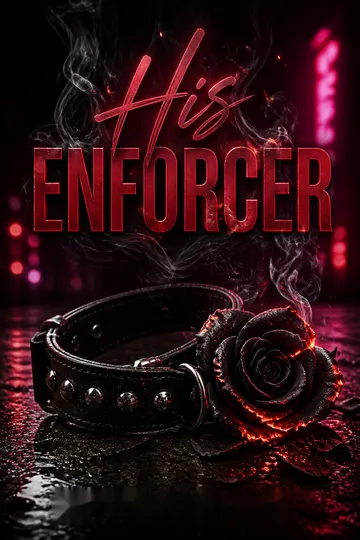
A marked, trackable targetZacharias locks a gold collar around Andres's neck after believing he stole cartel money and betrayed him. He intends the gold to make Andres a target for the men demanding the stolen shipment. The collar is also fitted with a tracking charm, which allows Fernando to locate Andres and rescue him. Later, Andres keeps wearing it by choice, turning a device meant to condemn him into a reminder of his bond with Zacharias and of the danger that remains. Its meaning shifts from punishment to attachment without erasing the harm behind its first use.
The medical needles
Pain becomes self-regulationAndres's history of hospital procedures leaves him with a complicated relationship to needles. After cancer treatment, he begins using shallow needle play to seek control, release, and a sense of bodily agency. He hides the practice because he fears others will judge him or treat him as unstable. When Zacharias discovers the supplies, Andres finally explains what they mean to him. The plot device reveals that his appetite for pain is not simply a taste for danger: it is connected to illness, helplessness, and the effort to reclaim ownership of his body. Later, negotiated play gives the practice a shared structure, though it remains emotionally charged.
Surveillance and tracking
Protection turns into controlZacharias and his organization monitor Andres through phones, tracking devices, guards, and hidden cameras. The surveillance is presented as necessary protection because enemies are searching for Andres, but it also allows Zacharias to direct where he goes and who can reach him. A concealed camera eventually identifies the actual thief after evidence has been planted against Andres, while the tracker on the gold collar helps Fernando find him after his abduction. The same system therefore prevents some dangers and creates others. It embodies the novel's unresolved question of whether safety can be separated from control in a world ruled by suspicion.
The bloodied gold shipment
Crime links every family crisisA robbery yields gold belonging to Dario Fernandez instead of the expected target. Zacharias's attempt to dispose of the gold quickly creates a debt to a more powerful criminal network, while missing money and planted evidence make Andres look like an accomplice. The shipment also connects the family's personal tragedies to the organ-trafficking threat revealed later. It forces Zacharias to respond through violence rather than negotiation and gives his enemies leverage over his children. The gold begins as a business mistake, then becomes a physical sign of how the cartel's economy reaches into the intimate lives of everyone around it.
Download PDF
Download EPUB
.epub digital book format is ideal for reading ebooks on phones, tablets, and e-readers.








