

Plot Summary
The Knife in Donana’s Case
On the Água Negra plantation, young sisters Bibiana and Belonísia sneak into their grandmother Donana’s room and open the old suitcase she guards. They find a bright knife wrapped in a stained rag. Each puts the blade in her mouth. Bibiana cuts her tongue badly; Belonísia loses hers entirely.
Their parents rush them to a distant hospital, but the doctor cannot repair the damage. The girls recover in silence, learning to communicate through practiced gestures until Bibiana becomes her sister’s voice. Their shared language draws them closer, but the knife leaves a wound in both their lives, even though only one sister can speak.
The accident makes speech a relationship rather than a private faculty. Bibiana’s voice becomes a form of care, but also gives her power to interpret Belonísia for others. The sisters’ new intimacy is loving and unequal at once: they need each other, yet one controls what the other can make audible. The knife’s beauty draws them toward forbidden knowledge, while its injury links their bodies to the dangers surrounding their family. Their silence also echoes the community’s restricted choices, where children and adults alike are expected to accept rules they did not make.
Donana’s Riverward Silence
After the accident, Donana loses interest in her garden and spends her days packing and unpacking her suitcase. She briefly finds comfort in Fusco, a crippled dog the girls bring home, and asks the sisters to stay with her at night. Her confusion deepens: she mistakes the girls for her missing daughter Carmelita and imagines Fusco as a jaguar.
One afternoon, Bibiana finds Donana floating dead in the Utinga River. The family leaves the suitcase untouched, and nobody learns what happened to the knife. Donana’s death closes the girls’ last direct link to the secrets she carried, while the plantation’s healer, their father Zeca, takes up the work she once performed.
Donana’s decline is not presented as a simple loss of memory. The suitcase ritual and her confusion around Carmelita suggest a past that remains active even as she can no longer explain it. Her death in the river gives the family a concrete grief, but her hidden history persists as an unanswered inheritance. Fusco briefly draws her back toward the present, showing how care can reach someone whom ordinary conversation cannot. Yet the girls’ later understanding will depend on what Donana concealed, not what she managed to tell them.
The Twins at Zeca’s Door
When Crispina vanishes after discovering her twin Crispiniana with her lover Isidoro, her father Saturnino searches for days before finding her among the graves. He brings her to Zeca, the Jarê healer, bound with rope. Zeca lights a candle to test whether Crispina can be received, then tends her with prayers and tinctures until her mind clears.
The twins argue over Isidoro, but their mother’s support and Zeca’s care keep them under one roof. Crispina returns to Isidoro, while Crispiniana later gives birth to a stillborn child. When her milk continues to flow, Crispina nurses the baby, briefly drawing the estranged sisters back together.
The twins’ crisis places emotional injury beside spiritual illness without forcing one explanation to erase the other. Crispina’s jealousy and flight are specific human responses, while the community reads madness through its religious practice. Zeca’s healing is both ritual and social labor: he gives a frightened family somewhere to bring pain that formal medicine cannot address. The twins’ reconciliation through nursing is tender but temporary. Their bodies sustain a bond that their conflicting desires repeatedly threaten, anticipating how care in Água Negra can hold people together without making them harmless to one another.
Severo Under the Umbu Tree
Bibiana and Belonísia grow into adolescence as their uncle Servó’s family settles at Água Negra. Their shy cousin Severo learns the sisters’ signs and earns both their admiration. After Bibiana sees Belonísia alone with Severo beneath an umbu tree, she tells their mother the pair were kissing.
Salu beats Belonísia and Severo stops visiting. Belonísia refuses Bibiana’s attempts to reconcile until Bibiana injures her foot in the mud. Belonísia helps remove the shard lodged there, and the need to care for each other slowly restores their communication. They resume seeing Severo, while keeping their feelings about him unspoken.
The sisters’ first serious rupture comes not from a stranger but from Bibiana’s decision to turn suspicion into an accusation. Her jealousy becomes an act with consequences she cannot control: their mother’s punishment, Severo’s absence, and Belonísia’s distrust. The injury that repairs their bond is deliberately ordinary, a sister steadying a sister’s foot. Their closeness is therefore neither pure nor automatic; it must be remade through attention and practical care. Severo’s appeal also opens a new kind of desire, one that strains the pair’s shared identity without dissolving it.
A School in the Drought
Zeca persuades the mayor to honor a promise and build a school for Água Negra’s children. The workers raise it themselves, but a punishing drought soon destroys rice, sugarcane, beans, and gardens. Families survive on manioc flour, jatoba cakes, cactus, fish, and whatever fruit they can sell.
Sutério, the plantation manager, takes a third of their produce and controls who may build and plant. In this scarcity, Severo tells Bibiana that tenant farmers have no secure claim to the land they work. He wants to study, own farmland, and escape the plantation’s terms. His ideas give Bibiana a language for the unfairness she has grown up treating as inevitable.
The school offers genuine possibility, but it is built inside a system that still limits the people it serves. Education becomes a modest gain negotiated through Zeca’s influence, while the drought exposes how little protection the workers possess when crops fail. Severo’s ambitions are not merely personal escape; he connects land, labor, and dignity. Bibiana begins to see her family’s daily compromises as political conditions rather than natural facts. The section’s tension lies in that new awareness arriving when hunger leaves the family with very few practical choices.
Bibiana Leaves Before Dawn
Bibiana realizes she is pregnant by Severo and fears telling her parents and Belonísia. Severo proposes they leave Água Negra, pursue their studies, and eventually return with land of their own. Bibiana hesitates until Sutério enters her family’s house and takes food they bought with money earned selling palm oil.
Zeca does not resist the manager, and Bibiana sees how respectability cannot protect them from exploitation. After a Jarê ceremony, an unfamiliar spirit warns that her movement will bring both triumph and defeat. Bibiana packs Donana’s suitcase and slips away with Severo before sunrise, leaving her family without explanation and Belonísia to discover her absence.
Bibiana’s departure grows from intersecting pressures: an unplanned pregnancy, fear of family judgment, and the humiliation of watching Sutério take food without consequence. Severo offers a future she can imagine, but the spirit’s warning refuses to make escape sound like uncomplicated liberation. The packed suitcase carries the family’s past into a decision aimed at changing its future. Bibiana leaves because staying feels like consent to a system that has already narrowed her choices. Yet her silence repeats the very rupture between sisters that she once regretted causing.
Belonísia Chooses Her Own Ground
Left without Bibiana, Belonísia loses interest in school and learns plants and farming beside Zeca. She becomes drawn to Tobias, a cowhand who asks her father to let them live together. Belonísia accepts and moves into Tobias’s filthy, neglected house, where she cleans, cooks, and tends the garden while he treats her labor as his due.
When he drinks and throws food at her, she refuses to clean it up or continue serving him. She later finds Donana’s missing knife hidden in a clay pot. After Tobias dies, Belonísia stays in the house and cultivates the land herself, choosing solitude over another marriage.
Belonísia’s move into Tobias’s house initially looks like a route into adult life, but it exposes how easily domestic partnership can reproduce plantation hierarchy. She becomes responsible for the house without receiving respect or security in return. Her resistance begins as refusal of a task, not a grand declaration: she leaves the scattered meal on the floor and returns to the garden. Farming gives her a source of agency grounded in skill and persistence. Recovering the knife reconnects her to family history, but she claims it for practical protection rather than treating it as a relic.
A Knife Between Neighbors
Belonísia becomes close to Maria Cabocla, a neighbor whose husband, Aparecido, beats her and their children. When Aparecido attacks Maria again, Belonísia enters their house and refuses to leave. As he grabs her, she draws Donana’s knife and holds it to his throat. Maria uses the opening to order him out and sends his belongings after him.
Though Aparecido later returns and Maria withdraws from Belonísia, the confrontation marks a change: Belonísia no longer waits for a man to protect her or her neighbor. She shares food with Maria’s family, rebuilds her own house, and keeps the knife close as both tool and defense.
Belonísia’s intervention converts the knife from an object associated with childhood harm into a means of interrupting present violence. The scene does not make rescue permanent: Aparecido returns, and Maria’s dependence and fear remain. That limit matters. Belonísia can create an opening for another woman, but cannot decide what Maria will do within the constraints of children, housing, and survival. Their relationship also gives Belonísia a form of intimacy unlike her earlier courtships, built through tending wounds, braiding hair, and sharing food rather than through possession.
The Family Comes Home
After nearly two years away, Bibiana returns with Severo and their infant son, Inácio. She has completed her secondary studies, and Severo has joined a farmworkers’ union while cutting cane. Belonísia welcomes them, but the sisters struggle to recover their old ease; Bibiana no longer reads her signs as readily.
She asks Belonísia to be Inácio’s godmother, offering a renewed tie. The couple later leave again, then return years afterward with four children. Bibiana is now a certified teacher, and Severo continues organizing workers. They build near Salu and Zeca, while Belonísia keeps her own home and remains close to her nieces and nephews.
The reunion offers reconciliation without pretending the separation left no cost. Bibiana has become more educated and politically alert, while Belonísia has built a life through work and independence. Their old communication system no longer functions effortlessly, evidence that intimacy cannot simply be restored by returning to the same house. Naming Belonísia as Inácio’s godmother makes kinship an active choice rather than a biological fact alone. The couple’s eventual return also reverses their earlier flight: they bring knowledge and organizing experience back to the plantation instead of treating departure as the only path to change.
Zeca’s Last Harvest
As the family settles again at Água Negra, Zeca grows old but continues working and healing neighbors. He and Salu make a pilgrimage to Bom Jesus da Lapa, then return exhausted. Zeca begins building a new house despite the Jarê prohibition against major construction in a leap year, as if he knows he has little time.
His strength drains away, and he refuses hospital care even when a doctor finds fluid in his lungs. While Belonísia helps keep him upright, she falls asleep; waking to find him close to suffocation, she cries aloud for the first time in decades. He briefly eats again, raising the family’s hopes, but dies on Easter morning.
Zeca’s authority rests on work, spiritual service, and the ability to keep community life moving. His refusal of the hospital is not simply stubbornness: he insists on remaining the person who interprets illness, even when his body is failing. Belonísia’s involuntary cry shows how care can break through a silence that years of effort could not. The family briefly reads her voice as a promise of recovery, revealing how desperately they want their father’s healing power to include himself. His death leaves practical and spiritual responsibilities without an obvious successor.
The New Owner’s Fence
After the Peixoto heirs sell Água Negra, Salomão arrives promising order while trying to turn the plantation into a profitable venture. He builds a glass and wood house on drained wetlands, cuts down palms, and treats residents as people who can be moved elsewhere. He pays workers through an expensive store that leaves them in debt.
Severo challenges these terms and organizes a union, arguing that families who have lived and labored there for generations have rights. Some residents support him; others fear confrontation and side with the owner. In retaliation, livestock damage gardens and fires destroy chicken coops. Belonísia leaves her riverside home to stand with her family.
Salomão’s polished promises conceal an older arrangement: workers produce value, while ownership allows someone else to decide whether they belong. His glass house makes the imbalance visible, claiming permanence for the owner while residents remain restricted to fragile dwellings. Severo’s organizing threatens that arrangement by turning private grievances into collective claims. The community’s disagreement is not a failure of courage; it reflects real dependence on the land and fear of eviction. Belonísia’s move back toward her family signals that isolation cannot protect her from a conflict reaching every household.
Severo Falls in Blood
As Bibiana and Severo prepare to take union papers and signatures to the notary, they return to the house for an old document proving Zeca was permitted to settle at Água Negra under strict conditions. Outside, Severo is shot eight times. Bibiana cradles him as neighbors carry him toward town, but he cannot be saved.
The new owner has locked Viração cemetery, so mourners force its gate down and bury Severo beside Zeca. His death turns private fear into public grief. Even workers who opposed his organizing attend the wake, while Bibiana’s children see what violence has done to their father.
The murder interrupts a concrete act of political organizing: the couple is carrying signatures and a document that could give the workers’ claims institutional form. Severo’s death therefore attacks more than one man; it attempts to make collective action feel fatal. The locked cemetery extends the conflict into mourning, as the owner tries to control where the community may place its dead. Breaking the gate gives the mourners a physical act of defiance, though it cannot restore Severo. Grief begins to function as a public bond rather than a private retreat.
Bibiana Takes the Crowd
The police conclude that Severo died in a dispute over marijuana, despite the workers’ knowledge of his conflict with Salomão. Bibiana refuses to let the accusation stain her husband’s name. She gathers the community and recounts its history of unpaid labor, restricted homes, stolen crops, and families born on the plantation.
Salomão watches from horseback but does not silence her; neighbors begin speaking alongside her. Around the same period, Salu rejects Estela and a visiting minister’s attempt to replace Jarê with church authority. She tells them that Água Negra is part of her life and that its residents cannot be removed from their own history.
Bibiana’s speech changes the scale of the story from one family’s bereavement to a community’s account of its own existence. The police report tries to isolate Severo’s death from the land struggle; Bibiana restores that connection in public. Her teaching and her husband’s organizing converge as she gives people shared language for what they have endured. Salu’s confrontation with Estela extends the same claim through another register, linking spiritual practice, birth, and belonging. Neither woman possesses formal power, but both refuse to let outsiders define what the community is.
Santa Rita Remembers
Santa Rita the Fisherwoman, an encantada who once rode the body of the elderly Miúda, watches Água Negra after Jarê ceremonies fade. She remembers diamond prospectors, displaced families, slavery’s aftermath, and the workers who are still treated as temporary guests on their own land.
When Miúda dies, Santa Rita has no body to inhabit and no healer calling her into ritual. She follows the blood from Severo’s murder and mourns the people who have repeatedly lost homes, children, and labor to powerful owners. Her attention shifts toward Bibiana and Belonísia, whose grief and knowledge of the land may give her a way to act again.
The spirit’s perspective enlarges the novel’s timescale without making history abstract. Santa Rita remembers particular forms of dispossession, from diamond extraction to tenant labor, and connects them through recurring losses of land and bodily safety. Her fading is also a social fact: as ritual knowledge weakens, a source of communal memory loses its human vessel. The spirit does not simply rescue the living. She needs them as much as they need her, suggesting that tradition survives through renewed participation rather than automatic inheritance.
The Knife’s Buried Crime
When Bibiana notices the knife in Belonísia’s bag, the sisters recognize the blade from childhood. Belonísia explains that she found it hidden in Tobias’s house and kept it for work and protection. Their discovery prompts the story Donana never told: she stole the knife from Caxangá’s big house, intending to sell it, but became attached to its beauty.
Years later, she learned that the man she had brought home was abusing her daughter Carmelita. Donana killed him with the knife and put his body in the river; Carmelita fled while her mother was gone. Donana hid the weapon afterward, convinced her act had brought danger to her family.
The knife’s history changes the meaning of its beauty. It was stolen from an elite household by a woman whose labor went unpaid, then became the instrument with which she stopped abuse inside her own home. Donana’s secrecy is not simple superstition: she carries guilt for killing the abuser and grief for failing to keep Carmelita from fleeing. The blade links women’s acts of protection across generations, but also shows their cost. It can defend the vulnerable, yet it cannot undo the harm that made violence seem necessary.
The Land Opens a Pit
Salomão leaves the plantation with Estela, then is found dead near the Santo Antônio River, his body nearly decapitated and a deep pit beside him. No one claims responsibility. Police interrogate residents, while rumors connect Salomão’s death to the conflict he created at Água Negra and at his other plantations.
The workers continue building sturdier houses despite his legal challenge to their presence. Officials arrive to document the community as part of a land redistribution process, making its existence harder to erase. Bibiana’s son Inácio prepares to leave for the city and study; Belonísia, grieving another departure, shares a quiet embrace with her sister.
Salomão’s unexplained death does not resolve the injustice he embodied. It unsettles the community and draws police suspicion, while the material struggle continues through construction, legal claims, and official recognition. The pit makes the land itself seem implicated, but the narrative withholds a clear human explanation. That ambiguity resists the fantasy that removing one owner can settle generations of dispossession. Inácio’s departure gives the family a different kind of uncertainty, chosen for education rather than imposed by violence. Belonísia and Bibiana’s embrace offers a fragile reconciliation, not a promise that separation will end.
The Jaguar Meets the Blade
After Severo’s death, Santa Rita enters Bibiana and leads her into the fields at night to dig a hidden trapping pit. Later the spirit rides Belonísia, whose intimate knowledge of Água Negra helps them follow a jaguar that has begun threatening the community. The jaguar falls into the covered pit but claws at its edge, nearly escaping.
Belonísia brings Donana’s knife down on its neck. The killing joins the sisters’ separate strengths: Bibiana’s organizing purpose, Belonísia’s practiced hands, and the spirit’s long memory. The novel closes without settling the land dispute, but the women have confronted the source of immediate terror together.
The ending returns the story to the knife, the land, and the body, but their meanings have changed. The blade that once injured the sisters now becomes part of a deliberate act undertaken against a predator. Santa Rita’s possession binds ancestral memory to present action, while the sisters no longer depend on one speaking for the other. The jaguar can be read as a literal threat and as accumulated terror made visible, but the scene does not erase the material conflict over Água Negra. Its force lies in a shared, embodied refusal to remain hunted.
Analysis
Crooked Plow makes land ownership legible through ordinary acts: planting a garden, building a mud house, carrying food to market, and burying relatives in a familiar cemetery. The residents of Água Negra are not merely poor workers; they are people whose labor and histories have been converted into someone else’s property. The owners’ power operates through everyday permissions and prohibitions, which is why the struggle for land is also a struggle over memory, housing, and the right to name a community.
The novel’s form reinforces that conflict. Bibiana, Belonísia, and Santa Rita offer different kinds of testimony: political speech, embodied attention, and ancestral witnessing. None is sufficient alone. Bibiana can address a crowd, but Belonísia’s knowledge of the terrain and her work sustain the people materially. Santa Rita sees historical patterns, yet needs living bodies and rituals to remain present. Their perspectives challenge the idea that literacy, law, or spirituality can independently secure justice.
The sisters’ relationship gives this political history its emotional shape. Shared signs once make them nearly inseparable, but jealousy, departure, and altered lives expose the limits of fusion. Their eventual closeness does not depend on becoming identical again. It rests on recognizing each other’s different forms of strength. The final hunt turns that recognition into action, though it does not solve the community’s legal and economic struggle. The book resists a tidy victory: the land may open a path, but people must keep walking it together.
Review Summary
Torto Arado is a highly acclaimed Brazilian novel exploring the lives of two sisters in rural Bahia. Readers praise its powerful portrayal of gender, race, and class struggles, as well as its lyrical prose and spiritual elements. Many consider it an important work highlighting the plight of tenant farmers and Quilombola communities. While some critics find the narrative style simplistic or didactic, most applaud its compelling characters and socio-political commentary. The book has won several literary awards and is seen as a significant contribution to contemporary Brazilian literature.
Characters
Belonísia
The landwise survivorBelonísia is Bibiana’s younger sister, raised on the Água Negra plantation by Zeca and Salu. After a childhood injury leaves her unable to speak normally, she develops a finely attentive way of reading bodies, weather, animals, and soil. She is practical, proud, and impatient with the restrictions placed on women, yet deeply attached to family and community. Farming gives her competence and independence; caring for others draws out a tenderness she rarely explains. Belonísia’s silence is not passivity. She observes closely, remembers what others overlook, and chooses her actions with a stubbornness shaped by years of having other people interpret her for the world.
Bibiana
The sister who speaksBibiana is Belonísia’s elder sister and, for much of their childhood, the person who gives voice to Belonísia’s gestures. Curious and ambitious, she is drawn to books and the possibility of a life beyond plantation labor. Her affection for Severo competes with her fierce attachment to her sister, revealing how easily love and jealousy can coexist. Bibiana is willing to take risks when injustice becomes impossible to ignore, though fear and guilt complicate her decisions. Her education and capacity to address a crowd make her a bridge between private family experience and public political language.
Zeca Chapéu Grande
Healer and community anchorZeca, born José Alcino, is Bibiana and Belonísia’s father, a respected Jarê healer and skilled farmer. He tends the sick, mediates disputes, leads workers, and draws spiritual authority from the encantados. Illiterate but observant, he understands the land through seasons, plants, and labor. His instinct is to preserve community peace, even when that requires accommodating an unjust order. He wants his children to gain an education and a wider future, yet his own sense of duty keeps him tied to Água Negra and its people. His care is generous, disciplined, and shaped by a life in which survival often required compromise.
Salustiana Nicolau
Midwife and fierce motherSalu is Zeca’s wife and the mother of Bibiana, Belonísia, Zezé, and Domingas. She works the fields, raises children, and becomes the community’s midwife, drawing on knowledge passed down from Donana and spiritual guidance associated with Velho Nagô. Direct and capable, she has little patience for foolishness, but her authority is grounded in care rather than command. Salu knows what childbirth, hunger, and precarious housing demand of women. Her sense of belonging is physical and intimate: Água Negra is a place she has helped sustain, not merely a parcel recorded on someone else’s paper.
Severo
The organizing cousinSevero is Bibiana and Belonísia’s cousin, son of their uncle Servó, and later Bibiana’s partner. Shy when he first arrives at Água Negra, he grows into a persuasive speaker and committed student of the land. He listens carefully to the sisters’ signs and shares their longing for a future not dictated by plantation owners. His work with a farmworkers’ union grows from a belief that the people who cultivate the land deserve rights over their lives and labor. Severo combines practical agricultural knowledge with political curiosity, making him a natural organizer whose convictions challenge the deference that has long kept the community intact.
Donana
The guarded grandmotherDonana is Zeca’s mother, the girls’ grandmother, and a former midwife and healer. Small in stature but formidable in presence, she carries knowledge of plants, births, spirits, and the harsh rules of plantation life. Her worn suitcase holds fragments of a past she rarely explains, and her attachment to memory deepens as age confuses her sense of the present. Donana’s fierce protectiveness comes from having survived conditions in which women and children had little safety or control. She wants her granddaughters to understand the world’s hidden forces, though her own secrets make that inheritance complicated.
Tobias
The troubled cowhandTobias is an older cowhand who arrives at Água Negra looking for work and becomes Belonísia’s partner. He can be courteous and companionable, especially among neighbors, but life at home exposes his drinking, insecurity, and expectation that a woman should manage his needs. He is shaped by the same hard labor and precarious housing as other workers, yet he reproduces the gendered authority that constrains them. His presence forces Belonísia to distinguish the promise of companionship from the daily reality of respect.
Maria Cabocla
A battered neighborMaria Cabocla is a neighbor who arrives at Água Negra with her husband and children after moving among plantations. She carries family stories of displacement and Indigenous ancestry, along with the physical exhaustion of years of work and childbirth. Her home life is shaped by poverty and her husband’s violence. Maria is wary of exposing private troubles to public gossip, but she responds to kindness and offers Belonísia an intimacy marked by practical tenderness. Her difficult choices reflect the limited room available to women responsible for many children and dependent on access to land.
Santa Rita the Fisherwoman
The wandering encantadaSanta Rita is an ancient encantada associated with rivers, fishing, and the collective memory of people displaced by labor and land hunger. She once manifests through Miúda during Jarê ceremonies, but her presence is increasingly forgotten as rituals decline. Santa Rita views human history across generations, yet she depends on a living body and a community willing to recognize her. Her perspective combines grief with a restless desire to act. She is neither a distant deity nor a simple guardian; her power is bound to the people, their practices, and the vulnerable bodies through which she moves.
Crispina
One half of the twinsCrispina is one of Saturnino’s twin daughters and Crispiniana’s sister. Her relationship with Isidoro becomes entangled with jealousy and her sister’s desires, bringing emotional turmoil that her family understands through both personal and spiritual frames. Zeca’s healing practice offers her a place to recover without reducing her to a diagnosis. Crispina is proud and capable of deep attachment, but her closeness to her twin is repeatedly tested by rivalry and resentment.
Crispiniana
The other twinCrispiniana is Crispina’s identical twin, raised alongside her by their father, Saturnino. She shares the intimacy of a lifelong double but is not simply an extension of her sister. Her choices around Isidoro and motherhood intensify the twins’ conflict, while her care for family persists through periods of anger. The sisters’ resemblance makes their differences more striking: each sees in the other a rival and a reflection she cannot easily escape.
Isidoro
The twins’ loverIsidoro is connected to both Crispina and Crispiniana, and his romantic entanglements help ignite the twins’ conflict. He avoids facing the sisters’ pain directly and remains a source of suspicion within their family.
Sutério
The plantation managerSutério manages Água Negra for its owners and enforces rules that keep workers dependent: limits on building, cultivation, and what families may retain from their plots. He relies on Zeca to recruit labor and maintain order, while claiming authority over the residents’ daily lives. His power is practical rather than grand, exercised through food, work, and permission.
Salomão
The calculating new ownerSalomão buys Água Negra after the Peixoto family loses interest in the plantation. He presents himself as reasonable and industrious, but sees the land primarily as an asset and its long-established residents as an obstacle to his plans. His confidence in ownership clashes with the workers’ attachment to homes, fields, and graves. He is adept at turning apparent generosity into another form of control.
Estela
The owner’s uneasy wifeEstela is Salomão’s wife, a city-bred outsider who struggles to conceal her discomfort with the plantation’s living conditions. She accompanies him in efforts to shape community life, including religious outreach, but remains uneasy among the residents whose homes her husband controls.
Aparecido
Maria’s violent husbandAparecido is Maria Cabocla’s husband and the father of her children. Alcohol and jealousy feed his violence at home, while the laboring life of the plantation provides the setting in which his authority goes largely unchallenged. His treatment of Maria reveals how private abuse is protected by communal silence and economic dependence.
Inácio
The next generationInácio is Bibiana and Severo’s eldest child and Belonísia’s godson. Growing up among family stories, Jarê practices, books, and political organizing, he inherits several competing ways of understanding Água Negra. His curiosity and educational ambitions connect the older generation’s struggle to a future beyond the plantation.
Miúda
Santa Rita’s human vesselMiúda is an elderly, solitary woman who loves fishing and lives close to the river. She has endured poverty and separation from her children, yet retains a distinct grace and resilience. During Jarê, her body becomes the vessel through which Santa Rita the Fisherwoman appears.
Zezé
The questioning brotherZezé is Bibiana and Belonísia’s younger brother. He works beside Zeca and later begins asking why families who cultivate Água Negra do not own it. His questions reflect a younger generation less willing to accept inherited deference as the price of survival.
Domingas
The younger sisterDomingas is the youngest of Zeca and Salu’s children. She helps at home, attends school, and often brings levity to tense family moments. As the family changes, she remains part of the practical network of care linking her parents and sisters.
Servó
The arriving uncleServó is Salu’s brother and Severo’s father. He brings his family to Água Negra seeking work and a place to live, joining a community whose households depend on kinship as much as formal security.
Saturnino
The twins’ fatherSaturnino is Crispina and Crispiniana’s father. He works hard to keep his family together, but fear, grief, and anger sometimes turn his care into harsh control.
Dona Tonha
A neighbor and ritual helperDona Tonha is a trusted neighbor and godmother within the community. She helps families through illness and religious ceremonies, and supports Zeca’s work as a healer. Her practical assistance makes her a quiet part of Água Negra’s social safety net.
Plot Devices
Donana’s Ivory-Handled Knife
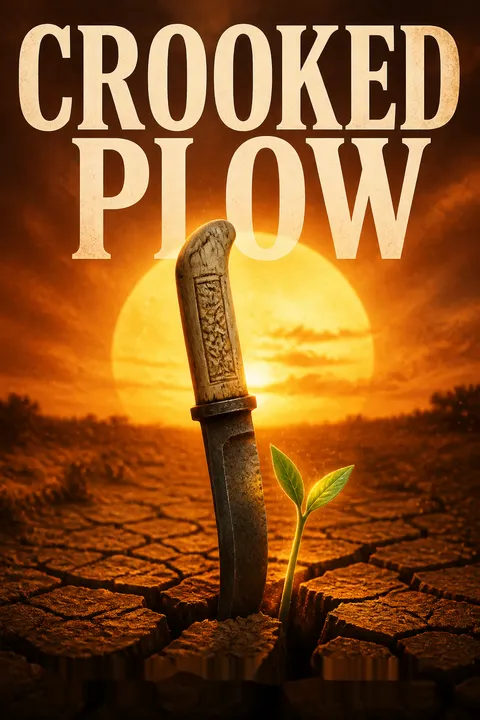
A blade across generationsThe knife begins as a forbidden object that injures Bibiana and Belonísia, then disappears from Donana’s suitcase. Much later, Belonísia finds it hidden in Tobias’s house and keeps it for work and protection. Its recovered history reveals Donana’s theft from a plantation owner and the violence that followed her daughter’s abuse. Across generations, the knife joins beauty, secrecy, survival, and the possibility of resistance. It is not simply a symbol: characters handle it, hide it, and use it when danger becomes immediate.
The Sisters’ Shared Signs
An embodied second voiceAfter Belonísia loses her tongue, she and Bibiana develop gestures and habits that allow them to understand one another. Bibiana often voices what Belonísia communicates, making their bond both intimate and asymmetrical. Their shared language shapes their childhood and their later estrangement: distance weakens the ease with which Bibiana reads her sister. The device makes communication a practice of attention and care, while asking who gets to interpret another person’s experience.
Jarê and the Encantados
Spirit as communal memoryJarê ceremonies bring together African-derived spiritual practice, Catholic saints, healing, music, and local knowledge. Zeca and Salu serve the community through rituals, herbs, prayers, and care for the sick. The encantados may be understood as spirits, forces of nature, or experiences that exceed ordinary explanation. Santa Rita’s perspective expands the story beyond a single generation and links the living to those who suffered before them. As rituals decline, the community risks losing a form of shared memory and care.
The Land and Its Papers
Ownership against belongingRules about mud houses, crops, rent, unpaid labor, and inheritance keep the residents of Água Negra dependent on owners despite generations of work. A note granting Zeca permission to settle there records both welcome and subordination. Later, Severo’s union papers and the community’s public testimony turn lived history into a claim that officials might recognize. The documents matter, but the novel sets them against birth, burial, cultivation, and memory, asking whether legal ownership can erase a community’s relationship with its home.
The Jaguar and the Pit
Terror made huntableA jaguar recurs in dreams, Donana’s confused memories, and the story of Zeca’s childhood in the woods. Near the end, Santa Rita guides Bibiana and Belonísia as they dig a hidden pit to trap a jaguar threatening the community. The animal draws together supernatural memory and immediate danger without resolving into a single explanation. Its capture gives the sisters a concrete act of resistance, while the broader struggle for land remains unfinished.
FAQ
Synopsis & Basic Details
What is Torto Arado about?
- Sisters' lives intertwined: Torto Arado tells the story of two sisters, Bibiana and Belonísia, whose lives are irrevocably altered after a childhood accident involving a mysterious knife.
- Plantation life explored: The novel explores the harsh realities of life on a plantation in Bahia, Brazil, focusing on themes of exploitation, poverty, and the struggle for land rights.
- Spiritual and cultural heritage: It delves into the rich spiritual and cultural heritage of the Afro-Brazilian community, highlighting their traditions, beliefs, and connection to the land.
Why should I read Torto Arado?
- Compelling family saga: The novel offers a compelling and emotionally resonant family saga, exploring the complexities of sisterhood, love, and betrayal.
- Social and political commentary: It provides a powerful social and political commentary on issues of land ownership, inequality, and the legacy of slavery in Brazil.
- Rich cultural immersion: Readers will be immersed in the vibrant culture and traditions of the Afro-Brazilian community, gaining a deeper understanding of their history and struggles.
What is the background of Torto Arado?
- Historical context of quilombos: The novel is deeply rooted in the historical context of quilombos, Afro-Brazilian communities formed by escaped slaves and their descendants, reflecting their ongoing struggles for land rights and recognition.
- Geographical setting of Bahia: The geographical setting of Bahia, Brazil, is crucial, as it shapes the characters' lives and experiences, influencing their connection to the land and their cultural identity.
- Cultural traditions of Jarê: The cultural traditions of Jarê, an Afro-Brazilian religious practice, play a significant role, providing a framework for understanding the characters' spiritual traditions and their relationship to the natural world.
What are the most memorable quotes in Torto Arado?
- "She was talking up a storm today, she's been talking to herself more and more.": This quote highlights Grandma Donana's increasing dementia and foreshadows the unraveling of family secrets and the intrusion of the past into the present.
- "Little did she know that one of us was holding her tongue in her hand.": This quote encapsulates the immediate aftermath of the accident and the profound shift in power dynamics between the sisters, with Belonísia now holding a literal and metaphorical control over communication.
- "From your movement shall come both your victory and your defeat.": This prophetic statement by Santa Rita the Fisherwoman encapsulates the ambiguous nature of Bibiana's choices and the complex consequences that will follow her actions.
What writing style, narrative choices, and literary techniques does Itamar Vieira Junior use?
- Multiple first-person narrators: The novel employs multiple first-person narrators, primarily Bibiana and Belonísia, offering intimate and contrasting perspectives on the events and themes of the story.
- Lyrical and evocative prose: Vieira Junior's writing style is characterized by lyrical and evocative prose, rich in sensory details and imagery, which brings the Brazilian landscape and culture to life.
- Symbolism and magical realism: The novel incorporates symbolism and elements of magical realism, such as the recurring knife and the presence of the encantados, to enhance the thematic depth and create a sense of mystery and wonder.
Hidden Details & Subtle Connections
What are some minor details that add significant meaning?
- The Peccary Hide: The peccary hide on Grandma Donana's floor symbolizes the rough, untamed nature of their lives and the connection to the land, contrasting with the hidden secrets beneath the bed.
- The Empty Perfume Bottle: The empty perfume bottle in Grandma Donana's suitcase represents lost beauty and fleeting memories, hinting at a past life and desires that were never fully realized.
- The Burnt Potatoes: The smell of burnt potatoes at the scene of the accident foreshadows the destruction and loss that will follow, symbolizing the irreversible damage caused by their actions.
What are some subtle foreshadowing and callbacks?
- Grandma's warnings about Carmelita: Grandma Donana's ramblings about Carmelita foreshadow the theme of missing women and the dangers lurking in the past, creating a sense of unease and mystery.
- The tamed jaguar: Grandma Donana's delusion of Fusco turning into a jaguar foreshadows the untamed and potentially dangerous aspects of human nature, as well as the blurring lines between the human and animal worlds.
- The cracked mirror: The broken piece of mirror in Grandma Donana's suitcase foreshadows the fractured identities and broken relationships that will emerge throughout the story, reflecting the characters' fragmented sense of self.
What are some unexpected character connections?
- Saturnino and Zeca's shared history: The revelation that Saturnino, Damião, and Zeca were among the first men to arrive at Água Negra establishes a deep connection between their families, highlighting the shared struggles and interconnected destinies of the community.
- Crispina and Belonísia's shared trauma: The parallel between Crispina's madness and Belonísia's muteness creates an unexpected connection between the two women, highlighting the different ways in which trauma can manifest and shape one's identity.
- Tobias and Donana's shared fate: The parallel between Tobias's death and Donana's widowhood creates a cyclical pattern of loss and hardship, suggesting that certain destinies are predetermined and inescapable.
Who are the most significant supporting characters?
- Dona Tonha: As a neighbor and confidante, Dona Tonha provides a crucial link to the community, offering support and gossip that reveals important plot points and character motivations.
- Sutério: As the plantation manager, Sutério embodies the oppressive power structure and the exploitation of the workers, serving as a constant source of conflict and tension.
- Maria Cabocla: As a fellow worker and victim of abuse, Maria Cabocla offers Belonísia a sense of solidarity and understanding, highlighting the shared struggles and resilience of the women in the community.
Psychological, Emotional, & Relational Analysis
What are some unspoken motivations of the characters?
- Bibiana's desire for recognition: Beyond simply wanting a better life, Bibiana is driven by a deep-seated desire for recognition and validation, fueling her ambition to become a teacher and escape the limitations of her circumstances.
- Belonísia's need for control: Belonísia's silence and her tendency to take charge in certain situations stem from a need for control in a world where she often feels powerless, seeking to assert her agency in subtle but significant ways.
- Zeca's fear of losing control: Zeca's reluctance to embrace change and his adherence to tradition are rooted in a fear of losing control over his community and his own spiritual authority, clinging to the familiar as a way to maintain his position.
What psychological complexities do the characters exhibit?
- Bibiana's guilt and ambition: Bibiana grapples with the guilt of causing Belonísia's muteness while simultaneously pursuing her own ambitions, creating a complex internal conflict between her sisterly duty and her personal desires.
- Belonísia's repressed anger: Belonísia's silence masks a deep well of repressed anger and frustration, which occasionally erupts in acts of defiance and violence, revealing the psychological toll of her inability to express herself verbally.
- Zeca's spiritual burden: Zeca carries the heavy burden of his spiritual responsibilities, struggling to balance his role as a healer with his own personal limitations and the challenges facing his community, leading to moments of doubt and despair.
What are the major emotional turning points?
- The accident with the knife: The accident is the primary emotional turning point, setting in motion a chain of events that will define the sisters' lives and shape their relationship.
- Bibiana's departure with Severo: Bibiana's decision to leave home is a major emotional turning point, causing a rift in the family and forcing Belonísia to confront her own feelings of abandonment and isolation.
- Severo's death: Severo's murder is a devastating emotional turning point, shattering the community's sense of hope and forcing Bibiana to grapple with grief, anger, and the responsibility of carrying on his legacy.
How do relationship dynamics evolve?
- Bibiana and Belonísia's codependency: The sisters' relationship evolves from a close, almost symbiotic bond to a more complex dynamic marked by resentment, jealousy, and ultimately, a grudging respect and understanding.
- Zeca and Salu's shifting power dynamics: The power dynamics between Zeca and Salu shift as Zeca ages and becomes less able to fulfill his traditional roles, forcing Salu to step into a more prominent position within the family and community.
- Bibiana and Severo's partnership: Bibiana and Severo's relationship evolves from a youthful romance to a more mature partnership based on shared ideals and a commitment to social justice, highlighting the transformative power of love and activism.
Interpretation & Debate
Which parts of the story remain ambiguous or open-ended?
- The true nature of the encantados: The extent to which the encantados are real or simply a product of the characters' beliefs and cultural traditions remains ambiguous, leaving the reader to interpret their role in the story.
- The identity of Salomão's killer: The identity of Salomão's killer is never explicitly revealed, leaving the reader to speculate about who was responsible and what their motivations were, highlighting the cycle of violence and revenge.
- Carmelita's fate: The fate of Grandma Donana's missing daughter, Carmelita, remains unresolved, leaving a lingering sense of mystery and loss, and suggesting the enduring impact of past traumas on the present.
What are some debatable, controversial scenes or moments in Torto Arado?
- Belonísia's relationship with Tobias: Belonísia's decision to live with Tobias, despite his abusive behavior, is a controversial aspect of the story, raising questions about agency, survival, and the limited options available to women in that society.
- The community's response to Severo's death: The community's decision not to retaliate against Salomão's killer is a debatable moment, highlighting the tension between the desire for justice and the fear of further violence and oppression.
- The ending's ambiguity: The open-ended nature of the ending, with the community facing an uncertain future, is a controversial choice, leaving the reader to grapple with the complexities of social change and the enduring challenges of inequality.
Torto Arado Ending Explained: How It Ends & What It Means
- Belonísia's transformation: The ending sees Belonísia taking on the mantle of leadership, suggesting a shift in power dynamics and a renewed commitment to fighting for her community's rights.
- The cycle of violence continues: The cycle of violence and oppression continues, as the community faces an uncertain future, highlighting the enduring challenges of social change and the need for continued resistance.
- Hope for future generations: Despite the bleakness, the ending offers a glimmer of hope for future generations, as the community's resilience and determination suggest that change is possible, even in the face of seemingly insurmountable odds.
Download PDF
Download EPUB
.epub digital book format is ideal for reading ebooks on phones, tablets, and e-readers.








