

Key Takeaways
Treat comfort as a setting, not a health strategy
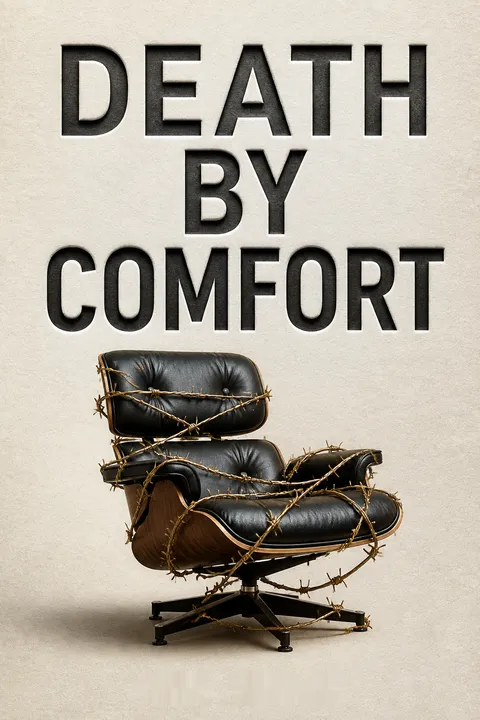
Modern ease has a cost. Taylor’s central argument is that human bodies and brains developed amid movement, uncertain food, temperature swings, and close-knit groups. Modern conveniences remove many of these demands, while chronic disease and mental distress rise. The issue is not that comfort is inherently harmful, but that a life with too little challenge can deprive the body of signals it evolved to respond to.
The book calls this mismatch death by comfort. Its answer is not to abandon technology or recreate prehistoric life, but to restore useful demands: move regularly, eat mostly recognizable foods, sleep consistently, tolerate manageable discomfort, and invest in relationships. The aim is a longer stretch of healthy life, not discomfort for its own sake.
The mismatch between evolved capacities and modern surroundings gives the book a memorable organizing idea: health depends partly on what daily life asks of the body. That is more useful than treating every problem as an individual failure of discipline. Yet an evolutionary story can become too neat if it implies that ancestral conditions were universally healthy or that modern medicine and comfort are enemies. The strongest reading is selective: preserve safety and technology, while deliberately restoring movement, recovery, and social contact where convenience has displaced them.
Move throughout the day, then train fitness and strength
Movement has three jobs. The physical activity triangle separates workplace movement, incidental movement outside work, and dedicated exercise. A gym session does not erase the effects of sitting for most of the day, and walking alone does not build all the strength or cardiovascular capacity the body needs.
Studies cited in the book found Hadza hunter-gatherers averaged 135 minutes of moderate-to-vigorous activity daily. In a study of adults over 40, those taking 8,000 steps a day had about half the risk of death from any cause as those taking 4,000, though this was an association. Taylor’s practical baseline is 150 minutes of moderate or 75 minutes of vigorous activity weekly, plus strength work at least twice a week. Break up long sitting with brief, energetic movement.
The three-part model helps prevent a common accounting error: treating exercise as compensation for an otherwise motionless day. It also broadens the idea of training to include stairs, active commuting, and brief movement breaks. The Hadza comparison is a useful contrast, not a prescription to copy their lifestyle; their environment, work, and resources differ from those of office workers. Step counts and guidelines are starting points, not universal targets. Disability, chronic illness, age, and access to safe places all shape what an appropriate dose looks like.
Choose discomfort in doses that challenge, then recover
Stress can train adaptation. Hormesis is the process by which a low or moderate exposure to a stressor prompts protective adaptations, while a larger or prolonged dose can cause harm. Taylor uses eustress for stress that supports improvement. Exercise is a familiar example: training challenges the body, and recovery allows it to adapt.
His own insight began after a demanding military survival course involving cold, hunger, exertion, and psychological pressure. Afterwards, ordinary hassles seemed less overwhelming to him and fellow trainees. The lesson is not that suffering automatically makes people stronger. The challenge must be manageable, repeated appropriately, and followed by recovery. Too little stimulation can leave performance flat; too much can impair judgment, mood, and health.
The dose-and-recovery model makes resilience less mysterious: adaptation is not a personality trait bestowed on the tough, but a response that can be cultivated under suitable conditions. It also provides an important guardrail against glorifying adversity. Severe or uncontrollable stress can overwhelm rather than strengthen, and people do not all begin with the same resources or vulnerabilities. A useful question is not whether a challenge feels uncomfortable, but whether it is safe enough, specific enough, and followed by enough recovery to make learning possible.
Use cold and heat as optional training, not punishment
Temperature can be a training signal. Taylor describes cold showers and sauna use as ways to introduce brief, deliberate physical stress. In a Dutch randomized trial, participants assigned to finish their showers with 30, 60, or 90 seconds of cold water reported a 29 percent reduction in sickness absence compared with the control group. The longer exposures were not much more beneficial than 30 seconds.
Sauna research cited in the book links frequent use with cardiovascular and brain-health benefits. One Finnish cohort found that men using saunas four to seven times weekly had lower rates of several adverse outcomes than men using them once weekly. These findings do not establish that sauna use caused the difference. Start gently, avoid combining sauna use with alcohol, and seek medical advice where health conditions make heat or cold risky.
The practical appeal is clear: temperature exposure can add a small challenge without requiring an elaborate workout. The cold-shower trial is especially memorable because a short exposure was enough to test the idea. Still, reduced work absence is not the same as proof that cold showers prevent illness, and sauna findings from a cohort cannot rule out other differences between frequent and infrequent users. These practices should remain optional tools, not tests of character. The book itself supplies an important corrective by noting safety concerns and the need for individual medical guidance.
Choose ingredients over engineered food-like products
Processing matters beyond nutrients. Taylor’s low HI diet means low human interference: make minimally processed foods the default, while leaving room for treats. His suggested 80/20 approach aims for most food to be nourishing and recognizable, without demanding perfection. The NOVA classification groups foods by how they are processed; its ultra-processed category includes many packaged snacks, sweetened drinks, cereals, breads, and ready meals.
A tightly controlled two-week crossover trial cited in the book found that people ate about 500 extra calories daily on an ultra-processed diet, despite its being matched to the comparison diet for presented calories and major nutrients. For gut health, Taylor also recommends varied plant foods, legumes, and fermented foods such as kefir or sauerkraut. Evidence for particular diets and fasting practices varies, so the simplest starting point is replacing some packaged foods with less processed alternatives.
The processing lens is useful because it directs attention from isolated nutrients to the food environment and the ease of overconsumption. The controlled trial makes a stronger case than observational links alone, though two weeks cannot settle the long-term health effects of every product in a broad category. The book’s criticism of nutrition guidance also reminds readers that institutions and industries can have competing incentives. That skepticism is valuable when applied consistently: sweeping claims about particular oils, additives, or fasting deserve the same scrutiny as claims from food companies.
Practice your response before stress chooses it for you
Attention shapes reaction. Taylor personifies unhelpful self-talk as the Inner Gremlin and a wiser, action-focused voice as the Inner Sage. The point is not to silence every negative thought, but to notice it without letting it dictate behavior. The Stoic distinction between what a person can control and what they cannot offers a practical filter for attention.
The book also describes a study in which people who mentally rehearsed a simple piano exercise showed changes in the brain’s motor area and improved performance, even without physical practice. Taylor suggests using brief imagery to rehearse how the wiser version of oneself might respond to a challenge. Such practice can help prepare a response, but it cannot remove external pressures or substitute for professional care when distress is serious.
Turning inner dialogue into recognizable characters creates distance from thoughts that otherwise feel like facts. That move resembles a broader psychological skill: observing a thought without obeying it. The piano study gives the idea a concrete neural example, while the Stoic control distinction keeps attention oriented toward possible action. There is a boundary, however. Reframing cannot make unfair workloads, illness, or trauma disappear. Used well, the Inner Sage supports agency without implying that people are responsible for every circumstance or should simply think their way out of distress.
Schedule recovery as deliberately as your work and training
Recovery is part of performance. Taylor distinguishes micro-recovery, brief pauses during the day, from macro-recovery, primarily sleep. He adapts the Pomodoro technique into focused work blocks with short breaks, recommending movement, water, a wider field of vision, and slow breathing. These pauses interrupt long stretches of sitting and give attention a chance to reset.
Sleep supports physical repair, memory, and emotional processing. The book describes REM sleep as important for processing emotional experiences, and notes that poor sleep can increase next-day stress sensitivity and hunger. Its practical advice includes keeping a steady sleep and wake schedule, limiting late caffeine and alcohol, dimming screens before bed, and making the bedroom dark, quiet, and cool. For persistent insomnia, Taylor recommends cognitive behavioral therapy for insomnia.
Treating recovery as planned work counters the idea that productivity means uninterrupted effort. The short-break routine is particularly practical because it links brain recovery with the book’s movement advice. Sleep hygiene can help, but it should not be framed as a guaranteed fix: work schedules, caregiving, health conditions, and housing can constrain sleep. The book’s recommendation of CBT-I for serious insomnia is a valuable distinction between ordinary habit changes and a problem that may need structured treatment. Rest is not a reward for finishing everything; often, it is what makes good work possible.
Build a real-world support network before the crisis
Connection is a resilience resource. Taylor contrasts digital contact with relationships that include attention, trust, and face-to-face conversation. In a Framingham social-network analysis, seeing a happy friend in person at least monthly was associated with a 15 percent increase in the chance of being happy. The finding is about association, not a guarantee that friendship causes happiness.
His most vivid example is the tap code used by American prisoners in the Hanoi Hilton to communicate through cell walls. Prisoners used it to share information and remind one another that they were not alone. Taylor turns that history into a practical idea: identify people to contact when struggling, and notice who may need someone to reach out. Support is reciprocal, not a burden imposed on one person.
The tap code makes social support tangible: connection can persist even when people cannot meet face to face, provided they make a deliberate effort to reach one another. The example also shifts the focus from having many contacts to having dependable relationships. Digital communication is not inherently empty, but visible devices can divide attention during in-person conversation. The challenge is to protect moments of genuine presence and to make asking for help ordinary. A support network is strongest when care travels in both directions, rather than appearing only after a crisis.
Make change visible, meaningful, and easy to repeat
Action can create motivation. Taylor’s EASIER mnemonic organizes behavior change around exploring a personal reason, finding accountability, scaffolding goals, using imagery, shaping the environment, and establishing rituals. The sequence turns a distant ambition into actions that can be tested and adjusted.
A ritual board helped Taylor sustain training for a professional boxing match. He put the goal and daily actions where he would see them, then tracked small exercises and progress. The board made behavior visible and gave him feedback; when he removed it, his activity dropped. He also describes a smoker who used her children as a personal reason to quit and reminded herself of that reason each morning. Start with a meaningful why, choose weekly waypoints, and make the next helpful action easier to begin.
The chapter’s strongest behavioral insight is that motivation need not arrive before action. A visible cue and a small completed task can provide feedback that makes the next task easier to approach. The EASIER framework combines personal meaning with practical design, avoiding reliance on willpower alone. Yet no board or accountability partner can guarantee change, especially when dependence, illness, or financial constraints are involved. Its best use is experimental: choose a manageable behavior, notice what helps or blocks it, and revise the setup without treating a difficult week as a verdict on character.
Analysis
The book’s central contribution is a shift in how discomfort is interpreted. Instead of treating all stress as damage, it distinguishes a useful challenge from overload and makes recovery part of the definition of adaptation. That distinction ties together exercise, temperature exposure, food choices, self-regulation, sleep, and social connection. The recurring military and prisoner-of-war stories give the argument emotional force, while practical devices such as the movement triangle, the Inner Sage, and the ritual board translate it into daily choices.
The framework is most persuasive when it pairs a biological mechanism with a modest behavior: break up sitting, practice a brief cold shower, or establish a repeatable sleep routine. Its evidence is not uniform, however. Controlled trials, observational associations, animal findings, and the author’s own experience sometimes sit close together in the narrative, although they support different levels of certainty. The reader should not treat every claim about fasting, sauna, food additives, or cold exposure as equally established. Nor should the evolutionary mismatch story imply that modern comfort causes every illness, or that vulnerability reflects a failure to seek challenge.
A practical interpretation is therefore not to maximize stress, but to select a few safe, repeatable demands and protect the recovery that makes them useful. Movement, minimally processed food, sleep, and reliable relationships form a more dependable core than dramatic challenges. The book is at its best when discomfort is a tool, not a virtue, and when personal agency is presented as a way to improve conditions rather than deny the constraints people live with.
Review Summary
Readers generally found Death by Comfort informative and motivating, praising its concise presentation of health and wellness information. Many appreciated the author's straightforward writing style and practical advice on exercise, diet, and stress management. Some critics noted a lack of detailed references and occasionally oversimplified statements. The book's emphasis on embracing discomfort for better health resonated with many readers, though a few found it overly harsh. Overall, most reviewers considered it a valuable resource for improving lifestyle habits and longevity.
Glossary
Hormesis
Adaptive response to mild stressA biological response in which a low or moderate exposure to a stressor prompts protective adaptation, while a larger exposure can be harmful. The book applies the idea to exercise, temperature, fasting, and some food compounds. The beneficial effect depends on the dose and on recovery after exposure.
Eustress
Stress that supports improvementThe book’s term for stress that improves physical or psychological functioning rather than overwhelming it. Exercise that challenges a person appropriately, followed by recovery, is one example. Eustress is not simply stress that feels pleasant; it is a demanding stimulus from which the person can adapt.
Stress preconditioning
Preparation through prior stressThe use of an earlier stress exposure to improve the body’s ability to handle a later challenge. The book describes military training as a psychological example and medical procedures that expose an organ to moderate stress before a later operation as a physiological example. The exposure must be controlled and cannot guarantee protection.
Myokines
Signals released by contracting muscleSmall signaling proteins released by muscle during contraction. They can act locally or travel through the bloodstream to communicate with other tissues and organs. The book presents myokines as one reason exercise affects more than muscle strength, linking physical activity with changes in metabolism, immune function, and brain health.
Physical activity triangle
Three settings for daily movementA framework dividing movement into workplace activity, incidental activity outside work and dedicated exercise. It highlights that structured workouts do not erase long periods of sitting, and that everyday movement does not necessarily provide cardiovascular or strength training. The three areas together give a fuller picture of activity.
Movement snack
Brief burst of physical activityA short bout of movement used to interrupt sitting or a work period. Examples in the book include squats, brisk stairs, kettlebell swings, and push-ups. Taylor suggests that these brief bouts can make daily movement more frequent, although they supplement rather than automatically replace a complete exercise routine.
NOVA classification
Food groups based on processingA system that groups foods according to the kinds and extent of processing used to produce them. Its four categories range from unprocessed or minimally processed foods to ultra-processed products. The book uses it to encourage attention to how foods are made, not only to their amounts of fat, protein, or carbohydrate.
Low HI diet
Eating with little human interferenceThe book’s shorthand for a low human-interference diet: a pattern centered on real and minimally processed foods, with ultra-processed foods limited rather than forbidden. Taylor pairs it with an approximate 80/20 approach, leaving room for pleasurable foods while making less processed choices the everyday default.
Inner Gremlin
Unhelpful self-critical voiceTaylor’s personification of negative self-talk, avoidance, procrastination, and threat-focused thinking. The Gremlin can become more influential when its thoughts receive sustained attention. The suggested response is to notice the thought without treating it as a command, then choose a constructive action.
Inner Sage
Wise, action-oriented inner voiceTaylor’s name for an imagined best version of oneself, used as a guide during difficulty or moral choice. A person defines its qualities, gives it a name, and mentally rehearses how it would respond. The practice is intended to strengthen access to a considered response, not to eliminate difficult thoughts.
Tap code
Communication through tappingA coded system prisoners used to communicate letters by tapping patterns through walls. In the book, American prisoners of war in the Hanoi Hilton used it to share information and maintain connection, including during solitary confinement. Taylor also uses the phrase as a metaphor for checking in with someone who may be struggling.
EASIER
Behavior-change planning mnemonicA six-part mnemonic for making behavior change more achievable: explore personal reasons, use accountability partners, scaffold goals, practice imagery, shape the environment, and establish rituals. It combines motivation with concrete supports, so that a distant goal becomes a sequence of visible actions and regular feedback.
Ritual board
Visible tracker for repeated actionsA board placed somewhere frequently seen, listing a goal and the recurring actions that support it. Taylor used one to track boxing preparation and short exercises. Its purpose is to provide cues and feedback, making progress visible and helping action generate further motivation.
Stress whirlpool
Model of worsening chronic stressTaylor’s model of chronic stress as a downward progression. Early signs include poor focus and irritability; more severe stages include reduced energy, self-neglect, sleep problems, illness, social withdrawal, and burnout. The framework emphasizes noticing changes early, because deeper distress can require stronger and more sustained support.
FAQ
1. What is "Death by Comfort" by Paul Taylor about?
- Modern Life’s Hidden Dangers: The book explores how the comforts of modern living—sedentary lifestyles, processed foods, climate-controlled environments, and digital convenience—are undermining our physical and mental health.
- Evolutionary Mismatch: Taylor argues that our ancient bodies and brains are not adapted to the easy, comfortable world we’ve created, leading to rising rates of chronic disease, obesity, and mental health issues.
- Science-Backed Solutions: The book presents evidence-based strategies to counteract these negative effects by reintroducing beneficial stressors and discomfort into our daily routines.
- Practical Framework: Each chapter focuses on a key area—stress, metabolism, discomfort, nutrition, brain health, recovery, social connection, and behavior change—offering actionable advice for readers.
2. Why should I read "Death by Comfort" by Paul Taylor?
- Understand Modern Health Crisis: The book provides a compelling explanation for the rise in chronic diseases and mental health problems in developed nations.
- Actionable Advice: Taylor offers practical, science-backed tools to improve resilience, health, and wellbeing, making it relevant for anyone seeking to optimize their life.
- Engaging and Accessible: The author combines personal stories, military experience, and humor to make complex science easy to understand and apply.
- Challenge Your Comfort Zone: Readers are encouraged to rethink their relationship with comfort and embrace discomfort as a path to growth and better health.
3. What are the key takeaways from "Death by Comfort" by Paul Taylor?
- Discomfort Builds Resilience: Regular exposure to physical and psychological stressors (hormesis) makes us stronger, healthier, and more adaptable.
- Movement is Essential: High levels of physical activity are required for normal functioning; sedentary lifestyles and prolonged sitting are major health risks.
- Processed Foods Are Harmful: Ultra-processed foods (UPFs) are linked to obesity, depression, and chronic disease; a low human interference (HI) diet is recommended.
- Recovery and Connection Matter: Quality sleep, effective recovery, and strong social bonds are crucial for mental and physical health.
- Behavior Change is Key: Sustainable change requires purpose, accountability, environmental design, and daily rituals—motivation follows action.
4. How does Paul Taylor define and use the concept of "hormesis" in "Death by Comfort"?
- Hormesis Explained: Hormesis is the process where low-to-moderate exposure to stressors (like exercise, cold, heat, fasting) triggers adaptive responses that improve health and resilience.
- Not All Stress is Bad: Taylor distinguishes between beneficial (eustress) and harmful (distress) stress, emphasizing the importance of the right dose.
- Practical Applications: The book details how to harness hormesis through exercise, cold showers, sauna use, intermittent fasting, and challenging experiences.
- Evolutionary Perspective: Hormesis is presented as a fundamental principle that shaped human evolution and is now underutilized due to modern comforts.
5. What does "Death by Comfort" say about stress—its good, bad, and ugly sides?
- The Good: Acute, manageable stress (eustress) drives adaptation, growth, and improved performance—what doesn’t kill you can make you stronger if you recover well.
- The Bad: Excessive or poorly managed stress can lead to amygdala hijack, impaired decision-making, and emotional outbursts.
- The Ugly: Chronic, unrelenting stress causes inflammation, drives unhealthy behaviors, and is linked to burnout, depression, and a host of physical diseases.
- Stress Adaptation: Taylor advocates for stress preconditioning—deliberately exposing oneself to manageable stressors to build resilience and stress tolerance.
6. What are Paul Taylor’s recommendations for exercise and physical activity in "Death by Comfort"?
- Move More, Sit Less: Regular movement throughout the day is essential; prolonged sitting is an independent risk factor for disease.
- Three Pillars: Be active (increase daily movement), get fit (improve cardiovascular fitness), and build muscle (strength training).
- Intensity Matters: Moderate to vigorous physical activity (MVPA) and high-intensity interval training (HIIT) provide the greatest benefits.
- Practical Tips: Use movement snacks, activity trackers, and workplace/incidental activity to break up sedentary time and meet or exceed government guidelines.
7. How does "Death by Comfort" address the role of discomfort (cold, heat, and psychological) in health and resilience?
- Cold Exposure: Regular cold showers or cold-water immersion activate beneficial stress proteins, boost mood, and improve immune function.
- Heat Exposure: Sauna use or hot baths induce heat shock proteins, support cardiovascular health, and may reduce risk of dementia and depression.
- Psychological Discomfort: Embracing discomfort—rather than avoiding it—builds mental toughness and prepares us for life’s inevitable challenges.
- Practical Discomfort Harvesting: Taylor provides guidelines for safely incorporating cold and heat stress, and reframing discomfort as a tool for growth.
8. What is the "low HI diet" and what dietary advice does Paul Taylor give in "Death by Comfort"?
- Low Human Interference (HI) Diet: Focus on eating real, minimally processed foods—if it’s an ingredient, not a list of ingredients, it’s likely good.
- Avoid Ultra-Processed Foods: UPFs are linked to obesity, depression, and chronic disease; even small amounts can have negative effects.
- 80/20 Rule: Aim for 80% of your diet to be low HI, with 20% for treats—balance is key for sustainability.
- Feed Your Microbiome: Diverse, fiber-rich, and fermented foods support gut health, which in turn affects mood and immunity.
- Embrace Nutritional Hormesis: Incorporate intermittent fasting and phytochemical-rich foods (like cruciferous vegetables, green tea, turmeric) for added resilience.
9. How does "Death by Comfort" explain the importance of sleep and recovery?
- Sleep is Non-Negotiable: Quality sleep is essential for physical repair, emotional processing, and brain detoxification.
- Micro- and Macro-Recovery: Incorporate short breaks and movement snacks during the day (micro-recovery), and prioritize consistent, restorative sleep (macro-recovery).
- Sleep Hygiene: Limit caffeine and alcohol, maintain a regular routine, avoid screens before bed, and create a cool, dark, quiet sleep environment.
- Consequences of Poor Sleep: Chronic sleep deprivation increases risk of obesity, diabetes, cardiovascular disease, and mental health issues.
10. What does Paul Taylor say about social connection and the "tap code" in "Death by Comfort"?
- Social Connection is Vital: Strong, in-person social networks are linked to longevity and happiness; loneliness is as harmful as smoking.
- The Tap Code Story: Inspired by Vietnam War POWs, the "tap code" symbolizes the power of support, shared mission, and honest communication in adversity.
- Digital vs. Physical: Digital connections can’t replace the benefits of real, face-to-face relationships.
- Actionable Advice: Identify your "tap code gang"—people you can rely on and those you can support—and prioritize meaningful connections.
11. How does "Death by Comfort" approach behavior change and habit formation?
- The EASIER Framework: Explore your reasons why, find Accountability partners, Scaffold your goals, use Imagery, design your Environment, and establish Rituals.
- Motivation Follows Action: Don’t wait for motivation—start with small actions and let success build momentum.
- Ritual Boards: Visual tools (like ritual boards) help track habits, provide feedback, and gamify progress.
- Purpose and Autonomy: Sustainable change is driven by personal meaning and internal motivation, not external pressure or guilt.
12. What are the best quotes from "Death by Comfort" by Paul Taylor and what do they mean?
- “What does not kill me makes me stronger.” (Nietzsche): Emphasizes the value of stress and discomfort in building resilience—if you recover and learn.
- “You’re okay the way you are” is not the right story. The right story is, “You’re way less than you could be.” (Jordan B. Peterson): Encourages striving for growth and potential, not settling for comfort.
- “Between stimulus and response there is a space. In that space is our power to choose our response. In our response lies our growth and our freedom.” (Viktor Frankl, via Covey): Highlights the importance of self-awareness and conscious choice in shaping our lives.
- “We are what we repeatedly do. Excellence, then, is not an act, but a habit.” (Will Durant): Underlines the power of daily rituals and habits in achieving lasting change.
- “No-one is coming, ever. Seriously. No-one’s coming to sort your shit out.” (Paul Taylor): A call to personal responsibility—change is up to you, not someone else.
Download PDF
Download EPUB
.epub digital book format is ideal for reading ebooks on phones, tablets, and e-readers.








