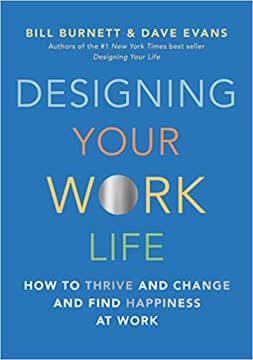
Key Takeaways
1. Embrace "Good Enough for Now" to Navigate Work Challenges
Good enough for now leaves open the possibility of growth and change but doesn't make changing for change's sake a goal.
Accept and adapt. When faced with work challenges, adopting a "good enough for now" mindset can be transformative. This approach acknowledges that perfection is often unattainable and unnecessary. Instead, focus on making incremental improvements and adapting to your current situation.
Set realistic goals. Implement the "Set the Bar Low" method by establishing small, achievable goals. This strategy helps build momentum and confidence, leading to more significant changes over time. For example:
- Start with walking 5,000 steps a day before aiming for 10,000
- Make one small improvement to your work process each week
- Celebrate small victories to reinforce positive behavior
Practice self-awareness. Use tools like the "Good Work Journal" to track your daily accomplishments, focusing on:
- What you learned
- What you initiated
- Who you helped
This practice helps you recognize progress and identify areas for improvement, fostering a more positive work experience.
2. Reframe Your Relationship with Money, Meaning, and Impact
Influence = Value + Recognition
Balance your priorities. Understand that money, meaning, and impact are not mutually exclusive. Use the "Maker Mix" concept to visualize and adjust the balance between:
- Moneymaking
- Impact-making
- Expression-making
Create value. Recognize that influence in your workplace comes from creating value and having that value recognized. To increase your influence:
- Align your work with organizational priorities
- Consistently deliver high-quality results
- Communicate your achievements effectively
Map your impact. Use the "Impact Map" tool to understand where your work falls on two axes:
- Type of impact: Renewing/Repairing, Sustaining/Supporting, or Creating New-New things
- Point of impact: From personal (one-on-one) to global
This visualization helps you identify patterns in your most satisfying roles and guides future career decisions.
3. Master the Art of Reframing to Solve Workplace Problems
If it's not actionable, it's not a problem. It's a situation, a circumstance, a fact of life.
Identify the real issue. When faced with a workplace challenge, use the reframing technique to uncover the core problem. This involves:
- Zooming in: Strip away unnecessary drama and emotion
- Zooming out: Understand the broader context and potential root causes
Develop actionable solutions. Transform vague complaints into Minimum Actionable Problems (MAPs). For example:
- Instead of "My boss is a jerk," reframe as "How can I improve communication with my supervisor?"
- Rather than "I'm underpaid," ask "How can I demonstrate my value to justify a raise?"
Choose the Best Doable Option (BDO). Once you've reframed the problem, focus on finding practical solutions:
- List all possible options
- Evaluate each based on feasibility and potential impact
- Select the best option that you can realistically implement
4. Cultivate a Growth Mindset and Grit for Career Success
Grit is the thing!
Embrace challenges. Adopt a growth mindset by viewing challenges as opportunities for learning and improvement. This approach helps you:
- Take on new responsibilities with confidence
- Persist in the face of setbacks
- Continuously expand your skills and knowledge
Develop grit. Cultivate perseverance and passion for long-term goals by focusing on:
- Enjoying what you do
- Practicing deliberately
- Finding purpose in your work
- Maintaining hope and optimism
Leverage intrinsic motivation. Understand and nurture your innate psychological needs for:
- Autonomy: Control over your work and decisions
- Relatedness: Connection with colleagues and purpose
- Competence: Mastery of skills and continuous improvement
5. Understand and Navigate Office Politics Effectively
When we can understand not just what influence is (action on authority), but also where it comes from and how it operates, then we can be more effective when we want to exert influence and navigate office politics.
Map the power structure. Use the Influence and Authority chart to identify key players in your organization:
- Influential Authoritarians (IA)
- Non-Influential Authoritarians (NIA)
- Influential Non-Authoritarians (INA)
- Non-Influential Non-Authoritarians (NINA)
Build strategic relationships. Focus on developing connections with influential individuals who align with your goals and values. This involves:
- Identifying shared interests
- Offering value through your skills and knowledge
- Consistently delivering on commitments
Create and communicate value. Enhance your influence by:
- Aligning your work with organizational priorities
- Consistently delivering high-quality results
- Effectively communicating your achievements and their impact
6. Redesign Your Job Before Considering Resignation
Before you quit, make sure that you have maximized all of your available options in place where you work.
Explore internal options. Before deciding to leave your job, consider four redesign strategies:
- Reframe and reenlist: Find a new perspective on your current role
- Remodel: Make cosmetic or structural changes to your job
- Relocate: Move to a different role within the company
- Reinvent: Launch a new career within the same organization
Implement changes strategically. When redesigning your job:
- Start with small, manageable changes
- Communicate effectively with your supervisor about your goals
- Seek feedback and adjust your approach as needed
Prepare for a potential exit. If redesigning isn't possible, focus on:
- Building your professional network
- Updating your skills and resume
- Researching potential opportunities in your field
7. Develop Strategies for Thriving in the Gig Economy
The best way to predict the future is to invent it.
Reframe your perspective. View gig work as "prototyping for money" rather than temporary or insecure employment. This mindset shift helps you:
- Explore various career options
- Develop new skills and expertise
- Build a diverse professional network
Create a sustainable business model. Implement a simple six-step business plan:
- Identify your unique skills and market needs
- Differentiate your offering
- Establish a repeatable workflow
- Master sales and marketing
- Gradually increase your rates
- Outsource non-essential tasks
Design extraordinary experiences. Stand out in the gig economy by:
- Customizing your services to meet client needs
- Adding unexpected value to your offerings
- Consistently exceeding client expectations
8. Adapt to the New Normal of Hybrid Work
Now that everyone's homes and private real-time situations are part of our visual and emotional workspace, we can't help but see the whole human being, and your cats and dogs and kids and moms and granddads are all in the room with us.
Embrace flexibility. Recognize that the traditional office model is evolving. Prepare for:
- A mix of remote and in-office work
- Greater emphasis on trust and accountability
- The need for effective time management and self-motivation
Optimize your home workspace. Invest time and resources in creating a productive home office:
- Ensure ergonomic comfort with a good chair and desk setup
- Establish a dedicated workspace to maintain work-life boundaries
- Invest in reliable technology and internet connectivity
Maintain work-life balance. Design your day intentionally:
- Create clear starting and stopping rituals for workdays
- Schedule regular breaks for physical movement and social interaction
- Set boundaries to prevent work from encroaching on personal time
9. Enhance Your Communication Skills in the Digital Age
In the new world of accountability, it's all about deliverables, and these show up in one of two forms—writing, mostly emails and status reports nowadays, and presentations.
Master written communication. Improve your email and report writing skills:
- Use clear and concise subject lines
- Keep messages brief and to the point
- Proofread carefully for grammar and clarity
Develop powerful presentation skills. Create engaging virtual presentations by:
- Organizing content around a compelling story
- Limiting slides and text in favor of impactful visuals
- Practicing delivery to ensure confident and natural presentation
Leverage digital collaboration tools. Become proficient in platforms like:
- Slack or Microsoft Teams for team communication
- Project management software for task tracking
- Video conferencing tools for effective virtual meetings
10. Build a Supportive Design Team for Personal and Professional Growth
A healthy team is more than two people and not more than six, including you.
Assemble your team. Create a diverse group of 3-5 people who can support your personal and professional growth:
- Players: Active participants in your life design projects
- Supporters: Go-to people for encouragement and feedback
- Intimates: Close family and friends directly affected by your decisions
Foster psychological safety. Create an environment where team members feel comfortable taking risks and sharing ideas:
- Start meetings with personal check-ins
- Encourage open and honest communication
- Celebrate successes and learn from failures together
Leverage collective wisdom. Use your design team for:
- Brainstorming and ideation sessions
- Accountability and support in achieving goals
- Sharing the emotional labor of networking and job searching
Last updated:
FAQ
What's Designing Your New Work Life about?
- Focus on Work Life: The book emphasizes thriving and finding happiness at work, especially after disruptions like the pandemic. It offers tools to redesign your work life for greater fulfillment.
- Design Thinking Approach: It applies design thinking principles to help individuals create a work life that aligns with their values and aspirations, encouraging creative thinking about careers.
- Practical Tools Provided: Includes exercises and frameworks like the Minimum Actionable Problem (MAP) and the Maker Mix to help readers tackle work-related challenges effectively.
Why should I read Designing Your New Work Life?
- Addressing Modern Challenges: Offers practical solutions for those feeling overwhelmed or disengaged at work, helping navigate modern work life complexities.
- Empowerment Through Design: Empowers readers to take control of their work situations using design thinking, leading to increased job satisfaction and personal growth.
- Real-Life Examples: Shares numerous real-life stories and case studies illustrating the effectiveness of the methods, making the content relatable and actionable.
What are the key takeaways of Designing Your New Work Life?
- You Are the Designer: Individuals have the power to design their work lives, involving reframing problems and taking actionable steps toward improvement.
- Mindset Matters: Emphasizes adopting a growth mindset, viewing challenges as opportunities for learning and development.
- Focus on Autonomy, Relatedness, and Competence: Highlights intrinsic motivations driving job satisfaction, encouraging readers to cultivate these elements in their work environments.
What is the Minimum Actionable Problem (MAP) in Designing Your New Work Life?
- Definition of MAP: A reframed version of a problem small enough to be actionable, helping focus on what can realistically be addressed.
- Reframing Technique: Involves stripping away unnecessary drama and biases from the original problem statement for clearer thinking and effective solutions.
- Example of MAP: If feeling stuck due to a difficult boss, a MAP might be, “How might I receive feedback from other colleagues?” opening new avenues for action.
How does Designing Your New Work Life define the Maker Mix?
- Three Components: Consists of Money, Impact, and Expression, representing different ways to measure what you make in your work life.
- Personalized Balance: Encourages assessing your current Maker Mix and adjusting it according to your values and aspirations for a balanced work life.
- Dynamic Nature: The Maker Mix can change over time as individuals grow and circumstances evolve, allowing for continuous development.
What are the four strategies for redesigning work life in Designing Your New Work Life?
- Reframe and Reenlist: Change your perspective on your current job and find ways to re-engage with it, revitalizing or redefining aspects of your work.
- Remodel: Make small changes to your current job to enhance satisfaction and productivity, like altering responsibilities or improving work conditions.
- Relocate: Look for new opportunities within your current organization, leveraging existing relationships and knowledge for a role transition.
- Reinvent: Involves a significant career shift or industry change, requiring understanding of transferable skills and a willingness to learn and adapt.
How does Designing Your New Work Life address office politics?
- Understanding Power Dynamics: Emphasizes understanding power structures and politics within an organization for navigating workplace relationships and achieving goals.
- Influence vs. Authority: Differentiates between influence and authority, explaining that influence impacts decisions made by those in power.
- Healthy Politics: Advocates for engaging in healthy office politics, adding value and building relationships rather than negative power plays.
What is the significance of the growth mindset in Designing Your New Work Life?
- Embracing Challenges: Encourages viewing challenges as opportunities for growth, fostering resilience and adaptability in the workplace.
- Learning from Feedback: Those with a growth mindset seek out and learn from feedback, seeing criticism as a chance to improve.
- Long-Term Success: Cultivating a growth mindset is linked to long-term success and satisfaction, allowing continuous evolution and adaptation.
What does Designing Your New Work Life say about quitting well?
- Generative Quitting: Involves leaving a job while maintaining positive relationships and leaving a good impression, emphasizing planning and communication.
- Leave the Campsite Better: Ensures departure does not negatively impact colleagues, helping set up replacements for success.
- Positive Exit Narrative: Advises crafting a positive story about your departure, highlighting new opportunities and expressing gratitude for past experiences.
How can I apply the concept of reframing from Designing Your New Work Life?
- Identify the Problem: Clearly state the problem you face at work, such as feeling overwhelmed or lacking job satisfaction.
- Strip Away Drama: Use reframing to focus on the problem, removing emotional baggage or biases, and concentrate on actionable facts.
- Create a MAP: Formulate a Minimum Actionable Problem (MAP) to address the issue in a manageable way, like reframing “I hate my job” to “How can I find more meaning in my current role?”
What is the CliftonStrengths Assessment mentioned in Designing Your New Work Life?
- Identifying Strengths: A tool to identify unique strengths and talents, focusing on what makes a person effective and satisfied at work.
- Data-Driven Insights: Based on extensive research, it provides insights into leveraging strengths for greater workplace engagement and success.
- Practical Application: Understanding strengths helps redesign roles to align better with what you do best, leading to increased happiness and productivity.
What are the best quotes from Designing Your New Work Life and what do they mean?
- “You are the designer of your life.”: Emphasizes personal agency and the power to shape careers and work experiences, encouraging ownership of work life.
- “Good enough for now is one of the big reframes of this book.”: Highlights accepting current situations while remaining open to growth and change, promoting gratitude and progress.
- “Designers love problems.”: Underscores challenges as opportunities for creativity and innovation, encouraging embracing difficulties as part of the design process in work lives.
Review Summary
Designing Your New Work Life receives mixed reviews, with an overall rating of 3.80 out of 5. Readers appreciate its practical advice, actionable steps, and emphasis on reframing work situations. The book's focus on designing one's career and finding balance between money, impact, and expression resonates with many. However, some criticize its privileged perspective and lack of diversity in examples. While some find the content repetitive, others value its insights on influence, quitting well, and self-employment. The book is generally seen as helpful for those seeking to improve their work life.
Similar Books





About the Author
Other books by Bill Burnett
Download PDF
Download EPUB
.epub digital book format is ideal for reading ebooks on phones, tablets, and e-readers.





