Plot Summary
Chains of Dominion
Tlalli, a powerful Nahualtin sorceress with angelic blood, is bound to the Dominion, Heaven's ruling order, and forced to work alongside Anthony, a mortal-turned-angel who betrayed his own family. Despite her skills, Tlalli is treated as a tool, her heritage and autonomy dismissed. Her resentment festers as she's paired with Anthony for a mission to retrieve a magical chalice at a neutral auction. The Dominion's hypocrisy—using her magic when convenient, denying her respect—fuels her longing for freedom. Memories of her mother's death and Michael's coldness deepen her disillusionment. Tlalli's simmering anger and desire for escape set the stage for rebellion, even as she's watched and manipulated by those in power.
Reunion at the Auction
At the opulent Black Rose Auction, factions from Heaven, Hell, and mortal magic gather under a fragile truce. Tlalli's team includes Anthony and the ancient, weary angel Elias. The demon delegation is led by Cahuani—Anthony's estranged father, a formidable Nahualtin sorcerer who lost both son and wife to betrayal and grief. The chalice, Noli Oblivisci, is the prize both sides covet. Tensions simmer as old wounds resurface: Cahuani's pain at Anthony's betrayal, Tlalli's guilt and anger, and the demons' suspicion of angelic motives. The auction's rules—no violence, no magic before mortals, no contact with higher powers—create a pressure cooker, with everyone watching for the first crack.
Old Wounds, New Schemes
Tlalli and Cahuani's paths cross in the lounge, reigniting memories of deception and loss. Cahuani, still raw from his son's betrayal and Tlalli's role in it, is cold but not immune to her presence. Tlalli, desperate for a way out of the Dominion, sees Cahuani as both threat and potential ally. Their conversation is a dance of barbs and veiled truths, each probing the other's intentions. The pain of the past—shared grief over lost family, the manipulation by higher powers—hangs between them. Yet, beneath the surface, a dangerous attraction and mutual understanding begin to flicker, hinting at the possibility of a new alliance.
The Chalice's Secret
The chalice, Noli Oblivisci, is more than a simple relic; it's a symbol of the ongoing war between Heaven and Hell, and a key to future conflict. Both sides want it, but for different reasons. The demons, led by Cahuani, know its origins and the threat it poses if misused. The angels, through Michael's machinations, seek it for leverage, even if they cannot wield its power directly. The auction's rules prevent open conflict, but everyone is maneuvering behind the scenes. The chalice becomes a focal point for betrayal, ambition, and the possibility of escape for those trapped by their pasts.
Tensions and Temptations
As the auction's social events unfold, personal and political tensions escalate. Anthony's entitlement and aggression push Tlalli to her limits, while Elias's weary neutrality offers little comfort. Cahuani, haunted by his failures as a father and leader, is drawn to Tlalli's vulnerability and strength. Their mutual attraction simmers, complicated by guilt and the risk of discovery. The demons and angels circle each other warily, each suspecting the other of plotting to break the truce. Amidst the glamour and danger, Tlalli and Cahuani's connection deepens, setting the stage for a fateful bargain.
Bargains in the Dark
Driven by desperation, Tlalli approaches Cahuani with a proposition: help her escape the Dominion, and she'll aid the demons in securing the chalice. Their negotiation is fraught with mistrust, old wounds, and unspoken longing. Cahuani, still angry but unable to deny his empathy, agrees—on the condition that Tlalli is honest and follows his lead. The bargain is sealed not just with words, but with a night of passion that blurs the line between punishment and forgiveness. Their union is both a rebellion against their oppressors and a reclamation of agency, but it comes at the cost of further entangling their fates.
Forgiveness and Fire
In the aftermath of their tryst, Tlalli and Cahuani confront the emotional fallout: guilt, relief, and a fragile hope. Cahuani's forgiveness is hard-won, rooted in shared pain and the recognition of each other's humanity. Tlalli, for the first time, feels seen and valued beyond her utility. Their intimacy is both healing and dangerous, as it exposes them to new vulnerabilities. Meanwhile, Anthony's suspicions grow, and Elias—caught between loyalty and disillusionment—begins to question his own place in the Dominion. The lines between enemy and ally blur, and the stakes of betrayal become deeply personal.
The Price of Escape
The heist for the chalice is set in motion, with Tlalli playing double agent. The demons' plan relies on Acheron's unique abilities to bypass magical wards, while the angels plot a switch. Anthony, increasingly unstable, seeks Michael's intervention, risking the truce. Elias, sensing the shifting allegiances, is torn between duty and his growing feelings for Tlalli. As the night unfolds, secrets are revealed: the chalice is swapped, alliances shift, and the threat of violence looms. Tlalli's escape is within reach, but the cost—her loyalty, her safety, and the lives of those she cares for—becomes painfully clear.
Betrayal Unveiled
Anthony, armed with a forbidden Ashen Blade capable of killing angels, betrays both sides, seeking to provoke war and prove his worth. His actions expose Michael's true intentions: the Dominion is willing to sacrifice its own to spark conflict and consolidate power. Elias is gravely wounded, saved only by Tlalli's intervention and the help of the demons. The fragile peace shatters as the truce ends, and the true nature of the Dominion's cruelty is laid bare. Tlalli, Elias, and Cahuani must confront the reality that escape is not just from the Dominion, but from the cycle of violence and betrayal that binds them all.
The Heist Unfolds
The demons successfully retrieve the real chalice, outmaneuvering both the angels and Anthony. The auction's facade of civility collapses as violence erupts. Tlalli and Cahuani, now fully committed to each other, prepare to flee, aided by the demons' magic. Elias, disillusioned and wounded, chooses to abandon Heaven and join them. The trio's escape is both a victory and a loss: they have won their freedom, but at the cost of burning every bridge behind them. The chalice, once a symbol of power, becomes a token of their defiance and the price of their new beginning.
Predator and Prey
In the aftermath, the trio—Tlalli, Cahuani, and Elias—find solace and passion in each other, forging a bond that transcends old loyalties. Their union is both a celebration of survival and a declaration of independence from the systems that sought to control them. The play party becomes a stage for their reclamation of agency, as they embrace pleasure, vulnerability, and the freedom to choose each other. Their love is messy, imperfect, and hard-won, but it is theirs alone. Together, they prepare to face whatever comes next, united by trust and desire.
The Ashen Blade
The revelation of the Ashen Blade—a weapon created by the Puri under duress, capable of killing angels—exposes the depth of the Dominion's corruption. Its existence is proof of Michael's willingness to sacrifice anyone, even his own, for power. The blade's presence at the auction is both a threat and a promise: the old order is dying, and new alliances are possible. For Tlalli, Elias, and Cahuani, the blade is a reminder of what they have escaped—and what they must still fight to protect. The past cannot be undone, but the future is theirs to claim.
Blood on the Lake
The inevitable confrontation between Cahuani and Anthony explodes in violence on the lakeshore. In their animal forms, they battle not just for survival, but for the soul of their family and the legacy of their people. Cahuani, forced to choose between mercy and justice, kills Anthony, ending the cycle of betrayal but opening a new wound. The act is both a liberation and a tragedy, freeing Cahuani from the past but leaving him to mourn what might have been. The others bear witness, understanding that some endings are necessary for new beginnings.
The End of Anthony
With Anthony dead and the chalice secured, the survivors must reckon with the consequences. Greed, the archdemon, intervenes to offer sanctuary and a chance at redemption for all. The Dominion's plot is exposed, and the fragile peace is shattered. Tlalli, Elias, and Cahuani, now fugitives from Heaven, must leave behind everything they once knew. Their journey is both an escape and an act of defiance, a refusal to be pawns in a war they did not choose. The cost of freedom is high, but it is a price they are willing to pay.
Choosing Damnation
The trio chooses to seek refuge in Hell, guided by Greed and the promise of a new life. Their decision is both practical and symbolic: a rejection of the Dominion's tyranny and an embrace of the messy, complicated freedom that comes with self-determination. Old wounds begin to heal as they support each other through grief, guilt, and hope. The bonds forged in adversity become the foundation for a new family, one built on trust, desire, and mutual respect. Damnation, once a threat, becomes a sanctuary—a place to start over on their own terms.
New Beginnings in Hell
In the final chapter, Tlalli, Elias, and Cahuani step into the unknown together, leaving behind the chains of Heaven and the scars of betrayal. Hell, once feared, is now a place of possibility—a home for those who refuse to be defined by their past. Their journey is not without pain, but it is marked by agency, love, and the promise of something better. The story ends not with triumph or tragedy, but with the quiet, hard-won hope of new beginnings. Together, they face whatever comes next, free at last.
Characters
Tlalli
Tlalli is a Nahualtin sorceress of mixed heritage—part angel, part witch—whose life is defined by loss, exploitation, and a fierce desire for autonomy. Raised by her mother, Mecati, she is deeply connected to her ancestral magic and culture, but the Dominion's control has forced her to suppress her true self. Her relationship with Anthony, initially a ruse for a heist, becomes a prison when she is "gifted" to him as a reward for his betrayal. Tlalli's psychological journey is one of reclamation: she moves from anger and resentment to vulnerability and, ultimately, self-acceptance. Her alliances with Cahuani and Elias are born of necessity but deepen into genuine love and trust. Tlalli's arc is about breaking free from systems that devalue her, embracing her power, and choosing her own path—even if it means damnation.
Cahuani
Cahuani is a powerful Nahualtin sorcerer and Anthony's estranged father, marked by grief, guilt, and a deep sense of responsibility. Once a devoted husband and father, he loses everything to betrayal—his son to the Dominion, his wife to illness, and his home to the machinations of Heaven and Hell. Cahuani's stoicism masks a profound vulnerability; he is both a leader and a man broken by loss. His relationship with Tlalli is complex: she is both the instrument of his pain and the catalyst for his healing. Cahuani's journey is one of forgiveness—of others and himself. He must confront the limits of his power, the consequences of his choices, and the possibility of new love. In the end, Cahuani chooses to fight for those he cares about, even at the cost of everything he once held sacred.
Anthony
Anthony is Cahuani's son, a Nahualtin who rejects his heritage in pursuit of power and validation from the Dominion. His betrayal of his family is both personal and political, driven by resentment, insecurity, and a desperate need to prove himself. Anthony's psychological profile is marked by entitlement, volatility, and a willingness to destroy anything that stands in his way—including those who love him. His relationship with Tlalli is toxic and possessive, a reflection of his inability to accept vulnerability or rejection. Anthony's arc is a cautionary tale: his quest for power leads to isolation, madness, and ultimately, self-destruction. He is both victim and perpetrator, a product of broken systems and his own choices.
Elias
Elias is an ancient angel, once a friend to the fallen Puri, now a reluctant enforcer for the Dominion. Disenchanted and emotionally detached, he serves as a caretaker for Anthony and, by extension, Tlalli. Elias's psychological landscape is shaped by centuries of loss, regret, and suppressed longing. He is both observer and participant, caught between old loyalties and the demands of the present. His growing affection for Tlalli and respect for Cahuani force him to confront his own complicity in the Dominion's cruelty. Elias's decision to abandon Heaven and join the fugitives is an act of redemption—a reclaiming of agency and a rejection of the systems that have used him. His arc is one of awakening, vulnerability, and the courage to choose a new path.
Greed (Mammon)
Greed, or Mammon, is one of the Puri—the ruling archdemons of Hell. He is both a strategist and a caretaker, guiding Cahuani and the others through the treacherous politics of the auction and beyond. Greed's demeanor is charming and hospitable, but beneath the surface lies a deep understanding of power, loyalty, and the cost of rebellion. He represents the possibility of redemption and new beginnings, offering sanctuary to those cast out by Heaven. Greed's relationship with Elias is tinged with history and regret, a reminder of the choices that shape destinies. He is both a symbol of temptation and a force for liberation.
Acheron
Acheron is a demon with unique abilities, tasked with retrieving the chalice for the Puri. He is adaptable, cunning, and fiercely loyal to his companions. Acheron's outsider status—uncomfortable in his human vessel, new to Earth—mirrors the displacement felt by many characters. His role is primarily supportive, but his presence is crucial to the success of the heist and the survival of the fugitives. Acheron embodies the theme of found family, offering protection and solidarity in a world defined by shifting allegiances.
Xaphan
Xaphan is a reaper demon, experienced in navigating both the mortal and supernatural realms. He serves as Cahuani's right hand and the group's muscle, providing stability and strategic insight. Xaphan's pragmatism and dry humor balance the emotional intensity of the others. He is a bridge between worlds, understanding the stakes of the conflict and the necessity of difficult choices. Xaphan's loyalty to Greed and the Puri is unwavering, but he is also willing to extend trust to former enemies when the situation demands it.
Michael
Michael is the unseen architect of much of the story's conflict—a figure of authority whose benevolence is a mask for cruelty and ambition. He uses those beneath him as pawns, orchestrating betrayals and sacrifices to further the Dominion's goals. Michael's psychological profile is defined by a belief in his own righteousness, a willingness to do harm for the "greater good," and a profound lack of empathy. He is both a symbol of institutional violence and a personal antagonist for Tlalli, Cahuani, and Elias. Michael's actions force the protagonists to confront the true nature of the systems they serve.
Mecati
Mecati, Tlalli's mother, is a presence felt throughout the narrative, her death a catalyst for Tlalli's journey. She represents the wisdom, love, and cultural heritage that Tlalli fights to reclaim. Mecati's memory is both a source of strength and a wound that never fully heals. Her teachings and sacrifices shape Tlalli's values and choices, serving as a moral compass in a world of shifting loyalties.
Aliyah
Aliyah, Cahuani's late wife and Anthony's mother, is another absent but influential figure. Her death marks the end of Cahuani's old life and the beginning of his isolation. Aliyah's legacy is one of compassion, strength, and the hope for reconciliation. Her absence haunts both Cahuani and Anthony, shaping their actions and regrets.
Plot Devices
Duality of Betrayal and Redemption
The narrative is structured around cycles of betrayal and the possibility of redemption. Characters are forced to confront the consequences of their actions—both as victims and perpetrators—and to choose whether to perpetuate or break the cycle. The heist at the auction, the shifting alliances, and the final confrontation between Cahuani and Anthony all serve as crucibles for transformation. Foreshadowing is used to build tension: the chalice's significance, the Ashen Blade's introduction, and the repeated references to past betrayals all hint at the inevitable reckoning. The story's structure—alternating perspectives, escalating stakes, and moments of intimacy—mirrors the characters' psychological journeys from captivity to freedom.
Forbidden Magic and Artifacts
The chalice, the Ashen Blade, and other magical artifacts are more than MacGuffins; they are embodiments of the power struggles at the heart of the story. Their origins, abilities, and the rules governing their use reflect the larger themes of control, agency, and the cost of power. The artifacts drive the plot forward, forcing characters to make impossible choices and revealing the true nature of the systems they serve.
The Auction as Microcosm
The Black Rose Auction is a liminal space where the rules of Heaven, Hell, and Earth are temporarily suspended. It serves as a crucible for the characters, forcing them to confront their desires, fears, and loyalties. The auction's truce is both a shield and a trap, creating opportunities for subterfuge, alliance, and betrayal. The setting amplifies the story's themes of spectacle, commodification, and the blurred lines between good and evil.
Erotic Power Dynamics
The story uses explicit sexuality not just for titillation, but as a means of exploring power, vulnerability, and agency. The characters' sexual encounters are sites of negotiation, forgiveness, and transformation. Consent, dominance, and submission are all interrogated, with pleasure becoming a form of resistance against systems that seek to control bodies and destinies. The polyamorous dynamic between Tlalli, Cahuani, and Elias is both a rejection of binary loyalties and an embrace of chosen family.
Found Family and Chosen Allegiance
The protagonists' journey is one of assembling a new family from the wreckage of old allegiances. Betrayal by blood and institution is countered by the creation of bonds based on trust, respect, and mutual care. The story interrogates the meaning of loyalty, the possibility of forgiveness, and the courage required to choose one's own path. The ending, with the trio seeking refuge in Hell, is both a literal and symbolic embrace of self-determination.
Analysis
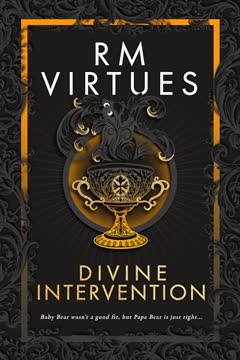
is a subversive, emotionally charged fantasy that interrogates the nature of power, loyalty, and selfhood in a world defined by oppressive systems. At its core, the novel is about the struggle to reclaim agency from institutions—be they divine, demonic, or familial—that seek to define worth and destiny. Through the intersecting journeys of Tlalli, Cahuani, and Elias, the story explores how trauma, betrayal, and longing can be transformed into sources of strength and connection. The use of explicit sexuality is not gratuitous but integral: it becomes a language of healing, rebellion, and self-acceptance. The narrative's polyamorous resolution challenges traditional binaries of good and evil, Heaven and Hell, and even monogamy, suggesting that true freedom lies in the courage to choose one's own family and fate. In a modern context, the book resonates as a meditation on the costs of survival under systems of exploitation, the necessity of solidarity, and the radical hope of new beginnings—even in the most unlikely places.
Last updated:
Review Summary
Divine Intervention receives mixed reviews averaging 3/5 stars. Many readers struggled with rushed worldbuilding involving angels and demons, finding it confusing and info-dumpy for a novella. The pet name "Papa Bear" during intimate scenes was widely criticized as cringe-worthy. Several reviewers noted the story is a Goldilocks retelling with polyamorous elements. While some praised the spicy scenes and unique supernatural premise, others found the characters lacking chemistry. Common complaints included confusing plot, inconsistent character voices, and insufficient connection to the Black Rose Auction series.