

Key Takeaways
A glamorous escape can become a cage one compromise at a time
The fantasy came first. As a child, Madison imagined Hollywood through Marilyn Monroe paper dolls: costumes, fame, and a life far beyond her small-town surroundings. Years later, a Playboy party seemed to offer that imagined world in one dazzling package. Moving into the mansion brought luxury, attention, and a place to live, but also isolation, rules, and a role she could not easily put down.
The cost stayed hidden. In 2002, depressed and intoxicated, Madison considered drowning herself in the mansion bathtub. She says she did not truly want to die. What stopped her was the thought that she might someday tell the story. The place that had appeared to promise escape had become, in her experience, frighteningly hard to leave.
What's striking is how the memoir treats entrapment as a gradual shift in what seems normal, not a single dramatic moment. That is a useful lens for any environment where status and comfort are exchanged for obedience. A gilded setting can make constraints harder to recognize because outsiders see the rewards while the person inside experiences the rules. The metaphor should not erase Madison's agency or flatten every complicated relationship into captivity. Its force lies in showing how glamour, dependence, and diminishing choice can coexist.
Need can make a bad bargain feel like your only open door
Her options felt narrow. Before entering the mansion, Madison was a broke college student in Los Angeles, struggling to cover expenses and suddenly facing the loss of her housing. The girlfriends assured her that sex with Hef was not part of the arrangement. After a night out, heavily intoxicated, she learned that the women were expected to join him in his bedroom. She went along, then asked to move in the next morning, reasoning that the experience had to lead to something worthwhile.
A choice can be constrained. Madison describes wanting shelter, career access, and a way to make the decision feel meaningful. She does not deny choosing to stay, but the pressure around that choice matters. Her account shows how dependence and misleading assurances can narrow a person's sense of what alternatives are available.
This episode resists a simplistic split between free choice and no choice. People often make decisions within conditions they did not create, while still trying to preserve a sense of control. In behavioral economics, scarcity is understood to focus attention on immediate needs, making distant costs harder to weigh. That idea helps explain why housing and a possible career opening felt urgent. It does not prove that every desperate decision is inevitable, but it does make blame alone a poor tool for understanding how someone gets drawn into a harmful arrangement.
When power sets the rules, rivalry makes people police one another
The house ran on rank. Madison describes a strict curfew, scheduled appearances, limits on contact with staff, and expectations that the girlfriends attend club nights and dinners. They received allowances and leased cars, but those benefits could also make leaving financially harder. Even bedrooms reflected status. Newcomers had to learn the rules through trial and error, while more established girlfriends guarded their own position.
Competition served the center. Madison says Hef compared the women and used one girlfriend's obedience to pressure the others. The resulting rivalries often turned the women against one another instead of toward the person setting the terms. One of the memoir's sharpest examples is the shared hope of becoming a Playmate, a possibility she says was dangled even as opportunities grew scarce.
The mansion's social order resembles a workplace in which scarce rewards are allocated by a powerful manager, except that the rewards include housing, money, and public recognition. Organizational research often distinguishes between cooperation built on shared goals and competition built around individual access to a gatekeeper. The second form can weaken solidarity and make unfair rules seem like personal conflicts. That pattern does not mean every friendship or rivalry was manufactured. It does suggest that analyzing incentives can reveal why people behave in ways that look irrational from the outside.
Reality TV can turn a private trap into fame, then make fame another leash
The cameras changed the bargain. The Girls Next Door introduced viewers to Madison, Bridget Marquardt, and Kendra Wilkinson, and its audience grew rapidly. Yet the women were not paid for the first season, and Madison says they were told their places on the show were replaceable. Their Playboy pictorial fees were treated as compensation for appearing on television, despite the work and exposure involved.
Visibility brought opportunity and scrutiny. The series helped make the trio recognizable and eventually gave them income, travel, and careers. It also fixed them into public roles and attracted cruel online criticism. Madison's account shows the contradiction: the show opened a path out of the mansion while making her more valuable to the brand that controlled her daily life.
Reality television does more than record a person. It turns behavior into a product, shaping which traits are rewarded and which parts of a life remain unseen. Media studies calls attention to this gap between a constructed on-screen character and the more complicated person off camera. Madison's experience makes that gap concrete: the show's success depended on the women's appeal, while its production structure treated them as interchangeable. The memoir also complicates any claim that exposure is purely exploitative. The platform created leverage and work, even as it intensified the limits around her identity.
Build competence that does not depend on someone else's approval
A job restored her footing. For years, Madison hoped that Hef would choose her as a Playmate, but he told her she did not have the right look. The eventual pictorial came through the television show's success, not a sudden change in his judgment. Even then, she felt the magazine's choices reduced her to a familiar image rather than showing her as an individual.
Work made a different difference. Madison pursued an internship at Playboy Studio West, where she learned how photo shoots were developed and edited. She became a junior photo editor and eventually focused on Playmate features. The role gave her creative responsibility and skills she valued. Fame had not made her feel capable; doing work well did. That distinction helped her imagine a future not defined only by being someone's girlfriend.
The memoir draws an important distinction between recognition and mastery. Recognition depends on an audience or gatekeeper, while mastery grows through practice and can travel with a person into new settings. That distinction helps explain why Madison found greater confidence in editorial work than in celebrity attention. At the same time, her job remained inside the Playboy organization, so it was not complete independence. The case is still persuasive: even partial ownership of one's craft can restore a sense of self that praise, status, or a carefully managed public image cannot supply.
Leave when control consumes your future, even before the next plan is ready
The limits became unmistakable. Madison describes a nine o'clock curfew that still governed her as an adult, restrictions on nights away, and a failed attempt to attend a friend's wedding in Mexico. After years of trying to imagine that she and Hef might build a family, fertility testing made that future seem less plausible. She also says he berated her and used guilt about his health when she tried to leave.
The break came in stages. During a work trip to Las Vegas, Madison spent an evening with magician Criss Angel. Hef learned about it through security and accused her of cheating, although she says nothing physical happened. She decided the relationship was over, moved out, and left her job at Playboy later. Her exit was not a tidy leap into certainty; it was a refusal to keep waiting for her life to begin.
Leaving is often portrayed as a single brave act, but this account shows the practical and emotional negotiations that can precede it: testing an alternative, managing guilt, protecting a livelihood, and preparing to be disbelieved. The narrative also makes clear that a person need not wait for a perfectly safe or fully mapped future before recognizing that a current arrangement is intolerable. Still, leaving can carry real financial and social risks. Encouragement to act is strongest when paired with access to housing, trusted people, and independent income.
Do not confuse intense attention with safety or compatibility
A new romance felt like rescue. After leaving Hef, Madison began dating Criss Angel. He seemed enthusiastic about her, brought her into his public life, and offered the attention she had missed. She moved in with him quickly, but the relationship soon included angry outbursts, pressure to quit work, demands to monitor her communications, and efforts to separate her from friends. She also describes his security staff following her and his attempts to keep valuables she wanted returned.
The pattern became familiar. Madison came to see that she had left one controlling relationship and entered another. She ended the relationship after an argument, returned to Los Angeles, and began rebuilding her plans. The contrast matters: lavish gestures and declarations of commitment did not make the relationship secure when everyday behavior narrowed her freedom.
This chapter is a caution against treating intensity as evidence of intimacy. Frequent contact, extravagant gifts, and rapid commitment can feel affirming, especially after a period of humiliation, but they do not answer the more basic question of whether a partner respects boundaries. The memoir's account is useful because it attends to ordinary control, such as access to a phone or friends, rather than relying only on spectacular incidents. A single memoir cannot establish a universal pattern, but it can help readers notice when care starts functioning as surveillance.
Build a life where love joins your future instead of rescuing you
Independence took work. After both relationships ended, Madison returned to Los Angeles with few immediate plans. She wrote down specific ambitions, including performing in Las Vegas and developing a show of her own. A last-minute offer put her on Dancing with the Stars, followed by the lead role in Peepshow. She later headlined the show for four years and starred in Holly's World, creating a career and income beyond the mansion.
The fairy tale changed meaning. Madison eventually met Pasquale Rotella, had a daughter, and married him. But she argues that marriage was not the proof of her worth or a rescue from her past. The point is the sequence: she had begun building a life on her own before creating a partnership. Her story's happy ending is not simply romance; it is choosing what kind of life to live.
The ending works best when read as a claim about agency, not as a prescription to find a spouse. Madison's career turn gives the argument weight: she found stability and a sense of competence through work before presenting family life as part of her future. That sequencing matters because relationships can support a self, but they cannot reliably substitute for one. The book's fairy-tale language remains emotionally satisfying, though its conclusion also resists the familiar cultural idea that marriage completes a woman. The achievement is the regained ability to choose.
Analysis
This memoir is both an account of life inside a famous institution and a study of how a person can lose confidence in her own reading of that life. Its central movement is not simply from poverty to luxury, or from an older partner to a younger one. It is from imagined glamour, through dependence and public performance, toward a life organized by Madison's own preferences. The recurring Alice imagery gives that movement a shape: entering a strange world is exhilarating, but the rules become legible only after the protagonist has been changed by them.
The most revealing scenes are often mundane. A missed curfew, a leased car, a lost clothing item, a denied work opportunity, or a humiliating comment can look trivial in isolation. Together, they show how control can be maintained through accumulated dependence rather than constant force. Madison's account also pays attention to the social machinery around the central relationship: other girlfriends compete for scarce approval, cameras turn private routines into entertainment, and fans mistake visible luxury for freedom. These elements help explain why leaving can feel both necessary and frightening.
The memoir's first-person perspective is a strength and a limit. It offers intimate access to Madison's shifting interpretations, including the years when she defended a relationship she later understood as harmful. But claims about other people's motives and private behavior remain her recollections, not independent findings. The most trustworthy reading distinguishes what she directly experienced from what she inferred about others. That caution does not diminish the value of the testimony. It clarifies what the book offers: not a neutral institutional history, but a detailed account of how one participant experienced its incentives and costs.
The final emphasis on self-rescue keeps the narrative from reducing fulfillment to marriage. Career, friendship, and self-respect are not merely bridges to romance; they are parts of a life in their own right. The book's strongest lesson is therefore not that every painful choice leads to a happy ending. It is that a person's past can explain how she arrived somewhere without permanently defining where she is allowed to go next.
Review Summary
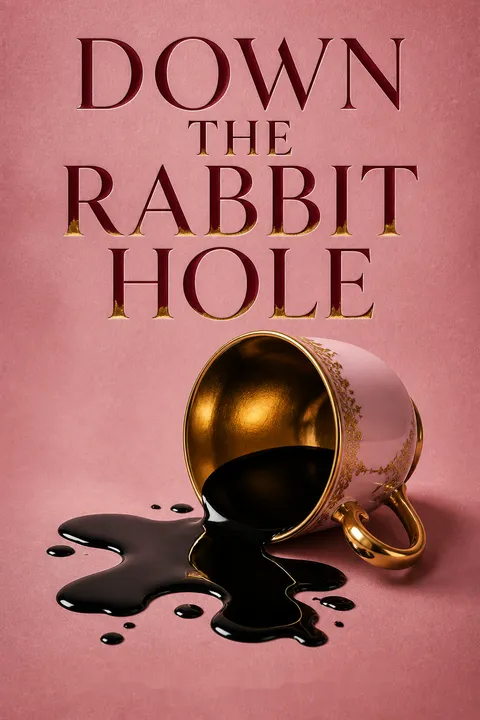
Down the Rabbit Hole offers a controversial look into Holly Madison's life at the Playboy Mansion. Reviews are mixed, with some praising Madison's honesty about the manipulation and abuse she experienced, while others criticize her for hypocrisy and playing the victim. Many readers found the book juicy and entertaining, despite its flaws. Some applaud Madison for exposing Hefner's controlling behavior, while others feel she lacks self-awareness. The book sparked discussions about consent, exploitation, and the dark side of fame.
People Also Read




Glossary
bedroom routine
Mansion's group sexual ritualMadison's name for the sexual ritual that followed certain club nights at the mansion. In her account, Hef and the girlfriends gathered in his bedroom, where explicit videos played and the women were expected to participate in sexual activity or simulate it. She describes the atmosphere as disconnected and shaped by pressure, alcohol, drugs, and the girlfriends' internal politics.
Playmate of the Month
Monthly Playboy centerfoldThe title given to a model featured in Playboy's monthly centerfold pictorial. Madison describes the position as a coveted career opportunity within the mansion's social world, since the women hoped publication could bring recognition, paid appearances, and a chance to be considered for Playmate of the Year.
Playmate of the Year
Annual Playmate selectionThe annual honor selected from the magazine's preceding Playmates of the Month. In Madison's account, the winner received a cash award, a car, a new pictorial, and a cover. The title carried particular status among the women at the mansion and could signal a chance to move into promotional work beyond it.
Cyber Girl
Weekly online model featureA weekly Playboy.com feature for a model, often using photographs from a test shoot that had not been selected for a Playmate pictorial. Madison was offered the opportunity after being told she was unlikely to become a Playmate of the Month. She later regretted the explicit photographs and asked for them to be removed.
The Bunny House
Playmate candidate residenceA house across the street from the Playboy Mansion used to accommodate Playmates and candidates while they prepared for shoots at Playboy Studio West. It also served as a location for television production. Madison describes it as a place where aspiring Playmates stayed together, sometimes creating additional social pressure and conflict.
The Girls Next Door
Mansion-centered reality seriesThe E! reality television series featuring Hugh Hefner and his girlfriends, including Madison, Bridget Marquardt, and Kendra Wilkinson. The show presented selected parts of mansion life as light entertainment. Madison says it brought fame and career opportunities, while also fixing the women in public roles and exposing them to scrutiny.
A, B, or C
Guest desirability categoriesThe labels Madison says Hef used to rank women photographed at mansion events. A-category guests were considered the most desirable for repeat invitations or further opportunities, B-category guests could be invited to selected events, and C-category guests were lower priority. The system made the mansion's social hierarchy explicit and helped determine who received access.
FAQ
What's Down the Rabbit Hole about?
- Personal Journey: The book chronicles Holly Madison's experiences as a former Playboy Bunny, detailing her life at the Playboy Mansion and her relationship with Hugh Hefner.
- Reality vs. Perception: Madison contrasts the public's glamorous perception of her life with the often dark and manipulative reality she faced while living in the mansion.
- Cautionary Tale: It serves as a cautionary tale about the pitfalls of fame, the superficiality of the entertainment industry, and the importance of self-worth.
Why should I read Down the Rabbit Hole?
- Insightful Perspective: The memoir provides an insider's view of the Playboy lifestyle, revealing the complexities and challenges that come with it.
- Empowerment Message: Madison shares her journey of self-discovery and empowerment, encouraging readers to recognize their worth and make choices that align with their true selves.
- Engaging Storytelling: With a mix of humor and vulnerability, Madison's storytelling keeps readers engaged while addressing serious themes of manipulation and self-identity.
What are the key takeaways of Down the Rabbit Hole?
- Reality of Fame: The book emphasizes that fame often comes with hidden struggles and sacrifices that are not visible to the public eye.
- Self-Identity: Madison highlights the importance of maintaining one's identity and self-worth, especially in environments that prioritize superficiality.
- Courage to Leave: The memoir illustrates the courage it takes to leave toxic situations and pursue a life that is true to oneself.
What are the best quotes from Down the Rabbit Hole and what do they mean?
- “I was born a girl with an insatiable appetite for the extraordinary.” This quote reflects Madison's desire for a life filled with adventure and excitement, which ultimately led her to the Playboy Mansion.
- “I thought of us as walking advertisements: ‘Don’t try this at home, kids.’” Here, Madison critiques the unrealistic portrayals of women in reality television and the consequences of such representations.
- “I was determined to win.” This statement encapsulates her struggle to navigate the competitive and often cruel environment of the mansion, showcasing her resilience.
What was Holly Madison's life like at the Playboy Mansion?
- Contrasting Experiences: Madison describes her life as a mix of glamour and isolation, where the reality of living with Hugh Hefner and other girlfriends was often far from the fantasy portrayed in media.
- Strict Rules: She outlines the strict rules and expectations placed on the girlfriends, including curfews and the pressure to maintain a certain image.
- Emotional Turmoil: The emotional toll of living in such a competitive environment led to feelings of inadequacy and self-doubt, which Madison candidly shares throughout the memoir.
How did Holly Madison's relationship with Hugh Hefner evolve?
- Initial Infatuation: Madison initially viewed Hefner as a charming figure who offered her a glamorous lifestyle, but this perception changed as she experienced the reality of their relationship.
- Manipulation and Control: Over time, she realized that Hefner's affection was often conditional, and he used manipulation to maintain control over the girlfriends.
- Journey to Independence: Ultimately, Madison's relationship with Hefner became a catalyst for her journey towards independence and self-empowerment, leading her to leave the mansion.
What challenges did Holly Madison face while living at the mansion?
- Bullying from Other Girlfriends: Madison faced constant bullying and exclusion from the other girlfriends, which severely impacted her self-esteem and mental health.
- Pressure to Conform: She felt immense pressure to conform to the expectations of Hefner and the Playboy brand, leading to a loss of her individuality.
- Emotional Isolation: Despite being surrounded by people, Madison often felt emotionally isolated, struggling to find genuine connections in a superficial environment.
How did Madison's experiences at the mansion shape her views on beauty and self-worth?
- Beauty Standards: Madison discusses how the pressure to meet unrealistic beauty standards affected her self-image and led her to undergo cosmetic procedures.
- Self-Discovery: Through her journey, she learned that true beauty comes from within and that self-worth should not be tied to external validation.
- Empowerment: Madison's experiences ultimately empowered her to embrace her individuality and reject the superficial ideals that had once defined her.
What role did reality television play in Holly Madison's life?
- Platform for Exposure: Madison's participation in The Girls Next Door provided her with a platform to reach a wider audience, but it also exposed her to scrutiny and judgment.
- Manipulation of Image: She reflects on how reality television often manipulated her image and narrative, leading to misconceptions about her life and choices.
- Impact on Relationships: The show affected her relationships with other girlfriends and Hefner, as it heightened competition and jealousy among them.
How did Holly Madison transition from the Playboy Mansion to a successful career?
- Embracing Opportunities: After leaving the mansion, Holly seized opportunities in Las Vegas, landing a lead role in the show Peepshow, which helped her establish her own identity.
- Networking and Connections: She utilized her connections from her time in the entertainment industry to secure gigs and build her brand, showcasing her determination to succeed.
- Personal Growth: Holly's journey of self-discovery and empowerment allowed her to reinvent herself, proving that she could thrive independently of Hef's influence.
How did Holly Madison's relationship with Criss Angel differ from her time with Hef?
- More Freedom: Unlike her time with Hef, Holly experienced more freedom in her relationship with Criss, but it quickly became apparent that he had his own controlling tendencies.
- Emotional Turmoil: Criss's jealousy and explosive temper created a different kind of emotional turmoil for Holly, leading her to question her choices once again.
- Self-Discovery: Ultimately, Holly's relationship with Criss helped her realize her worth and the importance of independence, prompting her to leave when things became unhealthy.
What lessons did Holly Madison learn from her time in the Playboy Mansion?
- Know Your Worth: Holly emphasizes the importance of self-worth and recognizing when a situation is unhealthy, as she learned to prioritize her own happiness.
- Value of Authenticity: She learned that being true to oneself is essential, and that she didn’t need to conform to others’ expectations to find success and happiness.
- Embrace Change: Holly's journey illustrates that change is a natural part of life, and embracing it can lead to new opportunities and personal growth.
Download PDF
Download EPUB
.epub digital book format is ideal for reading ebooks on phones, tablets, and e-readers.








