


Plot Summary
The Heir in the Mud
A year after her father’s death, Pippa Wentworth is living as a swineherd, stripped of her inheritance by her stepmother, Cecily, and stepsister, Arabella. When Arabella throws mud in her face, Pippa learns why the royal dragon riders are coming: a queen egg has resisted every candidate, and all women may try to bond with it. Pippa’s hope lasts only a moment.
Arabella orders her to deliver hogs for the riders’ feast, then stay away from the estate and the village under threat of being shot. Pippa obeys because survival is the last possession her family has not taken. She retreats to Old Bay’s crude hut, carrying supplies and the knowledge that the riders might be her one chance to be seen again.
The opening makes humiliation physical: Pippa is not merely disinherited, she is renamed, dirtied, and assigned work that keeps her visible as a social inferior. Her decision to survive is not passive optimism. It is a refusal to let Cecily and Arabella become the only authors of her story. The queen search introduces a competing system of value, one in which birth and appearance may not determine who is chosen. Yet Arabella’s exclusion of Pippa shows how power can close even a supposedly open contest before it begins.
Obsidian Sees Her
A sliver of soap from Nadia, Pippa’s former maid, gives her a rare chance to wash before the riders arrive. Their dragons appear early, forcing Pippa to bring the hogs to the estate in disguise as a boy. Among the four beasts, a huge black dragon named Obsidian fixes her with an intelligent gaze that makes her feel, painfully, recognized.
The wing commander, Brom, pays her for the pigs and asks her to supply more. Pippa suggests venison instead, hoping to spare her herd, and Brom accepts the advice. His hand on her shoulder leaves her unsettled, while Obsidian watches her retreat into the trees. That night, Pippa dreams of a queen dragon trapped in her egg, reaching toward her and losing hope.
Pippa’s first encounter with the riders is shaped by disguise: she can approach their power only by pretending to be someone the estate’s authorities would tolerate. Obsidian’s attention reverses the social gaze that has reduced her to dirt and labor. The dream then gives that recognition a deeper form. Pippa understands the egg’s confinement through her own experience of being trapped, so the bond begins as empathy rather than ambition. Her instinct is not to claim a throne, but to answer a creature that has been ignored.
Gold at the Door
Nadia returns with news that Arabella and the noble girls have failed to wake the egg. She also brings the riders’ payment for Pippa’s pigs, enough gold to make escape possible. After the herd is collected, Pippa waits for Nadia’s promised clothes, but three estate laborers arrive instead, intent on taking the money and assaulting her.
Pippa uses her knowledge of pigs and the muddy pens to keep them off balance, but they drag her down, steal the pouch, and pin a knife to her throat. Ged, a dragon rider mounted on Cloud Raker, arrives before they can harm her further. His dragon’s presence forces the men to release Pippa, and Ged identifies her as Lady Pippa Wentworth, bringing her back to the estate under his protection.
The gold appears to offer Pippa a route out, but its visibility exposes how precarious freedom is when she has no legal protection. She is forced to defend herself with skills learned through degradation, turning a pigsty into terrain where her attackers lose their footing. Ged’s intervention matters, but it does not erase her resistance: she has already fought to keep hold of her future. The scene also makes the dragons’ moral authority concrete. Their power is not only military; their presence can interrupt violence that local society has allowed to flourish.
The Will Unraveled
At the estate, Pippa finds Nadia packing her father’s clothes, but Arabella confronts them before they can leave. The riders summon Cecily, Arabella, solicitor Harry Kensington, and the men who attacked Pippa.
As witnesses describe blackmail, stolen property, and threats, Pippa remembers the day Kensington claimed her father’s will left everything to Cecily. Cecily had then forced Pippa into Old Bay’s service, while Kensington helped conceal the truth. The accused try to excuse themselves, but the dragons can sense deceit.
Cecily admits she schemed to secure status for Arabella, whom society considers illegitimate. When Arabella lunges for the queen egg, Pippa realizes the riders’ hearing has become the moment that will determine whether the dragon survives.
The hearing turns private mistreatment into public evidence. Pippa’s memory of the forged inheritance is not a digression: it reveals how the present attack grew from an earlier decision to make her legally disposable. Cecily’s motive is protective love for her daughter, but she converts that love into a license to injure another woman. The dragons’ ability to detect dishonesty offers a form of accountability absent from ordinary institutions. Still, truth alone does not restore Pippa’s power; she must act when Arabella’s ambition again places a vulnerable creature in danger.
Glimmer Breaks Free
Arabella grips the queen egg, mistakes its brief glow for a sign that she has been chosen, then tries to smash it when the light fades. Pippa leaps across the hall and catches the egg against her chest before it hits the floor. She feels the trapped dragon’s fear and need as cracks spread through the shell. The riders clear the room and bring raw meat while Pippa holds the egg steady.
A tiny golden dragon pushes free, and an immediate psychic bond floods Pippa with love, hunger, and responsibility. She feeds the hatchling carefully from her hand as the adult dragons bow to her. The riders name Pippa queen-in-waiting, though she has barely had time to understand that Glimmer is alive and entirely dependent on her.
Pippa’s defining choice is not to seize the egg but to prevent its destruction. That distinction separates her from Arabella, whose desire for rank vanishes into violence when the egg refuses to serve her. The bond forms through a rescue in which Pippa accepts vulnerability rather than controlling it. Glimmer’s hunger and fear become Pippa’s own, making care an embodied relationship rather than a ceremonial title. The dragons’ bow gives the rescue political meaning, but the emotional center remains a small creature discovering that someone has finally come to help.
Judgment by Dragonfire
Pippa refuses to let the riders execute her attackers without a hearing. She invites the accused to face the dragons and show genuine remorse, though the creatures’ response makes clear that none has changed. The dragons kill Cecily, Arabella, George Kensington, and his father.
Pippa watches rather than turning away, then orders the estate’s new staff reviewed and its stolen goods returned or distributed. With Nadia and trusted workers beside her, she resumes responsibility for the household.
She also begins learning the demands of dragon care, from feeding Glimmer to cleaning an adult dragon’s teeth. The riders explain that Glimmer is expected to mature and eventually mate with Prince Draven’s dragon, making Pippa’s future marriage part of the kingdom’s succession system.
Pippa’s insistence on judgment is an attempt to distinguish justice from revenge, but the dragons’ verdict leaves her confronting the limits of rehabilitation. Her new authority begins in a terrible scene, not a coronation, and she chooses to witness its consequences. Taking charge of the estate afterward gives her a practical form of restored agency, while dragon care makes power inseparable from labor. The riders’ account of Glimmer’s future introduces a new threat to autonomy: Pippa has escaped a forced role as swineherd only to learn that royalty may claim her body and choices in another way.
A Prince Arrives
Before Prince Draven arrives, Pippa learns that the riders expect her to marry him when Glimmer matures. The prospect unsettles her, especially when she discovers the dragons’ mating instincts will shape their riders’ lives and attachments. Pippa visits her parents’ graves and mourns the answers she can no longer get from her father.
When Draven meets her at the quarry, he mistakes her cropped hair and men’s clothes for proof she is a stable boy, then criticizes Glimmer’s small size. At court, Queen Raina questions whether Glimmer is fit to become a royal queen dragon and denies Pippa the title of queen-in-waiting. Rather than abandon Glimmer, Pippa accepts the queen’s alternative: enlist as a cadet and remain near her dragon.
Draven’s first judgment repeats the social injury Pippa has endured: he sees the clothes and body before he sees the person. Raina’s rejection makes that misrecognition official, but Pippa’s response is not to beg for recognition. She chooses the only available path that keeps her with Glimmer. The decision is both self-sacrifice and self-definition. She gives up a title others believed she wanted, while retaining the relationship that gives her life meaning. The episode also shifts the novel from restoration fantasy into institutional conflict, where survival requires learning the rules of the royal riders.
The Keep’s New Cadet
Pippa enters a keep crowded with male riders and cadets, where crude jokes quickly test whether she will demand special treatment. She refuses, asking to be trained as a recruit while insisting that being a woman does not make her interchangeable with the boys. Lance, a skilled cadet, teaches her basic sword technique, and another cadet challenges her, expecting an easy victory.
After hours of drills, Pippa uses her reach and a well-timed thrust to knock him down. She also learns the keep’s sexual customs from Maggie, a serving woman, and receives advice about contraception and choosing partners. Pippa is attracted to the riders, especially Ged and Soren, but is still learning how desire can coexist with choice and safety.
Pippa’s place in the keep cannot be secured by rank alone. She has lost the title that would set her apart, yet she also refuses the claim that gender makes her a failed cadet. Her victory over a younger opponent does not prove she is already a skilled fighter; it proves she can apply a lesson under pressure. Maggie’s frank knowledge supplies what Pippa’s sheltered upbringing omitted: bodily autonomy requires information. The keep’s bawdy atmosphere can be liberating, but Pippa remains alert to the difference between sexual freedom and entitlement.
The Prank Goes Wrong
Lance invites Pippa into a traditional cadet prank, filling a rider’s gloves with treacle and coffee grounds. Ged, assigned to oversee the young recruits, helps them avoid making the trick dangerous. The cadets mistakenly use Prince Draven’s gloves.
When Draven discovers the mess during his address, Pippa claims responsibility to protect the others. He sends her to shovel dragon waste, then parades her through the keep in her filthy uniform. Ged protests and is sentenced to ten lashes for insubordination.
Pippa refuses to look away as Draven strikes him, while Glimmer and the other dragons answer with a mournful chorus. The cadets and riders salute Pippa afterward, turning a punishment meant to isolate her into a public sign of solidarity.
The prank begins as a ritual that lets cadets puncture the hierarchy without breaking it. Draven’s response turns that ritual into a test of obedience, and Pippa’s choice to take the blame protects the group at personal cost. The punishment recalls the degradation of her exile, but the audience responds differently: instead of laughing, the keep recognizes her sacrifice. Ged’s lashes reveal how loyalty can be punished when authority feels insecure. The dragons’ song gives collective grief a public voice, briefly making the institution hear the pain it would rather classify as discipline.
Learning to Fly
After Ged recovers, he takes Pippa on her first patrol flight on Cloud Raker and teaches her to move with the dragon rather than cling rigidly to the saddle. They find enemy ships off the coast. The riders attack with fire, ice, lightning, and acid, destroying the vessels before they can threaten Nevermere.
Pippa is exhilarated by flight but disturbed by the deaths at sea, while Ged explains the danger of allowing invaders to reach the island. Across the keep, riders begin offering Pippa gifts and invitations, and her bond with Glimmer makes her desirable to nobles seeking political advantage. Brom and the others warn her that courtship will be entangled with power, not simply romance.
The patrol expands Pippa’s world from personal survival to collective defense. Flight gives her a glimpse of the freedom she may someday share with Glimmer, while the destruction of the ships forces her to see what that freedom protects and what it costs. Ged teaches through trust rather than humiliation, offering a clear contrast with Draven’s coercive methods. The new suitors complicate that intimacy: Pippa’s value is becoming public property in the eyes of powerful families. Her next challenge is not only learning to ride, but recognizing when affection is being used as a political claim.
A Date for the Pendant
Pippa agrees to dinner with Christian Bailey, a scholarly rider, partly because he gives her a pendant set with a stone like the one she and Flynn discovered in an old dragon sanctuary. Their date is pleasant, but Pippa recognizes that her kiss with him lacks the intensity she feels with Ged and Flynn. Draven later trains her in stealth and knife work, teaching her how to survive an attack she cannot overpower.
Their closeness nearly becomes a kiss before the queen summons them. At the same time, Pippa and Glimmer investigate the sanctuary’s crystal egg, where Glimmer’s mind opens beyond its infant limits and a mysterious queen dragon named Tanis contacts them. The encounter awakens memories and abilities neither fully understands.
Christian’s date exposes Pippa’s mixed motives without making her heartless: she seeks knowledge and a clue, then discovers that politeness cannot manufacture desire. Draven’s training offers another kind of intimacy, built around danger and practical trust, even as his public hostility continues to confuse her. The sanctuary changes the scale of the story. Glimmer is no longer merely a rescued hatchling; she has a history that predates the kingdom’s institutions. The crystal’s connection to memory suggests that official accounts of dragonkind have been selectively preserved, and that the past may be active rather than safely buried.
The Queen’s Leash
At a palace summons, Queen Raina has her brother, the Duke of Harlston, hold Glimmer while a dragonstone pendant weakens the hatchling and clouds her mind. Raina demands that Pippa marry Brom, whom she considers politically useful, and makes clear that refusal could mean Glimmer’s death. Pippa agrees outwardly to protect her dragon.
Once they return to the keep, she glues Draven’s door shut and accepts responsibility when he discovers it, then escapes the palace’s scrutiny with Soren for training on a remote beach. There, Pippa recognizes that Soren is acting against his usual judgment under some outside influence. Her questions help break the compulsion, confirming that the queen’s stones can steer riders as well as dragons.
Raina’s threat makes the politics intimate: the queen does not need to imprison Pippa when she can use Pippa’s love for Glimmer as a leash. Pippa’s agreement is strategic compliance, not consent, and the distinction matters because the court treats marriage as if it settles the question of what she wants. Her small act of rebellion against Draven’s door restores a sliver of control. On the beach, she learns to distrust behavior that contradicts a person’s established character, a crucial insight in a world where psychic influence can disguise coercion as choice.
The Stone’s First Secret
As Pippa’s suitors multiply, the Duke of Skane offers his son Flynn as a politically valuable husband, while Brom prepares to comply with Raina’s demand. Pippa learns that the queen dragon’s mating call can overwhelm riders and heighten desire across the city.
Glimmer then shares memories from inside her egg: Raina’s will had pressed against her consciousness, trying to force a bond with Beatrice, the queen’s preferred candidate. Glimmer resisted and began to weaken, trapped in her shell until Pippa reached her.
The revelation reframes the egg’s delay and the queen’s rejection of Pippa as deliberate interference. Pippa now understands that Glimmer’s unusual size and development may be consequences of captivity, not signs that she is defective.
Glimmer’s memory transforms apparent weakness into evidence of resistance. The queen’s preferred system depends on dragons appearing to choose freely while a stone-backed force narrows the available choices. Pippa and Glimmer’s bond is therefore not simply an exceptional match; it is a refusal of an imposed hierarchy. This revelation also deepens their relationship. Pippa is no longer only a caretaker responding to a hatchling’s needs; she is the person Glimmer chose because she did not approach her as a possession. Their shared history makes personal intimacy a challenge to political manipulation.
The Dead Prince’s Warning
While preparations begin for King Magnus’s birthday ball, Pippa’s companions reveal what happened to Prince Felix, Draven’s older brother. During the queen’s previous mating season, Felix flew while the royal dragons were meant to remain contained; a ballista bolt killed his dragon, Valiant, and Felix died soon afterward.
The riders suspect Raina’s influence helped create the conditions for his death. At the ball, Pippa sees Beatrice, the candidate Raina favors, and Glimmer reacts with fear and aggression. Draven pulls Pippa aside after Glimmer snaps at Beatrice, then confirms that his mother has tried to control Glimmer and may force Draven to kill her. He warns Pippa to leave the city before the queen’s next move.
Felix’s death turns Draven’s apparent cruelty into a more complicated performance. He is an heir who did not expect to rule and has already watched a brother and dragon die under circumstances that implicate his mother. That does not excuse the ways he has mistreated Pippa, but it explains why he treats intimacy as a dangerous liability. Beatrice’s presence also gives Glimmer’s fear a target. The ball, a public celebration of stability, becomes the stage on which the royal family’s concealed violence begins to surface.
The Toast Is Poisoned
Hidden near a side room, Pippa and Draven overhear Raina and the Duke of Harlston planning to drug the ball’s wine. Raina intends to trigger Zafira’s mating heat, leaving the guests consumed by desire and unable to notice an assassination. Her men will kill Pippa and Glimmer, clearing the path for Beatrice and Harlston’s control of the throne.
Draven tells Pippa to get the riders and keep them away from the wine. When Zafira’s call fills the palace, the guests lose control, but Pippa’s companions remain alert. They reach the balcony as Raina’s armed men close in. Soren throws Pippa and Glimmer onto Wraith, then the group flees through the night toward the ancient dragon sanctuary.
The poisoned toast weaponizes celebration, appetite, and the body against political judgment. Raina’s plan succeeds by making an entire crowd less able to notice what is being done to them. Draven’s warning gives Pippa a chance to act, though his secrecy leaves trust between them unresolved. The riders’ escape depends on coordinated care rather than a single hero: each man protects the others while Pippa protects Glimmer. Their flight is a refusal to let the queen’s version of order define what survival should look like.
The Queens’ First Rite
At the sanctuary, Glimmer’s song and the dragons’ presence awaken images of earlier human and dragon queens. Pippa understands that the old rite was not a forced mating, but a test in which a queen chose and challenged those who sought to stand beside her.
She strips away the court’s expectations and uses her daggers to make the riders prove their devotion. The men answer with care and commitment, and Pippa chooses them as her mates, beginning with Ged. Their bond unlocks the sanctuary’s dragonstones and the memories stored within them.
Tanis’s presence confirms that Glimmer’s lineage reaches beyond the royal dragons known to the court. In the rite, Pippa and Glimmer claim queenhood on their own terms rather than accepting Raina’s designation or denial.
The ancient rite reverses the power arrangement that has governed Pippa’s life. She is no longer the person examined, selected, and assigned by others; she tests the people who wish to share her future. The scene’s erotic charge is inseparable from its political argument, because consent and mutual choice replace the court’s reproductive calculations. The stored memories also suggest that history was not erased, only made inaccessible. By entering the rite, Pippa does not simply reclaim a lost throne; she finds an older source of legitimacy that the current dynasty cannot fully control.
A Marriage of Their Choosing
After the heat passes, Pippa confirms that her feelings for Ged are not only a consequence of the night’s ritual. She and the riders agree that marrying Brom will shield them from Raina’s immediate political demands, while their private commitment remains shared among the four men and Pippa. Brom marries her in a Harlston chapel, with the other riders as witnesses.
They return to Wyrmpeak and claim leave to travel to Pippa’s estate, presenting their departure as a honeymoon. Pippa reaches Deepacre no longer as the exiled swineherd or the prince’s discarded intended, but as a woman who has chosen her household and companions. Her homecoming restores the opening’s lost estate, while the threat from the palace remains unresolved.
The marriage is both genuine commitment and political cover. Brom accepts a public role that can protect Pippa, while the group preserves the private arrangement they have chosen together. That compromise does not solve the imbalance of power around them, but it gives them time and a shared plan. Returning to Deepacre closes the emotional loop opened by Pippa’s exile: the land once associated with her humiliation becomes a place she can inhabit by choice. The ending is deliberately provisional, because safety at home cannot undo the queen’s reach or the danger Glimmer represents to the dynasty.
Epilogue
Draven reports Pippa and Brom’s marriage to Queen Raina, who immediately orders him to kill Pippa and Glimmer before Skane can use them against Harlston. When bruised cadets from Pippa’s cohort are brought into the queen’s drawing room, Draven realizes Raina has already begun punishing the people who stood with Pippa.
He hides his alarm behind the manners of a dutiful son, then leaves with Darkspire, intending to reach the territory of the wild dragons. His apparent loyalty to his mother remains a mask, but the cadets’ capture shows that the threat has spread beyond Pippa and Glimmer.
The epilogue shifts the reader into Draven’s constrained perspective and makes his earlier contradictions newly consequential. He has warned Pippa, yet his position as heir forces him to perform obedience in front of Raina. The captured cadets show that the queen is no longer managing only succession; she is moving against the community that could resist her. Draven’s decision to seek the wild dragons suggests that the answer may lie outside the institutions his family controls. The ending withholds resolution on purpose: Pippa’s return to safety is real, but it is not secure.
Analysis
Dragon Found builds a fantasy of romantic and political choice around a heroine whose choices have repeatedly been confiscated. Pippa loses her estate through a fraudulent will, is driven into labor, and then discovers that even her new status as a dragon rider may be defined by the crown’s reproductive needs. Her central development is not a simple rise from poverty to power. It is a growing ability to distinguish protection from control, and loyalty from obedience. She accepts help when it is offered without erasing her agency, and resists even those who claim to know what is best for her.
Glimmer makes that conflict more than metaphor. The dragon is a vulnerable dependent, but also an intelligent being with a history and will of her own. Their bond works because Pippa first meets Glimmer’s need rather than trying to use her. Raina’s attempt to control Glimmer through dragonstones exposes the kingdom’s official ideal of a freely chosen dragon bond as politically compromised. The same structure governs marriage: noblewomen are praised as potential queens while being treated as instruments of alliance and succession.
The four riders offer Pippa different forms of intimacy and support, but the novel does not present love as a cure for political danger. Their bond provides a chosen community, and their escape depends on practical trust, shared risk, and their dragons’ refusal to obey Zafira’s call. Pippa’s claim to queenhood comes through an old rite that restores female choice, but it also places her in open conflict with a ruling queen whose power rests on controlling both dragons and people.
The book’s most persistent psychological insight is that survival can preserve a person’s capacity to choose, but cannot undo what coercion has taught them to fear. Pippa’s return to Deepacre matters because she comes back with a life she has helped define, not because home is automatically safe. The epilogue keeps that distinction sharp: her marriage and chosen household offer belonging, while Raina’s next move proves that personal freedom remains politically exposed.
Review Summary
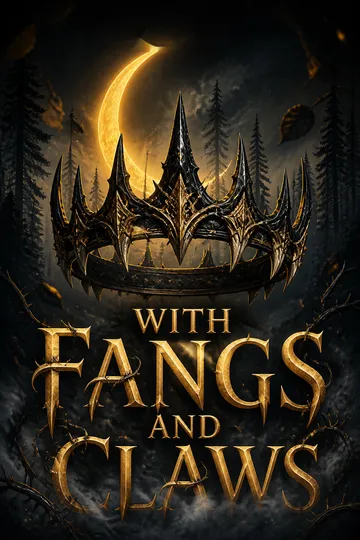
Dragon Found receives mixed but generally positive reviews, averaging 4.21 out of 5. Readers praise the compelling dragon-rider bonds, strong FMC Pippin, Cinderella-retelling premise, and engaging world-building with Dragonriders of Pern comparisons. Many enjoy the reverse harem dynamics and court politics. Common criticisms include underdeveloped male love interests, insta-attraction romance, slow pacing, predictable plot, and a misleading cover that doesn't match Pippin's description. Most readers find it an entertaining, easy read and are curious enough to continue the series.
Characters
Pippa Wentworth
Dispossessed estate heirPippa, often called Pippin by those close to her, is a tall, practical young noblewoman whose education in estate management proves more useful than the drawing-room accomplishments expected of her. She values fairness, loyalty, and the right to make her own decisions, but her sheltered upbringing leaves her unprepared for how quickly status can vanish. Exile forces her to develop physical competence and a keen understanding of power. She is not naturally fearless; she keeps acting while afraid, especially when someone more vulnerable depends on her. Her bond with Glimmer gives her an intimate connection she trusts, while her attraction to the riders complicates the future others try to arrange for her.
Glimmer
Unruly queen dragonGlimmer is a golden queen dragon whose unusual beginning leaves her small, hungry, and unusually conscious of the forces around her. She bonds with Pippa through rescue and mutual recognition rather than ambition. Their connection lets each feel the other’s emotions, but Glimmer is not simply an extension of Pippa: she has her own judgments, instincts, and guarded memories. She is protective, proud, and quick to distrust anyone who approaches her as property. Her growth asks Pippa to balance a mother’s care with respect for a powerful creature who is learning to define herself.
Ged
Tanner turned dragon riderGed is a warm, physically confident rider and the son of a tanner, a background that gives him sympathy for people judged by their work or poverty. He rides the red dragon Cloud Raker and serves as a bridge between Pippa and the rough camaraderie of the keep. His humor can conceal a serious capacity for loyalty, and he is attentive to the difference between desire and consent. Ged’s easy manner contrasts with his strong protective instincts, though those instincts can tempt him to act as if he knows what Pippa needs before she tells him.
Brom
Steady wing commanderBrom commands the riders who find Pippa and serves as a calm, capable guide through dragon care and political danger. He rides Obsidian, the black dragon, and is accustomed to carrying responsibility without displaying much of its weight. His self-control makes him reliable, but it also makes his feelings difficult to read. Brom respects Pippa’s judgment and wants to protect her without reducing her to a duty. He has deep ties to Prince Draven and to the royal family, leaving him caught between personal loyalty and the obligations of his rank.
Soren
Exacting drill sergeantSoren is a seasoned rider and demanding instructor whose discipline is rooted in a serious belief that training keeps people alive. He rides Wraith, a purple dragon, and often acts as a stabilizing presence for both cadets and fellow riders. Beneath his stern manner is a deep capacity for care, expressed through practical help rather than easy reassurance. He is wary of exploiting the authority he holds over Pippa, and his struggle to reconcile desire with responsibility reflects the keep’s larger conflict between duty and personal choice.
Flynn
Scholar and noble riderFlynn is a charming, educated rider from a powerful family, bonded to the blue water dragon Glacier. His wit helps him move easily through both the keep and aristocratic society, but he is more perceptive than his relaxed manner suggests. Flynn is drawn to knowledge, history, and the emotional lives of the people around him. His noble background gives him political leverage that Ged lacks, while his relationship with his father makes clear that family privilege can be another form of control. He wants connection without turning Pippa into a prize or an alliance.
Prince Draven
Reluctant royal heirDraven is a skilled rider bonded to Darkspire, a green dragon, and a prince whose life changes when his older brother dies. He had expected to serve in the rider corps rather than inherit the throne. His sharp manner and displays of authority conceal grief, political fear, and a complicated attachment to Pippa. Draven believes preparation and self-reliance are necessary for survival, but he often expresses concern through provocation rather than kindness. His relationship with Queen Raina leaves him caught between the family that raised him and the kingdom he may have to defend.
Queen Raina
Controlling royal matriarchRaina is King Magnus’s queen and the central political force at court. Elegant and deliberate, she understands how marriage, lineage, and royal ceremony can shape the balance of power. Her attachment to her son Draven is entangled with an ambition to secure the throne for her own family. Raina treats public order as something to be managed, not trusted, and views women and dragons through the political futures they can produce. Her confidence depends on keeping other people’s choices within limits she sets.
Cecily
Ambitious stepmotherCecily is Pippa’s stepmother, a socially skilled woman whose devotion to her daughter Arabella becomes the justification for taking what belongs to Pippa. She understands the vulnerability of women whose status depends on marriage and legitimacy, but answers that vulnerability with manipulation rather than solidarity. Her composure can make cruelty appear respectable, especially when she frames selfish choices as necessary protection. Cecily’s relationship with Pippa is shaped by a rivalry she creates rather than an inevitable conflict.
Arabella
Entitled stepsisterArabella is Cecily’s daughter and Pippa’s stepsister. She has been raised to expect admiration and status, and she reacts to frustration with volatility rather than reflection. Her polished appearance helps her perform the role of an accomplished young lady, while her treatment of servants and animals reveals how little empathy constrains her. Arabella’s ambition is tied to her mother’s belief that she must overcome the stigma of her birth, but she turns that pressure into entitlement toward everyone around her.
Nadia
Loyal former maidNadia once served Pippa and remains loyal after Cecily transfers her to Arabella’s household. She understands the practical dangers of openly resisting her employers, yet finds ways to help Pippa without drawing immediate suspicion. Her kindness is concrete: she brings soap, money, information, and clothing. Nadia’s courage is not theatrical; it comes from judging risk carefully and acting when the chance appears. She reminds Pippa that service does not erase a person’s moral agency.
Prince Felix
Draven’s lost elder brotherFelix is Draven’s older brother and the heir who was expected to become king. He is remembered as a capable, principled figure who understood the political tensions within the royal household. His death shapes Draven’s grief and changes the balance of power at court. Felix’s importance lies partly in the future he represented and partly in the unanswered questions surrounding the events that ended it.
King Magnus
Withdrawn reigning kingMagnus rules Nevermere beside Raina but often appears distant from the political machinery around him. His manner encourages others to wonder whether his passivity reflects temperament, distraction, or outside influence. He retains formal authority, yet the queen often directs the decisions that shape the court. His relationship with Draven is complicated by succession and by the expectations placed on a family that rules through dragons.
Beatrice Marchant
Raina’s preferred candidateBeatrice is Raina’s cousin and the noblewoman the queen favors as a suitable bondmate for the queen dragon. She represents the kind of polished, high-born candidate the court expects to succeed. Her position gives her access to royal power, but the story also places her within a system whose decisions are shaped by family ambition and dragonstone influence. She is a political figure before she is a personal rival to Pippa.
Christian Bailey
Bookish rider and scholarChristian is a thoughtful rider from Cantlyn who spends much of his time among books and histories. His interest in archaeology and dragon lore makes him a useful guide to the keep’s collections. He approaches Pippa with courtesy and gives her a historical pendant that deepens her investigation of the dragonstones. Christian is earnest rather than socially forceful, and his quiet attention offers Pippa a glimpse of courtship that does not rely on rank or intimidation.
Lance
Cadet sword instructorLance is a young cadet trained by his father, a respected swordsman. He teaches Pippa the basics of swordplay and helps her understand the cadets’ traditions. His competence is matched by a developing sense of fairness, especially when Pippa is treated differently from the boys. Lance wants to belong to the riders and is learning that courage includes challenging the older men who define their rules.
Maggie
Frank serving womanMaggie works among the keep’s serving women and speaks openly about the sexual customs and practical realities of life around the riders. She is confident, humorous, and comfortable naming her own desires. Her position is less protected than that of a noblewoman, but she understands the informal rules that govern the keep better than Pippa does. Through Maggie, Pippa learns that knowledge about the body can be a form of autonomy.
Richard, Duke of Skane
Flynn’s ambitious fatherThe Duke of Skane is Flynn’s father and Pippa’s feudal lord. He sees marriage and dragon bonds as instruments in the struggle among the duchies. His intervention is shaped by genuine concern about Harlston’s growing influence, but he is inclined to treat Pippa as a political asset rather than a person free to choose. His relationship with Flynn reveals a family in which affection and strategic expectation are difficult to separate.
Duke of Harlston
Raina’s political allyRaina’s brother is a powerful duke who supports her efforts to preserve Harlston influence over the crown. He is confident in his family’s ability to shape succession and regards dragon bonds as strategic resources. His authority is expressed through institutions and alliances as much as personal force, making him a formidable opponent to those who want the dragons and riders to choose freely.
Tanis
Voice from dragon historyTanis is a female dragon presence who reaches Glimmer through an ancient dragonstone. Her voice suggests a history older than the royal system and offers Glimmer recognition beyond the dragons currently controlled by the court. She communicates sparingly, leaving Pippa and Glimmer with questions about the past and the dragons who may still live beyond the kingdom.
General Rex
Royal riders’ commanderRex is the senior military authority overseeing the royal riders. He values discipline and institutional stability, but his response to Pippa’s unusual place in the keep exposes the limits of a system built around male recruits and noble politics. He is not simply a villain or ally; he represents the command structure Pippa must navigate.
Old Bay
Pippa’s swineherd mentorOld Bay is the aging swineherd who teaches Pippa the practical work of tending pigs. His knowledge helps her survive exile and gives her skills that later prove unexpectedly useful. He is a solitary man whom the village keeps at a distance, but he treats the animals and his apprentice with more care than Pippa receives from her family.
Harry Kensington
Compromised family solicitorHarry Kensington is the Wentworth family solicitor and the father of George. His professional access gives him the ability to shape the handling of Pippa’s inheritance. He has long-standing ties to her family, which makes his role especially painful: familiarity and trust can be used to conceal a betrayal more effectively than open hostility.
Plot Devices
The Queen Egg
Selects a dragon’s riderThe queen egg is presented to eligible women across Nevermere, and its response determines who will bond with the future queen dragon. The search appears to transcend rank, since daughters of powerful families can be passed over for women of lower birth. That promise makes Pippa’s bond significant, but the egg’s prolonged failure to hatch raises questions about whether the process is genuinely free. The egg gives the plot its central test of character: Arabella sees a route to status, while Pippa responds to the dragon’s distress. Its hatching creates the bond that pulls Pippa into the royal riders and threatens the political order.
Dragonstones
Store memory and exert controlDragonstones preserve memories and knowledge from earlier generations of dragons. They also amplify psychic influence, allowing a person who possesses one to affect dragons and, to a lesser degree, people. Raina uses the stones to interfere with Glimmer’s bond and to influence those around her. The old sanctuary’s stone awakens Glimmer’s memories and connects her to Tanis, showing that the stones hold more than royal secrets. This device links the book’s history, magic, and political conflict: whoever controls the stones can shape what the present believes about the past and limit the choices of living dragons.
The Rider Bond
Makes dragon needs personalA dragon and rider share emotion, sensation, and eventually thought. Pippa feels Glimmer’s hunger and fear as her own, while the adult riders receive impressions from their dragons. The bond creates intimacy that is difficult to hide and gives dragons a means to alert riders to danger or wrongdoing. It also complicates individual desire because a dragon’s instincts can overwhelm a rider during mating season. In Pippa and Glimmer’s case, the bond begins as rescue and becomes a partnership in which neither is simply the other’s possession. The device makes care, loyalty, and coercion bodily experiences rather than abstract ideas.
The Mating Heat
Disrupts desire and judgmentWhen the royal queen dragon enters heat, her call reaches riders and dragons across the city, intensifying sexual desire and drawing male dragons toward her. Raina uses this predictable biological event as cover for an assassination attempt, drugging the king’s birthday wine so the guests become less able to notice what happens around them. The heat is both a natural force and a political vulnerability. It explains why riders avoid ordinary romantic attachments, why the royal dragons must be controlled, and why Pippa’s queen dragon represents a potential rival source of power.
The Old Sanctuary
Restores the queens’ historyAn ancient dragon-built amphitheatre contains a ceremonial chamber, channels for blood offerings, and a central dragonstone that can reveal memories when activated. Flynn first brings Pippa and Glimmer to the place as a refuge from the keep. Their contact with the stone awakens Glimmer’s consciousness and establishes a link to Tanis. Later, the sanctuary’s images and memories show that earlier human and dragon queens chose and tested their mates rather than submitting to the court’s arranged system. The location therefore functions as a hidden counter-history: it gives Pippa a source of legitimacy beyond the current dynasty.
About the Author
Other books by Sam Hall



Download PDF
Download EPUB
.epub digital book format is ideal for reading ebooks on phones, tablets, and e-readers.








