

Plot Summary
A Letter Across the Water
In 1972, Celia del Pino keeps watch over Cuba's northern coast, still expecting danger from the sea and listening for news of her husband, Jorge, who has been living in New York for cancer treatment. His final letter arrives after his death. That night, Celia sees his apparition walking across the water, but cannot hear what he has come to say.
Their daughter Felicia hears that her father has died and resents that he did not visit her. Celia asks Felicia to notify their estranged son, Javier, in Czechoslovakia. Across the water in Brooklyn, granddaughter Pilar feels her grandmother's presence but remains separated from her. Jorge's death does not reunite the family. It makes their distances permanent.
The supernatural visitation gives grief a physical form without making it simple. Celia can see Jorge, but cannot receive his meaning; their marriage has ended in the same condition that marked it in life, intimacy obstructed by distance. The family members respond according to their own injuries: Celia seeks connection, while Felicia focuses on the goodbye she was denied. Politics and migration have made absence ordinary, yet death exposes its cost.
Celia's First Exile
In 1934, Celia is a young shop assistant in Havana when she falls in love with Gustavo, a married Spanish lawyer who promises to return to Spain. After he leaves, Celia stops eating and nearly dies. Jorge, an older suitor, presses her to write Gustavo and offers marriage if the letter goes unanswered. She marries Jorge, bears Lourdes, and suffers under the rule of his mother and sister while Jorge travels for work.
Celia becomes mentally ill after childbirth and is confined to an asylum, where she forms a friendship with another patient. Jorge later brings her to live by the sea and buys her a piano. For decades, Celia writes Gustavo a letter each month, keeping an imagined love alive beside her complicated marriage.
Celia's romantic ideal is not merely nostalgia. It is a private territory she maintains when marriage, motherhood, and family authority leave little room for self-determination. The asylum turns her distress into something others manage for her, while her letters let her preserve an interior voice. Her survival depends on contradictory attachments: she accepts Jorge's care, loves him in her own way, and refuses to surrender the earlier passion that shaped her.
The Ranch Is Taken
Celia supports the rebels who overthrow Batista, believing a new government can repair Cuba's poverty and foreign dependence. Her eldest daughter, Lourdes, marries Rufino Puente, heir to a wealthy ranching family, and tries to build a life on the estate.
After the revolution, soldiers seize the property. When Lourdes confronts them, one soldier rapes her and carves her abdomen; the assault contributes to the loss of her unborn son. Rufino and Lourdes eventually leave Cuba with their young daughter, Pilar, expecting exile to be temporary.
In New York, Lourdes rejects her husband's relatives' nostalgia, opens a bakery, and builds a life through work. She embraces America as refuge, while Celia's revolutionary commitment deepens the political division between mother and daughter.
The revolution changes the family not through abstract debate but through property seizure, sexual violence, and forced migration. Lourdes's fierce self-reliance is born from a world where her body and home have both been claimed by others. Celia interprets sacrifice as the price of collective repair; Lourdes experiences the new order as dispossession. Their political disagreement is therefore also a conflict over which injuries count, and who gets to define home.
Felicia Sets Hugo Ablaze
Celia's younger daughter, Felicia, meets Hugo Villaverde while working in a restaurant and is drawn into a volatile relationship. They marry, and Felicia gives birth to twin daughters, Luz and Milagro. Hugo's violence, infidelity, and sexually transmitted disease make their home unsafe; he leaves for long stretches as a merchant sailor.
In 1966, pregnant with their son Ivanito and overwhelmed by illness and nausea, Felicia lights an oil-soaked rag and sets fire to Hugo's sleeping face. Hugo escapes, badly scarred, and disappears from the family's daily life. Felicia's act does not end the damage: she raises the children alone, while the twins remember their father and the younger Ivanito grows up amid his mother's unstable moods.
Felicia's violence is an attempt to make an unbearable relationship stop on her terms. The fire repels Hugo, but it cannot convert injury into safety for the children who remain. Her choice also creates incompatible family histories: the twins preserve memories of their father, while Ivanito knows him mostly through absence and stories. The household becomes a place where love and fear are not opposites, but are repeatedly confused.
Pilar Takes the Bus South
As a teenager in Brooklyn, Pilar discovers her father, Rufino, with another woman in a department store and follows them through the streets. The sight confirms her sense that her parents' marriage is fraying, while her mother's strictness makes home feel like another kind of confinement. Pilar withdraws her savings from the bank and buys a one-way bus ticket toward Miami, imagining she can find a boat to Cuba and return to Celia.
On the journey, she talks with a pregnant teenager named Minnie and reflects on art, sex, and the histories school leaves out. Pilar reaches Florida but cannot find a way to Cuba; exhausted, she spends the night outside her cousin's home. She eventually returns to Brooklyn, still uncertain where she belongs.
Pilar's attempted escape makes geography the language of a child who cannot yet negotiate power at home. Cuba is both a real destination and an imagined answer to her mother's control, a place where her grandmother might recognize her without correction. Her journey fails practically, but it clarifies her central need: not simply to flee Brooklyn, but to recover a history and identity that family conflict has made inaccessible.
The Summer of Coconuts
During a period of severe mental illness, Felicia shuts out daylight, hears messages in ordinary sounds, and fills the house with coconut ice cream made from food she has collected around Havana. Celia visits and tries to bring food and order, but Felicia refuses help and becomes increasingly absorbed in her visions.
She prepares a lavish meal for herself and Ivanito, then crushes pills into the remaining ice cream, believing they will give them strength. The children survive, but doctors judge Felicia unfit to care for her son.
Ivanito is sent to boarding school, where he and Felicia meet monthly and speak mostly through touch and glances. Felicia is assigned to a revolutionary training brigade, while the separation from her son becomes her deepest private wound.
The coconut ice cream is simultaneously comfort, ritual, and danger. Felicia's care for Ivanito is real, but illness has made her private logic more authoritative than the needs of his body. Institutional intervention protects the child at the cost of their daily bond, and official language frames that rupture as integration. Felicia's later political assignment similarly treats personal distress as something to be disciplined into public usefulness.
Celia's Revolution of One
After Jorge's death, Celia commits herself more fully to the revolution. She cuts sugarcane, helps with public projects, and takes night shifts watching the coast for foreign attackers. She later becomes a civilian judge in Santa Teresa del Mar, handling local disputes with a preference for reform over punishment. At one crowded hearing, two women accuse each other over the postmaster Rogelio Ugarte's attempted seduction.
Celia brings Rogelio before the court; he admits his conduct, and she sentences him to a year of volunteer work at a state nursery. The audience turns the proceeding into entertainment, leaving Celia doubtful that the community has learned much. Yet judging gives her a public role distinct from wife, mother, and widow.
Celia's service offers real agency, but it also reveals the limits of a system that turns civic justice into spectacle. Her sentence tries to redistribute care work and hold a man accountable, yet the crowd consumes the case as drama. Celia's conviction is neither empty nor uncomplicated: public institutions let her act, while ideological certainty can make her overlook private suffering in her own family.
The Hotel Behind the Harbor
Years after Hugo vanished, Luz and Milagro receive a postcard from him and secretly visit his room at a rundown Havana hotel. They find him scarred, disabled, and living alone. The twins bring him food, clean his wounds, and listen to stories about the life he had before Felicia's fire. Eventually they bring Ivanito to meet him.
During a storm, the three children enter Hugo's room and discover him having sex with a masked woman. The twins take Ivanito away and make him swear not to tell Felicia. They return to boarding school, where the sisters close ranks and keep their encounter private. Their act of care has given them contact with their father, but the discovery complicates the idealized father they had imagined.
The twins' secret visit is an effort to reclaim a father without forgiving or denying what he did. Their care for Hugo coexists with their clear-eyed knowledge of his flaws. For Ivanito, the encounter replaces inherited stories with a disturbing image he cannot easily interpret. The siblings' secrecy protects them from Felicia's reaction, but it also establishes a boundary that excludes their mother and tightens the twins' alliance.
A Jump into the East River
In Brooklyn, Lourdes joins the auxiliary police, convinced that uniforms, patrols, and hard rules can protect a neighborhood she sees slipping into disorder. During a night shift, she spots a boy at the East River and jumps in after him. Lourdes survives the cold water, but the boy drowns.
His death sharpens the grief she already carries for the son she lost in Cuba, though she has never spoken openly about the rape behind that loss. She continues running her bakeries and policing the streets, using work and vigilance to keep helplessness at bay. Her daughter Pilar regards the uniform and Lourdes's political certainty with mockery, while Lourdes sees her daughter's defiance as another danger she must somehow control.
Lourdes's leap exposes the gap between her belief in control and the limits of rescue. She acts decisively, yet cannot save the boy; the failure reopens an earlier trauma that has remained sealed beneath routine. Her public toughness is not simply ideology or aggression. It is a defense against experiences in which no rule, weapon, or adult authority protected her.
Liberty Gets a Safety Pin
When Lourdes asks Pilar to paint a patriotic mural for her second Yankee Doodle Bakery, Pilar agrees on the condition that her mother will not inspect it beforehand.
Instead of a conventional tribute, she paints the Statue of Liberty against a radioactive blue field, with a safety pin through the statue's nose and agitated black figures in the air. At the unveiling, a man rushes the painting with a knife and calls it garbage. Lourdes knocks him down with her handbag, protecting both her daughter and the work she rejects.
Pilar is startled to recognize her mother's love in that reflex. The painting makes their political and artistic disagreement public, but Lourdes's defense shows that opposition does not cancel her fierce instinct to protect Pilar.
The mural turns a family argument into an image the public must confront. Pilar uses the commission to refuse the simple patriotism her mother expects, while Lourdes's physical defense separates her loyalty to her daughter from her approval of the work. The scene complicates both women: Pilar is not merely rebelling for effect, and Lourdes is not reducible to her politics. Their bond survives most clearly in action, not agreement.
The Body Keeps Its Record
In 1977, Lourdes stops eating and loses much of the weight she gained while caring for her dying father. She pedals toward San Francisco on an exercise bike, measures each mile, and imagines that becoming empty will make her clean. At Thanksgiving, Pilar's return prompts Lourdes to eat again, but a museum visit brings back the image of the unborn son she lost.
Later, Jorge's spirit visits her and admits that he sent Celia to the asylum, separated mother and daughter, and knew a soldier had raped Lourdes. He also tells Lourdes that Celia loved her and that Felicia has died. He asks his daughter to return to Cuba and carry his apology to Celia, giving Lourdes truths that unsettle the story she has lived by.
Lourdes's starvation makes emotional history visible through the body: she tries to erase appetite, but memory returns through food, pregnancy, and grief. Jorge's confession then revises the family's inherited account without undoing its damage. His knowledge of the rape does not repair his silence; it shows how care and possession can coexist. Lourdes receives the truth, but receiving it is not the same as being able to speak it.
Felicia Loses Her Name
In 1978, Felicia falls in love with Ernesto Brito, a shy restaurant inspector, and marries him almost immediately. Four days later he dies in a grease fire at a seaside hotel. Convinced that political enemies caused his death, Felicia attacks her customer Graciela with a caustic mixture and loses her memory.
She awakens in Cienfuegos wearing work clothes marked with another name and cannot recognize her past. At an amusement park she meets Otto Cruz, who plans to flee to the United States and build an ice rink.
Felicia later recounts pushing him from a roller coaster. After returning to Cuba, she seeks help from Herminia and the santeros, beginning a religious life that gives shape to experiences she cannot explain through ordinary memory.
Felicia's breakdown is presented not as a neat mystery to solve but as a collapse of the categories that once organized her life: wife, mother, daughter, patient. The brief marriage to Ernesto offers a moment of uncomplicated tenderness, then his sudden death feeds her persecutory beliefs. Santería becomes more than explanation; it supplies ritual, community, and a language for experiences that medicine and political discipline have not contained.
Saints, Spirits, and Loss
After his wife leaves him for a visiting professor and takes their daughter from Prague, Javier returns to Celia's home in Cuba, physically ill and shattered. Celia nurses him, but he turns to black-market rum and disappears from her care; his death leaves her with another child she cannot keep.
Around the same period, Felicia completes a demanding santería initiation and returns to her family home, dressed in white and devoted to her new obligations. Her body soon weakens, her vision fades, and the diviners repeatedly predict death.
Celia finally rejects the rituals and crushes Felicia's sacred objects, then holds her daughter as she dies. The act cannot save Felicia, but it is the closest Celia comes to setting politics and belief aside for a child.
Celia's losses expose the inadequacy of every system she trusts, from revolutionary service to family duty to religious intervention. Her destruction of Felicia's ritual objects is not a victory over santería so much as a desperate refusal to let doctrine stand between mother and daughter. The recurring pattern is care without mastery: Celia can tend, feed, and hold those she loves, but cannot decide whether they remain.
The Embassy and the Sea
In 1980, Lourdes returns to Cuba with Pilar and confronts El Líder at the Peruvian embassy, where citizens have sought asylum. She calls him a murderer but does not attack him. After learning that people may leave, she drives Ivanito to the embassy with money and instructions to seek refuge in the United States.
Pilar follows with Celia and forces her way through the panicked crowd. Inside, she finds Ivanito alive, but when she returns to her grandmother she lies, saying he must have left on a plane.
Celia is left with another separation she cannot verify. She walks into the sea, removes her pearl earrings, and releases them into the water. The novel leaves her fate unresolved, with the family divided once more between those who leave and those who remain.
The embassy crisis compresses the novel's central conflict into a choice between rescue and truth. Lourdes acts to protect Ivanito, while Pilar's lie protects his chance to leave but denies Celia knowledge and consent. Celia's final walk into the water echoes the sea that has accompanied her across a lifetime, yet the meaning remains open. The ending refuses to turn exile into a clean solution: departure may save a person while deepening the wound of those left behind.
Analysis
Dreaming in Cuban treats political exile as an intimate condition: a map enters the kitchen, the marriage bed, the body, and the stories a child is allowed to hear. Its three central women do not represent a simple opposition between Cuba and America. Celia invests in revolutionary transformation, Lourdes trusts American work and order, and Pilar inherits both positions without accepting either as complete. Their convictions protect them from helplessness, but also make love difficult when each regards the other's account as an erasure.
The novel's shifting narrators make memory unstable without making every version equally false. Celia's letters preserve an interior self, while Lourdes's certainty and Pilar's artistic revisions show how people reshape history to survive it. The dead return, but their revelations do not function as clean corrections. Jorge can confess his choices, yet Lourdes still has to decide what to do with the knowledge. Pilar can find Ivanito, but her lie leaves Celia in uncertainty. Recognition arrives late and cannot reverse the damage that created the need for it.
The supernatural and the political share a central feature: both ask characters to trust systems larger than themselves. Santería offers ritual, community, and a way to approach suffering; revolutionary institutions promise collective justice; exile offers the hope of reinvention. Each can sustain people, and each can fail them. Felicia's life makes especially clear that no single framework can contain the full range of illness, desire, violence, and faith.
The ending returns to the sea, not to provide a solution but to hold incompatible meanings at once: departure, reunion, danger, and release. Celia's fate remains open because the novel refuses to translate separation into a final verdict. Its deepest insistence is that family history is inherited unevenly. The next generation may carry its wounds, revise its stories, or escape its geography, but none can make the past belong to only one person.
Review Summary
Dreaming in Cuban received mixed reviews, with many praising García's poetic writing style and exploration of Cuban-American identity across generations. Readers appreciated the vivid characters and magical realism elements. However, some found the narrative structure disjointed and characters underdeveloped. The book's portrayal of family dynamics, political divisions, and mental health resonated with many readers. While some struggled with the non-linear storytelling, others found it a powerful depiction of the Cuban diaspora experience.
People Also Read


Characters
Celia del Pino
The sea-facing matriarchCelia is the family’s Cuban center: a mother and grandmother whose life is shaped by an early, idealized love, a difficult marriage, and unwavering faith in the revolution. She seeks purpose through political work and public service, yet remains deeply private, keeping decades of letters to Gustavo and listening for the dead. Her tenderness is real but not always accessible to her children, who experience her convictions as distance. The sea gives her a place to think beyond the family’s competing versions of history. Celia is drawn to commitment and beauty, but struggles to see how strongly her choices affect those she hopes to protect.
Pilar Puente
The restless granddaughterPilar is the daughter of Lourdes and Rufino, raised in Brooklyn but emotionally tethered to Cuba and to her grandmother Celia. She paints, keeps private thoughts, challenges authority, and distrusts the tidy histories adults hand down. Her rebellion is not mere provocation: she is trying to find a language for experiences that do not fit either her mother's certainty or the political stories surrounding her. Pilar's strongest attachments are often expressed through attention, art, and a willingness to cross boundaries. Her search for belonging leads her toward both artistic independence and the complicated inheritance of her family.
Lourdes Puente
The hard-edged exileLourdes is Celia's eldest daughter, a Brooklyn bakery owner and auxiliary policewoman who believes in work, order, and visible proof. She rejects the Cuban revolution and treats America as a place where effort can rebuild what politics destroyed. Beneath her bluntness lies a fierce protective instinct, especially toward Pilar, though her attempts to guide her daughter often become controlling. Lourdes's body and habits carry grief she cannot easily articulate. She trusts action more than reflection and prefers firm answers, yet the people she loves repeatedly force her to confront what certainty has concealed.
Felicia del Pino
The unruly daughterFelicia is Celia's younger daughter, a hairdresser, mother, dancer, and devotee of santería. She experiences the world intensely, moving between sensual vitality and episodes in which sound, color, memory, and belief become overwhelming. Humor and imagination help her endure a history of violence and abandonment, but they can also draw her into dangerous private realities. Felicia's relationship with her children is uneven and deeply passionate; she longs to protect them even when her illness makes ordinary care difficult. She resists both her mother's political expectations and conventional explanations of her inner life.
Jorge del Pino
The absent fatherJorge is Celia's husband and the father of Lourdes, Felicia, and Javier. A traveling salesman devoted to cleanliness and routine, he values order but is capable of tenderness and possessiveness in equal measure. His long absences shape his children's memories of him, especially Lourdes's, who treasures their shared rituals and baseball loyalties. Jorge's attachment to family does not prevent him from making damaging choices. He remains a figure whose love and authority are difficult for his children to separate.
Ivanito Villaverde
The sensitive youngest childIvanito is Felicia's son and the youngest of her children. Gentle, observant, and unusually gifted with language, he is closely attached to his mother and often tries to interpret the emotional weather around her. He is also caught between his mother's needs and his sisters' wary distance. Russian and English offer him possible routes beyond the island, while music, dancing, and family stories help him make sense of a childhood shaped by separation.
Rufino Puente
The inventive husbandRufino is Lourdes's husband and Pilar's father, born into a wealthy Cuban family but more comfortable with animals, machines, and improvised projects than with status. He is patient with Pilar and often acts as a buffer between her and Lourdes. In New York, he struggles to adapt to conventional work and retreats into his workshop. His gentle manner can make him seem detached, particularly when Lourdes needs direct emotional engagement.
Herminia Delgado
Felicia's steadfast friendHerminia is Felicia's childhood friend and a lifelong link to santería. She remains loyal through Felicia's illness, family crises, and spiritual searching, offering practical care as well as religious guidance. As the daughter of a santería priest, Herminia understands the prejudice directed at her community and trusts what she has witnessed more than official accounts. Her perspective brings both warmth and cultural memory to a family inclined to mistrust one another.
Javier del Pino
The distant scholarJavier is Celia and Jorge's only son, a gifted student who leaves Cuba for a scientific career in Prague. He is intellectually ambitious but emotionally guarded, and his distance from his mother is reinforced by the family's political divisions. Celia hopes for a closer bond with him and with the daughter he raises abroad. Javier's story reflects the costs of turning family loyalty into a test of political allegiance.
Luz and Milagro Villaverde
The inseparable twinsLuz and Milagro are Felicia and Hugo's twin daughters. They move through childhood as a close pair, often sharing judgments and protecting one another from the instability at home. Their bond gives them security, but it can also make them guarded with their mother and brother. They are observant, practical, and determined to shape futures beyond the family conflicts that surround them.
Hugo Villaverde
The dangerous sailorHugo is Felicia's husband and the father of Luz, Milagro, and Ivanito. A merchant sailor with a powerful presence, he is restless and sexually demanding, and his conduct makes home life unstable. His absence leaves his children to form competing ideas of who he is. The twins in particular must reconcile their longing for a father with the consequences of his behavior.
Gustavo Sierra de Armas
Celia's lost Spanish loveGustavo is a married Spanish lawyer whom Celia meets before her marriage to Jorge. His political ideals and attentiveness awaken a passionate bond that continues to shape Celia's private imagination long after he leaves Cuba. He matters less as a day-to-day presence than as the life Celia once pictured for herself, and as the recipient of the letters through which she preserves that possibility.
El Líder
The revolutionary leaderEl Líder is the unnamed head of revolutionary Cuba, revered by Celia and despised by Lourdes. His speeches, volunteer campaigns, and political institutions enter the family home through work, public ritual, and argument. He is less a private character than a powerful presence around which relatives organize loyalty, suspicion, and hope.
Ernesto Brito
Felicia's brief tendernessErnesto is a meticulous restaurant inspector known for refusing bribes and insisting on cleanliness. Shy and inexperienced in love, he responds to Felicia's boldness with unexpected openness. His precise habits and gentle nature contrast with the turbulence that has shaped her relationships.
Otto Cruz
The amusement-park dreamerOtto works at an amusement park and imagines leaving Cuba to build an ice-skating rink in Minnesota. He is physically imposing but emotionally eager, and he treats Felicia as a miraculous arrival in his life. His plans reveal how escape can become a private fantasy as vivid as any political promise.
Max
Pilar's punk musicianMax is a Texas-born musician who plays in a blues band and becomes one of Pilar's early boyfriends. Easygoing and tolerant, he introduces her to music as a possible form of self-expression. His relaxed approach contrasts with the intensity and suspicion in Pilar's family life.
Plot Devices
Celia's letters to Gustavo
A private counter-historyCelia writes to Gustavo across decades, recording desires and judgments she rarely shares with her family. The letters move between historical periods and give her an intimate voice that differs from the public revolutionary persona her children know. They preserve not only a love affair but a record of changing Cuba, from Batista's rule through the revolution's first years. Because many letters are never sent, they show how memory can be an active private practice rather than a factual archive.
The sea
A border that callsThe ocean surrounds Celia's home, separates Cuba from the United States, and gives characters an imagined route toward reunion or escape. Celia reads it as a living presence; Lourdes associates it with the home she rejects; Pilar treats it as a passage back to her grandmother. Its changing tides echo shifts in memory and belonging without resolving the political distance between the island and its exiles.
Santería and ritual
A spiritual vocabularySantería enters the story through Herminia, her priestly family, and Felicia's ceremonies. Offerings, divination, herbs, and initiation provide characters with ways to interpret danger, illness, grief, and desire. The rituals are neither simply superstition nor a universal cure: characters disagree about them, and their effects remain entangled with medicine, Catholic practice, and political authority. The tradition also carries cultural memory that official institutions tend to overlook.
Ghosts and transmissions
The dead remain presentVisions and unexplained communications allow characters to encounter people separated by death, distance, or silence. Celia and Pilar sense one another across borders; Lourdes receives visits from her father; Ivanito reaches toward voices on the radio. These moments blur ordinary reality without erasing its consequences. A supernatural message may offer recognition or new knowledge, but it cannot restore lost years or guarantee that the living will act on what they learn.
Food and appetite
The body speaks firstEating, hunger, cooking, and scarcity mark emotional and political conditions throughout the novel. Lourdes's bakery turns food into business and self-sufficiency, while her changing appetite registers distress she cannot readily name. Felicia's coconut ice cream becomes maternal ritual and a focus of delusion. In Cuba, rationing and unequal access expose the gap between revolutionary promises and daily life. These bodily details make history tangible at the level of kitchens, shops, and meals.
FAQ
Synopsis & Basic Details
What is Dreaming in Cuban about?
- Multi-generational Saga: Dreaming in Cuban by Cristina García explores the lives of three generations of the del Pino family, fractured by the Cuban Revolution and dispersed between Cuba and the United States. The narrative weaves together their personal histories, political allegiances, and spiritual beliefs, revealing the profound impact of exile and ideological division on family bonds.
- Intertwined Destinies: At its heart, the novel is a lyrical exploration of the complex relationships between matriarch Celia del Pino, her daughters Lourdes and Felicia, and granddaughter Pilar, each grappling with their identity, memories, and the elusive concept of "home." Their stories are told through shifting perspectives, letters, and dreams, blurring the lines between reality and the supernatural.
- Cultural & Political Tapestry: Beyond individual struggles, the book paints a vivid picture of Cuban culture, incorporating elements of Santería, revolutionary fervor, and the bittersweet nostalgia of exile. It delves into themes of love, betrayal, mental illness, and the search for meaning amidst political upheaval, offering a nuanced portrayal of a nation and its people.
Why should I read Dreaming in Cuban?
- Lyrical Prose & Magical Realism: Readers seeking a novel with exquisite, poetic language and a seamless blend of the ordinary with the fantastical will find Dreaming in Cuban captivating. Cristina García's writing style, often compared to Gabriel García Márquez, creates an immersive and dreamlike atmosphere that enhances the emotional depth of the story.
- Deep Character Exploration: The novel offers a profound psychological dive into its female protagonists, revealing their unspoken motivations, complex emotional landscapes, and evolving relationships. It challenges readers to empathize with characters holding vastly different worldviews, making for a rich and thought-provoking experience.
- Unique Cultural Insight: For those interested in Cuban history, the immigrant experience, and the syncretic traditions of Santería, this book provides a rare and intimate perspective. It moves beyond simplistic political narratives to explore the human cost and resilience within a divided culture, offering a fresh lens on themes of identity and belonging.
What is the background of Dreaming in Cuban?
- Post-Revolutionary Cuba: The novel is set against the backdrop of the Cuban Revolution, primarily spanning the 1970s and early 1980s, with flashbacks to earlier decades. It captures the ideological fervor of those who stayed, like Celia, and the fierce anti-Communism of those who fled, like Lourdes, reflecting the deep political schisms that tore families apart.
- Cuban-American Exile Experience: A significant portion of the story takes place in Brooklyn, New York, highlighting the challenges and adaptations of Cuban exiles. The characters grapple with assimilation, cultural memory, and the longing for a homeland that has fundamentally changed, embodying the "hyphenated" identity of Cuban-Americans.
- Santería and Afro-Cuban Spirituality: The novel deeply integrates Santería, an Afro-Cuban religion, into Felicia's storyline and the broader cultural fabric. This spiritual tradition, with its orishas, rituals, and divination, provides a powerful counterpoint to both Catholicism and the secular ideals of the revolution, offering characters an alternative framework for understanding their lives and seeking solace.
What are the most memorable quotes in Dreaming in Cuban?
- "Memory is a skilled seducer.": This quote from Celia's letter (December 11, 1942) encapsulates a central theme of the novel: the subjective and often unreliable nature of memory. It highlights how characters, particularly Celia, reshape their pasts to cope with present realities and maintain personal narratives, making it a key insight into Dreaming in Cuban themes.
- "The family is hostile to the individual.": Pilar's reflection (1976) powerfully articulates the generational and ideological conflicts that define the del Pino family. It speaks to the immense pressure individuals face to conform to family expectations or political allegiances, often at the cost of their own desires and identities, a core Dreaming in Cuban analysis point.
- "Freedom, Abuela tells me, is nothing more than the right to a decent life.": Celia's definition of freedom, shared with Pilar (1980), cuts through political rhetoric to the fundamental human need for dignity and basic well-being. This quote reveals her pragmatic idealism and her belief in the revolution's promise to uplift the common people, offering insight into Celia's motivations.
What writing style, narrative choices, and literary techniques does Cristina García use?
- Polyphonic Narrative Structure: García employs multiple first-person perspectives, shifting between characters like Celia, Lourdes, Felicia, and Pilar, often within the same chapter. This technique creates a mosaic of experiences and viewpoints, emphasizing the subjective nature of truth and memory, and allowing readers to piece together a complex family history, a key aspect of Dreaming in Cuban analysis.
- Sensory-Rich, Lyrical Prose: The language is highly poetic and evocative, immersing the reader in the sights, sounds, and smells of Cuba and Brooklyn. García uses vivid metaphors and similes, such as "the sea's languid retreat into the horizon" or "her heart jumping like it wants to come out of its cage," to convey deep emotional states and create a dreamlike atmosphere, enhancing the novel's magical realism.
- Epistolary & Internal Monologue: Celia's unsent letters to Gustavo provide an intimate, confessional window into her inner world, offering a private counter-narrative to public events. Similarly, extensive internal monologues for other characters reveal their unspoken thoughts, fears, and desires, deepening psychological complexity and exploring character motivations beyond surface actions.
Hidden Details & Subtle Connections
What are some minor details that add significant meaning?
- Celia's Piano and Debussy: Celia's walnut piano, initially a gift from Jorge, becomes a symbol of her suppressed artistic and emotional life. Her secret playing of Debussy, forbidden by doctors who feared its "restless style" might "compel her to rashness," subtly highlights her inherent rebellious spirit and longing for a passionate life beyond the confines of her marriage and societal expectations, a hidden detail in Dreaming in Cuban themes.
- Jorge's Electric Brooms: Jorge's profession selling "electric brooms and portable fans" for an American firm, and his later ghostly advice to Lourdes about her bakeries, subtly links him to American consumerism and a desire for material success. This contrasts sharply with Celia's revolutionary ideals and foreshadows the deep ideological divide that will separate their family, offering a nuanced perspective on Jorge's motivations.
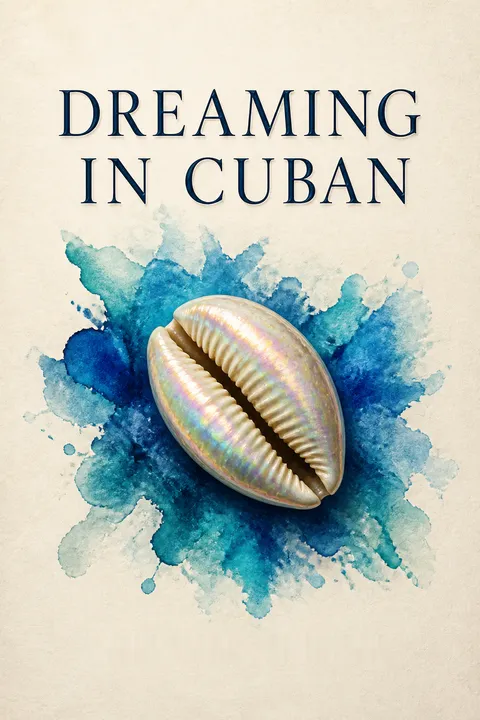
- Felicia's Shell Collection: Felicia's childhood fascination with shells, initially forbidden by Celia as "bad luck," later connects her deeply to Santería and Yemayá, the goddess of the sea. This early detail foreshadows her spiritual path and her eventual embrace of Afro-Cuban traditions as a source of meaning and healing, revealing a subtle character connection and Dreaming in Cuban symbolism.
What are some subtle foreshadowing and callbacks?
- Celia's "Wet Landscape" Prophecy: Early in the novel, a santera tells Celia, "Miss Celia, there's a wet landscape in your palm," when Celia contemplates suicide. This subtly foreshadows Celia's lifelong connection to the sea and her eventual, ambiguous return to it at the novel's end, hinting at her ultimate fate and the cyclical nature of her life's journey, a key element of Dreaming in Cuban analysis.
- Pilar's "Little Witch" Nannies: Pilar's childhood nannies in Cuba believed she was a "brujita" (little witch) and performed rituals to cleanse her. This early detail foreshadows Pilar's later psychic connection to Celia and her intuitive understanding of the spiritual world, suggesting an inherited mystical sensibility that bridges the generational and geographical divide, a subtle character connection.
- Lourdes's Lost Child: Lourdes's miscarriage of her second child in Cuba, described as a "pool of dark blood at her feet," is a traumatic event that subtly explains her later overprotective nature and her intense, almost desperate, love for Ivanito. This callback to her past loss informs her actions during the Mariel boatlift, revealing unspoken motivations and the enduring impact of trauma on her character.
What are some unexpected character connections?
- Lourdes and Jorge's Shared Rigidity: Beyond their obvious father-daughter bond, Lourdes and Jorge share a deep-seated rigidity and a need for control, particularly in their political views and personal habits. Jorge's fastidiousness and anti-Communist stance are mirrored in Lourdes's obsession with order, her "tough stance on law and order," and her fierce American patriotism, highlighting a parallel character arc often missed in Dreaming in Cuban analysis.
- Celia and Felicia's Shared Passion for the Sea: Despite their many differences and Felicia's mental struggles, both Celia and Felicia are profoundly connected to the ocean. Celia finds solace and inspiration in its rhythms, while Felicia's Santería rituals often involve the sea. This shared, almost spiritual, bond with the natural world transcends their personal conflicts and ideological divides, revealing a deeper, symbolic connection between mother and daughter.
- Pilar and Ivanito's Artistic Sensibilities: While seemingly disparate, Pilar's painting and Ivanito's linguistic talents (his "ear for languages") represent a shared artistic and interpretive sensibility within the younger generation. Both use their gifts to make sense of their fragmented worlds and express what cannot be directly spoken, forming an unexpected character connection that offers hope for future understanding.
Who are the most significant supporting characters?
- Herminia Delgado, the Santera's Daughter: Herminia is Felicia's steadfast best friend and a crucial link to the Afro-Cuban spiritual world. Her unwavering loyalty, practical wisdom, and deep understanding of Santería provide Felicia with solace and a path to self-discovery. Herminia also serves as a cultural bridge, explaining the nuances of Santería to Pilar and the reader, offering a vital perspective on Dreaming in Cuban themes.
- Gustavo Sierra de Armas, Celia's Idealized Lover: Though never physically present in the main narrative, Gustavo is a profoundly significant character through Celia's unsent letters. He represents Celia's youthful passion, her intellectual aspirations, and the road not taken. His absence allows Celia to maintain an idealized love, which serves as a powerful contrast to the realities of her marriage and revolutionary life, revealing Celia's motivations and inner world.
- Mr. Mikoyan, Ivanito's Russian Teacher: Mr. Mikoyan, Ivanito's Russian teacher, introduces him to a "colder world" that "preserved history" and praises his linguistic gift. His eventual departure and the rumors of "indiscretions" expose Ivanito to the complexities of adult morality and the fragility of trust, profoundly shaping his early understanding of the world and his own identity, a subtle but significant influence on Ivanito's character development.
Psychological, Emotional, & Relational Analysis
What are some unspoken motivations of the characters?
- Celia's Revolution as Personal Redemption: Celia's fervent devotion to El Líder and the revolution, while genuinely ideological, also serves as an unspoken motivation to find purpose and meaning after a lifetime of personal disappointments and betrayals, particularly in her marriage. Her commitment to a collective cause allows her to sublimate individual sorrows and feel "part of a great historical unfolding," a deeper insight into Celia's motivations.
- Lourdes's Hyper-Americanism as Trauma Response: Lourdes's aggressive embrace of American consumerism, capitalism, and law-and-order ideology is an unspoken motivation to exert control and create a safe, predictable world after the trauma of her rape and forced exile. Her insistence on "fighting Communism from behind her bakery counter" is a psychological defense mechanism against past helplessness, a key aspect of Lourdes's motivations.
- Felicia's Santería as a Quest for Agency: Felicia's deep immersion in Santería, including her initiations and rituals, is an unspoken motivation to reclaim agency and find spiritual healing after years of abuse, mental illness, and feeling powerless. The orishas and their ceremonies offer her a sense of control over her destiny and a connection to a larger, more meaningful world, providing profound insight into Felicia's motivations.
What psychological complexities do the characters exhibit?
- Lourdes's Eating Disorders as Control: Lourdes's dramatic weight fluctuations—gaining 118 pounds after her father's arrival in New York, then losing 118 pounds through starvation—reveal a profound psychological complexity tied to control and grief. Her body becomes a canvas for her internal struggles, a way to assert agency when other aspects of her life feel chaotic or beyond her influence, a deep dive into Lourdes's motivations and psychological complexities.
- Felicia's Delusions as Escapism: Felicia's vivid delusions, where "colors... escape their objects" and she hears "everything in this world and others," are a complex psychological coping mechanism. They allow her to escape the harsh realities of her life, including abuse and societal alienation, into a more vibrant, if chaotic, internal world where she feels "at the center of the universe," offering a nuanced understanding of Felicia's psychological complexities.
- Javier's Alcoholism as Dislocation: Javier's descent into alcoholism upon his return to Cuba, triggered by the loss of his wife and daughter, highlights the psychological complexity of dislocation and unaddressed trauma. His drinking is not merely a vice but a desperate attempt to numb the pain of his fragmented identity and the profound sense of loss he experiences, revealing the tragic consequences of exile on Javier's motivations.
What are the major emotional turning points?
- Celia's Decision to Marry Jorge: Celia's choice to marry Jorge after Gustavo's departure, driven by Jorge's ultimatum ("If he doesn't answer, you will marry me"), marks a major emotional turning point. It signifies her surrender to a life of "ordinary seductions" and the suppression of her passionate, artistic self, setting the stage for her later revolutionary fervor as a form of emotional outlet.
- Felicia's Act of Arson: Felicia setting her abusive husband, Hugo, on fire is a pivotal emotional turning point, representing a violent reclamation of agency and a breaking point after years of suffering. This act, though horrific, is portrayed as a moment of "clarity" for Felicia, profoundly altering her trajectory and leading her deeper into her spiritual and mental complexities.
- Lourdes's Confrontation with El Líder: Lourdes's journey to the Peruvian embassy to confront El Líder, where she shouts "Asesino!" at him, is a major emotional turning point. It represents her direct, albeit futile, attempt to confront the source of her family's pain and her own trauma, showcasing her unwavering defiance and the depth of her anti-Communist convictions.
How do relationship dynamics evolve?
- Celia and Jorge: From Obligation to Ghostly Confession: Their relationship evolves from a marriage of convenience and obligation, marked by Jorge's frequent absences and Celia's emotional withdrawal, to a posthumous dialogue. Jorge's ghostly visits to Lourdes and Celia allow for a belated, painful confession of his past betrayals and a search for forgiveness, revealing the enduring impact of their complex love/hate dynamic.
- Lourdes and Pilar: From Control to Conditional Acceptance: The mother-daughter dynamic between Lourdes and Pilar is initially characterized by Lourdes's fierce control and Pilar's rebellious defiance. Over time, particularly after Pilar's art school experiences and her return to Cuba, their relationship evolves into a more nuanced, if still fraught, acceptance. Lourdes's defense of Pilar's "punk" Statue of Liberty painting, despite her disapproval, signifies a grudging respect for her daughter's individuality, a key aspect of Lourdes's motivations.
- Felicia and Ivanito: From Codependency to Separation: Felicia and Ivanito's relationship is initially one of intense, almost suffocating, codependency, especially during "the summer of coconuts." Ivanito is his mother's confidant and companion in her delusions. However, his eventual escape from Cuba, facilitated by Lourdes, marks a painful but necessary separation, allowing Ivanito the chance for an independent future, while leaving Felicia isolated.
Interpretation & Debate
Which parts of the story remain ambiguous or open-ended?
- Celia's Final Fate: The novel's ending, with Celia walking into the sea and releasing her pearl earrings, is deliberately ambiguous. It's left open whether she commits suicide, achieves a spiritual transcendence, or simply merges with the eternal rhythms of the ocean. This ambiguity invites readers to interpret her final act as a personal reckoning, a surrender, or a return to origins, making it a central point of Dreaming in Cuban ending explained discussions.
- Ivanito's Future in Exile: Ivanito's departure from Cuba, sponsored by Lourdes, leaves his future open-ended. While he escapes the immediate confines of the island, the novel doesn't detail his life in America. This ambiguity highlights the uncertain nature of exile and the challenges of forging a new identity in a foreign land, leaving readers to ponder the long-term impact of his displacement.
- The Lasting Impact of the Revolution: While the novel vividly portrays the immediate effects of the Cuban Revolution on the del Pino family, it leaves the ultimate "success" or "failure" of the revolution open to interpretation. Characters hold vastly different views, and the narrative doesn't offer a definitive judgment, instead focusing on the human experience within its context. This invites debate on Dreaming in Cuban themes and political analysis.
What are some debatable, controversial scenes or moments in Dreaming in Cuban?
- Felicia's Arson of Hugo: Felicia's act of setting her abusive husband on fire is a highly controversial scene. While it can be interpreted as a desperate act of self-liberation and a reclaiming of agency after prolonged abuse, its violence and Felicia's subsequent laughter raise questions about morality, mental stability, and the nature of justice. This scene sparks debate on Felicia's motivations and the novel's portrayal of extreme reactions to trauma.
- Lourdes's Political Extremism: Lourdes's fierce anti-Communism, her desire for "another Joe McCarthy," and her celebration of a journalist's murder in Miami are controversial. While rooted in her personal trauma and exile experience, her extreme views challenge readers to confront the darker aspects of political polarization and the potential for hatred to consume individuals, prompting discussion on Dreaming in Cuban themes and character analysis.
- Pilar's Lie to Celia about Ivanito: Pilar's decision to lie to Celia about Ivanito's departure, telling her she "couldn't find him," is a debatable moment of betrayal. While motivated by compassion for Ivanito's freedom, it causes Celia profound grief and raises questions about the ethics of protecting one person at the expense of another's emotional well-being, making it a key point in Dreaming in Cuban interpretation and character motiv
Download PDF
Download EPUB
.epub digital book format is ideal for reading ebooks on phones, tablets, and e-readers.








