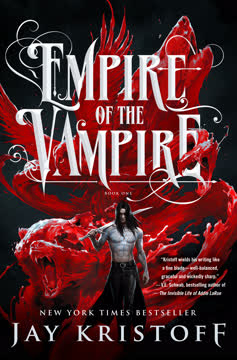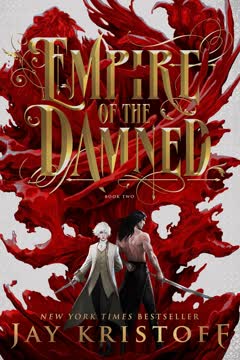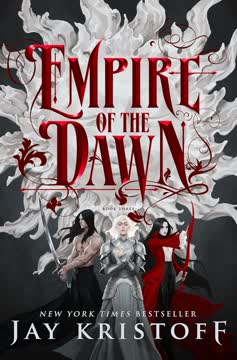
Plot Summary
Blood and Ashes Unveiled
The story opens in a world where the sun has been blotted out for decades, and vampires rule over a shattered empire. Gabriel de León, the last Silversaint—a half-vampire, half-human knight—sits imprisoned, awaiting execution. He is forced to recount his life's story to a vampire historian, Jean-François, as the courts of the vampire bloodlines gather for a final reckoning. The narrative is framed by Gabriel's memories and confessions, setting the stage for a tale of loss, vengeance, and the desperate hope for redemption. The tone is grim, the world brutal, and the stakes nothing less than the fate of humanity and the possibility of dawn.
The Last Silversaint's Oath
Gabriel's past is revealed: once a hero, he was exiled for breaking his holy vows out of love. After his wife and daughter are murdered by the Forever King, Fabién Voss, Gabriel is consumed by vengeance. He becomes protector to Dior Lachance, a streetwise girl whose blood can heal and possibly end the endless night. Gabriel's oath to protect Dior becomes his new purpose, even as he is hunted by vampires and betrayed by those closest to him. His journey is marked by battles, heartbreak, and the ever-present threat of succumbing to his own monstrous nature.
Daughter of God, Daughter of Wolves
Dior, revealed as the last descendant of the Redeemer (God's mortal son), is slain but miraculously rises from the dead. Her blood is both a blessing and a curse, able to heal and to break the thrall of vampires. As she gathers followers—Unbound former thralls, Highlander warriors, and loyal friends—Dior is thrust into the center of prophecy. She must unite the empire, claim the Redeemer's blade, and sit the Fivefold Throne to end daysdeath. Her journey is one of self-discovery, love, and the crushing weight of messianic expectation.
The Faithless and the Faithful
The ancient vampire bloodline Esani, led by Maryn and Celene, are revealed as both protectors and manipulators. Their faith is a double-edged sword: they seek to bring about Judgment Day, believing it will offer vampires a chance at salvation. But this would mean the end of the world for mortals. The lines between faith and fanaticism blur, as Gabriel and Dior must decide whom to trust. The Faithless' history is one of cannibalistic communion, secret wars, and a desperate hope for redemption that may doom everyone.
Betrayals in Silver and Blood
Betrayal is a constant: Gabriel's sister Celene, once his closest ally, becomes his bitterest enemy, manipulated by her own faith and guilt. Phoebe, the Highlander fleshwitch and Gabriel's lover, is enslaved by Maryn's blood. Friends are forced to fight each other, and the cost of loyalty is measured in blood. The narrative is a tapestry of shifting allegiances, heartbreak, and the realization that even the purest intentions can lead to damnation.
The Blackened Veil's Secret
The prophecy that Dior's blood will end daysdeath is revealed as a lie. The true cause of the endless night is a ritual performed by the Five eldest vampires—Voss, Margot, Tolyev, Ilon, and Illia—who tore the world asunder to escape damnation. The "blackened veil" is not just the sun's death, but the curse binding the world to darkness. Only by spilling the blood of the Five can the curse be undone. The revelation shatters faith, exposes the manipulations of the ancients, and sets the stage for a final, desperate gambit.
The Price of Forever
Fabién Voss's obsession with Dior is revealed: her blood can create highblooded vampires at will, granting him the power to replenish his legions endlessly. The price of forever is monstrous—sacrificing love, family, and the world itself. Gabriel's friends are offered immortality, and some are tempted. The narrative explores the seductive allure of eternity, the agony of loss, and the question of what makes life worth living if it never ends.
The Battle for Augustin
The armies of the living and the dead clash in the heart of the empire. Dior's ingenuity turns the city's canals into weapons, boiling holy water into steam to burn the vampire legions. Friends and lovers fall, sacrifices are made, and the cost of victory is measured in oceans of blood. The battle is both physical and spiritual, as hope flickers in the darkness and the possibility of dawn seems within reach.
The Cup Is Broken
In the ruins of Charbourg, Gabriel and Celene confront Voss in a final, brutal battle. Dior is crucified, her blood used in a failed ritual to grant Voss true immortality. In the aftermath, Gabriel, broken and desperate, drinks Dior's blood to survive—consuming the last hope of the world. The "cup is broken," the Grail is gone, and Gabriel is left with unbearable guilt. The narrative reaches its darkest point, as the line between hero and monster is obliterated.
Wolves, Ravens, and Lions
The surviving vampire bloodlines—Chastain (wolves), Voss (ravens), Dyvok (bears), Ilon (serpents), and the Faithless (lions)—gather for a final convocation. Political intrigue, ancient grudges, and the promise of vengeance fuel a last, apocalyptic confrontation. Gabriel and Celene, prisoners and pawns, must play one last game of lies and truth to buy time for their allies. The fate of the empire, and the world, hangs in the balance.
The End of Daysdeath
Dior, revealed to be alive, leads the armies of the living—Highlanders, Unbound, and the last Silversaints—in a surprise assault on the vampire stronghold. The blood of the Five is spilled, the curse unraveled, and the first rays of true sunlight pierce the darkness. The cost is immense: friends lost, faith shattered, and the world forever changed. But hope, fragile and hard-won, is reborn.
The Empire's Last Dawn
As the sun rises for the first time in decades, survivors gather to mourn, celebrate, and rebuild. Gabriel, scarred and weary, finds solace in the arms of those he loves. Dior, no longer a messiah but a girl who chose to fight, looks to the future. The empire is broken, but the possibility of healing—of forgiveness, of love, of dawn—remains. The story ends not with triumph, but with the quiet, stubborn hope that tomorrow will be brighter.
Monsters, Martyrs, and Messiahs
The narrative reflects on the nature of heroism, sacrifice, and the lies we tell ourselves to survive. Gabriel and Celene, both monsters and martyrs, are forced to reckon with the consequences of their choices. Dior's journey from messiah to mortal is complete, and the myth of salvation is revealed as both a burden and a gift. The world is not saved by gods, but by flawed, broken people who choose to fight for each other.
The Lies We Live
The story's final revelations expose the power of lies—those told by the ancients, by friends, by lovers, and by ourselves. Survival is often bought with deception, and the line between truth and falsehood is as thin as a blade. The characters must decide what to hold onto, what to let go, and what to believe in when all else is lost.
Judgment Comes for All
The promise of Judgment Day is fulfilled, not by divine intervention, but by the choices of mortals and monsters alike. Forgiveness is hard-won, faith is remade, and the reckoning is both personal and cosmic. The world is changed not by prophecy, but by the willingness to face the truth and pay the price for redemption.
The World Worth Dying For
In the aftermath, the survivors must decide what kind of world they want to build. The story ends with a quiet affirmation: the world is worth fighting for, worth dying for, and, most of all, worth living for. The dawn is not a promise, but a possibility—one that must be chosen, again and again.
The Gloaming and the Dawn
The final chapter is a meditation on loss, love, and the stubborn persistence of hope. The darkness is not vanquished, but it is pierced. The characters, scarred and changed, step into the uncertain light of a new day. The story closes with the knowledge that there are no happy ever afters—only the courage to keep going, and the faith that tomorrow will come.
Characters
Gabriel de León
Gabriel is the last Silversaint, a paleblood knight torn between his monstrous heritage and his desperate hope for redemption. Once a paragon of the Silver Order, he is exiled for love, then shattered by the murder of his wife and daughter. Gabriel's journey is one of vengeance, guilt, and reluctant heroism. He is both protector and destroyer, haunted by the fear of becoming the very monster he hunts. His relationship with Dior is paternal, redemptive, and ultimately tragic—he is the sword that both saves and dooms her. Gabriel's arc is a descent into darkness and a climb back toward the light, marked by sacrifice, betrayal, and the stubborn refusal to give up hope, even when all seems lost.
Dior Lachance
Dior is the last descendant of the Redeemer, a streetwise orphan whose blood can heal and break the bonds of vampires. She is thrust into prophecy, hunted by all, and forced to bear the weight of messianic expectation. Dior's journey is one of self-discovery, love, and the struggle to define her own destiny. She is both a symbol and a person, torn between the needs of the world and her own desires. Her relationships—with Gabriel, Reyne, Phoebe, and her Unbound followers—are marked by loyalty, heartbreak, and the longing for a world worth living in. Dior's ultimate act is not to save the world through divine power, but through the courage to keep fighting, to forgive, and to hope.
Celene Castia
Celene is Gabriel's half-sister, a vampire of the Faithless Esani bloodline. Her life is defined by faith, guilt, and the desperate hope for redemption. She is both protector and manipulator, her love for Gabriel twisted by the demands of her faith. Celene's arc is one of self-betrayal and self-discovery, as she is forced to confront the consequences of her actions and the lies she has lived by. Her relationship with Gabriel is fraught—love and hate, loyalty and betrayal, all entwined. Celene is a study in the dangers of fanaticism and the possibility of forgiveness, even for the most monstrous among us.
Fabién Voss
Fabién is the first and greatest of the vampires, the Forever King whose ambition and fear of damnation drive him to destroy the world. He is both charming and monstrous, a master manipulator who sees all others as pawns. Voss's obsession with Dior is rooted in the desire to escape hell and to create a new race of highbloods. His relationship with Gabriel is twisted—part adversary, part father figure, part mirror. Voss is the embodiment of the seductive allure of power and the terror of eternity, a villain whose tragedy is that he cannot escape himself.
Maryn
Maryn is the ancient leader of the Esani, a child in form but a monster in soul. She is both protector and destroyer, driven by the belief that Judgment Day will save her and her kind. Maryn's communion with the souls she has consumed is both a source of power and a curse, her mind fractured by centuries of guilt and hope. She is a symbol of the dangers of blind faith and the cost of seeking salvation at any price. Her relationship with Celene is that of mentor and manipulator, and her end is both a warning and a release.
Phoebe á Dúnnsair
Phoebe is a Highlander duskdancer, able to shift between human and beast. She is marked by loss—her husband, her people, her own humanity. Phoebe's relationship with Gabriel is passionate, healing, and ultimately redemptive; she is the fire that keeps him from freezing in despair. Her loyalty to Dior and the cause is unwavering, and her arc is one of reclaiming agency and choosing love over vengeance. Phoebe is a symbol of resilience, the power of found family, and the possibility of joy even in a world of monsters.
Aaron de Coste
Aaron is Gabriel's oldest friend, a paleblood exiled for love. Turned into a vampire, he is wracked by guilt, shame, and the fear of becoming a monster. His relationship with Baptiste is the heart of his story—a love that endures exile, torture, and the threat of eternity. Aaron's arc is one of self-forgiveness, the struggle to hold onto humanity, and the willingness to sacrifice everything for those he loves. He is both a warning and an inspiration, a reminder that even the damned can choose to do good.
Baptiste Sa-Ismael
Baptiste is Aaron's husband, a blacksmith of genius and a man of quiet strength. His love for Aaron is unwavering, even as it is tested by exile, torture, and the lure of immortality. Baptiste's arc is one of endurance, the willingness to fight for love, and the courage to face the darkness within and without. He is the anchor that keeps Aaron from drifting into despair, and his sacrifice is a testament to the power of love to redeem even the most broken souls.
Reyne á Maergenn
Reyne is the bastard daughter of a legendary queen, marked by shame and longing for acceptance. Her relationship with Dior is tender, passionate, and fraught with the fear of loss. Reyne's arc is one of self-acceptance, the courage to love, and the willingness to fight for a future she never thought possible. She is both a symbol of hope and a reminder that even the most broken can find healing in the arms of another.
Joaquin Marenn
Joaquin is a former thrall, freed by Dior's blood and devoted to her cause. He is the everyman, the ordinary soul who chooses to fight for something greater. Joaquin's arc is one of loyalty, resilience, and the stubborn refusal to give up hope. He is the heart of the Unbound, the proof that even in a world of monsters, ordinary people can make a difference.
Plot Devices
Framed Narrative and Unreliable Memory
The story is told through Gabriel's forced confession to his vampire captors, with Celene's counter-narrative providing a second, often contradictory, perspective. This structure allows for deep exploration of memory, trauma, and the ways we shape our own stories to survive. The unreliable narration is both a shield and a sword, hiding truths and revealing them at the most devastating moments. The interplay of confession, interrogation, and performance is central to the novel's tension and emotional impact.
Prophecy, Faith, and Subversion
The prophecy of the Grail is the engine driving the plot, but it is ultimately revealed as a manipulation—a tool used by the ancients to achieve their own ends. The subversion of messianic expectation is a key device: Dior is not a savior because of divine right, but because she chooses to fight, to forgive, and to hope. The novel interrogates the dangers of faith, the seduction of destiny, and the power of agency.
Blood as Power, Curse, and Redemption
Blood is the central symbol and plot device: it is the source of power for vampires, the means of healing and control, and the key to both the curse of daysdeath and its undoing. The ritual spilling of blood—of the Five, of Dior, of friends and enemies—drives the narrative's climaxes. The act of drinking, giving, and refusing blood is both literal and metaphorical, representing love, betrayal, and the possibility of redemption.
Lies, Deception, and the Power of Story
The novel is a masterclass in misdirection, with characters lying to each other, to themselves, and to the reader. The power of story—who tells it, who believes it, and what is left unsaid—is a constant theme. The final victory is not won by prophecy or strength, but by the ability to outwit, to endure, and to choose what story to live by.
Cyclical Structure and Foreshadowing
The narrative is cyclical, beginning and ending with Gabriel awaiting death, the world on the brink of dawn. Foreshadowing is woven throughout—prophecies, dreams, and repeated motifs (the cup, the wheel, the veil) all point toward the final unraveling. The structure reinforces the themes of hope, endurance, and the refusal to give up, even when all seems lost.
Analysis
Empire of the Dawn is a sweeping, blood-soaked epic that interrogates the nature of faith, heroism, and the stories we tell to survive. At its heart, it is a meditation on the cost of hope in a world ruled by monsters—both literal and metaphorical. Jay Kristoff's narrative is a masterwork of unreliable memory, confession, and subversion, using the tropes of dark fantasy to explore the dangers of prophecy, the seduction of power, and the agony of loss. The novel refuses easy answers: its heroes are broken, its villains tragic, and its messiah is not a savior by birthright, but by choice. The ultimate lesson is that the world is not saved by gods or destiny, but by flawed, stubborn people who choose to fight for each other, to forgive, and to hope. The dawn is not a promise, but a possibility—one that must be chosen, again and again, in the face of despair. In a modern context, Empire of the Dawn is a powerful allegory for the struggle against systems of oppression, the necessity of questioning received wisdom, and the redemptive power of love and community. It is, above all, a story about the courage to keep going, and the faith that tomorrow will come.
Last updated:
Review Summary
Empire of the Dawn receives an overall 4.65/5 rating with passionate, divided responses. Most praise Kristoff's masterful writing, complex unreliable narration, emotional depth, and satisfying character relationships—particularly Gabriel and Dior's bond. Reviewers cite devastating moments, sharp humor, and epic battles. However, some readers strongly criticize the ending, feeling the unreliable narrator device undermines the story's stakes and leaves too many questions unanswered. Several find the conclusion either brilliantly bold or disappointingly safe, with the twist that much was fabricated proving divisive. Changed illustrations also disappointed some fans.