

Key Takeaways
Treat difference as a relationship, not a defect in the child
Two kinds of inheritance. Solomon calls traits passed from parent to child, such as ethnicity or language, vertical identities. Horizontal identities, such as being gay, deaf, autistic, or a prodigy, often emerge in a child whose family does not share them. Parents may experience that unfamiliarity as a flaw to fix, even when the child experiences it as selfhood.
Difference widens the family. Solomon’s own parents helped him overcome dyslexia, yet struggled with his being gay. His story opens a book built from interviews with more than 300 families across ten kinds of difference. The central insight is not that every condition is benign. It is that the unusual is common, and loving a child requires meeting the person who exists rather than the one imagined.
The distinction shifts attention from the child’s trait to the relationship around it. A family can transmit deep belonging through shared language, rituals, and history, but those same bonds can make difference feel like rejection. The framework also has limits: identities rarely divide neatly into inherited and acquired categories, and one person may experience the same trait as both family inheritance and peer-group belonging. Its value is as a prompt to ask whose discomfort is being treated, and whose account of the child is missing.
Hold illness and identity together instead of forcing a false choice
Two truths can coexist. Solomon argues that a condition may be both illness and identity. Deafness can involve real barriers to communication while also connecting someone to a language and culture. Autism may cause distress or impairment while being inseparable from how a person experiences the world. In medicine, the condition may be a problem to treat; in identity politics, it may be a source of community and pride.
One lens is incomplete. Solomon compares this tension to light understood as both wave and particle: the question asked shapes what becomes visible. Treating identity as the only truth can dismiss pain; treating illness as the only truth can imply that the person ought not exist. The task is to build language that can hold both perspectives without collapsing either.
This is a useful corrective to debates that demand a single verdict: cure or celebrate, impairment or identity. The framework makes room for treatment without requiring self-rejection, and pride without denying need. It also resists a tempting simplification. A condition’s meaning cannot be settled by a diagnosis alone, but neither can individual suffering be overruled by a community’s political argument. Listening to the person affected is essential, especially when the person cannot easily communicate a preference.
Learn the child's language before demanding they enter yours
Language comes first. More than 90 per cent of deaf children have hearing parents, and many are initially directed toward speech and lip-reading. Yet the book describes language acquisition as especially urgent in early childhood. One cited comparison found average hearing two-year-olds used about 300 words, while deaf children of hearing parents averaged about 30. A child denied fluent language may lose access not only to conversation, but also to learning and connection.
Meet the child halfway. Megan and Michael Shamberg learned American Sign Language for their deaf son Jacob and built a school where hearing and deaf children learned together. Bridget, raised without Sign, felt isolated and vulnerable; after enrolling at a deaf school, she learned Sign rapidly and began to blossom. These stories do not make implants or speech therapy wrong. They show why communication cannot wait for a preferred method to succeed.
The principle extends beyond deaf education: communication is a condition of intimacy, not a prize a child earns by behaving typically. It also reframes parental adaptation as active care. The hardest question is not whether a family should choose speech or Sign in the abstract, but whether the child has reliable access to language now. Different children may benefit from different tools, and the book’s strongest cases resist turning one family’s successful choice into a universal rule.
Build communities where difference is ordinary, not a public spectacle
Belonging changes the scene. In Bengkala, Bali, about 46 of roughly 2,000 residents were deaf, and hearing and deaf villagers shared a local sign language. Deafness created fewer communication barriers there than in places where Sign was unknown. Solomon also visits a dwarf convention where a girl, seeing hundreds of people like herself, realises she is not alone. Lexington’s Deaf students, meanwhile, protest a leadership decision and discover collective political power.
Community is not compulsory. Peer groups can supply role models, friendship, and practical knowledge that families may lack. The internet helps people with rare traits find one another across distance. But some children do not want a group identity, and communities can impose their own boundaries. Support should offer connection without requiring anyone to make a single trait the whole story of who they are.
Shared experience can turn difference from a private family crisis into a source of solidarity and political voice. The examples also show that inclusion is not merely placing an individual in a mainstream setting; it depends on whether people can communicate, participate, and be understood. Community can become its own gatekeeper, however. The goal is not to replace one compulsory norm with another, but to make multiple forms of belonging available.
Change the world around disability without denying bodily pain
Context can disable. The social model of disability distinguishes impairment, a bodily or cognitive condition, from disability, the obstacles created by a social environment. A person who cannot walk has an impairment; an inaccessible library adds a disability. For dwarfs, high shelves and ATMs designed for taller people turn ordinary errands into barriers. The book argues that ability is partly defined by the standards a majority builds into daily life.
Bodies still matter. Some disabilities bring pain, medical crises, or profound dependence that better design cannot erase. People with achondroplasia may face spinal problems and repeated surgeries; people with severe disabilities may need constant care. Solomon resists both extremes: disability is not located only in an individual body, but it is not merely social prejudice either. Justice requires accommodation and honest attention to medical need.
The social model usefully reveals how ordinary design choices distribute inconvenience and independence. It also guards against treating the person as the problem whenever an environment excludes them. Yet a purely social account can fail people whose pain, seizures, or cognitive impairments remain severe even in an accommodating world. The distinction works best as a diagnostic tool: identify what society can change, then do not pretend that those changes remove every form of suffering.
Care can deepen love, but love cannot replace practical support
Meaning and burden coexist. In studies cited by Solomon, 88 per cent of parents of disabled children said they felt happy when thinking about their child, and all respondents in one study reported increased compassion. Yet more than a third of parents of children with special needs reported negative effects on their physical or mental health. These findings are not contradictory. The same care can bring purpose and exhaustion, intimacy and grief.
Support is part of love. After the Willowbrook institution scandal, keeping disabled children at home became a moral ideal. But some families need respite or an appropriate out-of-home placement; condemning them can compound an already agonising choice. Solomon’s own entry into fatherhood gives the issue a personal test: when his newborn son faced a frightening scan, attachment was no longer a theory. Care begins with the child who is here, but families need help to sustain it.
The book refuses to make suffering inspirational on demand. That matters because praise for parental devotion can conceal the need for paid carers, respite, safe housing, and trustworthy institutions. At the same time, service systems should not assume that exhaustion cancels attachment or that placement means abandonment. The ethically useful question is not whether a family is heroic enough to manage alone, but what arrangement protects the child while allowing the whole family a life.
Make irreversible decisions with humility, information, and the child's future in view
Medicine opens difficult doors. Parents may have to decide whether a deaf infant receives a cochlear implant before the child can express a view. The device can provide useful access to sound, especially when implanted early, but it does not create ordinary hearing and requires extensive training. Other choices include limb-lengthening for dwarfs, prenatal testing, and the Ashley treatment, which included procedures intended to keep a profoundly disabled girl small.
Good intentions do not settle the question. Each intervention may relieve suffering, ease care, or conform a child to social expectations; sometimes those motives overlap. The timing matters because an infant cannot consent, while waiting may close options or prolong distress. Parents and clinicians should explain alternatives, including the lives of people who share the condition, and distinguish a child’s needs from adult discomfort with difference.
The book’s ethical force comes from showing that decisions are not clean contests between love and prejudice. Parents act with limited information, unequal resources, and no access to a future version of the child who could consent. That uncertainty does not make all choices equivalent. It does argue for safeguards, honest disclosure, and attention to reversible supports before irreversible procedures. Consultation should include affected communities without allowing any group to dictate every family’s decision.
Treat autism without assuming every autistic person wants the same outcome
The spectrum is uneven. Solomon notes that autism includes very different patterns of language, social connection, sensory experience, and independence. The reported rate rose from about 1 in 2,500 births in 1960 to 1 in 88 in the period covered by the book; broader diagnosis explains part of the increase, while its full cause remained unsettled. One family’s daughter, Cece, had intense needs and little communication; another family’s son, Jacob, made gains through education and community.
Neither cure nor acceptance is automatic. Neurodiversity, a movement that treats neurological difference as part of human variation, challenges efforts to make autistic people appear typical. But families facing sleeplessness, self-injury, or inability to communicate may urgently need treatment and support. The book rejects vaccine claims unsupported by epidemiological evidence, while acknowledging that therapies vary and can be costly, intrusive, or ineffective.
A spectrum demands pluralism in practice, not just a slogan. An intervention that helps one person communicate may distress another; an identity-based account that protects self-respect may not answer the needs of someone in acute pain. The most defensible approach measures success in the person’s own functioning and comfort, rather than resemblance to a non-autistic ideal. When preferences cannot be known, the uncertainty should be stated rather than filled with parental certainty.
For schizophrenia, early care can preserve more than symptom control
A familiar child can change. Harry Watson was a gifted, sociable young man before psychosis took hold. His family spent years trying to understand what was happening; effective treatment and support came much later, after his illness had deeply disrupted his life. Schizophrenia can bring hallucinations, paranoia, reduced motivation, and cognitive difficulties. Antipsychotic medication often helps with psychosis, but side effects can be severe, and it may do little for negative symptoms.
Treatment needs a social structure. The book argues for early recognition, careful medication management, therapy, meaningful work, and supported housing. Deinstitutionalisation reduced large hospitals without reliably building community services, leaving many families to carry the burden. Mad Pride challenges coercive treatment and stigma, but the book notes that psychosis can impair a person’s ability to judge whether treatment is needed. Neither forced medication nor abandonment is an adequate care system.
Schizophrenia complicates identity politics because symptoms can alter perception and insight, yet people remain more than their diagnosis. The chapter’s strongest argument is practical: medication alone is not recovery, and autonomy without access to care can become neglect by another name. The counterweight is that treatment itself can damage quality of life. A humane system must make room for informed refusal while responding quickly when someone cannot keep themselves safe.
Protect a prodigy's personhood from parental pressure and public appetite
Talent is not adulthood. A prodigy can perform at an advanced level long before developing the emotional and social capacities of an adult. Evgeny Kissin began playing major concertos as a child, but his teacher and mother protected him from excessive exposure. By contrast, other young musicians were pushed towards fame or treated as family projects. The book shows how practice, innate ability, mentoring, and opportunity all shape achievement, without making any one factor a guarantee.
Let the child grow beyond the gift. Pianist Leon Fleisher’s career was transformed when focal dystonia impaired his right hand; he later found other ways to live through music. Ken Noda stepped away from solo performance to reclaim a life beyond practising. Their stories challenge both the parent who demands brilliance and the audience that consumes children as spectacles.
Prodigies expose a contradiction in meritocratic culture: exceptional performance is celebrated, while the child’s need for ordinary development is easily overlooked. Early training may unlock a rare gift, but it can also narrow identity until a career crisis feels like personal annihilation. The useful measure is not whether a child reaches maximum output, but whether the talent can coexist with agency, relationships, and a future the child actually wants.
Hold young offenders accountable without declaring them irredeemable
Crime is not a disability. Solomon does not equate criminal acts with conditions such as deafness or Down’s syndrome. Crimes harm other people and require accountability. Yet young offenders may also carry trauma, addiction, mental illness, or histories of abuse. Pete Makya committed a serious robbery and later faced the consequences of sexually abusing his niece; his family’s love did not erase the harm, but treatment and a structured sentence helped him change.
Punishment alone often fails. The book describes juvenile detention as a system that can deepen criminal habits, even as it separates young people from the community they have harmed. Family therapy, substance treatment, education, and consistent support can reduce repeat offending more effectively than scare tactics. The cases also show the limits of parental blame: a family can influence a child without controlling every choice or being able to repair every consequence.
The crucial distinction is between explaining harm and excusing it. Trauma may clarify how a young person arrived at violence, but victims’ safety and needs remain central. The book’s rehabilitation argument is strongest when it joins accountability to concrete change, rather than treating remorse as sufficient. It also warns against a punitive system that labels a teenager permanently by the worst act committed during an immature and still-developing life.
Separate a child's worth from the violence that conceived them
Origin is not culpability. A child conceived in rape may embody a mother’s trauma, but the child did not cause it. Marina James chose to raise her daughter while struggling with PTSD and questions about whether to disclose her origins. In Rwanda, women who survived genocide rape often faced rejection from families and communities, while raising children called children of bad memories. Some formed deep bonds; others could not. Their choices were shaped by safety, resources, and the continuing effects of violence.
No single response is owed. Keeping a child is not proof of virtue, and choosing adoption or abortion is not proof of failure. Secrecy, disclosure, attachment, and anger can each carry costs. The mothers’ accounts show why support must address both the child and the survivor, without demanding forgiveness, instant love, or a redemptive story from either.
This chapter’s moral clarity rests on refusing to transfer a perpetrator’s guilt to a child, while refusing to romanticise the mother’s trauma. The risk of sentimental stories is that they turn survival into an obligation to feel grateful. The opposite error is to treat the child as a permanent wound. A just response protects the survivor’s agency, offers sustained care, and leaves room for relationships to develop without dictating what they must mean.
Analysis
Solomon’s book is both a reported study and a memoir of changing perception. Its organising move, the distinction between identities inherited from parents and identities acquired beyond the family, explains why difference can feel like betrayal even inside loving homes. The stories then complicate the categories. Deafness can be impairment and culture; autism can involve both identity and severe distress; a prodigy’s gift can be a source of joy and a demand that consumes childhood. The strongest sections resist verdicts from a distance and let parents, children, doctors, and activists disagree in their own words.
That method has costs. The more than 300 families are a self-selected group willing to be interviewed, and their most vivid stories cannot stand in for every family with the same diagnosis. Cross-category comparisons illuminate recurring questions, but they can also make conditions seem more alike than they are. A criminal’s culpability is not equivalent to a disabled person’s impairment, and a mother’s choice about a pregnancy is not the same as a child’s claim to social accommodation. Solomon generally acknowledges these differences, but readers should keep them in view.
The book’s central contribution is not a single policy answer. It is a discipline of attention: ask what the person experiences, what the family needs, what the environment makes harder, and what medicine can actually change. Acceptance is not a substitute for treatment, and treatment is not proof that a life lacks value. Likewise, love does not eliminate exhaustion, danger, or ambivalence. The closing account of Solomon’s own fatherhood makes the inquiry personal: the child he feared might be impaired became a particular person he already loved. The book argues that imagination can cross difference, but institutions and material support must help that imagination become a livable reality.
Review Summary
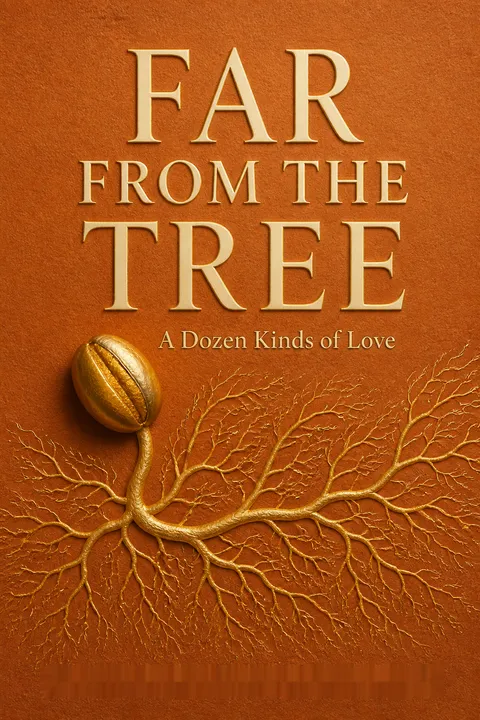
Far from the Tree is a deeply moving and insightful exploration of families raising children with exceptional differences. Solomon's extensive research and compassionate interviews reveal the challenges and joys of parenting children who are deaf, autistic, transgender, or have other horizontal identities. Readers praise the book's profound humanity, thought-provoking content, and beautiful writing. While some found it lengthy, most were deeply affected by the stories of love, resilience, and acceptance. The book challenges readers to reconsider their views on disability, identity, and what it means to be human.
People Also Read



Glossary
horizontal identity
Difference not inherited from parentsSolomon’s term for an identity or defining trait that a child does not usually share with parents and siblings. It may arise through genetics, development, experience, or preference, and often leads the person to find community beyond the family. Examples in the book include deafness, autism, being gay, and prodigious talent.
vertical identity
Identity passed through generationsSolomon’s term for traits, values, or cultural affiliations commonly passed from parent to child. Ethnicity, language, and often religion are examples. A vertical identity gives families shared reference points, although children may interpret or reject what they inherit. The contrast with horizontal identity helps explain why parents may accept some differences more readily than others.
Deaf
A linguistic-cultural identityCapital-D Deaf refers to people who identify with a shared culture and sign language, rather than describing hearing loss only as a medical deficit. The book contrasts Deaf with deaf, the lower-case term for auditory impairment. The distinction is important because some deaf people seek accommodation or celebrate Deaf culture, while others want access to hearing through technology.
neurodiversity
Variation in human neurologyA movement and perspective that treats neurological differences, including autism, as part of human variation rather than only as disorders to eliminate. Advocates seek dignity, access, and the ability to live on one’s own terms. The book presents disagreement within the movement and stresses that affirming difference need not require ignoring pain, communication barriers, or a need for support.
social model of disability
Disability shaped by social barriersA framework distinguishing an impairment in a person’s body or mind from disability created by social arrangements. A person who cannot walk has an impairment; an inaccessible public building creates a disabling barrier. Solomon values the model’s demand for accommodation but cautions that social change cannot remove every medical complication or source of pain.
early intervention
Support during early developmentServices for young children with developmental or physical needs, often including speech, occupational, and physical therapy, education, and parent support. In the book, early intervention helped families respond to conditions such as Down’s syndrome and autism. Its value lies in timely support, not in a promise that a child will become typical or lose a defining identity.
chronic sorrow
Recurring grief over ongoing careA term associated with rehabilitation counsellor Simon Olshansky for the continuing sorrow some parents experience when raising a child with intellectual disabilities. Solomon describes the concept critically because it once framed such families mainly as tragic. Parents may grieve and feel burdened while also loving their child, finding meaning, and experiencing joy.
Bi-Bi
Bilingual, bicultural deaf educationA deaf-education approach that teaches children in a sign language, such as American Sign Language, while teaching the surrounding spoken language, often in written form, as a second language. The model aims to secure early language access and connection to Deaf culture. The book contrasts it with methods that prioritise speech and lip-reading over fluent communication.
pillow angel
Profoundly disabled child needing extensive careA phrase Ashley’s parents used for their daughter, who spent much of her life lying down and required extensive assistance. The term became associated with the controversial Ashley treatment, which medically limited her growth and included reproductive surgery. The phrase expresses parental affection, but critics argue that it can infantilise disabled people and obscure their autonomy.
wrongful life
A claim about harm from being bornA legal claim, usually brought on behalf of a disabled child, arguing that medical negligence deprived the family of the opportunity to avoid a birth associated with disability. Courts have disagreed about whether such a claim is legally coherent, since it compares existence with nonexistence. The book notes that families may seek compensation to pay for lifelong care, not to declare the child’s life worthless.
FAQ
What's Far From The Tree about?
- Exploration of Family Dynamics: Far From The Tree by Andrew Solomon explores the experiences of families with children who have exceptional identities, such as disabilities or unique challenges.
- Diverse Identities: The book covers a wide range of identities, including autism, schizophrenia, transgender identities, and more, illustrating how love and acceptance can flourish despite adversity.
- Human Connection: It emphasizes the shared experience of difference, uniting us through compassion and understanding in familial relationships.
Why should I read Far From The Tree?
- Insightful Perspectives: The book offers profound insights into the complexities of parenthood and the emotional journeys of families, challenging readers to reconsider definitions of normalcy and disability.
- Empathy and Understanding: By sharing real-life stories, Solomon fosters empathy for marginalized individuals, providing a deeper understanding of their struggles and triumphs.
- Cultural Commentary: It serves as a commentary on societal attitudes towards disability and difference, encouraging reflection on personal biases and assumptions.
What are the key takeaways of Far From The Tree?
- Acceptance of Differences: Love for one’s children can transcend societal prejudices and personal fears, emphasizing the importance of accepting children for who they are.
- Horizontal vs. Vertical Identities: Solomon introduces these concepts to explain challenges parents face when children do not conform to expected norms.
- Community and Support: The book highlights the significance of community support for families with exceptional children, providing solace and strength through shared experiences.
What are the best quotes from Far From The Tree and what do they mean?
- “The imperfect is our paradise.”: Embracing imperfections and differences can lead to a richer, more fulfilling life, encouraging readers to find beauty in uniqueness.
- “Difference unites us.”: Shared experiences of difference create strong bonds, encapsulating the theme of finding common ground through understanding and acceptance.
- “To look deep into your child’s eyes...”: Reflects the complexity of parental love, where acceptance of a child's uniqueness leads to profound personal growth and connection.
How does Andrew Solomon define horizontal and vertical identities in Far From The Tree?
- Vertical Identities: Traits passed down from parents, such as ethnicity and religion, often celebrated and accepted within families.
- Horizontal Identities: Traits not shared with parents, like disabilities or sexual orientation, which can create challenges for acceptance and understanding.
- Impact on Relationships: These distinctions help explain parent-child dynamics, especially when children possess traits parents do not understand or accept.
How does Far From The Tree address the concept of disability?
- Redefining Disability: Solomon challenges traditional notions, arguing that many conditions can be seen as identities rather than deficits.
- Personal Narratives: Filled with stories highlighting diverse experiences, illustrating the complexities of living with a disability and the importance of acceptance.
- Cultural Perspectives: Discusses how different cultures view disability, emphasizing the need for societal change in attitudes towards those who are different.
What role does community play in the experiences of families with exceptional children in Far From The Tree?
- Support Networks: Emphasizes finding community among families facing similar challenges, providing emotional support and a sense of belonging.
- Shared Experiences: Communities allow sharing of experiences, fostering understanding and acceptance, empowering families to advocate for their children.
- Activism and Advocacy: Many families become involved in activism, working to improve conditions and perceptions for others in similar situations.
How does Far From The Tree explore the theme of love and acceptance?
- Unconditional Love: Central theme is the unconditional love parents have for their children, regardless of differences, leading to personal transformation.
- Identity and Belonging: Explores how individuals navigate their sense of self and belonging, finding community and understanding in relation to family and society.
- Societal Prejudice: Addresses prejudices faced by families, highlighting the need for greater empathy and understanding, advocating for a more inclusive view of humanity.
What insights does Far From The Tree provide about mental health?
- Mental Health Challenges: Addresses challenges faced by individuals with disabilities and their families, exploring the emotional toll of societal stigma.
- Parental Impact: Highlights how parental acceptance and understanding can significantly impact a child’s mental health, emphasizing open communication.
- Stigma and Awareness: Advocates for greater awareness and understanding of mental health issues, calling for a shift in societal attitudes to reduce stigma.
How does Far From The Tree address the topic of autism?
- Diverse Experiences: Presents a range of experiences from families with autistic children, showcasing the spectrum of abilities and challenges.
- Advocacy and Activism: Discusses the rise of autism advocacy, emphasizing the importance of empowering families and individuals on the spectrum.
- Emotional Impact: Delves into the emotional toll on families, illustrating how these emotions shape family dynamics and the journey towards understanding.
What is the significance of the title Far From The Tree?
- Metaphor for Differences: Suggests children may differ significantly from their parents, reflecting complexities of identity and acceptance within families.
- Exploration of Identity: Explores how children with disabilities or exceptional talents diverge from societal norms and parental expectations.
- Connection to Love: Implies that despite differences, love remains central in familial relationships, navigating unique paths together.
How does Far From The Tree encourage empathy and understanding?
- Personal Narratives: Uses personal stories to foster empathy, allowing readers to connect with the experiences of others, humanizing complex issues.
- Challenging Stereotypes: Confronts stereotypes and misconceptions about disability, LGBTQ+ identities, and mental health, encouraging readers to question assumptions.
- Promoting Acceptance: Advocates for acceptance and understanding of all individuals, regardless of differences, serving as a call to action for a more inclusive society.
Download PDF
Download EPUB
.epub digital book format is ideal for reading ebooks on phones, tablets, and e-readers.








