Plot Summary
Shadows Over Merceria
The story opens in a Merceria ruled by suspicion and fear. King Henry's ascension brings a wave of purges, targeting anyone with ties to the old regime or suspected magic. Lady Aubrey Brandon, a young Life Mage, is forced into hiding as her family scrambles to erase any trace of her magical lineage. The kingdom's nobility is fractured, and the threat of civil war looms. The emotional weight of loss, uncertainty, and the burden of hidden power sets the tone for the epic struggle to come.
The King's Ruthless Decree
King Henry's paranoia explodes into violence: Princess Anna and her loyalists are declared traitors, and executions sweep through the capital. The Knights of the Hound are slaughtered, and trusted nobles are branded as conspirators. Families are torn apart, and the old bonds of loyalty are shattered. The chilling efficiency of the king's purge leaves survivors traumatized and desperate, fueling the seeds of rebellion and the need for secrecy among those who remain.
Hidden Magic, Hidden Heirs
As the king's agents hunt mages, Aubrey's family creates a secret haven for her to study and practice. In the dusty depths of her ancestral home, Aubrey discovers a hidden chamber and a magical tome left by her great-grandmother. The book unlocks new spells and knowledge, but also the dangers of unchecked magic. Aubrey's journey becomes one of self-discovery, isolation, and the heavy responsibility of being perhaps the last Life Mage in Merceria.
Rebellion Ignites in the North
Baron Fitzwilliam, accused of treason, gathers old friends and new allies in the north. The arrival of loyal knights and the powerful druid Albreda transforms Bodden into a bastion of resistance. The baron's council debates strategy, torn between caution and the need to act. The emotional core is the sense of family and loyalty, as well as the pain of loss—especially for those like Beverly, who mourns fallen comrades but finds purpose in the coming fight.
The Gathering of Allies
Princess Anna, thought dead, emerges in exile to rally a diverse coalition: Weldwyn volunteers, Elves, Dwarves, Orcs, Kurathian mercenaries, and even Trolls. The challenge of forging these disparate groups into a single army is immense. General Gerald Matheson's leadership is tested as he balances egos, prejudices, and the logistics of war. The emotional arc is one of hope, camaraderie, and the forging of new bonds in the face of overwhelming odds.
The Red Flag Rises
The red flag, symbol of defiance, is raised in cities like Kingsford and Wickfield. Anna's delegation secures the support of the Duke of Kingsford, and the rebel army gains legitimacy. The narrative explores the power of symbols, the importance of popular support, and the personal risks taken by those who choose to stand against tyranny. The emotional tension is heightened by the knowledge that the king's retribution will be swift and brutal.
Infiltration and Betrayal
Arnim and Nikki, newlyweds and skilled infiltrators, risk everything to gather intelligence in Colbridge. Their mission exposes the city's weaknesses but also the king's preparations for war. Betrayal and capture threaten to end their story, but Nikki's daring rescue and their harrowing escape across a frozen river underscore the personal sacrifices made for the greater cause. The emotional core is love, trust, and the cost of survival.
The Scholar's Secret
The rebels discover that the king's allies are searching for Saurian ruins and magical gates—remnants of a lost civilization. Scholar Summers, manipulated by the Dark Queen Penelope, unwittingly aids the enemy's quest for power. The rebels' own mages, Revi and Aubrey, race to unlock the secrets of the gates and the nature of blood magic. The emotional arc is one of awe, fear, and the realization that the war is not just for a crown, but for the soul of the kingdom.
The March to War
The rebel army, now a patchwork of races and cultures, marches south through snow and hardship. The logistical challenges are immense, but innovation—sleds for Dwarves, magical coordination—keeps the army moving. Beverly's longing for home and Aldwin, Gerald's doubts, and Anna's determination all come to the fore. The emotional journey is one of endurance, leadership, and the hope that unity can overcome centuries of division.
Siege and Sacrifice
The rebels launch daring assaults on key cities. The battles are brutal, with heavy losses on both sides. The defenders unleash horrors—undead knights, magical blights—that test the limits of courage and magic. Beverly's heroism with Nature's Fury, Hayley's cunning, and the sacrifices of ordinary soldiers are highlighted. The emotional impact is the cost of victory: grief, exhaustion, and the knowledge that the war is far from over.
The Blight Unleashed
The Dark Queen's true power is unleashed as monstrous Blights—abominations of flesh and magic—tear through the rebel ranks. The battle for Redridge becomes a nightmare, with Beverly barely surviving through sheer will and the power of her enchanted hammer. The emotional core is terror, trauma, and the resilience required to face the unnatural. The rebels realize that defeating the king is not enough; they must also confront the darkness behind the throne.
The Circle of Death
In the aftermath of battle, Revi and Aubrey uncover the workings of necromancy: circles of death, soul-bound undead, and the manipulation of magical essence. The rebels are forced to confront the ethical and existential dangers of magic unmoored from morality. The emotional arc is one of horror, philosophical questioning, and the resolve to prevent such power from ever ruling Merceria again.
The Fall of Hawksburg
The king's army razes Hawksburg, executing Aubrey's family and burning the town. Aubrey, using her spirit-walking magic, witnesses the atrocity and barely escapes with her life. The emotional devastation is total: grief, guilt, and the loss of home. Yet, Aubrey's survival and the rescue of refugees become a symbol of hope and the enduring power of resistance.
The Battle for Colbridge
The rebel army, using intelligence and daring, assaults Colbridge. Feigned retreats, surprise attacks, and the unleashing of mastiffs and Trolls turn the tide. The battle is a microcosm of the larger war: innovation, unity, and the willingness to adapt. The emotional journey is one of triumph tempered by loss, as the cost of victory becomes ever more apparent.
The War Comes North
The king's marshal-general, Valmar, leads a massive force north, intent on crushing the rebellion. Baron Fitzwilliam and Albreda orchestrate a series of raids, ambushes, and strategic withdrawals, luring Valmar into a trap. The emotional core is tension, the fear of annihilation, and the hope that cunning can defeat brute force.
The Crossroads of Fate
At the crossroads, the rebel and royal armies clash in a battle that will decide the fate of the kingdom. Sacrifices are made, alliances are tested, and the outcome hangs by a thread. The emotional climax is the convergence of personal and political destinies: Anna's claim to the crown, Gerald's leadership, and the baron's legacy.
The Siege of Wincaster
The rebel army lays siege to the capital. Months of attrition, starvation, and psychological warfare ensue. The defenders unleash every weapon at their disposal, including the last of the undead knights and Penelope's dark magic. The emotional arc is one of exhaustion, desperation, and the final push for freedom.
The Shadow Council's Gambit
With the fall of Wincaster and the death of King Henry, Anna claims the throne. Yet, the true enemy—the Shadow Council—remains at large, with Penelope training a new necromancer and plotting further chaos. The emotional resolution is bittersweet: victory is achieved, but the cost is high, and the shadow of future conflict looms. The story ends with hope, renewal, and the knowledge that the fight for Merceria's soul is far from over.
Characters
Princess Anna of Merceria
Anna is the exiled princess whose supposed death sparks rebellion. Her journey is one of transformation: from sheltered royal to inspirational leader. She unites a fractured kingdom, forging alliances across race and class. Anna's compassion, intelligence, and willingness to challenge tradition (such as changing succession laws) make her a beacon for the oppressed. Her relationships—with Gerald, Beverly, and Alric—ground her emotionally, while her resolve to create a just kingdom drives the narrative. Anna's arc is about embracing responsibility, enduring loss, and redefining what it means to rule.
General Gerald Matheson
Gerald rises from sergeant to general, tasked with uniting a patchwork army. He is pragmatic, innovative, and deeply loyal, often putting the needs of others before himself. Haunted by past traumas and the deaths of loved ones, Gerald's leadership is marked by empathy and a refusal to treat soldiers as expendable. His relationship with Anna is paternal and protective, while his camaraderie with Beverly and Fitzwilliam reveals his capacity for friendship and trust. Gerald's arc is one of growth, as he learns to delegate, accept help, and believe in the possibility of peace.
Lady Aubrey Brandon
Aubrey is a young woman thrust into danger by her magical heritage. Her journey is one of self-discovery, as she uncovers hidden power, ancient knowledge, and the cost of being different. The destruction of her family and home leaves her emotionally scarred, but also determined to use her gifts for good. Aubrey's relationships—with her family, Revi, and the rebel leaders—are marked by trust, mentorship, and the longing for belonging. Her arc is about resilience, the ethical use of power, and the hope that magic can heal as well as destroy.
Dame Beverly Fitzwilliam
Beverly is a Knight of the Hound, renowned for her courage and skill. She is driven by loyalty to family, love for Aldwin, and a fierce sense of justice. Beverly's journey is one of sacrifice: she faces loss, trauma, and the horrors of war, yet never wavers in her commitment to the cause. Her wielding of Nature's Fury and her leadership in battle make her a symbol of hope. Beverly's emotional depth—her grief, love, and determination—anchors the story's human element.
Baron Richard Fitzwilliam
Fitzwilliam is the heart of the northern resistance. His wisdom, experience, and willingness to adapt make him a key architect of the rebellion's success. He is a father figure to many, especially Beverly, and his relationship with Albreda adds emotional complexity. Fitzwilliam's arc is about legacy, the burden of leadership, and the hope that the next generation can build a better world.
Albreda, Mistress of the Whitewood
Albreda is a powerful, self-taught mage whose connection to the land and animals gives her unique abilities. She is enigmatic, fiercely independent, and often at odds with traditional authority. Her visions and magic are crucial to the rebellion's success, but her wildness also makes her unpredictable. Albreda's relationship with Fitzwilliam is tender and transformative, while her mentorship of Beverly and others reveals her nurturing side. Her arc is about embracing one's true nature, the limits of power, and the cost of standing apart.
Revi Bloom
Revi is a healer and scholar, more comfortable with books than battle. His journey is one of courage: he faces capture, torture, and the ethical dilemmas of magic. Revi's relationship with Hayley is a source of strength and vulnerability, while his mentorship of Aubrey and collaboration with other mages drive the magical subplot. Revi's arc is about the responsibility of knowledge, the dangers of forbidden magic, and the hope that healing can triumph over destruction.
Hayley Chambers
Hayley is a skilled ranger whose loyalty to Anna and the rebellion is unwavering. Her relationship with Revi adds emotional depth, while her tactical acumen and bravery are vital in battle. Hayley's arc is about trust, the balance between independence and partnership, and the courage to face the unknown.
Nikki the Knife
Nikki is a former criminal whose skills in espionage and subterfuge are indispensable to the rebellion. Her relationship with Arnim is marked by love, trust, and shared danger. Nikki's arc is about redemption, the value of unconventional skills, and the power of loyalty.
Penelope (The Dark Queen)
Penelope is the true antagonist, wielding forbidden magic and manipulating the king and his court. Her quest for power is relentless, and her creation of undead knights and Blights brings horror to the battlefield. Penelope's arc is one of ambition, the corrupting influence of power, and the existential threat she poses to Merceria. Her survival and the training of a new necromancer ensure that the shadow over the kingdom is not easily dispelled.
Plot Devices
Multi-Threaded Narrative Structure
The novel employs a multi-threaded narrative, following different groups—Aubrey's magical awakening, the northern rebellion, Anna's coalition-building, and the infiltration of enemy cities. This structure allows for deep character development, the exploration of diverse cultures, and the depiction of simultaneous events. The shifting perspectives create suspense, foreshadowing, and a sense of a living, breathing world where every action has consequences.
Magic as Both Blessing and Curse
Magic is central to the plot, both as a tool for healing and a weapon of destruction. The discovery of ancient Saurian gates, the use of necromancy, and the ethical dilemmas faced by mages like Aubrey and Revi highlight the dangers of unchecked power. The contrast between Life Magic and Death Magic, and the threat of Blood Magic, serve as metaphors for the choices facing the kingdom: creation or destruction, unity or division.
Foreshadowing and Prophecy
Albreda's visions, the hidden tomes, and the mysterious Shadow Council all foreshadow greater threats beyond the immediate war. The survival of Penelope and the training of a new necromancer ensure that victory is never absolute. The use of prophecy and hidden knowledge creates a sense of destiny, while also warning that the struggle for Merceria's soul is ongoing.
The Power of Symbols and Unity
The red flag of rebellion, the forging of new armies, and the breaking of old traditions symbolize the possibility of a new Merceria. The narrative uses these symbols to explore themes of identity, belonging, and the power of collective action. The emotional resonance of these moments—oaths sworn, banners raised, and sacrifices made—underscores the story's central message: unity is the only path to freedom.
Analysis
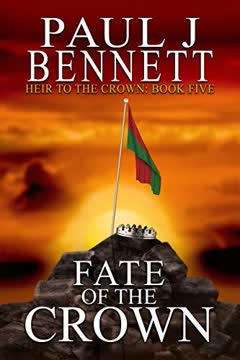
Fate of the Crown is a sweeping fantasy that explores the collapse and rebirth of a kingdom through the lens of personal sacrifice, political intrigue, and the ethical use of power. At its heart, the novel is about the struggle to build a just society in the face of tyranny and darkness. The diverse cast—mages, warriors, outcasts—reflects the necessity of unity across differences. The story does not shy away from the horrors of war, the trauma of loss, or the dangers of unchecked ambition. Instead, it offers hope: that through courage, compassion, and the willingness to challenge tradition, a better world can be forged. The unresolved threat of the Shadow Council and the survival of Penelope serve as reminders that the fight for justice is never truly over. The lessons are clear: power must be tempered by responsibility, unity is strength, and the true fate of the crown lies not in blood, but in the choices of those who dare to dream of something better.
Last updated:
Review Summary
Fate of the Crown receives overwhelmingly positive reviews, with readers praising its engaging plot, well-developed characters, and fast-paced action. The fifth book in the Heir to the Crown series follows Princess Anna as she raises an unusual army to wage war against her corrupt brother. Reviewers highlight the compelling mix of battles, magic, political strategy, and diverse fantasy races including elves, dwarves, and trolls. While most found it gripping and page-turning, some noted pacing issues in early chapters and occasional editing concerns.