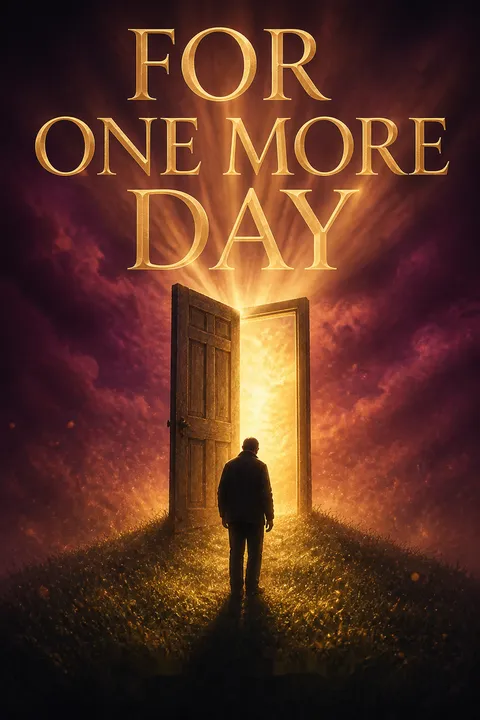


Plot Summary
Prologue
An unnamed sportswriter meets Charles Chick Benetto, a former professional catcher, on the bleachers at a Little League game. A groundskeeper tells the writer that Chick once played in the World Series and later tried to kill himself.
Chick agrees to explain how he reached that night, and the reporter builds the account from their conversation and Chick’s papers. The framing question is whether anyone who has lost a parent might be granted one more chance to sit beside them.
The sportswriter’s discovery makes Chick’s private collapse public without turning him into a cautionary tale. The Little League field joins his adult shame to the childhood that shaped him, while the reporter’s dependence on Chick’s own account preserves its uncertainty: the supernatural story may strain belief, but its emotional evidence lies in what Chick remembers and changes. The frame also prepares the book’s central reversal. A man whose family has stopped listening receives an audience, and the act of telling becomes part of his return to life.
The Wedding Without Chick
After his mother, Posey, dies, Chick loses the person whose faith had helped him believe he was still worth loving. He already feels stranded after his baseball career ends, and a bad investment drains much of the money he saved. Drinking worsens; he is fired from sales jobs, fights with his wife Catherine, and eventually leaves her and their daughter, Maria.
When Maria marries, Chick receives a letter and photographs instead of an invitation. The pictures make his exclusion undeniable: his daughter has begun a new life without him. He calls Catherine, but cannot repair the breach or find a reason to keep going. He quits work, drinks through the weekend, and turns toward the town where his life began.
Chick’s collapse is not caused by one catastrophe so much as by a chain of withdrawals he mistakes for proof that he no longer matters. The lost investment, failed career, and broken marriage each narrow his sense of possible futures. Maria’s wedding then gives that inward belief an outward form: he is not merely unhappy, he is absent from a family ritual that confirms her adulthood. The letter is devastating because it arrives after his own choices have helped make the exclusion plausible. Chick reads the consequence as a final verdict instead of a damaged relationship that might still be repaired.
The Water Tower Fall
Chick drives toward Pepperville Beach with a gun in the car and alcohol clouding his judgment. After missing the exit, he turns back the wrong way and collides with a truck; the wreck smashes a roadside billboard and throws him into wet grass. He leaves the injured driver without checking on him, then walks into town and climbs the water tower where he once went with his baseball friends.
From the catwalk he remembers Maria as a little girl and imagines her horror at seeing him arrive at her wedding. He jumps, strikes a tree, and wakes injured on the field where his father taught him baseball. Posey, dead for years, stands by the dugout. Chick rises, still intent on dying, and heads for his old house.
The failed attempt is both a physical crisis and a return to the places that formed Chick. He passes from the highway, where his despair endangers another person, to the water tower and ball field, landmarks that hold his childhood intact. His memory of Maria briefly interrupts the fantasy that no one would miss him, but shame quickly regains control. Posey’s appearance breaks that isolation without immediately curing it. Chick does not wake grateful or transformed; he walks toward another attempt. The story insists that rescue can begin before a person is ready to accept it.
Breakfast With Posey
At the family house, Chick finds food in the refrigerator and hears Posey calling his childhood name. She steps onto the porch in the familiar clothes of his memories, and he clings to her before he can make sense of how she is there. Posey cleans his cuts, cooks eggs, and asks him to spend the day with her.
Chick protests that she has been dead for years, but her ordinary care unsettles the defenses he built around his grief. She takes him to visit Rose, an elderly client whose hair Posey has styled for years. Rose has heard about the highway crash, yet treats Chick’s visit as a reason to be glad. When Posey says Rose will die that night, Chick begins to understand that this day follows a different rule.
The scene makes supernatural reunion credible through domestic acts rather than spectacle. Posey’s food, antiseptic, and concern for Chick’s injuries restore a relationship by repetition: he is once again someone she can care for, and he can again receive that care. Rose extends the pattern beyond family. Posey’s work gives dignity to an aging woman who fears troubling her relatives, while Chick sees a form of love that does not depend on usefulness or status. The announcement of Rose’s approaching death changes the visit from an impossible reunion into a passage through other people’s memories and losses.
Thelma’s Last Appointment
Posey next visits Miss Thelma, the woman who once cleaned the Benetto home and later became her work partner. As Posey prepares Thelma for a visit with her family, Chick learns that the two women cleaned houses together after Posey lost her hospital nursing job.
Posey accepted the work without shame and used the money to support Chick and his sister, Roberta. Their conversation stirs memories of the years after Chick’s father, Leonard, left: neighbors pitied the children, judged Posey, and treated her as a threat, while Chick sometimes hid from her affection or failed to defend her.
Thelma’s family gathers near her bed, though they believe she is asleep. Posey’s presence helps Chick see how much of her life was spent quietly caring for others.
Thelma’s visit revises Chick’s understanding of both work and parenthood. He has measured worth by the visible prestige of baseball, while Posey and Thelma measure it by the people who are fed, comforted, and remembered. Their labor was not a humiliating detour from Posey’s identity as a nurse; it was another way she provided for her children. Chick’s childhood memories also reveal how social stigma entered the home. He absorbed the neighborhood’s embarrassment and sometimes redirected it toward his mother. The visit makes his guilt specific: he did not merely lose contact with Posey; he repeatedly misread her sacrifices while receiving their benefits.
Chick Chooses Baseball
In college, Chick’s father reappears at a game after eight years away, and Chick responds by hitting a home run. Leonard brings him into contact with scouts and encourages him to leave school for a minor league opportunity.
Chick follows that approval, despite Posey’s objections, and abandons the education she prized. He meets Catherine at a party where he performs a song Posey used to play at home, then marries her and keeps chasing a major league career.
Chick reaches the World Series with the Pittsburgh Pirates, but does not bat before the team loses. A severe knee injury keeps him out of the majors; he spends years in the minors, Maria is born, and he finally quits baseball. A sports bar venture fails, leaving him in the sales work he resents.
Chick’s choice is psychologically understandable and costly: baseball is both a talent and the language through which he hopes to earn Leonard’s affection. The father’s return therefore feels like a recovered family bond, even as it repeats the old imbalance between the parents. Posey offers education as lasting security; Leonard offers the chance to become exceptional. Chick chooses the promise that has been withheld from him. His brief World Series appearance intensifies the loss because it gives him the summit without a stable life beyond it. When the career vanishes, he has few other measures of himself, and the family he built must absorb that disappointment.
The Birthday He Left
At Posey’s seventy-ninth birthday gathering, Leonard calls Chick with an opening in a Pirates old-timers game. Chick leaves the party under a false business excuse, drawn by the chance to return to baseball and please his father.
Leonard brings him his old cleats, but the game exposes the distance between Chick’s former promise and his present life: his hit becomes an easy out. While Chick plays, Posey suffers a fatal heart attack at home; Maria finds her. Chick learns the news only after the game, then drives back through the night.
At the funeral, he shovels dirt onto Posey’s coffin and imagines the son who might have stayed instead. He hides the truth about where he went, and the lie becomes the guilt that later feeds his drinking and despair.
The birthday departure is the story’s defining moral injury because Chick makes a choice, not because he can know the outcome. He trades time with Posey for a thin chance at renewed approval from Leonard, whose attention still carries the force of childhood. The game gives him neither a career nor a restored father-son bond, while the absence from home becomes permanent. His guilt later turns this mistake into a fantasy of omnipotence: he believes staying might have saved Posey. The novel does not confirm that belief. It shows instead how grief can make a person punish himself for not knowing what no one could have known.
The Family Behind the Secret
As the day fades, Posey takes Chick to an apartment where an elderly Italian woman sits before a mirror. Posey identifies her as Leonard’s wife and explains that he had married her in Italy during the war, then returned to America and built a second household in Collingswood.
The woman had a son with Leonard, a fact Posey discovered after tracing him to the house. She confronted him and sent him away because his deception betrayed Chick and Roberta as well as her.
Chick now understands that Leonard’s sudden departure was not a mystery or Posey’s fault. Posey never hated the other woman, who had also been left with loss. Seeing the woman’s grief, Chick finally stops defending his father’s choices and faces the damage his own choices caused.
The revelation reorganizes Chick’s childhood without erasing its emotional truth. Leonard’s long absence was not an inexplicable rejection, and Posey’s insistence on ending the marriage was an act of protection rather than stubbornness. Chick has inherited his father’s demand for loyalty while knowing almost nothing about the betrayal that made loyalty impossible. The Italian woman’s presence prevents the revelation from becoming a simple contest between wives: both women were denied an honest choice. Posey’s refusal to hate her models a difficult moral distinction, separating the person harmed from the person who caused harm. Chick can at last see his parents as adults with histories, not fixed childhood roles.
Posey Sends Him Back
Posey asks Chick why he wants to die, and he admits that shame over losing Catherine and Maria, drinking away his life, and abandoning his mother has made him give up. He also confesses that he lied about the business trip on her birthday and went to the baseball game instead. Posey tells him that a child should not have to choose between parents, and urges him to forgive himself.
Chick asks whether she was a good mother; she receives the answer he could not give her while she lived. Then she carries him back toward the field and tells him to live. Her image vanishes as police officers reach the injured man. Chick begins to move his hands, and the officer’s voice draws him back to consciousness.
Chick’s return depends on naming the guilt accurately rather than declaring himself innocent. He did hurt the people he loved, but Posey rejects the idea that one failure gives him the right to end every future relationship. Her response distinguishes accountability from self-destruction. The question about whether she was a good mother also reverses the familiar direction of comfort: Chick, not Posey, must finally give something back. His waking is both bodily and relational, marked by the hands that can still reach, hold, and play. The supernatural day cannot undo the past; it gives him enough tenderness and clarity to re-enter a life that remains unfinished.
Epilogue
The sportswriter later reports that Chick survived the crash, received treatment, and stayed sober. He and Maria rebuilt their relationship through regular Saturday coffee and doughnut trips; he also made peace with Catherine, though they did not reunite. Chick worked for local parks and recreation, where he made sure every child got to play.
He died five years after his attempt, at fifty-eight, from a sudden stroke. The reporter verifies details of the crash, Rose, Miss Thelma, and Leonard’s marriage in Italy. Only then does the frame identify the reporter as Maria, now expecting a child she plans to name Charley.
The epilogue tests Chick’s account against records and witnesses, yet verification does not settle whether Posey literally returned. Instead, it shows that the story’s consequences are measurable: Chick became sober, repaired his relationship with Maria, and turned his love of baseball into a place where no child was left out. His early death complicates any neat promise that one miraculous day guarantees a long life. Maria’s identity and unborn child complete the book’s chain of inheritance. She has received her father’s story, and she carries its name forward, not as a repetition of his failures but as evidence that memory can become a form of care.
Analysis
For One More Day treats family memory as an active force rather than a sentimental archive. Chick’s recollections repeatedly revise what he thought he knew: Posey’s attention, once experienced as interference, becomes evidence of a life organized around care; Leonard’s apparent abandonment is later revealed as the consequence of a concealed second family; and Chick’s own absence from Posey’s birthday becomes a source of guilt that he magnifies into a claim that he could have prevented her death. The novel distinguishes responsibility from omnipotence. Chick made choices that hurt his family, but he could not control every outcome, and punishment cannot repair what he damaged.
Baseball supplies the book’s sharpest image of conditional worth. Chick chooses the father who makes approval feel earned, then loses the career that seemed to justify the choice. Posey’s work with Miss Thelma offers a countermeasure: unglamorous labor can sustain lives and create bonds no crowd applauds. The contrast is not between ambition and domesticity, but between a life measured by recognition and one measured by care.
The supernatural reunion gives Chick what ordinary life cannot provide, a direct encounter with the person he has lost. Yet Posey does not erase grief or return him to childhood. She asks him to face the past, accept that his mother loved him, and choose whether to continue. The resolution is therefore modest but consequential: survival becomes the possibility of making amends, not proof that the past can be undone. The epilogue extends that possibility through Maria, whose restored relationship with Chick shows how stories can carry care between generations.
Review Summary
For One More Day is a poignant tale about a man's chance to spend one more day with his deceased mother. Readers praise Albom's ability to evoke deep emotions and reflections on family relationships, particularly between mothers and children. The book explores themes of regret, forgiveness, and the enduring power of a mother's love. While some critics find it overly sentimental, many readers are moved to tears and inspired to appreciate their parents more. The simple yet impactful writing style resonates with a wide audience, making it a popular and touching read.
People Also Read

Characters
Charles Chick Benetto
A gifted, unraveling catcherChick is a former professional baseball catcher whose identity remains tied to a career that lasted far less time than he expected. As a boy, he seeks his father’s approval through sport; as an adult, he struggles to value a life that looks ordinary beside that dream. He can be defensive, proud, and careless with the people closest to him, especially when shame makes him withdraw. His memories show a capacity for tenderness beneath the resentment, particularly in his love for his daughter. Chick’s central psychological tension is between wanting to be exceptional and wanting to belong. He is most vulnerable when he treats those needs as opposites.
Posey Benetto
His vigilant, playful motherPosey is Chick and Roberta’s mother, a former nurse known for warmth, humor, strong opinions, and practical attention to people who need help. She writes notes for her children, cooks for them, challenges adults who underestimate them, and finds ways to make an imperfect household feel abundant. Her love is not passive: she works, corrects, protects, and expects her children to grow. Yet she also has a lively identity beyond motherhood, with friends, interests, and a sense of style that makes others misjudge her. Posey’s emotional strength comes from maintaining dignity without pretending that hardship is easy. She values loyalty, but her care does not depend on being thanked.
Leonard Benetto
His demanding baseball fatherLeonard, usually called Len, is Chick’s father, a former soldier and liquor-store owner who prizes plans, discipline, and achievement. He introduces Chick to baseball and treats the sport as a route to a larger life, but his approval is guarded enough to keep his son striving for it. Leonard’s confidence can look like guidance, though it often leaves little room for Chick’s independent judgment. He represents the kind of parental attention Chick mistakes for love because it is scarce and tied to performance. His presence shapes Chick’s ambitions even when he is absent from daily family life.
Catherine Benetto
Chick’s patient, strained partnerCatherine is Chick’s wife and Maria’s mother. She meets Chick in college, when his easy performance and affection for his mother’s music reveal a lighter side than the driven athlete. As the family faces career instability and Chick’s growing drinking, Catherine has to contend with the consequences of his choices while trying to protect their daughter. She is patient, but not endlessly able to absorb his self-destructive behavior. Her role shows how private grief spreads through a household: Chick’s pain may explain his withdrawal, but it does not spare the people living beside him.
Maria Benetto Lang
Chick’s perceptive daughterMaria is Chick and Catherine’s daughter. As a child, she is affectionate and eager to share ordinary moments with her father; as she grows older, she develops a life and judgment of her own. Her relationship with Chick carries the consequences of his drinking and absence, but it also preserves the possibility that their bond can be repaired. Maria is important not as a reward for Chick’s change but as a person whose trust must be earned. She inherits qualities from both parents, including an interest in sports and an ability to give family stories meaning.
Roberta Benetto
Chick’s younger sisterRoberta is Chick’s younger sister, who grows up with him after Leonard leaves the family home. As a child, she is direct, imaginative, and less willing than Chick to disguise how much she misses their father. Her questions expose the gaps in the explanations the adults give them. Roberta and Chick share the same family rupture but respond to it differently, and their childhood closeness gives Posey’s efforts a wider purpose than simply raising her son.
Miss Thelma Bradley
Posey’s former work partnerMiss Thelma is a longtime friend of Posey and a former housekeeper who once cleaned the Benetto home. She is quick-witted, frank, and affectionate toward Chick, whom she remembers from childhood. Her friendship with Posey is grounded in shared labor and humor rather than social standing. Through her, Chick sees how women who receive little recognition can sustain one another and their families. Thelma’s lively manner does not hide her concern for her children and grandchildren.
Rose Templeton
Posey’s elderly hair clientRose is an elderly woman whose mobility and hearing have diminished. Posey visits her at home to wash and style her hair, preserving a routine that helps Rose feel cared for and presentable. Rose is gentle and appreciative, while her remarks about family reveal the loneliness that can exist even among people with children.
The Italian woman
A guarded, grieving strangerAn elderly woman who appears in Chick’s final passage through the day. She is reserved, absorbed in private memories, and visibly burdened by grief. The story presents her through small gestures rather than an extended account of her life, reminding Chick that other people’s histories remain hidden from him.
The sportswriter
The listening sportswriterThe unnamed sportswriter encounters Chick at a Little League field and listens to the account of his life. He frames Chick’s memories for the reader while drawing on their conversation and the papers he later finds. His role is restrained but essential: he gives Chick an audience and eventually checks parts of the story against public records. He also represents the possibility that careful listening can preserve a family history.
Plot Devices
Posey’s extra day
A final chance to reconnectAfter surviving his fall, Chick experiences a day with Posey, who has been dead for years. The visit is structured through ordinary acts of care and appointments with people who remember her. Its supernatural rules remain deliberately uncertain, but the day gives Chick access to conversations and family history he neglected while Posey lived. The device turns an abstract wish for one more chance into a sequence of encounters that confront his guilt and change his next decision.
Baseball
A measure of borrowed worthBaseball connects Chick to Leonard, offers a route out of his small-town world, and becomes the standard by which he judges himself. A scholarship, a brief major league call-up, his old cleats, and the old-timers game mark different stages of that attachment. The sport is not simply a dream that fails; it is the language through which Chick pursues his father’s approval. Its changing meaning exposes the cost of confusing achievement with belonging.
Posey’s handwritten notes
Love preserved on paperPosey leaves Chick notes for school, illness, college, and his wedding. Their practical instructions carry affection across moments when she cannot accompany him, and Chick’s papers preserve them after her death. The notes give the narrative a material record of a mother whose daily care Chick once took for granted. They also contrast with Chick’s silences and lies, showing how writing can hold a feeling steady when a person has difficulty saying it aloud.
Hair and beauty visits
Care made visible through workPosey’s visits to Rose and Miss Thelma turn hairstyling and makeup into acts of attention. She helps older women feel prepared to face family and the world, while Chick learns that this work grew from her earlier nursing and later sustained her children. The appointments connect private memory to practical labor. They also give the supernatural day a clear structure: Posey’s care leads Chick from one person whose life she touched to another, widening his understanding of who she was.
FAQ
Synopsis & Basic Details
What is For One More Day about?
- Second Chance at Life: The story centers on Chick Benetto, a former baseball player who, after a suicide attempt, is granted a miraculous day with his deceased mother, Posey.
- Exploration of Regret: It delves into Chick's past, exploring his regrets, family secrets, and the impact of his choices on his relationships, particularly with his mother.
- Themes of Forgiveness: The narrative focuses on themes of forgiveness, redemption, and the enduring power of a mother's love, as Chick seeks to understand his life and make amends.
Why should I read For One More Day?
- Emotional Resonance: The book offers a deeply emotional experience, exploring universal themes of loss, regret, and the desire for second chances, making it relatable to many readers.
- Unique Narrative Structure: The blend of realism and the supernatural creates a compelling narrative, offering a fresh perspective on family dynamics and the afterlife.
- Thought-Provoking Themes: It prompts reflection on the importance of family, the impact of our choices, and the possibility of finding peace and forgiveness, making it a meaningful read.
What is the background of For One More Day?
- Post-War America: The story is set against the backdrop of post-World War II America, reflecting the cultural shifts and family dynamics of that era, particularly in a small town setting.
- Sports Culture: Baseball plays a significant role, symbolizing Chick's aspirations, his relationship with his father, and the fleeting nature of dreams, highlighting the impact of sports culture on American life.
- Family Dynamics: The book explores the complexities of family relationships, including the impact of divorce, secrets, and the challenges of communication, reflecting common struggles within families.
What are the most memorable quotes in For One More Day?
- "Every family is a ghost story.": This quote, appearing early in the book, establishes the central theme of how the past and the deceased continue to influence our lives and relationships.
- "You can't lose your mother, Charley. I'm right here.": This quote, spoken by Posey, encapsulates the enduring nature of a mother's love and her presence in her child's life, even after death.
- "Sticking with your family is what makes it a family.": This quote highlights the importance of loyalty, commitment, and the enduring bonds of family, despite challenges and secrets.
What writing style, narrative choices, and literary techniques does Mitch Albom use?
- First-Person Narration: The story is primarily told from Chick's perspective, creating an intimate and personal tone, allowing readers to connect with his emotions and struggles.
- Conversational Tone: Albom employs a conversational and accessible writing style, making complex themes and emotions relatable to a wide audience.
- Blending Realism and Supernatural: The narrative seamlessly blends realistic elements of Chick's life with the supernatural element of his mother's return, creating a unique and thought-provoking reading experience.
Hidden Details & Subtle Connections
What are some minor details that add significant meaning?
- The Carved Names: The names "CHAR" and "ROBER" carved into the kitchen table symbolize the lasting impact of childhood and the enduring presence of family, even when incomplete.
- The "PLEASE" Carving: The word "PLEASE" carved into a tree by Posey as a prayer for children reveals her deep desire for motherhood and her connection to the natural world.
- The Bobby Darin Album: The recurring mention of the Bobby Darin album and the song "This Could Be the Start of Something Big" represents Posey's optimism and the bittersweet nature of memories.
What are some subtle foreshadowing and callbacks?
- The Water Tower: Chick's initial climb of the water tower foreshadows his later attempt to end his life, highlighting the cyclical nature of his despair and his return to his roots.
- The "Handout" Incident: The scene where Posey throws away the food from the nuns foreshadows her later work as a cleaning woman and her pride in providing for her family without charity.
- The Red Glasses: Posey's red-rimmed glasses, mentioned at her birthday and during her return, symbolize her vibrant personality and her enduring presence in Chick's memory.
What are some unexpected character connections?
- Posey and Miss Thelma: The revelation that Posey and Miss Thelma cleaned houses together highlights their shared experiences and the strength of female friendships, challenging societal expectations.
- Chick and the Italian Woman: The connection between Chick and his father's second wife, Gianna, reveals the complex web of relationships and the lasting impact of his father's choices.
- Chick and the Police Officer: The recurring voice of the police officer, initially perceived as a threat, ultimately becomes a symbol of rescue and a return to reality, highlighting the unexpected sources of help.
Who are the most significant supporting characters?
- Miss Thelma: As Posey's cleaning partner, she provides a different perspective on work, family, and the importance of dignity, challenging Chick's perceptions of his mother's life.
- Rose Templeton: Her interactions with Posey highlight the importance of human connection and the impact of small acts of kindness, emphasizing the value of caring for others.
- The Italian Woman (Gianna): As Leonard's second wife, she represents the hidden aspects of Chick's family history and the complexities of love, loss, and forgiveness.
Psychological, Emotional, & Relational Analysis
What are some unspoken motivations of the characters?
- Chick's Need for Approval: Chick's actions are often driven by his unspoken need for his father's approval, leading him to prioritize baseball over his mother's wishes and his own well-being.
- Posey's Desire for Connection: Posey's return is motivated by her unspoken desire to connect with her son, offer him guidance, and ensure he finds peace and forgiveness.
- Leonard's Fear of Vulnerability: Leonard's actions are driven by his unspoken fear of vulnerability and his inability to express his emotions, leading him to create a second family and avoid confronting his past.
What psychological complexities do the characters exhibit?
- Chick's Guilt and Self-Destruction: Chick's psychological state is marked by deep-seated guilt and self-destructive behavior, stemming from his mother's death and his strained relationships.
- Posey's Resilience and Forgiveness: Posey's psychological strength is evident in her ability to forgive her husband's betrayal and her unwavering love for her children, despite her own pain.
- Leonard's Avoidance and Denial: Leonard's psychological complexity is characterized by his avoidance of emotional confrontation and his denial of the impact of his actions on his family.
What are the major emotional turning points?
- The Wedding Letter: The letter from Maria announcing her wedding is a major emotional turning point, triggering Chick's suicide attempt and highlighting his feelings of isolation and worthlessness.
- The Revelation of the Second Family: The revelation of Leonard's second family is a major emotional turning point, forcing Chick to confront his father's betrayal and his mother's pain.
- The Confession of Guilt: Chick's confession of guilt and regret to Posey is a major emotional turning point, allowing him to release his pain and embrace the possibility of forgiveness.
How do relationship dynamics evolve?
- Chick and Posey: Their relationship evolves from one of regret and misunderstanding to one of deep love and forgiveness, as Chick gains a new appreciation for his mother's sacrifices.
- Chick and Leonard: Their relationship remains strained, marked by unspoken resentments and a lack of emotional connection, highlighting the lasting impact of Leonard's choices.
- Chick and Maria: Their relationship evolves from estrangement to reconciliation, as Chick seeks to make amends and rebuild the bond with his daughter, representing his journey towards redemption.
Interpretation & Debate
Which parts of the story remain ambiguous or open-ended?
- The Nature of Posey's Return: The exact nature of Posey's return remains ambiguous, leaving readers to question whether it is a supernatural event, a hallucination, or a manifestation of Chick's subconscious.
- The Extent of Leonard's Remorse: The extent of Leonard's remorse for his actions remains open-ended, as he never directly confronts Chick or expresses his feelings, leaving his true motivations unclear.
- The Future of Chick's Relationships: While Chick makes amends, the long-term outcome of his relationships with Catherine and Maria remains somewhat open-ended, leaving readers to imagine their future.
What are some debatable, controversial scenes or moments in For One More Day?
- Chick's Suicide Attempt: Chick's suicide attempt is a controversial moment, raising questions about the nature of despair, the limits of forgiveness, and the responsibility of individuals to seek help.
- Posey's Acceptance of Leonard's Actions: Posey's acceptance of Leonard's actions, while demonstrating her strength, may be seen as controversial, raising questions about the limits of forgiveness and the impact of betrayal.
- Chick's Prioritization of Baseball: Chick's prioritization of baseball over his family, particularly his mother, is a debatable point, raising questions about the pursuit of dreams and the importance of family.
For One More Day Ending Explained: How It Ends & What It Means
- Chick's Death and Legacy: The epilogue reveals Chick's death from a stroke, highlighting the fragility of life and the importance of cherishing every moment, while also showing his efforts to make amends.
- The Narrator's Identity: The revelation that the narrator is Maria, Chick's daughter, adds a layer of emotional depth, emphasizing the enduring impact of Chick's story and the power of family narratives.
- The Cycle of Forgiveness: The ending emphasizes the cycle of forgiveness and the importance of sharing stories to keep loved ones alive in memory, suggesting that even in death, love and connection endure.
About the Author

Download PDF
Download EPUB
.epub digital book format is ideal for reading ebooks on phones, tablets, and e-readers.








