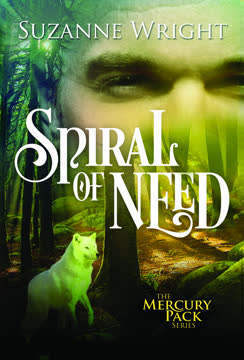
Plot Summary
Drifting Shadows, Haunted Pasts
Harley Vincent, a half-margay shifter, half-human, drifts through life, haunted by a violent family history and the trauma of her brother's murder by anti-shifter extremists. Her father, Clive, avenged the death with brutal retribution, earning a reputation as a shifter folk hero and a prison sentence. Harley's childhood is marked by neglect, addiction, and ostracism from both shifter and human worlds. She finds brief solace with her human aunt Tess, but never truly feels at home anywhere. Her past is a tangle of loss, survival, and the scars of being blamed for others' pain, especially the addiction and death of her former friend Mia. This legacy of violence and alienation leaves Harley fiercely independent, wary of trust, and determined never to be anyone's victim again.
A Wolf's Warning
Jesse Dalton, a wolf shifter and enforcer, has watched over Harley from afar for years, drawn to her resilience and haunted by his own losses—most notably, the death of his true mate, Torrie, in childhood. When a young Seer in his pack foresees Harley's imminent danger—a car bomb set by human extremists—Jesse's protective instincts surge. He intervenes just in time, saving Harley and confronting her with the reality of the threat. Their reunion is charged with unresolved attraction and the weight of their shared past, especially the night they once spent together in grief and longing. Jesse's wolf is possessive, determined not to lose Harley, and he insists she come to his pack's territory for safety, setting in motion a collision of old wounds and new desires.
Sanctuary Among Strangers
Harley reluctantly accepts Jesse's offer of sanctuary, entering the Mercury Pack's territory—a close-knit, fiercely loyal group of wolf shifters. She is met with suspicion, especially from the dominant females and the matriarch, Kathy, who see her as an outsider and a potential threat. The pack's dynamics are complex: alliances, old grudges, and the ever-present tension between dominance and submission. Harley's feline independence clashes with the wolves' pack mentality, and she struggles to find her place. Yet, Jesse's unwavering support and the gradual acceptance from some pack members, like the compassionate Alpha female Shaya and the pragmatic Ally, begin to thaw her defenses. Still, Harley remains wary, her sense of belonging fragile and conditional.
Claiming the Margay
Jesse's desire for Harley is undeniable, and he makes his intentions clear: he wants her as his mate, despite not being true mates by fate. Their chemistry is electric, but Harley resists, fearing the loss of autonomy and the pain of being second best to a ghost. Jesse's claim is both physical and emotional—he marks her, staking his right in the eyes of the pack and the world. This act stirs jealousy, resentment, and open hostility from some, especially those who blame Harley for past tragedies. The claiming is not just about sex or dominance; it's a battle for trust, vulnerability, and the possibility of healing old wounds. Harley's struggle is as much internal as external, torn between desire and self-preservation.
Territory and Temptation
As Harley adjusts to pack life, new threats loom. Hector Flynt, a half-shifter businessman with a vendetta against shifters, seeks to buy the Mercury Pack's land for a hotel resort, using blackmail and intimidation. The pack faces the loss of their sanctuary, and tensions rise as they debate how to respond. Meanwhile, Harley's old life calls to her—her love of music, her dream of owning a club, and the freedom of the human world. Jesse's possessiveness clashes with her need for independence, leading to heated arguments and passionate reconciliations. The territory becomes a battleground not just for land, but for identity, belonging, and the right to choose one's own fate.
Pack Tensions Ignite
The pack's unity is tested as old prejudices and personal grievances flare. Harley becomes the target of suspicion and blame, especially when violence erupts or when outsiders, like Jesse's old pack and Bracken's family, stir up trouble. The lines between loyalty and rivalry blur, and even Jesse's position is challenged as he prioritizes Harley's safety over pack traditions. The arrival of Harley's margay cousins and the ongoing threat from extremists force the pack to confront their own biases and the limits of their acceptance. Through confrontations, apologies, and hard-won respect, Harley begins to carve out a place for herself—not by conforming, but by standing her ground.
Old Wounds, New Bonds
As Harley and Jesse navigate the minefield of pack politics and personal trauma, their relationship deepens. The process of imprinting—a shifter ritual that can create a bond as strong as that of true mates—begins, marked by the mingling of their scents and the gradual opening of their hearts. Both must confront the ghosts of their pasts: Jesse's guilt and fear of loss, Harley's sense of unworthiness and fear of abandonment. Through vulnerability, honesty, and fierce loyalty, they begin to heal each other. The pack, too, starts to shift, recognizing Harley's strength and the value of her unique perspective. The possibility of true belonging, once unthinkable, becomes real.
The Club and the Claim
Harley's dream of owning and running her own club resurfaces, challenging the pack's—and Jesse's—expectations. The club represents more than a business; it's a symbol of Harley's autonomy and her refusal to be defined by others' fears. Jesse's initial resistance gives way to compromise, as he realizes that love means supporting her ambitions, not stifling them. Together, they navigate the practical and emotional challenges of blending their lives, balancing dominance and equality, protection and freedom. The club becomes a new frontier, not just for Harley, but for the pack, signaling a willingness to engage with the wider world on their own terms.
Family Ties, Family Lies
Family, both blood and chosen, looms large. Harley's mother, Lily, and her uncle Shawn reappear, bringing with them the baggage of neglect, manipulation, and unresolved pain. Clive, her father, remains a shadowy presence—dangerous, charismatic, and possibly the secret leader of The Movement, a shifter resistance group. Jesse's own family arrives, disapproving and manipulative, forcing him to choose between their expectations and his loyalty to Harley. The confrontation with family is both cathartic and painful, as old lies are exposed and new boundaries are drawn. Harley and Jesse learn that true family is not about blood, but about those who stand with you when it matters most.
The Enemy Next Door
Hector Flynt's campaign against the pack intensifies. Using blackmail, manipulation, and hired mercenaries, he seeks to drive the Mercury Pack from their land. The pack's attempts to counter him—through alliances, subterfuge, and even sabotage—are met with escalating violence. Hector's own dark past is revealed: a history of cruelty, manipulation, and murder, rooted in a childhood marked by sociopathy and the cover-ups of his parents. The battle with Hector is not just for territory, but for survival, justice, and the right to exist without fear. The pack must unite, drawing on every resource and every bond, to face an enemy who will stop at nothing.
Blood, Betrayal, and Bombs
The threat becomes deadly as Hector orchestrates a harpy eagle shifter attack on the pack, using the chaos as cover to kidnap the pack's pups, Cassidy and Willow. The violence is brutal, leaving many wounded and the pack reeling. Betrayal from within—Kim, Bracken's sister, leaking information to a reporter—compounds the danger. The pack's response is swift and merciless, but the cost is high. The lines between justice and vengeance blur, and the pack is forced to confront the reality that survival sometimes demands ruthless action. The bonds forged in blood and pain prove stronger than those of convenience or tradition.
The Price of Protection
With the pups in Hector's hands, the pack faces an impossible choice: surrender their home or risk the children's lives. The tension is unbearable, and every decision carries the weight of potential tragedy. Harley's courage and cunning come to the fore as she risks everything to save the pups, embodying the fierce protectiveness that defines true family. Jesse's love and fear for Harley reach a breaking point, forcing him to confront the last barriers in his heart. The price of protection is steep—pain, sacrifice, and the willingness to do whatever it takes for those you love.
Secrets, Surrender, Survival
In the aftermath of violence, secrets come to light. Jesse and Harley's bond, finally unblocked by the surrender of old fears, becomes complete—imprinting fully, allowing them to share strength and healing. The pack, too, is transformed, shedding old prejudices and embracing a new, more inclusive identity. The cost of survival is acknowledged, but so is the power of truth, vulnerability, and mutual support. The lessons of the past—about trust, forgiveness, and the dangers of secrecy—are hard-won but enduring. The survivors are marked, but not broken.
The Harpy Ambush
The harpy eagle attack is a turning point, a test of every bond and every ounce of courage. The pack's coordinated defense, the intervention of allies, and the individual acts of heroism—especially Harley's—are not enough to prevent the abduction of the pups. The aftermath is chaos: wounds, fear, and the sickening realization that the enemy has struck at the heart of the pack. The event galvanizes the pack, stripping away any remaining doubts about the seriousness of the threat and the necessity of unity. The cost is high, but the resolve to fight back is absolute.
The Pups Are Taken
With the pups in mortal danger, the pack mobilizes every resource, every ally, and every ounce of cunning. The emotional stakes are at their highest, as parents, friends, and lovers confront the possibility of irreversible loss. The search for the pups is frantic, marked by fear, guilt, and the desperate hope that they can be saved in time. The ordeal exposes the best and worst in everyone, forcing hard choices and acts of selflessness. The pack's true strength is revealed not in brute force, but in the willingness to risk everything for each other.
A Deadly Bargain
Hector's final gambit is monstrous: the pups are fitted with explosive vests, and the pack is forced into a deadly standoff. The tension is excruciating, every second a potential trigger for disaster. Harley's unique skills and courage become the key to the rescue, as she risks her life to create an opening for Cain to defuse the bombs. The pack's unity, trust, and willingness to follow Harley's lead are tested as never before. The rescue is a triumph of cunning, bravery, and the refusal to surrender to fear. The cost is nearly fatal, but the victory is total.
The Final Hunt
The aftermath of the rescue is bloody and cathartic. Jesse, driven by love and rage, leads the pack in a final assault on Hector and his guards. The violence is brutal, but there is no hesitation—this is justice, not vengeance. The pack's survival depends on eliminating the threat once and for all. The battle is won, but not without scars. The lessons of the hunt are clear: unity, courage, and the willingness to fight for what matters most are the only guarantees of survival in a world that will never be safe.
Healing, Home, and Harmony
In the aftermath, the pack rebuilds—physically, emotionally, and spiritually. Harley and Jesse's bond is now unbreakable, their love forged in fire and tested by every imaginable trial. The pack, too, is transformed: more inclusive, more resilient, and more willing to embrace change. Harley's club opens, symbolizing not just her personal triumph, but the pack's willingness to engage with the wider world. Family, both blood and chosen, is redefined—not by tradition, but by loyalty, love, and the willingness to fight for each other. The story ends not with perfect peace, but with the hard-won harmony of survivors who have earned their place, their love, and their home.
Characters
Harley Vincent
Harley is a half-margay shifter, half-human, shaped by a childhood of neglect, violence, and blame. Her father's notoriety as a vengeful killer and her mother's emotional absence leave her wary of trust and fiercely self-reliant. Harley's psychological armor is thick—sarcasm, independence, and a refusal to be anyone's victim. Yet beneath the surface is a deep longing for acceptance and belonging, complicated by her fear of being second best or abandoned. Her relationship with Jesse is both a challenge and a healing force, forcing her to confront her vulnerabilities and accept love without losing herself. Harley's journey is one of reclaiming agency, forging her own identity, and learning that true strength lies in connection, not isolation.
Jesse Dalton
Jesse is a wolf shifter and enforcer, defined by loss and the burden of responsibility. The death of his true mate, Torrie, in childhood leaves him emotionally scarred, wary of attachment, and driven by guilt. His protective instincts are both a strength and a flaw, leading him to control and sometimes smother those he loves. Jesse's attraction to Harley is rooted in admiration for her resilience and a deep, unspoken need for healing. His journey is one of learning to let go of the past, to trust in the possibility of new love, and to balance dominance with vulnerability. Jesse's development is marked by the gradual surrender of his defenses and the acceptance that true partnership requires equality, honesty, and the willingness to risk pain for connection.
Clive Vincent
Clive is Harley's father, a margay shifter whose brutal vengeance for his son's murder makes him a shifter legend and a convicted killer. He is both protective and manipulative, loving Harley in his own twisted way but incapable of true empathy. Clive's presence looms over the story as both a symbol of shifter resistance and the dangers of unchecked violence. His possible role as the secret leader of The Movement adds layers of intrigue and ambiguity. Clive's relationship with Harley is fraught—she is both his prized possession and his greatest vulnerability. Psychologically, Clive embodies the seductive allure of power and the corrosive effects of trauma and rage.
Shaya Axton
Shaya is the Alpha female of the Mercury Pack, a half-shifter herself, whose warmth, empathy, and strength make her a natural leader and mediator. She is instrumental in helping Harley find acceptance within the pack, offering support, understanding, and practical wisdom. Shaya's relationship with her mate, Nick, is a model of balance between dominance and partnership. She is fiercely protective of her family and pack, willing to challenge tradition and authority when necessary. Shaya's psychological insight and emotional intelligence are key to the pack's survival and evolution.
Nick Axton
Nick is the Alpha male of the Mercury Pack, a figure of authority, strength, and sometimes intimidating dominance. He is deeply protective of his pack and wary of outsiders, but capable of growth and adaptation. Nick's leadership is tested by the threats from Hector and the internal tensions within the pack. His relationship with Shaya softens his edges, and his willingness to listen and compromise is crucial to the pack's resilience. Nick's psychological journey is one of learning to balance power with empathy, and tradition with change.
Ally Marshall
Ally is the pack's Beta female and a Seer, whose visions and healing abilities are both a gift and a burden. She is a survivor of her own traumas, including betrayal and exile, and brings a unique perspective to the pack's challenges. Ally's empathy and practical wisdom make her a confidante for Harley and a stabilizing force within the pack. Her relationship with Derren is marked by mutual respect and support. Ally's psychological depth lies in her ability to balance vulnerability with strength, and intuition with action.
Hector Flynt
Hector is a half-shifter businessman whose vendetta against shifters is rooted in a childhood of cruelty, manipulation, and the cover-ups of his parents. He is a master of blackmail, intimidation, and psychological warfare, using every tool at his disposal to achieve his goals. Hector's sociopathy is chilling—he is capable of monstrous acts without remorse, and his charm is a mask for his true nature. Psychologically, Hector represents the dangers of unchecked power, the legacy of trauma, and the capacity for evil in the absence of empathy.
Bracken Slater
Bracken is a wolf shifter and enforcer, marked by the loss of family to extremists and the scars of past betrayals. He is fiercely loyal to Jesse and the pack, but struggles with his own pain and the challenges of adapting to new dynamics. Bracken's relationship with his family, especially his sister Kim, is fraught with guilt, frustration, and the difficulty of letting go. Psychologically, Bracken embodies the struggle to reconcile loyalty with self-preservation, and the need to find purpose in the aftermath of loss.
Kim Slater
Kim is Bracken's sister, a dominant female whose envy, insecurity, and sense of entitlement drive her to betray the pack. She is obsessed with Jesse, convinced she is owed his affection, and unable to accept rejection. Kim's actions—leaking information to a reporter, attacking Harley—are rooted in a deep need for validation and a refusal to accept reality. Psychologically, Kim represents the dangers of unchecked desire, the corrosive effects of envy, and the tragedy of self-destruction.
Cassidy
Cassidy is a young wolf pup and Seer, whose visions set the story in motion and whose innocence is both a vulnerability and a source of hope. She is a symbol of the future, the heart of the pack, and the stakes of the battle for survival. Cassidy's courage, resilience, and ability to heal are crucial to the story's resolution. Psychologically, she represents the possibility of healing, the power of community, and the enduring strength of the vulnerable.
Plot Devices
Dual Worlds, Dual Natures
The narrative is structured around Harley's struggle to reconcile her dual heritage—shifter and human, predator and prey, insider and outsider. This duality is mirrored in the pack's own tensions between tradition and change, dominance and equality. The plot uses Harley's journey as a lens to explore broader themes of belonging, identity, and the costs of survival in a hostile world.
Imprinting and the Mating Bond
The process of imprinting—creating a bond as strong as that of true mates—is central to the story's emotional arc. It serves as both a plot device and a metaphor for the work of building trust, vulnerability, and mutual support. The gradual development of the bond, marked by the mingling of scents and the sharing of strength, is used to explore the difference between love as destiny and love as a conscious, hard-won choice.
Foreshadowing and Seer Visions
The use of Seers—especially Cassidy and Ally—provides both foreshadowing and narrative urgency. Their visions warn of danger, catalyze action, and create a sense of inevitability that heightens tension. The visions also serve as a metaphor for the difficulty of interpreting the future and the limits of control.
External Threats as Catalysts
The external threats—Hector's vendetta, the extremists' violence, the harpy eagle attack—are used to force the characters and the pack to confront their own weaknesses, prejudices, and fears. These threats strip away illusions, demand unity, and reveal the true nature of each character. The escalating danger is mirrored by the deepening of relationships and the forging of new bonds.
Family and Found Family
The contrast between biological family (often sources of pain, betrayal, or manipulation) and chosen family (the pack, friends, lovers) is a recurring motif. The story uses confrontations with parents, siblings, and old friends to explore the meaning of loyalty, the possibility of forgiveness, and the necessity of setting boundaries. The ultimate message is that true family is defined by love, respect, and the willingness to fight for each other.
Analysis
Force of Temptation is more than a paranormal romance; it is a meditation on the scars of trauma, the struggle for belonging, and the power of chosen family. Suzanne Wright uses the conventions of shifter fiction—dominance, mating bonds, pack politics—to explore deeper psychological themes: the legacy of violence, the difficulty of trust, and the necessity of vulnerability for healing. Harley and Jesse's journey is emblematic of the work required to overcome the past—not by forgetting or denying it, but by facing it together, with honesty and courage. The story's structure—alternating between external threats and internal conflicts—mirrors the reality that survival is as much about emotional resilience as physical strength. The lessons are clear: love is a choice, not just a fate; family is earned, not given; and true strength lies in the willingness to risk pain for connection. In a world that is often hostile and uncertain, the greatest victory is not the defeat of enemies, but the creation of a home where one can be fully, unapologetically oneself.
Last updated:
Review Summary
Force of Temptation receives mostly positive reviews, with readers praising the strong characters, steamy romance, and engaging plot. Many enjoy the unique pairing of a wolf and margay shifter, as well as the author's writing style. Some readers find the story predictable or similar to previous books in the series, but overall, fans of paranormal romance appreciate the blend of action, humor, and passionate relationships. The book is praised for its alpha male hero, sassy heroine, and interesting pack dynamics.