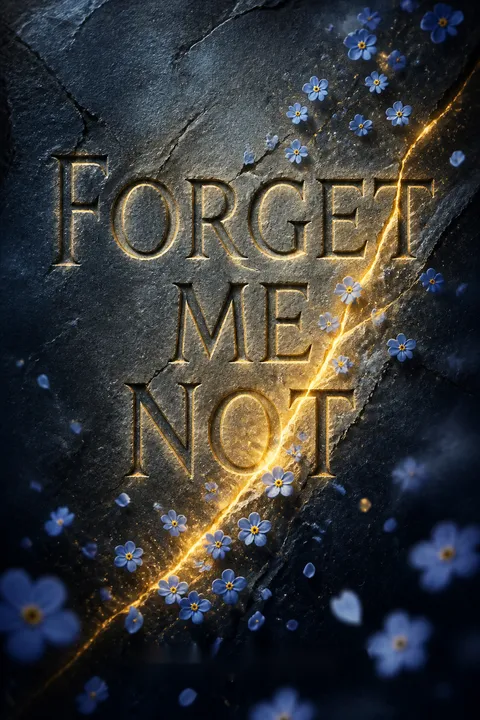


Plot Summary
Another Town, Another Start
Calli June1 has learned that when her mother’s3 latest relationship ends, their belongings go into boxes and the car heads toward another town. Her father died in a winter car accident when she was three, and now she hides the pain of losing him behind a name that does not remind her of him. In St. George, Utah, she meets Jinsong P’eng,2 her new neighbor, in the shared laundry room.
She hopes the seventh grader might become a friend, but before school begins, her mother3 cuts Calli’s1 long hair to discourage her from pulling it out. Calli1 cannot stop her Tourette tics, and her anxiety and compulsions make ordinary routines difficult. Her rock collection, one stone from each former home, records how often she has had to leave.
The opening makes relocation more than a change of address: it is the family’s repeated response to the mother’s romantic disappointments, while Calli experiences each departure as another loss of control. Her rocks turn that instability into something she can arrange and keep, a small archive with a hoped-for final space. The haircut brings the conflict into her body. Calli’s mother means to solve a visible problem, but the solution removes a feature Calli loves and intensifies her sense that adults decide what happens to her. The story begins, then, with two kinds of uncertainty: whether this place can last, and whether Calli can be known without being judged.
A Seat Beside the Bins
On her first day at Black Ridge Intermediate, Calli1 tries to pass as ordinary by wearing a vintage dress that might draw attention away from her tics. Her classmates notice both. Ivy Andrews14 and her friends question her clothes and laugh when a tic makes her croak; student-body president Jinsong2 watches from a safer table, unwilling to admit he knows her.
He does steer Calli1 away from the cafeteria’s garbage cans with a made-up warning about infection, hoping she will sit with Ivy14 instead. It does not protect her from the girls’ questions.
Calli1 also struggles through a classroom introduction, gives the teacher13 a false surname, and avoids a life-size self-portrait assignment because she cannot bear to look closely at herself. When she asks Jinsong2 to walk home with her, he refuses in front of Duncan6 and Nyle.7
Calli’s clothing is not simply eccentricity. She deliberately makes one difference visible to distract from another she cannot control, an improvised form of impression management that gives her a little agency. But the cafeteria shows the limits of that strategy: attention shifts from her tics to her dress, then returns to her tics anyway. Jinsong’s small lie about the garbage table reveals a more complicated response than outright cruelty. He wants Calli to be safe, yet he also wants his popular friends to keep accepting him. The rejected invitation makes that calculation costly. Both children are already managing how others read them, but Jinsong can choose when to conceal his fear, while Calli’s body often makes the choice for her.
The Moon Festival Riddle
After rejecting Calli1 in front of Duncan6 and Nyle,7 Jinsong2 waits until they leave and runs after her. On their walk home, he learns that Calli1 wears conspicuous clothes so people will notice the outfits instead of her involuntary movements.
He begins meeting her after school, though he still avoids standing beside her in class. At the P’eng family’s2 Mid-Autumn Festival gathering, Calli1 sees how different Jinsong’s2 lively, lantern-lit home feels from her own lonely apartment. She shares moon facts and listens as he gives her a three-clue riddle about someone he likes.
Nervous that the answer might not be her, Calli1 guesses mooncakes. Meanwhile, Beatriz Lopez4 and other students keep teasing Calli,1 and Jinsong2 continues to say nothing. Their easy conversations are real, but so is the silence he brings back to school.
The moon festival creates a pocket of belonging without resolving the public problem. In Jinsong’s home, Calli is welcomed into family ritual, food, and conversation; at school, the same boy still edits his behavior to protect his standing. That difference matters because it prevents their friendship from becoming an easy cure for exclusion. Jinsong’s riddle lets him express affection indirectly, but Calli’s wrong guess shows how fear distorts even a playful invitation: she protects herself from believing she is wanted. Her candor about her clothes is a form of trust, while his silence before classmates remains a breach of it. The scene’s warmth therefore carries a question forward: can private kindness become public courage?
The Fall in Science
During science, Calli’s1 tics intensify until repeated movements send her chair backward and she falls, striking her head. The class laughs. Jinsong2 wants to help, but stays in his seat, and Kenny Gunn5 is the only student who rushes to her.
Calli1 cannot explain herself at first; she runs into the hall, where Kenny5 and school staff follow. At last she tells them she has Tourette syndrome, a diagnosis she has hidden because adults warned that people might misunderstand it.
Counselor Ms. Baumgartner12 helps Calli1 see that trying to suppress her tics only makes the strain worse. Earlier, Jinsong2 had also rejected Calli’s1 request to be his Valentine, then arranged for kind Kenny5 to give her a Valentine instead. His gesture cannot undo his refusal or his failure to help when she fell.
The fall changes the story because secrecy stops being a workable defense. Calli has treated disclosure as a risk of being reduced to a diagnosis, but the classroom’s laughter has already made her visible without giving her any control over the explanation. Naming Tourette syndrome lets her replace other students’ speculation with accurate information. Ms. Baumgartner’s practical guidance also challenges the mistaken belief that self-control means suppressing every involuntary movement. Jinsong’s immobility exposes the moral cost of divided loyalties: he feels concern, but concern that never becomes action offers little comfort to the person hurt. Kenny’s response provides a contrasting model of friendship, one defined not by perfect understanding but by moving toward someone in need.
Poppies at the Door
After the science-room humiliation, Calli1 waits for Jinsong2 beneath their usual oak tree, but he avoids her. She later sees him sharing dinner with Beatriz4 and assumes she has guessed his riddle’s answer wrong.
Jinsong2 is actually confronting Beatriz4 about her treatment of Calli;1 their argument exposes how Beatriz’s4 anger over her mother leaving has damaged her old friendship with him. On Valentine’s Day, Duncan6 and Nyle7 plant a fake love note from Jinsong2 in Calli’s1 desk, then reveal it as a joke while classmates laugh.
Jinsong,2 who had refused to be her Valentine earlier, buys a dozen poppies and leaves them at her apartment. Calli1 takes the flowers inside, then feeds them to the garbage disposal, reading the gift as another painful reminder that she does not fit. Jinsong2 watches from outside and understands too late how badly he has misjudged her hurt.
The Valentine episodes show how easily affection becomes painful when it arrives without trust. Jinsong’s poppies are meant as recognition: he remembers the flower Calli rescued and carried with her. But because he has repeatedly withheld public support, the flowers cannot arrive as a clear apology. Calli reads them through the accumulated evidence of rejection, not through his private intention. The planted note makes that mistrust worse by turning romantic hope into a public trap. Beatriz’s dinner with Jinsong also illustrates Calli’s vulnerability to incomplete information: she sees a familiar pair together but cannot know the confrontation behind it. The book gives each child a partial view, then lets those mistaken readings produce real emotional consequences.
The Ferris Wheel Apology
When Calli’s mother3 travels to a florist convention, Calli1 refuses to sleep at the P’engs’2 apartment and spends a frightened night alone. The next day, Jinsong’s mother10 brings her to the county fair with the family.2
Calli1 barely acknowledges Jinsong,2 but he leaves Duncan6 and Nyle7 at a pitching booth instead of chasing the baseball approval he has wanted for years. He finds Calli1 behind the Ferris wheel and invites her to ride. At the top, he admits he was embarrassed to help her after her fall and embarrassed to be her Valentine, then explains that the poppies were meant to show he remembered what she carried.
Calli1 places her hand over his, forgiving him and admitting her own affection. Jinsong2 raises their joined hands where their classmates can see, making his choice public at last.
The fair turns Jinsong’s private regret into a visible choice. The pitching booth matters because it represents the approval he has been pursuing; leaving it means he accepts a possible cost to his place among Duncan and Nyle. His apology becomes credible when he names specific failures rather than asking Calli to overlook them. Calli’s hand over his offers forgiveness without pretending the injury never happened. Their classmates witnessing the gesture reverses the social geometry of earlier scenes: Jinsong no longer hides his attachment to Calli when the crowd is present. Yet the scene does not magically erase stigma. It gives the pair a new starting point, grounded in acknowledged harm and a willingness to be seen together.
The Move to Las Vegas
After the fair, Calli1 paints her self-portrait as a girl heading toward the moon, turning an assignment she had avoided into an image of a future she chooses. Then Jinsong’s2 decision to defend her becomes public in a harsher way: when Duncan6 and Nyle7 imitate her tics, he reveals why she wears unusual clothes and punches both boys.
The school suspends him and removes him from student council. While Jinsong2 is absent, Calli’s mother3 returns from Las Vegas with Reno,11 a wealthy man she has married, and announces that Calli1 will move there.
Calli1 is stunned that a new marriage can redirect her life without warning. Ivy14 gives Calli1 a friendship locket, and Beatriz4 warns that the popular girls may discard her. Calli1 cannot tell whether this is concern or another attempt to wound her.
Calli’s moon portrait marks a change in self-conception: she can imagine a future not prescribed by her mother’s flower shop or by the school’s judgments. Jinsong’s defense is morally clearer than his earlier silence, but the punch also shows that courage can be impulsive and costly. He loses his council position, and Calli is left to face a separate upheaval without him. Her mother’s sudden marriage repeats the pattern Calli fears most: an adult decision makes home feel provisional again. The locket and Beatriz’s warning sharpen the uncertainty around belonging. Calli has begun to claim her difference, yet she still cannot control who stays, who leaves, or whether kindness is genuine.
A Poppy for Beatriz
On her last school day, Calli1 refuses to let Duncan6 and Nyle7 turn her departure into another joke, tearing up their fake love notes in front of them. Ivy’s14 group then leaves her alone at lunch, making Beatriz’s4 warning seem possible.
Jinsong2 explains that he and Beatriz4 were once close, and that Beatriz’s4 mother left with her younger siblings after her parents separated. Calli1 recognizes that Beatriz’s4 cruelty has grown from abandonment, though it does not excuse it. She slips a pressed poppy and a note into Beatriz’s4 locker, offering courage and a chance to be kind again.
Before leaving, Calli1 and Jinsong2 walk to the park. They confess they each misread the Valentine flowers, share a kiss, and Jinsong2 gives her a stuffed bunny. Calli1 leaves her email address on his hand, carrying the friendship into their separation.
The goodbye gives Calli a way to act rather than merely endure. Tearing the notes answers the boys’ humiliation with a boundary; writing to Beatriz answers cruelty with a more complicated gesture, one that recognizes hurt without excusing harm. The poppy has changed from a private emblem of Calli’s own courage into something she can offer another person. Her farewell with Jinsong is tender precisely because it cannot prevent the move. The bunny and email address make the parting concrete: a physical keepsake and a future channel for contact. Calli does not leave believing distance is harmless. She leaves having chosen what she wants to preserve and having said so directly.
The Truth in the Car
On the drive to Las Vegas, Calli’s1 compulsions turn a slammed thumb into a need to injure the other thumb for symmetry. Her mother3 reacts with anger and confusion, and Calli1 finally says what she has swallowed for years: she is tired of hiding her tics, moving, losing friends, and having her hair cut.
She also confronts her mother3 for marrying Reno11 without asking how the change would affect her, and wonders whether money mattered more than love. Both cry. In Las Vegas, Calli1 withdraws into Reno’s11 enormous house, while her mother3 apologizes and admits she cannot promise the marriage will last.
Calli1 realizes that her mother3 cannot control her need for order any more than Calli1 can control her mother’s3 fear of being alone. That recognition allows them to embrace without pretending the uncertainty is gone.
The car scene is the emotional reckoning the opening has been preparing for. Calli’s paired thumb injury makes an invisible compulsion physically undeniable, while the argument gives language to the broader pattern of adults treating her distress as a behavior to correct. Her mother’s apology does not solve the instability or guarantee Reno’s permanence. Its importance lies in admitting limits: she cannot offer the certainty Calli wants, but she can acknowledge the harm her choices have caused. Calli’s later empathy is not submission. She still asks for change and names what she needs; she simply stops mistaking understanding for control. Their embrace holds both affection and unresolved risk.
A New School, Spoken Truth
In Las Vegas, Jinsong2 emails that he made the Royals, while Calli1 settles into Reno’s11 large house and begins rebuilding her routines. Jinsong2 and Beatriz4 reconnect over a science project, and he uses the childhood nickname he once shared with her, opening a small door back to their friendship.
Calli’s1 first day at John Shepherd Middle School brings back the familiar maze of maps, crowded halls, and fear that everyone will see her as strange. A student named Paige15 notices she is lost, turns her map the right way, and guides her to class.
When Calli1 introduces herself, she names Tourette syndrome and explains that her noises and movements are involuntary. Her classmates laugh with her, not at her. In an email to Jinsong,2 she tells him she misses him and hopes to visit St. George. She is still moving, but no longer begins by concealing herself.
The ending does not make Calli’s life suddenly settled. Instead, it changes the first action she takes in an unfamiliar place. At Black Ridge, she lied about her name and tried to disguise her tics; at the new school, she gives classmates a usable explanation before they can invent one. Paige’s practical help makes that risk easier, but Calli supplies the courage herself. Jinsong’s email and his tentative reconnection with Beatriz show that separation has not erased the relationships formed in St. George. The final movement is from forced visibility to chosen disclosure. Calli cannot stop the family from moving, but she can decide how she enters a room and what people learn about her.
Analysis
Forget Me Not follows two children learning that kindness kept private cannot protect someone from public humiliation. Calli’s1 Tourette syndrome makes that lesson bodily: classmates interpret involuntary movements as performance, while adults sometimes encourage concealment because they fear stigma. Calli’s1 eventual disclosure does not make every listener understanding, but it changes the terms of the encounter. She supplies an accurate account of herself instead of letting mockery do it for her.
Jinsong’s2 arc examines a different constraint. He is not ignorant of Calli’s1 pain; he is afraid of the social cost of being seen beside her. His early gestures of care remain incomplete because he separates private affection from public loyalty. The fall in science gives that hesitation a consequence, and his later defense of Calli1 shows growth while also exposing the limits of impulsive courage. The novel values action, but it does not confuse a dramatic act with perfect repair. Jinsong2 must apologize, and Calli1 must decide whether trust can be rebuilt.
The recurring objects make instability legible. Calli’s rocks preserve the sequence of homes she has lost; the poppy lets her carry courage in a pocket; the moon gives her a future larger than the next move. These objects do not erase grief. They help her arrange it into forms she can hold, share, and eventually outgrow. The mother-daughter conflict is similarly resistant to a simple solution. Calli’s mother3 loves her but repeatedly seeks security through relationships and moves, while Calli1 needs predictability she cannot guarantee. Their reconciliation begins when each recognizes the other’s limits without surrendering her own needs.
The ending offers no promise that Calli1 will stop moving or that Tourette syndrome will become easy. Instead, she enters a new school by naming herself and her condition, then reaches back toward Jinsong2 through email. The novel’s hope is practical: belonging can begin when a person is allowed to explain herself, and a friendship can survive distance when both people have learned to show care openly.
Review Summary
Forget Me Not is a heartwarming middle-grade novel about Calliope, a girl with Tourette's syndrome, navigating friendship and self-acceptance. Told through alternating perspectives and verse, the story explores bullying, family dynamics, and embracing differences. Readers praise the beautiful writing, emotional depth, and realistic characters. Many found it eye-opening and moving, appreciating the own-voices representation. While some felt the ending was rushed or unresolved, most highly recommend it for its important message and touching narrative.
Characters
Calliope June
The moon-minded newcomerCalli is a seventh grader with Tourette syndrome, anxiety, obsessive routines, and a habit of pulling out her hair. She loves astronomy, collects rocks from each town she lives in, and remembers her father through fragments of childhood play. Her mother’s3 repeated moves have made her hungry for lasting friendship and wary of any promise that home will stay home. Calli is observant and imaginative, often translating fear into images of flowers, the moon, and imagined disasters. She can misread other people’s intentions, but she also notices the hurt beneath behavior others dismiss. Her central struggle is not to become ordinary; it is to make room for herself without apologizing for involuntary movements or asking others to guess what she needs.
Jinsong P’eng
The divided friendJinsong is Calli’s1 neighbor, a baseball pitcher, and Black Ridge’s student-body president. He wants to make the competitive Royals team and keep the approval of Duncan6 and Nyle7, but he also believes a student leader should be a friend to everyone. Those loyalties collide when Calli1 becomes a target at school. Jinsong is perceptive and kind in private, yet initially mistakes secrecy for protection and hesitates when public action might cost him status. His family’s8 warmth and his grandfather’s advice about choosing good friends offer him a model of loyalty that he does not always manage to follow. His growth depends on making care visible, not merely feeling it.
Calli’s mother
A searching parentCalli’s1 mother works as a florist and is raising her daughter1 while expecting another child. She longs for financial security and companionship, and tends to treat a new relationship as a route toward stability. Her choices repeatedly unsettle Calli1, though she loves her daughter1 and tries to manage the practical demands of work, money, and caregiving. She also responds to Calli’s1 hair-pulling and tics with solutions that can deepen Calli’s1 sense of being controlled. Their relationship is affectionate but strained by what each cannot fully understand in the other.
Beatriz Lopez
The sharp-tongued classmateBeatriz is Jinsong’s2 childhood friend and a student-council secretary known for cutting jokes. Her confidence and humor can command a room, but her sharpness also keeps people at a distance. Family separation has left her carrying anger and grief she rarely expresses directly. She notices social vulnerabilities quickly and sometimes uses that knowledge to hurt others. Beneath the performance is a girl who misses being understood and valued as a friend.
Kenny Gunn
The instinctive helperKenny is a kind, bespectacled classmate with a curiosity about science and the natural world. He does not need to know Calli1 well before responding when she is hurt. His willingness to approach her when other students watch gives him a quiet moral clarity. Kenny’s kindness is practical rather than grand: he offers company, asks questions, and does not treat care as a performance for approval.
Duncan Gray
Jinsong’s status-conscious friendDuncan is one of Jinsong’s2 longtime baseball friends and a competitor for a place on the Royals. He helps set the group’s tone by mocking Calli1 and testing whether Jinsong2 will join in. His teasing turns social acceptance into a price Jinsong2 is expected to pay. Duncan is less a mastermind than a boy accustomed to getting laughs and influence from making someone else the joke.
Nyle Jacques
The laughing teammateNyle is Jinsong’s2 baseball friend and Duncan’s6 partner in the school’s teasing. He joins in when Calli1 is mocked and helps reinforce the pressure Jinsong2 feels to choose the group over a new friend. His role shows how cruelty gains force when several classmates treat it as harmless entertainment.
Chonglin P’eng
Jinsong’s younger brotherChonglin is Jinsong’s2 younger brother, lively and direct within the P’eng family9. His unfiltered questions make Calli’s1 tics part of ordinary conversation rather than a secret, while Jinsong’s2 responses reveal the protective instincts he is learning to express. Chonglin helps establish the noisy, affectionate household Calli1 finds so different from her own.
Ru P’eng
Jinsong’s steady fatherRu P’eng is Jinsong’s2 father, a warm presence in the family home. He supports Jinsong’s2 instinct to defend a friend while still living within a household where his pregnant wife10 and children shape daily life. His response offers Jinsong2 a more nuanced model of judgment than simply obeying school rules or peer pressure.
Mrs. P’eng
A welcoming neighborJinsong’s2 mother is pregnant and helps create the generous, festive atmosphere of the P’eng household9. She includes Calli1 in a family trip to the county fair and treats her as a child who deserves company and care. Her welcome contrasts with Calli’s1 uncertainty about whether she has a secure place in her own home.
Reno
The unexpected new husbandReno is a wealthy man Calli’s mother3 meets through her work as a florist. He enters Calli’s1 life as part of a sudden change in family structure and home. Calli1 has little chance to know him before the move is announced, so her unease reflects the speed of the decision as much as Reno himself.
Ms. Baumgartner
The candid counselorThe school counselor gives Calli1 space to process the classroom crisis without demanding an instant explanation. She offers a concrete way to think about releasing, rather than suppressing, involuntary tics. Her calm attention helps Calli1 distinguish an actual neurological condition from the shame other people attach to it.
Mr. Kahn
The attentive teacherMr. Kahn is Calli1 and Jinsong’s2 homeroom teacher and the student-council adviser. He tries to welcome Calli1 and notice when a student appears unsettled, though classroom routines do not always protect her from peer cruelty. His role links the children’s social world to the school’s rules and responsibilities.
Ivy Andrews
The popular classmateIvy is part of the polished group of girls who set the cafeteria’s social tone. Her attention can feel welcoming or interrogative, leaving Calli1 unsure whether acceptance will last. She represents the pull of belonging on terms defined by the group.
Paige
The helpful new classmatePaige is a student at Calli’s1 new school in Las Vegas. When Calli1 struggles to read the school map, Paige notices and offers to guide her. Her easy practical kindness gives Calli1 an opening to meet the unfamiliar place as a possible community.
Mrs. Sumner
The kind neighborMrs. Sumner is a retired teacher who lives near Calli1 and Jinsong2. She greets the children and tends colorful pots of flowers. Her quiet presence gives Calli1 a recognizable face in a town where the rest of life keeps changing.
Plot Devices
Tourette syndrome and compulsions
The body tells the truthCalli’s1 involuntary movements and sounds, along with her hair-pulling, intrusive thoughts, and need for symmetry, shape how she moves through school and home. Because she tries to suppress her tics to avoid attention, the effort itself increases her strain. The condition is not a mystery to solve or a metaphor for bad behavior; it is part of Calli’s1 lived experience. Concealment and disclosure drive key changes in her relationships, especially when classmates mistake symptoms for deliberate disruption and she begins explaining them herself.
Calli’s rock collection
A portable record of homeCalli1 stores a rock from each place she has lived in an egg carton. Each stone gives a physical address to a memory, allowing her to organize the instability that adults keep deciding for her. The two empty spaces in the carton express her hope that St. George might be the final move. A new stone later records the move to Las Vegas, forcing her to accept that the collection preserves both attachment and loss.
The poppy
A small emblem of courageCalli1 rescues a neglected poppy from a vase of roses and keeps it pressed in a book. The flower becomes connected to the courage she wishes she could summon when her tics draw attention or when she fears being left behind. Jinsong2 remembers it when he chooses poppies as a Valentine gift, though Calli1 initially reads that gesture through her hurt. Later she can offer the flower’s meaning to someone else, turning a private comfort into an act of compassion.
The moon and lantern riddle
A language for longingMoon facts and Chinese Mid-Autumn Festival lanterns give Calli1 and Jinsong2 a shared language that is playful, intimate, and safer than direct confession. Jinsong’s2 riddle lets him hint at his feelings, while Calli’s1 astronomy knowledge lets her share what excites her. The moon also becomes a way for Calli1 to imagine a future beyond the towns and expectations currently defining her life. These motifs connect their early closeness to Calli’s1 growing ability to name what she wants.
The self-portrait
A future Calli choosesThe art assignment asks Calli1 to paint herself at life size, but she avoids the blank canvas because she does not want to see a version of herself she experiences as frightened and exposed. Her eventual image gives her a way to picture herself as an explorer with ambitions beyond the life adults have planned for her. The portrait turns self-representation into action: rather than letting classmates or family define her, Calli1 chooses a future and puts it on the canvas.
FAQ
Synopsis & Basic Details
What is Forget Me Not about?
- A Girl's Turbulent Journey: Forget Me Not follows Calliope "Calli" June, a seventh-grade girl with Tourette syndrome, trichotillomania, and anxiety, whose life is constantly uprooted by her mother's search for love and financial stability. Each move forces Calli to confront new schools, new bullies, and the challenge of hiding her involuntary tics.
- Unlikely Friendship Blooms: The narrative also tracks Jinsong P'eng, a popular student body president and aspiring baseball player, who becomes Calli's neighbor and an unexpected friend. He grapples with peer pressure and his own conscience as he witnesses Calli's struggles, forcing him to choose between social acceptance and standing up for what's right.
- Finding Voice and Belonging: Ultimately, the story is a poignant exploration of self-acceptance, the power of empathy, and the courage it takes to be vulnerable. Calli learns to embrace her true self, while Jinsong discovers the true meaning of friendship and integrity, culminating in Calli's brave decision to openly share her Tourette's at her new school.
Why should I read Forget Me Not?
- Deep Dive into Neurodiversity: Readers gain an intimate, first-person perspective on living with Tourette syndrome and co-occurring conditions like trichotillomania and OCD, fostering profound empathy and understanding. Ellie Terry's verse narrative for Calli vividly portrays her internal world, making her struggles and triumphs deeply resonant.
- Relatable Themes of Belonging: The novel tackles universal middle school experiences—the desire to fit in, the pain of bullying, and the search for genuine connection—through the unique lens of Calli's constant moves and her hidden condition. It offers a powerful message about the importance of kindness and self-acceptance.
- Compelling Character Arcs: Both Calli and Jinsong undergo significant growth, challenging readers to reflect on their own choices regarding peer pressure, vulnerability, and advocacy. Jinsong's journey from passive bystander to active ally is particularly impactful, demonstrating the courage required to stand up for others.
What is the background of Forget Me Not?
- Author's Personal Experience: The book is deeply rooted in author Ellie Terry's own experiences with Tourette syndrome, as detailed in her Author's Note. This personal connection lends authenticity and emotional depth to Calli's portrayal of tics, compulsions, and the societal misunderstanding surrounding the disorder.
- Setting in Utah: The story primarily takes place in St. George, Utah, a specific geographical and cultural backdrop that influences the characters' lives. Jinsong's Chinese heritage, celebrated during the Moon Festival, adds another layer of cultural context, highlighting the diversity within the setting.
- Exploration of Misunderstood Disorder: The narrative directly addresses the common misconceptions about Tourette syndrome, particularly the stereotype of involuntary cursing. It aims to educate readers about the varied manifestations of tics and the anxiety and social challenges faced by individuals with TS, as well as co-occurring conditions like trichotillomania and OCD.
What are the most memorable quotes in Forget Me Not?
- "My hair is the only thing I've ever liked about myself. It's long and wavy and golden. Dad used to call it 'amber waves of grain' like in that song, 'America the Beautiful.'": This quote, early in the book, powerfully establishes Calli's deep attachment to her hair as a source of identity and connection to her absent father, making its forced cutting by her mother a profound loss of self. It highlights Calli's struggle with self-image and the impact of her mother's decisions on her sense of self.
- "If people are bothered by her tics, they're the ones who have a problem, not Calli.": Spoken by Jinsong to his younger brother, Chonglin, this line marks a pivotal moment in Jinsong's character development, signifying his shift from being ashamed of Calli to openly defending her. It encapsulates a central theme of the book: challenging societal judgment and advocating for acceptance.
- "I'm sick of trying to hide my tics. I'm sick of moving around all the time. I'm sick of you switching boyfriends. I'm sick of you taking things away: my hair my home my friends my life.": This raw, emotional outburst from Calli to her mother is a powerful turning point, representing Calli's long-suppressed anger and her courageous decision to finally voice her feelings and assert her autonomy. It's a moment of profound self-advocacy and a release of pent-up frustration.
What writing style, narrative choices, and literary techniques does Ellie Terry use?
- Alternating Verse and Prose: Ellie Terry employs a unique dual narration, with Calli's chapters written in free verse and Jinsong's in prose. This stylistic choice effectively immerses the reader in Calli's fragmented, sensory-rich internal world, reflecting her anxiety and the unpredictable nature of her tics, while Jinsong's prose provides a grounding, more straightforward perspective on external events and his internal conflicts.
- Symbolism and Motif Integration: The novel masterfully weaves in recurring symbols like Calli's rock collection (representing stability and past homes), poppies (courage and being "forgotten"), and the moon (constancy, wonder, and connection). These motifs enrich the narrative, providing deeper layers of meaning and emotional resonance for the characters' journeys.
- Intrusive Thoughts and Foreshadowing: Calli's narrative frequently includes vivid descriptions of her intrusive thoughts, which serve as a powerful literary device to convey her anxiety and the unpredictable nature of her mind. These moments not only build tension but also subtly foreshadow future events or emotional states, such as her fear of abandonment or physical harm.
Hidden Details & Subtle Connections
What are some minor details that add significant meaning?
- Calli's "Gimme Some Space" Shirt: This seemingly casual detail on Calli's faded blue T-shirt ("Gimme Some Space") is a profound, unspoken plea for understanding and personal boundaries. It subtly reflects her constant feeling of being scrutinized and her desire for emotional and physical distance from judgment, especially given her Tourette's and the constant upheaval in her life.
- The "Kitchen Rags" Motif: The repeated mention of "kitchen rags" at the beginning and end of Calli's moves ("Don't forget the kitchen rags," "I fold the kitchen rags") serves as a mundane yet powerful symbol of domesticity and the cyclical nature of her family's instability. It highlights the small, practical details that anchor her mother's transient life, contrasting with Calli's deeper emotional needs for a stable home.
- Jinsong's Grandfather's Proverb: The Chinese proverb, "A man should choose a friend who is better than himself," subtly influences Jinsong's internal conflict and his eventual decision to stand up for Calli. It connects his personal growth to his cultural heritage, suggesting that true strength and wisdom come from choosing integrity over superficial popularity, even if it means challenging his existing friendships.
What are some subtle foreshadowing and callbacks?
- Calli's Poppy Dream: Her dream of being "a red poppy growing in a field of white roses" that "gnashing" teeth emerge from subtly foreshadows the bullying she will face for her differences and her feeling of being an outsider. This dream is a powerful callback to her earlier act of placing a forgotten poppy among roses at her mother's shop, symbolizing her own vulnerability and desire for acceptance.
- Jinsong's "Sour-Milk Feeling": Jinsong's recurring "sour-milk feeling" in his stomach, first mentioned when he lies to Duncan and Nyle about Calli, acts as a consistent internal barometer for his guilt and moral discomfort. This physical sensation serves as a subtle callback to his conscience, intensifying each time he fails to act with integrity, until he finally confronts his friends.
- The Moon's Shifting Nature: Calli's scientific fact that the moon is "constantly moving away from the Earth" subtly foreshadows her own inevitable departure from St. George and Jinsong. This detail, shared in a moment of connection, adds a layer of bittersweet realism to their burgeoning friendship, acknowledging that even strong bonds can be affected by external forces, a key theme in Forget Me Not analysis.
What are some unexpected character connections?
- Beatriz and Calli's Shared Vulnerability: While initially an antagonist, Beatriz's connection to Calli is unexpectedly revealed through Jinsong's explanation of Beatriz's mother leaving her. This shared experience of abandonment and emotional pain, though manifested differently (Calli's internal struggle, Beatriz's external aggression), creates a subtle parallel between them, making Calli's final gesture of giving Beatriz the poppy a powerful act of empathy and a key moment in Beatriz Lopez's motivations.
- Kenny Gunn's Quiet Steadfastness: Kenny, initially introduced as "the Nicest Kid in School" and Jinsong's proxy valentine, develops an unexpected significance as the only student who immediately rushes to Calli's aid after her fall. His consistent kindness, even when others hesitate, highlights the profound impact of simple human decency and provides a stark contrast to Jinsong's initial inaction, making him a crucial supporting character in Forget Me Not analysis.
- Calli's Mother and Beatriz's Mothers' Parallels: Both Calli's mother and Beatriz's mother are characterized by their struggles with single parenthood and their choices that deeply impact their daughters. Calli's mother's constant search for a "financially stable" partner and Beatriz's mother's abandonment due to being unable to "handle three kids on her own" draw a subtle parallel between the pressures faced by women and the ripple effects on their children, adding depth to Calli's mother's motivations.
Who are the most significant supporting characters?
- Beatriz Lopez, the Wounded Mirror: Beatriz is significant not just as a bully, but as a foil and a mirror for Calli's own pain. Her cruelty, stemming from her mother's abandonment, highlights the destructive ways people cope with hurt, while Calli's eventual empathy towards her underscores the theme of understanding. Her arc, from antagonist to recipient of Calli's kindness, is crucial for exploring forgiveness and the hidden pain behind aggression in Forget Me Not themes.
- Kenny Gunn, the Embodiment of Unconditional Kindness: Kenny's significance lies in his unwavering compassion, acting as a moral compass and a stark contrast to the social pressures Jinsong faces. He is the first to offer genuine help and acceptance to Calli without hesitation, demonstrating that true friendship doesn't require grand gestures but consistent, quiet support. His presence emphasizes the power of individual kindness in a challenging social environment.
- Ms. Baumgartner, the Empowering Guide: The school counselor, Ms. Baumgartner, plays a pivotal role in Calli's journey toward self-acceptance and self-advocacy. Her advice to "Let them out!" regarding Calli's tics directly counters Dr. Flagner's earlier caution, providing Calli with the psychological tools and validation needed to embrace her Tourette's. She represents the importance of supportive adult figures who empower children to be their authentic selves, a key aspect of Calli's psychological complexities.
Psychological, Emotional, & Relational Analysis
What are some unspoken motivations of the characters?
- Calli's Mother's Fear of Solitude and Poverty: Beyond simply seeking "handsome, funny, and kind" partners, Calli's mother is driven by a deep-seated fear of being alone and financially unstable, explicitly stating "two incomes is double just one." This unspoken anxiety about providing for Calli after her husband's death fuels her impulsive relationships and constant moves, making her choices understandable, if damaging, in Calli's mother's motivations.
- Jinsong's Desire for a "Normal" Identity: Jinsong's intense focus on baseball and his role as student body president isn't just about ambition; it's a way to solidify a "normal" and respected identity, especially as a Chinese-American boy in a predominantly white school. His initial reluctance to defend Calli stems from a fear of jeopardizing this carefully constructed image, revealing the unspoken pressure to conform in Jinsong's internal conflict.
- Beatriz's Cry for Attention and Control: Beatriz's "Wicked Comedian" persona and her relentless teasing of Calli are an unspoken cry for attention and a desperate attempt to exert control in her own life, which feels out of control after her mother's abandonment. Her bullying is a projection of her internal pain, a way to make others feel as uncomfortable and isolated as she does, offering a deeper Beatriz Lopez analysis.
What psychological complexities do the characters exhibit?
- Calli's Compulsive Need for Order and Symmetry: Beyond her tics, Calli exhibits clear signs of obsessive-compulsive disorder (OCD), such as "eating her food in a certain order" and the severe "evening up" tic where she intentionally injures her other thumb to match the pain. This compulsion highlights her desperate psychological need to impose order and balance on a life that feels chaotic and unpredictable, a profound aspect of Calli's psychological complexities.
- Jinsong's Cognitive Dissonance and Guilt: Jinsong experiences significant cognitive dissonance, wanting to be a "friend to everyone" as student body president while simultaneously seeking acceptance from his bullying friends. His "sour-milk feeling" and "burning, yet freezing" sensations vividly portray the psychological toll of his inaction and guilt, showcasing the internal battle between his moral compass and social pressures in Jinsong's motivations.
- Calli's Mother's Cycle of Hope and Disappointment: Calli's mother exhibits a complex psychological pattern of quickly falling into new relationships, projecting her hopes for stability onto them, and then experiencing deep disappointment when they fail. This cycle, which Calli observes with dread, reveals her mother's own vulnerability and her struggle to find lasting happiness and security, impacting themes in Forget Me Not related to family dynamics.
What are the major emotional turning points?
- Calli's Haircut as a Loss of Identity: The forced cutting of Calli's "amber waves of grain" by her mother is a major emotional turning point, symbolizing a profound loss of control and a violation of her self-image. This act, meant to curb her trichotillomania, instead strips her of a cherished part of her identity, intensifying her feelings of vulnerability and resentment towards her mother.
- Jinsong's Inaction During Calli's Fall: Jinsong's frozen paralysis when Calli falls in class and is laughed at is a critical emotional turning point for him. His subsequent guilt and self-loathing ("I've got to be the worst student body president... Not to mention the most horrible friend ever") force him to confront his cowardice and begin his journey toward active advocacy, shaping Jinsong's motivations.
- Calli's Outburst in the Car: Calli's raw, tearful confrontation with her mother in the car, where she articulates her anger about the constant moves, the changing boyfriends, and the loss of her hair and friends, is a monumental emotional release. This moment of fierce self-advocacy marks her transition from passive recipient of her mother's decisions to an active participant in her own emotional well-being, a key aspect of Calli's emotional analysis.
How do relationship dynamics evolve?
- Calli and Jinsong: From Secret Allies to Open Advocates: Their relationship evolves from a hesitant, secret friendship born of shared loneliness to an open, mutually supportive bond. Jinsong's initial fear of social repercussions gives way to public declarations of affection and defense, while Calli's trust, once shattered by the Valentine's prank, is rebuilt through his genuine apologies and actions, demonstrating the power of vulnerability and forgiveness in Forget Me Not analysis.
- Calli and Her Mother: From Resentment to Empathy: The dynamic between Calli and her mother shifts from Calli's deep resentment over her mother's impulsive choices and lack of understanding to a more nuanced empathy. Calli's emotional outburst in the car forces her mother to truly listen, and Calli, in turn, begins to understand her mother's own fears and vulnerabilities, leading to a more honest and accepting, though still imperfect, connection.
- Jinsong and Beatriz: From Childhood Friends to Estranged, Then Reconciled: Jinsong and Beatriz's relationship, once a close childhood friendship, becomes strained and hostile after Beatriz's mother leaves. Beatriz's bullying of Calli further alienates Jinsong, but his later explanation of Beatriz's pain and Calli's final gesture of the poppy offer a path toward potential reconciliation, highlighting the lasting impact of childhood bonds and the possibility of healing old wounds.
Interpretation & Debate
Which parts of the story remain ambiguous or open-ended?
- The Long-Term Stability of Calli's Mother's Marriage to Reno: While Calli's mother expresses hope that Reno "will last," the narrative leaves the long-term stability of this new marriage ambiguous. Given her mother's history of impulsive relationships and quick moves, readers are left to wonder if this new "perfect" life in Las Vegas will truly provide the lasting security and home Calli craves, or if it's another temporary solution, a point of debate in Forget Me Not ending explained.
- **The Depth of Acceptance at
Download PDF
Download EPUB
.epub digital book format is ideal for reading ebooks on phones, tablets, and e-readers.








