Plot Summary
Born Different, Not Broken
Forrest Gump is born in Alabama with a low IQ, labeled an "idiot" by society, but fiercely protected by his loving mother. His father dies in a freak accident, leaving Forrest and his mother to scrape by. Despite his intellectual challenges, Forrest's inner world is rich and perceptive, and he's more aware than people realize. He's bullied and ostracized at school, except by Jenny Curran, a kind girl who becomes his first friend. Forrest's mother insists he attend public school, hoping he'll fit in, but he's soon transferred to a special class. As Forrest grows, so does his body—he becomes a giant among his peers, setting the stage for unexpected opportunities. His mother's unwavering love and his own resilience become the foundation for a life that, while unconventional, is anything but ordinary.
Running Into Opportunity
As Forrest grows into a towering teenager, his physical gifts catch the eye of a high school football coach. Despite his lack of understanding of the game, Forrest's speed and size make him a natural. He's recruited onto the team, where he endures ridicule but eventually earns respect by running touchdowns—especially when chased. His friendship with Jenny deepens, though he struggles to express his feelings. Forrest's football prowess leads to statewide recognition, culminating in an awkward but memorable All-State banquet. His simple honesty and literal-mindedness often land him in trouble, but also endear him to those who see past his differences. Football becomes Forrest's ticket out of obscurity, setting him on a path that will take him far beyond the small town of Mobile.
Football, Friendship, and First Love
Forrest's football success earns him a scholarship to the University of Alabama, where he meets new friends and faces new challenges. He struggles academically but excels on the field, becoming a secret weapon for Coach Bear Bryant. Forrest's roommate, Curtis, is a rough character, but Forrest also befriends Bubba, a gentle soul with dreams of a shrimping business. Jenny reappears in Forrest's life, now a student and aspiring musician, and their bond is rekindled. Forrest's musical talent emerges as he joins Jenny's band, finding joy and acceptance in music. Yet, his love for Jenny remains unrequited, complicated by her relationships and his own inability to navigate romance. College is a whirlwind of football, music, and longing, with Forrest always running—sometimes toward, sometimes away from the things he wants most.
College, Chaos, and Jenny
Forrest's academic struggles catch up with him, and he's eventually expelled despite his football stardom. His time at the university is marked by confusion, camaraderie, and heartbreak—especially when he discovers Jenny's involvement with another man. After leaving school, Forrest is drafted into the Army, his life taking another unexpected turn. The Vietnam War looms, and Forrest's innocence is both a shield and a vulnerability. Before shipping out, he shares a tender, awkward date with Jenny, a moment that lingers in his heart. The chaos of college—football glory, academic failure, and romantic disappointment—prepares Forrest for the even greater trials ahead. Through it all, his loyalty to friends and his straightforward approach to life remain his guiding lights.
War, Loss, and Loyalty
Forrest's Army service in Vietnam is a crucible of fear, loss, and unexpected heroism. He's reunited with Bubba, and together they dream of a future in the shrimp business. The horrors of war are vividly real—Forrest witnesses death, destruction, and the randomness of survival. In a moment of chaos, he saves several comrades, including his friend Lieutenant Dan, but Bubba is mortally wounded. Forrest's simple bravery earns him the Medal of Honor, but the loss of Bubba leaves a permanent scar. The war changes Forrest, but not his essential goodness. He returns home a hero, but struggles to find his place in a country that is itself divided and uncertain. The promise he made to Bubba—to start a shrimp business—becomes a beacon guiding him forward.
Heroism and Heartbreak
Back in the U.S., Forrest is swept up in a whirlwind of fame, parades, and political ceremonies. He meets presidents, becomes a symbol of American heroism, and is paraded as a recruitment tool for the Army. Yet, Forrest remains unchanged at heart—his honesty and literalness often clash with the expectations of those around him. He's uncomfortable with the attention and struggles to deliver the speeches others write for him. A chance reunion with Jenny is brief and bittersweet, as she's swept up in the counterculture and antiwar movement. Forrest's journey through fame is marked by confusion and a longing for genuine connection. Despite the accolades, he feels adrift, missing Bubba, Jenny, and the simple certainties of his earlier life.
Fame, Failure, and Finding Jenny
After his Army service, Forrest's life takes a series of improbable turns. He becomes a ping-pong champion, travels to China as part of a diplomatic mission, and even saves Chairman Mao from drowning. Each adventure is marked by Forrest's unique blend of innocence and competence—he succeeds not by cunning, but by being himself. Yet, these successes are fleeting, and Forrest often finds himself in trouble or misunderstood. He's briefly institutionalized, then recruited by NASA for a space mission that goes awry, leading to a surreal sojourn among cannibals and pygmies. Through it all, Forrest's thoughts return to Jenny, whose absence is a constant ache. His journey is both epic and absurd, a testament to the unpredictability of life and the persistence of hope.
The Road to Redemption
After returning from his wild adventures, Forrest is determined to fulfill his promise to Bubba. He partners with Bubba's father and, with the help of friends old and new, starts a shrimping business in Bayou La Batre. The early days are hard, but Forrest's perseverance pays off—the business thrives, bringing prosperity to his family and community. Forrest's mother, ever supportive, helps manage the growing enterprise. Success brings new challenges, including the temptations of wealth and the pressures of leadership. Forrest remains grounded by his memories of Bubba and his longing for Jenny. The shrimp business becomes more than a livelihood—it's a tribute to friendship, loyalty, and the power of keeping a promise.
Shrimp, Success, and Setbacks
As the shrimp business flourishes, Forrest becomes a local celebrity and a wealthy man. He hires friends and former teammates, expanding the operation into a multimillion-dollar enterprise. The trappings of success—fancy houses, business meetings, and political ambitions—leave Forrest feeling out of place. He's persuaded to run for the U.S. Senate, but his past and his candor derail his campaign. The pressures of fame and fortune strain his relationships, especially with Jenny, who has moved on with her life. Forrest's journey through success is bittersweet; he achieves the American Dream, but finds it hollow without the people he loves. The simplicity and honesty that served him well in adversity become liabilities in a world obsessed with image and ambition.
Wrestling With Identity
Amidst his business and political ventures, Forrest is drawn into the world of professional wrestling, adopting the persona of "The Dunce." The spectacle and absurdity of the wrestling circuit mirror Forrest's own struggles with identity and belonging. He's both celebrated and ridiculed, a symbol and a sideshow. The experience is lucrative but ultimately unfulfilling, and it drives a wedge between Forrest and Jenny. When a scheme to rig a wrestling match backfires, Jenny leaves, and Forrest is left to confront the emptiness of fame without love. His friendship with Lieutenant Dan, now a broken man, offers a mirror to his own disillusionment. Forrest's journey through wrestling is a metaphor for his lifelong struggle to define himself on his own terms.
Fortune, Fame, and Folly
With Jenny gone and his business at its peak, Forrest is surrounded by wealth but haunted by loneliness. He tries to find meaning in philanthropy, politics, and new ventures, but nothing fills the void left by Jenny's absence. The world sees him as a success, but Forrest feels like an outsider in his own life. A chance encounter with Jenny reveals that she has a son—Forrest's son—who is bright, kind, and everything Forrest hoped he could be. The revelation brings joy and sorrow; Forrest realizes that some dreams are out of reach, but others live on in unexpected ways. He chooses to support Jenny and their son from afar, finding peace in the knowledge that he has made a difference, even if his own happiness remains elusive.
Full Circle: Home and Heart
In the end, Forrest returns to the basics—music, friendship, and the quiet pleasures of life. He travels with Sue the orangutan and Lieutenant Dan, playing music in parks and living simply. Forrest's journey has taken him from the margins to the center of American life and back again. He reflects on the meaning of his experiences, recognizing that while he may be an "idiot" in the eyes of the world, he has lived fully, loved deeply, and tried always to do the right thing. Forrest's story is a celebration of resilience, kindness, and the enduring power of hope. He may not have all the answers, but he knows that life is what you make of it—and that, sometimes, is enough.
Characters
Forrest Gump
Forrest is the heart of the story—a man whose intellectual limitations are offset by a profound emotional intelligence and unwavering decency. His literal-mindedness and honesty often lead to comic misunderstandings, but also to moments of unexpected wisdom. Forrest's journey is marked by perseverance in the face of adversity, a capacity for friendship, and a longing for love, especially with Jenny. He is shaped by the kindness of his mother, the loyalty of friends like Bubba and Lieutenant Dan, and the pain of loss and rejection. Forrest's development is subtle; he remains true to himself, even as the world changes around him. His story is a testament to the value of authenticity, the power of perseverance, and the quiet heroism of doing the right thing.
Jenny Curran
Jenny is Forrest's childhood friend and lifelong love, a complex figure whose own struggles mirror the turbulence of the era. She is compassionate and open-minded, seeing Forrest's worth when others do not. Jenny's life is marked by trauma, rebellion, and a search for meaning—she drifts through relationships, counterculture movements, and personal crises. Her relationship with Forrest is both a refuge and a source of pain; she loves him, but is unable to commit, haunted by her own demons. Jenny's eventual marriage and motherhood bring her a measure of peace, but her connection to Forrest endures. She represents both the possibility of redemption and the reality of loss, embodying the story's themes of love, forgiveness, and the search for belonging.
Mrs. Gump (Forrest's Mother)
Forrest's mother is his fiercest advocate, shielding him from a world that is often unkind. She is resourceful, determined, and loving, instilling in Forrest a sense of self-worth and resilience. Her practical advice—"You have to do the best with what God gave you"—becomes Forrest's guiding principle. Mrs. Gump's sacrifices and encouragement enable Forrest to seize opportunities and weather setbacks. Her presence is a constant source of comfort, even as Forrest's life takes him far from home. She embodies the power of unconditional love and the importance of family, shaping Forrest's character and choices throughout his life.
Bubba (Benjamin Buford Blue)
Bubba is Forrest's Army buddy, a kindred spirit whose simplicity and sincerity mirror Forrest's own. He dreams of starting a shrimp business, a vision that becomes Forrest's mission after Bubba's death in Vietnam. Bubba's friendship is a source of strength and comfort for Forrest, grounding him in the midst of chaos. His untimely death is a pivotal moment, marking the end of innocence and the beginning of Forrest's quest to honor his friend's memory. Bubba represents the power of friendship, the tragedy of war, and the enduring impact of a shared dream.
Lieutenant Dan Taylor
Lieutenant Dan is Forrest's commanding officer in Vietnam, a man whose life is upended by war. Initially resentful of Forrest for saving him—believing he was destined to die a hero—Dan spirals into bitterness and self-destruction after losing his legs. His journey is one of anger, despair, and eventual acceptance, paralleling Forrest's own search for meaning. Dan's friendship with Forrest is transformative; through Forrest's loyalty and optimism, Dan finds a new sense of purpose. He is a complex figure, embodying the scars of war and the possibility of redemption.
Curtis
Curtis is Forrest's college roommate, a brash and abrasive character whose antics provide both humor and conflict. He is initially dismissive of Forrest, but their shared experiences—on the football field and beyond—forge a grudging respect. Curtis's journey is one of self-destruction and reinvention; he drifts through various jobs and misadventures, eventually finding a place in Forrest's shrimp business. Curtis represents the unpredictability of life and the possibility of second chances.
Sue (the Orangutan)
Sue is an orangutan Forrest befriends during his space mission, later becoming his traveling companion. Sue's presence is both comic and poignant, highlighting themes of isolation, acceptance, and the search for belonging. The bond between Forrest and Sue is one of mutual understanding—both are outsiders, navigating a world that often misunderstands them. Sue's loyalty and intelligence provide comfort and companionship for Forrest, especially in his later years.
Lieutenant Colonel Gooch
Colonel Gooch is Forrest's handler during his postwar fame, responsible for managing his public appearances and recruitment tours. He is exasperated by Forrest's unpredictability and literal-mindedness, often finding himself the butt of Forrest's unintentional humor. Gooch's attempts to mold Forrest into a conventional hero are consistently thwarted, highlighting the tension between authenticity and image. He represents the absurdity of bureaucracy and the limits of control.
Mister Tribble
Mister Tribble is a retired chess grandmaster who recognizes Forrest's hidden genius and sponsors him in tournaments. He later becomes Forrest's business advisor, helping to manage the shrimp company's growth. Tribble's mentorship is instrumental in Forrest's success, providing guidance, stability, and a sense of belonging. He is one of the few characters who sees Forrest's potential and treats him as an equal.
Dan (Lieutenant Dan, later in life)
Dan's postwar life is marked by loss, addiction, and homelessness. His reunion with Forrest in Savannah is a turning point, as the two men find solace and purpose in each other's company. Dan's journey from despair to acceptance mirrors Forrest's own struggles with identity and meaning. Their friendship is a testament to the healing power of connection and the possibility of renewal.
Plot Devices
Episodic Structure and Serendipity
The novel's narrative is episodic, with Forrest stumbling from one improbable adventure to the next—football stardom, war heroics, ping-pong diplomacy, space travel, and business success. Each episode is driven by chance encounters, misunderstandings, and Forrest's unique perspective. The structure mirrors the unpredictability of life, emphasizing the role of luck, timing, and resilience. Forrest's literal-mindedness serves as both a plot device and a source of humor, propelling him into situations that are both absurd and profound. The use of recurring motifs—running, music, and the refrain "I got to pee"—provides continuity and thematic resonance.
Irony and Satire
The novel employs irony and satire to critique American culture, politics, and the myth of the self-made man. Forrest's success is both a parody and a celebration of the American Dream; he achieves greatness not through ambition or cunning, but by being himself. The absurdity of fame, the hollowness of political rhetoric, and the randomness of history are all lampooned through Forrest's adventures. The contrast between Forrest's innocence and the cynicism of those around him highlights the gap between appearance and reality.
Foreshadowing and Circularity
The story is rich in foreshadowing, with early events—Forrest's love for Jenny, his promise to Bubba, his mother's advice—echoing throughout his life. The narrative comes full circle, with Forrest returning to the simplicity of music, friendship, and the search for love. The motif of running—both literal and metaphorical—underscores the theme of perseverance and the quest for meaning. The circular structure reinforces the idea that, despite life's unpredictability, some truths endure.
Symbolism and Allegory
Forrest's journey is both literal and symbolic; he is an everyman, an outsider, and a mirror for the reader's own hopes and fears. His innocence exposes the absurdities of society, while his resilience offers a model for survival. The recurring image of the box of chocolates—life's unpredictability—serves as an allegory for the human condition. Forrest's relationships—with Jenny, Bubba, Dan, and his mother—embody the novel's central themes of love, loss, and the search for belonging.
Analysis
Forrest Gump endures as a modern American fable, blending satire, pathos, and humor to explore the meaning of success, the randomness of fate, and the value of authenticity. Through Forrest's eyes, the novel critiques the myth of meritocracy and the superficiality of fame, suggesting that true worth lies not in intellect or achievement, but in kindness, loyalty, and perseverance. Forrest's journey—marked by improbable adventures and heartbreaking losses—mirrors the tumult of twentieth-century America, yet remains deeply personal and universal. The story's episodic structure and use of irony invite readers to question the narratives we construct about ourselves and our society. Ultimately, Forrest Gump is a celebration of difference, a testament to the power of resilience, and a reminder that even those deemed "idiots" by the world can lead extraordinary lives. The novel's enduring lesson is simple but profound: life is unpredictable, but meaning is found in love, friendship, and the courage to keep running, no matter what.
Last updated:
Review Summary
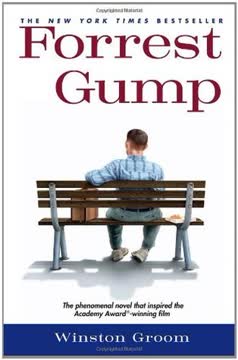
Forrest Gump by Winston Groom receives polarizing reviews. Many readers criticize the book for its crude humor, poor characterization, and stark differences from the beloved film. Critics note Forrest is portrayed as vulgar and unintelligent rather than endearing, with Jenny's storyline particularly disappointing. The book includes bizarre plot points like NASA missions and wrestling absent from the movie. However, some praise it as absurd satire with genuine humor and heart. Most agree the film adaptation significantly improved upon the source material, with several calling it a rare case where the movie surpasses the book.