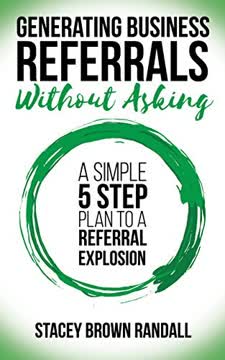
Key Takeaways
1. Referrals are the Holy Grail, but "Asking" is the Wrong Approach.
Because asking for a referral feels an awful lot like making a cold call.
The old advice. For decades, the conventional wisdom for generating referrals has been "just ask." This advice, however, often feels inauthentic, off-putting, and "salesy," leading to discomfort for both the asker and the asked. Most people cringe at the thought of asking for referrals because it feels like begging and puts undue pressure on the other person, who rarely has an immediate list of suitable prospects. This discomfort often leads business owners to conclude that a referral-based business isn't possible for them.
Why it fails. The core issue is that asking makes the referral about you and your needs, rather than about the person who needs help. People refer to help someone they care about who has a problem, and they trust you can solve it. Asking attempts to manufacture this natural process, forcing the referral source to actively search for a need that may not be top of mind, leading to vague responses or no follow-up. This approach often results in missed opportunities and can even damage relationships.
A better way. The author's philosophy, rooted in personal business failure and subsequent success, demonstrates that consistent, high-volume referrals are possible without asking. This method focuses on building genuine relationships and staying top of mind, ensuring that when a need arises, you are the natural, trusted solution. This approach allows you to grow your business authentically, spending more time in your "sweet spot" of serving clients rather than constantly "hustling."
2. Understand What a True Referral Is (and Isn't).
A referral is a connection made by a trusted friend, peer or colleague to connect one person who has a problem or a need to the person who can solve that problem or meet the need.
The power of trust. Referrals are the most powerful source of new clients because they come with a built-in transfer of trust. When a trusted source recommends you, the prospective client is already predisposed to believe in your ability to solve their problem, making them less price-sensitive, quicker to close, and easier to convert. This "transfer of trust" is the real currency in business, and it cannot be artificially created or bought.
Defining the difference. Many confuse referrals with other lead generation terms like warm leads, introductions, or word-of-mouth buzz. A true referral has two critical components that these other terms lack:
- Personal connection: The referral source actively connects you with the prospect (e.g., via email).
- Identified need: The referral source explicitly states that the prospect has a specific problem or need that you can solve.
- Warm Lead: Someone tells you a company might need your service, possibly giving you permission to use their name, but no direct connection or confirmed need.
- Introduction: You are connected, but without an identified need to work together (e.g., "you two should know each other").
- Word of Mouth Buzz: Someone talks about you positively to others, but doesn't make a direct connection for you to follow up.
Strategic responses. While warm leads are often unproductive, introductions and word-of-mouth buzz can sometimes be "flipped" into true referrals with strategic follow-up language. However, the focus should always be on cultivating genuine referrals where the trust transfer and identified need are explicit, ensuring you're meeting with someone who is truly ready and open to your solution.
3. Your Referral Source is the Hero, Not You.
The hero of the referral process is the referral source.
The true motivation. People refer others not to make your job easier or to help your business grow, but because they want to help someone they know who has a problem. This act of helping triggers a sense of pleasure and belonging in the referral source, driven by the hypothalamus in the brain. They feel good about themselves when they facilitate a positive outcome for their friend or colleague. This intrinsic motivation is why referrals cannot be manufactured or forced.
Trust is paramount. The referral source puts their own reputation on the line when they recommend you. They want to be right about their recommendation, which means they need to trust your competence and the quality of your service implicitly. If you deliver sub-par or even average work, or if your client experience is "choppy," they will be hesitant to refer you, as it reflects poorly on them.
Focus on them. Understanding that the referral source is the hero shifts the entire dynamic. Your efforts should be focused on showing gratitude, strengthening your relationship with them, and making it easy and rewarding for them to refer you. This means making your interactions "all about them," genuinely caring about their business and needs, and ensuring your service is consistently exceptional.
4. Why Asking and Paying for Referrals is Counterproductive.
When you ask for a referral you attempt to manufacture the referral, or artificially create part of the referral that must occur naturally.
The discomfort of the ask. When you directly ask for a referral, you force the other person to actively search their network for someone with a problem you can solve. This creates discomfort because they likely don't have an immediate answer, leading to vague promises or no follow-up. This "direct ask" often makes you seem self-absorbed and can damage your reputation, making people avoid you in the future.
Negative consequences. Repeatedly asking for referrals can lead to a perception that you always have your hand out. This can make you seem annoying or inconsiderate, undermining the very relationships that are essential for genuine referrals. The goal is to be top of mind naturally, so that when a need arises, your referral source spontaneously thinks of you, rather than being prompted by an uncomfortable request.
The problem with paying. Paying for referrals commoditizes the relationship and destroys the inherent trust. If a prospective client discovers they were referred to you because of a commission, it undermines your credibility and competence. They will question your motives and your ability to help them, as the referral becomes a transaction rather than a genuine act of assistance. While strategic alliances with disclosed commissions (like affiliate programs or real estate co-broking) are different, undisclosed payments for referrals are detrimental.
5. Beyond Asking: Embrace the 3 Platinum Principles.
My referral philosophy is: Referrals come from relationships. And relationships come from connections. And connections are built through ongoing touch points.
The core philosophy. The foundation of generating referrals without asking lies in a simple, yet powerful philosophy: referrals stem from strong relationships, which are built through consistent connections, maintained by ongoing, meaningful touch points. This means moving beyond mere "keeping in touch" to actively staying "top of mind" with your referral sources.
The 3 Platinum Principles™: These principles guide every decision in your referral generating plan, ensuring authenticity and impact:
- Must be all about them: Your outreach should focus on the needs and interests of your referral sources, not on promoting yourself. This could involve sharing valuable industry knowledge, inviting them to relevant events, or giving thoughtful, logo-free gifts that show you understand their world.
- Must be authentic to you: Your referral activities must align with your personality and values. Don't force yourself into activities that feel unnatural, as this will be perceived as inauthentic. Whether you're an introvert or an extrovert, find ways to connect that genuinely reflect who you are.
- Must keep you top of mind: A single touch point isn't enough. Your interactions need to be memorable and meaningful (minding your M&Ms) to ensure you're consistently remembered when a referral opportunity arises. This builds a habit in your referral sources to send prospects your way.
Building deeper connections. These principles encourage you to invest in knowing your referral sources, understanding what matters to them, and showing genuine gratitude. This approach fosters deeper relationships that naturally lead to ongoing referrals, without the need for manipulative tactics.
6. The 5-Step Plan to Generate Referrals Without Asking.
My goal for you is to eliminate as much activity from your prospecting plan as possible because you are experiencing consistent results with referrals.
A distinct strategy. Generating referrals requires its own dedicated plan, separate from your prospecting or marketing efforts. While prospecting aims for short-term client acquisition (e.g., networking, cold calls) and marketing builds brand credibility, a referral plan focuses on sustainable, long-term growth by cultivating existing and new referral sources. The ultimate goal is to reduce reliance on high-effort prospecting by making referrals your primary client-generating strategy.
The foundation of referability. Before diving into the plan, it's crucial to ensure you are "referral-worthy." This means consistently delivering exceptional work and providing a "WOW" client experience. If your service is sub-par or merely average, or if your interactions are "choppy" (inconsistent communication, slow issue resolution, disappearing after the sale), clients won't risk their reputation by referring you.
Overcoming roadblocks. Common reasons people don't receive referrals include:
- Making it about you: Being self-centered in interactions, expecting referrals as an entitlement.
- Not being referral-worthy: Delivering inconsistent or average client experiences.
- Lacking authenticity: Being fake or forcing interactions that don't align with your true self.
- No process for referral sources: Not having a system to nurture and appreciate those who refer you.
- Focusing on "in touch" vs. "top of mind": Superficial check-ins rather than memorable, meaningful engagement.
The five steps. The author outlines a simple, yet powerful 5-step plan to overcome these challenges and build a business sustained by referrals. This plan is designed to be manageable, enjoyable, and highly effective, transforming how you acquire new clients.
7. Step 1: Identify and Cultivate Your Referral Heroes.
You need to be crystal clear on who refers to you by knowing exactly who your referral sources are, as in knowing them by name.
Know your heroes. The first and most crucial step is to identify your existing referral sources—your "heroes." This involves a "client look back" exercise, reviewing your client list for the past 2-5 years (or longer if possible) to determine how each client initially heard about you. Don't forget to include prospects who were referred but didn't become clients, as they still represent a referral source's trust.
Data collection methods:
- CRM tool: Generate a report of clients and their sources. Ensure the "source" field was consistently completed.
- Pen and paper: Manually list clients and recall how they found you, checking old notes, emails, or calendars. This "walk down memory lane" is invaluable.
Uncovering insights. This exercise provides critical data:
- Who has actually referred you (often surprising).
- How many times they've referred you.
- The type of clients they refer (useful for refining your ideal client profile).
- Your close ratio by referral source.
This data helps you make smarter business decisions, identifying which client generation strategies are truly working.
Developing more heroes. If your list of referral sources is small or non-existent, focus on intentionally growing it. Ideal referral sources typically possess one or more of these traits:
- They need you as a resource for their clients: Complementary businesses (e.g., financial advisor needing a CPA).
- They are well-connected "natural connectors": People who genuinely enjoy introducing others.
- They are raving fan clients: Clients who had an exceptional experience and are eager to share it.
Cultivate these relationships by being intentional, especially with Centers of Influence (COIs), who are non-clients but interact with your ideal clients.
8. Step 2: Master the Immediate Thank-You Process.
By tracking you are guaranteed to never lose a referral; no referral left behind!
Track every referral. The second step is to implement a simple, consistent process for tracking every referral received. This ensures no referral is overlooked and provides valuable data for your plan. A basic Excel document with columns for:
- Date referral received
- Referral source's name
- Prospect's name
- (Optional) Outcome (became a client or not)
This tracker should be maintained by you or a delegated assistant, ensuring accuracy and completeness.
The power of the handwritten note. Immediately after receiving a referral, send a handwritten thank-you card. This personal touch is memorable and meaningful, rising above the digital noise. While branded cards are acceptable, the authenticity comes from your own handwriting. The card should include:
- A specific thank you for the referral, mentioning the prospect's name.
- An expression of gratitude for their support and trust.
- An offer to help them in return.
Aim to send the card within 1-2 days, and definitely within a week, to maximize impact and reinforce the positive behavior of referring.
Beyond the immediate. While the immediate thank-you is crucial, it's just one piece of the puzzle. This step lays the groundwork for a comprehensive referral plan, ensuring that your gratitude is consistently expressed and recorded. It's the first tangible action in nurturing your referral heroes and setting the stage for ongoing referrals.
9. Step 3: Build a Long-Term Plan with Memorable Touch Points.
Referrals only come from relationships. Relationships come from connecting. And connections are built through ongoing touch points.
Strategic planning. A successful referral generating plan is built in advance, typically on a 12-month cycle, allowing for proactive relationship nurturing and budget assessment. This plan outlines the "touch points"—the specific outreach activities—you will use to connect with your referral sources. The goal is to move beyond simply "keeping in touch" to consistently staying "top of mind" by being memorable and meaningful.
The 3 Platinum Principles™ in action: These principles guide the creation of impactful touch points:
- All about them: Design activities that benefit your referral sources. This could be sharing valuable insights, inviting them to educational or networking events, or giving thoughtful, non-branded gifts that show you understand their interests (e.g., a car wash gift card for a busy parent).
- Authentic to you: Ensure the touch points align with your personality and lifestyle. If you prefer not to socialize after hours, don't plan evening events. The activities should feel natural and enjoyable for you, making them sustainable and genuine.
- Keep you top of mind: Avoid one-off gestures. The plan should include a consistent series of diverse touch points—face-to-face meetings, mailed cards, thoughtful gifts, business introductions, hosted events—that create an ongoing, positive experience for your referral sources.
Creating experiences. Each touch point is an opportunity to create a memorable "moment" for your referral sources. This consistent, thoughtful engagement strengthens relationships, builds loyalty, and naturally encourages them to think of you when someone they know needs your services. This proactive approach ensures you're not just waiting for referrals, but actively cultivating an environment where they thrive.
10. Step 4: Plant Referral Seeds with Strategic Language.
A referral seed is language you use to “plant” the idea of referrals in the mind of your referral source or those you want to become a referral source.
The "secret sauce." While never asking for referrals, the system strategically uses "referral seeds"—specific language woven into conversations and communications—to subtly encourage referrals. These seeds plant the idea of referrals in the minds of your sources, making them more likely to think of you when opportunities arise. This language must be genuine, professional, and never manipulative.
Key moments for planting seeds:
- In thank-you cards: As discussed in Step 2, specifically mentioning the referred prospect's name reinforces the value of their action.
- When asked "How's business?": Instead of "busy" or "good," respond with: "Business is growing. I can't believe how many referrals I've recently received." This is a "pattern interrupt" that grabs attention and subtly communicates your value and appreciation for referrals.
- When a prospect is considering hiring you: Casually mention that a high percentage of your clients come through referrals, or how many of your most recent clients were referred. This establishes your reputation and the value of referrals early on.
- During the new client experience: In your first session, gently remind the new client who referred them to you, reinforcing the connection and the power of referrals.
- Turning warm leads/introductions/word-of-mouth into referrals: Use specific language to guide the referrer to make a direct connection with an identified need.
Building a habit. Consistent and authentic use of referral seeds, combined with your long-term relationship-building plan, helps to build a habit in your referral sources. They begin to associate you with referrals and are more likely to spontaneously connect you with others in need, without any direct prompting.
11. Step 5: Automate Your Plan and Measure Results.
If Step Three, creating the referral generating plan, is the what you do, then this step—Step Five is how you make it happen.
Execution is key. A well-crafted referral plan is only effective if it's consistently executed. Step Five focuses on scheduling your touch points and integrating them into your workflow, ensuring that relationship-building activities happen regularly. While some aspects, like writing personalized thank-you notes, require your direct involvement, the scheduling and tracking can be automated or delegated.
Leveraging tools wisely. Technology can support your plan, but it's not the solution itself.
- CRM: Use your CRM to schedule touch points, set reminders for follow-ups, and track interactions with referral sources.
- Calendar reminders: Block out time for writing notes, sending gifts, or making calls.
- Delegation: Empower an assistant to manage the referral tracker, prepare cards, or research gift ideas.
Remember, "easy" doesn't always mean "impactful." Automated cards or generic newsletters are not substitutes for genuine, personalized outreach.
Measure for continuous improvement. Tracking your referrals (as established in Step 2) is crucial for measuring the effectiveness of your plan. Regularly review your referral data to understand:
- Which referral sources are most active.
- The types of clients being referred.
- Your close ratio from different sources.
This data allows you to refine your plan, identify what's working, and adjust your strategies to maximize referral growth. The goal is sustainable, consistent referral generation that becomes the backbone of your business, freeing you from the constant grind of traditional prospecting.
Last updated:
Review Summary
Similar Books