


Plot Summary
Prologue
On a Tuesday, Chloe Brown nearly dies when a drunk driver misses her by a few feet and crashes into a café. The shock follows her home, where the sound of her grandmother’s heels and the kitchen clock triggers a collapse.
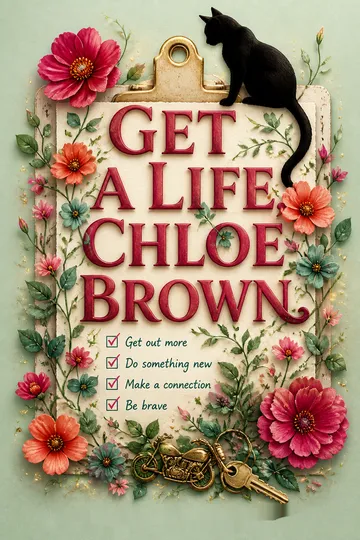
Lying on the floor, Chloe imagines how little her life would leave behind: routines, work, and no close friends. She decides to change that. Two months later, she has moved out of her family’s mansion and written a seven-item plan for becoming less cautious, including a night out, camping, travel, and sex.
The near collision makes Chloe’s fear concrete, but the deeper jolt comes from her imagined eulogy. She is not simply afraid of dying; she is alarmed that years of managing pain have narrowed her life to a set of routines. Her list turns that unease into something measurable, a form of control she can use to challenge control itself. The contradiction matters: Chloe begins by planning spontaneity. The story’s central question is already present in miniature, asking whether safety can protect a life that is not being fully lived.
The New Flat's Fault Lines
Chloe’s first weeks in her new flat are meant to prove she can live independently, but her exchanges with Redford Morgan, the tattooed superintendent, keep turning prickly. When they collide in the corridor, Red chokes while Chloe reacts with her usual defensive sharpness. Her sisters Dani and Eve tease her about being rude to him, though they both like him.
Across the courtyard, Chloe secretly watches Red paint at night, drawn to the vitality she sees in his movements. Red, meanwhile, is trying to rebuild his life after leaving London and retreating from the art world. Neither understands the other yet, but each has noticed what the other is trying to hide.
The early friction is less a battle of personalities than a collision between defensive strategies. Chloe uses precision and sarcasm to limit the risk of being misread; Red’s easy sociability makes him seem safer than he feels. Her hidden watching reverses their public roles: the woman who appears detached is intensely attentive, while the man who seems open keeps his art private. Their shared courtyard makes that contradiction visible. They are close enough to observe one another, yet neither has learned how to interpret what they see.
A Cat Above the Ground
During a walk, Chloe finds a frightened cat high in an oak and climbs after it, ignoring the fatigue and pain she knows the effort will bring. Red arrives as she struggles to descend and helps her down, carrying the cat in her jacket. Once home, he checks on her, makes tea, and accepts that she lives with chronic pain rather than a fresh injury.
Chloe names the cat Smudge and persuades Red to bend the building’s no-pets rule temporarily. In return for a free website consultation, she asks him to take her on his motorbike. The bargain gives her a partner for one item on her list and gives Red a practical reason to spend time with her.
The rescue is an act of care that neither character can dismiss as mere politeness. Chloe risks a flare-up for a frightened animal, showing that her caution does not erase her capacity for decisive compassion. Red responds by helping without treating her pain as proof of helplessness. Their bargain gives this care a structure both can tolerate: Chloe can accept help without feeling indebted, and Red can offer it without naming his interest. The exchange also introduces a pattern the romance will test: practical agreements are easier for them than unprotected emotional need.
A Ride for a Website
Red takes Chloe on the motorbike, and the speed frightens her until she trusts his control and begins to enjoy the ride. When they return, she hugs him before embarrassment sends her pulling away. She finally explains that her list is meant to rebuild the life she lost to illness, and asks Red to help with drinking and camping as well.
In exchange, she will create his website. Red agrees, though the modest goals make him curious about what forced Chloe to divide her life into before and after. He also begins to see that her sharpness hides humor and courage. For Chloe, the ride proves that fear can coexist with pleasure; for Red, her excitement feels like a reason to start moving again.
The motorbike makes risk bodily rather than theoretical. Chloe cannot manage it by planning every variable; she must rely on Red’s attention and tolerate uncertainty while remaining an active participant. Her exhilaration does not cure her illness or make her fearless. It gives her evidence that fear need not dictate the outcome. Red, who has treated his own stalled career as a private problem, finds himself encouraged by her willingness to try. Their bargain becomes more than a trade, but its transactional form still protects them from admitting how much they want the other to choose them freely.
The Canvas Between Them
When Chloe comes to discuss Red’s website, he shows her a vivid painting he has kept from public view. Her genuine admiration reaches him more deeply than he expects, and she admits she has researched his work online. Their teasing gives way to something more serious when Red asks why Chloe began her list.
She explains that pneumonia preceded years of pain, fatigue, and medical dismissal; friends drifted away, and her fiancé Henry did not believe her. She now manages fibromyalgia with treatment, but remains afraid of overexertion and abandonment. Red recognizes the loneliness beneath her routines. Their attraction surfaces in a near-kiss, but Chloe stops him before it can deepen, wary that sex with him would not stay emotionally simple.
The scene joins two forms of disbelief. Chloe has had to defend the reality of an illness that cannot be easily seen; Red has learned to doubt the value of art that cannot secure his place in the world. Her response to his painting offers recognition without expertise or institutional approval. His attention to her story offers belief without demanding medical proof. Yet intimacy remains frightening precisely because it feels meaningful. Chloe’s refusal is not a rejection of desire but an attempt to contain its consequences, a distinction Red will need to understand.
The Night Changes Course
Red takes Chloe to a nightclub for her planned night of drinking and dancing. The music and crowd leave her feeling isolated rather than exhilarated, so she asks him to take her somewhere he actually enjoys.
He brings her to an art gallery, where she sees his old friend Joanna’s work and meets Julian Bishop, the gallery owner who once encouraged Red. Their conversation turns to class and race: Chloe explains that she has learned to filter everyday slights rather than carry every hurt at once, and Red admits he has projected his own class resentment onto her.
They apologize and laugh together. The detour teaches Chloe that the list’s written task may not capture what she truly wants, while Red begins to imagine returning to the art community he abandoned.
Chloe’s failed night out exposes a flaw in treating experience as a checklist: the club supplies alcohol and noise, but not the belonging she remembers from time with friends. Her decision to change plans is itself progress. At the gallery, both characters revise their assumptions. Chloe gives Red a language for how she navigates overlapping forms of marginalization; Red recognizes that his class history has shaped his judgment of her. They do not erase those differences, but they make room for explanation, an intimacy built through correction rather than perfect understanding.
The Secret at the Window
After leaving the gallery, Chloe admits that she has watched Red paint through her window because his absorbed work made her feel more alive. Red reveals he already knew, and accepts her apology. Their closeness turns physical on a monument in the city, but they stop short of sex. Aunt Mary then appears and asks about Red.
Panicked, Chloe describes him as nobody, then tries to disguise their connection with a joke about his services. Red hears her words as proof that she considers him disposable and leaves angry. Chloe recognizes too late that she has hurt him while trying to protect herself from family scrutiny. The moment exposes the danger in their arrangement: desire has grown beyond the safe boundaries of their original bargain.
Chloe’s confession transforms surveillance into an awkward but honest expression of longing: she was drawn not simply to Red’s body, but to his visible engagement with his work. The interruption by Aunt Mary activates a different fear, the fear that intimacy will become public and therefore harder to control. Chloe’s attempt to minimize Red protects her from questions, but repeats the very injury she fears: treating closeness as something that can be disowned. Red’s anger is sharpened by his history, while Chloe’s panic turns a moment of connection into a test neither knows how to pass.
A Door Opens Again
After beginning therapy, Red returns to Chloe’s flat still hurt but willing to explain that he needs time to be angry. Chloe is ill and exhausted, and he carries her to the sofa rather than leaving when she falters. She apologizes for panicking after their encounter and admits that she misread what he wanted; Red tells her his feelings are mutual, but does not pressure her to continue physically.
He stays, cooks her a meal, and treats her medication and pain as ordinary parts of her life. When she tells him that Smudge has been returned to his owner, he comforts her. He also encourages Chloe to contact Annie, the cat’s eccentric owner, and helps Red take the first step toward an Instagram account for his art.
This reconciliation changes the terms of care. Red does not use Chloe’s vulnerability to demand reassurance or access; he offers company, food, and practical help, then leaves room for her to recover. Chloe, in turn, apologizes without pretending that her fear has vanished. The cat’s return gives her a small but real grief, and Red treats it as worthy of comfort rather than a trivial attachment. Their emerging trust is enacted through ordinary accommodations. Care here is not rescue as spectacle; it is the sustained willingness to make another person’s actual needs part of the day.
A List Learns to Bend
With Red’s encouragement, Chloe revises her list. She replaces the failed club-night goal with a promise to call Annie and make a friend, and replaces meaningless sex with a wish to keep Red in her life. She meets Annie for tea, discovers that she designs lingerie and cares for a houseful of cats, and finds that the conversation comes more easily than expected.
Meanwhile, Red attends therapy, agrees to leave his superintendent job, and begins preparing to sell his paintings independently. His website gives that plan a practical shape. The two are no longer merely completing tasks for one another: Chloe is choosing connection, and Red is making a future that does not depend on staying hidden in a safe job.
The revised list marks a shift from performing adventurousness to identifying what Chloe actually values. The nightclub was a proxy for belonging; Annie offers the possibility of friendship without requiring Chloe to recreate an old social life. Adding Red is more emotionally dangerous than any listed activity because it acknowledges attachment rather than mastery. Red’s therapy and resignation parallel her revision: both begin to act from present desire instead of old fear. Their growth is not a clean escape from vulnerability. It is the decision to make plans that admit other people, uncertainty, and change.
Fairy Lights in the Woods
Red and Chloe drive to a campsite, losing their way before reaching a clearing near the woods. He has chosen a spot close to the car in case Chloe’s pain worsens, and he brings a comfortable mattress, a portable fire, and marshmallows. Their teasing settles into a game of questions. Red tells her about Leo, his grandfather, who took him outdoors and first helped him imagine art as a livelihood.
The memory explains Red’s ease in the woods and his attachment to the silver rings he wears. Chloe listens without trying to turn the story into a solution. By making the trip both accessible and playful, Red gives her the challenge she wanted without asking her to ignore her body’s limits.
The campsite is a carefully negotiated middle ground between challenge and accommodation. Red does not treat accessibility as an obstacle to adventure; he builds it into the plan, allowing Chloe to participate without having to justify every need. The fire and the question game create time for stories that neither character has forced before. Leo’s memory connects Red’s artistic ambition to a specific act of care, while Chloe’s listening signals that she can receive his history without reducing him to the cheerful helper. The setting makes room for vulnerability by making practical safety visible.
The Past Comes Into View
When Chloe asks what happened to Red’s career in London, he tells her that Pippa, his wealthy former partner, controlled and belittled him, once stabbing him with a fork when he tried to visit his mother. After they separated, Pippa insisted that his success belonged to her influence. Red believed her, withdrew his paintings and online presence, and cut ties with Julian and other art-world friends.
Chloe rejects his conclusion that these choices make him a failure; she recognizes them as reactions to abuse and tells him his talent remains his own. Red accepts her support and the two have sex in the tent. For the first time, their physical intimacy carries no pretense of being meaningless, and Red realizes he loves her.
Red’s account reveals how abuse can work through both overt violence and the quieter capture of a person’s self-understanding. Pippa’s claim to have made his career succeeds because it attaches itself to Red’s existing doubt about whether he deserved recognition. Chloe does not replace that doubt with empty praise; she names the difference between being harmed and being inherently defective. Her response lets him begin to reclaim authorship of his work and his choices. Their sex follows emotional recognition rather than serving as proof of it, changing the meaning of the intimacy they had previously tried to keep casual.
A Name on the Wrong List
Back at the flats, Red overhears Chloe’s sisters discussing the list and learns that she has crossed off meaningless sex and added his name. Because he has not heard Chloe’s reasons, the discovery revives Pippa’s old accusations that people value him only as a useful object. He confronts Chloe, who tells him he is important, but panic makes him hear manipulation instead of reassurance.
Red leaves. In the corridor, he recognizes that he has confused Chloe with Pippa and apologizes through the closed door. Chloe accepts that his reaction came from old wounds, but says the departure has made the relationship feel unsafe. She ends it, and Red leaves after telling her he loves her, determined to show that he can be trusted.
The rupture is caused by a real ambiguity filtered through an old injury. Chloe’s list is a tool for imagining a fuller life, but Red hears its language of tasks and completion through Pippa’s contempt for his agency. His reaction is not justified by the misunderstanding, yet the narrative makes its mechanism legible: panic narrows interpretation until present evidence resembles past danger. Chloe’s decision to end things also follows her own survival logic. She understands his wound but cannot make trust safe by ignoring the injury he has just caused.
Gifts Across the Courtyard
Chloe finishes Red’s website and sends him the instructions, then tries to close off the relationship. Red’s notice on the building board confirms that he is leaving his superintendent job. He begins sending gifts: her preferred chocolate and tea, a jar designed for her limited hand strength, a stuffed cat, a New York guide, and small reminders of their camping trip.
The gold notebook remains unopened until Chloe asks her grandmother Gigi whether love can be worth the danger. Gigi’s answer helps Chloe see that seeking love is itself evidence of courage. At last Chloe reads Red’s letter and his list for winning her trust, which includes therapy, practical care, and continued love. She opens her curtains and lets him see her.
The gifts work because they are specific rather than grand: the jar accommodates Chloe’s hands, the guide anticipates her travel ambitions, and the cat acknowledges a small grief. Red’s effort does not erase his departure or guarantee forgiveness; it makes care observable while leaving Chloe free to respond. Gigi’s counsel does not promise that love will be painless. Instead, it distinguishes danger from meaning and helps Chloe recognize that protecting herself need not mean refusing every attachment. Opening the curtains reverses her earlier hidden watching. She chooses to be seen, not to observe from safety.
Curtains Open, Doors Reopen
Red sees Chloe open her curtains and then answer his knock. She gives him her original list, including the new entry about keeping him, and asks him to read it. Having read his letter, she knows he plans to leave the job but not her. They kiss, then sit down to discuss what went wrong. Red apologizes for turning his fear into an accusation; Chloe apologizes for minimizing him in front of Aunt Mary.
They agree to face future misunderstandings together rather than letting either person’s panic decide the outcome. Red tells Chloe he loves her, and this time she answers in kind. They also discuss his return to art and her support for the website and social media, making their future a shared practice rather than a promise alone.
The reunion resolves the book’s central conflict through reciprocal accountability, not a declaration that love makes harm irrelevant. Red names his projection and Chloe names her defensive dismissal; each accepts responsibility for a different failure. Their lists, once private systems of control, become evidence that both have changed their plans to include the other. The curtains and the doorway give this choice physical form: Chloe moves from concealment to contact, while Red returns without assuming he is entitled to entry. Their commitment rests on the willingness to keep communicating after fear has distorted what they see.
Epilogue
One year later, Chloe and Red are in New York, about to visit the Museum of Modern Art, a place Red had long wanted to see. Their travels have also taken them to Kenya, Belgium, and Cuba, and they plan to keep going.
During a video call, Chloe’s family crowds the screen, while Gigi holds Smudge, now back in Chloe and Red’s pet-friendly home after Annie gives him to them. Red checks that Chloe is well before they enter the museum. She teases him for worrying, then takes his hand and goes inside with him.
The epilogue answers Chloe’s opening fear of having too little life behind her without pretending that illness has disappeared. She travels, but still monitors her energy and uses medication when a demanding day calls for it. Red’s attention to her limits remains part of their shared life, not a sign that she has failed at independence. The museum also completes his artistic return on his own terms: he enters the place he once postponed visiting, with a partner rather than a patron defining his worth. The family call and Smudge bring that expansive future back to ordinary affection.
Analysis
Get a Life, Chloe Brown treats self-improvement less as a triumphant makeover than as the painstaking re-entry into a life that illness and disappointment have narrowed. Chloe’s list initially turns experience into a manageable sequence, but the nightclub episode shows the danger of confusing an activity with the need beneath it. She does not need to complete a generic night out; she needs companionship and a sense of belonging. Revising the list becomes a form of self-knowledge, not failure.
The romance works through practical care as much as attraction. Red accommodates Chloe’s pain without making her body a problem to solve, while Chloe recognizes the damage behind his cheerful competence and encourages him to reclaim his art. Their generosity is not automatically healthy: Red’s reflex to help can conceal his own needs, and Chloe’s reliance on bargains can protect her from admitting attachment. The story allows these strategies to create genuine harm, particularly when Red’s past with Pippa distorts his reading of Chloe’s list and Chloe’s fear makes her minimize him in front of her aunt.
Their reconciliation depends on accountability rather than the claim that love excuses injury. Red must recognize when past abuse has taken control of his interpretation; Chloe must recognize that self-protection can become a way of abandoning a relationship before it can disappoint her. Neither is asked to stop being cautious or to pretend pain is gone. Instead, they learn to make care specific: accessible plans, honest apologies, therapy, practical gifts, and renewed creative work. The ending answers Chloe’s imagined eulogy not by making her fearless, but by showing her building a life with travel, art, family, friendship, and a partner who checks what she needs before moving forward.
Review Summary
Get a Life, Chloe Brown received mostly positive reviews, with praise for its diverse representation, humor, and steamy romance. Readers appreciated the authentic portrayal of chronic illness and the well-developed characters of Chloe and Red. Many found the book heartwarming and relatable, with witty banter and emotional depth. Some critics felt the sexual content was too explicit or jarring, while others loved the chemistry between the leads. Overall, the book was lauded for its inclusivity, character growth, and balanced approach to serious topics within a rom-com framework.
People Also Read










Characters
Chloe Brown
The meticulous adventurerChloe is a Black British web designer who lives with fibromyalgia, chronic pain, fatigue, and migraines. Her sharp humor and elaborate lists help her manage a body and a world that have often felt unpredictable. She values independence, accuracy, and control, partly because illness disrupted her plans and made other people’s reliability uncertain. Beneath her prickliness is a keen observer, a devoted sister, and someone capable of startling acts of compassion, such as climbing a tree for a frightened cat. Chloe wants a life that feels larger than symptom management, but she must learn that bravery is not the same as ignoring her limits or refusing help.
Redford Morgan
The tattooed artistRed is the warm, tattooed superintendent of Chloe’s building and a gifted painter whose easy humor conceals a bruised confidence. He is generous almost by reflex, whether repairing a tenant’s plumbing or feeding someone who has not eaten, but has difficulty extending the same care to himself. His working-class background and time in London shape his assumptions about wealth and the art world. Red is wary of being valued only for what he can provide, even as he longs to make and share his work. His loyalty to his mother, his attachment to his grandfather’s rings, and his instinct to help reveal a man trying to distinguish kindness from self-erasure.
Danika Brown
The incisive middle sisterDani is Chloe’s scholarly middle sister, a PhD student with a shaved head, a spiritual streak, and a sharp eye for the truths her family would rather dodge. Her teasing can be pointed, but it is grounded in affection and a strong belief that Chloe deserves more than a carefully managed existence. Dani sees through her sister’s excuses while respecting her intelligence and autonomy. Her humor often exposes the gap between Chloe’s claims of indifference and her actual feelings.
Eve Brown
The bright youngest sisterEve is Chloe’s youngest sister, an energetic musician and baker whose colorful clothes match her impulse to pull people into shared fun. She pushes Chloe toward karaoke and other social experiences, sometimes before recognizing how much pain or fatigue they may cost. Her enthusiasm is not simple cheerfulness: she pays attention to Chloe’s health and checks whether her sister is genuinely well. Eve’s warmth gives the Brown family a lively counterweight to Chloe’s retreat into schedules.
Gigi
The glamorous grandmotherGigi is Chloe’s grandmother, a beautiful former ragtime legend who treats therapy as useful and life as something to be lived boldly. Her theatrical style and irreverent humor make her seem unpredictable, but she is perceptive about her granddaughters’ emotional evasions. Gigi neither dismisses Chloe’s caution nor mistakes safety for happiness. She offers perspective drawn from a complicated romantic history, encouraging Chloe to examine what she wants rather than merely defend herself from pain.
Annie Amande
The eccentric new friendAnnie is an exuberant lingerie designer whose large coat, glittery business card, wandering attention, and unusual household arrangements make a strong first impression. She is direct without intending cruelty, and her invitation to meet gives Chloe a low-pressure opening into a new friendship. Annie’s care for animals and her unconventional approach to work make her an appealing contrast to Chloe’s orderly habits. She treats conversation as something that can begin without elaborate preparation.
Vik Anand
Red's steadfast friendVik is Red’s best friend and the landlord who gives him a superintendent job when Red needs a stable place to land. A successful property owner with a teasing manner, Vik combines practical loyalty with a willingness to challenge Red’s evasions. His support gives Red time and safety, but it does not require Red to remain dependent forever. Vik represents friendship that can offer shelter while still expecting a person to move forward.
Kirsty Morgan
Red's fiercely loving motherKirsty is Red’s mother, a sharp-tongued, independent woman whose son visits and helps her regularly. She is proud of Red but worries when he stops pursuing his paintings, pushing him to take his talent seriously. Her bluntness can sound like nagging, yet it comes from knowing his history and wanting him to live beyond a temporary refuge. Red’s tattoo honoring her reflects the depth of their bond.
Julian Bishop
The art-world allyJulian owns the gallery where Red once found encouragement and access to the art world. Confident, sociable, and genuinely fond of Red, he remembers their history without pretending the distance between them never happened. His presence reconnects Red with a professional community he has avoided, while his gallery represents one possible route for artists to show their work.
Pippa Aimes-Baxter
Red's polished former partnerPippa is Red’s wealthy former partner, a poised woman with connections to the London art scene. Her social confidence and access to influential circles once seemed to offer Red a way into a world that had kept him at its edges. The relationship leaves him alert to status, praise, and the possibility that another person may claim ownership of his achievements. Her influence remains part of the history he must sort through.
Henry
Chloe's former fiancéHenry is Chloe’s former fiancé, part of the life she had before chronic illness reshaped her plans. The relationship informs her fear that a partner may not understand what her body requires. His memory helps explain why she values emotional caution and struggles to trust that attraction can coexist with dependable care.
Joy Brown
Chloe's protective motherJoy is Chloe’s mother, a successful lawyer who knows her daughter’s symptoms and responds to them with anxious protectiveness. She is loving and attentive, though her worry can feel overwhelming to Chloe, who wants help without being treated as fragile. Joy’s concern reflects the family’s close involvement in Chloe’s health and the difficulty of balancing care with independence.
Martin Brown
Chloe's steady fatherMartin is Chloe’s practical, affectionate father, a financial analyst whose steadiness contrasts with the more theatrical members of the Brown family. He supports his daughters in quiet, thoughtful ways and remains part of the close family network Chloe both cherishes and sometimes needs distance from.
Mary
The outspoken auntMary is Joy’s twin sister and Chloe’s aunt, a successful lawyer with bold clothes, a loud presence, and an instinct to take an interest in Chloe’s personal life. Her affectionate curiosity can overwhelm Chloe, especially when privacy matters. Mary’s arrival brings family attention into a moment Chloe would rather keep contained.
Leo
Red's outdoors-loving grandfatherLeo is Red’s grandfather, who took him on occasional outdoor trips and helped him see that art could be a livelihood. His care gave Red early encouragement and a lasting connection to nature. The rings Red wears keep Leo’s memory close without turning grief into a public display.
Plot Devices
The Get a Life list
A plan for becoming braverAfter a near-fatal accident, Chloe writes down experiences she believes she has missed, including a motorbike ride, camping, a night out, travel, and sex. The list gives her small, concrete challenges when illness and fear make the future feel difficult to plan. Its limits become clear when the nightclub fails to give her the belonging she wanted. Chloe revises her goals to reflect genuine desire, including friendship and a future with Red. The list thus changes from a private scorecard into a record of changing priorities.
The reciprocal bargain
Care made safe by exchangeChloe offers Red a free artist website in return for his help completing activities on her list. The exchange creates a reason for two wary people to spend time together without naming attraction or emotional dependence. Its practical terms also expose what each wants: Chloe accepts support more readily when she can repay it, while Red is accustomed to helping others but hesitant to seek help for his own career. As trust grows, the bargain becomes less important than the care it first made possible.
The windows and paintings
Private lives made visibleThe windows facing across the courtyard allow Chloe to watch Red paint, an intimate glimpse of the creative energy he has hidden from the art world. Her attention begins as a guilty act of curiosity, then becomes a way of recognizing what he values. The paintings also give Red a route back toward making work publicly, first through Chloe’s website and later through his own plans. The window motif makes observation a fragile substitute for connection, until Chloe chooses to stop hiding behind her curtains and meet Red directly.
Chloe's chronic illness
Limits requiring real accommodationFibromyalgia shapes Chloe’s energy, pain, mobility, sleep, and ability to carry out ordinary tasks. The story treats these effects as changeable rather than as a test of willpower: a tree climb brings a flare, a long day requires rest, and a camping trip works because Red plans around access to the car. Medication and assistive devices remain part of her life even as she takes risks. This ongoing reality prevents her growth from being framed as a cure or as the simple triumph of determination over the body.
The paired notebooks
Plans become declarationsChloe’s glittering notebook holds a life plan she can revise, while Red’s gold notebook contains his attempt to earn her trust after their breakup. Both characters use writing to organize feelings they struggle to say aloud. Their lists begin as private structures, but eventually make their intentions legible to one another. The notebooks do not solve the conflict by themselves; they give each person a concrete way to acknowledge changed priorities and follow through on them.
FAQ
Synopsis & Basic Details
What is Get a Life, Chloe Brown about?
- A Chronic Illness Journey: Get a Life, Chloe Brown follows Chloe, a chronically ill web designer, who, after a near-fatal accident, creates a "Get a Life" list to push herself out of her comfort zone and embrace new experiences. This list is her roadmap to living a fuller, less predictable life.
- Unexpected Romantic Partnership: Her quest leads her to Redford "Red" Morgan, her building's superintendent, a tattooed artist with a gruff exterior and a kind heart. They strike a deal: he helps her complete her daring list items, and she designs a website for his art.
- Growth Through Vulnerability: The story explores their evolving relationship as they navigate misunderstandings, confront past traumas, and learn to be vulnerable with each other. It's a journey of self-discovery, healing, and finding love in unexpected places, challenging preconceived notions of what it means to "get a life."
Why should I read Get a Life, Chloe Brown?
- Authentic Chronic Illness Representation: The novel offers a nuanced and empathetic portrayal of living with fibromyalgia and chronic pain, showcasing Chloe's daily struggles and triumphs without reducing her to her illness. It highlights the invisible nature of chronic conditions and the emotional toll they take.
- Deep Emotional Resonance: Beyond the charming romance, the book delves into themes of self-worth, overcoming past trauma, and the courage it takes to open up to love. Both Chloe and Red have significant emotional baggage, making their journey to connection deeply moving and relatable.
- Witty Banter and Steamy Chemistry: Talia Hibbert masterfully crafts a dynamic relationship built on sharp wit, hilarious banter, and undeniable sexual tension. The dialogue is engaging, and the chemistry between Chloe and Red is palpable, making their romantic progression incredibly satisfying.
What is the background of Get a Life, Chloe Brown?
- Contemporary British Setting: The story is set in a cheerfully middle-class block of flats in South Nottinghamshire, England, providing a grounded and relatable backdrop for Chloe and Red's everyday lives. This setting contrasts with Chloe's wealthy family background and Red's artistic aspirations.
- Author's Personal Connection: Talia Hibbert, a Black British author, imbues the narrative with authenticity, particularly in its depiction of chronic illness and diverse characters. Her author's note explicitly mentions the story touching on healing after an abusive relationship, adding a layer of personal depth to Red's backstory.
- Exploration of Class Dynamics: The novel subtly explores class differences through Chloe's privileged upbringing and Red's working-class background. Their initial friction is partly rooted in these societal perceptions, which they gradually overcome as they learn to see beyond superficial judgments.
What are the most memorable quotes in Get a Life, Chloe Brown?
- "If I had died today, what would my eulogy say?": This pivotal question, posed by Chloe in the prologue after her near-death experience, encapsulates her existential crisis and directly motivates her entire "Get a Life" list. It's the catalyst for her transformation, highlighting her desire for a life worth remembering.
- "You are a woman who, in a life filled with pain, came here to ask about love.": Gigi's profound insight to Chloe in Chapter 22 reframes Chloe's entire journey. It shifts her perspective from being defined by her pain and fear to recognizing her inherent bravery and capacity for love, marking a crucial turning point in her self-realization.
- "You're the one who makes me better. You're the bravest person I know.": Red's heartfelt declaration to Chloe in Chapter 23, after their reconciliation, powerfully affirms her strength and impact on his life. It underscores the mutual healing and growth they inspire in each other, emphasizing that bravery isn't the absence of fear, but the choice to act despite it.
What writing style, narrative choices, and literary techniques does Talia Hibbert use?
- First-Person Dual POV: The novel alternates between Chloe's and Red's first-person perspectives, offering intimate access to their thoughts, feelings, and internal struggles. This dual POV allows readers to understand their individual motivations and the nuances of their evolving relationship, fostering deep empathy for both characters.
- Witty and Sarcastic Dialogue: Hibbert employs sharp, often sarcastic, dialogue that serves as both a defense mechanism for Chloe and a source of humor and connection between the protagonists. This banter not only entertains but also reveals character, showing their intelligence and underlying affection.
- Sensory and Emotional Detail: The author excels at immersing the reader in the characters' sensory and emotional experiences. From Chloe's descriptions of chronic pain ("joints scrape together inside me like knives") to Red's artistic perceptions of light and color, the narrative is rich with vivid details that make their internal worlds tangible and relatable.
Hidden Details & Subtle Connections
What are some minor details that add significant meaning?
- Chloe's "Button" Nickname: Red's affectionate nickname "Button" (Chapter 8) initially seems to refer to her old-fashioned, buttoned clothing, but subtly connects to her internal state. Buttons are often used for fastening or securing, reflecting Chloe's desire for control and safety, and her gradual "unbuttoning" as she becomes more vulnerable and open with Red.
- Red's Granddad's Rings: The silver rings Red wears, inherited from his granddad Leo (Chapter 13), are a subtle but powerful symbol of his connection to his past and his family values. They represent a grounding influence and a legacy of kindness, contrasting with the superficiality of his relationship with Pippa and highlighting the genuine warmth he brings to Chloe's life.
- The "Madame Chair" Joke: The recurring joke about the "famous" pink garden chair (Chapter 13) in Julian Bishop's gallery, which Chloe likens to her grandmother Gigi, subtly foreshadows Gigi's own colorful and unconventional past. It hints at the hidden depths and rebellious spirit within Chloe's family, which Chloe herself is slowly embracing.
What are some subtle foreshadowing and callbacks?
- Chloe's "Do Something Bad" List Item: Early in the book (Chapter 1), Chloe checks off "Do something bad" by secretly watching Red paint. This seemingly minor transgression foreshadows her later, more significant emotional risks and her eventual confession to Red, highlighting her internal conflict between her desire for control and her yearning for genuine connection.
- Red's Mother's Warnings about Pippa: Red's mother's early, dismissive comments about his ex-girlfriend Pippa (Chapter 2) subtly foreshadow the abusive nature of that relationship. This callback later provides crucial context for Red's deep-seated trust issues and his panicked reaction to Chloe's "list," explaining his fear of being used.
- The Shared Experience of "Before and After": Red's observation that Chloe thinks of her life in "two halves—before and after" (Chapter 9) is a subtle callback to his own similar experience after his abusive relationship. This shared understanding of a life-altering trauma creates an unspoken bond between them, allowing for deeper empathy and connection as their relationship develops.
What are some unexpected character connections?
- Chloe's Sisters and Red's Artistic Sensibilities: While Chloe initially views Red as her opposite, her sisters, Dani and Eve, immediately warm to him (Chapter 1). Eve's "frantic energy" and Dani's "floaty, black outfits" are noted by Red, suggesting an unexpected artistic appreciation for their unique styles, hinting at a deeper connection to Chloe's family than initially perceived.
- Gigi's Unconventional Love Life and Chloe's Fears: Gigi's casual mention of her multiple marriages and her "scoundrel of a man who impregnated and abandoned me" (Chapter 22) creates an unexpected parallel with Chloe's own fears of abandonment and her past with Henry. This connection shows that Chloe's anxieties, while deeply personal, echo patterns within her family's history, offering a broader context for her emotional struggles.
- Red's Granddad Leo and Chloe's Need for Nature: Red's fond memories of his granddad Leo taking him camping to "clean you out" (Chapter 18) reveal an unexpected connection to Chloe's own "Get a Life" list, which includes camping. This shared appreciation for nature, instilled by a beloved family member, subtly links their personal histories and provides a foundation for their shared adventures.
Who are the most significant supporting characters?
- Gigi (Chloe's Grandmother): Gigi is arguably the most significant supporting character, serving as Chloe's wise, unconventional confidante. Her "painfully beautiful ragtime legend" persona and blunt advice ("Love is certainly never safe, but it's absolutely worth it" - Chapter 22) are crucial for Chloe's emotional breakthroughs, particularly in confronting her fears about love and vulnerability.
- Dani and Eve Brown (Chloe's Sisters): Chloe's younger sisters act as a collective force of chaotic love and unwavering support. Their playful teasing, particularly about Red and Chloe's list, often pushes Chloe out of her comfort zone, while their genuine concern for her well-being ("You're not having a spell, are you?" - Chapter 1) underscores the deep familial bond that grounds Chloe.
- Vik Anand (Red's Best Friend and Landlord): Vik plays a vital role as Red's loyal best friend and employer, offering him a safe haven and a job after his traumatic breakup with Pippa. His unwavering support and occasional blunt advice ("There's no shame in having a type, mate" - Chapter 4) are instrumental in Red's healing process and his eventual decision to pursue his art and Chloe.
Psychological, Emotional, & Relational Analysis
What are some unspoken motivations of the characters?
- Chloe's Fear of Being a Burden: Beneath Chloe's desire for independence and her "Get a Life" list lies an unspoken motivation: a deep-seated fear of being a burden due to her chronic illness. Her insistence on self-sufficiency and her reluctance to accept help (Chapter 16) stem from past experiences where friends and a fiancé abandoned her, making her believe her illness made her "too much work" (Chapter 5).
- Red's Need for Redemption and Self-Worth: Red's initial gruffness and reluctance to re-engage with the art world are driven by an unspoken need for redemption and to rebuild his self-worth after Pippa's abuse. He fears that his success was not his own, and his desire to help Chloe is partly motivated by a need to prove his inherent goodness and capability, independent of external validation (Chapter 19).
- Chloe's Subconscious Desire for a "Normal" Life: While Chloe explicitly states her list is about "building life experience" (Chapter 8), an unspoken motivation is her yearning for a "normal" life, one unconstrained by her illness. Her choice of seemingly mundane activities like camping and a drunken night out reflects a desire to reclaim experiences she missed, rather than just seeking thrills.
What psychological complexities do the characters exhibit?
- Chloe's Defensive Sarcasm and Control: Chloe exhibits a complex interplay of vulnerability and defense mechanisms. Her sharp wit and sarcasm (Chapter 1) serve as a shield, pushing people away before they can get close enough to hurt her. Her meticulous planning and reliance on lists are a psychological coping mechanism to manage the unpredictability of her chronic illness and her fear of losing control.
- Red's Trauma-Induced Self-Sabotage: Red's psychological complexity is rooted in his past abusive relationship, leading to self-sabotage and a profound fear of vulnerability. His withdrawal from the art world and his initial reluctance to trust Chloe (Chapter 20) are manifestations of this trauma, where he internalizes Pippa's criticisms and fears repeating past mistakes.
- The Paradox of Chloe's Bravery: Chloe's journey reveals a psychological paradox: she is incredibly brave in facing her physical challenges and pushing her boundaries, yet deeply fearful of emotional intimacy. Her "Get a Life" list is an act of immense courage, but her hesitation to fully embrace love (Chapter 21) highlights the distinct psychological hurdles of physical versus emotional risk-taking.
What are the major emotional turning points?
- Chloe's Realization of Disappointment on the Night Out: The night out (Chapter 12), intended to be a list-ticking success, becomes a major emotional turning point when Chloe realizes her disappointment isn't with the activity itself, but with the absence of genuine connection. This prompts her to redefine her list, shifting from external achievements to internal desires like friendship and love, marking a profound shift in her emotional priorities.
- Red's Confession of Abuse and Chloe's Anger: Red's raw confession about Pippa's abuse (Chapter 19), particularly the detail about being stabbed with a fork, is a critical emotional turning point. Chloe's visceral anger ("What the fuck?") and immediate empathy ("It most certainly is not!") break through her usual emotional guardedness, solidifying her trust and deepening her love for him, as she sees his vulnerability.
- Chloe's Conversation with Gigi about Love and Risk: Chloe's visit to Gigi (Chapter 22) serves as a powerful emotional turning point. Gigi's wisdom ("Love is certainly never safe, but it's absolutely worth it") helps Chloe reframe her fear of hurt as a necessary part of love. This conversation empowers Chloe to embrace the emotional risk of loving Red, leading to her decision to open his letter and pursue their relationship.
How do relationship dynamics evolve?
- From Transactional to Intimate Partnership: The relationship between Chloe and Red evolves from a purely transactional agreement (web design for list help) to a deeply intimate partnership. Their initial interactions are marked by playful antagonism and mutual judgment, but as they share vulnerabilities and support each other through personal challenges, their bond transforms into one of profound trust and love.
- Challenging Preconceived Notions: Both Chloe and Red initially hold preconceived notions about each other based on class and appearance. Chloe sees Red as a "rough, scary monster" (Chapter 1), while Red views Chloe as an "uptight princess" (Chapter 1). Their evolving dynamic involves actively challenging and dismantling these stereotypes, learning to see the authentic person beneath the surface.
- Mutual Healing and Growth: Their relationship becomes a catalyst for mutual healing and growth. Red's unwavering kindness and belief in Chloe's strength help her overcome her fears of abandonment and embrace intimacy. Conversely, Chloe's directness and acceptance of Red's past trauma empower him to confront his self-doubt and reclaim his artistic identity, demonstrating a reciprocal dynamic of support and transformation.
Interpretation & Debate
Which parts of the story remain ambiguous or open-ended?
- The Full Extent of Chloe's Chronic Pain Management: While Chloe's fibromyalgia is central to her character, the precise, day-to-day details of her pain management and its long-term implications remain somewhat open-ended. The narrative focuses more on her emotional journey than a clinical one, leaving readers to infer the ongoing challenges she faces, even with Red's support.
- Red's Future Artistic Success: The epilogue shows Red and Chloe traveling, and Red has set up social media for his art, but the full scope of his artistic career's resurgence is left to the imagination. While he's clearly found his passion again, the level of commercial success or critical acclaim he achieves is not explicitly detailed, allowing for an optimistic but unconfirmed future.
- The Long-Term Impact of Chloe's "Get a Life" List: While Chloe successfully redefines and embraces her list, the story doesn't explicitly show her completing every item or the exact long-term effects of this new approach to life. The emphasis is on the process of change and self-acceptance, rather than a definitive endpoint, suggesting that "getting a life" is an ongoing journey.
What are some debatable, controversial scenes or moments in Get a Life, Chloe Brown?
- Red's Initial Judgment of Chloe's Class: Red's early, internal judgments of Chloe as a "classy woman" who looks down on him (Chapter 1) and his assumption that she's "loaded" and "used to servants" (Chapter 4) can be seen as controversial. While later addressed and apologized for, these moments highlight ingrained class biases and spark debate about how characters' initial prejudices are portrayed and overcome.
- Chloe's "Meaningless Sex" List Item: The inclusion of "meaningless but thoroughly enjoyable sex" (Chapter 1) on Chloe's original list, and her sisters' subsequent discussion of it (Chapter 20), can be a point of debate. Some readers might question its alignment with her deeper emotional journey or its implications for her view of intimacy, especially given her past trauma.
- The "Supervision" Scene in Chloe's Bathroom: Chloe's request for Red to "supervise" her shower (Chapter 4) after her tree-climbing incident, and his subsequent presence in her flat while she's vulnerable, could be seen as a controversial moment regarding boundaries and power dynamics. While framed as a practical necessity due to her illness, it raises questions about consent and comfort in a developing relationship.
Get a Life, Chloe Brown Ending Explained: How It Ends & What It Means
- Reconciliation and Mutual Commitment: The ending of Get a Life, Chloe Brown sees Chloe and Red reconcile after a significant misunderstanding. Red's heartfelt letter and his "GET CHLOE BACK" list (Chapter 22) demonstrate his deep love and commitment, proving he's willing to work on himself and earn her trust. Chloe, empowered by Gigi's advice and her own self-realization, chooses to embrace the risk of love, recognizing Red's sincerity and her own bravery.
- Embracing Vulnerability and Imperfection: The ending signifies that both characters have learned to embrace vulnerability and accept imperfection. Chloe realizes that "bravery wasn't an identity so much as a choice" (Chapter 22) and that love, while not "safe," is "absolutely worth it." Red, through therapy and Chloe's influence, learns to forgive himself and trust his own worth, understanding that "life hurts... but I know the difference between torture and growing pains" (Chapter 21).
- A Future of Shared Adventures and Growth: The epilogue, set one year later, shows Chloe and Red traveling the world together, fulfilling Chloe's list item and demonstrating their enduring partnership. They have Smudge, a pet-friendly flat, and a strong, supportive relationship with Chloe's family. This ending means they are not just "getting a life" individually, but building a shared life, continuously growing, supporting each other, and finding joy in their journey together, symbolizing love's triumph over fear and past trauma.
The Brown Sisters Series


About the Author
Other books by Talia Hibbert

Download PDF
Download EPUB
.epub digital book format is ideal for reading ebooks on phones, tablets, and e-readers.








