Plot Summary
Prologue: Blood and Brotherhood
Zayden Graves, a notorious hitman, is called away from his pregnant wife Blake and twin brother Dominic for a lucrative job. The target: Vincent Griggs, a younger mercenary with raw talent. In a brutal warehouse showdown, Zayden nearly kills Griggs but, moved by the young man's plea for his girlfriend, spares his life in exchange for a future favor. This act of mercy forges a bloody bond between the two men, setting the stage for a future where debts must be paid and alliances are never simple. The prologue establishes the novel's tone: dark, violent, and laced with twisted loyalty, as Zayden's family and work are inextricably linked.
A Favor Owed
Zayden, now a father to rambunctious twins with Blake and Dominic, is forced to call in the favor from Griggs. The Graves family is under threat from the Four Horsemen, a ruthless group seeking revenge for a botched job. With their safe house compromised, Zayden and Dominic uproot their family, seeking sanctuary with Griggs and his unconventional household. The favor is not just a call for help—it's a demand for protection, resources, and the merging of two dangerous worlds. The tension is palpable as old wounds and new fears collide, and the cost of mercy becomes clear.
Family on the Run
The Graves family flees to a remote, snowbound cabin owned by Griggs and his polyamorous family. The urgency is heightened by the trauma of a violent home invasion, which leaves Blake and the children shaken. Dominic's anxiety and Zayden's bravado clash as they try to secure their loved ones. The children, especially the twins Aries and Ryder, are caught between innocence and the harsh realities of their parents' world. The narrative explores the psychological toll of constant danger, the struggle to maintain normalcy, and the lengths parents will go to protect their own.
Sanctuary in the Snow
The Graveses arrive at the cabin, where Griggs lives with his wife Skyla and her four other husbands. The household is a blend of love, chaos, and secrets, with children from multiple fathers and a web of unconventional relationships. Initial suspicion and territorial posturing give way to a fragile truce as both families recognize their shared priorities: safety and survival. The children bond quickly, while the adults negotiate boundaries, resources, and trust. The snowbound setting amplifies the sense of isolation and the need for cooperation, even as old rivalries simmer beneath the surface.
Unlikely Alliances
As the threat from the Four Horsemen looms, Zayden, Dominic, and Griggs form a reluctant alliance. The Brethren, Griggs's secret society, offers resources and intelligence, but trust is hard-won. The men strategize, leveraging their unique skills—hacking, surveillance, and violence—to track their enemies. Meanwhile, the women, especially Blake and Skyla, find common ground in motherhood and the challenges of loving dangerous men. The chapter delves into the complexities of polyamorous and blended families, the negotiation of power, and the necessity of setting aside differences for a common cause.
Children and Chaos
The children—Aries, Ryder, Seraphina, Jackson, and Brooks—navigate new friendships and rivalries, their playfulness a stark contrast to the adults' grim reality. Their antics, from wrapping presents to snowball fights, provide moments of levity and hope. Yet, the ever-present danger seeps into their world, as they witness arguments, injuries, and the aftermath of violence. The parents struggle to shield them, but the children's resilience and adaptability shine through. This chapter highlights the emotional stakes: the future these families are fighting for, and the innocence at risk of being lost.
Secrets, Sex, and Survival
The adults seek solace in each other, their relationships a tangle of passion, jealousy, and comfort. Sex is both a coping mechanism and a reaffirmation of life, with scenes ranging from tender to taboo. The polyamorous dynamics are explored in depth, revealing insecurities, desires, and the ways love can be both healing and destructive. Secrets are shared—pregnancies, past traumas, and hidden fears—deepening the bonds between characters. The chapter underscores the theme that survival is not just physical but emotional, and that connection is both a weapon and a shield.
The Horsemen Hunt Begins
With the Brethren's resources and Dominic's hacking, the Graves-Griggs alliance goes on the offensive. They track down members of the Four Horsemen, executing brutal, creative hits that showcase their ruthlessness and skill. Each kill is a message: the hunted have become the hunters. The violence is graphic, but it is also strategic, aimed at dismantling the enemy's power and sending a warning. The chapter is a high-octane blend of action and psychological warfare, as the protagonists reclaim agency and set the stage for a final confrontation.
Festivities and Fractures
As Christmas approaches, the families attempt to create normalcy—decorating, baking, and exchanging gifts. The holiday spirit is both a comfort and a cruel reminder of what's at stake. Tensions flare as mistakes are made—an ill-advised trip to the mall nearly exposes them, and blame is cast. The adults' tempers and traumas surface, leading to confrontations, punishments, and reconciliations. The children's excitement is tinged with anxiety, and the adults grapple with guilt and the fear of loss. The chapter captures the fragility of peace and the ever-present threat of violence.
Danger at the Door
Despite precautions, the Four Horsemen's reach extends to the cabin. A failed kidnapping attempt, a shootout, and a near-fatal injury to one of the husbands shatter any illusion of safety. The families are forced to confront the reality that nowhere is truly secure. The psychological impact is profound—paranoia, grief, and the resurgence of old wounds. Yet, the crisis also galvanizes the group, strengthening their resolve and deepening their interdependence. The chapter is a turning point, marking the shift from defense to all-out war.
The Ties That Bind
In the aftermath of violence, the characters confront their deepest fears and desires. Confessions of love—between husbands, between friends—reshape the family's dynamics. Blake reveals her pregnancy, reigniting hope and anxiety. The adults reflect on their choices, the darkness they've embraced, and the possibility of redemption. The children's bonds, especially between the twins and Seraphina, symbolize the potential for healing and continuity. The chapter is both a reckoning and a renewal, as the families prepare for the final battle.
Betrayal and Bloodshed
The alliance executes a daring, explosive plan to eliminate the last of the Four Horsemen. The operation is meticulously planned but not without cost—injuries, close calls, and the ever-present risk of betrayal. The violence is cathartic, a purging of the threat that has haunted them. Yet, even in victory, the scars remain. The chapter explores the price of vengeance, the thin line between justice and savagery, and the ways in which violence begets violence. The families emerge victorious but changed, their innocence further eroded.
The Final Showdown
On Christmas Eve, as the families begin to relax, the presumed-dead Desmond Volkov returns for revenge. He kidnaps Seraphina and injures the twins, forcing a final, bloody confrontation. Zayden is shot, but Griggs delivers the killing blow to Volkov, saving the children. The scene is chaotic, terrifying, and ultimately redemptive—a testament to the power of love, loyalty, and the willingness to do whatever it takes to protect family. The trauma lingers, but the immediate threat is gone, and the families can finally breathe.
Aftermath and New Beginnings
In the wake of violence, the families gather to celebrate Christmas, exchange gifts, and say tearful goodbyes. The bonds forged in blood and fear endure, with promises to visit and support each other. Blake, now openly pregnant, contemplates a future that is both uncertain and full of possibility. The children's friendships are cemented, and the adults reflect on the meaning of family, the cost of survival, and the hope for peace. The story ends with the Graves family returning home, forever changed but united, and the promise that their story—and their fight—will continue.
Characters
Zayden Graves
Zayden is the wild, violent heart of the Graves family—a man who finds catharsis in bloodshed but is fiercely devoted to his wife Blake, his twin Dominic, and their children. His psychological complexity lies in his ability to compartmentalize brutality and tenderness, using violence as both therapy and duty. Zayden's love is possessive, obsessive, and absolute; he struggles with control, jealousy, and the fear of losing those he loves. His development is marked by moments of unexpected mercy (sparing Griggs), deep loyalty, and a willingness to sacrifice everything for family. He is both the family's greatest weapon and its most volatile risk.
Dominic Graves
Dominic is the rational, methodical twin—a planner, hacker, and the emotional counterweight to Zayden's chaos. He manages logistics, security, and the family's well-being, often mediating between Zayden's impulses and Blake's needs. Dominic's psychological depth comes from his anxiety, guilt, and the burden of responsibility. He is haunted by the trauma of past losses and the fear of failing his family. His love for Blake is steady and nurturing, and his relationship with Zayden is a blend of rivalry, codependence, and unspoken understanding. Dominic's arc is one of learning to trust others, accept help, and forgive himself.
Blake Graves
Blake is the emotional core of the Graves family—a woman who has endured trauma, postpartum depression, and the constant threat of violence. Her love for Zayden and Dominic is fierce but complicated by her need for autonomy and her fear of the darkness within and around them. Blake's psychological journey is one of reclaiming agency, confronting her own desires (including her sexuality and need for control), and navigating the complexities of motherhood in a world of danger. Her pregnancy is both a source of hope and anxiety, symbolizing the possibility of renewal and the risk of repeating past pain.
Vincent Griggs
Griggs is a mercenary shaped by violence and betrayal, but also by the unexpected mercy shown by Zayden. His relationship with Skyla and her husbands is unconventional but deeply loving, providing him with a sense of belonging he never expected. Griggs is stoic, reserved, and often at odds with his own capacity for tenderness. His development is marked by his willingness to risk everything for those he loves, his struggle to reconcile his violent nature with his desire for peace, and his evolving sense of loyalty—to both his new family and his old debts.
Skyla Griggs
Skyla is the center of the Griggs household—a woman who manages multiple husbands, children, and the demands of a secret society. She is nurturing, intuitive, and fiercely protective, but also struggles with loneliness, the burden of leadership, and the fear of loss. Skyla's psychological complexity lies in her ability to balance love, desire, and responsibility, often at the expense of her own needs. Her friendship with Blake provides mutual support and understanding, and her role as mother and wife is both a source of strength and vulnerability.
Aries and Ryder Graves
Aries and Ryder embody the duality of childhood—playful, mischievous, and fiercely loyal to each other and their family. Their personalities diverge—Aries is impulsive and bold, Ryder sensitive and thoughtful—but both are shaped by the violence and love that surround them. Their bond with Seraphina and the other children is a microcosm of the adults' alliances, and their experiences reflect the loss of innocence and the resilience of hope.
Seraphina Griggs
Seraphina is the cherished child of Skyla and Vincent, the first girl born to the Brethren in generations. She is precocious, creative, and beloved by all, especially the Graves twins. Seraphina's presence is a reminder of the possibility of breaking curses, healing old wounds, and forging new paths. Her trauma during the final showdown is a catalyst for the adults' actions and a symbol of what is at stake.
Asher, Liam, Ronan, and Wesley
- Asher: The leader, protective and sometimes abrasive, struggling with the weight of responsibility and the need to delegate.
- Liam: The comic relief, affectionate and playful, providing levity and warmth amid darkness.
- Ronan: The fixer, stoic and reserved, wrestling with his feelings for Wesley and his role in the family.
- Wesley: The tech expert, loyal and loving, whose near-death experience catalyzes confessions and healing.
Each man brings unique strengths and vulnerabilities, and their relationships with Skyla, Vincent, and each other are a study in the complexities of polyamory, masculinity, and chosen family.
Desmond Volkov
Desmond is the last of the Four Horsemen, driven by grief, rage, and a twisted sense of justice. His pursuit of the Graves family is relentless, culminating in a final, desperate attack. Desmond's psychological profile is one of obsession, self-destruction, and the inability to let go of the past. His death is both a release and a warning—the cycle of violence is never easily broken.
Plot Devices
Duality of Family and Violence
The novel's central device is the juxtaposition of domesticity and savagery—family dinners and shootouts, Christmas cookies and torture. This duality is explored through parallel storylines: the Graves and Griggs families, each navigating love, loyalty, and the ever-present threat of death. The narrative structure alternates perspectives, deepening the psychological complexity and highlighting the ways in which violence shapes, and is shaped by, love.
Debt and Favor
The inciting incident—Zayden sparing Griggs—creates a debt that drives the plot. The favor owed is both a lifeline and a chain, binding the characters together in a web of obligation, gratitude, and resentment. This device explores themes of redemption, the cost of mercy, and the ways in which past actions echo into the present.
Found Family and Polyamory
The novel foregrounds unconventional family structures—polyamorous marriages, blended households, and alliances forged in crisis. These relationships are both a source of strength and a site of conflict, challenging traditional notions of loyalty, fidelity, and parenthood. The narrative uses these dynamics to explore the psychological need for belonging, the negotiation of boundaries, and the possibility of healing through connection.
Foreshadowing and Reversal
The story is laced with foreshadowing—ominous warnings, near-misses, and the ever-present sense that safety is an illusion. The final act's reversal—Desmond's return from presumed death—underscores the unpredictability of violence and the impossibility of true closure. The use of children's games, holiday rituals, and moments of peace as setups for sudden danger heightens the emotional stakes and keeps the reader off-balance.
Psychological Realism
The novel delves deeply into the psychological impact of violence—postpartum depression, survivor's guilt, anxiety, and the struggle to maintain hope. Characters are shaped by their pasts, their choices, and their fears, and the narrative does not shy away from the messiness of healing. The use of internal monologue, confessions, and therapy-like conversations grounds the story's more sensational elements in emotional truth.
Analysis
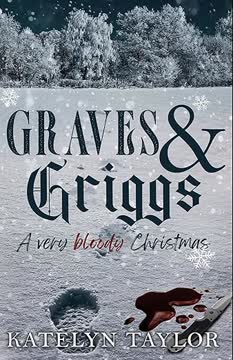
"Graves & Griggs: A Very Bloody Christmas" is a dark, unflinching exploration of what it means to protect, to love, and to survive in a world where danger is ever-present. The novel subverts the holiday genre, using Christmas as a backdrop for both brutality and redemption. At its core, the story is about the lengths people will go to for those they love—how mercy can become a chain, how violence can be both a curse and a shield, and how family is forged not just by blood, but by choice, sacrifice, and shared trauma. The polyamorous, blended households challenge traditional narratives, offering a vision of love that is messy, resilient, and fiercely protective. The psychological depth of the characters—especially the women—grounds the violence in real emotion, making the stakes feel urgent and the victories hard-won. Ultimately, the novel suggests that healing is possible, but never easy; that the past is always present; and that, in the end, the only way out is through—together.
Last updated:
Review Summary
Graves & Griggs receives overwhelmingly positive reviews (4.42/5 stars), praised as a perfect crossover between Taylor's Graves and Gallows Hill series. Readers loved the multiple POVs, unhinged characters (especially Zayden and Vincent), and exceptional spice level. The novella impressed with its pacing, humor, and emotional depth despite being under 200 pages. Reviewers appreciated the friendship between Blake and Skyla, discussion of postpartum depression, and the families' dynamics. Fans universally requested more content featuring these characters together.