

Key Takeaways
Rebuild meals around Indian staples, not imported diet trends.
Start with familiar food. The book argues that Indian cuisine is not inherently oily or unhealthy. Its regional traditions include grains, pulses, vegetables, fruit, dairy, nuts, seeds, and spices, often combined in meals that can be both filling and varied. The authors object to treating imported ingredients or Western diet plans as automatically superior to local staples such as millets, brown rice, lentils, and seasonal produce.
A cuisine is not a prescription. The book compares Indian food favorably with the Mediterranean diet, but its more useful point is cultural fit: a familiar way of eating may be easier to sustain than a plan built around unfamiliar foods. Indian cooking also varies enormously by region, household, and preparation, so no single version represents every Indian meal.
What's compelling is the shift from food prestige to food pattern. A healthy meal does not become healthier because its ingredients have travelled farther or acquired fashionable names. Cultural familiarity can make nutritious choices practical and enjoyable, which matters for long-term adherence. The counterpoint is that local food is not automatically healthful: a meal heavy in refined flour, sweets, or deep-fried foods remains unbalanced, whatever its culinary heritage. The book's strongest case is not that Indian food is the world's best, but that nutritious eating can be built from affordable, recognizable foods rather than imported rules.
Choose a sustainable food routine over a short-term weight-loss diet.
Change the relationship. The authors define diet in its broad sense as a person's regular way of eating, not a temporary period of restriction. They contrast this with plans focused on calorie counts, forbidden foods, or a target weight. Their preferred approach adapts meals and activity to work schedules, sleep, stress, health, and food preferences.
A personal story, not a guarantee. Shilpa Shetty describes gaining 32 kilograms during pregnancy, then working to regain her health through food choices, exercise, and discipline. The story gives the book a human starting point: even a public figure can struggle with body changes. It illustrates effort, but it cannot establish that the same approach or rate of weight loss will suit everyone. The authors acknowledge that restrictive diets may be needed for some medical conditions.
The distinction between a temporary eating contract and a durable routine is useful because weight maintenance depends on what happens after a formal plan ends. A routine that respects preferences and daily constraints is more likely to survive ordinary disruptions. Still, discipline should not be treated as the whole explanation for body weight. Health conditions, medication, income, food access, and caregiving demands also shape what choices are available. The pregnancy story is motivating as testimony, but a celebrity's result is not a clinical benchmark or a promise of a particular outcome.
Use the thali as a template: grains, dal, vegetables, and curd.
Build a complete meal. The book uses the thali, a meal served with several small dishes, to show how familiar foods can cover different nutritional roles. A typical version might combine roti or rice, dal or beans, seasonal vegetables, yoghurt or raita, and chutney. This is a template, not a compulsory menu: portions and ingredients can shift with appetite, activity, health needs, and regional cooking.
Combine plant foods. The authors point to everyday pairings such as dal with rice or roti. Pulses supply protein, fibre, and minerals; grains contribute energy and other nutrients. Vegetables add variety and fibre, while yoghurt can contribute protein and calcium. The practical lesson is to assemble a meal from complementary foods rather than relying on one supposedly perfect ingredient.
The thali is a memorable visual model because it makes balance concrete without requiring a food scale or nutrient app. It also treats a meal as a system: grain, pulse, vegetables, and accompaniments work together. That can be more useful than obsessing over a single macronutrient. The model needs flexibility, though. Dairy does not suit everyone, and nutritional needs differ with age, health, and activity. A thali is best used as a prompt to include variety, not as a fixed portion prescription or proof that every traditional meal is balanced.
Cut sweetened drinks and packaged snacks before banning whole food groups.
Target easy excess. The authors warn that packaged foods and sweetened drinks can make it easy to consume large amounts of sugar, salt, and refined ingredients. They recommend reading ingredient labels and favoring simpler products, while making fresh foods such as vegetables, fruit, and pulses routine choices. One of the clearest practical swaps in the book is replacing fizzy drinks with water or lemon water.
Keep the claim proportionate. The book often describes the food industry as deliberately making products addictive and portrays processed foods as broadly toxic. That language goes beyond what the examples establish. A label can help identify ingredients, but length alone does not determine whether a food is harmful. The more reliable point is to notice how often highly sweetened, salty, or heavily refined foods displace filling, minimally processed meals.
This advice focuses attention on a useful source of change: drinks and snacks can add substantial energy while doing little to satisfy hunger. Replacing a routine sugary drink is often simpler than redesigning every meal, and it avoids the all-or-nothing logic of eliminating carbohydrates or fats. The book's suspicion of packaged food is less precise than its practical advice. Processing covers a wide range, from frozen vegetables to confectionery, so the meaningful questions are what a product contains, how it fits into the overall diet, and what it replaces.
Keep fats in meals, but choose quality and watch the amount.
Fat has a function. The book pushes back against the idea that every dietary fat must be removed to lose weight. It describes fats as necessary for energy and the absorption of certain vitamins, and distinguishes unsaturated fats from trans fats and other fats that deserve more caution. It recommends avoiding hydrogenated fats and using cooking fats in moderation rather than treating oil-free eating as the goal.
Traditional is not magic. The authors praise ghee and coconut oil, and argue that local cooking oils can suit Indian cuisine. Their broader point, that fat is not automatically the enemy, is more dependable than claims that particular oils burn fat or prevent disease. Ghee and coconut oil are rich in saturated fat, so their health value should not be inferred from tradition alone. Quantity and overall eating pattern still matter.
The useful correction is that eliminating all fat is neither necessary nor a sound definition of healthy eating. Fats contribute to satiety and help the body absorb fat-soluble vitamins. Yet the book's defense of ghee and coconut oil sometimes swings from correcting a simplistic fear to making overly confident health claims. A traditional ingredient can be culturally meaningful and still need portion awareness. For readers, the practical middle ground is to limit industrial trans fats, use cooking fats sparingly, and avoid assuming that a locally familiar oil has special weight-loss properties.
Build vegetarian protein from dals, grains, nuts, and dairy.
Use the foods at hand. The book challenges the idea that a vegetarian Indian diet cannot provide enough protein. It lists pulses, beans, grains, nuts, seeds, yoghurt, paneer, and milk as sources. Pairings such as dal with rice or roti are offered as practical ways to combine plant foods. For most readers, the point is to include protein-rich foods across ordinary meals rather than treating supplements as the default.
Include fibre too. Lentils and beans also provide fibre, which can help meals feel satisfying. The book recommends soaking or sprouting some legumes and cooking them thoroughly, both traditional preparation methods that can make them easier to use. It gives a general protein estimate of 0.8 to 1 gram per kilogram of body weight, but needs vary with age, health, and activity. Individual medical or athletic needs may call for professional advice.
This is one of the book's most practical contributions: it makes protein planning legible within vegetarian cooking rather than presenting meat or powders as the only serious options. The combination of pulses, grains, nuts, and dairy also brings other nutrients and textures to the meal. Protein targets are not identical for everyone, and the book's broad estimate should not be mistaken for a personalized prescription. More importantly, the claim that the body can use only a tiny fixed amount of protein at once is too simplistic; total intake and individual circumstances matter.
Track habits and how you feel, not every fluctuation on a scale.
Measure more than weight. The authors note that body weight changes with water retention and other short-term factors, so a single scale reading can mislead or demotivate. They recommend paying attention to consistent eating, movement, sleep, and emotional health, along with practical signs such as how clothes fit and how a person feels.
Progress takes different forms. The book recounts Aarti, a woman who lost 22 kilograms over seven months while changing her meals and gradually increasing her walks from 20 to 40 minutes. Her story shows how modest activity and familiar foods can support change. It is one person's experience, not a forecast. A scale can still provide useful information when interpreted over time, but it cannot by itself reveal whether someone is healthier or what kind of weight has changed.
The distinction between a measurement and a verdict is important. Body weight is a noisy signal, while repeated patterns in movement, eating, and energy can give a broader picture of progress. The book's anecdote also makes walking seem accessible rather than athletic or expensive. At the same time, subjective measures and clothing fit are not substitutes for clinical indicators when a health condition is involved. A balanced approach treats the scale as one imperfect tool among several, not as the final judge of success or failure.
Use Indian spices for flavor, never as a substitute for medical care.
Let spices enrich meals. The book highlights turmeric, garlic, cinnamon, cumin, and other spices for their flavor and possible biological effects. It presents them as part of a varied diet and suggests familiar uses in curries, soups, lentils, and drinks. This is a strong culinary case: spices can make vegetables and pulses more appealing without relying on large amounts of cream, sugar, or salt.
Separate food from treatment. The authors also make claims that spices can cure or prevent serious diseases, that particular diets can shrink tumours, and that detoxes or alkaline eating can restore health. The anecdotes and laboratory findings described do not prove those claims in people. Spices and nutritious meals may support general wellbeing, but they cannot replace cancer treatment, prescribed medicines, or advice from a qualified clinician.
The book is right to treat spices as more than decoration: they carry history, aroma, and culinary skill, and they can help make nutritious foods enjoyable. The boundary matters when a plausible laboratory mechanism is presented as a human cure. Cancer outcomes cannot be inferred from a personal story, and detox or alkaline language can make ordinary eating sound like a treatment protocol. Readers can enjoy turmeric or garlic as food while keeping medical decisions with clinicians. That distinction preserves the cultural value of Indian cooking without giving unsupported health promises authority.
Make movement, sleep, and stress care part of your food plan.
Health is a daily pattern. The authors treat food as one part of a broader routine that also includes physical activity, adequate sleep, and stress management. Shilpa's account emphasizes exercise she could sustain, while the book recommends meditation and yoga as ways to develop awareness and manage stress. Its closing discussion of gratitude encourages noticing positive experiences rather than defining life only by weight or missed goals.
Choose practices you can repeat. The book argues against using exercise as punishment for eating and favors enjoyable movement. A walk, yoga practice, or other suitable activity may be more sustainable than an extreme workout plan. The mind matters because stress and emotions can influence habits, but positive thinking is not a cure for disease and should not become a reason to blame people for illness.
This broader frame reflects a useful truth about behavior: meals do not happen in isolation from fatigue, stress, schedules, and social life. Enjoyable movement and adequate rest can support health without turning exercise into penance. Meditation can also create a pause between an urge and a response, helping some people notice their habits. The caution is against treating mindset as a master switch for biology. A hopeful outlook can be valuable, but it does not guarantee healing or make illness a failure of attitude.
Analysis
The book's central achievement is cultural rather than biochemical: it asks readers to stop treating Indian food as a problem that must be replaced by imported diet products. Its best advice is concrete and adaptable. Build meals from familiar grains, pulses, vegetables, and other nourishing foods; limit routine sugary drinks and heavily refined snacks; include fats without making them limitless; and choose activity that can be repeated. The thali gives this argument a memorable structure, while Shilpa's pregnancy and weight-loss account makes the subject personal rather than abstract.
The book is less reliable when it moves from culinary wisdom to medical certainty. It promotes claims about alkaline bodies, colon cleansing, detoxification, and foods curing or shrinking cancer that the anecdotes and evidence described cannot establish. Its claims about ghee, coconut oil, sugar, milk, and supplements are sometimes sweeping, and its sample 1,200-calorie plans sit uneasily beside its rejection of restrictive dieting. A fixed calorie target can be inappropriate without accounting for a person's size, health, activity, and needs. Readers should not use the book's recipes or wellness ideas to replace clinical care.
A more durable reading separates the framework from the overreach. The framework is that eating well should fit local culture, daily life, and personal preference, rather than depend on temporary deprivation. The overreach is the suggestion that particular ingredients or attitudes can reliably prevent or cure serious disease. Indian cuisine is not one uniform diet, and tradition alone does not determine nutritional quality. The strongest version of the book's message is therefore both proud and practical: use the variety of Indian cooking to make balanced meals satisfying, while evaluating medical claims with the same care applied to any other health advice.
Review Summary
The Great Indian Diet receives mostly positive reviews, praised for promoting traditional Indian foods and providing practical nutrition advice. Readers appreciate its easy-to-understand language, comprehensive information on Indian ingredients, and focus on holistic health. Some criticize the lack of scientific references and overemphasis on certain topics. The book is seen as motivational for those seeking a healthier lifestyle through Indian cuisine. However, a few reviewers find it repetitive or lacking in structure. Overall, it's recommended for those interested in exploring the nutritional benefits of Indian food.
People Also Read










Glossary
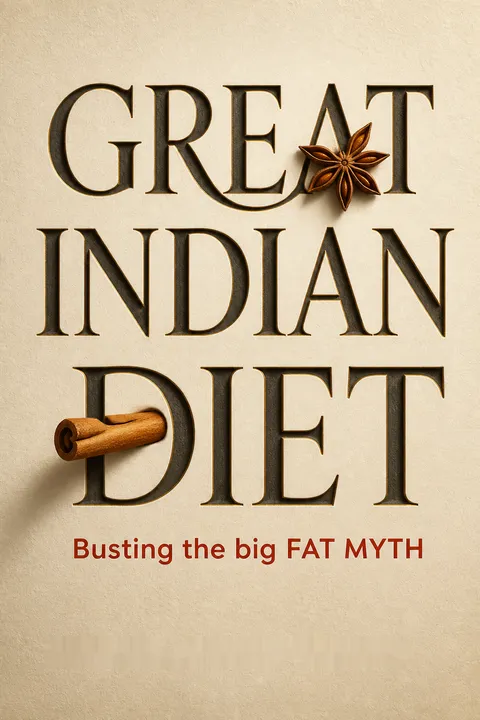
The Great Indian Diet
Indian-food-centered eatingThe authors' name for a flexible eating approach built primarily from familiar Indian foods, including grains, pulses, vegetables, fruit, dairy, nuts, seeds, and spices. It is presented as a sustainable alternative to restrictive or imported diet plans. The term describes a broad philosophy, not one fixed menu, and the book encourages readers to adapt food choices to their routine and needs.
Moderation and compensation
Flexible eating balanceThe book's phrase for enjoying richer or less nutritious foods occasionally while keeping everyday choices balanced. The authors use it to reject guilt and total prohibition, describing treats as compatible with an overall healthy routine. It should not be read as a requirement to punish oneself, skip meals, or exercise excessively after eating a particular food.
Derailment factors
Obstacles to weight progressThe authors' label for habits or health issues they believe can interfere with weight-loss efforts. Their examples include frequent restaurant meals, sugary drinks, stress, poor sleep, constipation, skipping breakfast, and monotonous exercise. The list is meant as a prompt for reviewing routines, not a diagnosis or proof that any one factor explains an individual's weight.
Sattvic, Rajasic, and Tamasic
Ayurvedic food qualitiesThree categories used in Ayurveda to describe qualities attributed to foods. In the book's brief account, Sattvic foods are considered pure, Rajasic foods rich or stimulating, and Tamasic foods heavy or difficult to digest. These are traditional classifications that frame how the authors discuss Indian food; they are not presented as modern clinical nutrient categories.
FAQ
1. What is "The Great Indian Diet" by Shilpa Shetty Kundra and Luke Coutinho about?
- Focus on Indian food wisdom: The book explores the nutritional value and health benefits of traditional Indian cuisine, debunking myths that Indian food is inherently unhealthy or fattening.
- Lifestyle over dieting: It emphasizes making sustainable lifestyle changes rather than following restrictive diets, advocating for a balanced approach to eating, exercise, sleep, and mental well-being.
- Science-backed Indian staples: The authors compare Indian dietary staples to globally acclaimed diets, showing how Indian foods like millets, pulses, spices, and ghee can support weight loss, disease prevention, and overall health.
- Practical guidance: The book provides sample meal plans, recipes, and actionable tips for adopting the "Great Indian Diet" in daily life, tailored for both vegetarians and non-vegetarians.
2. Why should I read "The Great Indian Diet" by Shilpa Shetty Kundra and Luke Coutinho?
- Reconnect with Indian roots: The book encourages readers to embrace the health benefits of their own traditional foods rather than chasing Western diet fads.
- Busts common food myths: It dispels misconceptions about Indian food being unhealthy, clarifies the role of fats, carbs, and proteins, and addresses concerns about vegetarian protein sources.
- Holistic health approach: The authors integrate nutrition, exercise, sleep, stress management, and the power of the mind for a comprehensive wellness strategy.
- Practical and relatable: With real-life stories, personal experiences, and easy-to-follow plans, the book is accessible for people of all ages and backgrounds.
3. What are the key takeaways from "The Great Indian Diet" by Shilpa Shetty Kundra and Luke Coutinho?
- Indian food is healthy: Traditional Indian meals, when prepared with the right ingredients and methods, are balanced and nutrient-rich.
- Moderation and balance: The key to health is not deprivation but moderation, compensation, and making informed food choices.
- Avoid processed foods: The book highlights the dangers of processed, refined, and packaged foods, advocating for fresh, local, and seasonal ingredients.
- Mind-body connection: Success in health and weight loss is as much about mindset and discipline as it is about food and exercise.
4. How does "The Great Indian Diet" define a healthy Indian diet, and what are its main components?
- Balanced thali concept: A traditional Indian meal (thali) includes cereals (carbs), pulses/legumes (proteins), vegetables (fiber, vitamins), dairy (calcium, protein), and healthy fats (ghee, oils).
- Use of spices: Daily use of spices like turmeric, cumin, garlic, and ginger not only adds flavor but also provides medicinal and antioxidant benefits.
- Fresh and seasonal: Emphasis is placed on cooking fresh food daily, using seasonal fruits and vegetables, and minimizing preservatives.
- Diversity and adaptability: The Indian diet is regionally diverse, allowing for customization based on local produce, climate, and personal preferences.
5. What myths about Indian food does "The Great Indian Diet" debunk?
- Not all Indian food is spicy or oily: Home-cooked Indian meals use moderate spices and healthy cooking methods, unlike restaurant fare.
- Indian food is not inherently fattening: Overeating, excessive use of oil, and processed ingredients are the culprits, not the cuisine itself.
- Vegetarian diets can provide enough protein: Combining pulses, grains, dairy, and nuts ensures adequate protein intake without meat or eggs.
- Ghee and traditional oils are not bad: Pure ghee and cold-pressed oils, when used in moderation, are healthy and even beneficial for weight loss and immunity.
6. What are the main reasons for rising health issues in India according to "The Great Indian Diet"?
- Shift to processed foods: Increased consumption of refined sugars, flours, and packaged foods has led to obesity, diabetes, and heart disease.
- Abandoning traditional practices: Moving away from local oils, whole grains, and natural sweeteners like jaggery has negatively impacted health.
- Sedentary lifestyle: Less physical activity, more screen time, and irregular routines contribute to weight gain and lifestyle diseases.
- Food industry influence: Aggressive marketing of unhealthy foods and supplements has confused consumers and promoted poor dietary habits.
7. How does "The Great Indian Diet" explain the role of fats, oils, and ghee in a healthy diet?
- Good vs. bad fats: The book distinguishes between healthy fats (unsaturated, omega-3s, ghee, coconut oil) and harmful fats (trans fats, hydrogenated oils).
- Ghee and coconut oil benefits: Pure ghee and cold-pressed coconut oil are highlighted for their roles in boosting metabolism, immunity, and even aiding weight loss.
- Moderation is key: Fats are essential for hormone production, brain health, and nutrient absorption, but should be consumed in appropriate amounts.
- Avoid highly processed oils: The book warns against refined, hydrogenated, and imported oils that are not suited for Indian cooking methods.
8. What is the book's stance on carbohydrates, proteins, and the importance of balance in "The Great Indian Diet"?
- Carbohydrates are not the enemy: Whole grains like brown rice, millets, barley, and oats are encouraged for sustained energy and fiber.
- Protein adequacy in Indian diet: Combining legumes, dairy, nuts, and grains provides all essential amino acids, even for vegetarians.
- Importance of fiber: High-fiber foods (whole grains, pulses, vegetables) aid digestion, regulate blood sugar, and support weight loss.
- Balanced macronutrients: The book advocates for a mix of carbs, proteins, and fats tailored to individual needs, rather than extreme restriction of any group.
9. How does "The Great Indian Diet" address weight loss and fat-burning strategies?
- Focus on lifestyle, not dieting: Sustainable weight loss comes from consistent healthy eating, regular activity, and good sleep, not crash diets.
- Insulin management: Eating foods that stabilize blood sugar (whole grains, fiber, protein) helps prevent fat storage and supports fat burning.
- Sample meal plans: The book provides 1,200-calorie vegetarian and non-vegetarian Indian diet charts, emphasizing portion control and meal timing.
- Top fat-burning foods: Almonds, lentils, eggs, green tea, cinnamon, coconut oil, and certain fruits and vegetables are recommended for boosting metabolism.
10. What practical tips and recipes does "The Great Indian Diet" offer for everyday healthy eating?
- Simple, quick recipes: The book includes salads, soups, upma, idlis, grilled meats, and healthy chutneys that are easy to prepare and nutrient-dense.
- Healthy substitutions: Suggestions include switching to brown rice, using jaggery instead of refined sugar, and opting for roasted rather than fried snacks.
- Juicing and hydration: Vegetable juices (carrot, beetroot, cucumber) are recommended for detoxification, weight loss, and improved digestion.
- Mindful eating: Tips on meal timing, chewing thoroughly, and eating without guilt are emphasized for better digestion and satisfaction.
11. How does "The Great Indian Diet" incorporate the mind-body connection, meditation, and gratitude into health?
- Power of positive thinking: The book stresses that believing in your ability to be healthy is crucial for success in weight loss and wellness.
- Meditation for holistic health: Regular meditation is recommended to manage stress, improve sleep, and enhance self-awareness around food and lifestyle choices.
- Gratitude practice: Cultivating gratitude is shown to improve mental well-being, relationships, and even physical health outcomes.
- Internal motivation: The authors encourage readers to set personal goals, visualize success, and focus on self-discipline rather than external pressures.
12. What are the best quotes from "The Great Indian Diet" by Shilpa Shetty Kundra and Luke Coutinho, and what do they mean?
- "Diets don’t work. Lifestyle changes do." – Emphasizes that lasting health comes from sustainable habits, not temporary restrictions.
- "Eat local to stay fit, healthy and enjoy life to its fullest." – Advocates for embracing traditional, locally-sourced foods over imported fads.
- "We don’t fight disease, we support health, for where there is health, there is peace and where there is peace, there is healing." – Highlights the book’s holistic, preventive approach to wellness.
- "Spend less time counting calories and more time counting your blessings." – Encourages a positive, grateful mindset as part of a healthy lifestyle.
- "The great Indian diet is our gift to all our fans, followers and readers who would like to join us on this journey of a healthier and happier life." – Invites readers to see the Indian diet as a source of pride and a path to well-being.
Download PDF
Download EPUB
.epub digital book format is ideal for reading ebooks on phones, tablets, and e-readers.








