

Key Takeaways
A sudden burst of energy after despair can be a danger signal.
The mood shift misled everyone. After years of depression and a suicide attempt, Melody was prescribed an antidepressant while doctors believed she had unipolar depression. Her energy and ability to act returned, but her despair did not disappear. Instead, she entered a mixed state, with depressive hopelessness and manic restlessness occurring together. That combination helped make suicidal plans feel possible to carry out, even as she appeared more functional.
Feeling better was not proof. The episode shows why a dramatic change in mood deserves careful attention, especially when sleep, impulsivity, or judgment also changes. Her doctors did not recognize the bipolar pattern at the time, and she herself did not see the danger. This is her experience, not evidence that every antidepressant or mood improvement is unsafe.
The key distinction is between relief and recovery. A person may gain enough energy to resume daily tasks before the beliefs or intentions driving a crisis have shifted. That gap is easy for families and clinicians to miss when outward functioning becomes the main measure of improvement. Longitudinal observation can help: changes in sleep, speech, risk-taking, and mood matter alongside a patient’s current self-report. The memoir does not support treating every energized depression as bipolar illness, but it does show the cost of assuming that greater activity automatically means lower risk.
Use trusted observers to catch patterns your own memory cannot hold.
A record became an anchor. Before Melody’s first psychiatric admission, her husband Matthew tracked her behavior, mood, and symptoms for more than a month. His notes filled over fifty pages, yet he could not find a neat pattern. They still mattered: episodes impaired her memory, and she often could not recall what she had said or done. His observations helped make the illness visible beyond her own shifting account of it.
Evidence can be shared. Matthew’s notes did not replace professional judgment or explain every cause. They gave clinicians and family members a timeline to compare with what they saw in the moment. In a condition marked by changing insight and memory, practical records can help distinguish a brief bad day from a more serious change. They also reminded Melody that her illness affected the people close to her.
This is a case for treating mental health as a problem of trajectories, not snapshots. A short appointment captures one moment; a trusted observer may notice changes across weeks. That broader view can also reduce the unfair burden placed on a person whose symptoms disrupt memory or self-assessment. The companion’s role must remain collaborative, though. Notes are most useful when they support conversation and informed care, not when they turn a spouse into a surveillance system or the patient into a case file.
Mania can feel like your best self while erasing your judgment.
Euphoria disguised escalation. In Montana, Melody experienced a joyful, high-energy summer, praying, exploring, and barely sleeping. Years later, she threw herself into Hooping for Peace, an effort to use Hula Hooping to draw attention to peace and politics. The activism was real, but so were the racing thoughts, sleeplessness, grand plans, and growing disorganization. She could not tell which ideas were creative and which were symptoms.
Insight can disappear. During her severe episode, she believed she was chosen for political and spiritual missions and did not recognize that she was ill. She uses the medical term anosognosia for this impaired awareness of illness. Her story does not make enthusiasm itself a symptom. The warning is the broader pattern: escalating energy, disrupted sleep, impaired judgment, and a loss of reality testing.
The memoir makes an important distinction between unusual ambition and illness: the problem is not that a person has big ideas, but that judgment, sleep, and contact with reality can deteriorate alongside them. That distinction resists both romanticizing mania as pure creative fuel and pathologizing every burst of productivity. It also explains why insight cannot always be demanded as a precondition for help. When the ability to recognize impairment is itself impaired, outside observations and respectful clinical assessment become especially important.
Treat mental illness as brain disease, lived inside a whole life.
No single cause explains her. Melody describes bipolar disorder as shaped by a mix of biological vulnerability and lived experience. She considers family history, serious pancreatic illness, childhood displacement, and growing up Iranian-American and Muslim in Ohio. She does not claim to know how much each factor contributed. Her account instead shows how a diagnosis can emerge within a life already shaped by medical trauma, migration, and social pressure.
The body was part of the story. For years, doctors focused on her pancreas and physical symptoms while her mood disorder went unrecognized. Her painful surgery and recovery also affected eating, sleep, and daily life. The memoir does not argue that culture or physical illness causes bipolar disorder. It argues against reducing a person to one organ, one diagnosis, or one explanation.
A whole-life view is stronger than a simple nature-versus-nurture story. Biology can create vulnerability, while illness, relationships, and social conditions shape how that vulnerability is experienced and treated. This approach also guards against cultural stereotyping: being Iranian-American or Muslim is not a diagnosis, although stigma and displacement can affect whether someone seeks care or feels understood. The nuance matters because a coherent personal story is not the same as proof of causation. Melody explicitly leaves the relative weight of her risk factors unresolved.
Care without dignity can deepen the crisis it claims to treat.
Safety came with a cost. During one manic episode, Melody was secluded, restrained, and given antipsychotic medication against her will. She recalls isolation as terrifying and remembers staff members ignoring her attempts to communicate. Later, at Ashwood Hospital, her records wrongly treated true facts about her life, including her legal career, as delusions. These experiences left her feeling less like a person receiving care than a person being controlled.
Good care felt different. She also describes staff who used her name, listened, and treated her with respect, as well as a later outpatient program where she felt supported. The contrast is not a claim that every hospital behaves alike. It is a demand that urgent treatment include accurate information, humane communication, and attention to the patient’s experience, even when immediate safety requires limits.
The tension is real: acute mania can create serious danger, and staff sometimes have to act before a person agrees. But safety measures do not become humane simply because they are medically justified. Clear explanations, accurate records, and ordinary respect can preserve a sense of personhood during coercive care. The memoir’s account is one patient’s testimony, not a survey of psychiatric services. Its value lies in identifying a question systems should keep asking: does a restriction reduce danger while also minimizing avoidable harm?
Build a reliable circle that notices changes and shares practical care.
Support meant doing things. Melody calls her network of family and friends her Guardian Council. Matthew kept records, checked medication, and sought help when her behavior changed. Her parents and sister contributed research, transport, and practical support. Friends helped her reconnect with ordinary life. The name is playful, but the work was serious: people who knew her well helped bridge the gap between episodes, appointments, and daily needs.
No one person could do it all. Matthew’s care was essential, but the memoir shows how exhausting it was to witness a crisis alone. A broader circle gave him help and gave Melody more than one source of connection. The account favors shared responsibility over the fantasy of a single rescuer. Support also worked best when it complemented professional care, rather than asking loved ones to diagnose or manage everything themselves.
A dependable support network functions like a distributed safety system: different people notice different changes, and no single observer has to carry the whole load. That is especially valuable when an illness can alter insight, sleep, or memory. Yet support should not quietly become unpaid full-time clinical labor. Families need boundaries, information, and access to professional help too. The memoir’s affectionate name for its network captures both sides: care can feel intimate and even funny, while remaining a sustained practical commitment.
Medication can stabilize bipolar illness, but it does not erase recurrence.
Treatment required persistence. Melody’s early experiences included a misdiagnosis and medications that did not help. After a later manic crisis, she found a regimen that worked for her, including Lamictal as a regular mood stabilizer and Zyprexa for emergency use. She also learned to treat sleep, symptom monitoring, and follow-up as part of managing the illness. Her account is personal, not a medication guide; choices about treatment belong with qualified clinicians.
Improvement was not a cure. She describes bipolar disorder as relapsing and remitting: symptoms can ease for long stretches and return despite treatment. Feeling well could tempt her to doubt the diagnosis or stop taking medication. Remembering the consequences of past episodes helped her stay engaged in care. Stability, in her story, is an ongoing practice rather than proof that the condition has vanished.
The memoir frames maintenance as a way to protect a life, not as a declaration of weakness. That framing is useful because effective treatment can make the original need for treatment less visible. At the same time, the book resists presenting medication as a universal or effortless solution: Melody faced side effects, uncertainty, and a long search for care that fit. Its practical insight is not to copy her regimen, but to take recurrence seriously and make treatment decisions with appropriate medical support.
Peer connection can make survival feel necessary, not merely obligatory.
Other patients changed the frame. At Stillbrook, Melody met Angela and Marie, fellow patients who understood the strange mix of shame, humor, and fear that came with a psychiatric ward. Their frank conversations felt different from the guarded exchanges she had with people outside. Seeing others struggle did not solve her illness, but it loosened the sense that she was alone with it.
Purpose arrived through connection. Melody initially focused on helping other patients, sometimes with misguided advice. Even so, paying attention to people around her interrupted the isolation of her despair and gave her a reason to keep going. The story does not suggest that one person must save others to deserve help. It shows how recognition and companionship can support survival alongside professional treatment.
Shared experience can offer something that clinical expertise alone cannot: the feeling of being understood without translating every detail. Peer connection also counters the social isolation that often accompanies stigmatized conditions. But the memoir is careful, in effect, about the limits of this bond. Patients can comfort one another, yet they are not responsible for curing each other. The strongest interpretation is mutual recognition, not a mandate to turn suffering into service.
Protect your identity from stigma without letting advocacy consume recovery.
Culture shaped the silence. Melody grew up Iranian-American and Muslim, with mental illness treated as a subject families rarely discussed. She describes having little access to a familiar Persian term for bipolar disorder and worrying that news of hospitalization would become community gossip. After September 11, she also faced suspicion and pressure to prove that Muslim identity and American belonging could coexist.
Speaking out had a price. She became an advocate for Muslim Americans and, later, for Iranians protesting political repression. Public work gave her a way to challenge stereotypes, but her intense activism could also collide with the need for sleep and stability. The memoir does not treat identity as the source of illness. It shows how stigma can add shame, secrecy, and extra work to an already difficult condition.
The book shows that stigma is not just a hurtful opinion; it changes what people disclose, whom they trust, and whether they feel entitled to care. Public advocacy can challenge that pressure, but visibility should remain a choice, not a test of courage. No patient should have to become an educator for a community to regard their illness as real. The tension between speaking and resting is not a contradiction. It is a reminder that activism also needs boundaries.
Let the hyacinths bend: manage bipolarity instead of demanding a cure.
The ending refuses a cure. In Raleigh, Melody describes a period of greater stability: daily medication, attention to early warning signs, advocacy work, and more than four years without hospitalization. She is still candid about depression and the possibility of future episodes. The progress is real, but it is not a promise that illness has ended.
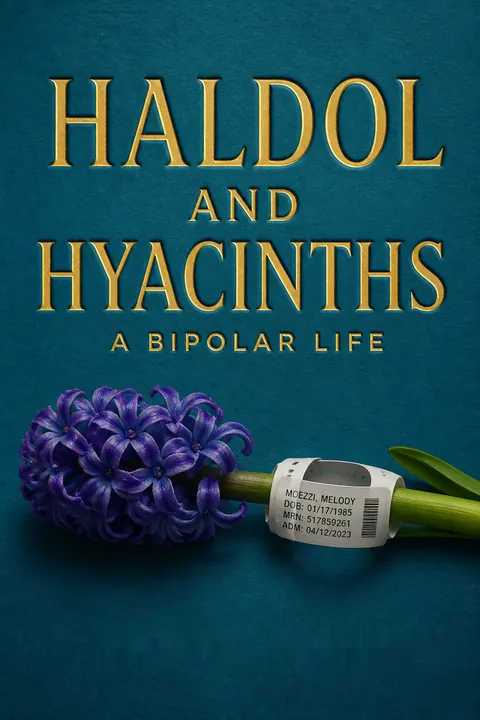
The flowers make the point. For Nowruz, she needs hyacinths to complete her traditional display. Matthew finds two pots after stores fail to recognize the flower. Their stems lean in different directions, and she ties them together even though she knows the plants will not grow straight. The image holds the book’s central tension: support and treatment can help create a livable balance without making a volatile life perfectly orderly.
The hyacinths offer a model of adaptation rather than mastery. In engineering, a stable system is not necessarily motionless; it can respond to disturbance and return to a workable range. That analogy fits the memoir’s account of recurring symptoms and continuing care. It also keeps optimism honest: accepting volatility does not mean accepting preventable suffering or abandoning treatment. The aim is neither perfect control nor surrender, but a life with enough support, meaning, and flexibility to keep going.
Analysis
This memoir’s deepest argument is not simply that bipolar disorder is painful, or that stigma is unjust. It is that illness changes what a person can know about herself, while institutions and families must make decisions with incomplete, sometimes conflicting evidence. Melody’s memory gaps make Matthew’s notes part of the narrative architecture. His records are not an objective camera, but they give the reader a second timeline against which her shifting recollections can be understood. That formal choice embodies the book’s central problem: no single witness can fully contain the truth of an episode.
Humor is another form of evidence. It preserves the author’s intelligence and personality in scenes where she is otherwise reduced to a diagnosis, a risk assessment, or a body under observation. The jokes also have limits. Her own accounts of delusion and poor judgment show why humor cannot stand in for treatment or imply that every crisis can be made meaningful. Its value is humanizing, not curative.
The memoir’s cultural argument is similarly layered. Iranian-American and Muslim identity does not explain the disorder, but it shapes the conditions under which she can name it, disclose it, and be believed. Her account complicates the common split between private medical illness and public identity: political suspicion and family silence become part of the practical terrain of care. At the same time, the narrative avoids a tidy recovery arc. Medication, observation, peers, and family support improve the odds of living well, but do not guarantee permanent stability.
That refusal of a clean ending is the book’s ethical strength. It offers hope without turning recovery into a moral achievement or recurrence into failure. The hyacinths do not need to stand upright to belong in the New Year display. Likewise, a person need not become symptom-free, culturally uncomplicated, or institutionally convenient to deserve dignity and a future.
Review Summary
Haldol and Hyacinths receives mixed reviews, with an average rating of 3.93 out of 5. Readers appreciate Moezzi's honest portrayal of bipolar disorder and her unique perspective as an Iranian-American Muslim woman. The memoir is praised for its wit, humor, and candid approach to mental illness. Some reviewers find the author's tone self-indulgent or condescending, while others commend her courage in sharing her story. The book is noted for its potential to reduce stigma surrounding mental health and provide insight into the bipolar experience.


Glossary
Anosognosia
impaired awareness of illnessA reduced ability to recognize or understand one’s own illness. Melody uses the term to describe her manic episode, when she believed her grand plans and delusions were reasonable and did not accept that she needed psychiatric care. It is not simply stubbornness or a deliberate refusal to cooperate.
Mixed state
depressive and manic symptoms togetherA bipolar mood state in which symptoms associated with depression and mania occur at the same time. Melody describes despair and suicidal thinking alongside restlessness, impulsivity, and increased ability to act. This combination made her experience especially frightening because greater energy did not mean that her depression had lifted.
Akathisia
severe inner restlessnessA distressing state of inner agitation and difficulty staying still. Melody describes feeling as if she had to move constantly and found the sensation almost unbearable during her hospitalization and journey to Ohio. The term appears in her account as a medical label for the restlessness she experienced.
Guardian Council
her circle of practical supportMelody’s playful name for the family members and friends who helped support her during and after psychiatric crises. Matthew, her parents, her sister, and close friends contributed observation, research, transportation, reminders, and companionship. The phrase refers to her personal support network, not an official Iranian political body.
White phosphorus
metaphor for severe depressionA chemical weapon that Melody uses as an image for her most dangerous depressive state. She contrasts milder forms of distress with a level that feels penetrating, destructive, and potentially fatal. The metaphor conveys the severity of her experience; it is not a clinical category or a medical description of depression.
Hypomania
elevated, energized mood stateA period of unusually elevated or irritable mood and increased energy. Melody describes it as pleasurable and productive at first, with little sleep and an abundance of plans, while recognizing that it can become more severe. In her account, the early exhilaration made worsening symptoms difficult to identify.
Relapsing and remitting
symptoms ease and returnA course in which symptoms improve or recede, then return in later episodes. Melody uses this description for bipolar disorder to explain why years of relative stability do not guarantee permanent recovery. It helps distinguish effective management from a cure and underscores the importance of continued attention to symptoms and treatment.
FAQ
1. What is Haldol and Hyacinths: A Bipolar Life by Melody Moezzi about?
- Candid memoir of bipolar disorder: The book chronicles Melody Moezzi’s personal journey with Bipolar I disorder, including her experiences with mania, depression, psychosis, and hospitalization.
- Cultural and identity exploration: Moezzi weaves in her Iranian-American Muslim identity, examining how cultural expectations and stigma intersect with mental illness.
- Activism and resilience: The memoir highlights her activism, pro-democracy efforts for Iran, and her determination to live fully despite her diagnosis.
- Critical look at mental health care: Moezzi offers insight into psychiatric treatment, stigma, and the challenges of finding effective care.
2. Why should I read Haldol and Hyacinths: A Bipolar Life by Melody Moezzi?
- Authentic mental health perspective: The book provides an unfiltered, deeply personal view of living with bipolar disorder, breaking down misconceptions and stigma.
- Cultural intersectionality: Readers gain a nuanced understanding of mental illness within Iranian-American and Muslim cultural contexts.
- Inspiration and hope: Moezzi’s story of struggle, setbacks, and eventual stabilization offers hope to those facing similar challenges.
- Educational value: The memoir educates readers about psychiatric diagnoses, treatments, and the lived reality behind clinical terms.
3. What are the key takeaways from Haldol and Hyacinths: A Bipolar Life by Melody Moezzi?
- Bipolar I disorder explained: Moezzi’s diagnosis is Bipolar I, characterized by severe manic and depressive episodes, psychosis, and chronicity.
- Complexity of treatment: The book details the challenges of finding the right medication and the importance of support systems.
- Denial and acceptance: Moezzi discusses the difficulty of accepting the illness, a common struggle for those with bipolar disorder.
- Stigma and advocacy: The memoir emphasizes the need to break cultural and societal stigma through honesty and activism.
4. How does Melody Moezzi describe her experience with bipolar disorder in Haldol and Hyacinths?
- Misdiagnosis and complexity: Moezzi was initially misdiagnosed with unipolar depression, missing the manic aspects of her illness.
- Mania and depression interplay: She describes mania as euphoric and productive but dangerous, while depression brings despair and hopelessness.
- Impact on life and identity: Bipolar disorder affected her education, relationships, and self-perception, shaping her life’s trajectory.
- Mixed states and unpredictability: Moezzi explains how symptoms can overlap, making management difficult and requiring careful supervision.
5. What role does cultural identity play in Haldol and Hyacinths: A Bipolar Life by Melody Moezzi?
- Iranian-American Muslim background: Moezzi’s heritage deeply influences her experience, including the stigma she faces within her community and American society.
- Stigma and isolation: She discusses the shame and silence surrounding mental illness in Iranian and Muslim contexts.
- Dual identity challenges: The memoir highlights the tension of navigating multiple cultural expectations while managing mental health.
- Family as support system: Despite cultural pressures, her family forms a “Guardian Council” that supports her through illness and recovery.
6. How does Melody Moezzi portray psychiatric care and hospitalization in Haldol and Hyacinths: A Bipolar Life?
- Critique of mental health system: Moezzi describes experiences of neglect, indifference, and dehumanization in psychiatric hospitals.
- Medication struggles: She recounts adverse effects of drugs like Haldol and the difficulty of finding effective treatment.
- Patient camaraderie: The memoir emphasizes the bonds formed among patients and the unique community that develops in hospitals.
- Importance of advocacy: Moezzi’s legal knowledge empowers her to challenge wrongful treatment and demand dignity.
7. What insights does Haldol and Hyacinths: A Bipolar Life by Melody Moezzi offer about the treatment of bipolar disorder?
- Medication complexities: Moezzi discusses the dangers of certain antidepressants in bipolar patients and the trial-and-error nature of treatment.
- Mixed states and unpredictability: She explains how symptoms can overlap, requiring careful medical supervision.
- Importance of support: The book highlights the critical role of family, friends, and attentive healthcare providers in managing the illness.
- Lifelong management: Moezzi emphasizes that bipolar disorder requires ongoing vigilance, medication adherence, and support.
8. How does Melody Moezzi describe her manic episodes in Haldol and Hyacinths: A Bipolar Life?
- Euphoric and productive: Mania is described as a state of soaring energy, creativity, and confidence, making it hard to come down.
- Loss of insight: During mania, Moezzi couldn’t distinguish between genius and lunacy, believing in grand plans and delusions.
- Escalation to psychosis: Mania can progress to psychosis, with delusions and hallucinations, as happened during her hospitalization.
- Impact on relationships: Mania strained her relationships, with loved ones needing to intervene for her safety.
9. How does Haldol and Hyacinths: A Bipolar Life by Melody Moezzi address the intersection of mental illness and activism?
- Transforming illness into advocacy: Moezzi uses her personal story to challenge stigma and promote mental health awareness.
- Public “coming out”: She discusses the courage required to publicly disclose her diagnosis and its impact on reducing shame.
- Broader social issues: The memoir connects personal mental health struggles to larger themes of cultural identity and discrimination.
- Activism and resilience: Moezzi’s activism, including pro-democracy efforts for Iran, is interwoven with her mental health journey.
10. How does bipolar disorder impact Melody Moezzi’s personal and professional life in Haldol and Hyacinths: A Bipolar Life?
- Academic and career challenges: Bipolar disorder disrupted her law school experience and career plans, despite her academic achievements.
- Creative and activist pursuits: Manic phases fueled her writing, activism, and public speaking, including her book War on Error.
- Relationship dynamics: Her marriage to Matthew is portrayed as a source of strength, with mutual support through crises and recovery.
- Ongoing management: Moezzi stresses the need for lifelong vigilance and support to maintain stability.
11. What is the significance of the title Haldol and Hyacinths: A Bipolar Life by Melody Moezzi?
- Haldol as symbol: Haldol represents the medical and psychiatric interventions Moezzi endured during her manic and psychotic episodes.
- Hyacinths as cultural symbol: Hyacinths are a traditional Persian flower symbolizing spring, renewal, and Moezzi’s cultural heritage.
- Juxtaposition of illness and culture: The title reflects the intersection of her mental illness and Iranian identity.
- Hope and resilience: Hyacinths symbolize growth and hope amid the challenges represented by Haldol.
12. What are the best quotes from Haldol and Hyacinths: A Bipolar Life by Melody Moezzi and what do they mean?
- “Killing rapists curtailed my interest in killing myself”: Reflects Moezzi’s complex coping mechanisms and how her sense of justice helped her survive suicidal impulses.
- “We down antipsychotics and play on quicksand”: A metaphor for the precarious and challenging nature of living with mental illness.
- “My bipolar identity was born long before any mental malady”: Highlights the interplay of genetics, history, and cultural displacement in shaping her condition.
- “You have good gene. You are number v-one!”: A humorous, affectionate phrase from her husband symbolizing resilience and pride despite illness.
About the Author
Other books by Melody Moezzi

Download PDF
Download EPUB
.epub digital book format is ideal for reading ebooks on phones, tablets, and e-readers.








