

Key Takeaways
Build a life that can absorb unpredictability without denying its damage
Survival is not a cure. Rosie Pérez’s childhood moved between an abusive, mentally ill mother, separation from the aunt who had raised her, and a Catholic children’s home where strict routines came with physical punishment. Humor, music, and ambition helped her endure, but they did not erase the harm. As an adult, she describes years of depression and post-traumatic stress, not a neat transformation from wounded child to invulnerable star.
Progress stayed unfinished. Therapy, medication, work, and time helped her feel safer and more joyful, while healing remained an ongoing effort. The book’s “handbook” is less a formula than a record of what helped one person keep moving: loving relationships, creative work, help from professionals, and a willingness to name what happened.
What's striking is the refusal to treat resilience as evidence that adversity was useful. In trauma-informed practice, recovery is understood as a process shaped by safety, relationships, and access to care, not simply toughness. Pérez’s story supports that richer view: humor and ambition are real resources, but neither absolves institutions or adults of responsibility. The account also has a useful limit. One person’s route through therapy and medication cannot prescribe a universal sequence, and the memoir does not pretend otherwise. Its value lies in making uneven recovery visible without turning it into a victory slogan.
A reliable caregiver can become a child's home before the child understands why
Love was made concrete. Ana, whom Pérez calls Tia, cared for her from infancy, surrounding her with cousins, music, food, and familiar rituals. When her biological mother returned and took her away at age three, Pérez was confused about who counted as her mother and where she belonged. Later, Tia traveled for hours by subway and train to visit her at the Home, often staying most of the day.
Trust grew by degrees. Tia did not demand affection when the child recoiled from her. She offered food, stories, and a hand to hold, allowing closeness to return at its own pace. Pérez’s memories of the peach-colored bedspread, songs, and shared meals show care as repeated acts, not merely a family title.
The memoir makes attachment legible through ordinary details: a hand offered without pressure, a familiar song, food brought on a difficult journey. Attachment theory emphasizes that a dependable adult can help a child build a sense of safety even when the wider environment is unstable. That insight travels beyond family structure: consistency matters more than labels. Still, one loving adult cannot neutralize every source of harm, and Tia’s devotion did not give her the legal power to remove Pérez from the Home. The story distinguishes emotional refuge from institutional protection.
Structure can steady frightened children, but fear is not discipline
Routine offered predictability. At Saint Joseph’s, children were told when to wake, eat, pray, shower, study, and play. The schedule gave Pérez less time to dwell on separation and uncertainty. She learned quickly, excelled at school, and found refuge in books, television, tap lessons, and music.
Control carried a cost. Some staff used paddles, slaps, food restrictions, and humiliation as punishment. Pérez recalls a girl being ordered to eat after vomiting on her plate, and being beaten herself for wetting a bed. The institution offered education and a safer option than living with her mother, but its routines could not make its violence benign. A structured setting may provide stability while still harming the people in its care.
This distinction matters in debates about residential care: predictability can reduce uncertainty, but predictability alone does not make a setting safe. Trauma-informed care asks whether rules protect a child’s dignity and agency, rather than simply making adults’ work easier. Pérez’s account gives that question a human scale, especially when a young child is punished for a normal bodily accident. The memoir also resists a simple verdict. The Home provided schooling and some caring adults, yet its abusive practices were serious. Benefits and harms can coexist without canceling each other out.
Borrow possibility from adults who see more in you than your record shows
Respect changed the forecast. Miss Connie, a volunteer at the Home, made Pérez feel included in a world of ordinary family life. Counselors Beth and Janis encouraged her interests, while Mr. Neil and Ed Yano told her she could build a future beyond the limits others placed on her. Their support did not rescue her from every hardship, but it gave her a different picture of what might be possible.
Grace made belief practical. In the Group Home, former nun Grace challenged Pérez without intimidation, taught her to bake and read demanding books, and praised small improvements. When Pérez’s grades and behavior faltered, Grace urged her to stay focused on getting out. These adults offered more than encouragement: they treated her intelligence, humor, and plans as worth investing in.
A mentor’s influence is strongest when belief becomes behavior: attention, access, useful feedback, and room to try again. That is the difference between telling a child to dream and helping build the conditions for a dream to become plausible. Pérez’s educators and counselors supplied small but consequential signals that she was capable. The limit is that mentorship cannot substitute for safe housing, adequate resources, or accountable institutions. It is powerful precisely because it can widen a young person’s sense of possibility, not because it makes structural barriers disappear.
Turn creative instinct into craft, then insist that others value the craft
Dance became a vocation. Pérez’s early love of music developed through tap lessons, school performances, club dancing, and close observation of hip-hop crews. Those experiences taught her rhythm, staging, and how to build a routine. When she choreographed for Bobby Brown, she combined styles and organized rehearsals with the precision she had learned in earlier settings. The work led to more videos, tours, and the Fly Girls on In Living Color.
Talent needed terms. Pérez also learned to protect her work. She declined a recording offer when she could not take the contract to a lawyer, and she challenged low choreography fees by researching what others earned. Creative ability opened doors, but the industry’s sexism and credit disputes made clear that skill alone did not guarantee fair treatment.
Pérez’s career shows how artistic intuition becomes economically legible through craft: preparation, repeatable technique, collaboration, and the ability to guide performers. Her path also exposes a familiar labor problem in entertainment. The person supplying the concept may have less leverage than the people controlling budgets, contracts, and credit. Asking for legal review and better compensation is not a distraction from creativity; it is part of sustaining a creative career. The memoir’s lesson is especially useful because it joins the joy of making work to the less glamorous task of protecting its value.
Protect your story from industries eager to reduce you to a type
Visibility brought new pressure. After Do the Right Thing, some coverage treated Pérez as a symbol of street toughness rather than an actor with a wide range of interests and skills. She pushed back against assumptions that a Puerto Rican woman from Brooklyn could not play complex roles, and she turned down work that relied on degrading stereotypes.
Disclosure belongs to the person. For years, Pérez kept her childhood in the Home private because she feared the press would turn it into a spectacle. When she eventually spoke publicly, relatives disputed her account, and tabloids amplified the conflict. Her experience shows that telling the truth can be liberating and still carry emotional and professional costs. Privacy is not dishonesty, and public visibility does not erase a person’s right to choose what to share.
The conflict here is not simply between truth and secrecy. It is between a person’s right to interpret her life and a media market that rewards simple, dramatic identities. Narrative identity, the way people organize experience into a sense of self, can help make painful events intelligible; forced disclosure can instead hand that meaning to outsiders. Pérez’s resistance to stereotype is therefore both artistic and personal. A useful nuance is that public testimony can support others, but no survivor owes the public a complete account in order to be believed.
Seek help that names the injury instead of demanding you simply move on
A diagnosis offered a starting point. Pérez describes years of chronic low mood, fear, nightmares, and sudden anger. A psychiatrist diagnosed post-traumatic stress disorder and dysthymia, a persistent form of depression. Naming those conditions helped her understand that her reactions were not proof that she was weak or beyond help.
Treatment required honesty. Pérez initially minimized her past in therapy and resisted the idea of medication. A therapist encouraged her to find a clinician who fit, and the psychiatrist explained that therapy and medication could help address different parts of her distress. With treatment, she became more able to discuss her experiences and manage symptoms. The memoir presents help-seeking as work, not a quick fix or a test of character.
The shift from moral judgment to a clinical description can be powerful: symptoms become something to understand and treat, rather than evidence of personal failure. Pérez also highlights a practical feature of care that is easy to overlook: trust and fit matter, and an unhelpful first experience should not define every later one. The account is not a substitute for clinical guidance, and the same treatment will not suit everyone. Its contribution is narrower and valuable: professional support can offer language, options, and room to tell the truth without a public audience.
Forgiveness can release a debt without making the harm acceptable
Families can hold conflicting truths. Pérez’s mother was mentally ill and had suffered her own losses, yet she also abused and neglected her daughter. Pérez’s father loved her but left her in the Home for years. As adults, he acknowledged his failures and apologized. Pérez came to understand more of her mother’s pain, but that understanding did not turn the abuse into harmless behavior.
Repair took different forms. Near the end of her mother’s life, Pérez told her she forgave her. She also remained careful about how much contact felt safe. Her relationship with her father deepened through visits, letters, honesty, and an apology. The story does not offer reconciliation as a duty or erase what siblings did to one another. It treats forgiveness as a choice made amid complicated feelings, not a verdict that nothing wrong happened.
This is a useful distinction in family ethics: explanation is not exoneration, and compassion need not require renewed closeness. Understanding a parent’s illness or history can widen the picture without changing the child’s experience of harm. Pérez’s reconciliation with her father also shows why accountability matters. His apology recognized his part rather than asking her to excuse it. The memoir leaves space for relationships that remain distant or unresolved, a necessary corrective to cultural stories that treat forgiveness as obligatory and reconciliation as the only acceptable ending.
Let personal grief become public care, without turning service into performance
A friend made the cause personal. Pérez’s close friend Robbie was dying of AIDS when he challenged her to make sure her activism served people living with the disease, rather than her public image. She responded by volunteering with Gay Men’s Health Crisis, speaking at schools, attending protests, visiting patients, and using interviews to advocate for better care.
Service created direction. Her work against HIV and AIDS grew into broader advocacy, including efforts to address violence against women and improve education. The book presents activism not as a cure for personal pain but as a way to direct attention and resources toward others. Robbie’s challenge matters because celebrity visibility can amplify a cause, but it can also turn the cause into a backdrop for the celebrity.
Pérez’s activism illustrates how personal connection can sustain public work: Robbie’s illness gave urgency to tasks that might otherwise feel abstract. The ethical test he raised remains important. Publicity can move attention and influence, but the people affected by a cause must remain central, rather than serving as props in a celebrity narrative. Advocacy also requires durable organizations, policy knowledge, and shared leadership, not only passion. The memoir shows an individual finding purpose through service while leaving room to recognize that purpose is most effective when it builds collective capacity.
Analysis
This memoir is not a conventional self-help book with a repeatable method. Its “handbook” emerges through episodes: a child learns how to survive by reading adults, finding music, making jokes, and preserving a picture of a future beyond the Home. The story’s force comes from refusing a clean division between harm and help. Saint Joseph’s gives Pérez schooling and structure, but also subjects children to violence. Tia gives her safety and devotion, but cannot secure custody. Her parents are both flawed and consequential; their later affection does not erase their earlier failures.
The narrative also treats culture as a form of memory. Songs, television, food, neighborhood rituals, and dance do more than decorate scenes. They mark where Pérez feels recognized, and help her carry a sense of self between institutional life, Brooklyn, Puerto Rico, and the entertainment industry. Dance becomes both vocation and a demonstration of accumulated learning: tap, cheerleading, club movement, and hip-hop all inform later choreography. The transition from art to labor is important. She discovers that creative talent needs contracts, credit, and bargaining power, particularly in industries that underestimate women and artists of color.
The memoir’s account of family history is necessarily situated. Pérez’s author’s note says it is built from recollection and accounts from relatives and friends. The book openly presents competing versions of events, especially around her parents’ relationship, while insisting on the reality of her experience. That distinction is ethically significant: memory may be contested without making a child’s fear or injury unreal. At the same time, a reader should not mistake a life story for a clinical case study or universal recovery plan. The book’s strongest contribution is interpretive rather than prescriptive. It shows how care, opportunity, and professional help can matter, while refusing to imply that individual determination excuses abuse or repairs systemic failures. Its ending offers connection and forgiveness, but leaves grief and unfinished relationships intact.
Review Summary
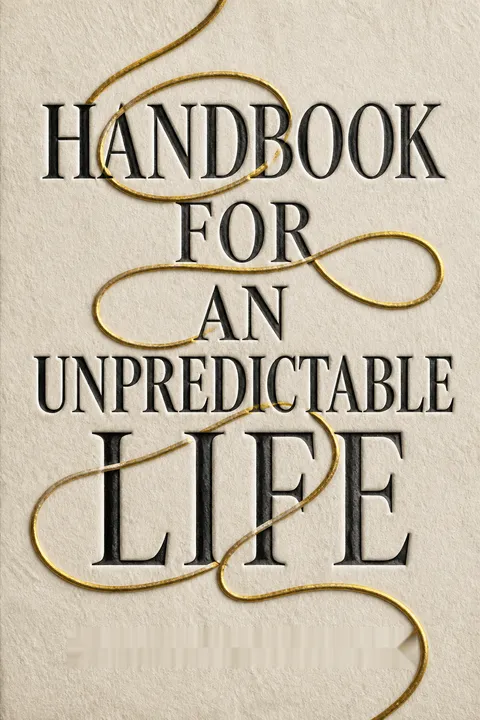
Handbook for an Unpredictable Life is a raw, emotional memoir that resonates with readers. Perez's candid account of her traumatic childhood, mental health struggles, and rise to fame is both heartbreaking and inspiring. Her authentic voice and humor shine through, making the book feel like an intimate conversation. Readers appreciate Perez's honesty, resilience, and ability to overcome adversity. The audiobook, narrated by Perez herself, adds an extra layer of authenticity. While some found the writing style casual, most praise the book for its powerful storytelling and cultural insights.
Glossary
the Home
Children's residential institutionPérez’s shorthand for Saint Joseph’s Catholic Home for Children in Peekskill, New York. She was sent there as a young child and lived under state and church care. The Home provided schooling, routines, and some supportive adults, but Pérez also describes physical punishment, emotional deprivation, and children separated from families.
Group Home
Transitional residential programA residential program established by Saint Joseph’s for selected girls and boys who were considered well behaved or academically advanced. Pérez entered the girls’ home at about eight. It placed a small group of children in a house with adult caregivers and greater access to school and community life, though its stability varied as caregivers changed.
dented can
Damaged, still valuable personPérez uses this image for people who have been hurt or complicated by life but remain worthy of affection and respect. She applies it to people she feels kinship with, including the rapper Tupac Shakur. The phrase resists treating damage as a person’s whole identity, while acknowledging that pain can remain visible.
CETA
Public employment programThe Comprehensive Employment and Training Act was a United States employment program that helped Pérez obtain an early paid job at a local cable television station. She describes it as an opportunity that let her develop work experience and discover that her personality and skills could lead to a role hosting a children’s show.
Five Percenters
Nation of Gods movementA movement Pérez encountered in Brooklyn during her youth, formed by people who separated from the Nation of Islam. As she explains it, members believed that the Asiatic black man is God and that only five percent of the world possesses true knowledge. The term appears in her account of neighborhood identity and conflict.
Fly Girls
In Living Color dance troupeThe group of dancers Pérez choreographed for the opening and musical segments of the television show In Living Color. She combined hip-hop movement with technical dance and cheerleading precision, and helped select music and stage performances. The Fly Girls became a prominent part of the show and earned Pérez Emmy nominations for choreography.
dysthymia
Persistent depressive disorderA chronic form of depression identified in Pérez’s account by her psychiatrist. The diagnosis helped her recognize that long-lasting sadness and low mood could coexist with humor, sociability, and genuine moments of happiness. She describes it alongside post-traumatic stress and says therapy and medication helped her manage her symptoms.
post-traumatic stress disorder
Trauma-related mental health conditionA condition Pérez says she experienced after childhood abuse, neglect, and frightening instability. She describes symptoms including nightmares, vigilance, fear, anger, and distressing memories. A psychiatrist’s diagnosis gave her a framework for understanding those reactions, while professional treatment helped her work on them over time.
FAQ
1. What is Handbook for an Unpredictable Life by Rosie Pérez about?
- Memoir of survival and resilience: The book is Rosie Pérez’s candid memoir, chronicling her turbulent childhood marked by abuse, neglect, and time in a Catholic Group Home.
- Family and identity exploration: It delves into her complex relationships with her mentally ill mother, absent father, loving aunt Tia, and numerous half-siblings, highlighting the impact of her Puerto Rican heritage and upbringing in Brooklyn.
- Journey to healing and success: The narrative follows her path from trauma to personal growth, including her rise to fame in entertainment and activism.
- Themes of overcoming adversity: Pérez’s story is deeply personal, showing how she used humor, determination, and support to survive and thrive.
2. Why should I read Handbook for an Unpredictable Life by Rosie Pérez?
- Authentic and engaging voice: Rosie Pérez offers a raw, honest, and often humorous account of her life, making her story both relatable and compelling.
- Inspiration through resilience: The memoir is a testament to human strength, showing how Pérez overcame significant adversity to achieve personal and professional success.
- Cultural and social insight: Readers gain a unique perspective on Puerto Rican culture, family dynamics, and the challenges of growing up in institutional care in New York City.
- Mental health awareness: Pérez’s openness about depression, PTSD, and therapy helps destigmatize mental health struggles and encourages seeking help.
3. Who is Rosie Pérez and what challenges did she face growing up, according to Handbook for an Unpredictable Life?
- Difficult childhood environment: Rosie Pérez grew up with a mentally ill, abusive mother and an absent father, experiencing instability and neglect.
- Institutional upbringing: She spent significant time in a Catholic Group Home, facing strict discipline, emotional isolation, and harsh punishments from caregivers.
- Family trauma: Pérez endured molestation attempts by a half-brother, separation from siblings, and the pain of fractured family relationships.
- Search for love and support: Despite these hardships, she found stability and affection from her aunt Tia and mentors who helped shape her resilience.
4. What are the key childhood experiences Rosie Pérez shares in Handbook for an Unpredictable Life?
- Early family life: Rosie was raised by her aunt Tia after being abandoned by her mother, experiencing warmth and cultural identity in Tia’s home.
- Life in the Group Home: She describes the harsh, punitive environment of Saint Joseph’s Catholic Home for Children, including strict routines and emotional neglect.
- Painful family visits: Pérez recounts difficult visits with her mother and father, complicated sibling relationships, and the emotional turmoil of being shuffled between homes.
- Moments of joy: Despite adversity, she found happiness in friendships, music, and the kindness of certain adults and volunteers.
5. How does Rosie Pérez describe her relationship with her mother Lydia in Handbook for an Unpredictable Life?
- Abuse and mental illness: Lydia suffered from schizophrenia and was physically and emotionally abusive, creating a climate of fear and instability.
- Estrangement and neglect: Lydia often abandoned Rosie, rarely visited, and was emotionally distant, leaving deep scars on her daughter.
- Complexity and attempts at reconciliation: Despite the pain, Pérez sought connection and ultimately found some compassion and forgiveness for her mother, especially near the end of Lydia’s life.
- Impact on Rosie’s life: The trauma from her mother’s behavior fueled Pérez’s determination to break the cycle of abuse and seek healing.
6. What role did Tia Ana play in Rosie Pérez’s life, as described in Handbook for an Unpredictable Life?
- Loving caretaker and mother figure: Tia Ana raised Rosie with love and attention, providing stability and nurturing during her mother’s absence.
- Source of cultural identity: Tia’s home in Brooklyn was a place of warmth, family, and Puerto Rican traditions, contrasting with the harshness of institutional care.
- Advocate and protector: She fought to gain custody of Rosie and remained a constant source of support, visiting her frequently and offering unconditional love.
- Emotional anchor: Tia’s presence helped Rosie maintain hope, self-worth, and a sense of belonging throughout her life.
7. How did Rosie Pérez’s experiences in the Group Home shape her character and outlook?
- Harsh and punitive environment: The Group Home was marked by strict rules, harsh punishments, and emotional isolation, teaching Pérez discipline and survival skills.
- Mentorship and growth: Positive influences like Grace, a former nun, encouraged her to value education, self-belief, and personal growth.
- Social adaptability: Pérez became a social butterfly, engaging in school and community activities, and learning to navigate complex social dynamics.
- Resilience and ambition: The challenges of institutional life fueled her determination to succeed and shaped her tough, hopeful outlook.
8. How did Rosie Pérez’s career in entertainment and activism develop, according to Handbook for an Unpredictable Life?
- Early career breakthroughs: Pérez began as a choreographer and host on a kids’ talk show, gaining recognition for her work with hip-hop and R&B artists.
- Transition to acting: She landed roles in films like Do the Right Thing and White Men Can’t Jump, facing and challenging typecasting and media stereotypes.
- Commitment to activism: Pérez became a prominent HIV/AIDS activist and advocate for public education and women’s rights, using her platform for social change.
- Balancing art and advocacy: Her career reflects a blend of artistic achievement and a deep commitment to giving back and empowering others.
9. What are the key themes and takeaways from Handbook for an Unpredictable Life by Rosie Pérez?
- Resilience and survival: The memoir highlights the power of perseverance in overcoming abuse, neglect, and systemic obstacles.
- Family and forgiveness: It explores the complexities of family relationships, the pain of betrayal, and the healing power of empathy and forgiveness.
- Identity and self-worth: Pérez’s journey emphasizes embracing her Puerto Rican heritage, challenging stereotypes, and asserting her right to self-definition.
- Impact of trauma and hope: The book sheds light on the long-term effects of childhood trauma while offering hope and the possibility of healing.
10. How does Handbook for an Unpredictable Life by Rosie Pérez address mental health struggles and healing?
- Open discussion of mental health: Pérez candidly shares her experiences with depression (dysthymia) and PTSD resulting from childhood trauma.
- Seeking professional help: She describes her journey to therapy, which became a crucial step in understanding and managing her mental health.
- Ongoing process of healing: Pérez emphasizes that healing is continuous, requiring daily effort and self-acceptance.
- Destigmatizing mental illness: By sharing her story, she encourages others to seek help and validates the importance of mental health care.
11. How does Rosie Pérez reflect on fame and media portrayal in Handbook for an Unpredictable Life?
- Mixed feelings about fame: Pérez expresses discomfort with public scrutiny, paparazzi, and the pressures of visibility.
- Fighting stereotypes: She critiques the entertainment industry’s tendency to pigeonhole her as a “street” Latina, challenging racism and limited roles.
- Balancing public and private life: The memoir discusses the difficulty of maintaining privacy and self-respect while navigating fame.
- Cost of visibility: Pérez highlights the emotional toll of being in the spotlight, especially for women and people of color.
12. What are the best quotes from Handbook for an Unpredictable Life by Rosie Pérez and what do they mean?
- “You can always ask for new cards.” Symbolizes hope and the possibility of change, encouraging readers to seek new opportunities despite their past.
- “The artist is born in the suffering child.” Reflects the idea that creativity can emerge from pain, though Pérez resists being defined solely by her suffering.
- “God bless America two times.” A phrase from Tia Ana, expressing gratitude and resilience, blending cultural identity and hope.
- “You have to forgive me, Rosie. You have to! Please! For everything I’ve done! You have to forgive me.” Lydia’s plea for forgiveness, highlighting the memoir’s central theme of reconciliation and emotional healing.
- “You’re lucky you’re not here anymore, or I’d give you a good crack right across that smart mouth of yours.” Sister Renata’s threat, illustrating the harsh discipline and toughness required to survive institutional care.
Download PDF
Download EPUB
.epub digital book format is ideal for reading ebooks on phones, tablets, and e-readers.








